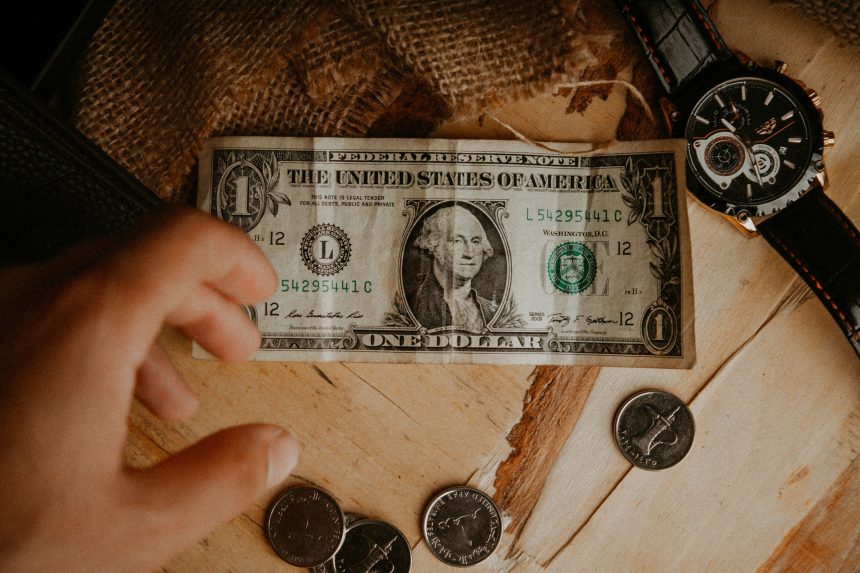
Most of us have handled a dollar bill thousands of times without really looking at it. Collectors do the opposite. They check the seal color, the serial number, and the fine print near the corners.
The hobby, often called paper money collecting or numismatics, rewards close attention. A note that looks ordinary to most people can be worth many times its face value if it carries the right detail. Here are ten kinds of U.S. notes that collectors hunt for, with the clues that give each one away.
1. Star Notes
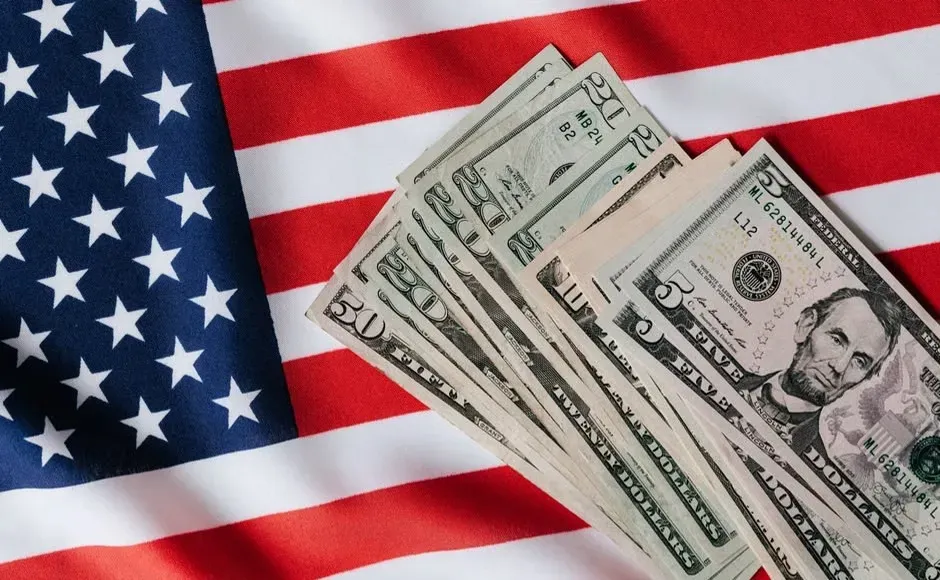
A star note is a replacement bill. When the Bureau of Engraving and Printing finds a damaged or misprinted note, it swaps in a note marked with a star in place of one of the serial number letters. Look at the serial number, usually at the end, and check for a small star where a suffix letter would normally sit.
Not every star note is valuable. Value depends on how many were printed for that series, denomination, and Federal Reserve district. Common modern star notes often sell for little more than a small premium. Notes from small print runs can bring far more, so check the series year and the district number against a reference guide.
2. Fancy Serial Number Notes
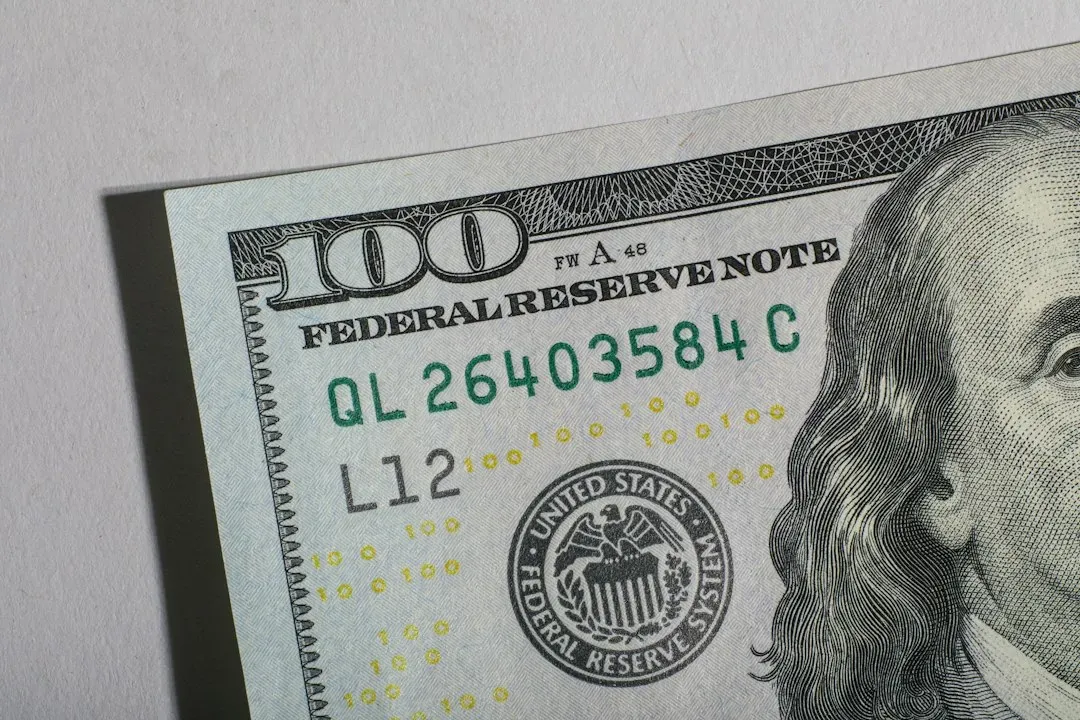
Some collectors ignore the design and read only the serial number. Patterns they chase include solids, where every digit is the same, and ladders, which run in order like 12345678. Radars read the same forwards and backwards, while repeaters duplicate a block of digits.
Very low numbers, such as one with many leading zeros, are also prized. These notes turn up in ordinary pocket change, which is part of the fun. Rarity here comes from the number itself, so a clean, crisp note with an eye catching serial is worth setting aside.
3. Printing Error Notes
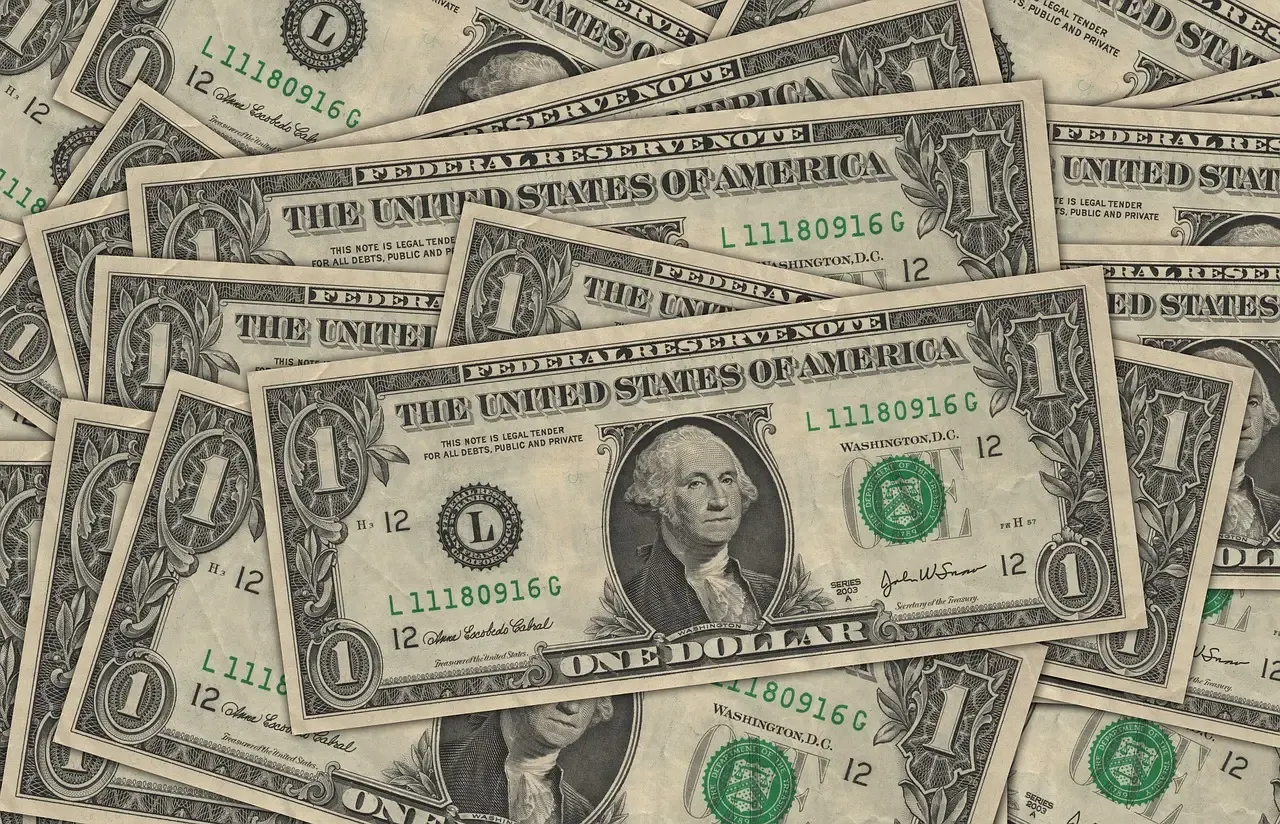
Mistakes happen at the printing plant, and collectors pay for them. Common examples include misaligned or shifted overprints, ink smears, gutter folds, and notes with mismatched serial numbers. A note cut badly so that part of a neighboring bill shows on the edge is another classic.
The key is to compare the note against a normal one. If the seal, serial numbers, or margins look off, examine it closely. Dramatic errors tend to be worth more than minor ones. Be careful, because damage after printing, like a stain or a home trim, can mimic an error and is not collectible.
4. Large Size Notes
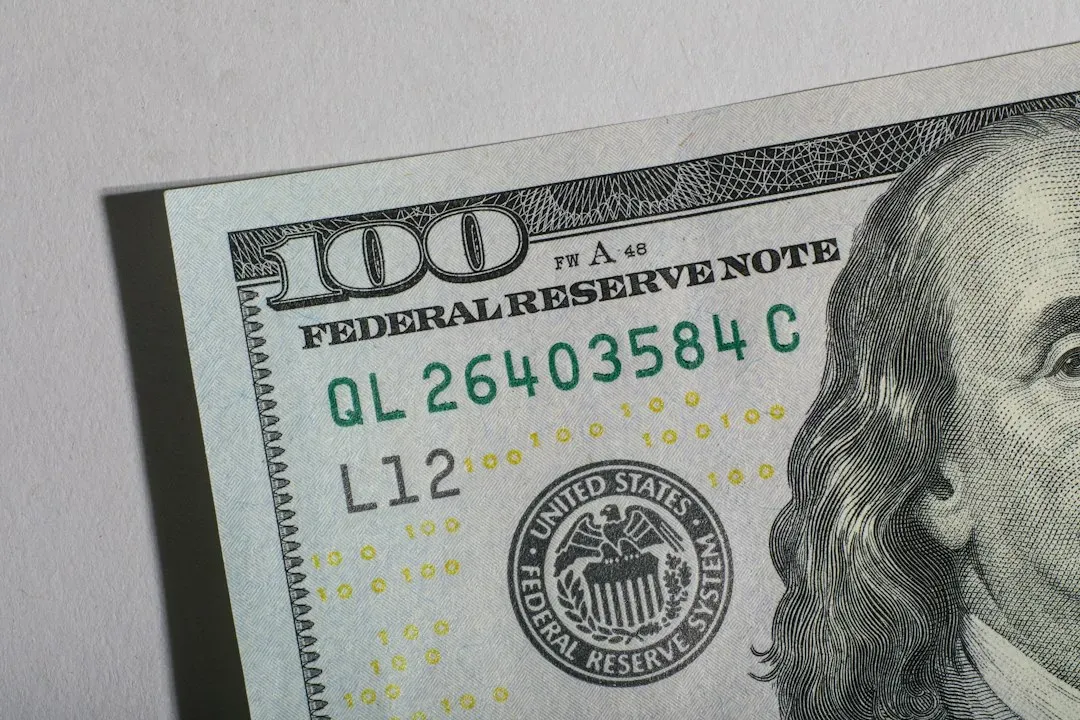
Before 1929, U.S. paper money was noticeably bigger than today’s bills. Collectors call these large size notes, and they are sometimes nicknamed horse blankets. Modern small size notes measure about 6.14 by 2.61 inches, so an older note will stand out right away.
They also feature elaborate, allegorical designs that look more like engravings than currency. One famous example is the Series 1890 Treasury Note, nicknamed the watermelon note because of the large green zeros on the back. Condition matters a great deal, so folds, tears, and trimmed edges reduce value sharply.
5. Silver Certificates
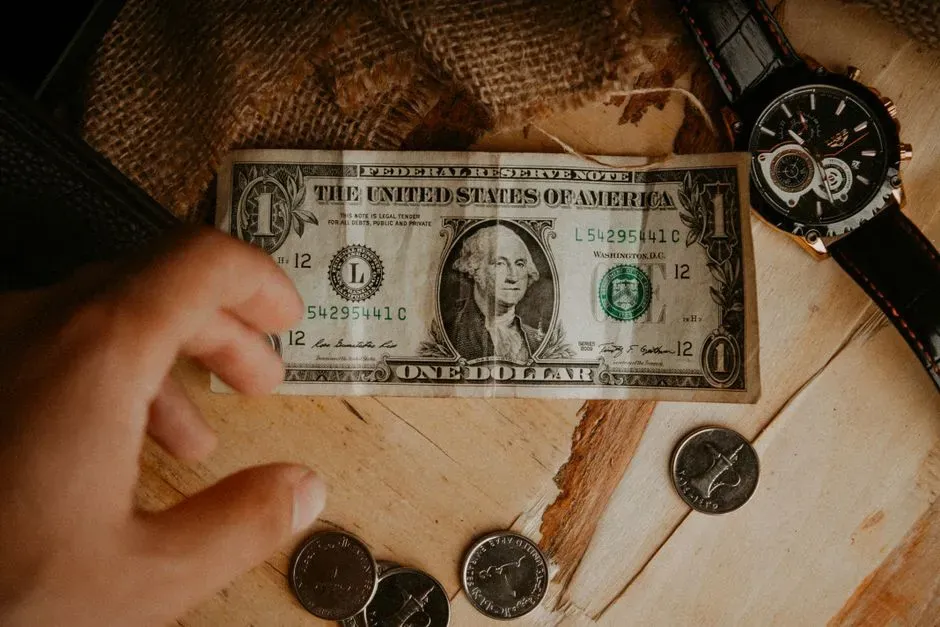
Silver certificates were once redeemable for silver, and they are easy to recognize by their blue seals and serial numbers. The most familiar is the Series 1957 one dollar bill, which carries the words Silver Certificate above the portrait. Redemption for silver ended in the 1960s, and many of these notes are still easy to find.
Most circulated examples sell for modestly above face value. Uncirculated notes, star notes, and earlier series bring more. Check the series date and seal color first, then judge the paper for crispness and folds.
6. Legal Tender Notes with Red Seals
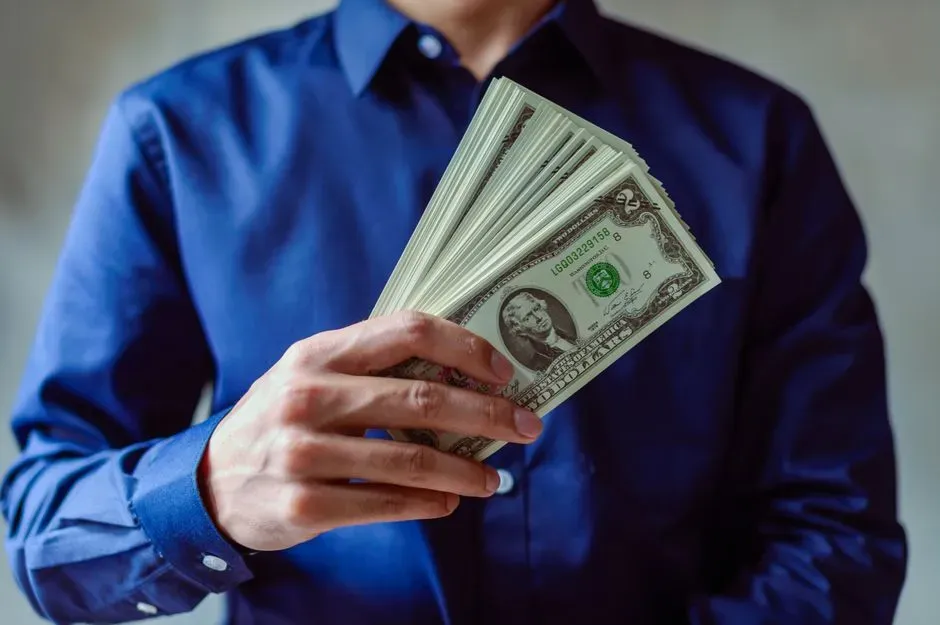
United States Notes, also called Legal Tender Notes, carry a red seal and red serial numbers. The best known among collectors are the two dollar bills from Series 1928, 1953, and 1963. Their color scheme sets them apart from the green seal notes in your wallet.
Many red seal two dollar bills survive in decent shape, so worn ones are often affordable. Crisp uncirculated examples and star notes cost more. Do not confuse them with the modern two dollar bill, which has a green seal and is usually worth face value.
7. National Bank Notes
National Bank Notes were issued by individual banks, and the bank’s name and charter number are printed right on the note. That makes them local history in your hand. Small size versions from Series 1929 have brown seals, while earlier large size notes have different seal styles.
Collectors usually care most about the issuing bank. A note from a tiny town or a short lived bank can be far scarcer than one from a major city. Look for the charter number and town name, then research how many notes that bank issued.
8. Gold Certificates
Gold certificates were once backed by gold held by the Treasury. On small size notes, they have a gold or orange seal and serial numbers, which makes them easy to spot. The Series 1928 notes, sometimes called Gold Certificates with a yellow tint, are a common entry point.
Earlier large size gold certificates are scarcer and often more ornate. Because they were meant for high value transactions, fewer survive in good condition. Always check for the gold colored seal and the wording that references gold coin on the note.
9. Hawaii and North Africa Emergency Notes
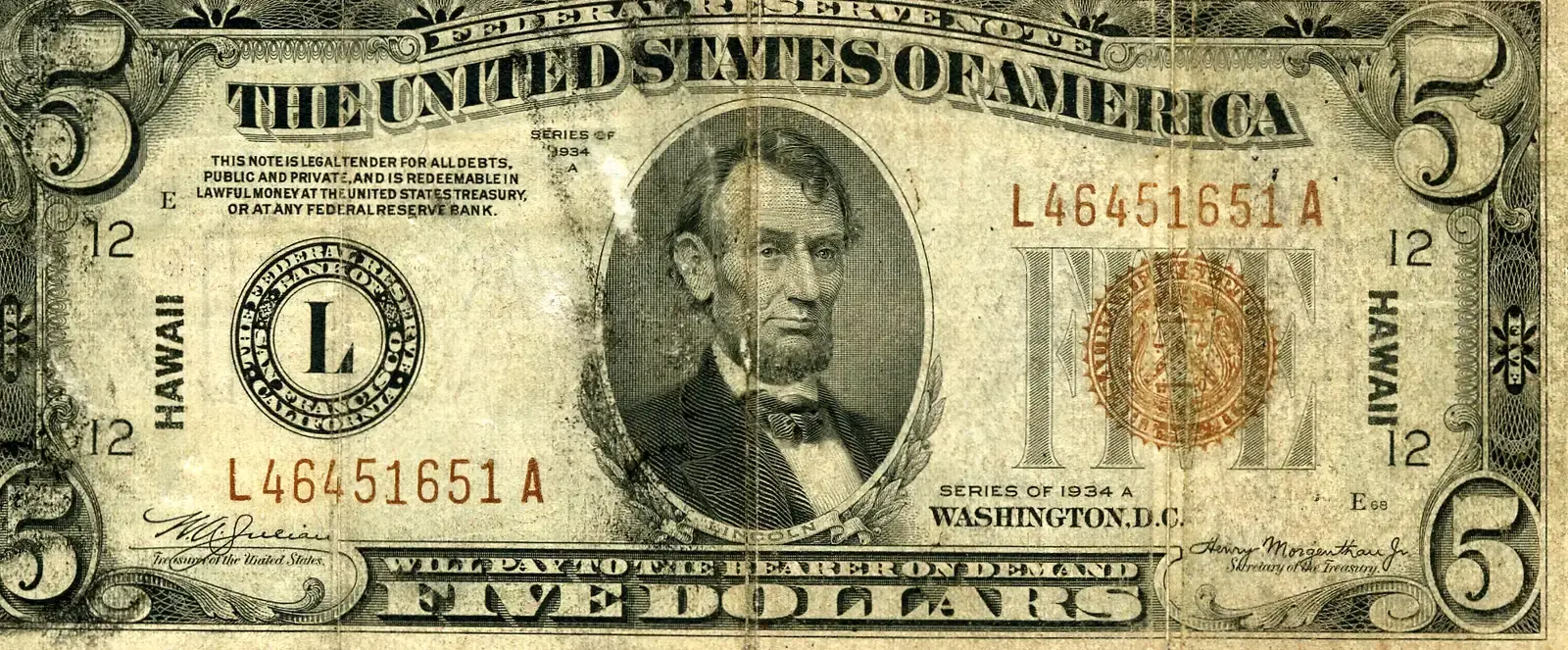
During World War II, the government issued special notes for use in Hawaii and for troops in North Africa. Hawaii notes carry a brown seal and the word HAWAII printed on the back and overprinted on the face. The idea was that, if Japan invaded, the notes could be declared worthless.
North Africa notes have a yellow seal and were meant for military use during the campaign there. Both types are collected as historical artifacts. Check the seal color and the overprint, since regular notes of the same series without them are far less valuable.
10. Educational Series Notes of 1896
These silver certificates are often called the most beautiful American notes. The one, two, and five dollar denominations feature detailed allegorical art rather than a simple portrait. The five dollar note, with its depiction of electricity, is especially admired.
Because of their age and artistry, they command real money even when worn. Look for the Series 1896 date and the elaborate artwork on both the front and back. Third party grading from services like PMG can help confirm authenticity and condition before you buy or sell.