Movie scripts get treated like sacred documents, at least in theory. Screenwriters spend months shaping dialogue, producers argue over every comma, and directors plan shots around exact wording. Yet some of the most quoted lines in film history never made it past a table read. They showed up on set, sometimes seconds before the camera rolled, because an actor decided the page wasn’t quite right. What follows are seven cases where a performer quietly changed, tweaked, or invented the words that would go on to define their career. None of these actors set out to become screenwriters for a day. They just refused to say something that didn’t feel true to the character in front of them.
Roy Scheider and the boat that got bigger on its own
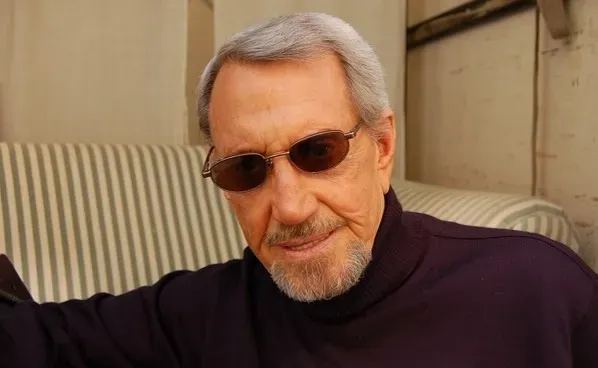
Jaws gave the world “You’re gonna need a bigger boat,” a line that ranks among the most recognizable in American film. According to screenwriter Carl Gottlieb, the phrase started as an inside joke about the production’s cramped, underfunded support boat, not as scripted dialogue at all. Gottlieb explained that the phrase came about during rewrites and reflected a real life problem of having too small a boat, with crew members repeatedly telling stingy producers, “You’re gonna need a bigger boat.”
The joke floated around set for weeks before it ever reached the screen. Because of the running gag, Scheider began ad-libbing the line into different scenes while filming, including the moment that ultimately made it into the finished movie. He wasn’t handed a punchline by the writers. He picked one up off the deck and decided it belonged to Chief Brody.
Harrison Ford and the two words that outsmarted the script
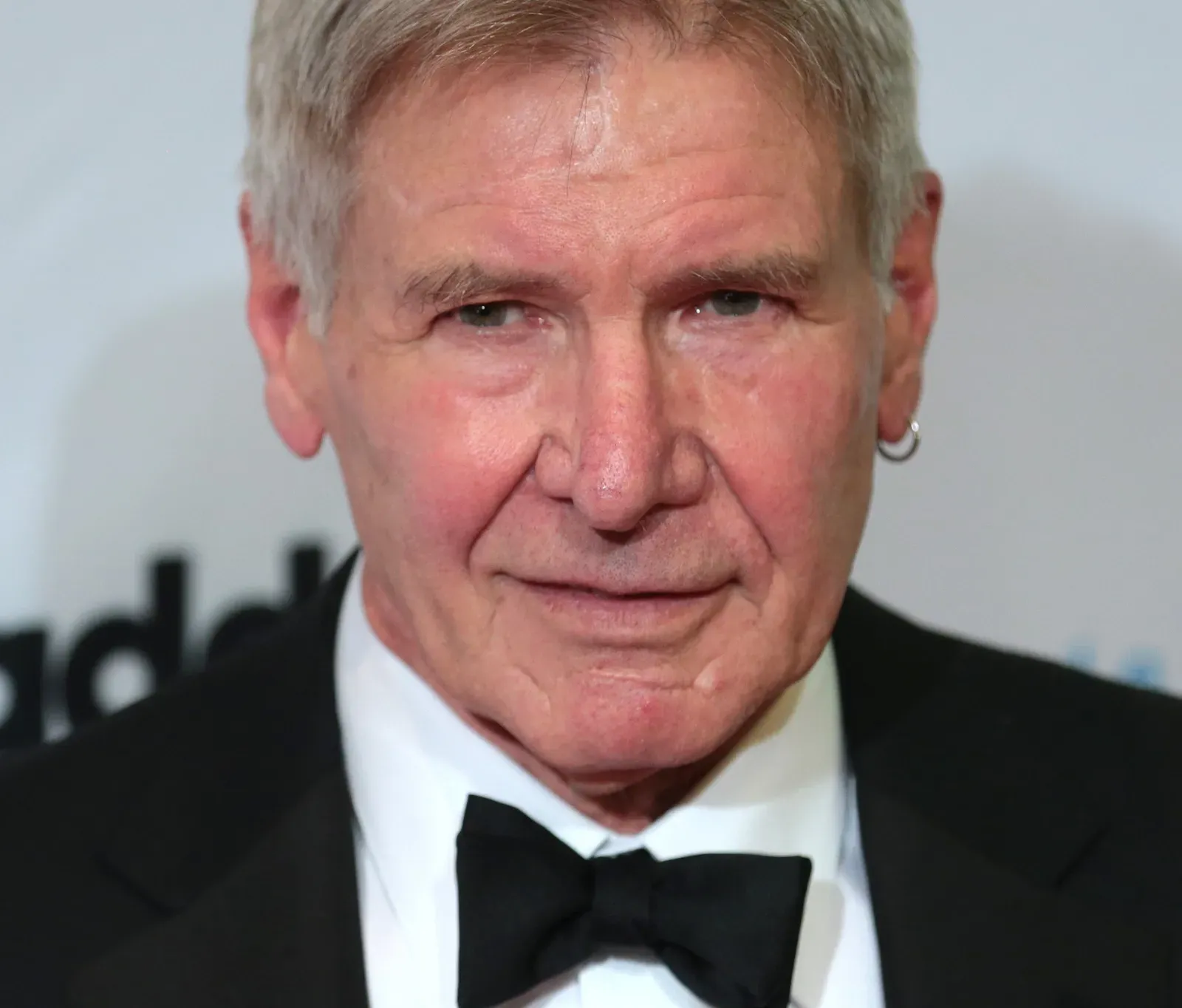
Han Solo’s farewell to Leia in The Empire Strikes Back is often cited as proof that less is more. The scripted version had Leia declare her love and Han respond in kind, but Ford didn’t buy it. The original script called for Ford to reply “I love you too,” but he flat out refused, later saying it just didn’t feel right and didn’t feel like Han Solo.
Rather than change it in secret, Ford worked the alternative out with director Irvin Kershner before the cameras rolled that day. Their conversation, recorded on set and later transcribed, confirms that “I know” was all Harrison Ford, with the actor telling Kershner it would be beautiful, acceptable, and funny. George Lucas hated it at first and pushed for a second test screening with the original line, but audience reaction settled the argument fast.
Arnold Schwarzenegger and the fight to change one syllable
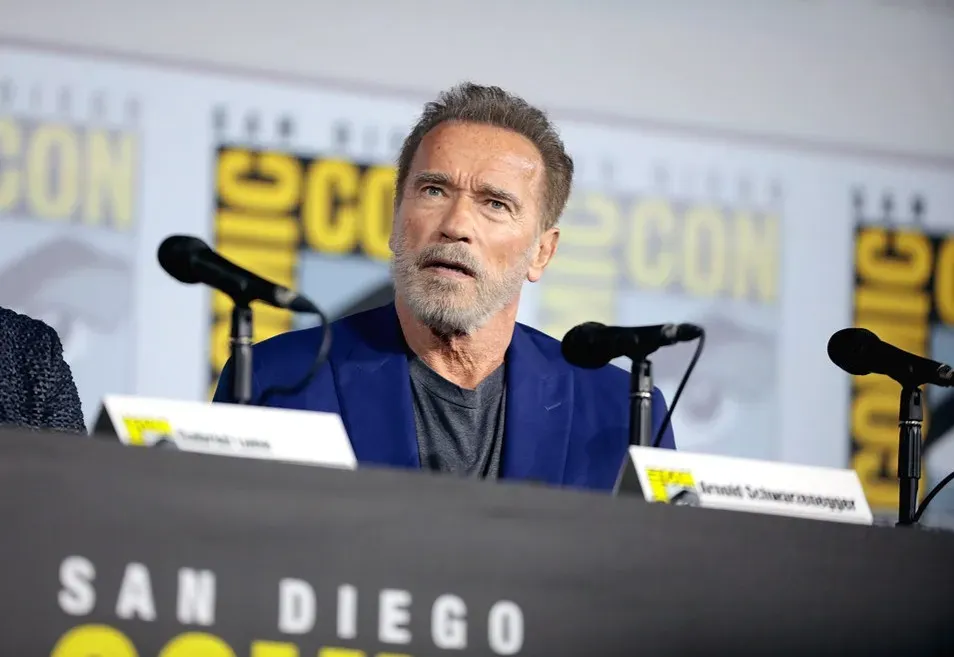
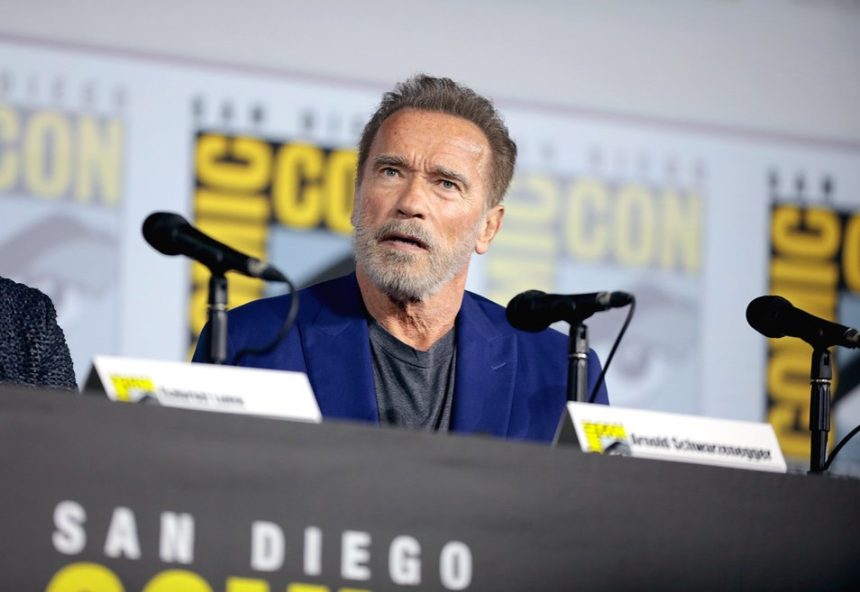
“I’ll be back” is so tied to Schwarzenegger’s identity that it’s easy to forget he actually tried to get rid of it. He wanted the line spoken in full, not contracted, and said so plainly on set. He explained that he and director James Cameron were debating how to say the line because he wasn’t comfortable saying “I’ll,” and he suggested the script be rewritten so he could say “I will be back” instead.
Cameron shut the idea down almost immediately. Cameron disagreed and reportedly shot back, “Are you the scriptwriter now? It’s just one word. Don’t tell me how to write. I don’t tell you how to act.” Schwarzenegger followed the director’s version, and within a year strangers were stopping him in Central Park just to hear him say it.
Jack Nicholson and the talk show host who broke through a door
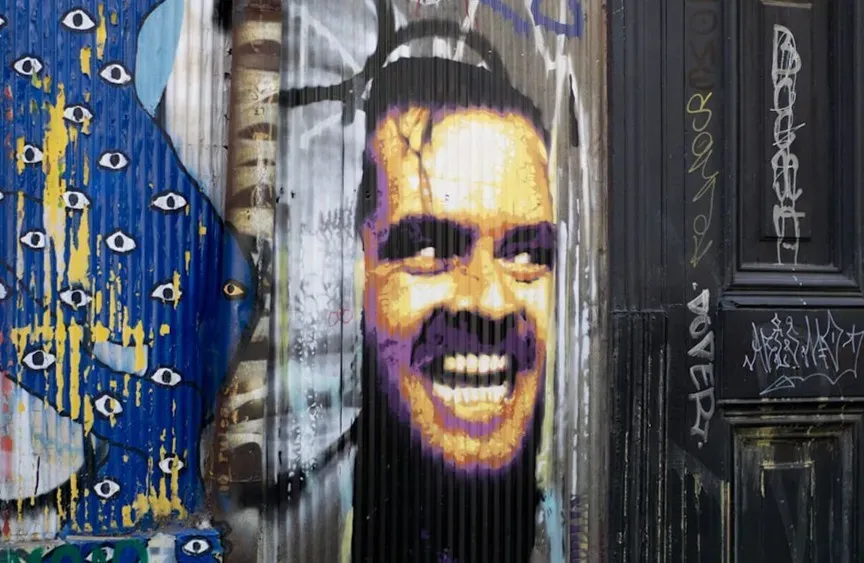
The Shining never called for a joke, let alone a reference to late-night television. Stanley Kubrick simply wanted Jack Torrance to hack through a bathroom door with an axe. What Nicholson added once his face poked through the hole became the scene’s entire legacy. During a famously difficult shoot, Nicholson ad-libbed one of his most famous lines, poking his demented face through the hole and wailing “Heeeeeere’s Johnny!” in mimicry of Ed McMahon’s catchphrase for introducing Johnny Carson.
Kubrick, who was based in England at the time and had never seen an American late-night broadcast, didn’t even recognize the reference. The line was taken from The Tonight Show with Johnny Carson and imitated Ed McMahon’s introduction, and Kubrick later admitted he had never heard the line before but decided to use it anyway. That gap in cultural knowledge didn’t stop it from becoming one of horror’s most repeated lines.
Partner offer
Robert De Niro and a mirror that wasn’t in the script
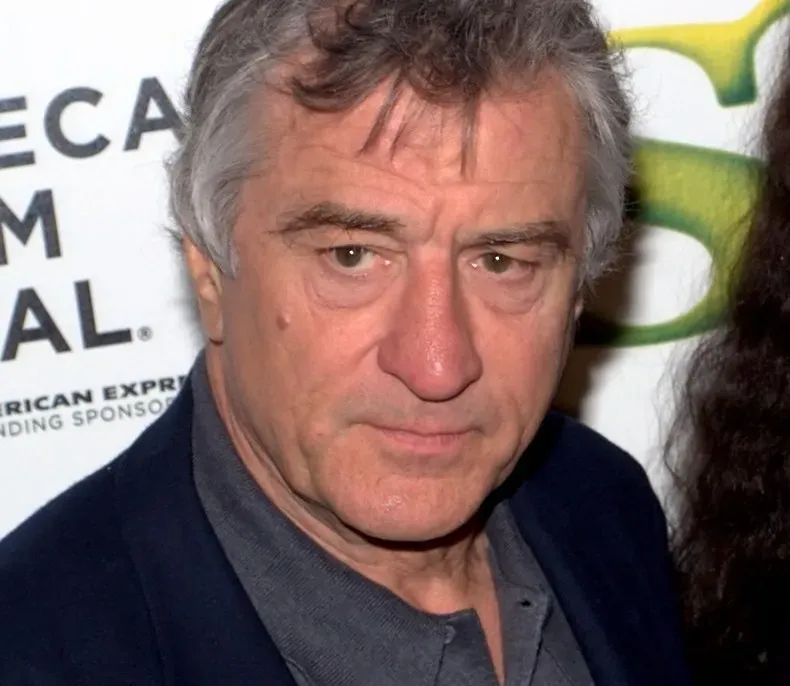
Taxi Driver’s most famous scene exists because Paul Schrader left a blank space and trusted his lead actor to fill it. The screenplay offered almost nothing to work with. In the original script, Schrader had simply written “Bickle speaks to himself in the mirror,” with no actual dialogue provided.
De Niro turned that gap into the character’s defining moment. The script only said Travis Bickle should look in the mirror, but he improvised the whole monologue of Bickle hyping himself up, and director Martin Scorsese loved the result. Production was already running long that day, and the crew reportedly had to be talked into giving De Niro the extra minutes he needed to find the words.
Dustin Hoffman and a cab that almost changed everything
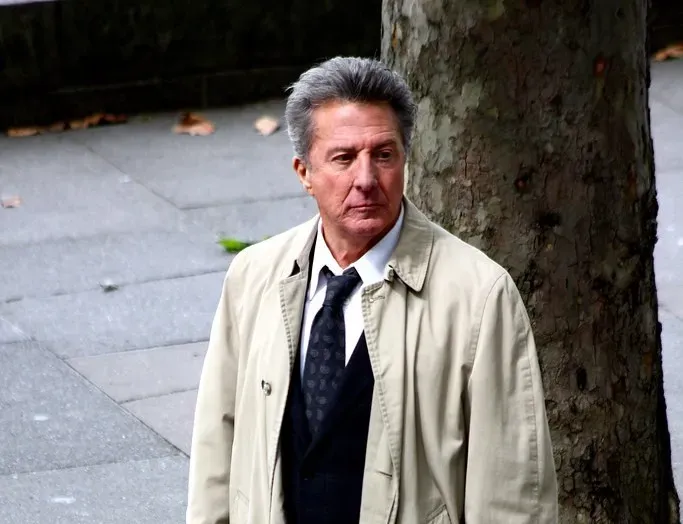
Midnight Cowboy’s “I’m walking here!” has become such an established piece of New York folklore that its origins are genuinely disputed. Hoffman has long maintained it came from a real near miss during a guerrilla shoot on a live Manhattan street. According to Hoffman and others, the moment where his character nearly gets run over by a cab and shouts “I’m walking here!” was totally improvised and never supposed to happen, after the driver jumped the light during a take.
Not everyone agrees on how spontaneous it really was. Producer Jerome Hellman has challenged that account, pointing out that Ratso pretending to be hit by a taxi to fake an injury was already part of the original script draft. Either way, the specific words Hoffman shouted, delivered in character and without breaking stride, weren’t written down anywhere before that afternoon.
Robert Downey Jr. and the confession no one planned for
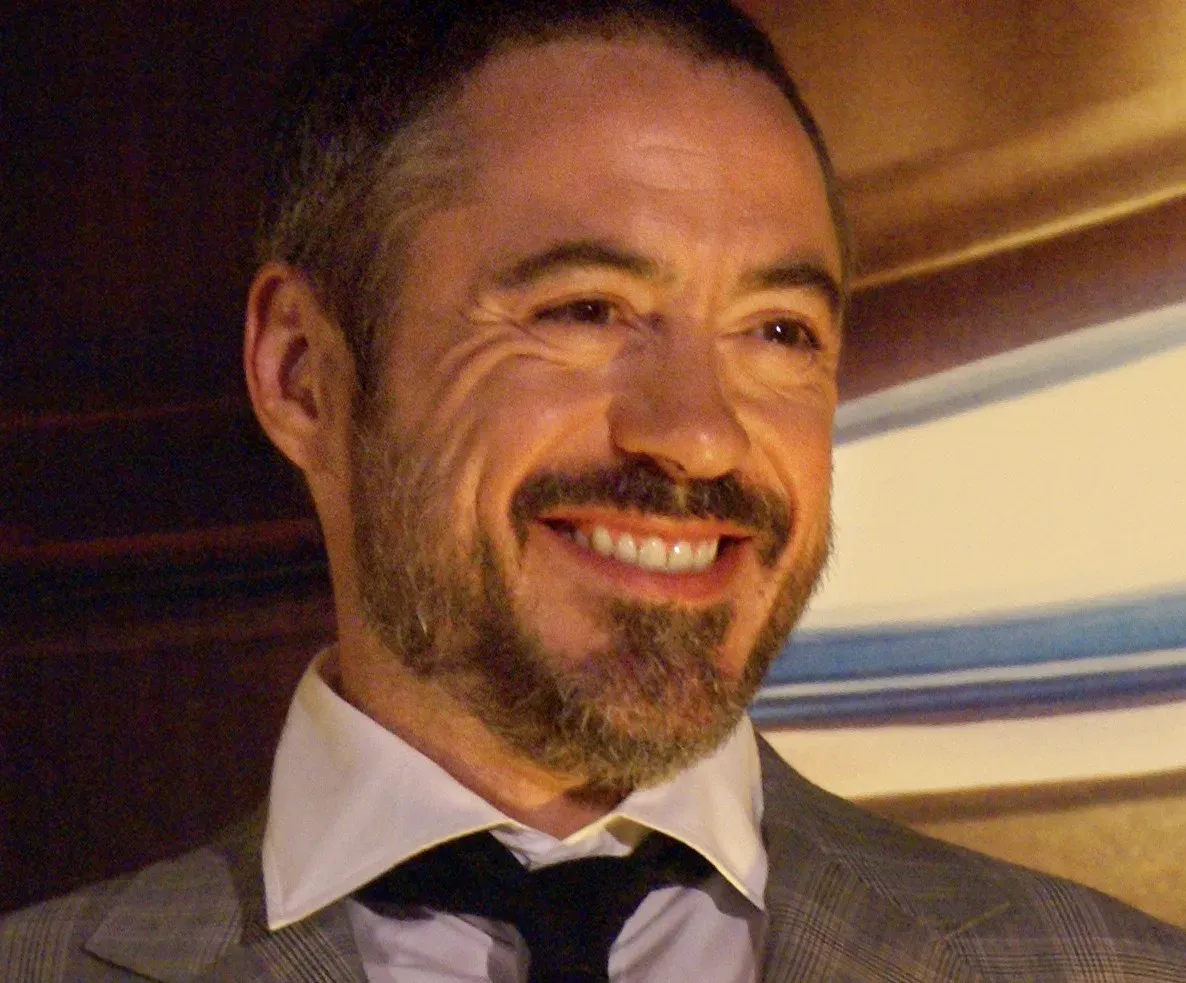
By the time Iron Man reached its final scene, the plan was for Tony Stark to lie smoothly to reporters about his double identity, protecting the secret the entire Marvel universe would later be built around. That was the plan on paper, at least. Producer Kevin Feige had planned to have Tony Stark battle with the secret of his alter ego, but Downey felt his character wasn’t one to shy away from the glory of saving the world.
Instead of reading the prepared denial, Downey abandoned it entirely in front of the cameras. He tossed his cue cards aside and simply said, “I am Iron Man,” a line that changed the trajectory of the entire Marvel Cinematic Universe. That single unscripted decision effectively rewrote the franchise’s rulebook on secret identities before the rulebook had even been finalized. These seven moments share a common thread even though they span five decades of filmmaking. Each actor looked at a page of dialogue, decided something wasn’t quite right, and trusted their instinct for the character over what had been typed out in advance. Some directors fought back, some gave in immediately, and a few, like Kubrick, didn’t even understand the joke they were filming. What ties the stories together isn’t rebellion for its own sake. It’s the fact that studios, writers, and audiences eventually agreed the actors were onto something the script hadn’t quite captured. That’s a rare kind of vindication in an industry built on tightly controlled words, and it’s part of why these particular lines outlived the movies that first delivered them.
Partner offer
Planning a trip to Vegas?
Compare hotel rates and show tickets on VEGAS.com.