History loves a loud hero. The kind who storms a podium, waves a flag, and gets their face carved into stone. We’ve all heard those names a thousand times. Yet some of the most world-altering acts of defiance were carried out in total silence, in submarines, in forests, in hallways, and in dark classrooms where nobody was watching.
These were the people who said “no” when it cost them everything, or said “yes” when the whole system screamed otherwise. They didn’t hold press conferences. They didn’t write bestselling manifestos. They simply did what they believed was right, and in doing so, they bent the arc of history with nothing more than their convictions. Get ready to be surprised by what you didn’t know.
1. Bayard Rustin: The Architect Hidden in the Shadows

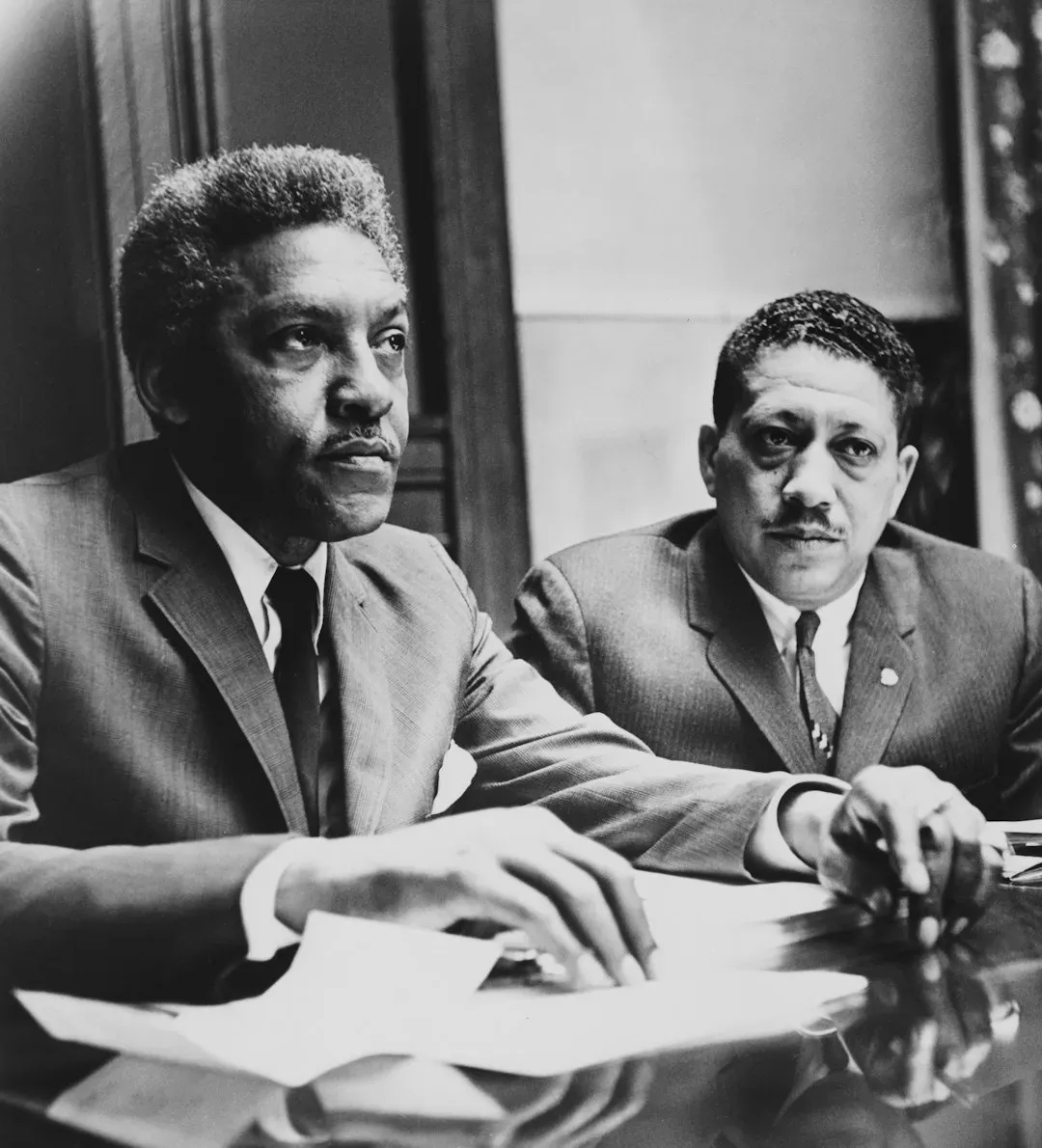
Most people can name at least three leaders of the American civil rights movement. Bayard Rustin is almost never among them. Yet Bayard Rustin was the main organizer of the March on Washington in 1963, arguably the single most iconic demonstration in American history. He didn’t just help plan it. He was its engine.
In less than two months, Rustin guided the organization of an event that would bring over 200,000 participants to the nation’s capital. Think about what that means logistically. That’s roughly the equivalent of organizing a small city, almost entirely before the internet.
During the civil rights era, his homosexuality was seen as a political risk, so he was not able to take the public role many other leaders did. He was deliberately kept in the background, his name erased from programs, his face cropped from photographs. Rustin convinced King to adopt the non-violent resistance methods used by Mahatma Gandhi to help India gain independence from the British.
Bayard Rustin was posthumously awarded the Presidential Medal of Freedom in 2013. In 2020, Rustin was pardoned for his 1953 conviction. It took decades, but history is finally correcting its own record on this extraordinary man.
2. Vasili Arkhipov: The Man Who Said No to Nuclear War

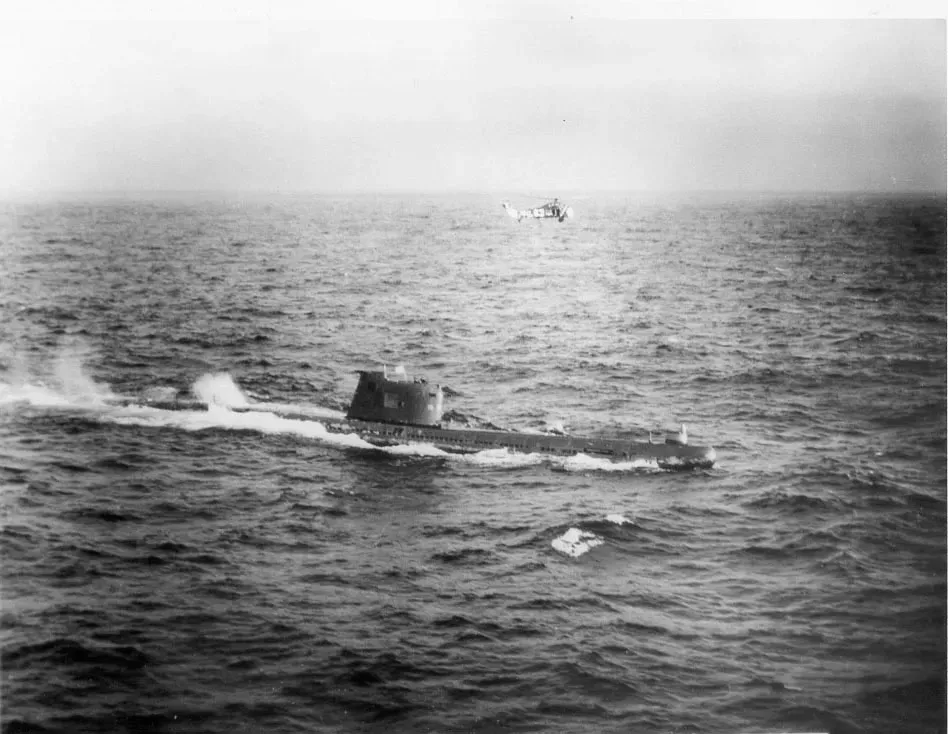
On October 27, 1962, the world came within a single signature of nuclear annihilation. A group of eleven U.S. Navy destroyers and the aircraft carrier USS Randolph located Soviet submarine B-59 near Cuba. Despite being in international waters, the U.S. Navy started dropping signaling depth charges, explosives intended to force the submarine to come to the surface for identification.
Senior officers in the submarine, out of contact with Moscow and the rest of the world and believing they were under attack and possibly at war, came close to firing a T-5 nuclear torpedo at the US ships. The Americans had not been aware that B-59 was armed with a nuclear torpedo, of roughly the power of the bomb which was dropped on Hiroshima.
According to a Soviet intelligence report, an argument broke out on B-59, with Arkhipov alone blocking the launch. Arkhipov eventually persuaded Captain Savitsky to surface amid U.S. Navy vessels and await orders from Moscow. One man, refusing. That was all that stood between civilization and catastrophe.
In recognition of his actions onboard B-59, Arkhipov received the first “Future of Life Award,” which was presented posthumously to his family in 2017. Offered by the Future of Life Institute, this award recognizes exceptional measures, often performed despite personal risk and without obvious reward, to safeguard the collective future of humanity. His name should be taught in every school on earth.
3. Stanislav Petrov: The Man Who Didn’t Press the Button

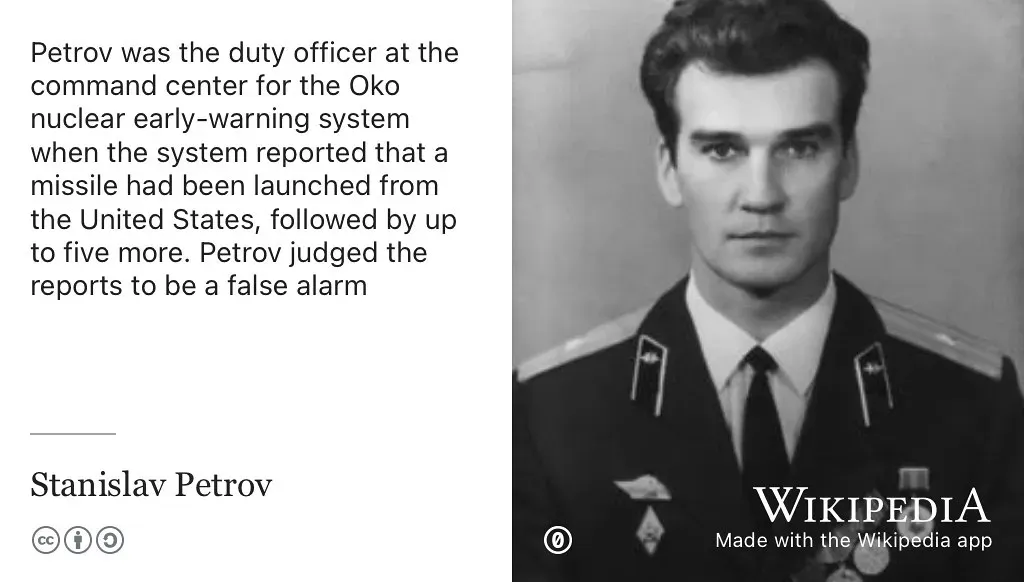
Twenty-one years after Arkhipov’s defiance, another Soviet officer faced an eerily similar choice. On September 26, 1983, during the Cold War, the Soviet nuclear early warning system Oko reported the launch of one intercontinental ballistic missile with four more missiles behind it, from the United States. These missile attack warnings were suspected to be false alarms by Stanislav Petrov, an engineer of the Soviet Air Defence Forces on duty at the command center of the early-warning system. He decided to wait for corroborating evidence, of which none arrived, rather than immediately relaying the warning up the chain of command.
This decision is seen as having prevented a retaliatory nuclear strike against the United States and its NATO allies, which would likely have resulted in a full-scale nuclear war. Petrov was filling in for a sick colleague that night. Had anyone else been at that station, who knows.
Later investigations concluded that a rare alignment of sunlight on high-altitude clouds over the continental United States had caused the satellite’s infrared sensors to misinterpret the reflected light as missile plumes. Technology failed. One human mind did not.
After the incident, Petrov received neither reward nor official commendation. His actions were kept secret from broader military and political circles. Stanislav Petrov died in Moscow on May 19, 2017, at the age of 77. He lived quietly, as most true heroes tend to.
4. Wangari Maathai: The Woman Who Planted Millions of Trees


In the 1970s, Kenya was being stripped of its forests. Rural women were walking longer and longer distances for firewood and water. Most leaders looked the other way. Wangari Maathai was a Kenyan social, environmental, and political activist who founded the Green Belt Movement, an environmental non-governmental organization focused on planting trees, environmental conservation, and women’s rights. She did not write policy papers. She handed women seeds.
Since Wangari Maathai started the movement in 1977, more than 51 million trees have been planted, and more than 30,000 women have been trained in forestry, food processing, bee-keeping, and other trades that help them earn income while preserving their lands and resources. A tree at a time, she changed an entire continent’s relationship with the earth.
Maathai was frequently imprisoned, beaten, and targeted by the government as a result of her activism. Her methods were considered so threatening that former Kenyan President Daniel Moi identified the Green Belt Movement as “subversive.” A woman planting trees was seen as dangerous. Honestly, she was.
In 2004 she became the first African woman to win the Nobel Peace Prize. When she won the Nobel Prize in 2004, the committee commended her “holistic approach to sustainable development that embraces democracy, human rights, and women’s rights in particular.” She remains a model of what one determined person can grow from almost nothing.
5. Sophie Scholl: The Student Who Stood Against Hitler

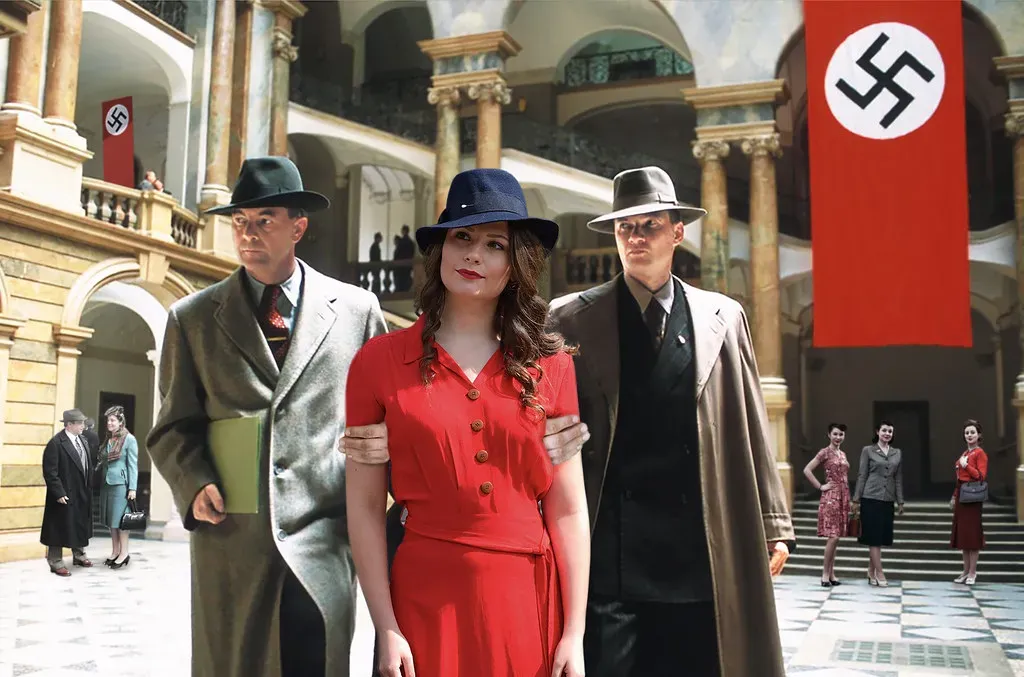
Let’s be real. Resisting the Nazi regime in 1943 Germany required a kind of courage that most of us will never be tested to find. Sophie Scholl, a 21-year-old German student, bravely distributed anti-Nazi leaflets with her brother. She and her brother Hans were part of the White Rose, a small resistance group operating inside the belly of the Third Reich at the University of Munich.
The White Rose distributed leaflets calling Hitler’s regime criminal and urging passive resistance among the German people. It was, by any measure, a suicidal act. Captured and executed in 1943, her final words questioned the prevailing injustice. Scholl’s courage in the face of tyranny inspired many.
She wasn’t a general. She wasn’t a politician. She was a student who printed papers on a borrowed machine and scattered them in a university hallway. Her story is one of youthful defiance against overwhelming odds. Scholl’s willingness to sacrifice for a just cause resonates through history.
Today Sophie Scholl’s face appears on stamps, in museums, and in countless school curricula across Germany. She has become one of the defining symbols of moral resistance. Her story is the ultimate reminder that you don’t need an army to challenge tyranny. Sometimes a stack of paper is enough.
6. Bayard Rustin’s Forerunner: The Journey of Reconciliation

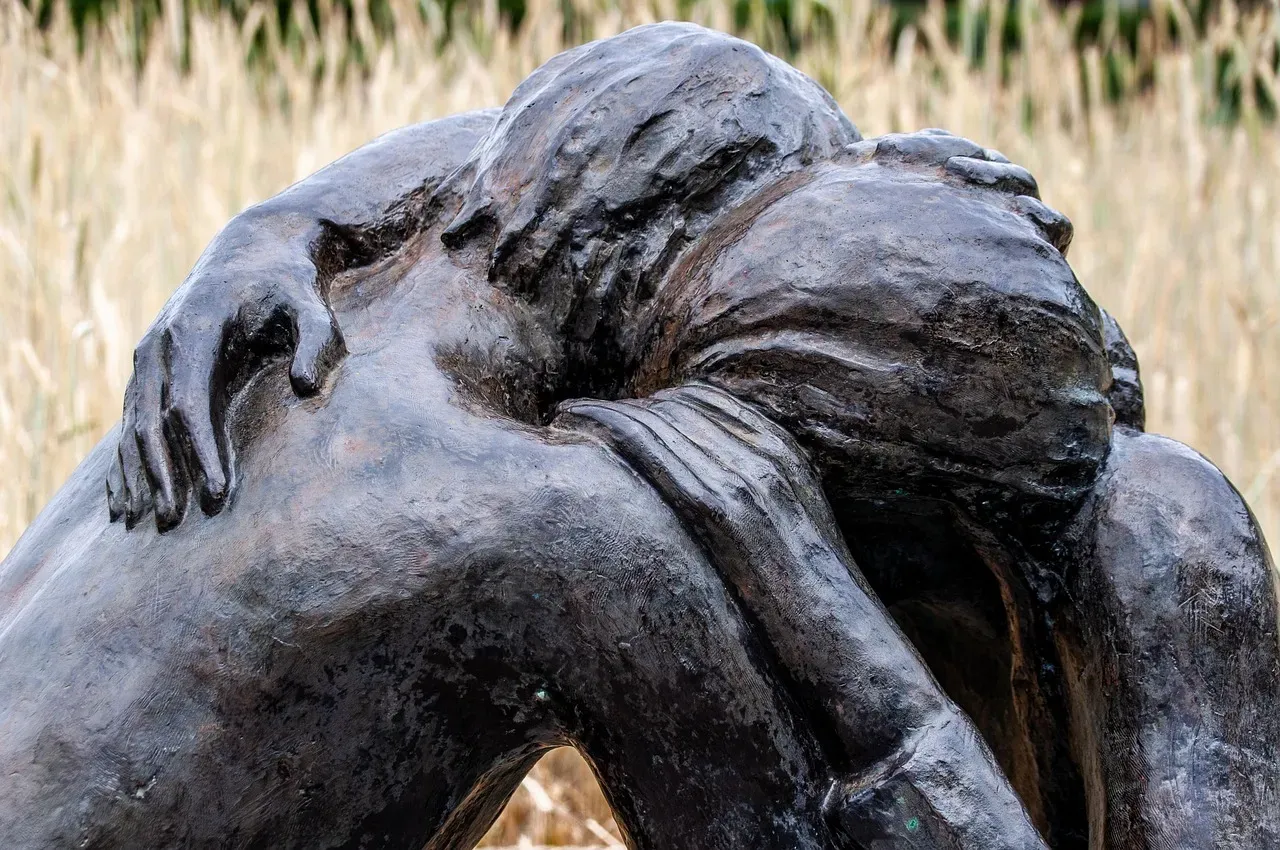
Before the famous Freedom Rides of the 1960s, there was a quieter and largely forgotten first attempt. In 1947 as a member of the Fellowship of Reconciliation, Rustin planned the “Journey of Reconciliation,” which would be used as a model for the Freedom Rides of the 1960s. It’s the kind of history that gets buried under more famous headline moments.
In 1947, Rustin and the Congress of Racial Equality recruited sixteen black and white volunteers to ride buses throughout Virginia, North Carolina, Tennessee, and Kentucky using non-violent direct action in a Journey of Reconciliation to test this ruling. For this, Rustin was arrested and sentenced to forty days of hard labor on a chain gang, even though he had not broken any laws.
Think about the audacity of that. Riding a bus as a form of protest. It sounds almost gentle. Yet those rides planted seeds that would eventually grow into a movement that reshaped an entire nation’s laws. Rustin’s description of his ordeal in the New York Post sparked prison reform in the state and led to abolition of the convict labor system there.
This forgotten chapter of history shows that sometimes the first domino is the hardest to push. Nobody photographs the first domino. They photograph the collapse. The Journey of Reconciliation was the quiet first push that nobody saw coming.
7. The White Rose Network: Hans Scholl and Fellow Students


Sophie Scholl is the best-known name from the White Rose, but she didn’t act alone. Her brother Hans Scholl, along with students Christoph Probst, Alexander Schmorell, and Willi Graf, formed the core of this extraordinary resistance cell. They weren’t soldiers. They were university students who read philosophy and believed words could still move mountains.
Between June 1942 and February 1943, the White Rose distributed six sets of leaflets across Germany and Austria. Each leaflet was hand-addressed and mailed at significant personal risk. Some were left in telephone booths, others slipped under office doors at the university.
The group was finally caught on February 18, 1943, when a university custodian saw Sophie and Hans toss a stack of leaflets from a balcony. Scholl’s courage in the face of tyranny inspired many. Her story is one of youthful defiance against overwhelming odds. All core members were arrested, tried within days, and executed by guillotine.
What makes their rebellion so haunting is how small it was. A handful of students. A hand-cranked duplicating machine. A few stamps. Yet the Gestapo considered them dangerous enough to execute within days of their arrest. Small acts of truth can terrify the most powerful regimes.
8. Wangari Maathai’s Confrontation at Uhuru Park

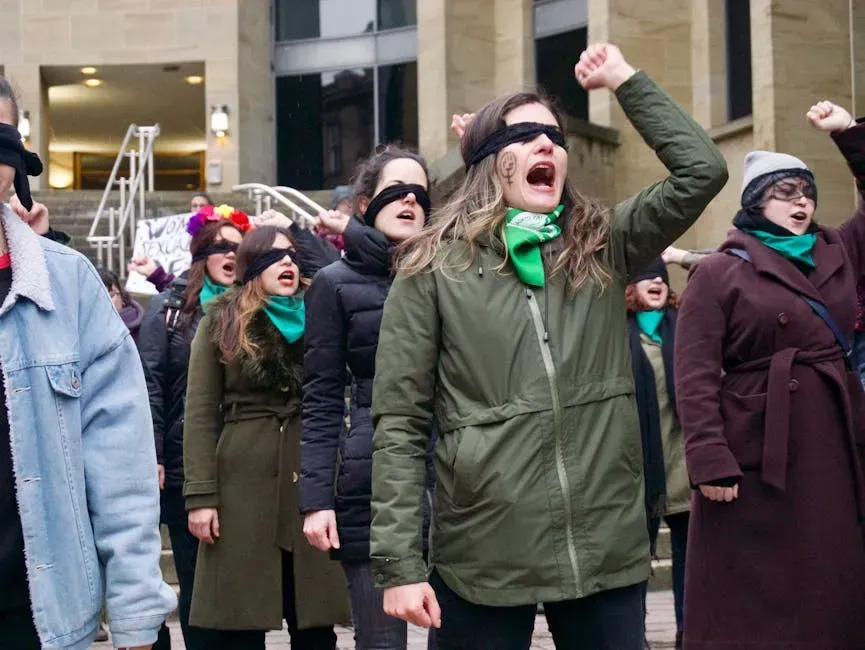
It’s one thing to plant trees in quiet forests. It’s another to stand in the middle of a capital city and face down an authoritarian government. In 1989, Kenya’s government announced plans to build a massive commercial skyscraper and headquarters inside Nairobi’s Uhuru Park, one of the city’s only green public spaces.
In 1989, the government initiated plans to demolish one of Nairobi’s only parks, Uhuru Park, for the construction of a massive skyscraper. Maathai led a peaceful protest alongside her supporters where they prevented the demolition of the site. Despite facing severe police brutality, Maathai and her supporters went to court and eventually funders of the project removed their investments.
International pressure mounted. Donor countries and investors pulled their funding. The skyscraper was never built. Uhuru Park still stands today, green and alive, because one woman refused to be silent. Although initially the Green Belt Movement’s tree planting activities did not address issues of democracy and peace, it soon became clear that responsible governance of the environment was impossible without democratic space. Therefore, the tree became a symbol for the democratic struggle in Kenya.
It’s a beautiful metaphor, honestly. A tree as a political statement. A park as a battlefield. Maathai understood something most politicians miss: you cannot separate ecology from justice. They are the same fight.
9. Arkhipov’s Earlier Test: The K-19 Disaster

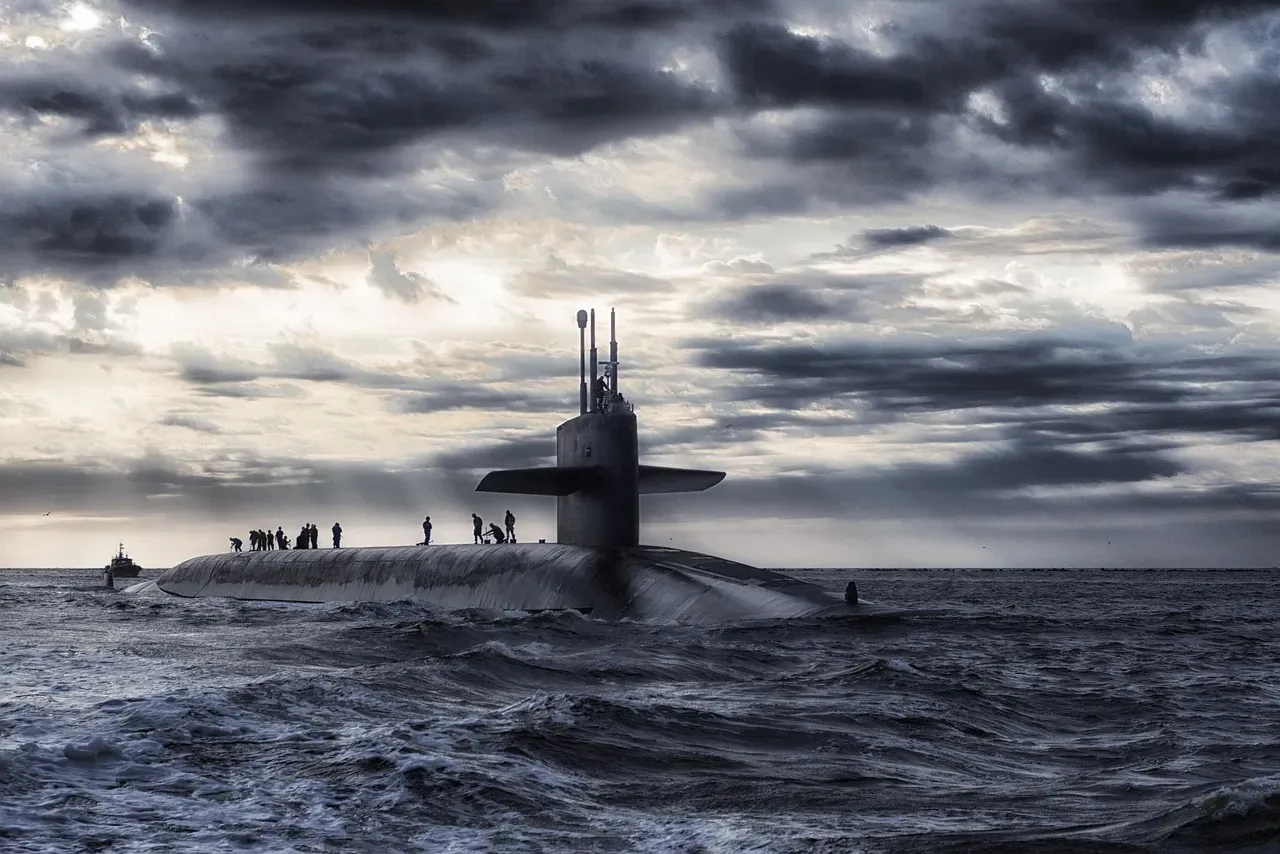
Before Arkhipov’s defining moment in 1962, he was already being forged by crisis. In July 1961, Arkhipov was appointed deputy commander of the new Hotel-class ballistic missile submarine K-19. While on exercises southeast of Greenland, the submarine developed a major leak in its reactor coolant system, leading to failure of the cooling system. At the same time, radio communications broke down, leaving the crew unable to contact Moscow.
With no backup systems, Captain Nikolai Zateyev ordered seven engineers to devise a solution, and they improvised a secondary coolant system that prevented a reactor meltdown. The reactor was stabilized, but the entire crew, including Arkhipov, was exposed to radiation. All seven engineers and their divisional officer died within a month from acute radiation syndrome, and within two years another 15 crew members had died from radiation aftereffects.
Arkhipov survived. He carried the weight of those deaths with him. Arkhipov died in 1998 from kidney cancer, thought to have been the result of his radiation exposure during the K-19 accident. His entire life was a sequence of choosing duty and conscience over self-preservation.
Here’s what strikes me most: this man had already watched friends die from radiation exposure, had already narrowly avoided catastrophe at sea, and yet when faced with an even greater decision one year later, he didn’t flinch. His courage wasn’t born in a single moment. It was built over years of quiet sacrifice.
10. Petrov’s Quiet Aftermath: No Medal, No Recognition

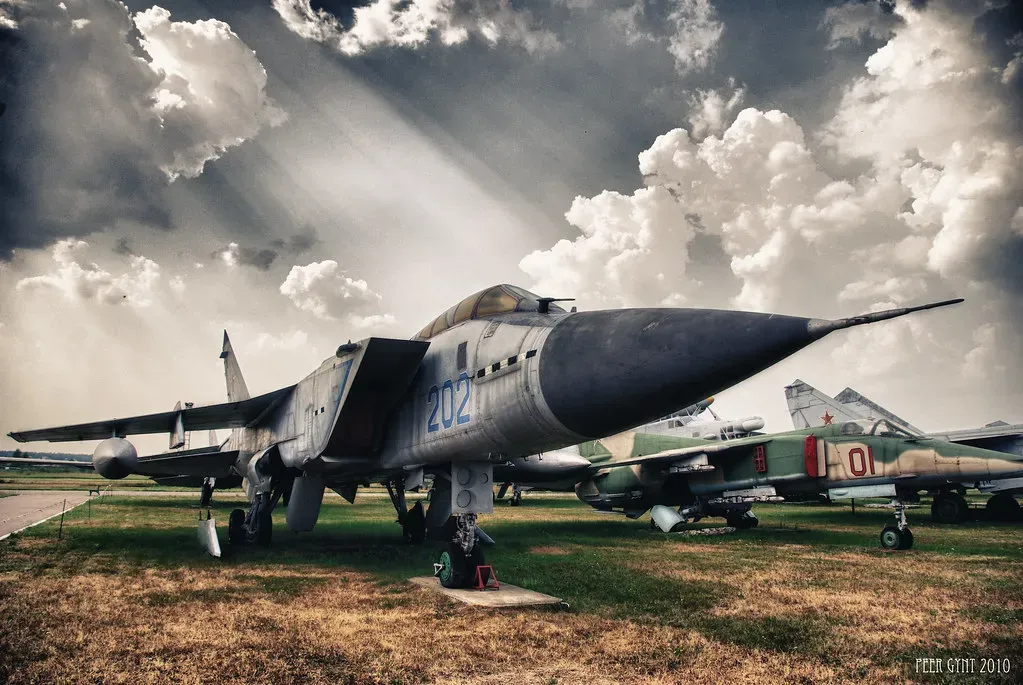
Perhaps the most uncomfortable truth about unsung rebels is what happens to them after their act of defiance. We imagine they get parades. In reality, many get bureaucratic silence, demotion, or outright punishment. Petrov himself stated he was initially praised by his commanding general and was promised a reward, but recalled that he was also reprimanded for improper filing of paperwork with the pretext that he had not described the incident in the military diary. He received no reward. According to Petrov, this was because the incident and other bugs found in the missile detection system embarrassed his superiors.
The system he helped expose was deeply flawed. Admitting that required admitting the people who built it were wrong. For his actions in averting a potential nuclear war in 1983, Petrov received the Dresden Peace Prize in Dresden, Germany, on February 17, 2013. The award included €25,000. That recognition came thirty years later.
The Petrov incident also contributed to later reforms in Soviet and Western nuclear procedures, which emphasized a system of redundancy that included independent verification and protocols requiring delayed authorization. His story has since been explored in books, academic journals, and a 2014 documentary titled “The Man Who Saved the World.”
His entire story is a window into something deeply human. The people who change the world quietly often go home to ordinary apartments, cook ordinary dinners, and struggle to pay ordinary bills. Petrov lived modestly in a small flat outside Moscow until his death. The world barely noticed when he was gone. It should have stopped completely.
Conclusion

There’s something almost disturbing about realizing how close we came, over and over again, to catastrophe, and how it was stopped not by governments or technologies, but by individuals making deeply personal choices in impossibly hard moments. A Soviet officer who paused before pressing a button. A woman who handed seeds to poor Kenyan farmers. A gay Black man who organized the greatest civil rights demonstration in American history from behind a curtain.
None of these people were perfect. None of them got what they deserved in their lifetimes. But their quiet rebellions, each so different in scale and setting, share a common thread: the decision to trust their own moral compass over the noise of the crowd, the pressure of authority, or the comfort of silence.
History is not only written by the loud. It is shaped, saved, and redirected by the quiet ones who simply refused to look away. The question worth sitting with is this: when your moment comes, will you even recognize it?