In Hollywood, losing your agent rarely comes with a press release. There’s no official announcement, no farewell statement, and very often, no public acknowledgment from either side. The parting simply happens, filtered through a brief phone call or a short email, and then the trades catch wind of it. For the actor, it can feel like the ground disappearing underfoot.
Talent agencies are far more than booking services. The role of a talent agency has evolved well beyond simple contract negotiation – today’s leading firms are deeply integrated into every facet of the entertainment supply chain, from project financing and packaging to distribution and brand partnerships. When that relationship ends badly, the fallout tends to reach every corner of a career. Here are eleven actors who found that out the hard way.
1. Armie Hammer
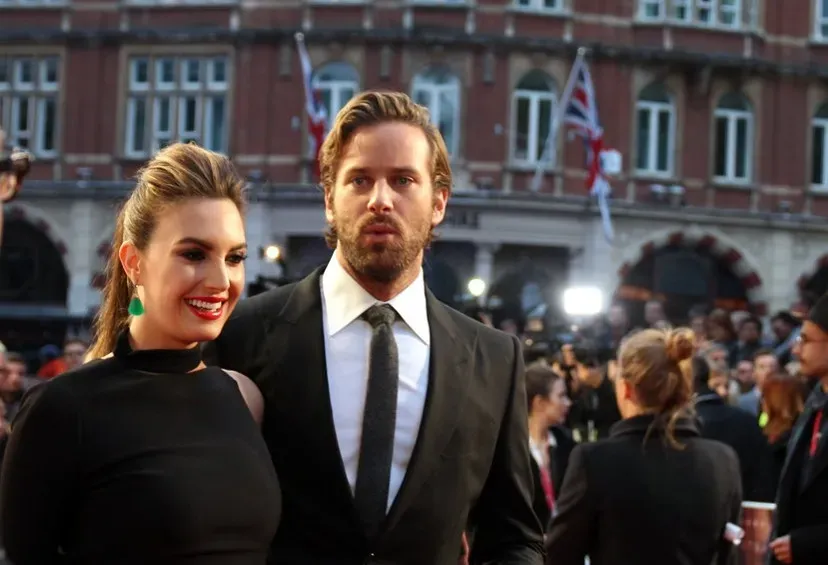
Armie Hammer was dropped by WME following continuous allegations against the actor that surfaced on social media. In messages that spread across social media, which Hammer has not verified, the actor reportedly had conversations of a sexually explicit nature, displaying cannibalistic fetishes, and described rape fantasies. His camp denied the claims, but the reputational damage moved faster than any denial could.
Despite Hammer’s team maintaining his innocence, the allegations swiftly resulted in him being dropped from two high-profile projects: the romantic comedy “Shotgun Wedding,” in which he was originally cast opposite Jennifer Lopez, and Paramount’s series “The Offer,” about the making of “The Godfather.” Hammer losing his agency was the latest development of a career in freefall, and his personal publicist also stepped away at the same time. From one of Hollywood’s most promising leading men to essentially unrepresented in the span of a few weeks.
2. Gina Carano
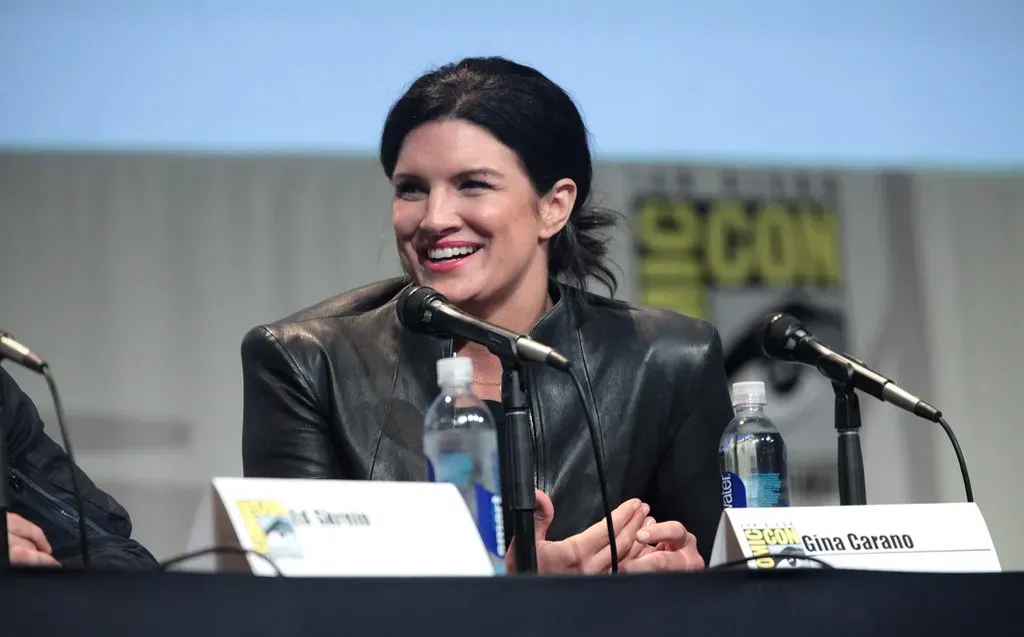
UTA ended its relationship with “The Mandalorian” actress Gina Carano after she made offensive posts on social media comparing the plight of current Republicans to that of Jews in Nazi Germany. The actress, who played Cara Dune on the “Star Wars” TV series, was dropped by Lucasfilm. “Gina Carano is not currently employed by Lucasfilm and there are no plans for her to be in the future,” a Lucasfilm spokesperson confirmed.
Her representative agency UTA and PR firm ID PR dropped Gina Carano as a client following her firing from Disney and Lucasfilm. The posts sparked multiple hashtags among fans calling for Carano’s termination from the show and were the latest examples of politically charged posts that had generated backlash toward the outspoken actress. She subsequently announced that she was producing a film with American conservative news website and media company The Daily Wire.
3. Shia LaBeouf
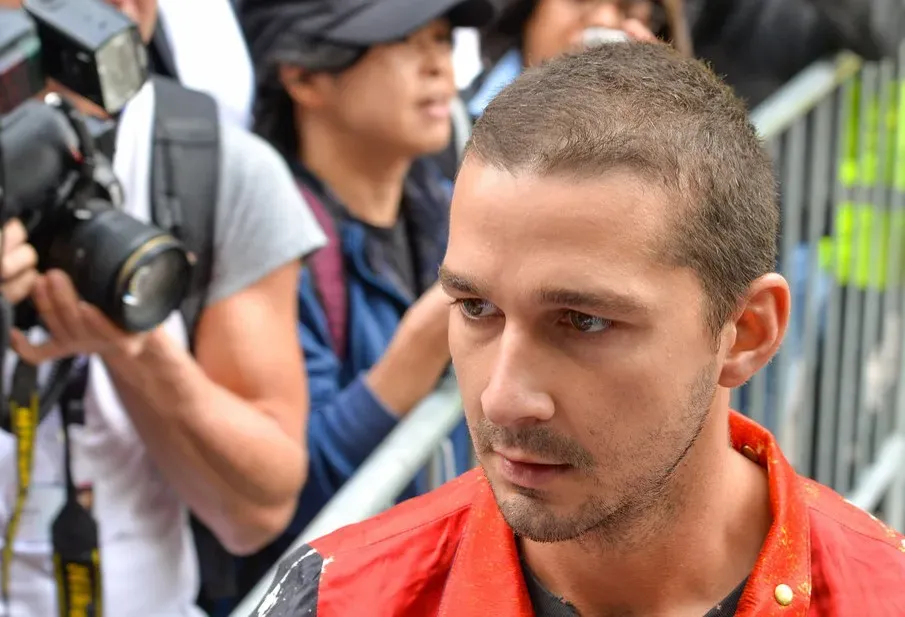
Hollywood actor Shia LaBeouf was dropped by his talent agency following abuse allegations from his former girlfriend, singer FKA twigs. LaBeouf had reportedly checked into inpatient treatment when the allegations first surfaced following a report in The New York Times. The Hollywood Reporter confirmed that talent agency CAA dropped the actor following FKA twigs filing a lawsuit against LaBeouf over physical, emotional and mental abuse, battery and allegedly infecting her with a sexually transmitted disease.
CAA parted ways with the actor amid claims of sexual abuse and battery by his former partners, though a source told The Hollywood Reporter that it was LaBeouf who decided to end the business relationship. LaBeouf stepped away from the industry while seeking treatment for substance abuse. His career has remained largely dormant since, marking one of the more dramatic falls for a once genuinely talented and widely celebrated actor.
4. Marilyn Manson

CAA dropped Marilyn Manson after Evan Rachel Wood came forward with allegations of sexual assault from when she was in a relationship with the singer. Manson was ditched by CAA following several allegations of physical and sexual abuse. While Manson is primarily known as a musician, he had built a notable side career in film and television, with acting roles in shows including “Sons of Anarchy” and “Salem,” making the agency departure a blow to that part of his profile specifically.
CAA was the same talent agency that had also recently dropped Armie Hammer’s agency counterpart, signaling a broader moment of reckoning across the major representation firms. The wave of drops happening in rapid succession sent a clear message about how agencies were recalibrating their risk tolerance when it came to clients facing serious misconduct allegations. Whether they acted on principle or purely on commercial logic is something the industry still debates.
5. Justin Baldoni
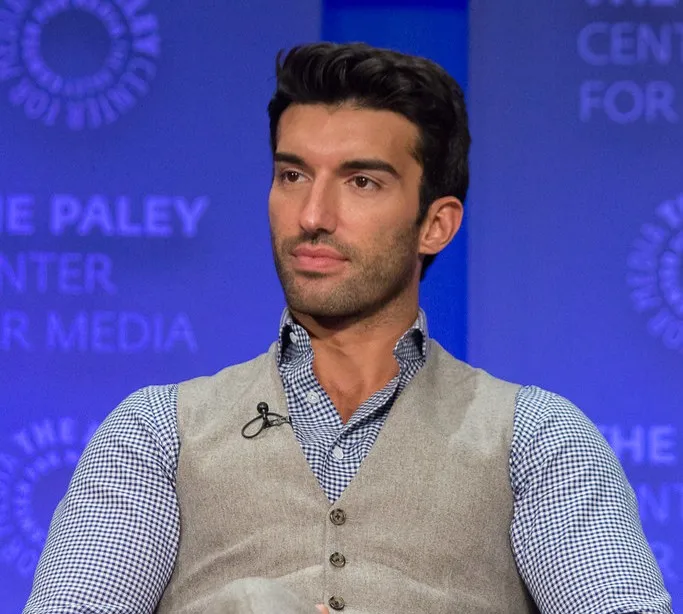
Justin Baldoni is no longer a client of WME. The decision to have the actor-director-producer leave the agency was made by WME leadership due, at least in part, to the sexual harassment and retaliation complaint filed by his “It Ends With Us” co-star and fellow producer Blake Lively. In addition to producing “It Ends With Us” through his Wayfarer Studios and starring opposite Lively, Baldoni had also directed the movie.
In the suit, Lively accuses Baldoni and his coworkers of sexual harassment and alleges that there was a coordinated effort to ruin her reputation during the film’s promotional campaign. Lively continues to be represented by WME. The fact that the agency chose to keep one client and drop the other within the same legal dispute was itself a statement about whose standing they considered more valuable.
6. Ezra Miller
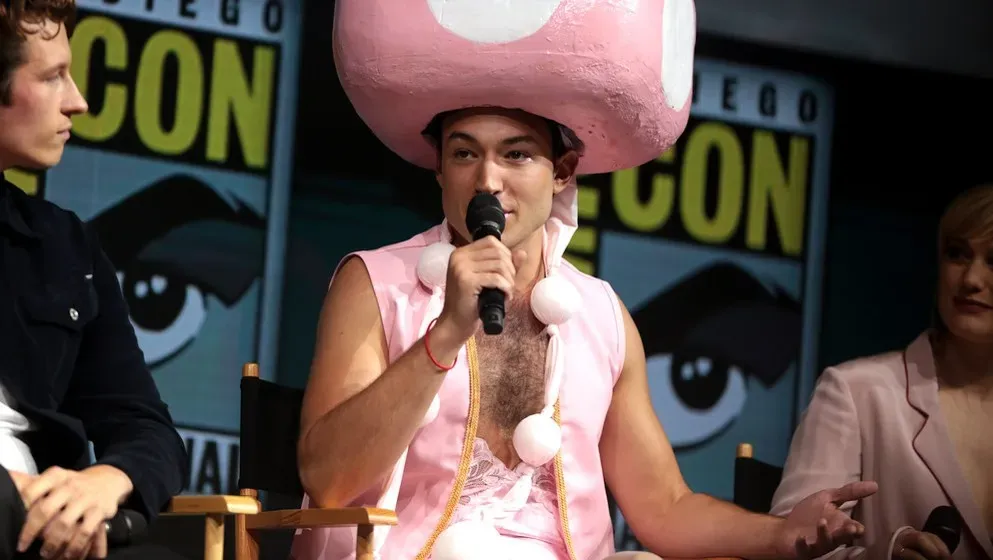
Ezra Miller gained critical acclaim for roles in films like “The Perks of Being a Wallflower” and “Justice League,” but their public standing plummeted following a series of legal issues and reports of erratic behavior across different countries, with social media users following the developments closely as footage of various altercations went viral and sparked widespread concern. The incidents included multiple arrests across Hawaii and Vermont, adding legal weight to a narrative that had already become extremely difficult for any agency to manage.
Partner offer
Talent agents may choose to terminate a client relationship if an actor consistently behaves unprofessionally, such as being difficult to work with or engaging in inappropriate behavior. Miller’s situation exemplified that principle at an extreme level. Despite WB initially pressing forward with “The Flash,” the mounting controversies made major representation untenable, and Miller quietly found themselves without formal agency backing for a significant stretch of their career.
7. Karla Sofía Gascón
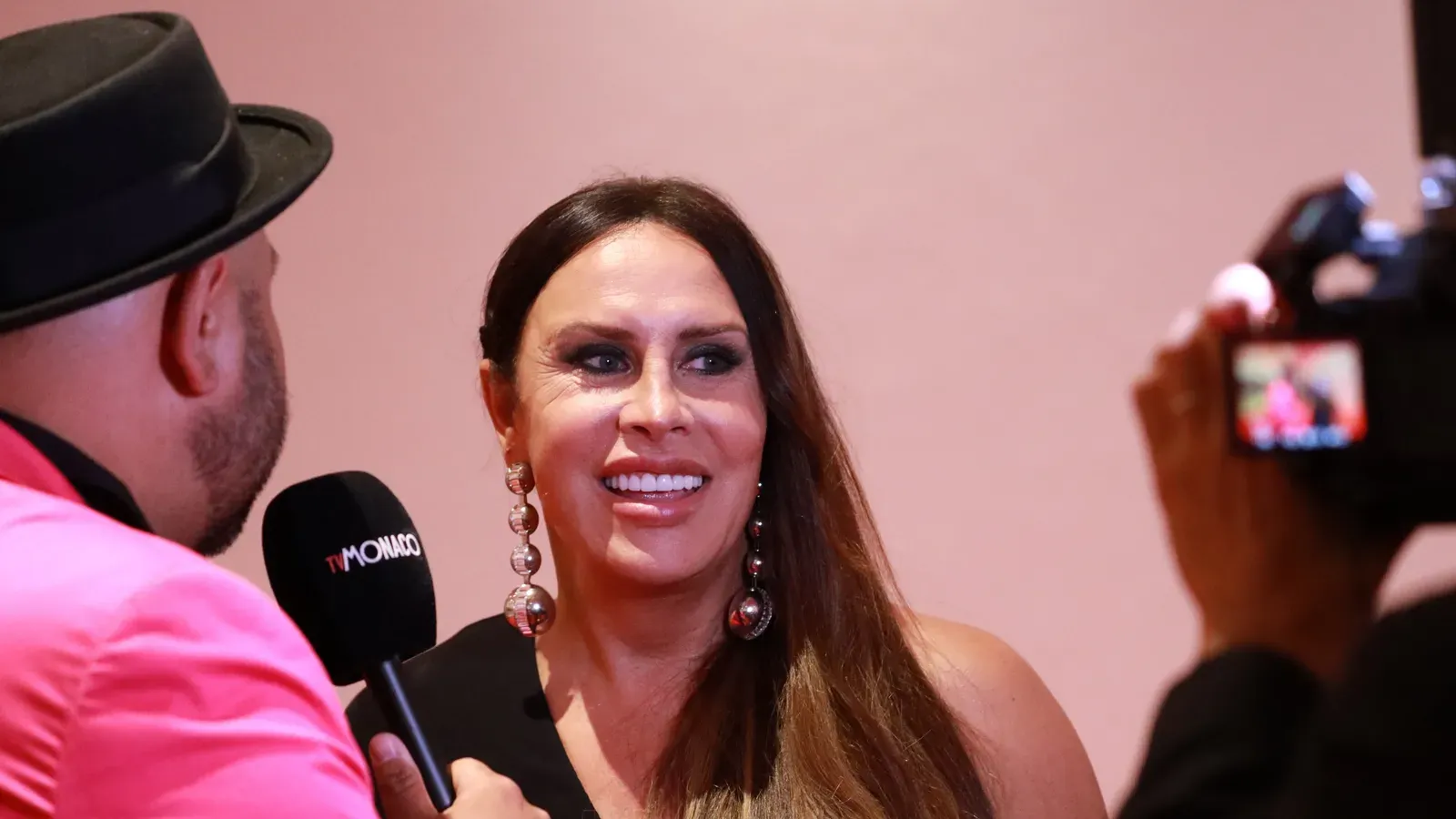
Karla Sofía Gascón made history as the first openly transgender person nominated in an acting category at the Oscars, but her achievement was almost immediately overshadowed by controversy when old social media posts resurfaced during the awards season, containing comments that many found deeply offensive, including remarks about race, religion, and public figures. The timing could not have been worse, arriving precisely when her profile was at its highest.
The controversy effectively neutralized what should have been a landmark career moment, and her representation situation grew complicated in its aftermath. For an actor who had fought so hard to reach visibility in a notoriously difficult industry, losing professional infrastructure at the peak moment was a particular kind of setback. The incident also renewed broader conversations about social media histories and how they shadow careers forward.
8. Kevin Spacey
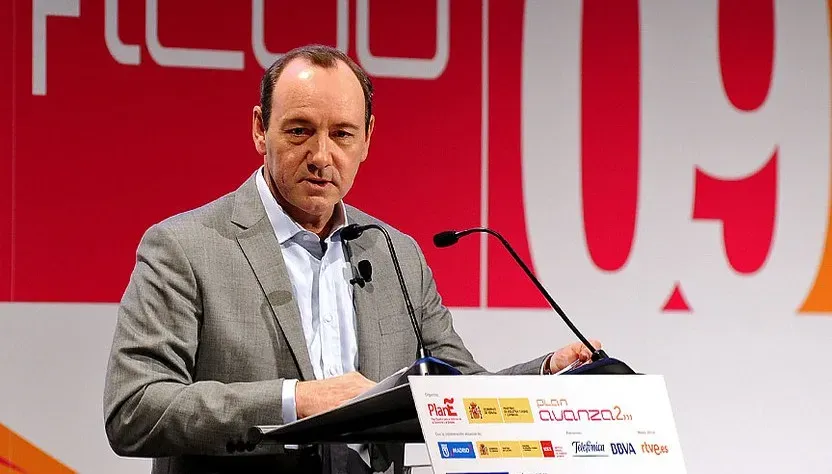
When multiple men came forward in late 2017 with accusations of sexual assault and misconduct against Kevin Spacey, the fallout was swift and industry-wide. CAA, which had represented Spacey as one of the more prestigious names on its roster, quietly severed the relationship as studios scrambled to distance themselves from the two-time Oscar winner. His removal from the completed film “All the Money in the World” and his exit from “House of Cards” happened with remarkable speed.
While agents typically work to advance their clients’ careers and secure opportunities, there are situations where they choose to terminate their representation, particularly when an actor’s behavior poses reputational and commercial risks. Spacey’s case became one of the defining examples of how quickly an agency will move when legal and reputational exposure becomes acute. His subsequent criminal trials in both the United States and the United Kingdom resulted in acquittals, though his Hollywood career has not recovered.
9. Brendan Fraser
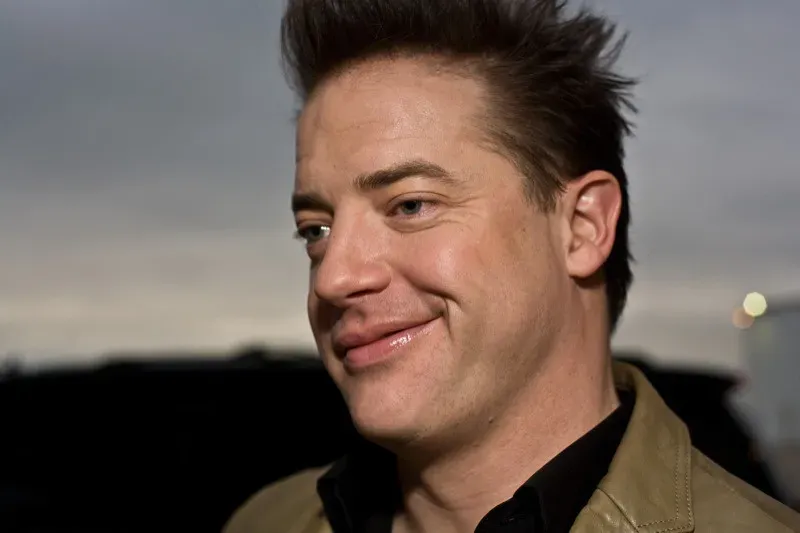
Brendan Fraser’s story is somewhat different from the others on this list, and worth including precisely because of that difference. Fraser has spoken publicly about how, after he accused Hollywood Foreign Press Association president Philip Berk of groping him at a luncheon in 2003, his career began a slow, visible fade. Work dried up, callbacks stopped coming, and the industry machinery that had once propelled him seemed to quietly recalibrate away from him.
If an actor is not booking roles or making significant career progress over an extended period, an agent may reassess whether the actor is a good fit for their roster. Fraser’s case illustrated how that logic can create a self-fulfilling cycle for an actor whose options have already been narrowed by an industry that knew, or at least suspected, the real reason. His eventual comeback and Oscar win for “The Whale” in 2023 reframed his story dramatically, though the years lost remain part of the record.
10. Charlie Sheen
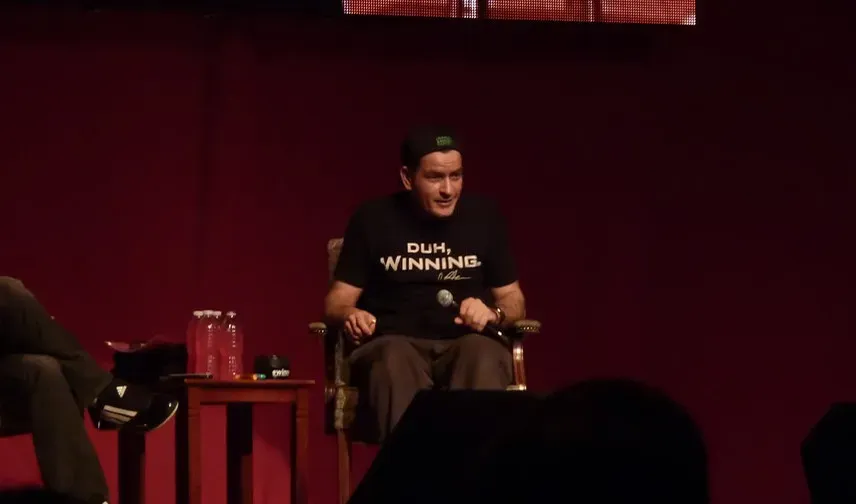
Charlie Sheen’s unraveling in 2011 was unusually public even by Hollywood standards. A series of erratic television interviews, combative public statements, and a very visible standoff with the producers of “Two and a Half Men” created a situation that his representation simply could not contain. CAA stepped back from the relationship as the spectacle of his “winning” tour made him simultaneously famous and entirely unplaceable in mainstream projects.
Sometimes, agents may undergo changes in their agency’s focus or clientele, leading them to reevaluate their client roster and make adjustments. In Sheen’s case, it was less about agency restructuring and more about basic commercial math. An actor who had become the punchline of his own story, who had burned the most-watched sitcom on television, was not a client that any major agency could pitch with a straight face. He eventually found a path back through FX’s “Anger Management,” though the scale was considerably smaller.
11. Mel Gibson
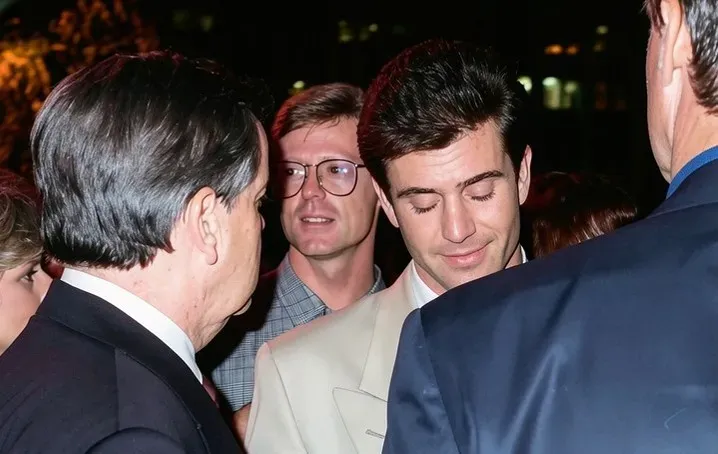
Mel Gibson’s fall from agency representation followed a series of deeply damaging recorded phone calls that leaked publicly in 2010, in which he made racial slurs and threatened his then-partner. This came several years after a 2006 drunk driving arrest in which he made antisemitic comments to police officers. WME had been his agency, and the accumulation of incidents made continued representation professionally indefensible for a firm that needed to sell its clients to studios, networks, and fellow creatives.
If an actor’s career direction diverges significantly from what an agency can realistically work with, the agent may decide to part ways to allow the actor to seek representation better suited to their needs. Gibson eventually rebuilt a directorial career, receiving recognition again for “Hacksaw Ridge” in 2016 and finding a measure of rehabilitation in certain industry circles. Still, his case remains one of the starkest illustrations of how personal conduct can strip away institutional support with very little warning and almost no path to a quiet resolution.
The through-line across all eleven cases is roughly the same: agencies are businesses, and they move with commercial instinct above all else. Scandal accelerates the math, legal exposure sharpens it, and the decision to let a client go is rarely about morality alone. What makes these cases instructive is not the drama of the drop itself but what happens after, and how much of a career can actually be rebuilt once the institutional scaffolding is gone.
Partner offer
Planning a trip to Vegas?
Compare hotel rates and show tickets on VEGAS.com.