There’s a particular kind of frustration that comes from staring at a novel everyone tells you is a masterpiece, yet finding yourself forty pages in with no real desire to continue. The prose feels dense, the characters haven’t clicked, and something more immediate is always just a tab away. Most readers give up here, and honestly, that’s understandable.
What makes certain novels extraordinary, though, is precisely the patience they demand. The slow opening isn’t a flaw. It’s often part of the architecture. These seven books have sent countless readers to their bookshelves more than once, and the ones who pushed through consistently describe an experience they couldn’t quite shake for the rest of their reading lives.
1. Moby-Dick by Herman Melville (1851)

When Melville first published his influential novel, it was seen as a flop rather than a success. The book reached British shores before it hit the American market, and the majority of readers dismissed it immediately. One review from the London Spectator described it as something that “repels the reader instead of attracting him.” Given that the opening chapters are dense with biblical allusion and whale taxonomy before the ship even leaves the harbor, that reaction makes a certain kind of sense.
Moby-Dick sold less than 3,750 copies during Melville’s lifetime. Yet it has since been translated into dozens of languages and is now widely considered one of the defining works in American literature. It’s taught today as a profound reflection on colonial exploitation, and in survey courses it serves as a grand finale for discussions of colonialism, nationalism, slavery, and global capitalism. The whale, as it turns out, was always about far more than the whale.
2. In Search of Lost Time by Marcel Proust (1913–1927)

Some readers fall in love with Proust on page one and enter a sort of rapture that transports them through all six volumes. Others struggle, resist, and quit in a huff. Proust’s famously long sentences and paragraphs, the absence of line breaks in most conversations, and sparse chapter breaks make it a genuine challenge for modern readers. The first volume, Swann’s Way, begins with its narrator half-asleep and drifting through childhood memories – not exactly a page-turner in the conventional sense.
Stick with it, and something shifts. Between bouts of boredom, readers begin to recognize and gain a better understanding of themselves. Proust’s genius lies in catching and describing fleeting thoughts or emotions that people deem unimportant or difficult to articulate. The novel is also a fascinating record of the death of aristocratic manners, the rise of technology, the disruption of war, and much more. In part, it’s a novel about the death of the old world and the rise of the new. That combination of the intimately personal and the historically sweeping is what makes completing it feel so singular.
3. Middlemarch by George Eliot (1871–1872)

Middlemarch is described as a masterpiece of candid observation, emotional insight, and transcending humour – a truly monumental novel. The opening, however, requires patience. As readers adjust to the Victorian voice, a single page of Eliot can take a full, frustrating ten minutes where other styles would take far less. The novel introduces its characters with an almost clinical deliberateness, cataloguing their ambitions and social positions before the real drama unfolds.
Middlemarch touches on political reform, doctrinal religious differences, advances in medical knowledge, the obligations of landowners to their tenants, education, and the role of women in society. Eliot’s masterpiece is distinguished for being simultaneously didactic and dramatic, equal parts analysis and art. Readers who persist consistently describe it as one of the most emotionally intelligent novels ever written, a book that quietly changes how you see people.
4. The Brothers Karamazov by Fyodor Dostoevsky (1880)

The Brothers Karamazov is a challenging but deeply rewarding read. Dostoevsky’s writing is dense, philosophical, and packed with complex character dynamics. The novel explores themes of faith, morality, and free will through lengthy dialogues and introspective monologues. New readers of Russian literature can find the names alone confusing, as patronymics and multiple nicknames for the same character require real patience. Many readers quietly set it down somewhere around the third chapter of theological debate and never come back.
Partner offer
Dostoevsky poured his entire heart and soul into this novel and used his writing to confront personal loss. The Brothers Karamazov started as an idea before his son died, but the emotion of the novel is born out of that grief. Ivan’s Grand Inquisitor chapter alone is worth the effort, as it delves into existential questions that linger long after you finish the book. It’s genuinely one of the most searching interrogations of faith and doubt in any literary tradition.
5. War and Peace by Leo Tolstoy (1869)
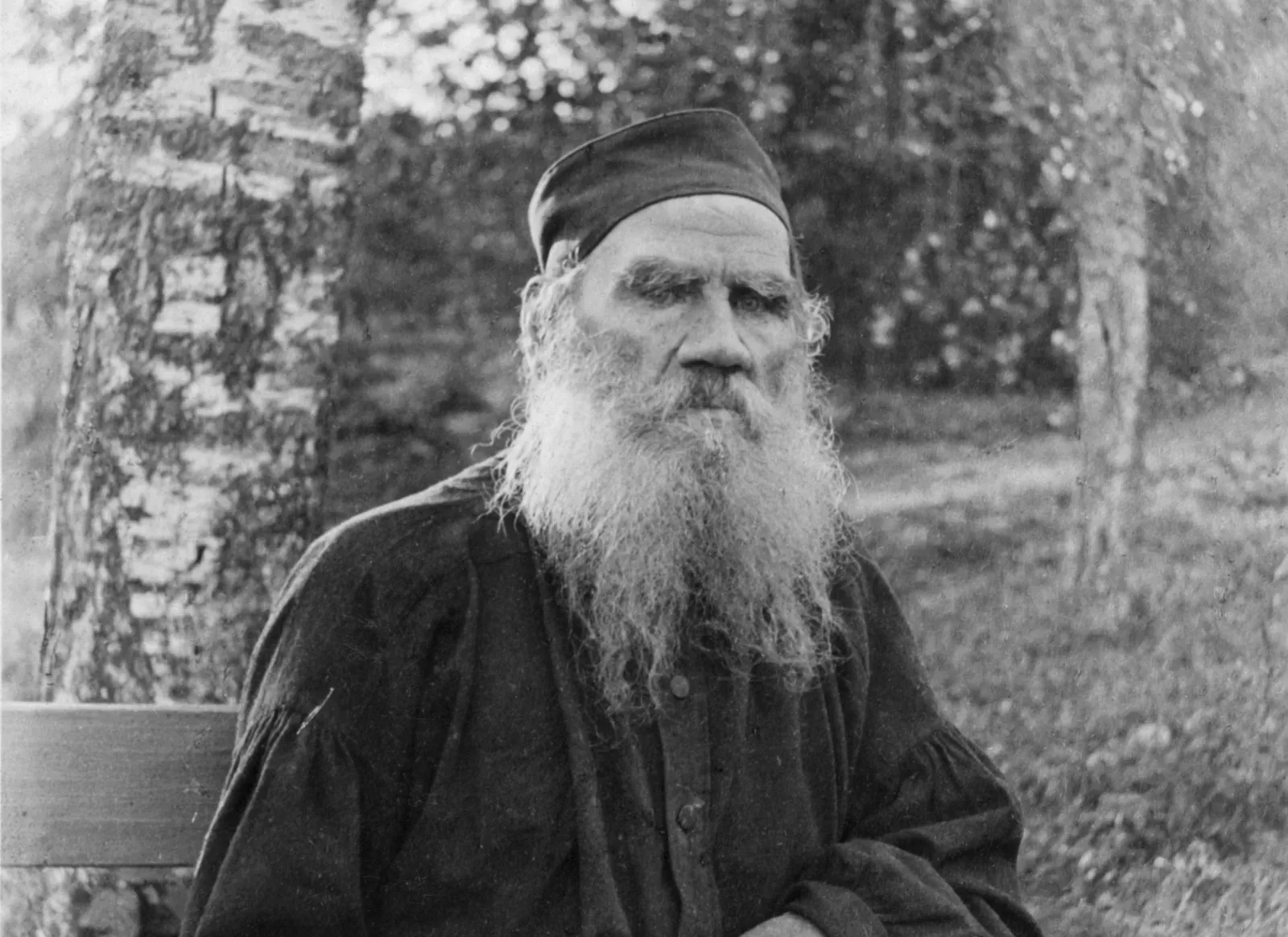
The reputation alone is enough to stop most people before they begin. Hundreds of Russian characters, shifting between Napoleonic battle scenes and St. Petersburg drawing rooms, told across more than a thousand pages – it sounds more like an obligation than an experience. The opening chapters plant you in a glittering, aristocratic social world with little immediate dramatic tension, and the sheer cast of characters can feel overwhelming before anyone has done anything particularly interesting.
War and Peace is notorious for its hundreds of Russian names, which make even the most committed reader hesitate. Those who finish it, though, describe a peculiar sense of loss when it’s over – as though a world had closed behind them. Classic novels like this are filled with ideas, insights, and beauty, and they’re endlessly deep. They transport you to different worlds, into different minds, and offer up opportunities to reflect on your own life. Tolstoy’s particular achievement is making that epic sweep feel personal and immediate once you’ve settled into his rhythm.
6. Ulysses by James Joyce (1922)
Ulysses has a deserved reputation for being impenetrable, and the first chapter does little to soften that. Joyce drops the reader into the interior monologue of Stephen Dedalus with no orientation and no conventional narrative signposting. There are no chapter titles in the text itself, the prose shifts styles chapter by chapter, and entire passages can feel more like puzzles than fiction. A great classic changes expectations for literature. These are novels that make you think differently about storytelling, character development, themes, and writing itself. Ulysses does all of that, sometimes at the reader’s expense.
The novel takes place over a single day in Dublin in June 1904, tracking Leopold Bloom with a devotion to the texture of ordinary life that no novel before or since has matched. Readers who reach the closing chapters – particularly Molly Bloom’s unpunctuated, luminous monologue – describe it as genuinely transformative. Great classics reward rereads. They’re not like a fast-paced thriller novel where you read once and doing it again would feel like a waste of time. Ulysses in particular rewards that return: what seems opaque on the first pass becomes richly interconnected once you’ve seen where everything leads.
7. The Secret History by Donna Tartt (1992)

The novel follows a group of elite classics students whose obsession with beauty, intellect, and ancient philosophy slowly spirals into something much darker. Tartt’s writing style is meticulous and incredibly atmospheric. Every scene feels intentional, and every detail contributes to the slow unraveling of the story. The novel opens by revealing the murder at its center before the narrative has even begun, which creates a strange, suspended quality in the early chapters. You know something terrible happened. You just don’t know why yet – and Tartt deliberately withholds the why for a long time.
What makes the novel so immersive is how Tartt takes her time with the story. While that pacing may feel overwhelming to some readers, it serves a purpose. The slow build allows the tension to grow naturally until everything eventually collapses. The novel explores obsession, morality, elitism, guilt, and identity in a way that sticks with you long after finishing it. Readers who persist past the unhurried early chapters consistently describe the back half as nearly impossible to put down.
The pattern across all seven of these novels is the same. A slow beginning isn’t indifference from the author – it’s an investment demand. The books ask you to slow down, to trust the architecture, to resist the modern instinct for immediate payoff. The ones who accept those terms tend to remember these novels for the rest of their reading lives. The ones who don’t miss something that can’t quite be recovered from a summary.
Partner offer
Planning a trip to Vegas?
Compare hotel rates and show tickets on VEGAS.com.