There’s a particular kind of book that doesn’t just entertain you. It tests you. It makes you question whether you’re truly the reader you thought you were, and then, somewhere in its final pages, it transforms you into someone slightly better, slightly bigger than before. Finishing it doesn’t just mean turning the last page. It means something.
More than 9 million readers signed up to read more than 356 million books in the year 2024 alone on Goodreads. That’s a staggering number. Yet for all that collective reading energy, a handful of books remain in a special category. Not popular in the typical sense. Not quick. Not comfortable. They’re the ones people describe in terms of survival. The ones that feel, once finished, like a genuine personal achievement.
Here are 11 of those books. Some will make you sweat. All of them are worth it. Let’s dive in.
1. Infinite Jest by David Foster Wallace

Honestly, no list like this could exist without starting here. David Foster Wallace’s Infinite Jest clocks in at a staggering 484,001 words across 1,079 pages, and that doesn’t even account for its notorious footnotes, many of which have footnotes of their own. The footnotes contain important details, so skipping them isn’t an option, and some readers even recommend having two bookmarks – one for the main story and one for the footnotes.
According to the New York Times, about roughly two in five readers abandon the book midway, overwhelmed by its complexity and sprawling narrative. The themes, though, are stunning. Infinite Jest is funny, deep, and a mind-bending exploration of addiction, entertainment, and the way society distracts itself from existential despair. It’s not just a book about tennis or rehab – it’s a massive, chaotic reflection of modern life.
Readers often joke that finishing Infinite Jest is an accomplishment on par with running a marathon. That’s not hyperbole. Reading Infinite Jest genuinely feels like running a marathon – which raises the question of why people praise those who finish a marathon, while reading tough books like Ulysses and Gravity’s Rainbow is sometimes considered wasting time. It shouldn’t be.
2. War and Peace by Leo Tolstoy

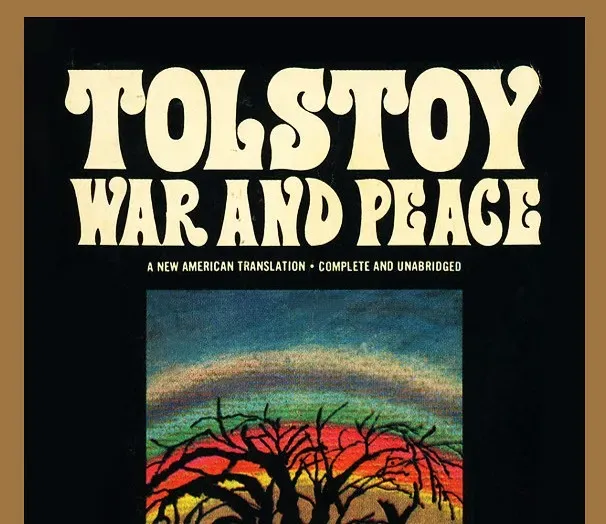
Tolstoy’s masterwork carries a reputation so enormous it practically announces itself. With a whopping 1,388 pages, War and Peace is among the longest reads a serious reader will ever encounter. It covers the sweep of Russian society during the Napoleonic era through a cast of characters so vivid and complex, it truly feels like living inside a world rather than reading about one.
Book Riot reports that roughly three in five people who start War and Peace never see it through to the end. The story blends sweeping historical narrative with deep philosophical exploration, but the sheer scale often leaves readers exhausted. People lose track of characters. They skip sections. They return to the bookmark that hasn’t moved in weeks and feel a wave of guilt.
I think that guilt is actually proof the book matters. War and Peace clocks in at about 568,880 words – and for context, the average novel of over 300 pages is around 80,000 words. Those who finish it tend to describe it not as something they read, but something they completed. There’s a difference. A real one.
3. Ulysses by James Joyce


Here’s a book that has humbled generations of devoted readers. Ulysses is infamous for its dense, stream-of-consciousness prose and a labyrinth of allusions, which can turn even the most devoted readers into quitters. It’s the sort of novel you can brag about owning without having opened past page 40, and nobody will call you out on it.
According to Goodreads data, only about three in ten people who start Ulysses actually finish it. The novel’s narrative, which takes place over a single day in Dublin, is so packed with symbolism and shifting perspectives that many readers find themselves lost in the maze. The challenge is so great that some book clubs have formed solely to help members survive the experience.
There’s something almost perversely beautiful about a book designed to resist you. When readers finish Infinite Jest, they feel an immense sense of accomplishment – they stuck with it even though it was difficult. The same principle applies to Ulysses, multiplied several times over. Finishing it doesn’t just say something about the book. It says something about you.
4. Les Misérables by Victor Hugo

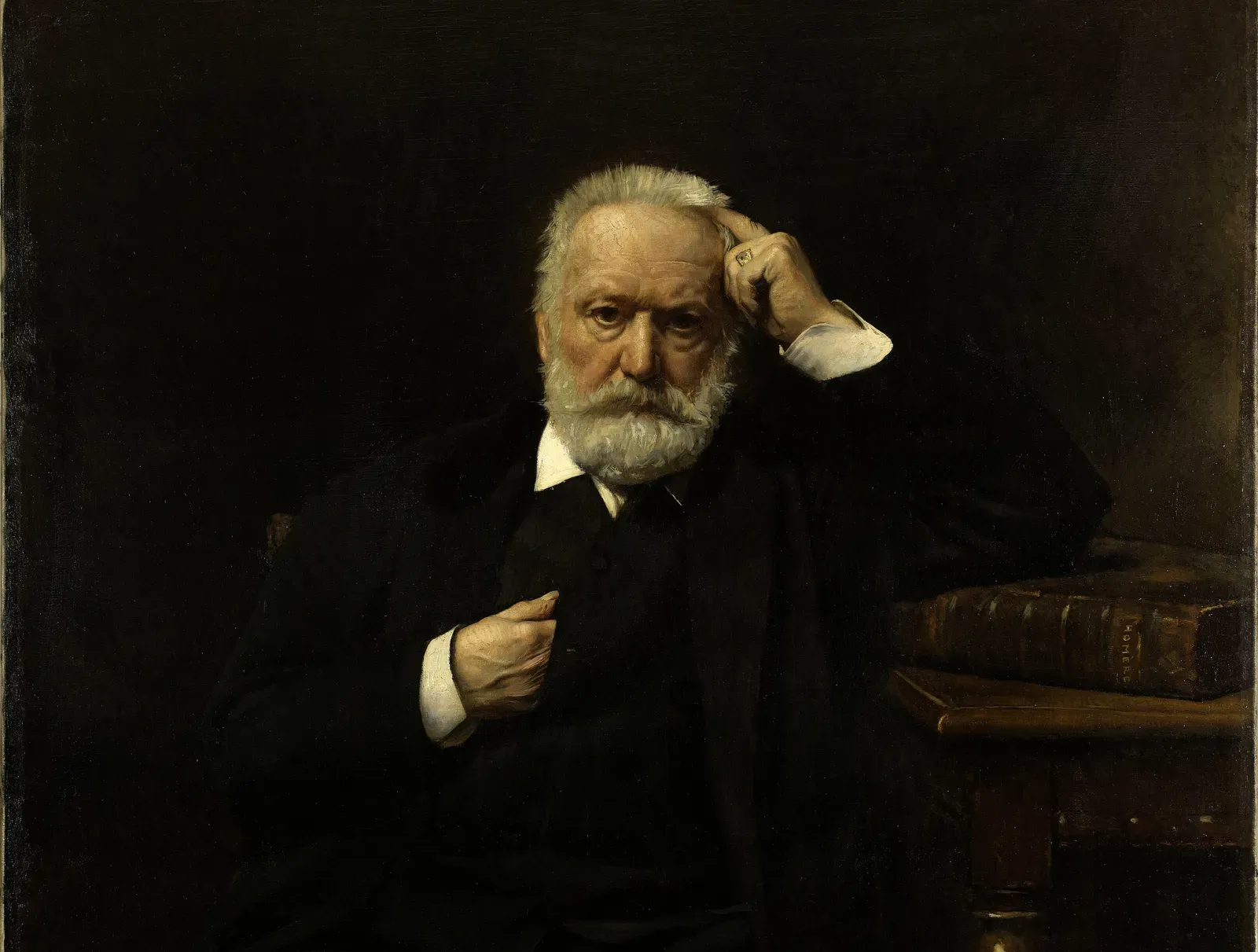
This is one of the longest books many readers will ever encounter and is, without a doubt, one of the best books one can read. Victor Hugo’s monumental novel of justice, mercy, and redemption runs well over 1,400 pages depending on the edition. Some reading challenges dedicate three full months – January through March – to getting through it. That’s not a casual weekend commitment. That’s a lifestyle.
What makes Les Misérables feel like a milestone is the sustained emotional investment it demands. Hugo has readers smiling, laughing, raising an eyebrow, and most of the time crying, all in a single chapter. It is in no way a happy tale, but it affects readers more than they anticipate. The tangents about Waterloo, Parisian sewers, and revolutionary politics are real obstacles for many, but those who persevere find the story has genuinely changed their emotional landscape.
Readers who complete it often report that it took around two months and that finishing it felt like a real accomplishment. That word keeps appearing – accomplishment. Not entertainment. Not pleasure. Accomplishment. That tells you everything about what kind of book this is.
5. The Brothers Karamazov by Fyodor Dostoevsky

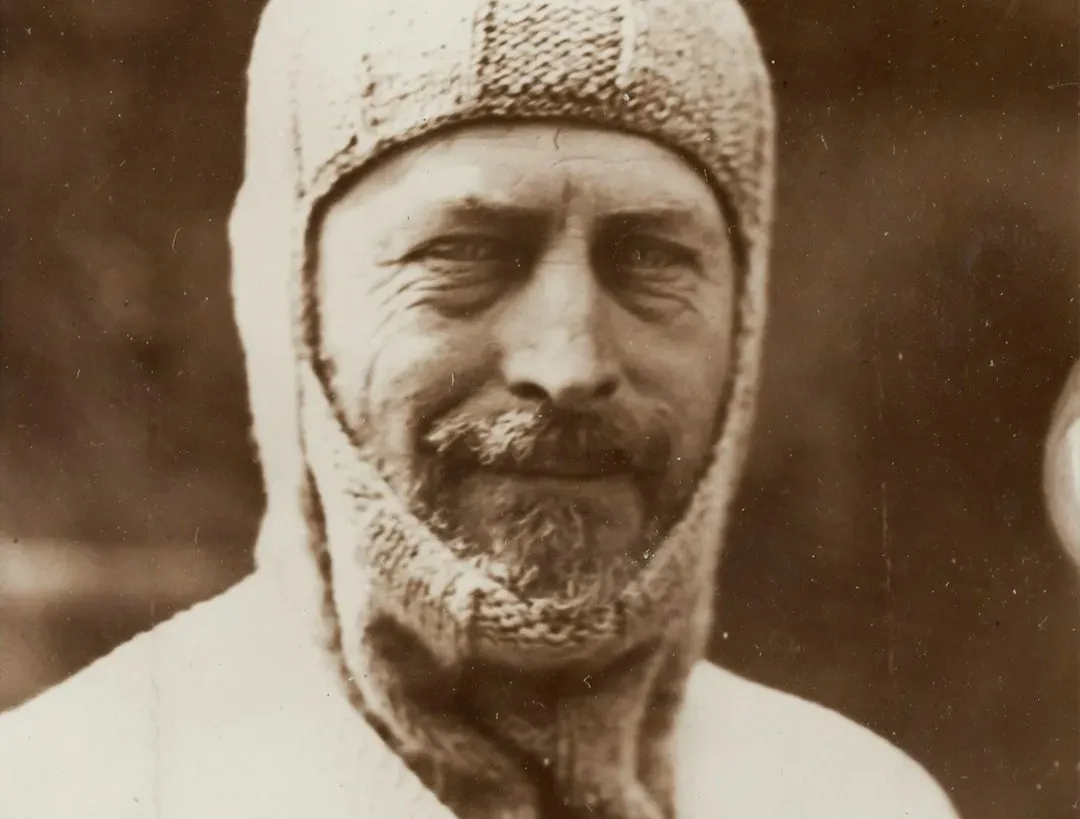
Dostoevsky’s final novel is widely considered his greatest work. The Brothers Karamazov stands as Fyodor Dostoevsky’s final masterpiece, completed mere months before his death in 1881. The book takes on faith, doubt, morality, family, and murder with a psychological depth that feels almost impossibly rich, even by modern standards. It’s not a light philosophical read. It’s a full-scale reckoning with human nature.
The Brothers Karamazov is celebrated for its philosophical depth, but its slow pace and psychological complexity deter many readers. It rewards patience above almost everything else. One reader who tackled the novel in 2025 described starting it in March and becoming a committed Dostoevsky fan, eager to read more of his work. That effect – of being converted by a difficult book – is part of what makes finishing it feel monumental.
After finally finishing The Brothers Karamazov, many readers describe being taken by a sense of accomplishment, a feeling of having done something monumental. This is the kind of book that makes you want to pick up the phone and tell someone. That impulse alone is remarkable.
6. Don Quixote by Miguel de Cervantes

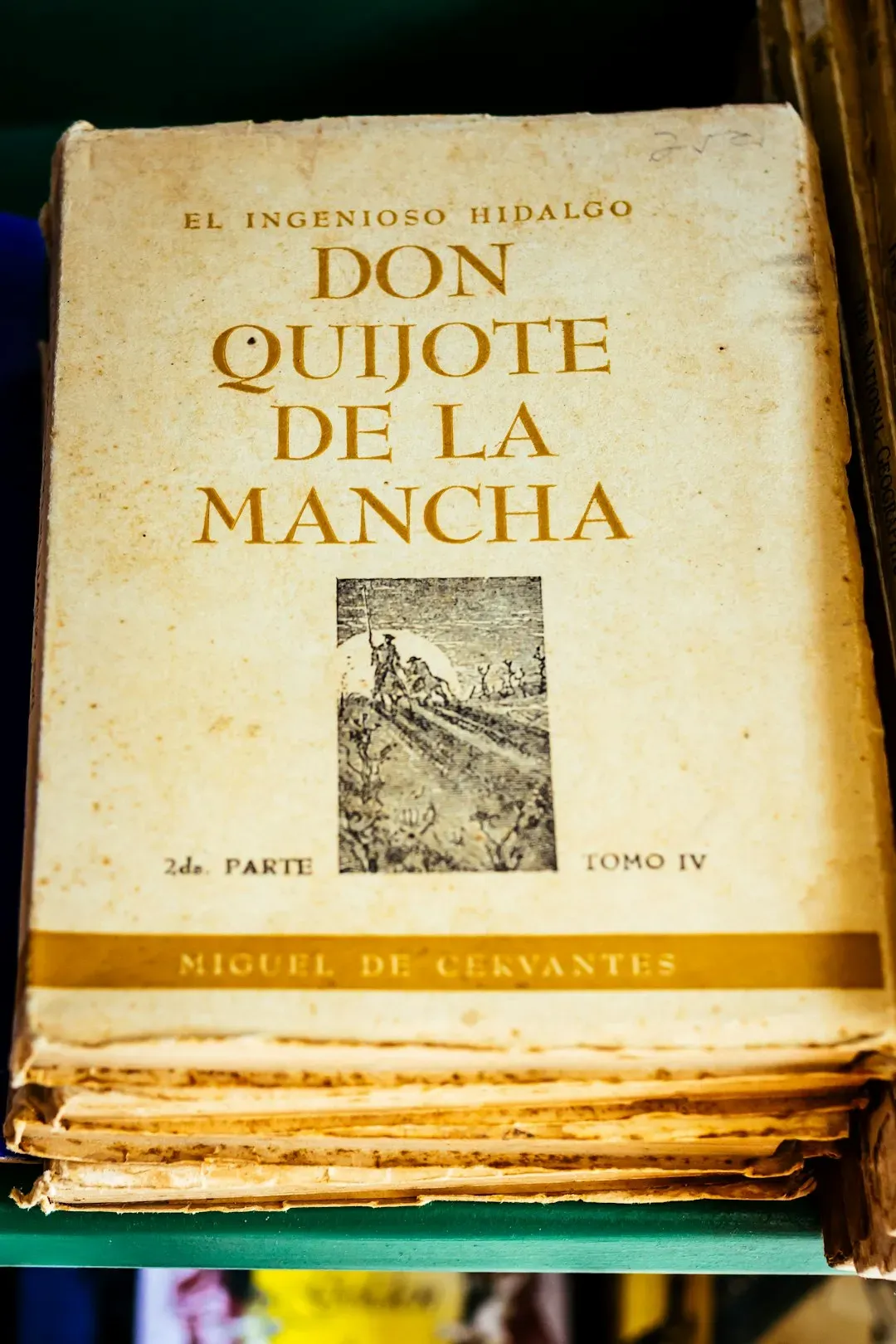
Don Quixote is often called the first modern novel, and it remains one of the most ambitious and disorienting works of fiction ever written. This profound yet hilariously tragic tale charts the quixotic quests of an eccentric knight and his faithful squire in sixteenth-century Spain, with its intricate narrative over 1,000 pages long and a satirical take on romantic tropes that makes Miguel de Cervantes’ seminal work a demanding one.
Here’s the thing about Don Quixote – it keeps surprising you. Just when you think you understand what Cervantes is doing, the novel folds in on itself, comments on its own existence, and laughs at you for trying to follow along. Its timeless humor, inventive storytelling, and incisive social commentary ensure that the endeavor is highly rewarding, affirming Don Quixote as an enduring master of literature.
Many readers find the digressions actually part of the pleasure. Those working through the novel note that Cervantes loves his digressions and that they’re kind of the point, with an excellent translation really bringing out the humor of the text. Finishing Don Quixote is like saying you’ve completed the original version of something the entire literary tradition has been imitating ever since.
7. Moby-Dick by Herman Melville

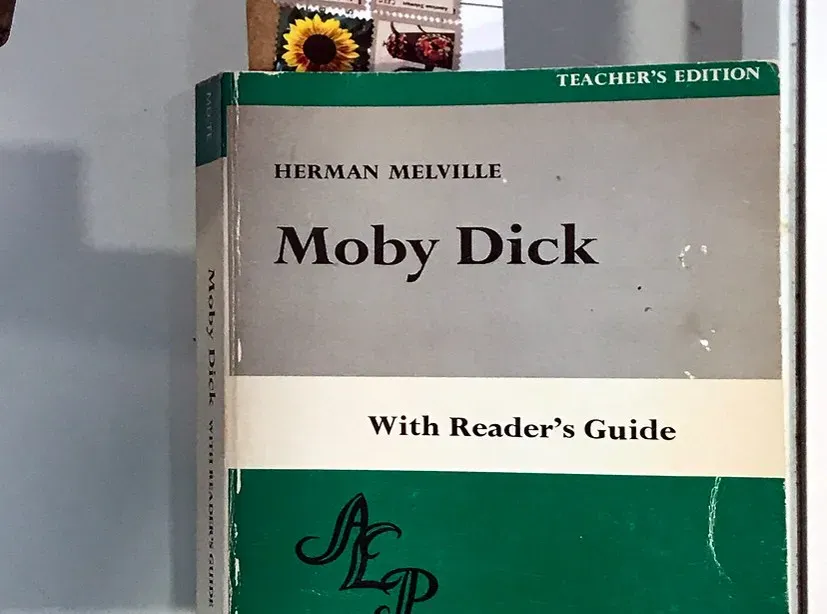
Moby-Dick is the kind of book that appears on more “abandoned novels” lists than “finished” ones. While its opening lines are iconic, what follows is a marathon of exhaustive whaling details and philosophical asides. The narrative frequently veers into technical digressions about harpoons, cetology, and life aboard a 19th-century whaling vessel, leaving many readers adrift.
That reputation for being unfinishable is, however, a bit misleading. With its extraordinary intensity sustained by mischievous irony and moments of exquisite beauty, Moby-Dick is both a great American epic and a profoundly imaginative, yet challenging, literary creation. Herman Melville transforms the little world of the whale ship into a crucible where mankind’s fears, faith, and frailties are pitted against a relentless fate.
There is no clean comparison for what it feels like to close Moby-Dick after the final page. Think of it as being dropped back into ordinary life from something enormous. With its unconventional structure, experimental styles, and long digressions and ruminations from the central character, there is plenty for readers to unpack. But the unpacking is where the real reward lives.
8. Anna Karenina by Leo Tolstoy

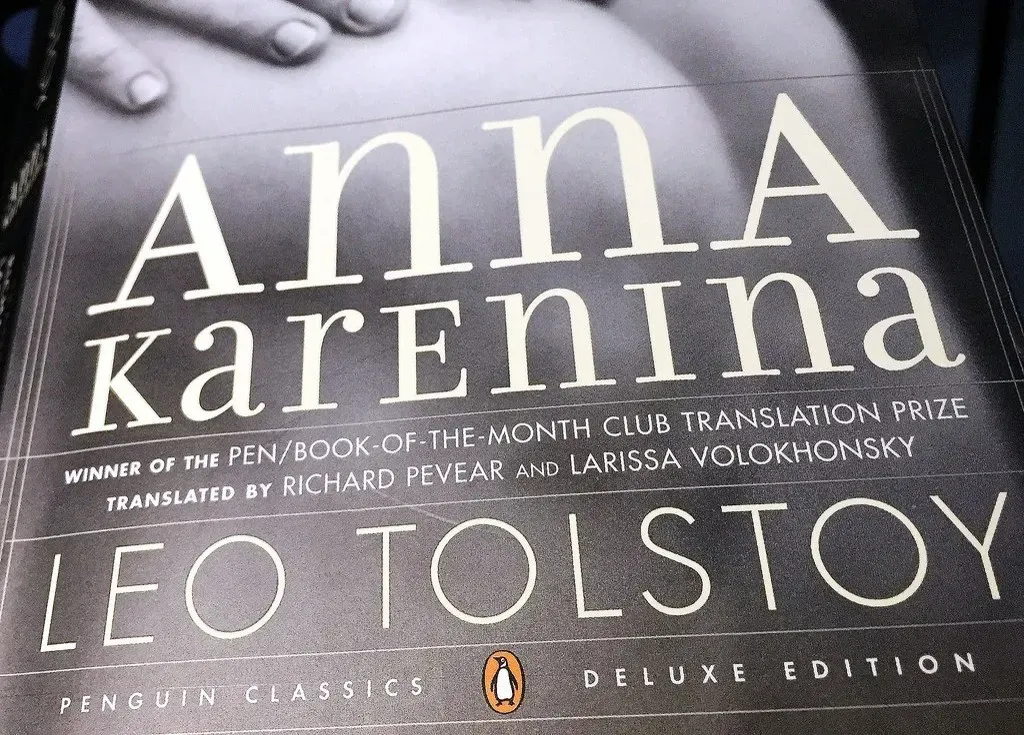
People sometimes underestimate this one, dismissing it as Tolstoy’s “more accessible” work compared to War and Peace. That’s not wrong, but it’s incomplete. Sitting at 1,136 pages, Anna Karenina is a novel of astonishing scope and grandeur, and Tolstoy’s grand narrative and complex characters make for an intricate read. It rewards careful, unhurried attention in a way few books can.
Anna, entangled in a consuming affair, battles societal norms in a restrictive Tsarist Russia. When she flees her stifling marriage and travels with dashing Count Vronsky, she finds herself isolated from all except the man she loves – but can they live by love alone? The emotional momentum of that central question propels readers through hundreds of demanding pages.
The richness of the text, its mastery of human emotions, and its vivid social panorama reward the dedicated reader. Many readers describe having abandoned Anna Karenina multiple times before a specific translation finally clicked for them. Getting to the last page is a deeply personal achievement, one that different translations can dramatically shape.
9. Gravity’s Rainbow by Thomas Pynchon

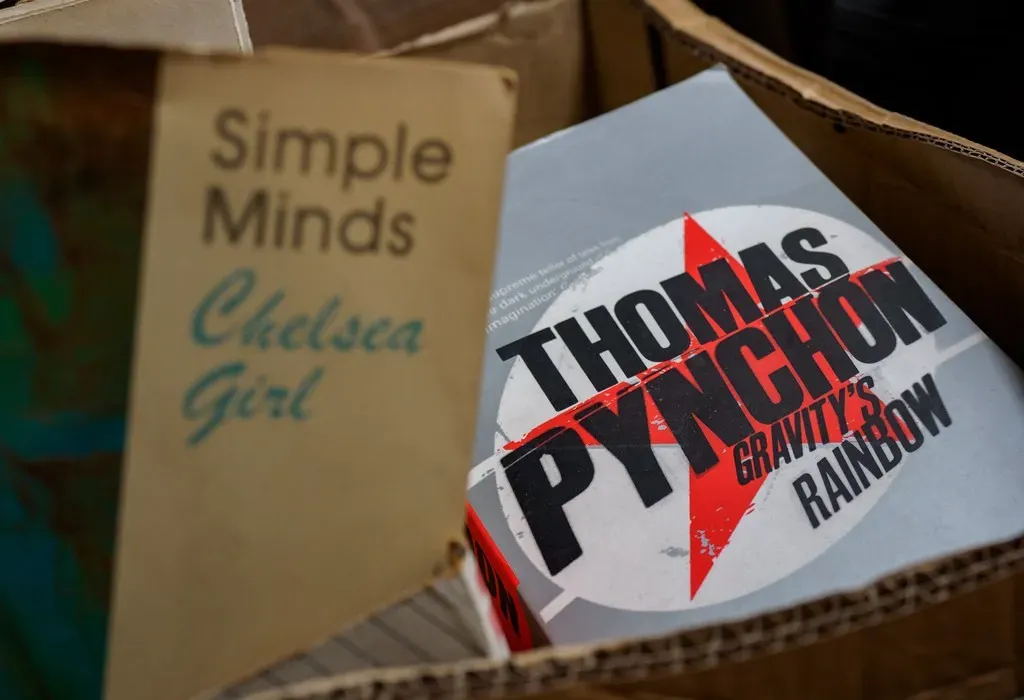
Gravity’s Rainbow is arguably the most intimidating novel in the American literary canon. It’s not just long. It’s deliberately, almost gleefully, chaotic. Books like this aren’t easy to understand, and you might have to read some parts more than once. They explore deep themes like life, death, and human nature, and while they’re tough, they give you much to consider if you’re willing to put in the effort.
Readers who have pushed through Gravity’s Rainbow describe it as unlocking a kind of reading confidence that almost nothing else can provide. Think of it as a literary obstacle course where the obstacles are concepts, paranoia, and nonlinear time. You might feel lost for a good chunk of the book, but when the pieces start coming together, it’s like a literary lightbulb moment. That feeling is earned, not given.
Spending months and months on one book, in a world where we gamify everything and sometimes value quantity over quality, is weirdly appealing to a particular kind of reader. Gravity’s Rainbow is the ultimate version of that experience. It’s also, for those who finish it, one of the most spoken-about books in any serious literary conversation.
10. In Search of Lost Time by Marcel Proust


Marcel Proust’s seven-volume masterwork is almost less a novel and more an extended meditation on memory, time, and the experience of being alive. The full series runs to somewhere between 1.5 and 3 million words depending on translation and format. Finishing even one volume feels significant. Finishing all seven feels genuinely extraordinary, the literary equivalent of completing a multi-year personal project.
What makes Proust feel like a milestone is not his difficulty in the conventional sense. He isn’t cryptic like Joyce or structurally anarchic like Pynchon. He is, instead, endlessly patient. Sentences that span half a page, observations that loop back on themselves, and memories that arrive in great slow spirals. You have to match his pace, and for modern readers conditioned to speed, that is the real challenge.
The payoff is unlike anything else in literature. Readers who complete In Search of Lost Time often describe a quiet, lasting shift in how they perceive time and beauty in their own lives. It’s the kind of book that, when you finish it, you feel like you’ve truly earned the experience. That sentence was written about a different novel, but nowhere does it apply more honestly than here.
11. Blood Meridian by Cormac McCarthy

Cormac McCarthy’s Blood Meridian isn’t especially long by the standards of this list. Its weight comes from somewhere else entirely. The prose is dense, biblical, and relentless. The violence is unsparing. The moral landscape is almost completely devoid of comfort. It’s the sort of novel that leaves readers sitting quietly for a few minutes after finishing the final line, not entirely sure what just happened to them.
The novel follows a teenage runaway across the brutal terrain of the American Southwest during the 1840s, depicting the near-total annihilation of human decency in a world ruled by chaos. McCarthy writes without quotation marks, without easy chapter breaks, and without mercy. Notorious for having complicated language and being so emotionally draining that readers can’t carry on, books like this are nevertheless celebrated as literary masterpieces – and each of them is well worth the effort.
There is a particular kind of reader who finishes Blood Meridian and immediately wants to discuss it with someone. The problem is that not many people have finished it. These are the type of books that make you question your life choices, ask yourself why you’re reading them in the first place, and yet, when you finally close that last page, you feel like you’ve accomplished something massive – like climbing Mount Everest, but for your mind. That’s exactly right.
A Final Thought on What It All Means


Every book on this list has something in common. None of them are easy. All of them ask something real of the reader. There is merit in doing difficult things. That’s a statement almost embarrassingly simple, but in the context of reading, it holds something profound.
Reading itself has become faster, more fragmented, more distracted. We skim. We listen at 1.5x speed. We abandon books without guilt at the 30-page mark. There are too many great books waiting to be read to make yourself finish something that isn’t right for you at the time. That’s also true. Still, there’s a counterargument worth sitting with: some books only reveal themselves to those willing to wait.
Finishing any of these 11 books is a genuine personal milestone. Not because someone told you it should be, but because the struggle, the commitment, and the completion leave a mark that lighter reading simply doesn’t. Which one from this list is still sitting on your shelf, untouched, quietly challenging you? Tell us in the comments.