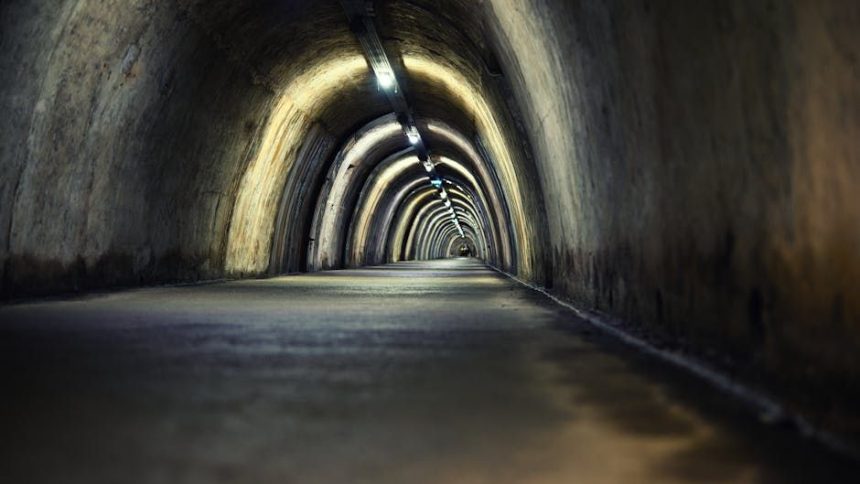
Most people who visit Las Vegas never look down. They look up at neon signs, hotel facades, and the relentless brightness of a city built to distract. What lies directly beneath their feet is something that doesn’t appear in any tourism brochure. Underneath the Strip, a vast concrete network stretches for miles in every direction, carrying stormwater, darkness, and something far more unexpected: a subterranean community of people who call the tunnels home. It is one of the most striking social realities in the United States today, and it’s happening directly below some of the world’s most profitable square footage.
How the Tunnels Were Built, and Why

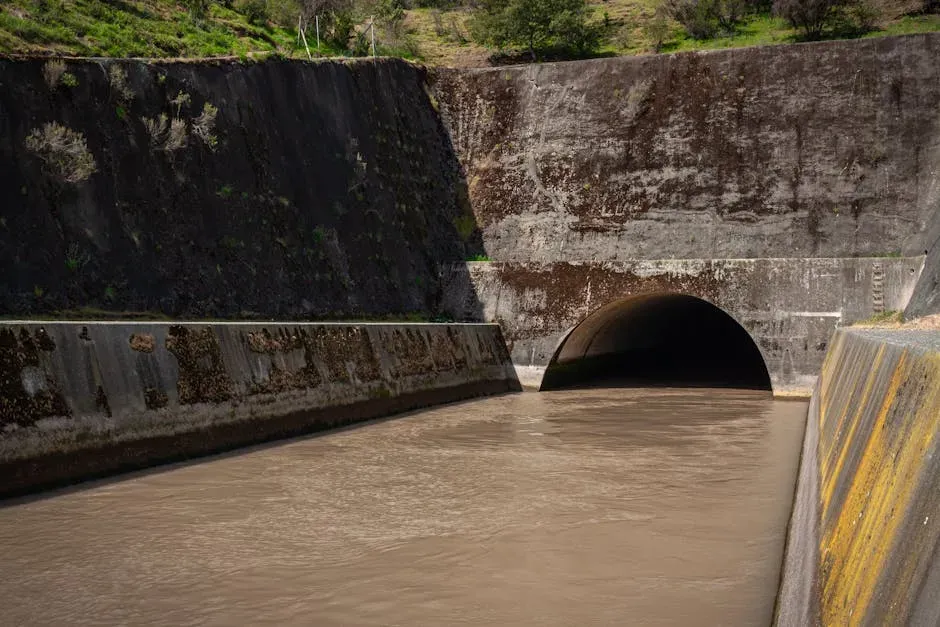
The desert is a deceptive place. The ground around Las Vegas is so hard that rainwater cannot penetrate, so the drainage system was built to divert floodwaters into tunnels beneath the city. The problem was real and recurring. In the 70-year span between 1905 and 1975, the U.S. Soil Conservation Service documented 184 distinct flood events in Clark County that resulted in damages to private and public property.
The Clark County Regional Flood Control District was created in 1985 by the Nevada Legislature, allowing Clark County to provide broad solutions to flooding problems. Voters in 1986 approved a quarter-cent sales tax to fund construction of regional flood control facilities, and the first project began in 1988. The system grew steadily from there, becoming one of the most extensive urban flood control networks in the American West.
The Scale of the Underground Network

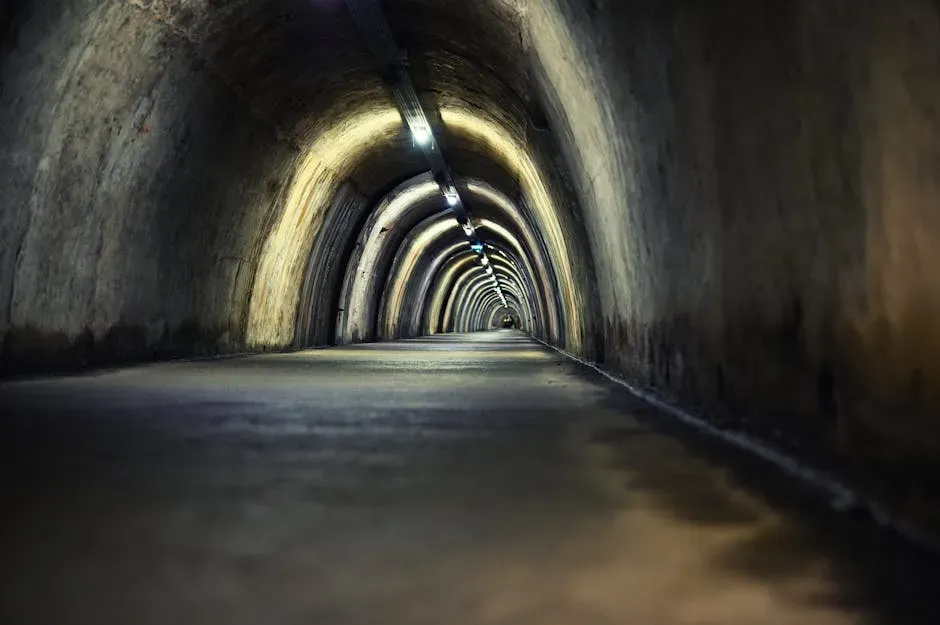
These tunnels, stretching over 600 miles, run beneath the Las Vegas Strip and extend to areas beyond the city. The system was designed to quickly divert excess water to protect casinos, hotels, and streets from flash floods. The scale is genuinely hard to picture. Laid end to end, these passages would stretch from Las Vegas to the Oregon border and back.
According to the Clark County Regional Flood Control District, the valley has about 450 miles of flood control channels and tunnels, and about 300 miles of those are underground. As of June 2013, a total of 1.7 billion dollars had been spent on flood control, including construction of 90 detention basins and approximately 581 miles of channels and underground storm drains. Maintenance and expansion of this infrastructure have continued well into the 2020s.
A City Beneath a City

Originally intended solely for flood control, the tunnels were not designed with human habitation in mind. Over time, however, many people, including those struggling with homelessness, substance addiction, mental illness, and other hardships, find refuge in these tunnels. The transition from drainage infrastructure to shelter happened gradually, without any official plan or acknowledgment.
The tunnels ended up becoming a subterranean city, with territories, nicknames, codes of coexistence, “streets,” “neighborhoods,” and stories that never appear in official tourism materials. Many residents have constructed elaborate shelters, often out of plywood and scraps of metal or brick below the casinos that define the Strip. Some spots, as reporters have noted, sit directly below iconic properties like Caesars Palace.
How Many People Actually Live Underground

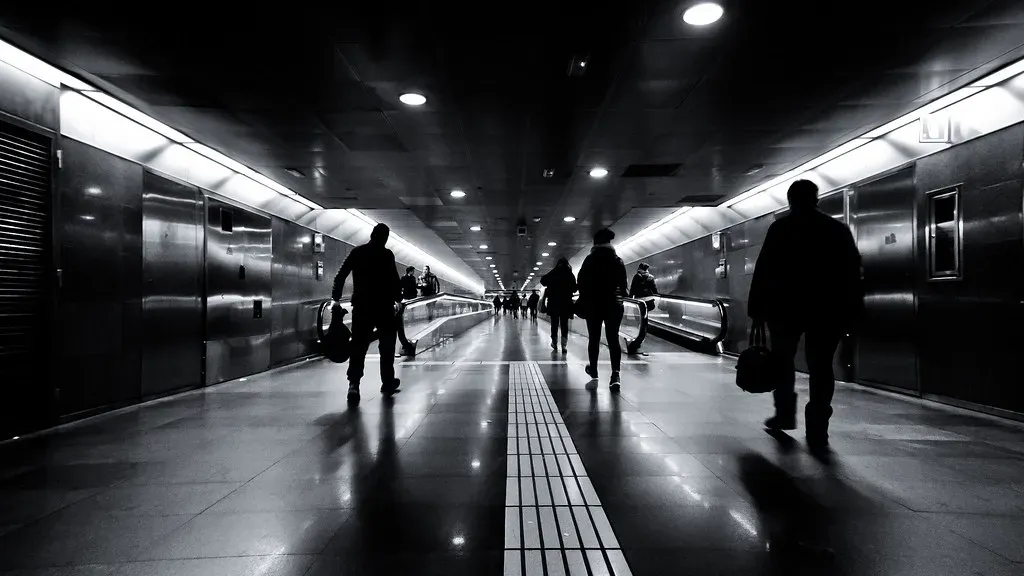
An estimated 1,200 to 1,500 homeless people live in the city’s tunnels, and the number of people living underground has risen, making it difficult to persuade them to come above ground for medicine and treatment. These figures come from front-line outreach workers with direct, daily access to the tunnels.
According to Robert Banghart, Outreach Director at Shine a Light, a nonprofit committed to bringing humanity to those living underground, there are approximately 1,200 to 1,500 people living in the tunnels. Banghart said the number has grown over the last ten years, calling it “just a steady growth, just like the city.” The broader context matters too: according to the Department of Housing and Urban Development, overall homelessness in America rose by 18% in 2024, with more than 770,000 people experiencing homelessness on a single night in January.
Why People Choose the Tunnels
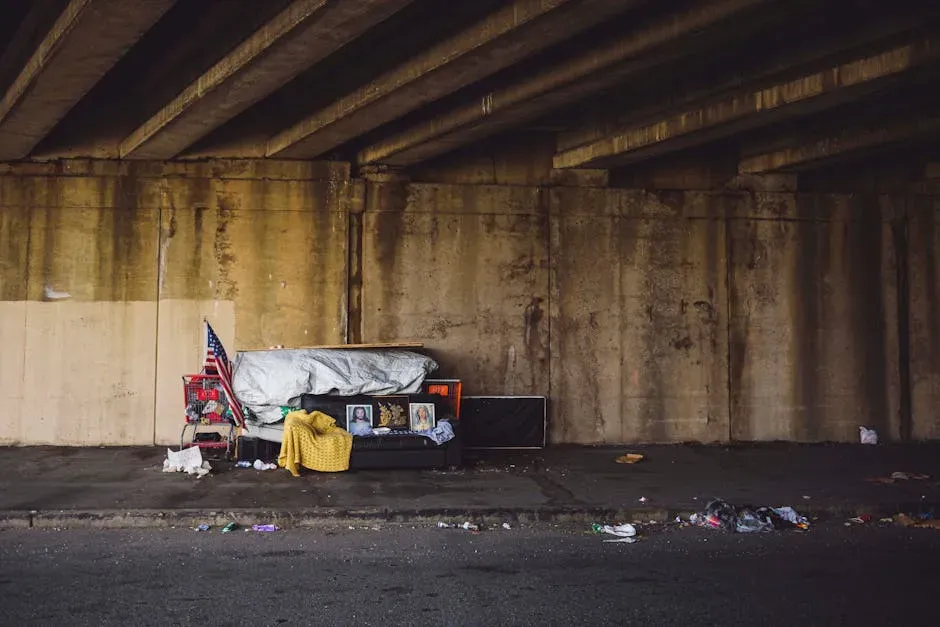
Though dark and damp, the tunnels provide cover from the harsh desert sun, warmth when temperatures drop, and privacy from society’s judgment above ground. The extreme weather above is a genuine factor. It is estimated that homeless people find shelter in the storm drains for protection from extreme temperatures that exceeded 120 degrees Fahrenheit in summer of 2024, while dropping below 30 degrees Fahrenheit in winter.
Some tunnel dwellers said they hide to avoid constant encampment sweeps, which have increased nationally since the U.S. Supreme Court ruled that local authorities have a right to enforce sleeping or camping bans in public spaces, even when no shelter or housing is available. Street medicine providers and homeless outreach workers who travel into the tunnels said they have noticed an uptick in the number of people living underground as housing costs have skyrocketed and local officials have adopted a zero-tolerance approach to homelessness.
The Constant Danger of Flash Floods

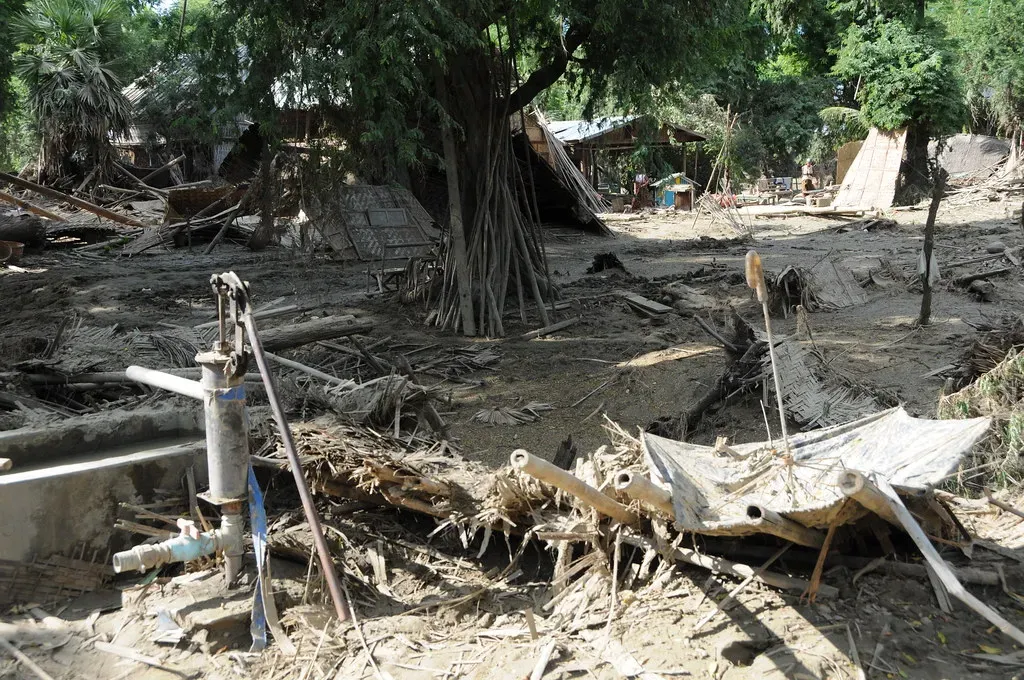
Flooding remains a constant threat, with water capable of sweeping through the tunnels with little to no warning during flash floods. Flooding can be deadly, catching residents off guard and carrying away their belongings. The speed at which conditions change underground is something difficult to convey from the surface. Moving at speeds up to 30 miles per hour, the water is funneled east into the wetlands before making it to Lake Mead.
Even on a clear day on the Strip, a storm miles away can cause floods in Las Vegas and turn the tunnels into traps in a matter of minutes. At least once a year, sometimes several times, bodies are washed through the tunnels toward Lake Mead by runoff from surprise rainstorms in the mountains west of town. The monsoon season, running from June through September, is especially dangerous. Help of Southern Nevada coordinates with the city and Clark County to get as many people as possible into shelters before the start of the rainy season.
Health Risks in the Depths

Limited access to hygiene, along with exposure to extreme dampness and trash buildup, can lead to infections and chronic illness. Outreach workers report widespread addiction to methamphetamine and opioids, especially fentanyl and “tranq,” a veterinary sedative now found in street drugs. The medical challenges below ground are compounding ones. Caseworkers are confronting a level of drug addiction that’s making it harder to get people, many suffering from mental illness and health conditions, to come aboveground for care.
A UNLV researcher noted this was probably the first time, to their knowledge, that a program had been deployed in an urban city looking at storm drains where individuals are living. Water samples were collected weekly from channels like the Flamingo and Tropicana Washes, the same tunnels where more than a thousand unhoused people are known to live. That research, conducted in partnership with the Southern Nevada Health District, helped shed light on a population that had largely been invisible to the medical system.
Outreach Organizations Working Underground


Matt O’Brien, a local author who spent nearly five years exploring life beneath the city, founded the Shine a Light Foundation to help the homeless people taking refuge in the tunnels. The charity helps tunnel residents by providing supplies such as underwear, bottled water, and food. The organization has become the most consistent point of contact between the underground population and the world above.
The Shine a Light Foundation comes down to the tunnels daily to try and make contact with the people who live there and check on their well-being. Organizers also tell residents there is a better path forward, and they can help with whatever they need. Another nonprofit, Campus for Hope, recently broke ground on a facility in Vegas with 900 beds to offer addiction recovery services and job training.
The 2025 Flood Channel Upgrade and Mass Displacement

An unhoused population believed to number up to 1,500 was ejected from the flood channels they called home, as Clark County began a yearlong, $15 million regional flood control project to overhaul the flood channels used by this population as lodging. The displacement became a flashpoint in local politics. The project included construction at both the Tropicana and Flamingo washes, where debris and rocks would be cleared from the flood channels, along with the removal of the people living in those channels.
First responders and county workers began heading into an underground area they are generally not allowed to enter because of unknown and often dangerous conditions, with crews starting sweeps near Flamingo and Cambridge roads around 5 a.m., with police and firefighters in hazmat suits going into the enclosed part. Residents voiced frustration at the prospect of seeing more unhoused people in their neighborhoods, assuming that once folks are asked to leave the tunnels they will migrate to other areas in town. Where the displaced population would go remained an open question with no clear answer.
What This Reveals About Las Vegas, and About Us
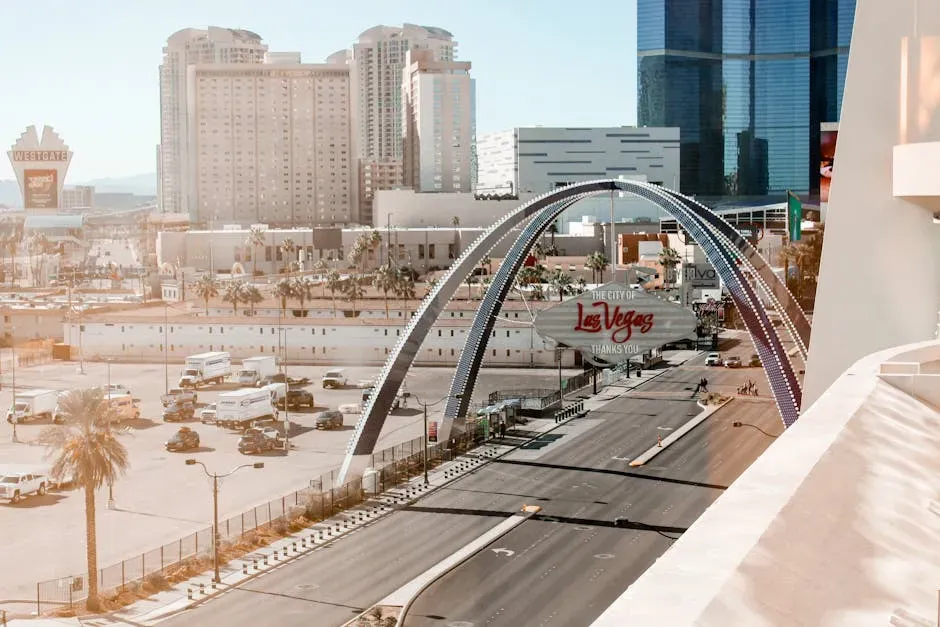
Beneath the glittering lights and the bustling life of Las Vegas lies a hidden world unknown to most tourists and even many locals. Right underneath is an underground labyrinth comprising over 600 miles of flood channels and drainage tunnels. The physical infrastructure is remarkable. The human story inside it is more remarkable still.
Southern Nevada’s 2024 Point-in-Time Count identified 7,906 unhoused people in the region, a number officials and homeless providers agree is an undercount, and data showed the number of people experiencing homelessness grew 20% from the previous year. The tunnels didn’t create this crisis. They just made it visible to anyone willing to look. The gap between the Strip’s surface gloss and the reality a few feet below it is, in the end, not just an urban planning story. It’s a measurement of something harder to fix than concrete.