
There is something almost magical about stumbling onto a song from fifty years ago that somehow sounds like it was made just for you. The 60s and 70s were not just a golden era for the hits you already know. They were absolutely stuffed with brilliant, weird, emotional, and complex music that never got a fair shake on the radio. Honestly, the best stuff was often buried on side two of an album nobody remembers buying.
Given the sheer abundance of musical talent from that era, it is easy to understand why so many songs were forgotten. Many artists became almost larger than life, which meant radio stations of the time maintained a very tight playlist. The songs on this list are the ones that slipped through those cracks. Some are haunting. Some are ferocious. Some will make you wonder why you never heard them sooner. Let’s dive in.
1. Love – “A House Is Not a Motel” (1967)
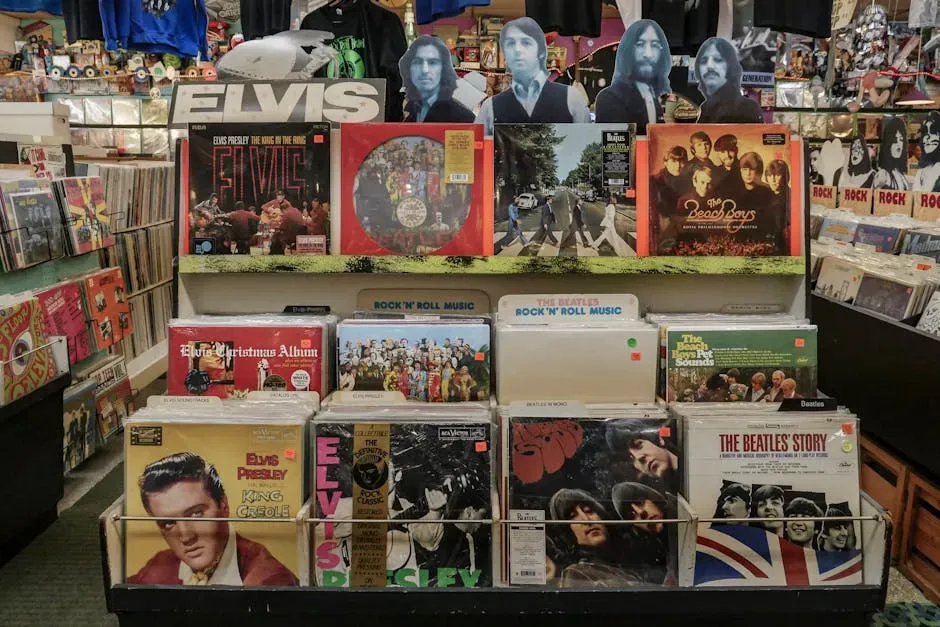
Few songs from the late 60s capture anxiety quite like this one. “A House Is Not a Motel” from Love’s legendary Forever Changes album is a haunting, layered slice of psychedelic rock that lingers long after the final note. The track features Arthur Lee’s urgent vocals paired with swirling guitars and shifting rhythms, capturing a sense of anxiety and longing that was rare for its time.
Released in 1967, the song is often cited by critics as a highlight of the album, which Rolling Stone ranked at number 40 on its definitive 500 Greatest Albums of All Time list. The lyrics, at times cryptic and poetic, reflect the turbulent, uncertain spirit of the late 60s. The band’s ability to blend folk, rock, and orchestral elements set them apart from their contemporaries, creating a sound that still feels fresh and innovative.
2. The Zombies – “Hung Up on a Dream” (1968)
If you have never sat quietly and let this track wash over you, you are genuinely missing something. The Zombies’ “Hung Up on a Dream” is the dreamy centerpiece of their 1968 album Odessey and Oracle, a record that has only grown in stature since its release. Lush harmonies, shimmering keys, and Colin Blunstone’s plaintive voice weave a tapestry of sound that transports listeners to a world of nostalgia and wonder. The track stands out for its sophisticated arrangement, showcasing the band’s classical influences and meticulous studio craftsmanship.
Over the years, Odessey and Oracle has become a cult favorite, frequently appearing on critics’ lists of the greatest albums ever made. Modern artists often cite The Zombies as a key influence, and “Hung Up on a Dream” remains a hidden treasure for those willing to dig a little deeper.
3. Spirit – “Fresh Garbage” (1968)
Here is the thing about Spirit: they were one of the most adventurous bands of their era, and almost nobody outside of devoted record collectors ever talks about them. “Fresh Garbage” by Spirit is a bold experiment in jazz-rock fusion, laced with biting social commentary and a groove that’s impossible to ignore. From their underrated self-titled debut, the song’s title and lyrics refer to the wastefulness and environmental neglect of modern society, a theme that feels even more relevant today. The track’s funky bassline and innovative drum patterns set the stage for a series of inventive guitar and keyboard flourishes, highlighting the band’s musical versatility.
I think this track is almost shockingly current in its message. Fifty-some years before climate anxiety became mainstream, Spirit was already writing about it over a groove this slick. If a band released this song today, it would be everywhere.
4. The Pretty Things – “Death” (1968)
Dark, theatrical, and genuinely ahead of its time. The Pretty Things’ “Death” is a dark, theatrical piece from their groundbreaking concept album S.F. Sorrow, widely considered the precursor to the rock opera format. The song’s brooding atmosphere and dramatic storytelling set it apart from the typical rock fare of the late 60s. Phil May’s vocals, paired with intricate guitar work and avant-garde production, create an immersive listening experience.
S.F. Sorrow predates The Who’s Tommy and is often credited with laying the groundwork for the narrative-driven albums that would follow. The album’s themes of loss, alienation, and existential dread resonate throughout “Death,” making it a compelling listen for those seeking music with depth and narrative complexity. Though The Pretty Things never achieved massive commercial success, their influence looms large in the evolution of progressive and conceptual rock.
5. Traffic – “Heaven Is in Your Mind” (1967)

Traffic were always fighting to be heard from behind their own bigger songs, and that fight cost them dearly in the history books. “Heaven Is in Your Mind” is the lead track off Traffic’s 1967 debut album, Mr. Fantasy. While Mr. Fantasy put the band on the musical map, that lead song is often overlooked. It is one of those tracks that builds slowly, pulling you deeper in like quicksand, until you realize six minutes have vanished and you want to hear it again immediately.
The English rock band hit No. 88 on the U.S. Billboard 200 chart with their debut album, but “Heaven Is in Your Mind” was never considered a popular single. That feels almost criminal now. The song has everything, soulful vocals, jazzy rhythms, and psychedelic textures that balance perfectly on the edge between folk and full-on rock explosion.
6. The Who – “Mary Anne with the Shaky Hand” (1967)
The Who were so loud and so dominant that even their overlooked songs get drowned out by the noise of their greatest hits. “Mary Anne with the Shaky Hand” is a very mysterious song, because the lyrics are written pretty ambiguously. The track, written by Pete Townshend and released on 1967’s “The Who Sell Out,” features some unique acoustic guitar and a Latin vibe.
Let’s be real, nobody hears this song at a classic rock station. It was never going to compete with “My Generation” or “Baba O’Riley” for airtime. The Who is a mega band that isn’t underrated in any way, but some of their music has flown under the radar because so much of their catalog is made up of chart-toppers. This one deserves a second look from anyone who loves Townshend’s quieter, stranger side.
7. The Youngbloods – “Darkness, Darkness” (1969)
This song is so beautiful it almost hurts. Slow, mournful, and genuinely affecting in the way that only the best late-60s folk rock could be. “Darkness, Darkness,” written by Jesse Colin Young, has been covered by a lot of different musicians. Young’s band The Youngbloods released the song in 1969 on their album Elephant Mountain, and while it has been covered a fair amount, the original never really got the due it deserved.
Think of it this way: when a song gets covered repeatedly by other artists across decades, that is usually a sign that musicians understand something the general public missed. “Darkness, Darkness” is exactly that kind of song. It is one of those pieces that works just as well at two in the afternoon as at two in the morning.
8. Pink Floyd – “Summer ’68” (1970)
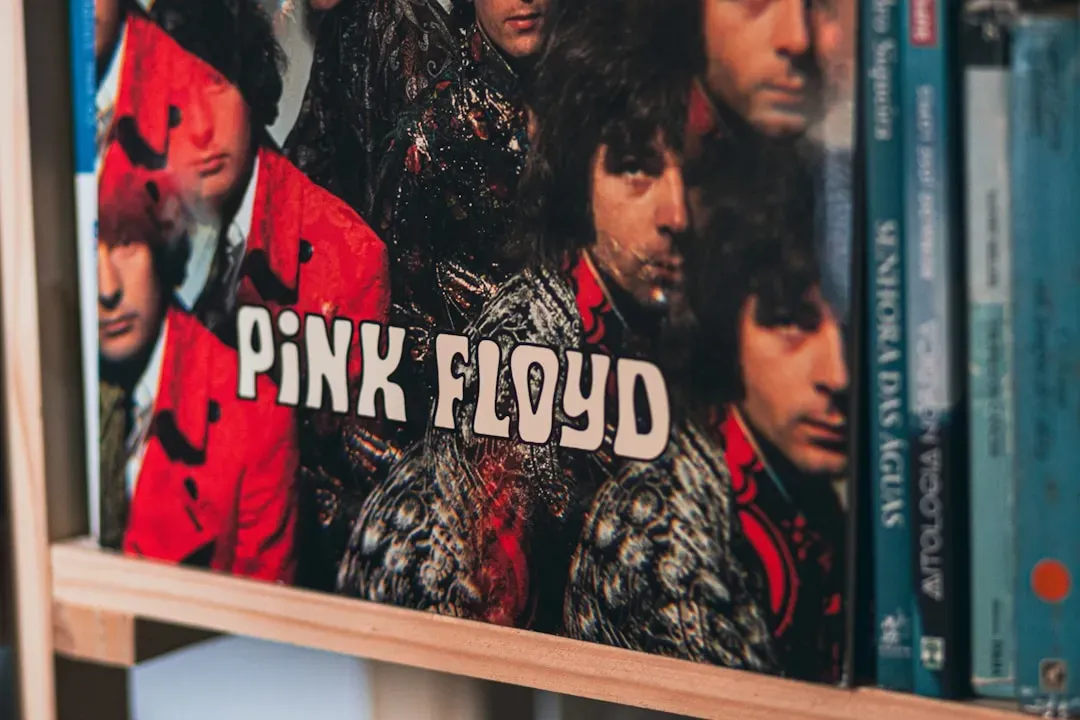
Most people who love Pink Floyd stop at Dark Side of the Moon and The Wall, and honestly that is a shame because they are missing some deeply strange and wonderful things. “Summer ’68” is an underappreciated track from the criminally underappreciated Atom Heart Mother album from 1970. When Rick Wright composed and delivered this song, he cemented his place in rock history.
The lyrics essentially depict going on tour and encountering groupies along the way. It should easily rank among Pink Floyd’s best songs, thanks to its funky chorus and delightfully unique vocal harmonies, as well as the highly fantastic solo breaks. Yet somehow it gets lost in the mix, which is crazy considering how good it sounds. Wright’s keyboard playing here is sublime, completely different from what most Floyd fans expect, and all the better for it.
9. Led Zeppelin – “Ten Years Gone” (1975)

Zeppelin fans know this one, but the rest of the world really does not. When classic rock fans think of Zeppelin’s Physical Graffiti album, they usually go to “Kashmir” or maybe “Custard Pie.” Many dedicated Led Zeppelin supporters, however, will offer this melodic, “hypnotic” ballad as the best the record has to offer. According to Zeppelin lore, guitarist Jimmy Page intended it to be an instrumental piece before Robert Plant’s memory of an old girlfriend inspired the lyrics.
There is a sweeping, cinematic quality to this track that puts it in a category all its own. It is quieter and more reflective than anything Zeppelin usually got credit for, and that vulnerability is exactly what makes it so extraordinary. The 1970s are widely regarded as a golden age for rock music. During this decade, countless performers established themselves through creative composing and songwriting, resulting in unique sounds that reflected the changing social landscape. While bands like Led Zeppelin experienced surges in popularity with stadium-filling shows, many of their exceptional songs still get overlooked.
10. Terry Callier – “Dancing Girl” (1972)

This one might be the deepest cut on this entire list, and it is also, I would argue, the most emotionally overwhelming. Terry Callier was not a rock artist in the traditional sense, but his music sits perfectly at the crossroads of folk, soul, jazz, and orchestral beauty. Terry Callier’s What Color Is Love blends soul, folk, jazz, and orchestral arrangements into something uniquely rich and deeply emotional. Released in 1972, it was largely overlooked at the time but has since gained cult status for its genre-defying sound and poetic depth. Its spiritual warmth and intricate instrumentation influenced generations of soul, hip-hop, and neo-folk artists, making it a quietly monumental, underrated classic.
The key track “Dancing Girl” is a mesmerizing, nine-minute opener that showcases Callier’s soulful vocals, sweeping string arrangements, and jazz-folk fusion. It is haunting, cinematic, and utterly singular. Think of it as the kind of song that makes time stop. Nine minutes will feel like two, and then you will immediately press play again.
11. Focus – “Hocus Pocus” (1971)
Okay, this one is genuinely absurd in the best possible way, and I love it unconditionally. Focus’ 1971 track “Hocus Pocus” is only really a hidden gem if you weren’t around for the early 1970s. The wild journey of a song peaked at No. 9 on the Billboard Hot 100 and achieved Top 40 success in the U.K., the Netherlands, Canada, and Australia. Yet today, almost nobody outside of music obsessives knows it.
These days, the track is hardly in regular rotation at classic rock radio, except maybe on Halloween. For those who have never experienced the chaotic, weird wonder that is “Hocus Pocus,” this rock gem is a sight to behold. Think searing guitar, manic yodels, and heavy-duty flute riffs. It sounds like a fever dream composed by a classically trained Dutch musician who decided to demolish every rule of rock and roll simultaneously. Which is, more or less, exactly what it is.
Why Deep Cuts Matter More Than Ever in 2026

There has never been a better time to go digging. Modern streaming patterns suggest that listeners enjoy revisiting past music and discovering underappreciated songs. Data shows deep catalog titles, those dating back three years or more, make up around 70% of on-demand audio streaming in the U.S. That number is staggering. It means that right now, today, people are seeking out old music in massive numbers.
Vinyl’s resurgence has reached a new milestone, with vinyl revenue surpassing 1 billion dollars in the United States in 2025, according to the RIAA. Overall, vinyl sales grew about 9.3 percent year over year, with overall units sold rising from 43.4 million to 46.8 million. People are not just streaming these songs in passing. Millennials and Gen Z are key drivers of this trend, embracing physical media as part of a “slow living” movement and seeking authentic experiences. There is something deeply moving about that.
The songs on this list are not historical curiosities. They are genuinely great records that deserve to live in your ears on a regular basis. Start with whichever one sounds most surprising to you. Chances are, it will lead you somewhere you never expected to go. Have you already heard any of these, or were some of them completely new to you? Tell us in the comments.