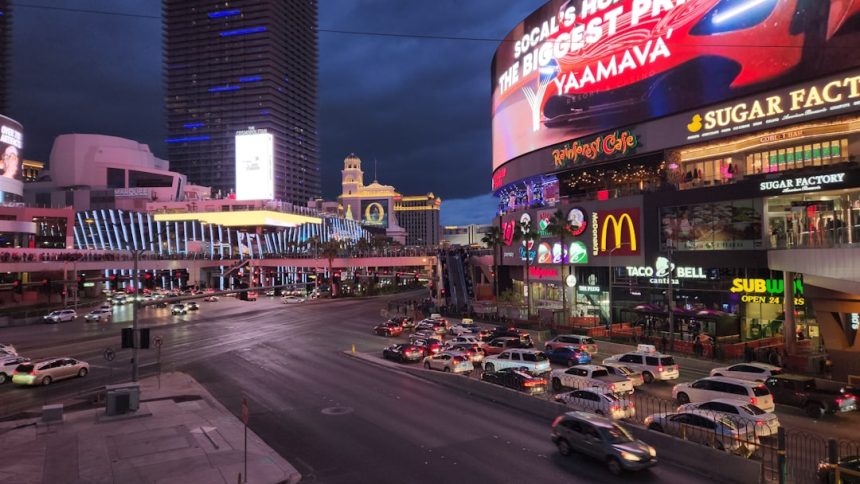
Las Vegas is a city that never sleeps, and honestly, its roads feel like they never rest either. Beneath the neon glamour and the roar of the Strip lies a road network that quietly ranks among the most collision-prone in the entire country. Most visitors never find out until they are stuck at a chaotic intersection with horns blaring and brake lights flashing in every direction.
Locals, though? They figured this out a long time ago. They know which crossroads to avoid, which side streets to slip through, and exactly when the chaos peaks. So let’s pull back the curtain on the four most dangerous intersections in Las Vegas, backed by the latest data, and reveal the routes smart drivers actually take instead. Let’s dive in.
Las Vegas Has a Serious Traffic Problem – Here Are the Numbers
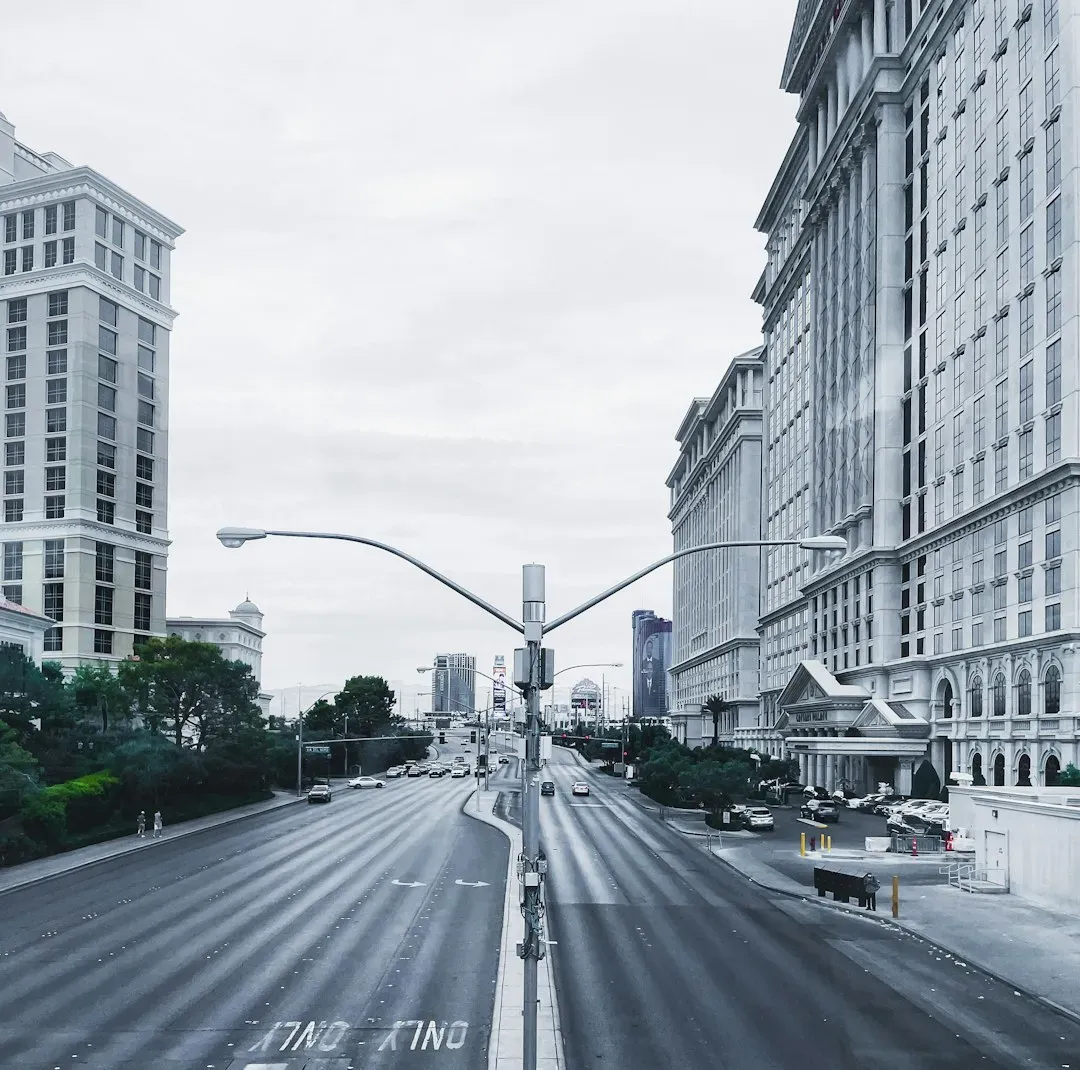
Here is something that might genuinely shock you: Las Vegas records more than 20,000 reported traffic accidents each year, representing about 43% of Nevada’s total crashes. Think about that for a second. Nearly half of every crash in the entire state happens in one city. That is not just a statistic – it is a warning.
The lives of 412 were tragically lost on Nevada roadways in 2024, according to the Nevada Office of Traffic Safety statewide federal report, marking a 5.64% increase from the previous year, with numbers continuing to climb into 2025. That trend is deeply troubling, and it does not show signs of reversing.
Las Vegas has the highest intersection crash rate per 1,000 residents at 50.7, along with the highest average danger index score among the highest-ranking intersections in the state. No other Nevada city comes close. Knowing where the danger concentrates is genuinely life-saving information.
Intersection #1: Sahara Avenue and Decatur Boulevard – The Reigning Danger King
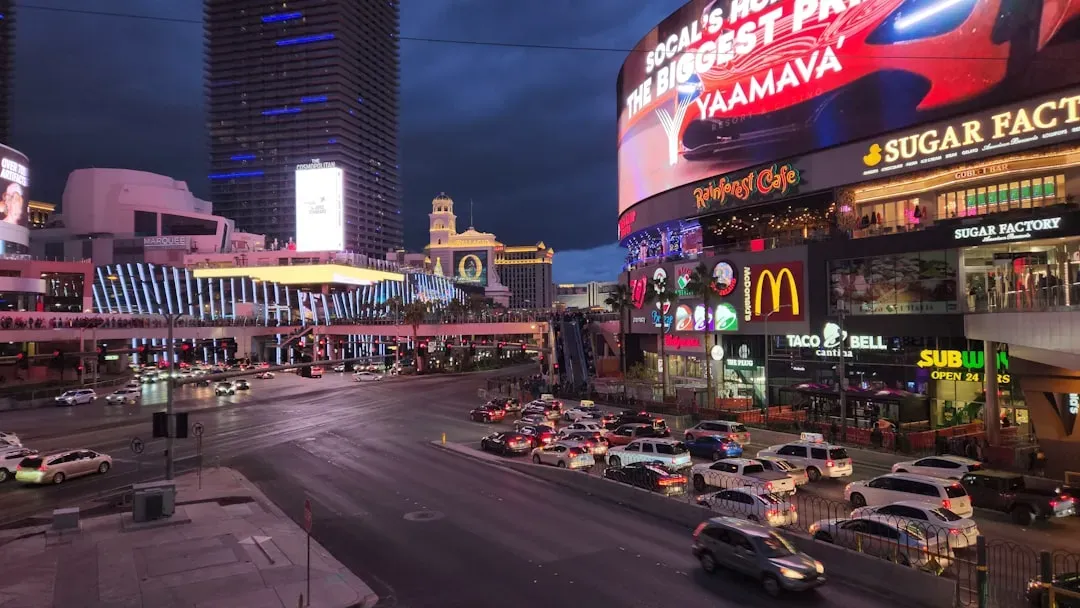
If there is one intersection in Las Vegas that has earned its terrible reputation fair and square, it is this one. According to data from the Nevada Department of Transportation (NDOT), the intersection of Sahara Avenue and Decatur Boulevard is the most dangerous in Las Vegas. It has held that grim title for years, and it keeps holding it.
In 2019, there were a total of 91 accidents at this intersection, resulting in 30 injuries and 1 death, and it has seen a significant increase in accidents with a 120% increase from 2013 to 2019. A 120% increase is not a blip. That is a structural problem. This remains the number one most dangerous location as of 2024.
Sahara Avenue and Decatur Boulevard intersect in a heavily commercial area with plenty of driveway entrances and exits, leading to constant stop-and-go traffic as well as vehicular and pedestrian traffic, and it is notorious for its frequent accidents, particularly during peak driving hours, where multiple lanes, turning points, and sheer vehicle volume increase collision risk. The shortcut locals use? Many regulars cut north onto Smoke Ranch Road or use Ann Road further north to travel parallel, completely bypassing the Decatur and Sahara bottleneck.
Intersection #2: Flamingo Road and Rainbow Boulevard – The Speeders’ Trap
The intersection of Flamingo Road and Rainbow Boulevard is the second most dangerous intersection in Las Vegas, with 85 accidents reported in 2019, resulting in 21 injuries and 1 death, and it has seen a 47% increase in accidents from 2013 to 2019. That growth rate tells you the problem is getting worse, not better.
At Flamingo Road and Rainbow Boulevard, drivers regularly speed far above the posted 45-mph limit, and speeding, jaywalking, and running red lights are common factors behind many of the crashes. Honestly, it feels like every bad driving habit in the city converges at this single point. According to LVMPD data released in 2025, Flamingo Road and Rainbow Boulevard topped the collision list with 26 crashes year-to-date, making it the single most crash-prone intersection in the city at that time.
Smart locals heading east-west in this part of town often use Spring Mountain Road instead, which runs parallel to the north. Spring Mountain Road is often five times faster than trying to cross the Strip at Flamingo Road. That is not a small margin – that is an entirely different driving experience.
Intersection #3: Charleston Boulevard and Decatur Boulevard – Construction Makes It Worse
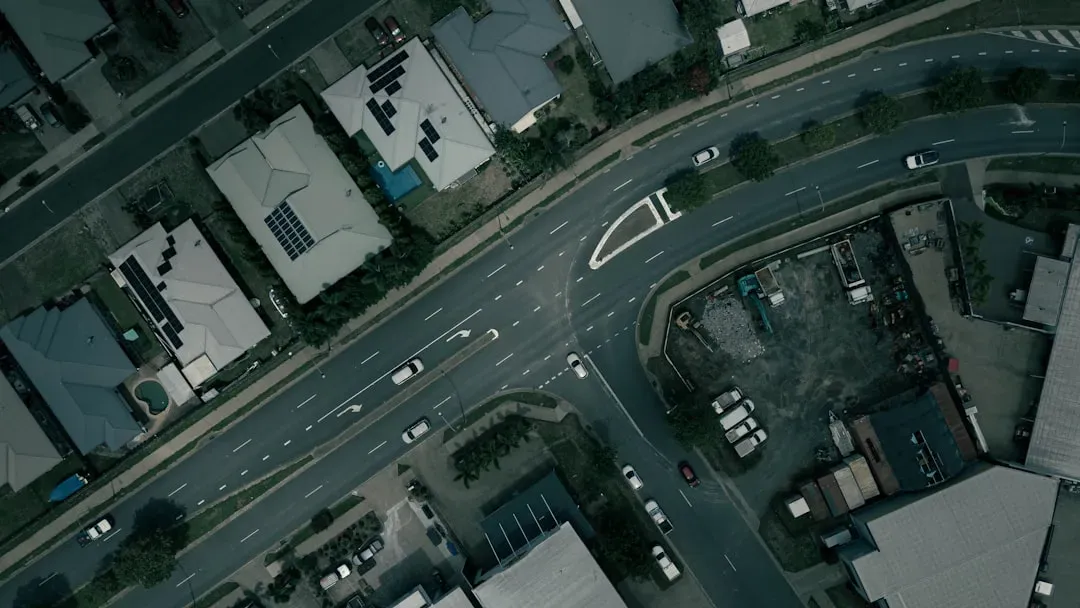
This intersection has become something of a living nightmare for anyone who drives through the Spring Valley corridor. At the intersection topping one recent list, Charleston Boulevard and Decatur Boulevard, residents say the biggest issue is the ongoing construction project that has clogged lanes and confused drivers. Construction zones already increase accident risk. Add confused tourists and impatient commuters, and the result is predictable.
Three intersections that appeared repeatedly on LVMPD lists in May 2025 and September 2025 included Charleston and Decatur boulevards, putting them in contention for the most dangerous intersections in all of Southern Nevada. That is a damning designation. The Charleston Boulevard and Rainbow Boulevard intersection is notorious for its high-speed traffic and insufficient pedestrian infrastructure, with a lack of clear signage and marked crosswalks making it challenging for drivers and pedestrians, and heavy commercial traffic combining with residential areas to produce rush-hour delays and aggressive driving behaviors.
Locals who know the grid well will often slide south onto Oakey Boulevard or north onto Alta Drive to avoid the Decatur corridor entirely during peak hours. It adds maybe two minutes to a trip and dramatically lowers your exposure to chaotic, congested lanes.
Intersection #4: Flamingo Road and Las Vegas Boulevard – Where Tourists and Locals Collide
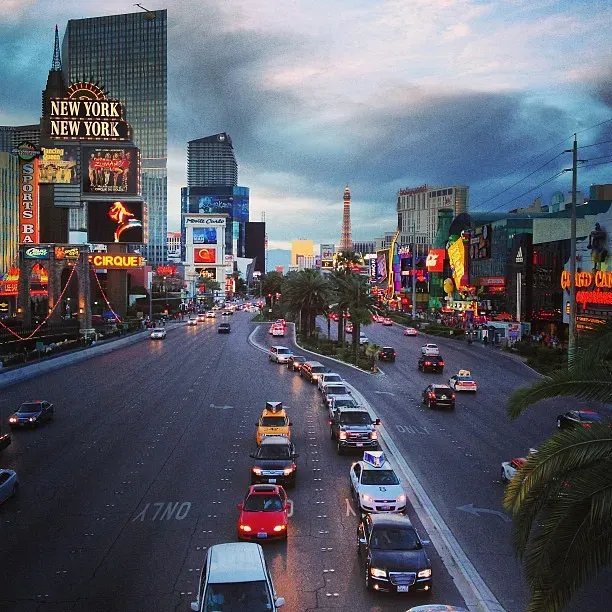
This one sits right in the belly of the beast. Las Vegas Boulevard and Flamingo Road is one of the top five most frequent intersections for crashes in the Convention Center Area Command for the Las Vegas Metropolitan Police Department. It is not hard to understand why. You have casino traffic, rideshare pickups, pedestrians stepping off curbs mid-street, and out-of-state drivers unsure of which lane they belong in.
Partner offer
Flamingo Road shows up on the most dangerous intersections list more than once, and in fact more than any other street, as this east-west corridor sees lots of risky driving from drivers running red lights, rushing through left turns, and locals trying to get home during rush-hour traffic. It is a perfect storm of competing interests on asphalt. This road is close to many of the city’s popular casinos, resorts, and shopping areas, causing a chaotic mix of traffic from locals and tourists who are not ready for Las Vegas roads.
The local workaround here is well-known among Strip employees and long-time residents. The fastest way to get from one side of the Strip to the other without touching it is to use the three-mile Super Arterial, which connects Paradise on the east to Valley View on the west via the six-lane, no-lights Desert Inn Road. This route is genuinely one of the best-kept local driving secrets in the entire valley.
Why These Intersections Keep Getting More Dangerous
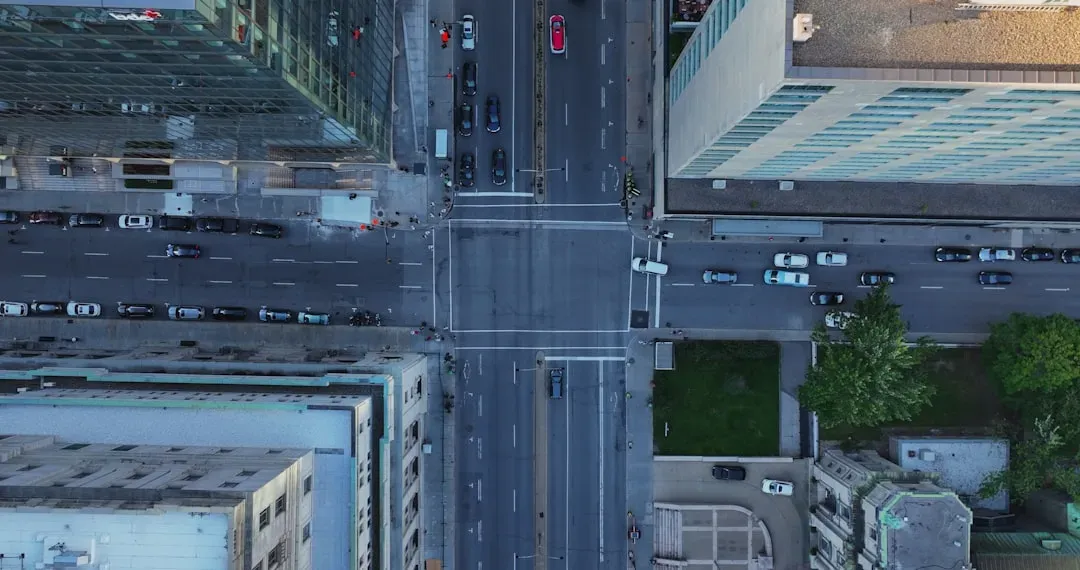
It is tempting to blame individual bad drivers, but the full picture is more complex. National Highway Traffic Safety Administration data show that 36% of U.S. crashes occur at intersections, and Las Vegas follows the same pattern. The city’s design simply creates conditions where collisions thrive. Poor lighting at intersections, narrowed lanes in construction zones, and high-speed corridors like I-15 or Sahara Avenue create hazards that increase both accident frequency and injury severity, especially for pedestrians and out-of-state drivers unfamiliar with dangerous roads in the Las Vegas area.
Over 90% of crashes in Las Vegas are linked to unlawful driver behavior, and speeding alone caused 20 traffic fatalities in 2024, marking a 10% increase from 2023. That number is moving in the wrong direction. Police stress that the top contributing factors in deadly collisions are failure to yield the right-of-way, failure to maintain a lane, and speeding. Three simple violations. Three behaviors that keep filling emergency rooms.
The Role of Tourists in Las Vegas Crash Statistics
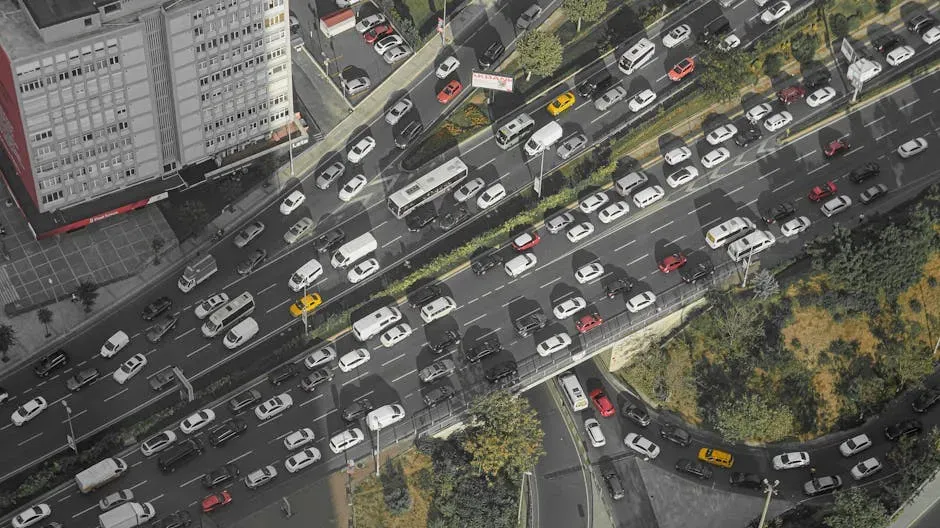
Let’s be real – this is a city that welcomes tens of millions of visitors every year, and many of them have never driven here before. As one of America’s biggest tourist destinations, Las Vegas gets millions of tourists who are unfamiliar with local roads every year, and these tourists are often watching their GPS as they drive, leaving them distracted and worried. A distracted driver at 45 mph is a weapon in slow motion.
Las Vegas crash timing reflects the city’s 24-hour lifestyle rather than standard commuter peaks, and while rush-hour traffic remains dangerous, late nights and weekends bring a higher share of severe and fatal collisions, often linked to DUI and tourist activity. The Strip never shuts down, and neither does the risk. Las Vegas is known as a party city, and that means there is no shortage of alcohol, with the city’s nightlife and around-the-clock access to alcohol meaning Las Vegas has more than its fair share of impaired drivers.
What the LVMPD Is Doing About It
The Las Vegas Metropolitan Police Department has been anything but silent on this issue. LVMPD published its top 50 crash intersections for January 2026, stating their department is focused on saving lives and making the roads safer for everyone. Publishing these lists publicly is a meaningful step – it forces accountability and gives residents real information to work with.
Clark County has equipped high-risk intersections with red light cameras and enhanced signage, particularly in tourist areas. Whether that is enough remains an open question. The latest statewide fatal report for early 2026 shows traffic deaths down nearly 25% in Clark County compared to 2025, representing the 14th straight month of decline, while NDOT’s new highway safety plan aims to reduce fatalities and serious injuries on Nevada roadways. That downward trend is genuinely encouraging, even if there is still a long road ahead.
The Shortcut Locals Actually Use: Desert Inn Road
If there is one piece of local knowledge that every Las Vegas resident eventually discovers, it is Desert Inn Road. The fastest way to get from one side of the Strip to the other without touching it is to use the three-mile Super Arterial, which connects Paradise on the east to Valley View on the west via the six-lane no-lights Desert Inn Road. No traffic signals for three miles. It sounds almost too good to be true in a city full of red lights.
This shortcut is extremely convenient if you’re going from the Orleans, Gold Coast, Palms, or Rio to the Westgate, Hard Rock, SLS, and Silver Sevens. Residents who work on or near the Strip use it daily. On the east side, locals also use the Koval-Paradise parallel route from Tropicana to Sahara avenues as another reliable way to dodge the worst of the Strip congestion and its collision-prone cross streets entirely.
How to Stay Safe at These Intersections If You Can’t Avoid Them
Sometimes there is no shortcut. Sometimes you just have to go through it. It is important to note that while these intersections have a high number of reported accidents, it does not necessarily mean they are more dangerous than other intersections under all conditions, since other factors such as traffic volume and driver behavior also play a role. Awareness alone changes the equation significantly.
Failure-to-yield collisions have surged, making them the top fatal crash cause in Las Vegas. That is incredibly specific and incredibly actionable. Slow down before you turn. Check twice. The second glance is the one that saves lives. LVMPD’s top causal factors for all collisions in 2025 were failure to yield right of way, failure to maintain lane, and speeding, which means three adjustments in your driving habits cover the vast majority of risk at these dangerous spots.
Conclusion: The City Is Beautiful, but Its Roads Demand Respect
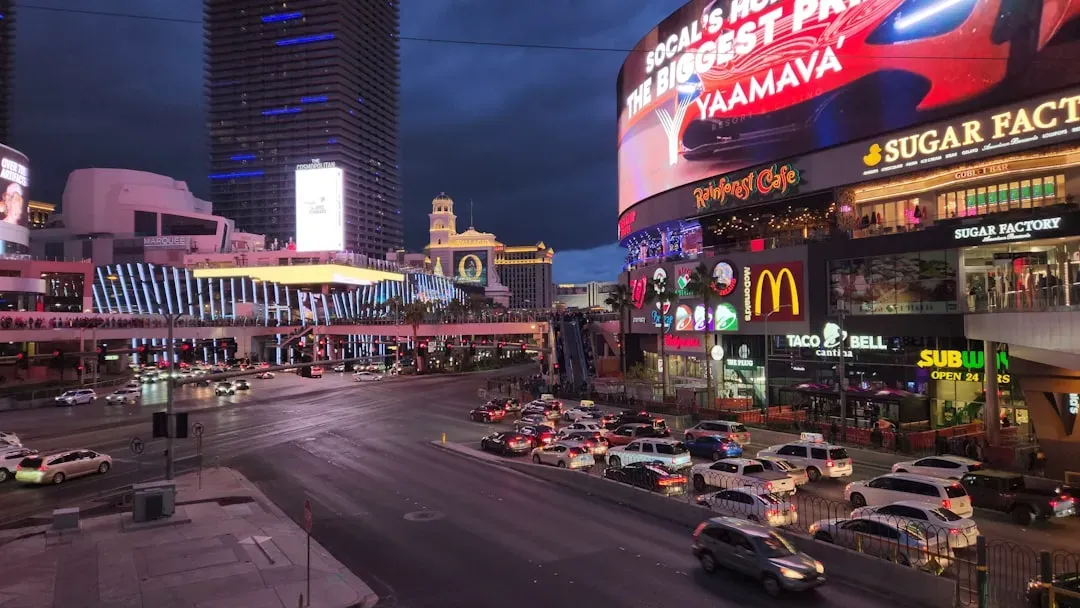
Las Vegas has a way of making everything feel like entertainment, including, sometimes, driving. The flashing signs, the roaming pedestrians, the rideshare chaos – it all adds up. The city’s heavy tourism, dense population, and high-speed corridors make Las Vegas the most collision-prone metro area in the state. That is not just a data point. It is a daily reality for the people who live and drive here.
The four intersections covered in this article – Sahara and Decatur, Flamingo and Rainbow, Charleston and Decatur, and Flamingo and Las Vegas Boulevard – are not just statistics. They are real places where real people get hurt every single week. Knowing where the danger lives is your first line of defense.
Use Desert Inn Road. Learn Spring Mountain. Respect the grid the way locals do. The shortcut is out there – you just have to know where to look. Did you know any of these intersections were this dangerous? What do you think about it? Tell us in the comments.
Partner offer
Planning a trip to Vegas?
Compare hotel rates and show tickets on VEGAS.com.