


Every film set runs on a delicate balance of creativity, trust, and time. Directors are juggling hundreds of moving parts at once, from camera angles and lighting to performances and production schedules. When something or someone throws that balance off, it doesn’t just create tension. It costs money, kills momentum, and can quietly poison the atmosphere for an entire crew.
Some of the most talked-about on-set conflicts in Hollywood history weren’t about grand artistic differences. They were about surprisingly mundane habits, the kind of recurring behavior that accumulates over weeks of shooting until it becomes something no one can ignore. Here are eleven of them.
1. Showing Up Late

Few things irritate a director faster than an actor who treats call times as optional. Liam Neeson spoke plainly about this in a Rolling Stone interview, saying he hears “disturbing stories about actors and actresses who are very gifted, but show up on the set two, three, four hours late,” adding that he would never work with those people and that it’s “so insulting” when a crew of up to 80 people is kept waiting.
There are moments of genuine crisis that can lead to lateness, and most seasoned directors understand that. The issue arises when it becomes a pattern, a chronic disregard for the fact that every idle hour on a professional film set can cost tens of thousands of dollars. A set abides by strict rules and a crew hierarchy, and it’s an actor’s responsibility to educate themselves on how to navigate this world.
2. Not Knowing Their Lines

Arriving unprepared is one of the fastest ways to lose a director’s respect. Marlon Brando on “The Island of Dr. Moreau” refused to learn his lines and instead insisted on wearing an earpiece to have his dialogue read to him, and also made bizarre demands regarding his costume and makeup which frustrated the creative team. It’s an extreme example, but the underlying problem, not doing the homework, is far more common.
The script supervisor plays a critical role on set, with the primary responsibility of ensuring continuity is maintained throughout production, tracking every line of dialogue, every movement, and every change in the script so that nothing is overlooked. When an actor routinely stumbles through lines that should be memorized, that person has to work overtime, the crew loses focus, and takes multiply unnecessarily.
3. Going Full Method Without Consulting Anyone

Method acting can produce extraordinary performances. It can also make a set nearly unbearable for everyone else involved. Director Darren Aronofsky addressed this directly, stating plainly during a Paris masterclass that he simply “hates” the practice. He called the never-break-character style “just something to hide behind, as opposed to doing the work and being professional.”
Actor and director Brian Cox has spoken out against Method acting in various interviews, frequently citing his “Succession” co-star Jeremy Strong as an example of why the acting style is, in his words, “fucking annoying.” The real frustration for directors isn’t dedication to craft. It’s when an actor’s immersive process starts affecting scheduling, disrupting co-stars, and demanding accommodations that a production simply can’t sustain.
4. Refusing to Accept Direction

Directors expect pushback occasionally. What they don’t expect is an actor who reflexively argues against every note. Val Kilmer earned a reputation for being difficult to work with during the nineties, especially on the set of “The Island of Dr. Moreau,” with director John Frankenheimer famously stating he would never work with the actor again after their experience together, as Kilmer reportedly challenged the authority of the filmmakers and frequently argued with his co-stars.
As director Ed Zwick observed, the tension usually comes down to perception: the director thinks the actor is being oppositional, while the actor finds the director dictatorial, and some actors genuinely do have problems with authority. The difference between productive creative tension and a genuine problem is whether the actor is willing to try something the director’s way, even once, before resisting it entirely.
5. Undermining the Director in Front of the Crew


There is a visible ripple effect when an actor publicly dismisses or mocks a director’s instructions. Crew members notice, other actors notice, and the power dynamic on set shifts in ways that are genuinely hard to recover from. Like any workplace, tensions can get pretty high on Hollywood sets, where actors and crew members are often working long hours to create what is essentially the singular vision of one person, and when that vision isn’t clear or when collaboration breaks down, things can escalate very quickly.
Kilmer’s behavior on “The Island of Dr. Moreau” led to significant delays and a highly toxic environment for the entire crew, with many industry professionals citing that specific production as an example of how one actor can derail a project. Directors can absorb quiet disagreements. Open contempt is another matter entirely.
6. Constant Unapproved Improvisation


There’s a meaningful difference between a loose, inspired moment and an actor who rewrites scenes on the fly without telling anyone. Some directors welcome experimentation. Many don’t, and for good reason. Great actors aren’t necessarily great writers, and writers spend months thinking about the perfect way to say things within the time allotted. When an actor improvises heavily and without coordination, the scripted structure can unravel in ways that create serious editing problems later.
Partner offer

Improvisation that goes off script can cause you to lose the carefully constructed work that makes a scene make sense and be properly paced, and if you’re filming, it adds a significant amount of work during editing. Directors who value structured storytelling particularly resent when improvisation happens in close-up coverage, because the wide-shot footage no longer matches and entire scenes must be reshot.
7. Playing to an Imaginary Audience

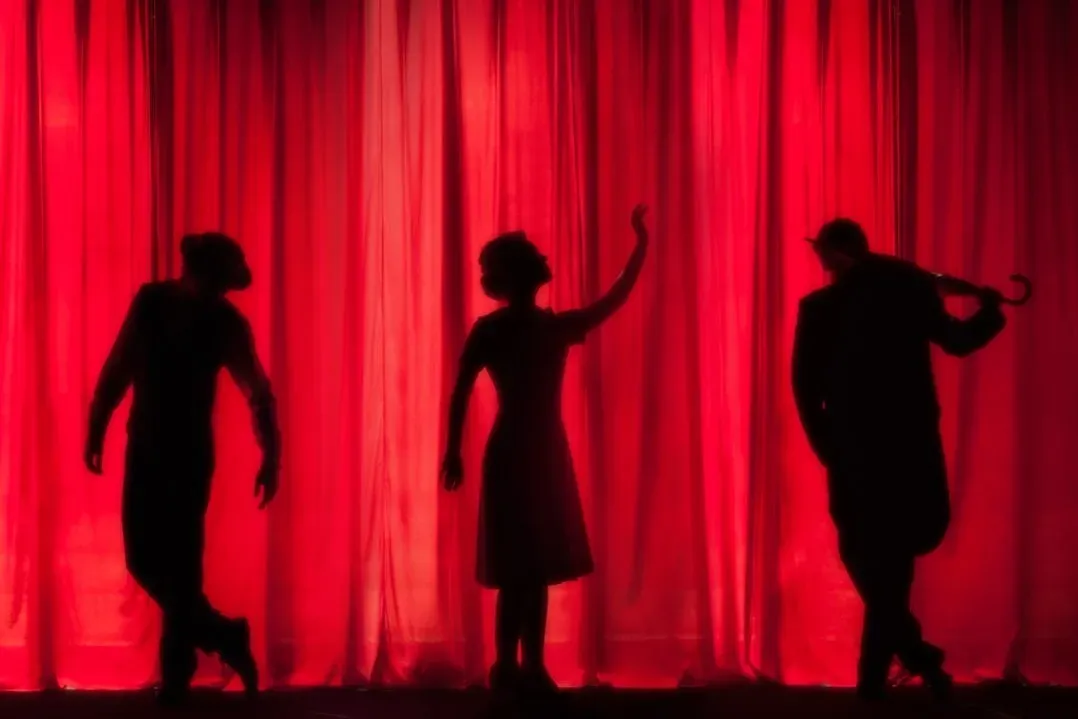
Stage acting and screen acting are genuinely different disciplines, and some actors never fully make the transition. On a film set, the camera picks up everything, including the slightly exaggerated gesture, the overplayed reaction, the performance that would read clearly from a theater’s back row but feels hollow on a close-up lens. Directors find this habit especially frustrating because it’s so hard to address without bruising an actor’s ego.
When an actor is pushing too hard, showing lots of facial movement, or working too hard in general, it usually means they’re trying to perform for an imaginary audience or to please the director, and looking down is often a sign of hiding from the camera. The correction requires a director to essentially rewire how an actor thinks about performance, which consumes valuable shooting time and patience from everyone on set.
8. Ignoring Continuity


A film isn’t shot in sequence. A scene that appears as three minutes of screen time might be filmed across three separate days, which means every gesture, prop placement, and physical choice needs to remain consistent across all those takes. The script supervisor’s primary responsibility is to ensure that continuity is maintained throughout production, tracking every line of dialogue, every movement, and any adjustments to the dialogue, as well as keeping track of which takes have been completed and which lines were said correctly.
When an actor keeps changing small physical details between takes, such as which hand holds a glass, how far they lean in, or where they are standing during a key line, the editor ends up with footage that can’t be cut together cleanly. Directors don’t just find this annoying. They find it genuinely expensive, because fixing continuity errors often means scheduling reshoots.
9. Overcomplicating Straightforward Scenes
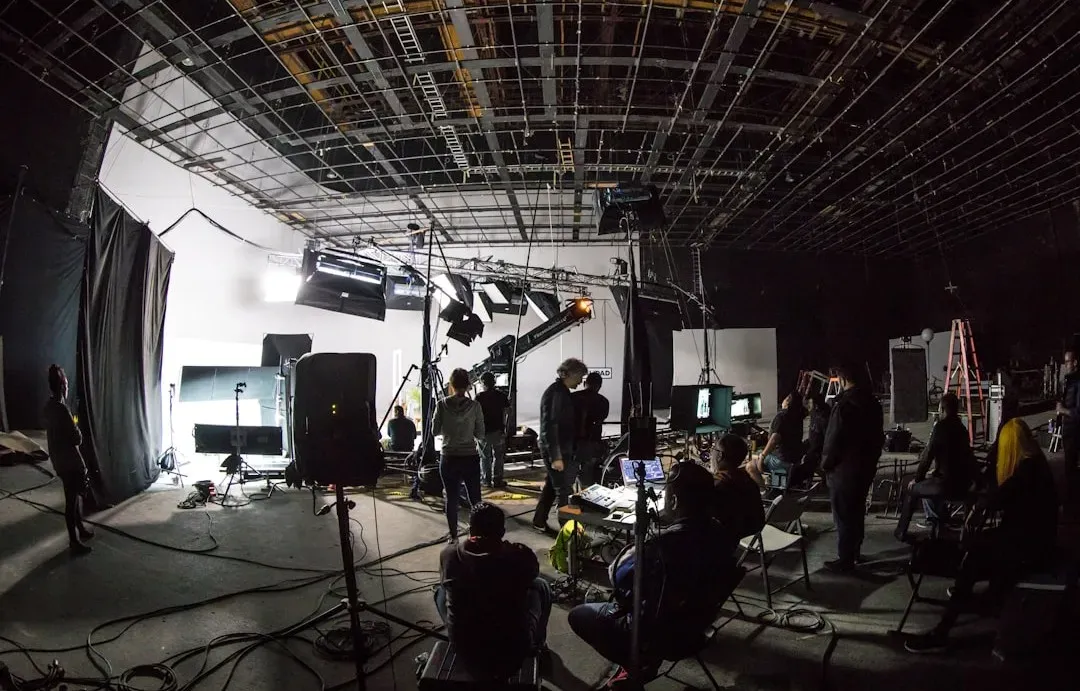
Not every scene is a dramatic centerpiece, and directors frequently get frustrated when an actor treats a simple transitional moment as an opportunity for personal exploration. Overthinking a walk across a room, debating the subtext of a two-line exchange, or requesting extended rehearsal time for scenes that don’t warrant it all slow a production down in ways that compound over weeks. Film sets run on strict daily shot lists, and falling behind on simpler scenes forces compromises on more important ones.
As director Ed Zwick reflected, there are all sorts of reasons an actor might pick a fight on set, and most likely the actor is afraid, with insecurity manifesting as arrogance and fear precipitating bad behavior on the director’s part as well as the actor’s. Recognizing that anxiety is the root cause doesn’t always make it easier to manage when a schedule is slipping.
10. Demanding Special Treatment That Disrupts the Crew


Stars often have contractual riders and personal preferences that productions accommodate as a matter of course. The problem arises when those preferences escalate into demands that visibly inconvenience the rest of the crew. Perhaps many celebrities’ habits go unchecked because others around them are reluctant to make a fuss for fear of bruising the wrong ego, which can allow problematic behavior to continue unchallenged.
On the set of “Fury,” Shia LaBeouf was warned about his behavior by several people including Brad Pitt and director David Ayer, and the situation grew so difficult that he wound up staying in different lodging than the rest of the cast and crew because of his poor hygiene and troubling behavior. Directors often absorb the complaints of the broader crew silently, but the resentment accumulates and can eventually reach a breaking point.
11. Challenging the Director’s Vision Without Engaging With It First

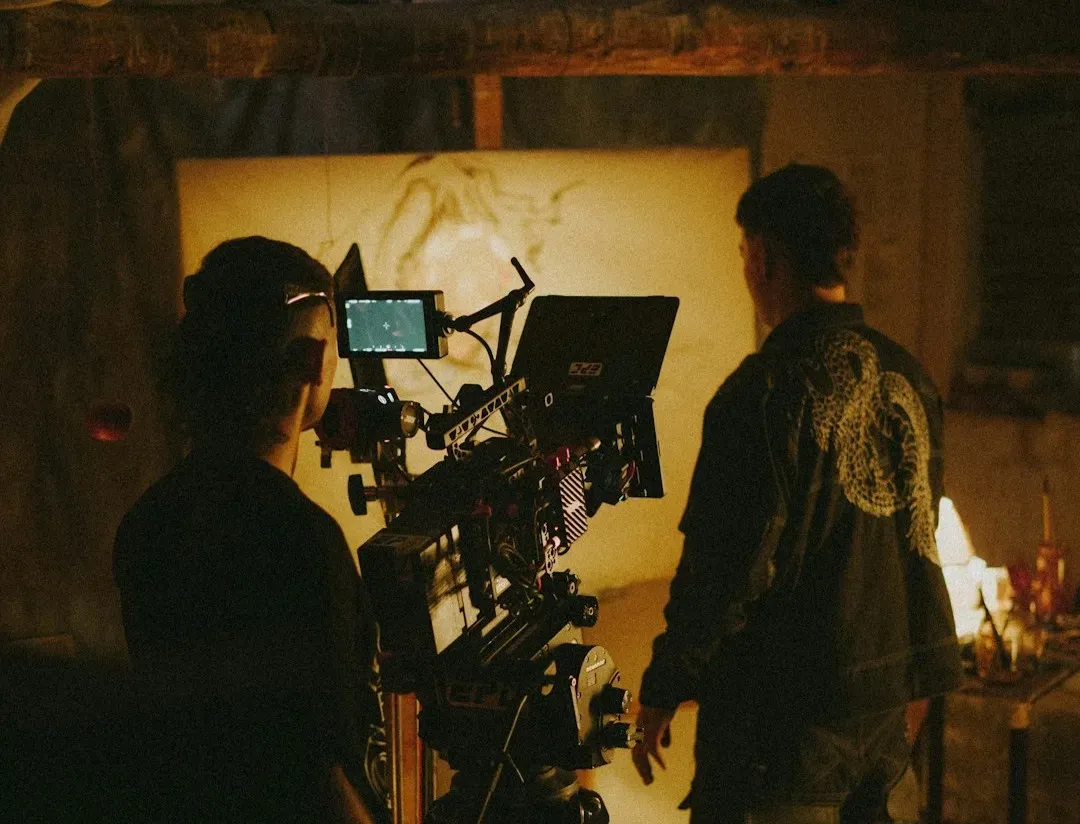
Quarrels on set may stem from differing visions, unjust practices, or inflated egos, and whether or not they make or break the final film, these incidents often leave a lasting stain on everyone’s legacy. The most frustrating version of this habit is when an actor hasn’t genuinely tried to understand what the director is going for. Dismissing a creative choice before engaging with it is very different from testing it and finding it doesn’t serve the character.
A director and actor probably each have a vision of the character, and they may not always align, but even if an actor thinks a plot point or gesture doesn’t fit, it’s worth trying it the director’s way at least once, since actors who have done so often find it unexpectedly works. The directors who last longest in this industry are those who can hold their vision firmly while remaining genuinely open to the unexpected. The actors who keep getting hired are the ones who understand the same thing.
Most of these habits share a common thread: a failure to treat the set as a collaborative space where everyone’s time and effort has real value. The best working relationships in Hollywood aren’t built on blind deference in either direction. They’re built on professional respect, and that starts long before the cameras roll.
Partner offer
Planning a trip to Vegas?
Compare hotel rates and show tickets on VEGAS.com.


