


There’s a pattern Hollywood keeps repeating, and audiences keep falling for it. A first film lands with genuine energy. Tickets sell out. Critics are surprised. Social media erupts. Then the sequels arrive, one after another, and something quietly shifts. The lines get shorter. The conversation cools. People stop caring.
It doesn’t happen overnight, and it rarely makes headlines when it does. Many of the movie business’s biggest franchises are showing signs of oversaturation or fatigue, and the box office numbers tell the story plainly. These six franchises all had their moment – some had several – before audiences gradually, then completely, moved on.
The Marvel Cinematic Universe

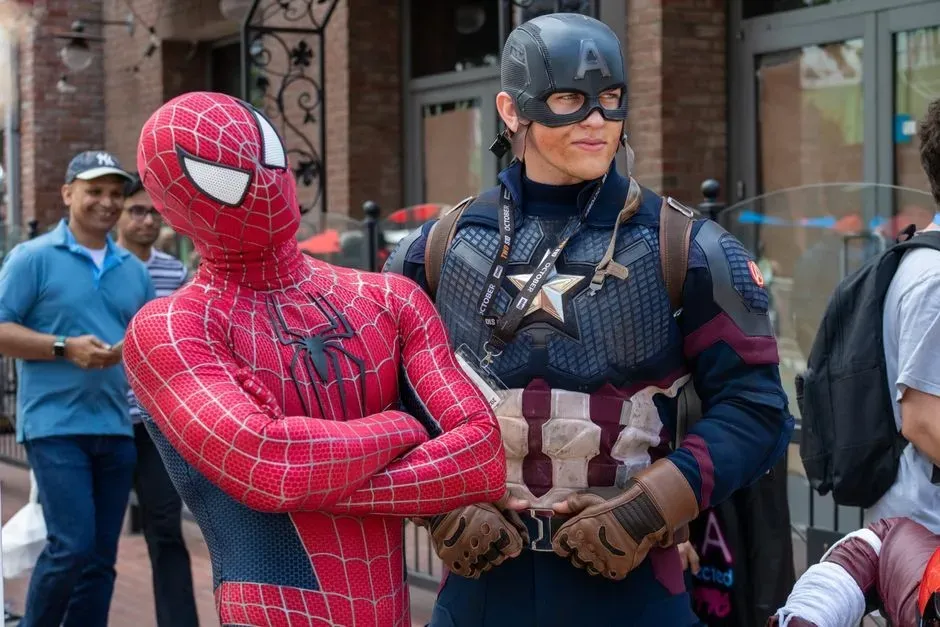
For roughly a decade, the Marvel Cinematic Universe was the unquestioned king of all things at the box office. From the very beginning in 2008, when Iron Man became an unexpected smash hit, to the unbelievably high highs of the $2.79 billion success of Avengers: Endgame, it was an incredible run. To date, the franchise has netted more than $32 billion in ticket sales globally.
After dozens of films and multiple Disney+ shows, audiences simply burned out. In 2025, both Captain America: Brave New World ($415.1 million) and Thunderbolts ($382.4 million) fell well short of expectations. Film studios run the risk of overexposing a popular franchise, or turning off an established fan base if the content doesn’t land. For Marvel, both of those risks materialized at once.
Transformers

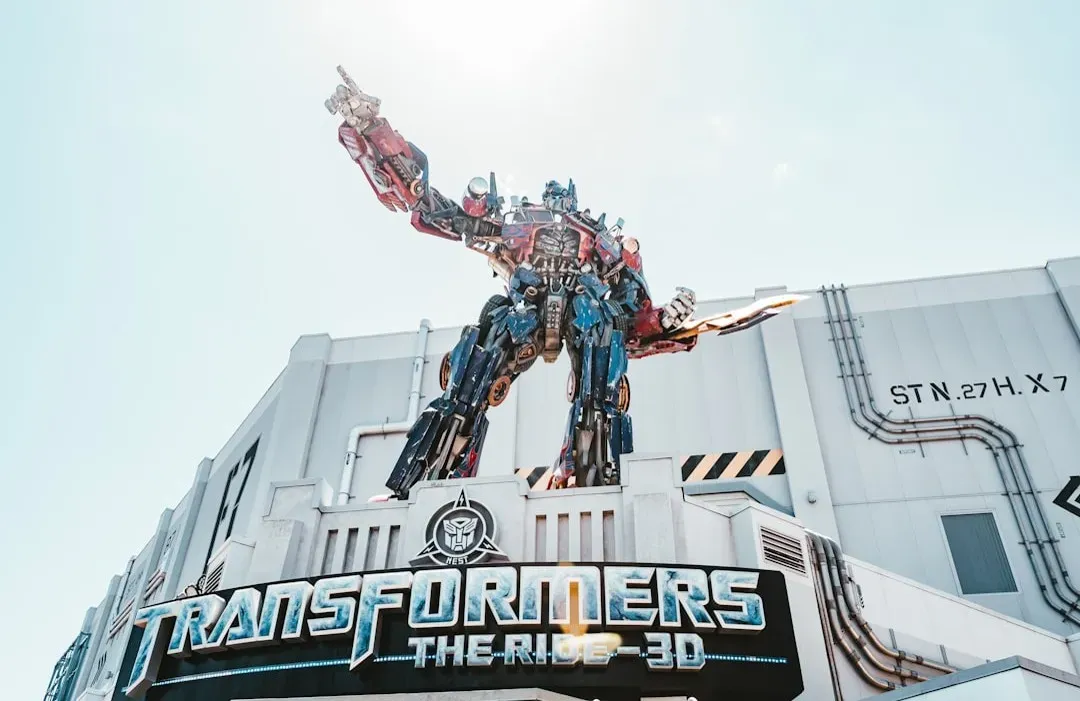
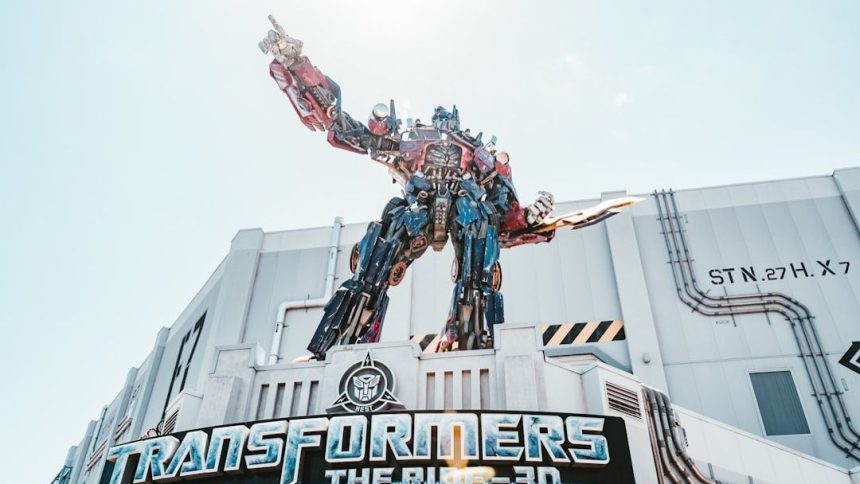
The first Transformers movie earned a significant sum thanks to Michael Bay’s popularity as a director and the pre-existing fanbase for the franchise. The following sequels continued to build on that success, reaching a peak when the films were earning over a billion dollars per film. It felt unstoppable. Then it very clearly wasn’t.
Beginning with Transformers: Age of Extinction, the movies began to decline in box office totals, with the most notable drop coming between Age of Extinction and The Last Knight, with the sequel earning over half a billion dollars less. Rise of the Beasts took in just $441 million against a reported $200 million budget, making it the lowest live-action earner of the franchise, with audience fatigue cited among the key factors behind its poor box office performance.
Fantastic Beasts

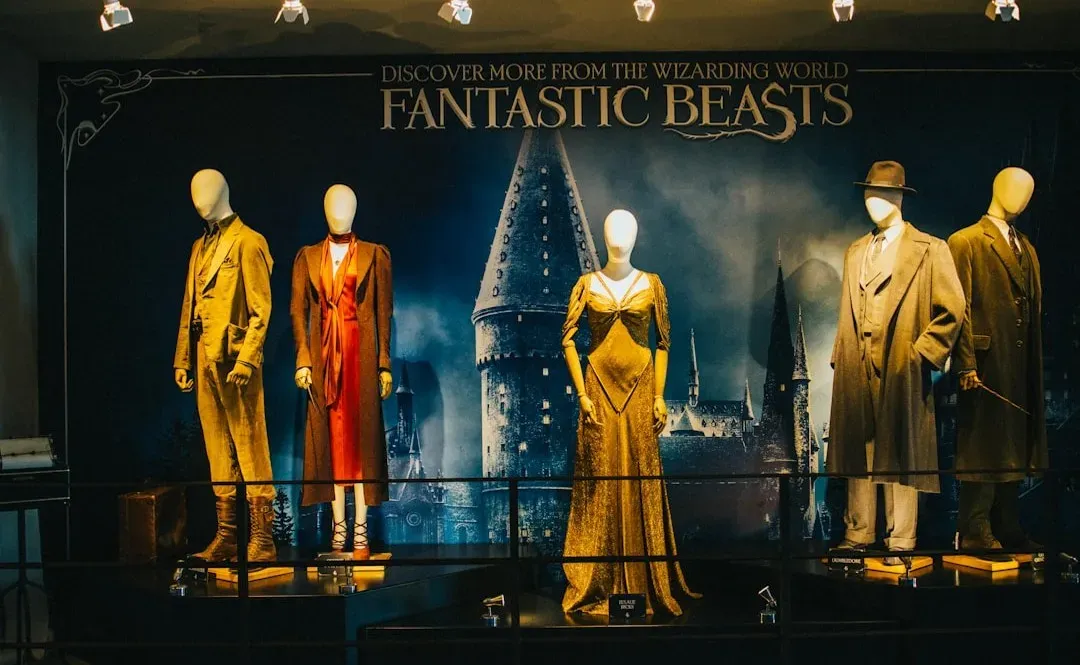
Warner Bros. had every reason to believe a Harry Potter spinoff would be a guaranteed winner. The Wizarding World had billions of devoted fans, and the first Fantastic Beasts film in 2016 opened to respectable numbers. While the prequel franchise was off to a good start, its two sequels – The Crimes of Grindelwald and The Secrets of Dumbledore – dropped significantly in terms of audience approval and box office success.
Fantastic Beasts: The Secrets of Dumbledore earned a franchise-low $43 million opening weekend, and couldn’t stop the Wizarding World franchise’s downward slide at the box office. That result represented a 31% drop from the $62 million opening of The Crimes of Grindelwald in 2018. A beloved world, a recognizable name, and still audiences walked away. The franchise remains stalled with no confirmed fourth film in production.
Divergent

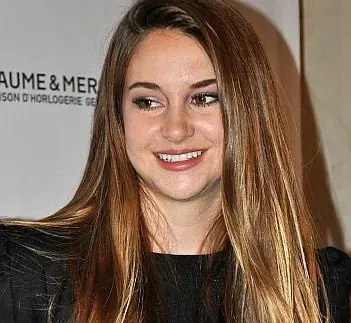
When Divergent arrived in 2014, it looked poised to be the next Hunger Games. It tapped the same YA dystopia formula at the height of its cultural moment, opened strongly, and generated genuine excitement from its fanbase. By the mid-2010s, audiences were starting to lose interest in the YA dystopia genre, and the Divergent series was struggling to continue after the conclusion of The Hunger Games.
The second film, Insurgent, quickly dashed the hopes of the franchise’s promising start with clumsy worldbuilding and dialogue that dismantled any lingering interest in general audiences to see the series continue. After the third movie, Allegiant, bombed at the box office, the idea of its canceled Ascendant sequel becoming a TV movie was put forward. It never got made. The franchise simply stopped, mid-story, because nobody was buying tickets anymore.
Joker

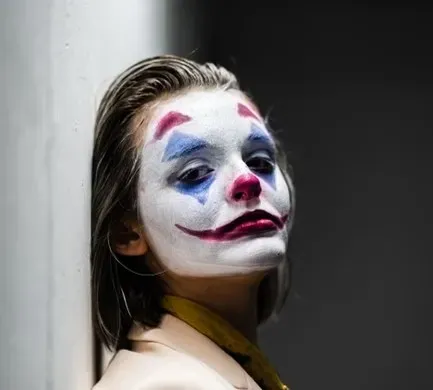
Few films surprised Hollywood quite like the original Joker in 2019. It arrived with low expectations from mainstream audiences, earned over a billion dollars worldwide, and sparked a genuine cultural conversation. Todd Phillips had found something raw and disconnected from the wider superhero landscape. Audiences responded to exactly that quality.
Joker: Folie à Deux was one of the most anticipated films to hit theaters in 2024. The first Joker movie tallied $475 million at the domestic box office and a little more than $750 million globally during its theatrical run. The sequel collected just under $350 million from the U.S. It was a staggering reversal. Joker: Folie à Deux tanked on the big screen after the musical direction and tonal shift left audiences feeling genuinely misled about what they were going to see.
Wicked

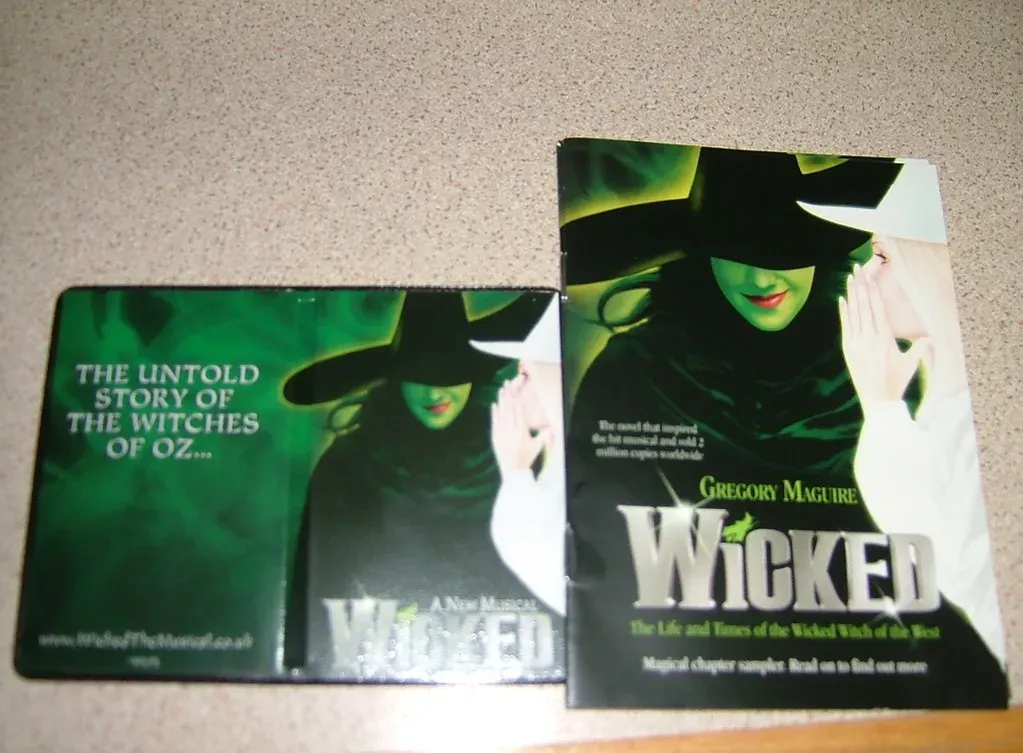
The stage musical had been a Broadway institution for over two decades before Universal finally brought it to the big screen in late 2024. The gamble paid off spectacularly at first. The first Wicked movie tallied $475 million at the domestic box office and a little more than $750 million globally during its theatrical run. Anticipation for the concluding chapter, Wicked: For Good, seemed just as high.
A year later, the second part of the duology collected just under $350 million from the U.S. Wicked: For Good underperformed ticket sales expectations. It’s a telling result: the story hadn’t changed, the cast hadn’t changed, and yet something between the two films evaporated. Whether it was the long wait, the split-film strategy, or simply diminishing novelty, the second chapter confirmed what studios often learn the hard way – enthusiasm rarely carries over automatically.
The thread connecting all six of these franchises isn’t bad filmmaking alone, or marketing failures, or even streaming competition. Film studios run the risk of overexposing a popular franchise, or turning off an established fan base if the content doesn’t land. Theatrical attendance has shifted from a routine behavior to an occasional, event-driven choice centered around tentpole franchises. When a sequel stops feeling like an event, the audience notices before the studio does.


