Some of the most powerful moments in music history were never planned. No rehearsal, no setlist, no safety net – just a musician in real time, reaching for something that hadn’t existed a second before. The results were often raw, unpredictable, and impossible to replicate.
What’s striking is how often these unplanned performances outshine anything those same artists had carefully prepared. Across jazz, rock, soul, and beyond, improvisation has produced some of the most enduring recordings ever captured on tape. Here are eleven that stand out.
1. Jimi Hendrix – “The Star-Spangled Banner” (Woodstock, 1969)
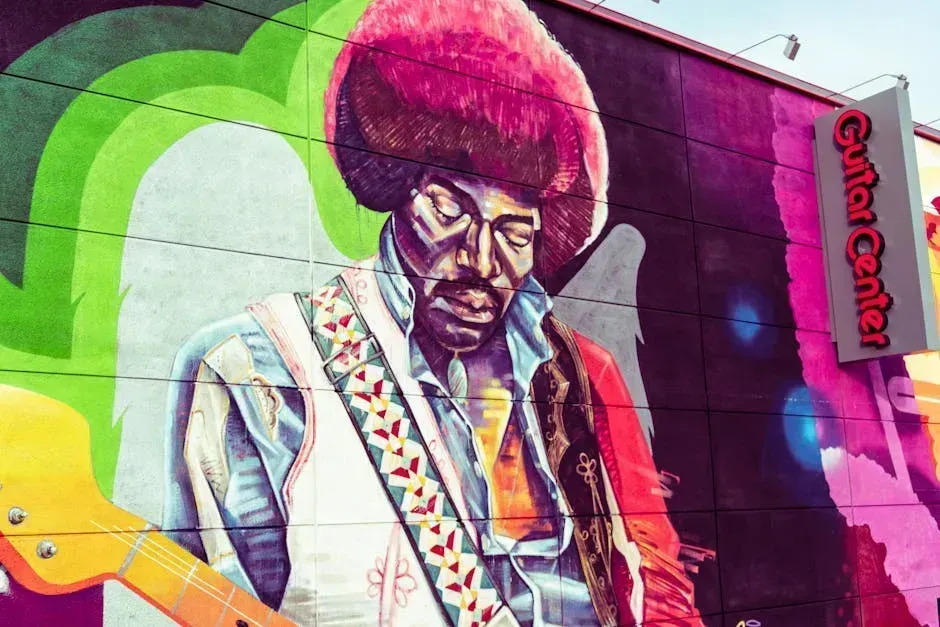
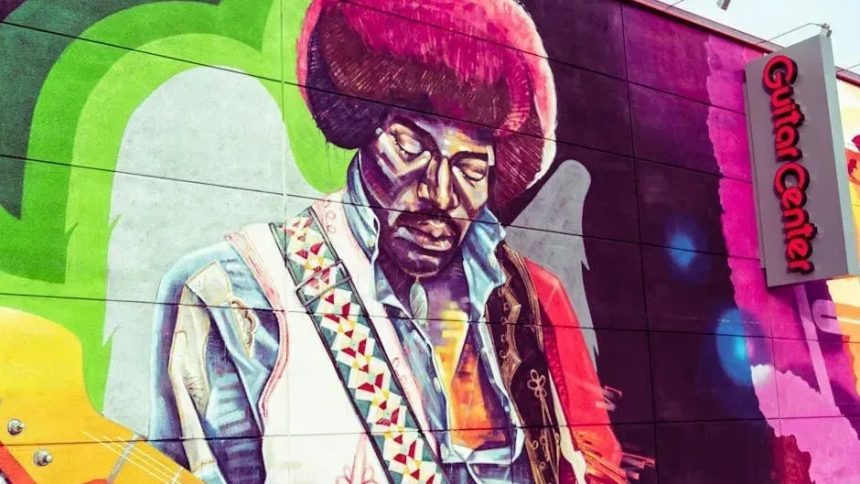
Jimi Hendrix’s performance of “The Star-Spangled Banner” at Woodstock in 1969 remains one of the most electrifying moments in rock history – and much of it was completely improvised. With his guitar howling, screeching, and wailing, Hendrix twisted the national anthem into a protest against the Vietnam War, using distortion and feedback to mimic bombs dropping and sirens blaring. It wasn’t just a technical feat – it was a raw emotional outcry that perfectly captured the chaos and hope of the era.
When one of Hendrix’s earlier sets was cancelled due to rain, he took to the stage on Monday morning and delivered the most famous rendition of the Star-Spangled Banner in history. Reportedly entirely off the cuff, the four-minute performance was both political, in protest at the war in Vietnam, and possibly the most rock ‘n’ roll thing ever to have happened. Hendrix’s performance at Woodstock was a pivotal moment for rock music and a testament to his lasting influence on generations of musicians and fans. His transcendent guitar work, along with the social and political context behind the performance, cemented it as one of the most iconic performances in live music history.
2. Keith Jarrett – The Köln Concert (1975)
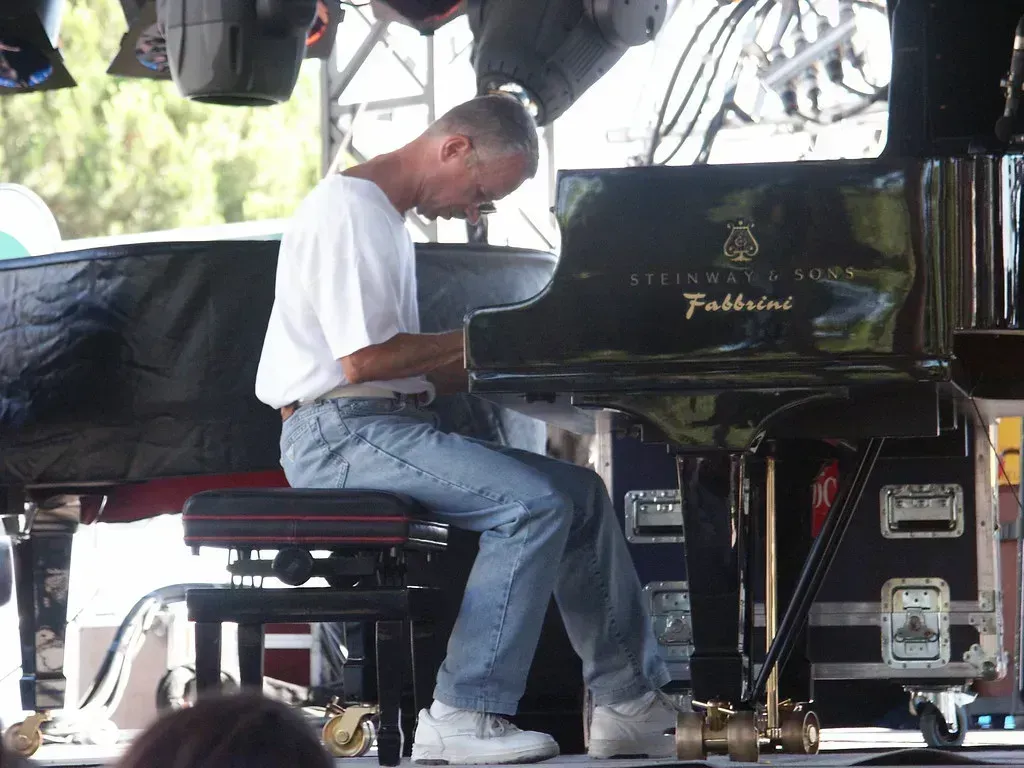
On the evening of January 24, 1975, Jarrett took the stage at the Cologne Opera House in Germany and performed a completely improvised solo piano concert, creating the music in real time with no written material. He had not slept well in several nights and was in pain from back problems, having to wear a brace. After trying out the substandard piano and learning a replacement instrument was not available, Jarrett nearly refused to play and was about to leave, but was convinced to perform anyway.
The Köln Concert is a live solo double album recorded at the Opera House in Köln and is the best-selling solo album in jazz history and the best-selling piano album. In 2025, the album was deemed “culturally, historically, or aesthetically significant” by the Library of Congress and selected for preservation in the National Recording Registry. The album’s influence extends far beyond jazz. It has inspired classical pianists, electronic producers, dancers, and composers, and continues to be studied as a masterclass in spontaneous musical architecture.
3. Ray Charles – “What’d I Say” (1958)
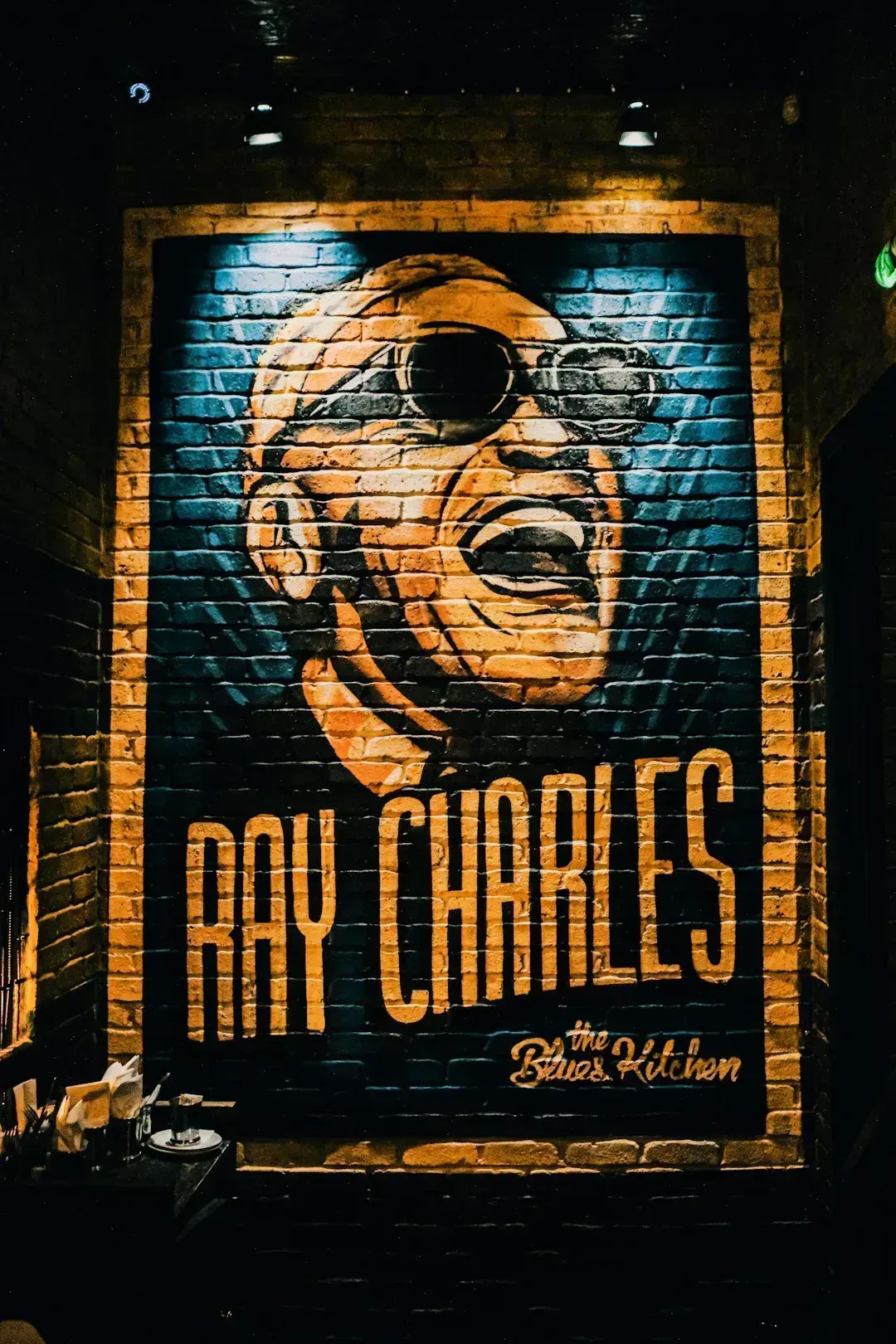
The composition was improvised one evening late in 1958 when Charles, his orchestra, and backup singers had played their entire set list at a show and still had time left. According to Charles’ autobiography, it was accidental – he improvised it to fill time at the end of a concert in December 1958. Charles and his orchestra had exhausted their set list after midnight but had 12 minutes left to fill. He told the Raelettes, “Listen, I’m going to fool around and y’all just follow me.” Starting on the electric piano, Charles played what felt right: a series of riffs, switching then to a regular piano for four choruses backed up by a unique Latin conga rhythm on drums.
Before the band could even finish the improvised song, the crowd turned feverish. At the end of the show, fans rushed to the stage, begging Charles to tell them where they could purchase a copy. Charles took the song with him on the following few tour dates, receiving the same enthusiastic response from each crowd. After his run of R&B hits, this song finally broke Charles into mainstream pop music and itself sparked a new sub-genre of R&B titled soul, finally putting together all the elements that Charles had been creating since he recorded “I Got a Woman” in 1954.
4. Aretha Franklin – “Dr. Feelgood” (Live at Fillmore West, 1971)
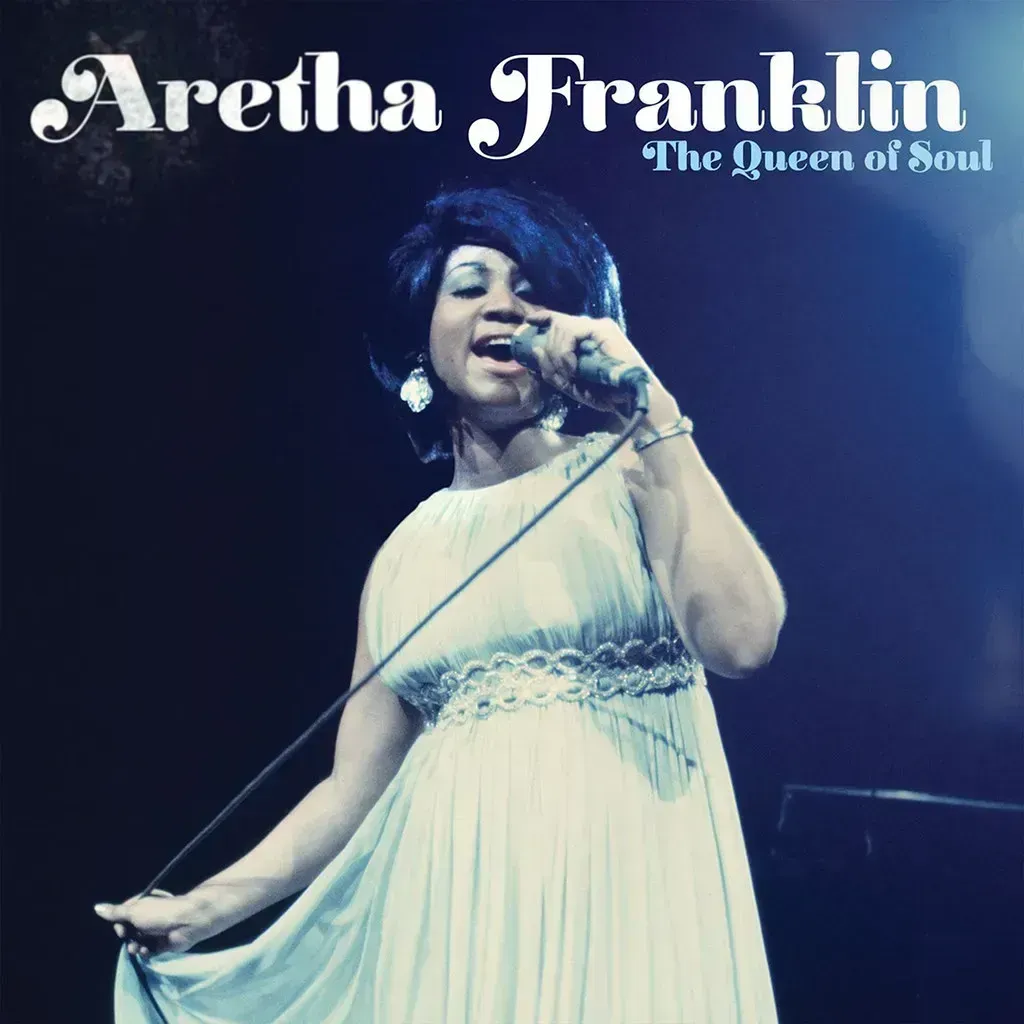
At Fillmore West, Franklin transformed the tune with improvised vocal runs, unexpected phrasing, and shifts in arrangement that electrified the crowd. Each note seemed to carry the weight of her experience and emotion, making the performance unforgettable. Critics have noted that Franklin’s ability to improvise in real time was what set her apart from her peers, turning every concert into a unique event.
The Fillmore West recording is often highlighted as a textbook example of how live music can capture the fire of improvisation. Her artistry in these moments continues to inspire singers who want to blur the lines between genres and push their voices to new places. Franklin’s Fillmore West run is still regarded as a high-water mark for live soul music.
5. Eric Clapton – “Crossroads” (Live at Winterland, 1968)
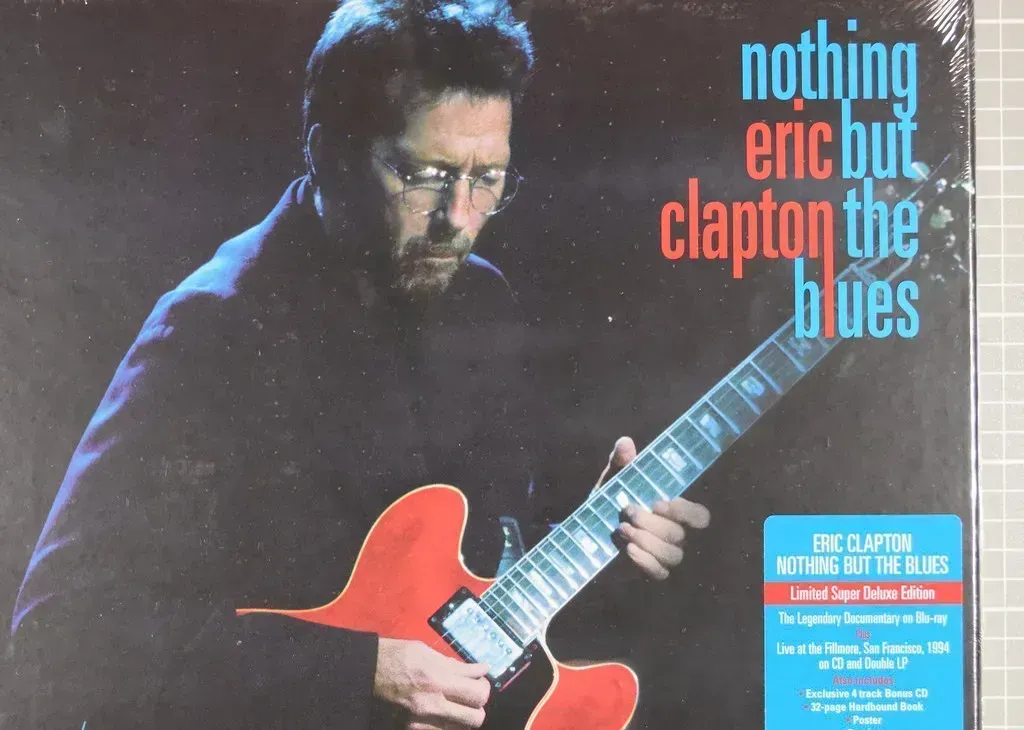
Eric Clapton’s searing guitar work on “Crossroads” during Cream’s 1968 Winterland shows is a textbook case of live improvisation at its best. The song itself is a blues classic, but in Clapton’s hands, it became a vehicle for spontaneous invention. His solos were fiery, unpredictable, and technically dazzling, leaving both audiences and critics in awe.
Many guitarists have cited this performance as a turning point, demonstrating how improvisation could bring a new level of excitement and danger to rock music. The Winterland recording, captured on the band’s farewell concert film, preserves the moment in full. Clapton’s refusal to repeat the same solo twice each night meant every version felt genuinely dangerous and alive, which is precisely what made it legendary.
6. Ella Fitzgerald – Improvised Scat, Berlin (1960)
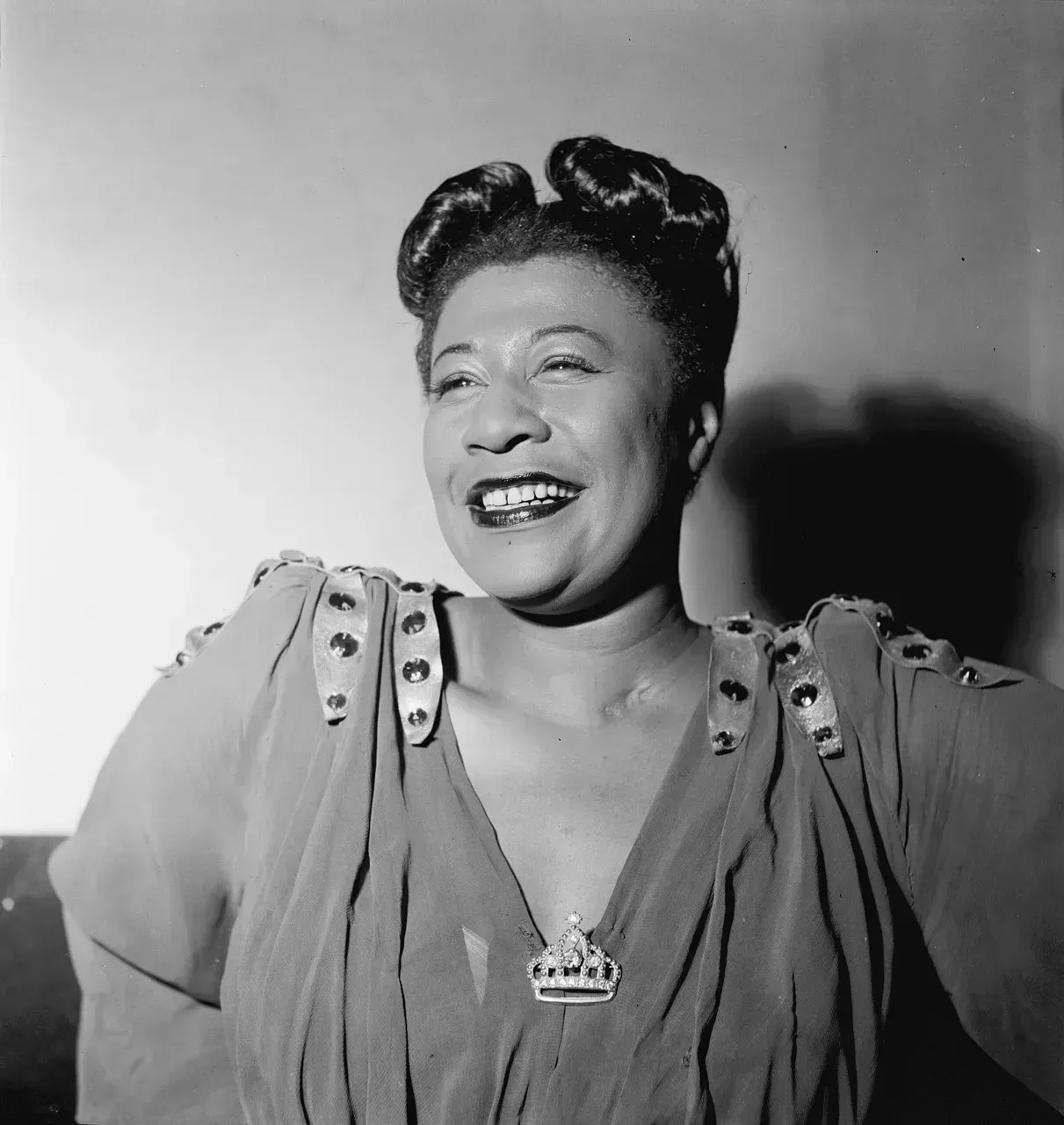
There is perhaps no greater example of the playful genius of jazz than the scatting and improvisation done by Ella Fitzgerald in February 1960, while performing in Berlin. She wowed the audience as usual, getting about halfway through without a hitch. Then, she forgot the words – a nightmare for any singer, seasoned or not. Without a stumble, she scatted herself into a creative frenzy of freestyling.
Partner offer
The result is an unparalleled performance highlight that won her a Grammy Award for the live recording. Fitzgerald’s staggering skill, professionalism, and playfulness combined beautifully to make jazz history. What makes the moment so remarkable is that she didn’t just survive the memory lapse – she turned it into something far more memorable than the original lyric ever could have been. The crowd didn’t realize she’d forgotten a thing.
7. Ginger Baker – “Toad” (Cream Live Drum Solos)
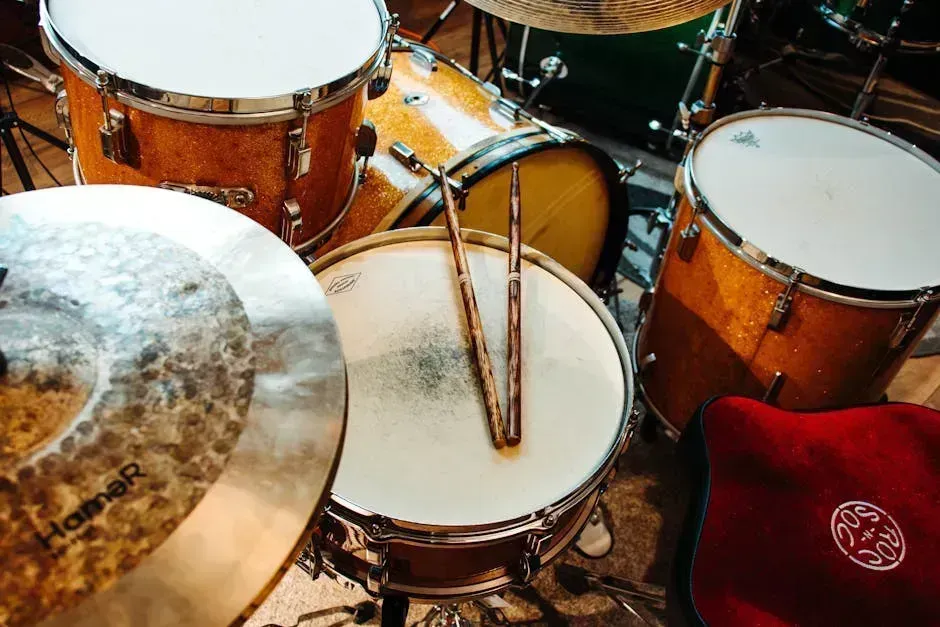
Ginger Baker’s drum solos during Cream’s live performances of “Toad” were nothing short of revolutionary. Long before extended drum solos were common in rock, Baker would launch into ten-minute improvisations that left audiences speechless. His playing was a blur of speed, power, and inventiveness, combining jazz techniques with rock aggression.
Critics have praised Baker for bringing the art of improvisation to the forefront of rock drumming, influencing generations of percussionists. Each night’s version of “Toad” was structurally different from the last, shaped by Baker’s mood and the energy of the room. That unpredictability wasn’t a flaw – it was the entire point, and audiences came specifically to see what he would do next.
8. John Coltrane – “A Love Supreme” (Live Improvisations)
While Coltrane composed the suite, he left vast sections open for spontaneous exploration, especially in “Pursuance” and “Psalm.” During these moments, Coltrane and his band pushed the boundaries of jazz, channeling deep spiritual energy through their instruments. The result was music that felt both ancient and new, structured yet wildly unpredictable.
The album has been recognized by the Library of Congress as a work of immense cultural significance, and it continues to influence musicians of all genres. Coltrane’s willingness to use improvisation as a tool for personal and artistic expression reshaped the possibilities of jazz. Listeners often describe the album as a journey – one that feels different every time you hear it.
9. Freddie Mercury – “Ay-Oh” Vocal Exchange at Live Aid (1985)
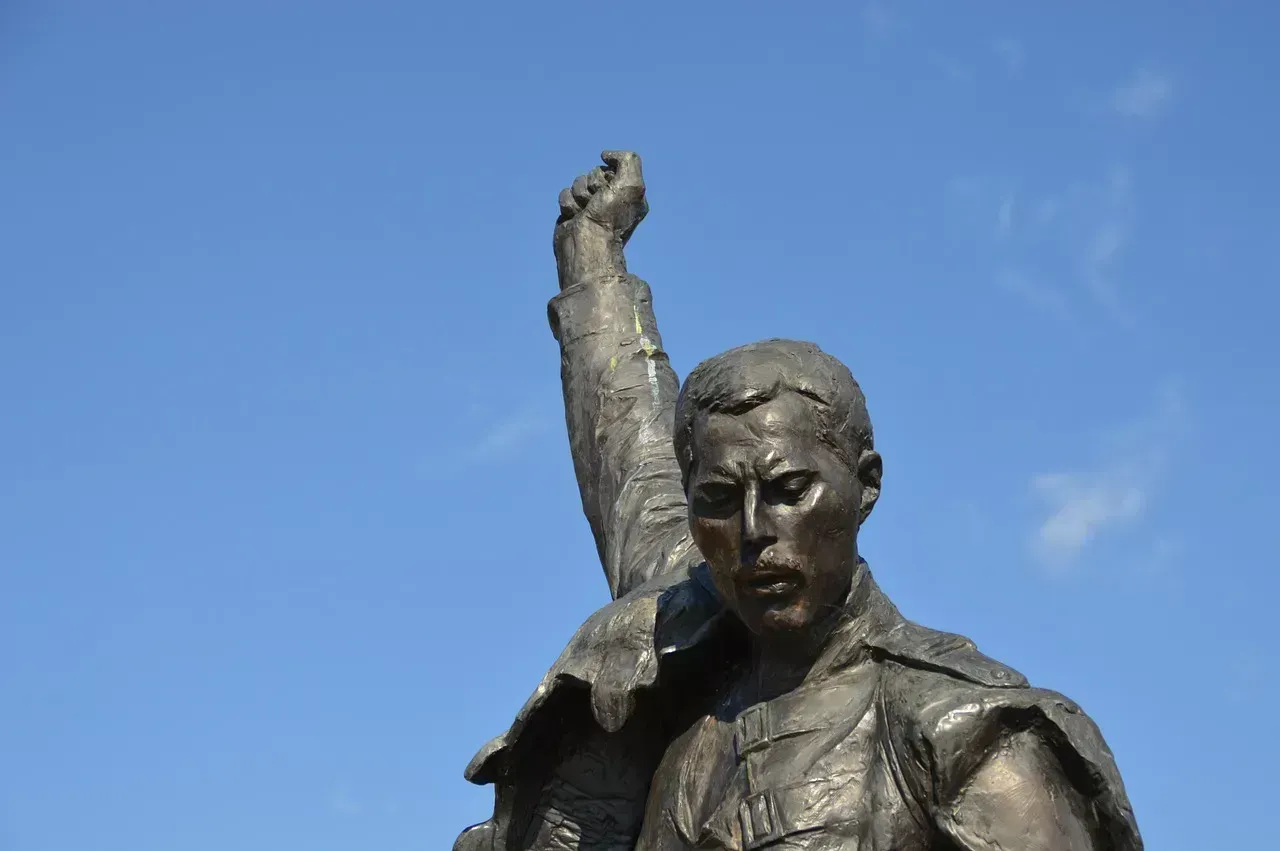
Queen’s call-and-response with the audience at Live Aid in 1985 wasn’t part of their planned setlist. Freddie Mercury spontaneously engaged with the Wembley Stadium crowd, creating the famous “Ay-Oh” vocal exchange that demonstrated his unparalleled ability to command massive audiences. This improvised moment helped make their 20-minute set widely regarded as the greatest live performance in rock history.
The way that Mercury was able to captivate and command such a massive audience was nothing short of legendary. During “Radio Ga Ga,” Mercury engaged the 70,000-person audience and had them participate in a clapping sequence, and during “We Are the Champions” the entire stadium was singing along. The “Ay-Oh” exchange had no rehearsal, no plan, and no guaranteed outcome – just a performer trusting the moment entirely.
10. The Grateful Dead – Live Improvisational Jams (Throughout Their Career)
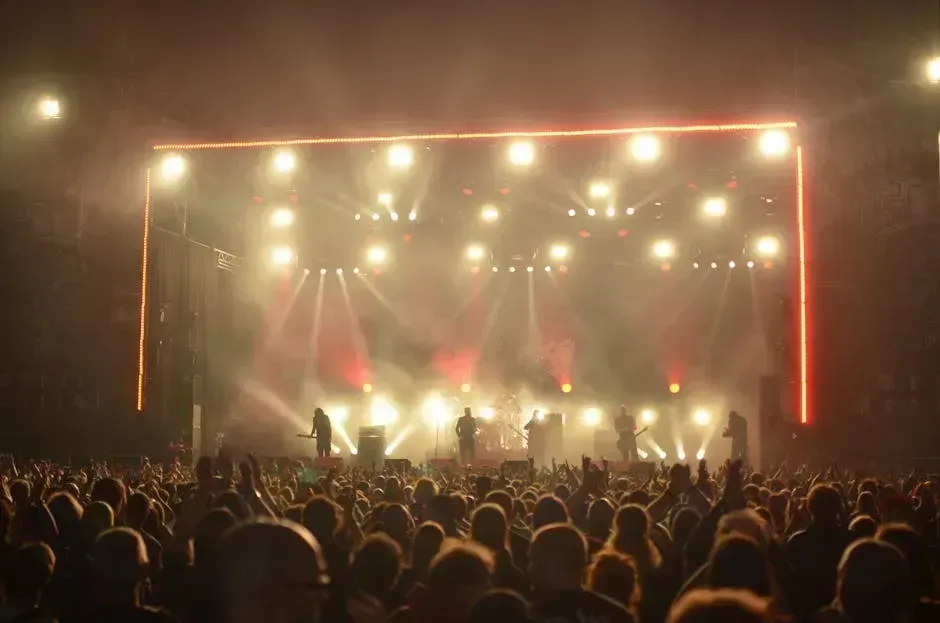
The American rock band Grateful Dead based their entire career around improvised live performances, meaning that no two shows ever sounded the same. From their earliest San Francisco shows in the mid-1960s through their final performances in the 1990s, the band treated each concert as a unique compositional event. Songs expanded and contracted freely, sometimes stretching from a few minutes to over half an hour.
Great live performances often involve risk – extended solos, improvised passages, rearranged songs, or a willingness to push beyond the studio version into something looser, bolder, and more dangerous. The Dead embodied every part of that description. Their approach built one of the most dedicated fanbases in music history, with fans recording and trading shows precisely because each one was an original, unrepeatable event.
11. The Beatles – Rooftop Concert, Apple Corps (1969)
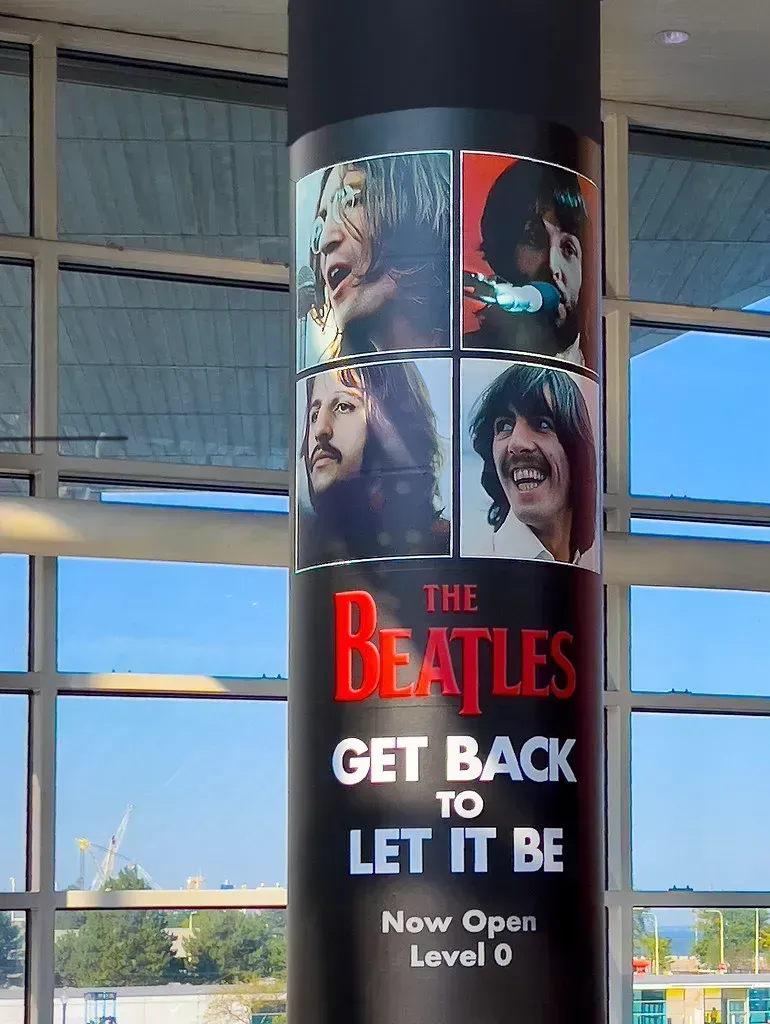
Though it didn’t get much attention at the time, The Beatles’ performance on the rooftop at Apple Corps in 1969 was an incredibly iconic and historic moment. This rooftop concert was completely impromptu and marked the first time in over two years that the band had played together live. The 42-minute set on January 30, 1969 was unannounced, unrehearsed as a live event, and stopped only when police arrived to shut it down.
Legendary performances often happen when something extraordinary aligns: a band at its creative peak, a cultural turning point, or a moment of spontaneity that could never be reproduced in exactly the same way again. The rooftop show was all three. It became the band’s final public performance, giving an unplanned afternoon on a London rooftop a strange, elegiac weight that no scheduled farewell concert could have matched.
What connects these eleven performances is not technical skill alone, though that’s obviously present. It’s the willingness to let go of the script. Some happened out of necessity, others out of instinct, and a few almost didn’t happen at all. The tape rolled anyway, and what it captured has outlasted virtually everything those same artists carefully planned.
Partner offer
Planning a trip to Vegas?
Compare hotel rates and show tickets on VEGAS.com.