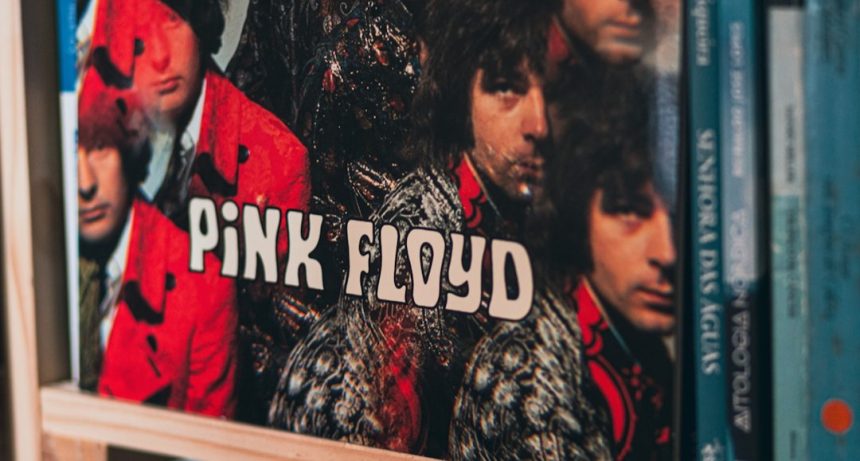
Over the past five years, the music business has quietly turned into one of the more unusual corners of the investment world. Streaming royalties, film licensing fees, and the promise of steady long-term income have made entire song catalogs look almost like bonds, and investment firms have been lining up with checkbooks to prove it.
For artists, the calculation is simple even if the numbers are staggering. Sell now for a guaranteed lump sum, or keep collecting royalties for decades and hope the songs stay relevant. The following eleven musicians chose the payday, and the sums involved reshaped how the industry thinks about a song’s worth.
Bruce Springsteen
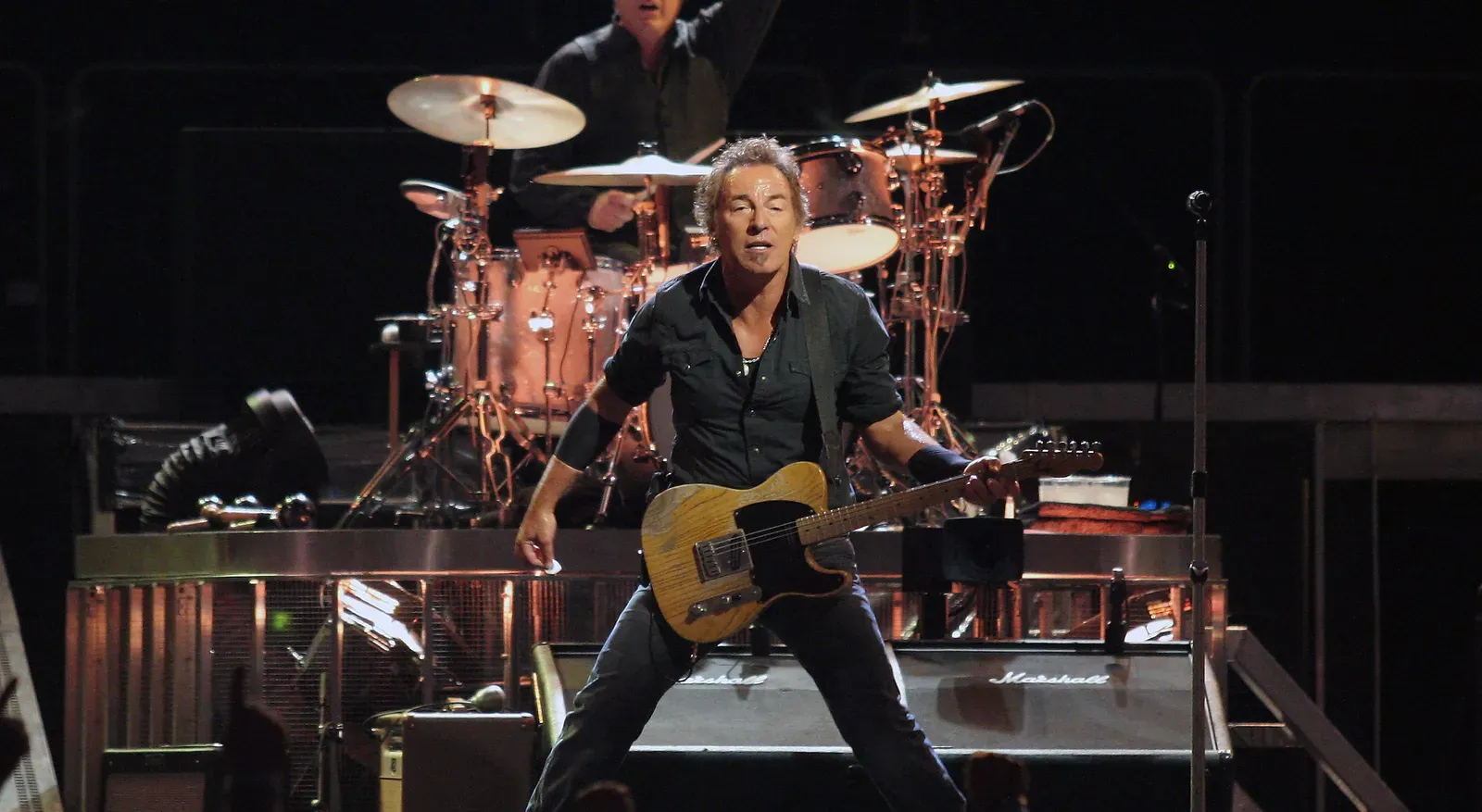
In December 2021, Bruce Springsteen closed one of the largest catalog deals ever recorded when he handed his master recordings and publishing rights to Sony. Reports in Billboard and then The New York Times put the deal at roughly $500 million, covering the singer’s recorded music catalog as well as his body of work as a songwriter, including classics like “Born to Run” and “Born in the U.S.A.” The agreement gave Sony full ownership of a catalog spanning nearly fifty years.
Springsteen had remained with Sony’s Columbia Records since he launched his career, and was given ownership of his earlier albums before the sale. Some sources close to the negotiations later suggested the final number climbed even higher once the bidding war between Sony and Universal settled. Either way, it stood as the benchmark deal that pushed every other legacy artist to reconsider the value sitting in their back catalog.
Bob Dylan
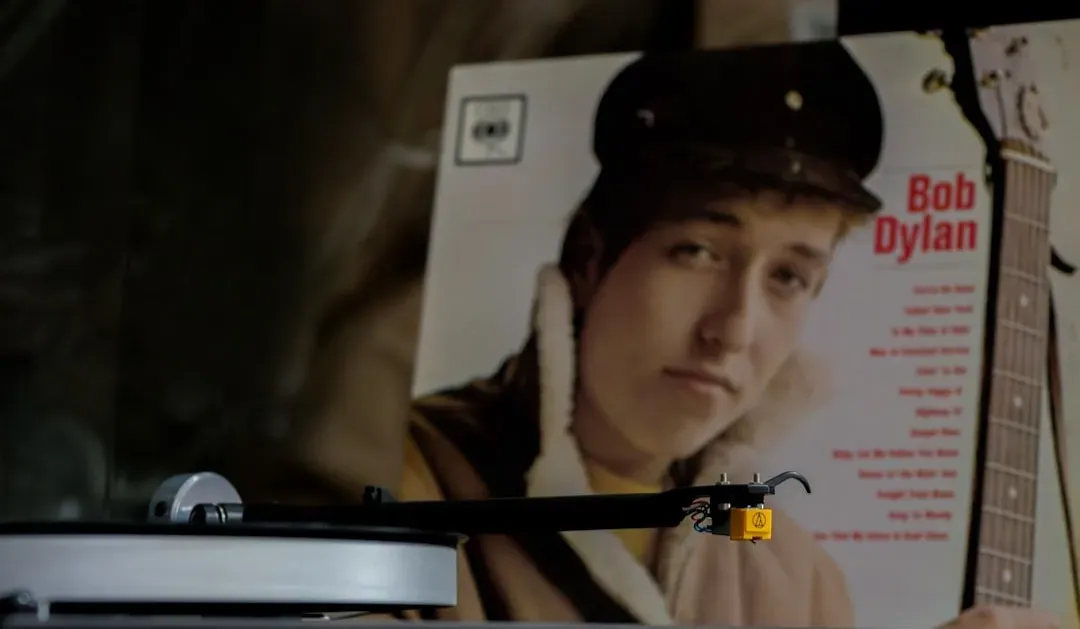
Bob Dylan got there first. Dylan sold his back catalog of more than 600 songs in December 2020 to Universal Music Group at a purchase price widely reported as $300 million. The sale covered his entire songwriting output, from “Blowin’ in the Wind” to his more recent work.
Dylan did not stop there. He later went a step further, selling his recording catalogue to Sony Music in a deal finalized in July 2021 that Billboard reported was worth around $200 million, bringing his total sales to approximately $500 million. Between the two transactions, Dylan effectively cashed out his entire life’s work in under two years, setting a pace that few of his peers could match.
Stevie Nicks
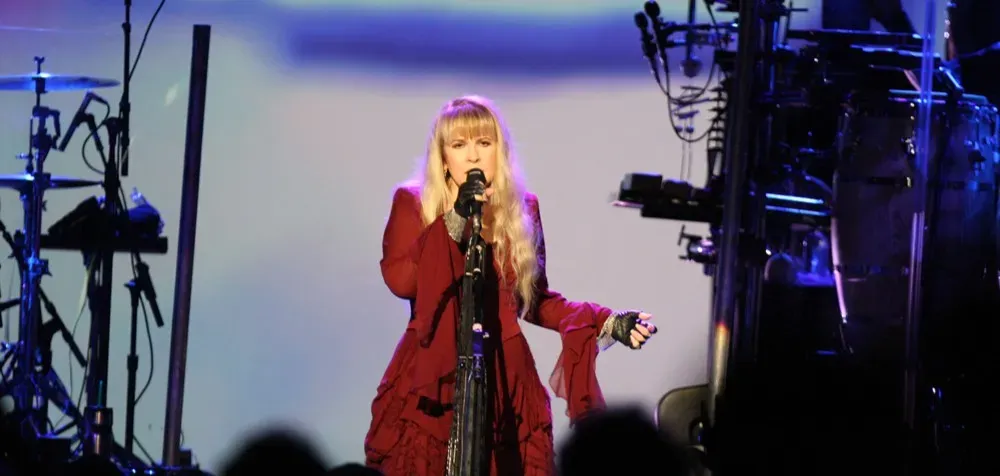
Stevie Nicks moved quickly once the catalog market heated up. Fleetwood Mac’s Nicks sold a majority stake in her catalog, reportedly for $100 million, becoming one of the earlier major names to cash in on the trend. The deal reportedly went to Primary Wave and covered decades of songwriting, both solo and with the band.
Unlike some artists who waited for retirement to make a move, Nicks sold while she was still touring and recording. Her decision came alongside a wave of similar deals from other classic rock figures, and it helped normalize the idea that even active performers might want the security of a guaranteed payout rather than waiting on royalty checks tied to streaming algorithms.
Justin Bieber

Justin Bieber proved that catalog sales were not just for artists in their sixties and seventies. In 2023, he sold 100% of his music catalogue to Hipgnosis for a reported $200 million. The deal covered Bieber’s interest in his publishing copyrights across a 290-song back catalog, including everything released before the end of 2021.
Bieber’s longtime label Universal continued to administer the catalog and retained ownership of his master recordings, so the sale was strictly about publishing. Given that he was still in his twenties at the time, the deal signaled a shift in how younger stars view their catalogs, less as a legacy to protect and more as an asset that can be monetized on their own terms.
Britney Spears
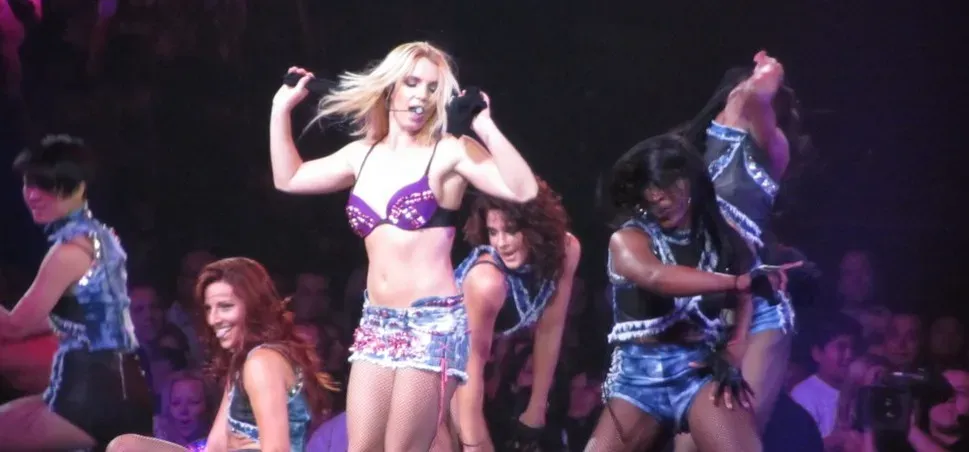
Britney Spears joined the catalog-sale trend late, but she made it count. She struck a blockbuster deal with publishing firm Primary Wave in December 2025, though it only became public knowledge in February 2026. The rights sold for about $200 million, according to reports.
The agreement included many of her biggest hits, such as “…Baby One More Time,” “Toxic,” and “Oops!… I Did It Again.” The timing mattered too, since Spears had already stepped away from performing and made clear she had no plans to return to the stage. Selling gave her a way to secure a significant payout while her songs kept their cultural footprint without her needing to tour or record.
Katy Perry
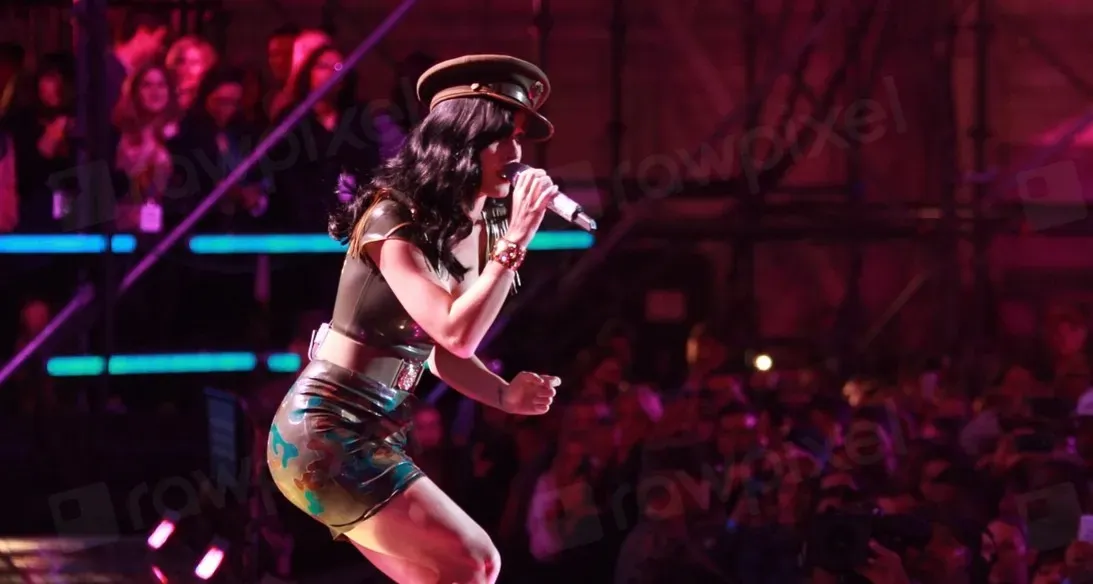
Katy Perry’s catalog sale came at a moment when investment firms were racing to lock down pop hits from the streaming era. She sold her music rights in 2023 to Litmus Music for a reported $225 million. The deal covered a run of songs that dominated radio for the better part of a decade, from “Teenage Dream” to “Roar.”
Partner offer
What made Perry’s sale notable was the buyer. Litmus Music, backed by Apollo Global Management, was still a relatively new player in the space, and landing a catalog of Perry’s size gave the firm instant credibility. It also underscored just how aggressively newer funds were competing against established names like Hipgnosis and Primary Wave for top-tier pop catalogs.
Michael Jackson estate
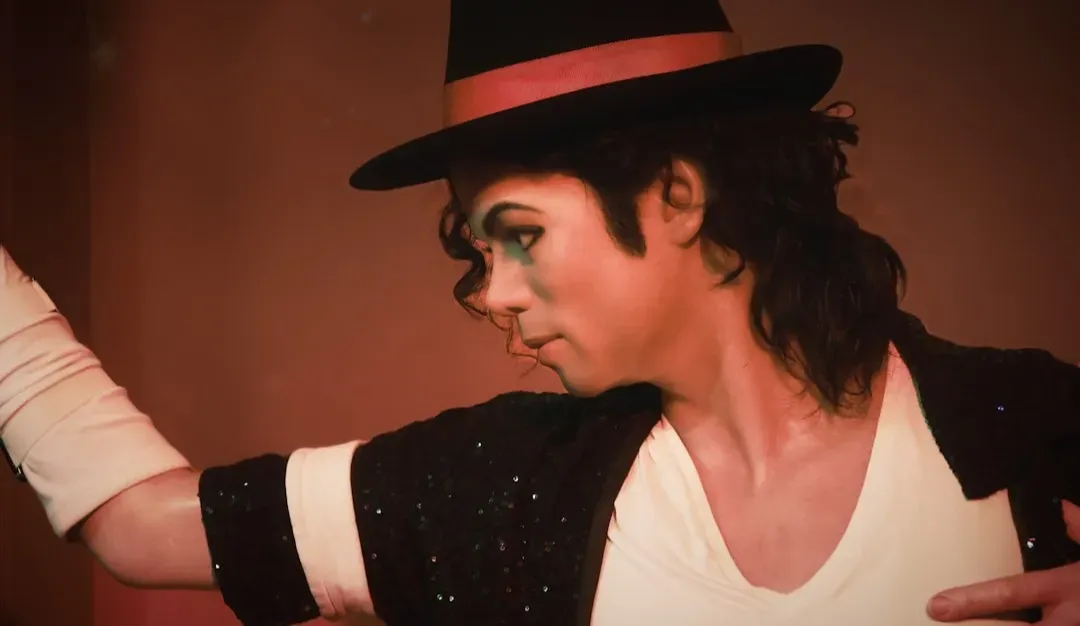
No catalog transaction in history has matched the scale of the Michael Jackson deal. In 2024, Sony Music Group paid at least $600 million for half of Michael Jackson’s music catalogue, the largest deal ever made for the work of a single musician. The figures implied the late singer’s musical assets were valued at a staggering $1.2 billion overall.
Because Jackson passed away in 2009, the deal was negotiated by his estate rather than the artist himself, which is a pattern becoming more common as heirs weigh long-term stability against decades of ongoing royalty management. The sale reflected not just Jackson’s solo work but also his stake in other valuable publishing assets accumulated over his career. It remains the largest single-artist catalog transaction ever recorded.
Queen

Queen topped even the Jackson estate in raw dollar terms. In 2024, the members of Queen became the beneficiaries of the most monied catalog rights deal ever, with Sony Music acquiring the masters and publishing rights to the band’s catalog along with its brand name and image. A stunning £1 billion changed hands, the equivalent of roughly $1.27 billion at the time of the sale.
What set the Queen deal apart was the scope. It was not just songs and recordings changing hands, but the band’s entire brand identity, meaning Sony now controls how Queen’s name and image are used commercially going forward. For a catalog built on songs like “Bohemian Rhapsody” and “We Will Rock You,” which have shown no sign of losing cultural relevance decades after release, the price tag reflected both nostalgia and near-guaranteed future licensing income.
Pink Floyd
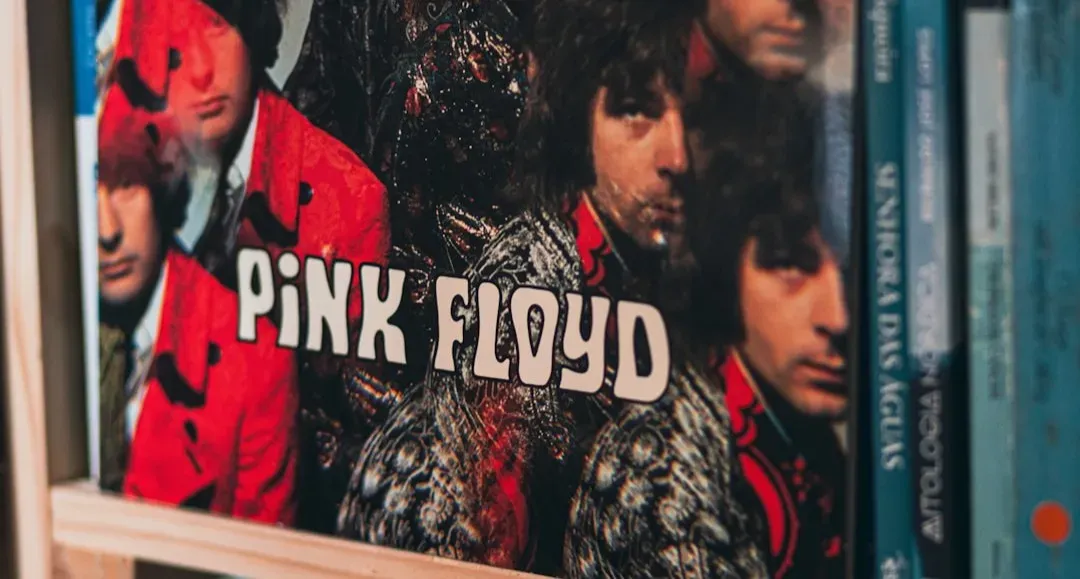
Pink Floyd’s catalog had been rumored as a target for years before the deal finally happened. The band made an agreement with Sony in the fall of 2024 to sell their music catalog for a reported $400 million. The sale covered the group’s recorded output and publishing rights, spanning albums like “The Dark Side of the Moon” and “The Wall.”
Pink Floyd’s internal disagreements over business matters were well known within the industry, which made the eventual sale feel like the resolution of a long-running negotiation among band members rather than a simple market transaction. Once the deal closed, it placed Pink Floyd alongside Queen and Bruce Springsteen as one of the defining catalog sales of the 2020s, each one pushing the ceiling higher for what a legacy rock catalog could command.
Rod Stewart
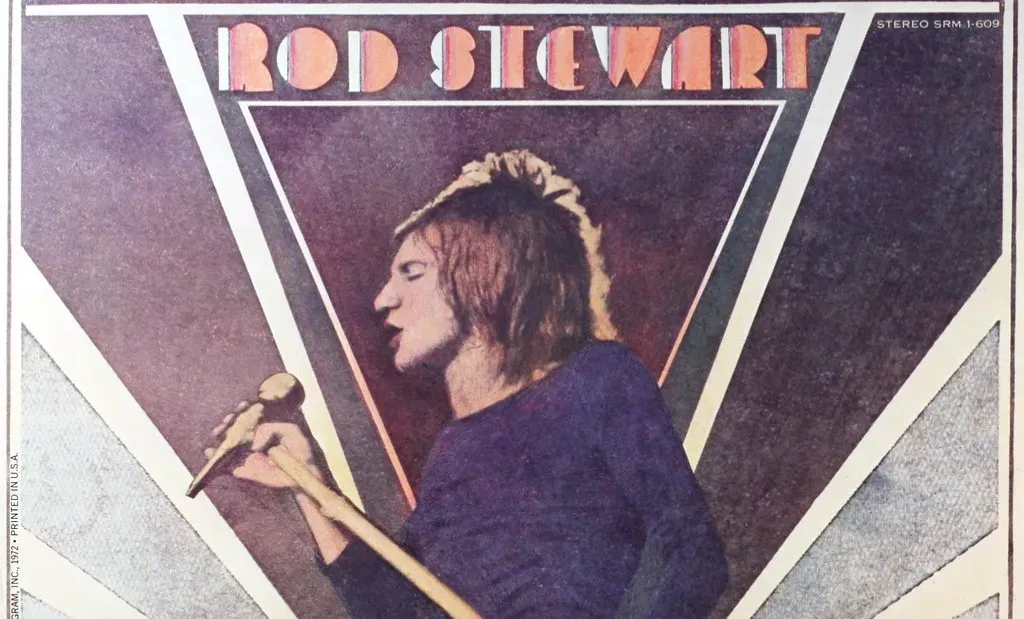
Rod Stewart’s move was smaller in dollar terms but still significant for an artist of his stature. The British singer-songwriter sold his share of publishing and recorded music rights, along with a few name and likeness rights, to Irving Azoff’s Iconic Artists Group in 2024. Details of the deal were not publicly disclosed, but reports suggest Stewart was granted upwards of $100 million for the catalog sale.
Azoff’s Iconic Artists Group has built a reputation for targeting catalogs from artists with decades of consistent chart performance rather than short-term viral hits, and Stewart fit that profile precisely. His songwriting credits stretch back to the 1970s, giving the catalog a long track record of licensing revenue that made the valuation easier to justify to investors.
Justin Timberlake
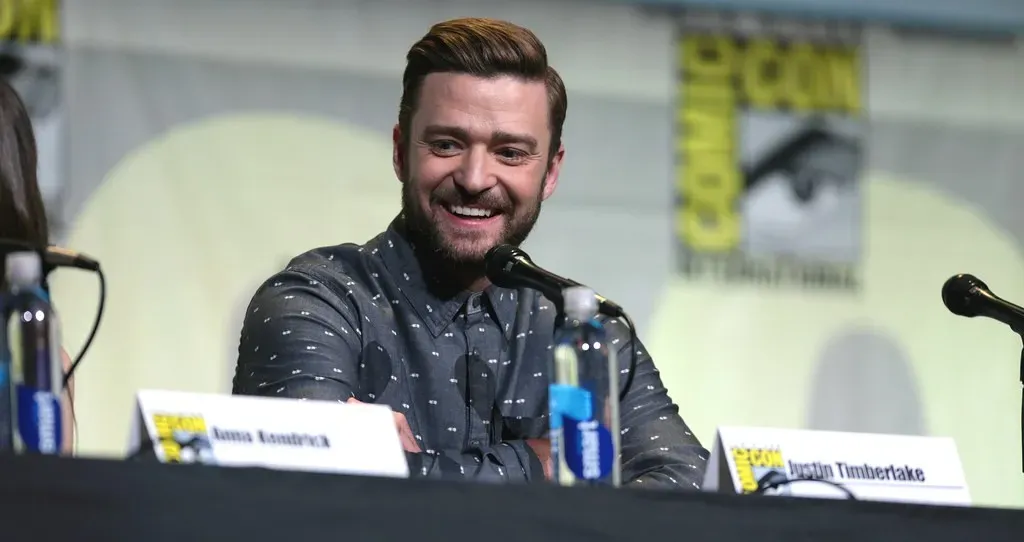
Justin Timberlake’s sale in 2022 came at a moment when Hipgnosis was aggressively expanding its roster of contemporary pop and R&B songwriters. He sold his entire music catalog to Hipgnosis Song Management in a deal valued at an estimated $100 million, covering roughly 200 songs he wrote or co-wrote. The catalog included chart-topping hits like “Cry Me A River,” “Rock Your Body,” “SexyBack,” and “Can’t Stop the Feeling.”
The deal did not include future works, so anything Timberlake writes going forward remains his own. By the time of the sale, Timberlake had sold more than 150 million records combined between his solo career and his years with ‘NSync. That commercial track record, paired with songs still earning steady sync licensing income from films and commercials, made the catalog an easy sell to investors hunting for dependable modern-era hits.
Taken together, these eleven deals show how thoroughly the catalog market has matured since the early 2020s. What began as a niche financial strategy for a handful of aging rock stars has turned into a mainstream option considered by pop icons, estates, and entire bands alike. The dollar figures keep climbing, and with firms like Sony, Primary Wave, Hipgnosis, and Iconic Artists Group all competing for the next big name, it seems unlikely the trend will slow down anytime soon.
Partner offer
Planning a trip to Vegas?
Compare hotel rates and show tickets on VEGAS.com.