Chemistry on screen rarely happens by accident. When a director finds two performers who bounce off each other in just the right way, the phone tends to ring again for the next project, and the one after that. Some pairings became so reliable that studios built entire careers around them, turning a handful of successful pictures into a decade-spanning partnership that audiences came to expect. What follows is a look at eleven such duos, real actors whose collaborations stretched well past the double digits, some of them into the dozens of films.
Bud Abbott and Lou Costello
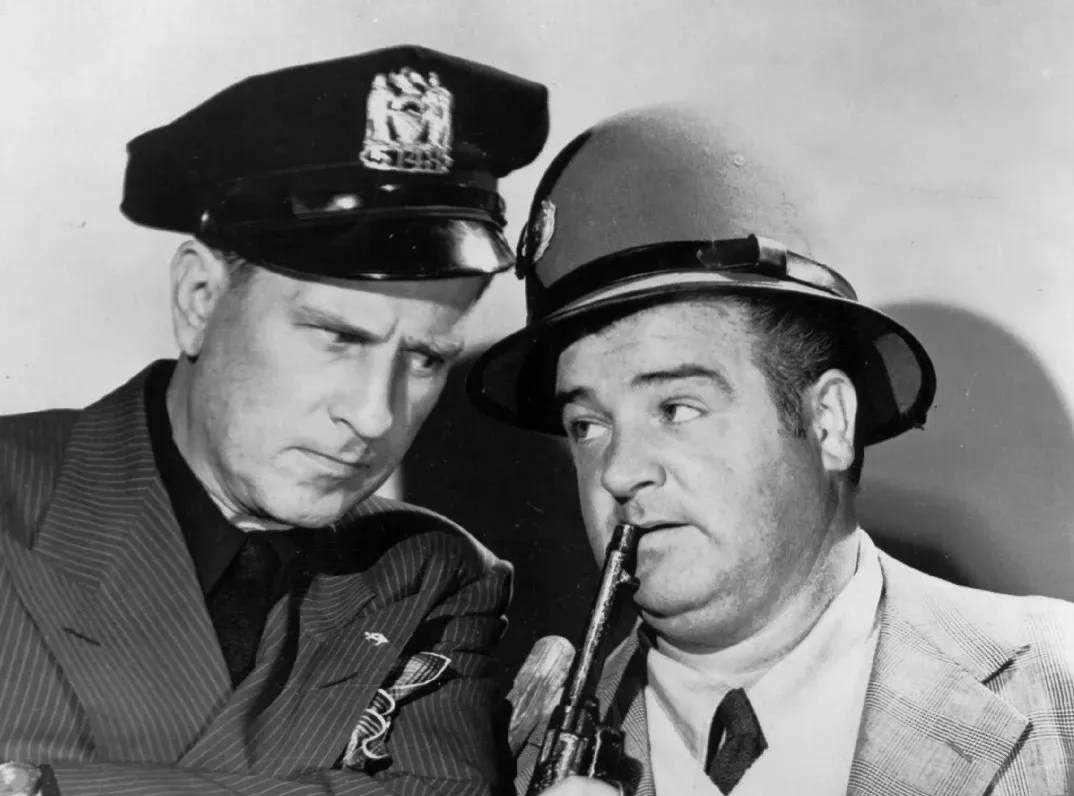
No comedic duo in Hollywood history worked together more often than Bud Abbott and Lou Costello. Classic Hollywood comedians Bud Abbott and Lou Costello share the highest number of movies together, a total of 36 between 1940 and 1956. That run covers nearly the entire golden age of screen comedy, from their breakout success in the early 1940s through the tail end of their partnership in the mid 1950s.
Their brand of rapid-fire wordplay, most famously the “Who’s on First?” routine, became a template for verbal comedy that later performers studied closely. Few duos in film history have matched that combination of longevity and sheer output, and it’s a number that still stands as something of a benchmark for the genre.
Dean Martin and Jerry Lewis
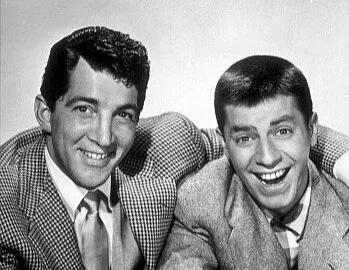
Before Martin became a crooning icon and Lewis a solo comedy force, the two were inseparable on screen. Their first film together was 1949’s My Friend Irma, and from there they went on to do a total of 17 films together, including one sequel, and became known as one of if not the most famous duo in the history of show business.
The split between them in 1956 was famously bitter, and it took decades for the two to fully reconcile. Even so, their combined body of work remains a touchstone for how a straight man and a comic can build an entire era of entertainment around one dynamic.
Bud Spencer and Terence Hill
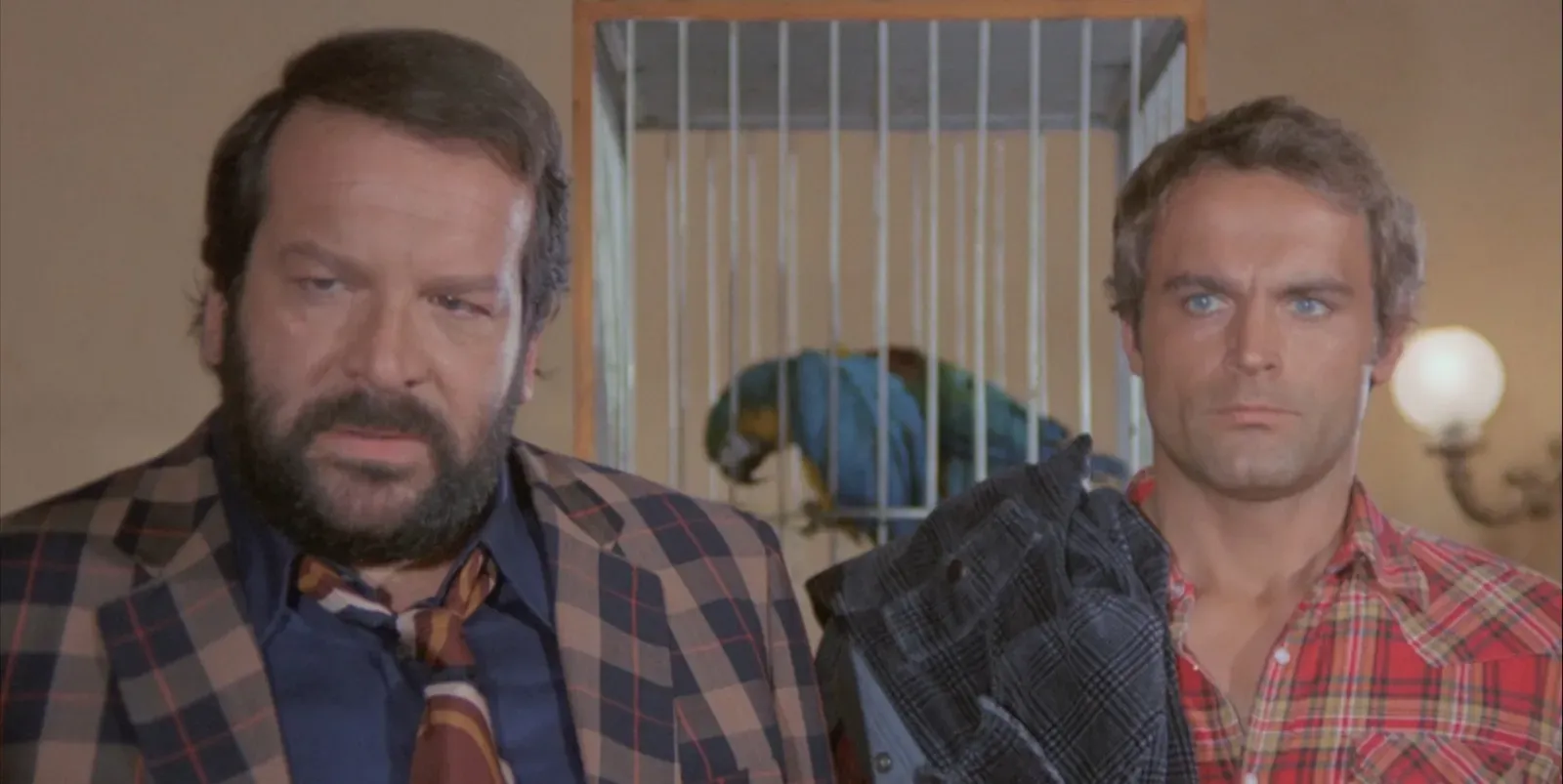
The Italian film industry produced its own version of the buddy comedy duo in Bud Spencer and Terence Hill, best known outside Italy for their spaghetti western comedies. Bud Spencer and Terence Hill made 18 or so films together, a number that places them among the most prolific screen partnerships anywhere in the world.
Their appeal never fully translated to English-language audiences on the same scale as it did in Europe, which is partly why they’re often left off American-focused lists. Still, within European cinema their combined filmography remains a genuine phenomenon, built on brawling comedy and an easy rapport that carried across nearly two decades of joint work.
John Wayne and Ward Bond
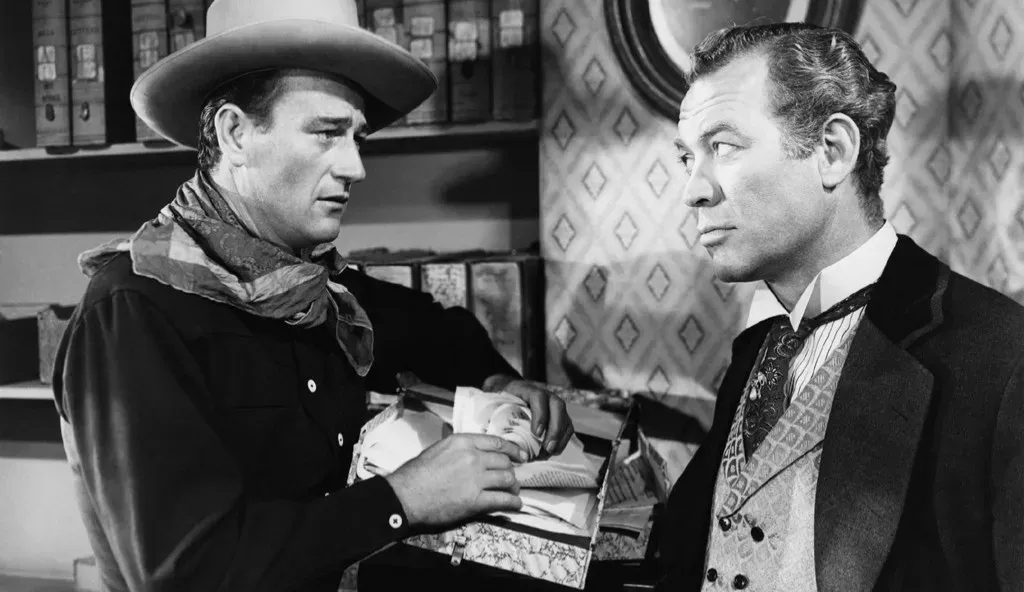
Long before either man became a fixture of Hollywood westerns, John Wayne and Ward Bond were college teammates and lifelong friends. That friendship carried directly into their film careers, and Tall in the Saddle was one of 23 films in which the old friends appeared together.
Bond rarely played the lead in these pictures, often working as a reliable supporting presence around Wayne’s star power, particularly in the John Ford westerns that defined much of both men’s careers. Twenty-three films is an extraordinary count for any two actors, let alone one built almost entirely within a single genre.
Toshiro Mifune and Takashi Shimura
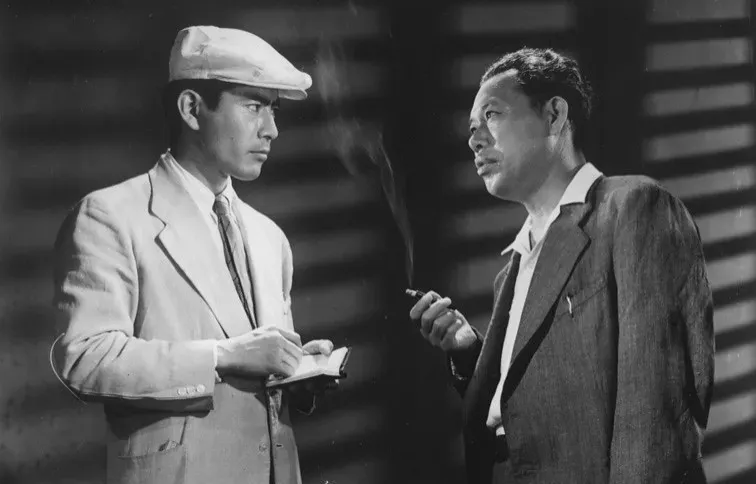
Japanese cinema produced one of the most prolific screen partnerships in film history with Toshiro Mifune and Takashi Shimura. From 1947 to 1978, the two starred together in numerous movies, appearing in a combined total of 53 films.
Much of that overlap came through their shared work with director Akira Kurosawa, including landmark films like Seven Samurai and Rashomon, but their collaborations extended well beyond Kurosawa’s output into dozens of other Japanese productions. Fifty-three films together is a staggering figure, and it likely makes them the most frequent screen pairing on this entire list.
William Powell and Myrna Loy
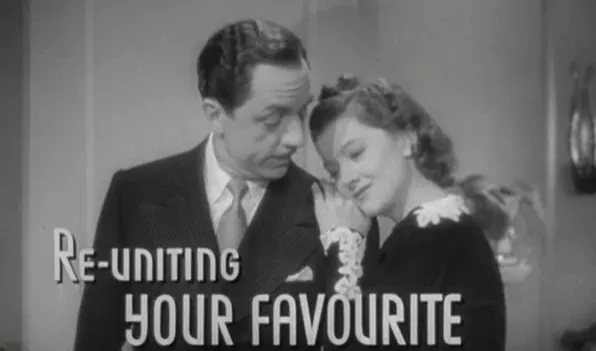
Powell and Loy defined a certain kind of witty, sophisticated screen romance during the 1930s and 1940s. The two starred in 13 movies together during that period, with Loy also making an uncredited cameo in their 14th and final film together, The Senator Was Indiscreet.
Partner offer
Their most enduring work came through the six Thin Man films, in which they played the martini-sipping detective couple Nick and Nora Charles. The pairing was so convincing on screen that many moviegoers at the time assumed they were married in real life, when in fact they remained close friends and frequent collaborators for over a decade.
Elizabeth Taylor and Richard Burton
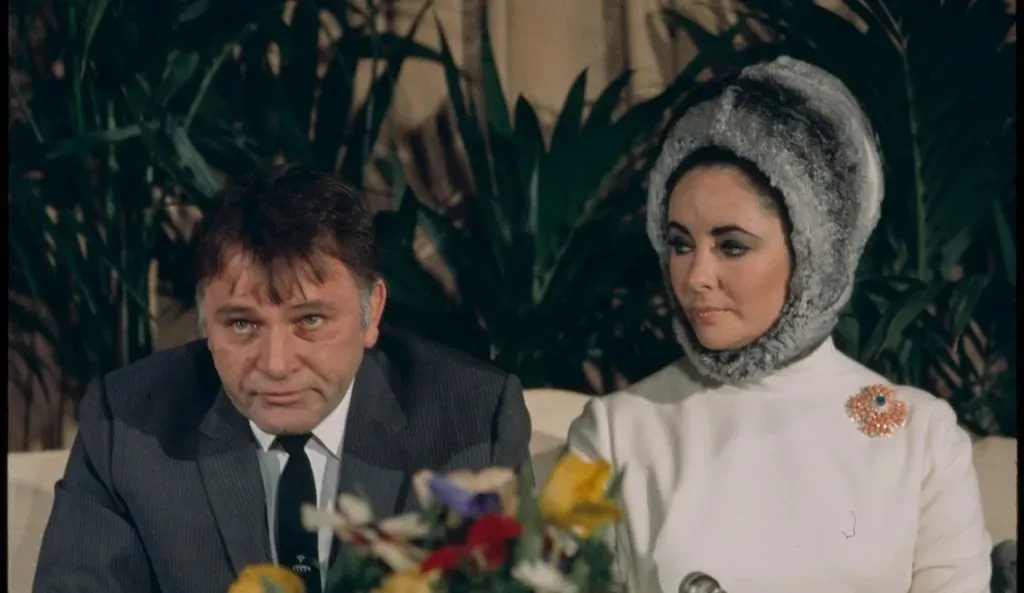
Few Hollywood partnerships blurred the line between on-screen chemistry and real-life romance as thoroughly as Taylor and Burton. They met filming Cleopatra in 1963, and their tumultuous relationship kept them romantically and professionally entwined for decades, resulting in 11 films together.
That filmography includes acclaimed work like Who’s Afraid of Virginia Woolf? and lighter fare like The Taming of the Shrew, spanning a genuine range of genres and tones. Their public marriages, divorce, and remarriage only added to the fascination audiences had with watching them share a screen again and again.
Jack Lemmon and Walter Matthau
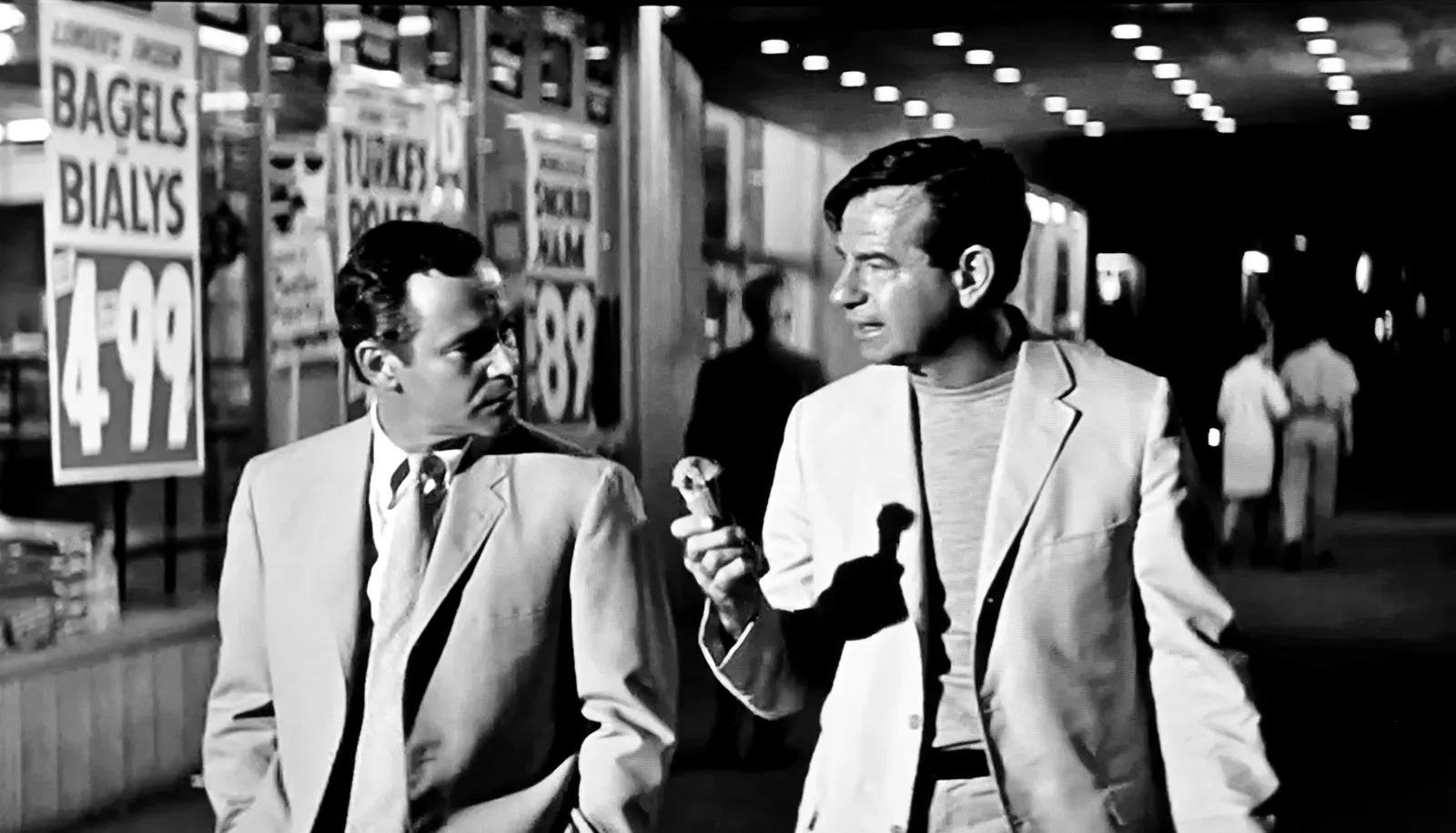
Lemmon and Matthau built one of comedy’s most enduring screen friendships across more than three decades of collaboration. The iconic duo made 11 movies together, stretching from 1966’s The Fortune Cookie to 1998’s The Odd Couple II.
Interestingly, one extra film almost pushed that total higher. On paper the pair only made 10 films officially credited together, but 1971’s Kotch featured Matthau as the star while Lemmon, working as director, made an uncredited cameo appearance. Depending on how strictly one counts that cameo, their real number of shared appearances arguably climbs even further.
James Franco and Seth Rogen
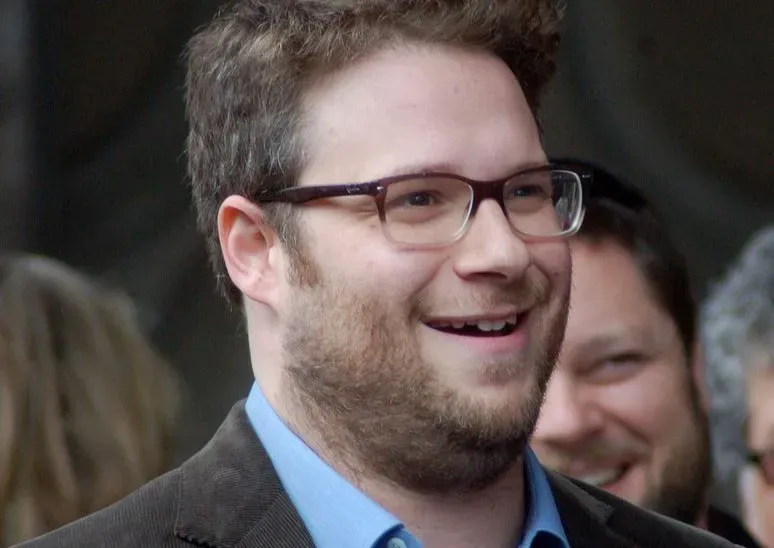
Franco and Rogen’s friendship began on the set of the short-lived television series Freaks and Geeks and grew into one of modern comedy’s most recognizable screen partnerships. The two have been involved in more than eleven projects together over the years, spanning stoner comedies, action satire, and awards-season dramatic work alike.
Their most notorious joint project remains The Interview, the 2014 comedy that sparked an international incident involving North Korea. Even as Rogen has largely distanced himself from Franco following serious allegations against him, Franco still appears to be Rogen’s most prolific comedy partner, with the two appearing in 11 movies together.
Adam Sandler and Rob Schneider
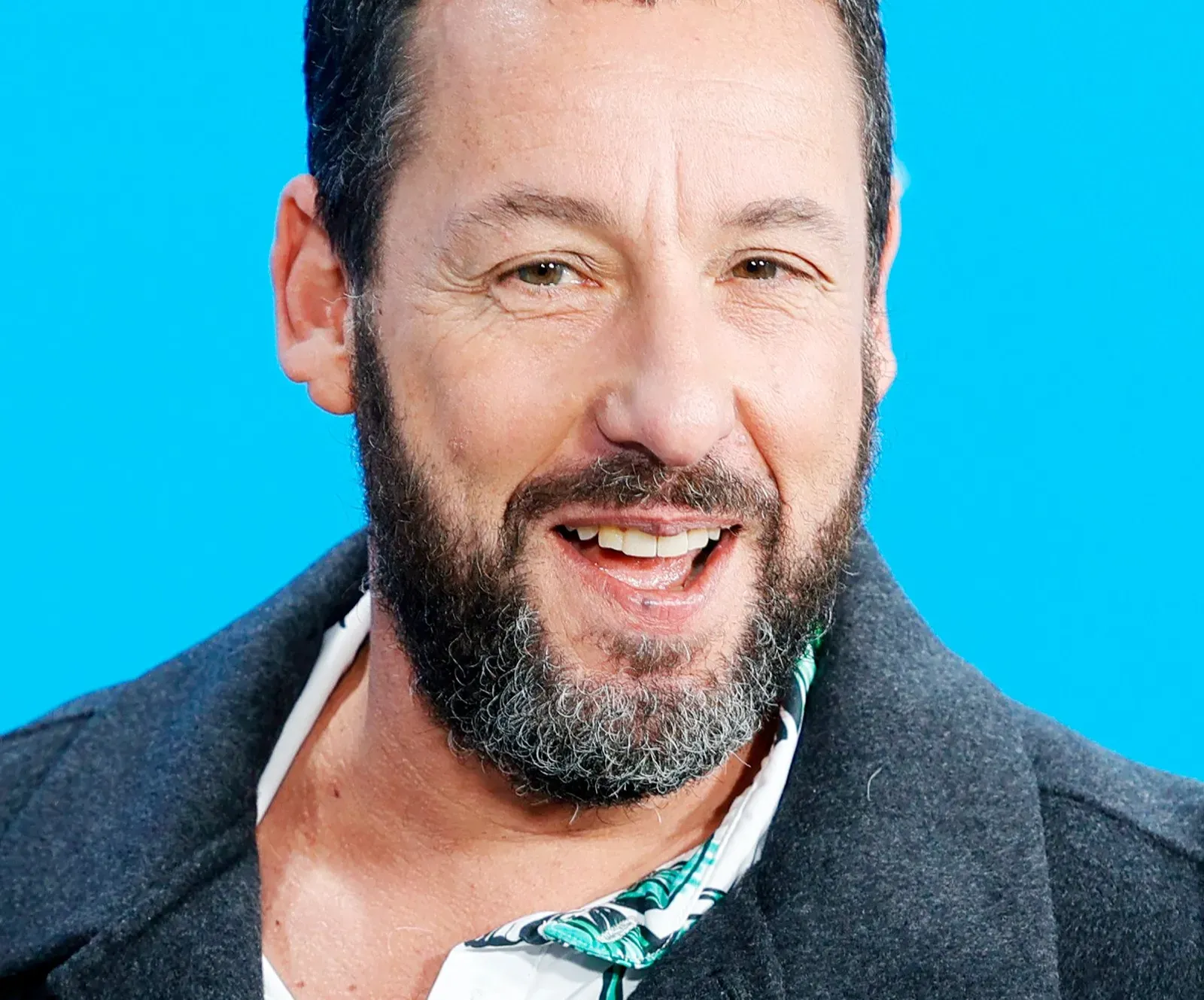
Sandler and Schneider’s friendship dates back to the stand-up comedy circuit of the 1980s, long before either became a film star. The two have made at least 18 films together, including titles like Big Daddy, 50 First Dates, and Grown Ups, having met at Sandler’s first comedy show and remained friends ever since.
Schneider frequently appears in small supporting roles or cameos within Sandler’s larger productions, a pattern that has repeated itself across nearly every decade of Sandler’s film career. It’s a partnership built more on loyalty and shorthand comedy than on marquee billing, but the sheer number of shared credits speaks for itself.
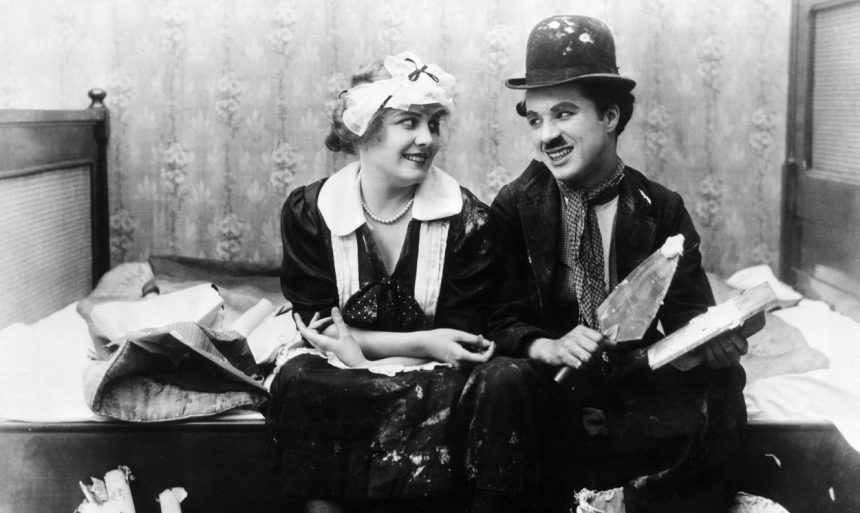
Charlie Chaplin and Edna Purviance
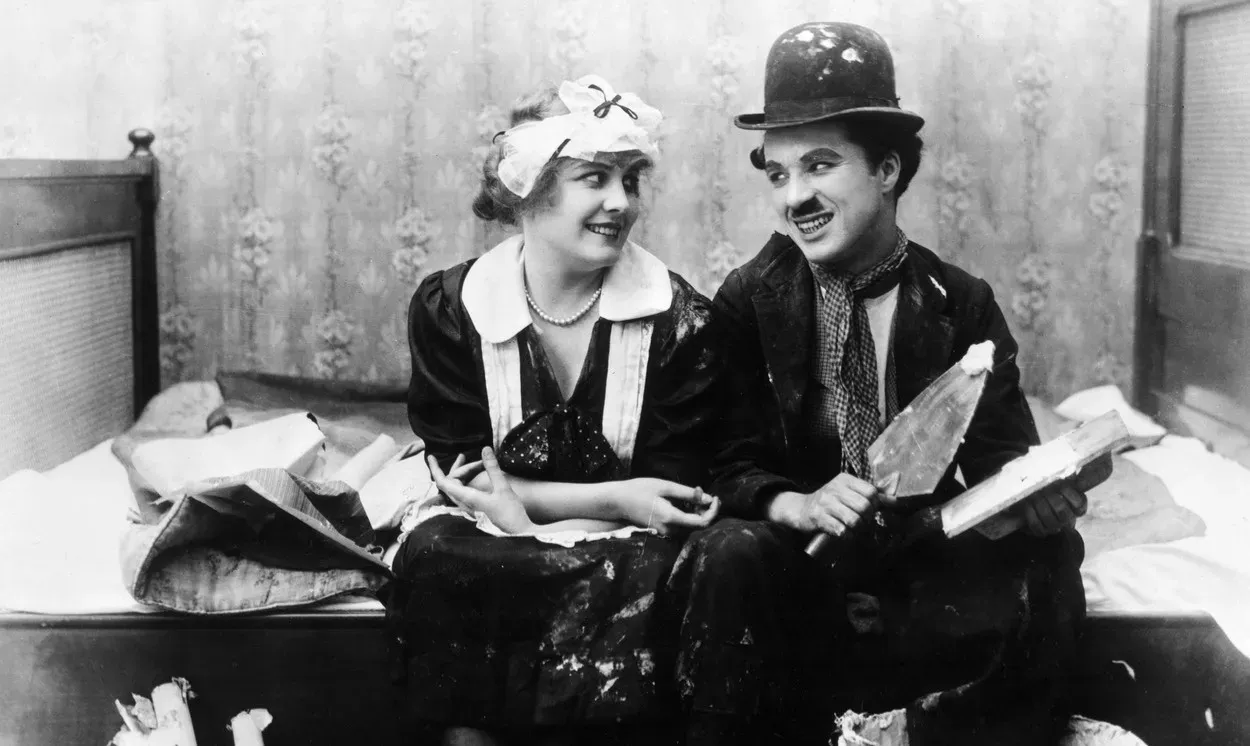
Long before sound arrived in cinema, Charlie Chaplin found his most consistent leading lady in Edna Purviance. Beginning in 1915 and continuing through the early 1920s, Purviance appeared alongside Chaplin in more than 30 short films and features, making her one of the most frequently credited screen partners in silent film history.
Their professional relationship outlasted a brief romance, and Chaplin continued casting her in supporting roles well after their personal connection had cooled. Purviance’s steady presence across so many productions helped define the visual and emotional rhythm of Chaplin’s early comedic style, a partnership that predates nearly every other entry on this list by decades.
The common thread across all eleven pairings is trust built through repetition. Whether it came from real-life friendship, romantic entanglement, or simply a director who kept dialing the same numbers, each partnership shows how repeated collaboration can shape not just individual films but entire careers. Some of these numbers may still grow, particularly for pairs whose working relationships remain active today, while others stand as fixed records from eras of filmmaking that have long since passed.Partner offer
Planning a trip to Vegas?
Compare hotel rates and show tickets on VEGAS.com.