There’s a particular kind of surprise that comes from learning your favorite song wasn’t the first version at all. Radio history is full of these quiet swaps, where a hit single actually started life as someone else’s demo, B-side, or overlooked single years earlier. Some of these original versions vanished almost entirely, while others simply got outshined by a louder, better-timed remake.
1. Twist and Shout by The Beatles

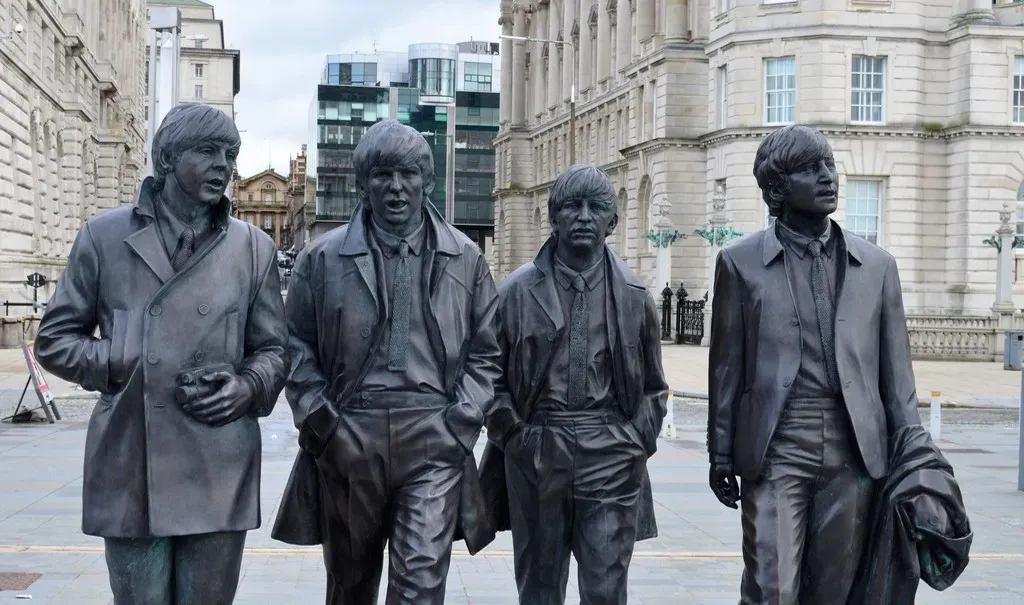
The Beatles’ raucous closing track on their debut album feels like pure Liverpool energy, but the song began life with a New York vocal group called the Top Notes in 1961. Songwriters Phil Medley and Bert Berns weren’t happy with that original production, and Berns later reworked it himself with the Isley Brothers, whose 1962 version became the template most people actually recognize. The Beatles leaned on the Isley Brothers arrangement rather than the Top Notes original when they recorded their take in 1963. John Lennon reportedly tore his voice apart cutting the vocal in a single take at the end of a long studio session, which is part of why the recording still sounds so raw decades later.
2. Respect by Aretha Franklin

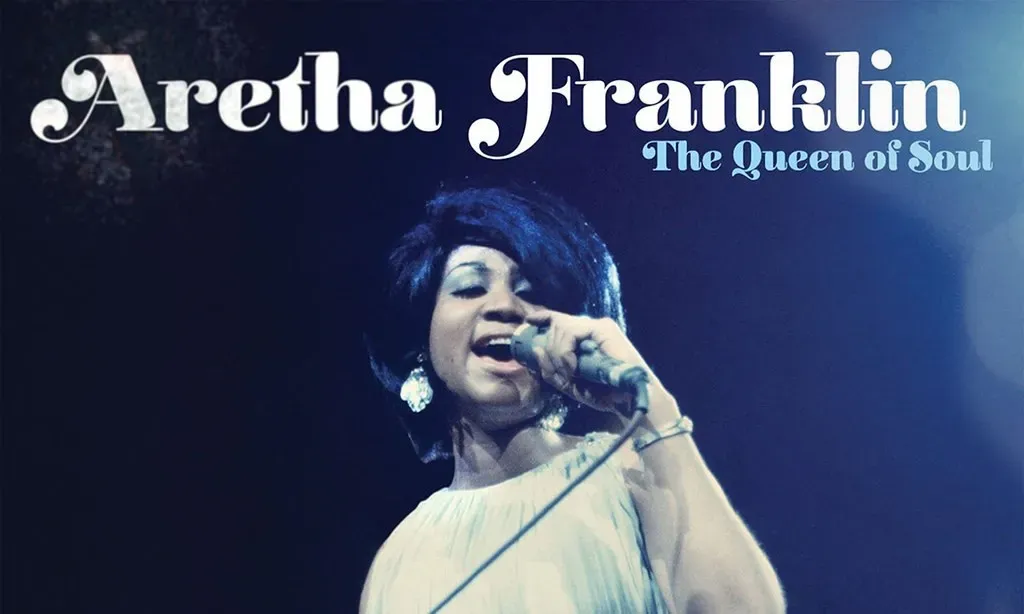
Aretha Franklin’s 1967 recording turned “Respect” into an anthem, but the song was written and first recorded by Otis Redding two years earlier. Redding’s version was a modest R&B hit with a fairly straightforward romantic plea, nothing like the commanding statement it would become. Franklin restructured the arrangement, added the now-famous “R-E-S-P-E-C-T” spellout, and brought in her sisters for backing vocals. The transformation was so complete that many listeners assume it was always hers, when really it started as a Southern soul B-side from a different artist entirely.
3. Hound Dog by Elvis Presley

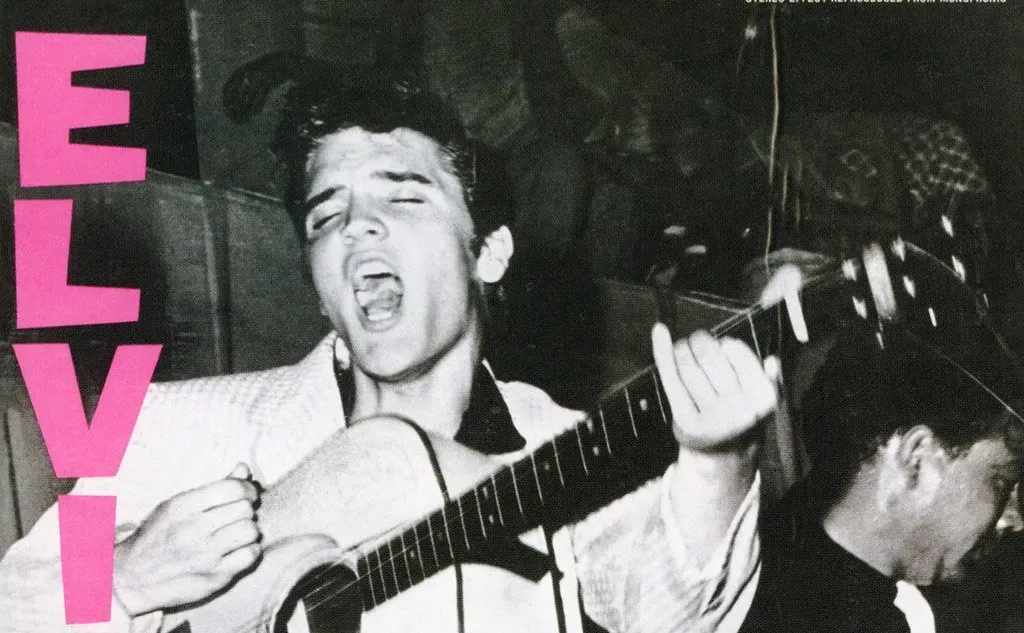
Elvis Presley’s 1956 version of “Hound Dog” is one of the most recognizable recordings in American pop history, but the song had already been a number one R&B hit four years earlier. Big Mama Thornton recorded the original in 1952, delivering a slower, bluesier take written specifically for her by Jerry Leiber and Mike Stoller. Presley encountered the song through a Las Vegas lounge act rather than Thornton’s original recording, and sped it up considerably for his own version. Thornton reportedly received little financial benefit from the song’s later success, a common fate for Black blues artists whose songs were popularized by white performers during that era.
4. I Fought the Law by The Clash


“I Fought the Law” is a song written by Sonny Curtis of the Crickets and popularized by a cover by the Bobby Fuller Four, becoming a top-ten hit for the band in 1966. Sonny Curtis wrote the song in the blink of an eye, telling one interviewer he wrote it in his living room in West Texas one sandstormy afternoon, and that it took him about 20 minutes.
Most people know the song through the Clash’s punk-fueled 1979 version, which itself was already a cover of a cover. The Crickets recorded it shortly after Buddy Holly’s death in 1959 and released it on their 1960 album In Style With The Crickets. The Bobby Fuller Four’s arrangement became the template everyone since has followed, but Curtis’s original recording predates all the versions that made it famous.
5. Nothing Compares 2 U by Sinéad O’Connor

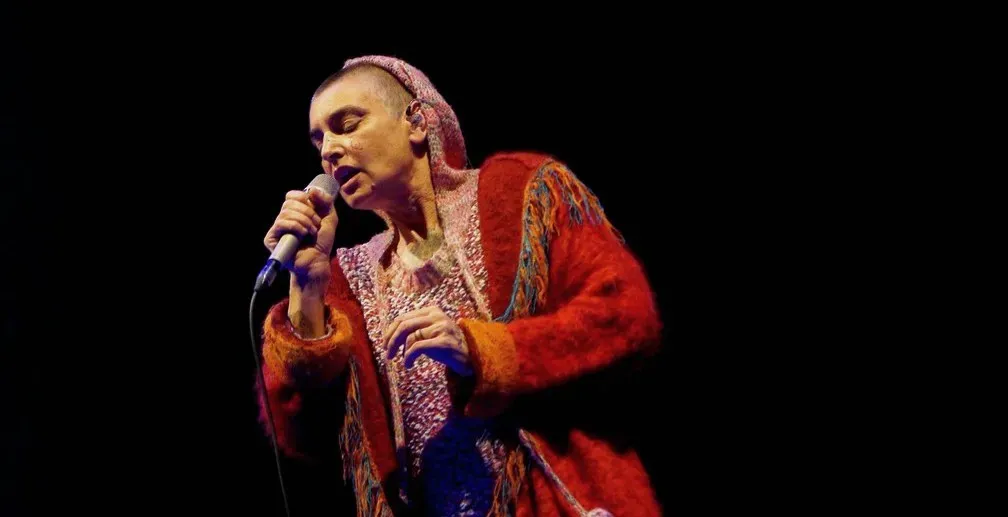
Sinéad O’Connor’s devastating 1990 ballad is often assumed to be entirely her own creation, but the song was written by Prince years before she ever touched it. Prince originally gave the track to his side project The Family, who released it in 1985 to little commercial attention. O’Connor stripped the arrangement down and delivered a vocal performance so raw it became inseparable from her public image. Prince occasionally performed his own version live afterward, sometimes acknowledging the strange path his song had taken to become someone else’s signature moment.
6. Tainted Love by Soft Cell

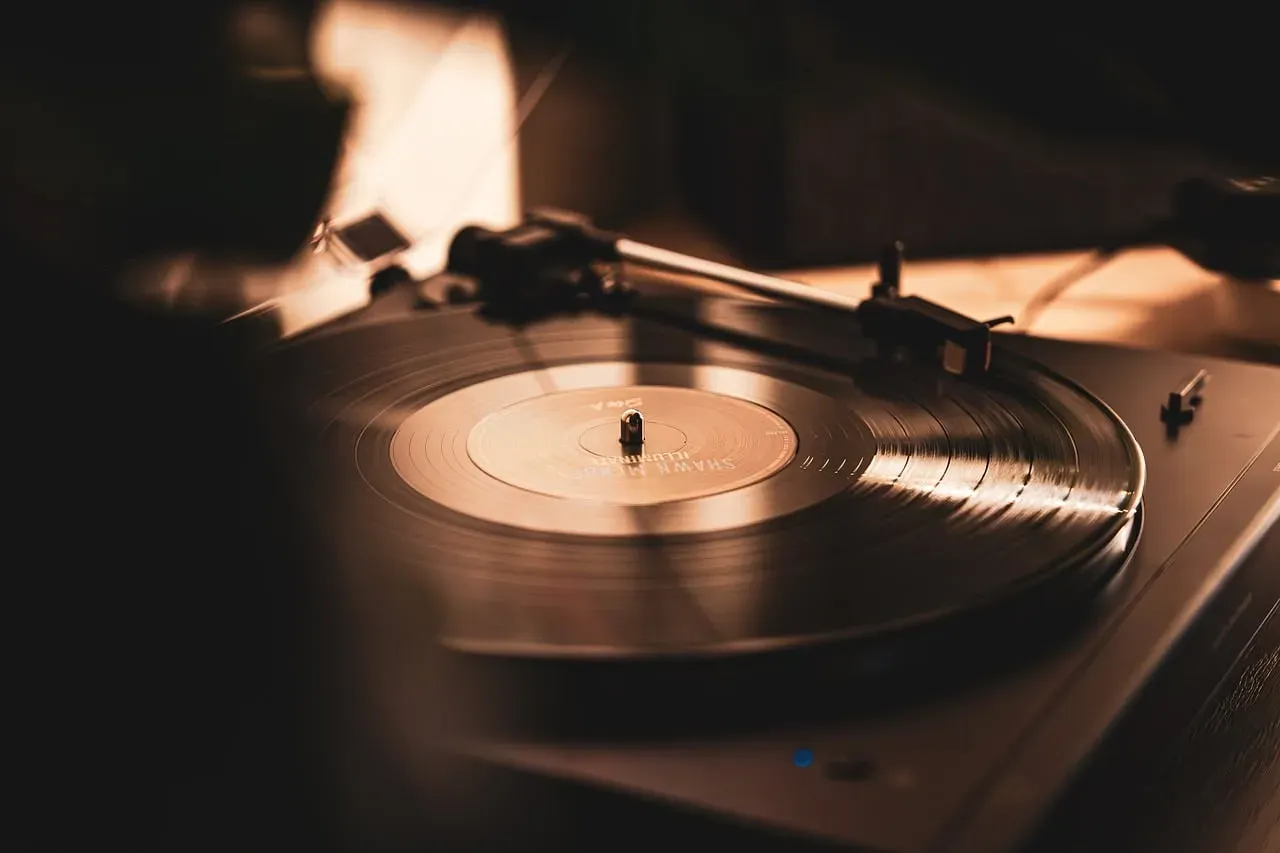
Soft Cell’s synth-pop reworking of “Tainted Love” defined an entire strain of early 1980s music, but the song began as a 1965 Northern soul single by American singer Gloria Jones. Jones’s version barely registered commercially at the time, buried among countless other soul singles competing for airplay. The song found a second life in British Northern soul clubs throughout the 1970s, where DJs kept it in rotation long after its initial release faded. Soft Cell’s 1981 electronic reinterpretation eventually eclipsed the original so thoroughly that Jones’s name rarely comes up when the song plays today.
7. Take Me to the River by Talking Heads

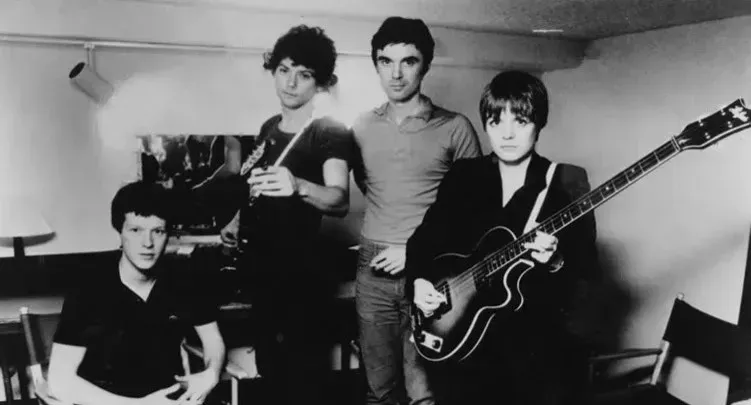
Talking Heads turned this song into an art-rock staple on their 1978 album More Songs About Buildings and Food, but the track was written and originally recorded by Al Green in 1974. Green’s version leaned into gospel-inflected soul, a world away from the jittery, angular arrangement Talking Heads would apply four years later. David Byrne reportedly discovered the song through a cover by Syl Johnson before circling back to Green’s original for inspiration. The Talking Heads version became a defining moment of their early catalog, though Green’s warmer, more traditional soul recording remains the foundational text.
8. Torn by Natalie Imbruglia

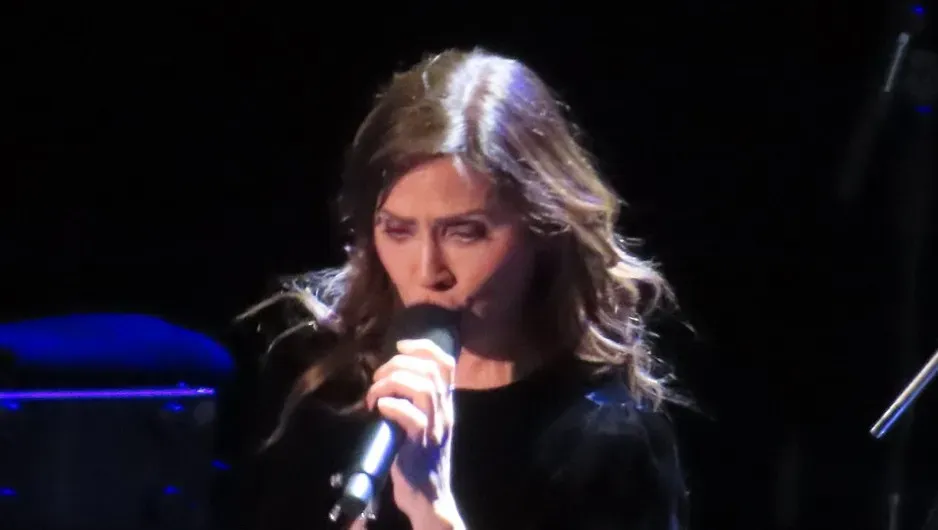
“Torn” was initially written in 1993 by Scott Cutler and Anne Preven, and while it was first recorded by Danish singer Lis Sørensen as “Brændt” (“Burned”) in 1993, the two co-authors eventually recorded the track with their band Ednaswap in 1995. A Norwegian singer named Trine Rein also released her own version before Imbruglia ever got near the song. “Torn” found its way to Natalie Imbruglia when the song’s co-writer Phil Thornalley ended up working on her first album. Her 1997 recording became the definitive version worldwide, so much so that a viral social media moment years later left many listeners genuinely stunned to learn it wasn’t originally hers.
9. Whiskey in the Jar by Thin Lizzy
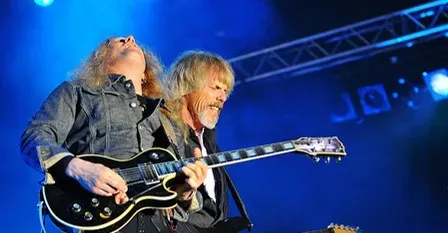
Thin Lizzy’s 1972 rock arrangement of “Whiskey in the Jar” introduced the song to an entirely new audience, but the tune itself is a traditional Irish folk ballad with roots stretching back centuries. No single songwriter can claim authorship, since the song passed through generations of oral tradition before anyone thought to record it commercially. Various folk acts, including The Dubliners, had already recorded versions before Thin Lizzy electrified it with rock instrumentation. The band’s take became so dominant that Metallica later covered Thin Lizzy’s arrangement specifically, rather than returning to any traditional folk source.
10. House of the Rising Sun by The Animals

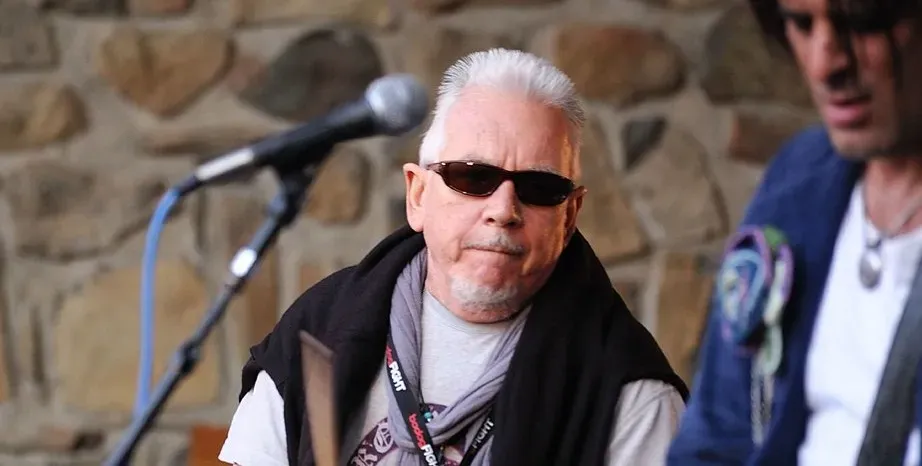
The Animals’ 1964 electric version turned “House of the Rising Sun” into a global hit, driven by that unmistakable organ line and Eric Burdon’s weary vocal delivery. The song, however, is a traditional American folk ballad of uncertain origin, with roots that likely trace back to English and Appalachian folk traditions. Bob Dylan had already recorded a stripped-down acoustic version on his 1962 debut album, and it was reportedly Dylan’s arrangement that inspired The Animals to attempt their own. The band’s electrified reinterpretation eclipsed every version before it, becoming the standard against which all later covers, including Dylan’s own, get measured.
11. I Love Rock ‘n’ Roll by Joan Jett and the Blackhearts

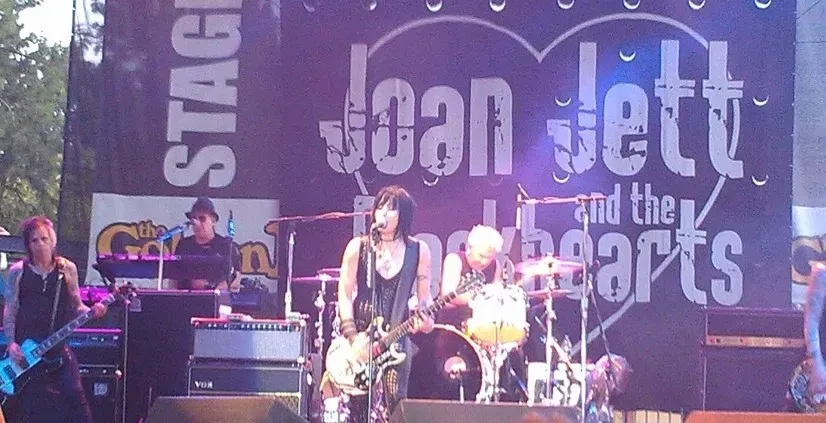
Joan Jett’s 1981 recording became one of the defining rock anthems of its era, but the song was written and originally recorded by the British glam rock band Arrows in 1975. The Arrows version was a modest hit in the UK but never made significant waves elsewhere. Jett reportedly heard the Arrows perform the song on British television and decided almost immediately that she wanted to record it herself. Her version, released with the Blackhearts years later, became so dominant in pop culture that the original British recording is largely forgotten outside of dedicated music history circles. These eleven songs share a common thread: the versions that became famous weren’t necessarily the versions that came first. Original recordings often faded into obscurity while later interpretations found the right moment, the right voice, or the right arrangement to connect with a much wider audience.
Partner offer
Planning a trip to Vegas?
Compare hotel rates and show tickets on VEGAS.com.