


Watch a film with the sound off and you’ll still follow a surprising amount of it. A tightened jaw, a glance that lingers a second too long, a hand that stops halfway to a door handle: these carry meaning before anyone speaks.
Screen and stage actors build this language deliberately. Acting teachers, psychologists and directors have described the same core tools for decades, and they work because audiences read bodies constantly in everyday life. Here are eleven of the most common ones.
Micro Expressions on the Face


The face is the first place viewers look. Psychologist Paul Ekman’s research on facial expressions identified a set of emotions, such as anger, fear, disgust, sadness and happiness, that many studies have linked to recognizable facial patterns. Film actors use small versions of these, a brief flicker of the mouth or a slight narrowing of the eyes, because the camera magnifies everything.
Restraint matters here. A close-up rewards an actor who does less, since a big grimace can read as artificial on a large screen. Many performers talk about letting a thought show rather than painting an emotion on top of it.
The Eyes and Where They Look


Eye direction tells us what a character wants to hide or reveal. Looking away during a conversation can suggest shame or evasion, while a steady stare can signal confidence or threat. Holding eye contact a beat too long often creates tension without any dialogue at all.
Blinking plays a part too. Fewer blinks can make a character seem controlled or cold, while rapid blinking may hint at nerves or held-back tears. Actors often choose these habits as part of building a role.
Posture and Body Alignment


How a character stands reveals their inner state before they move. Slumped shoulders suggest defeat, while an upright chest can suggest pride or defiance. Actors often alter their posture from scene to scene to track a character’s changing confidence.
Training traditions like the Alexander Technique are used in drama schools to help performers notice habitual tension and then reshape it on purpose. The result is a body that can speak in a neutral or exaggerated way, depending on what the role needs.
Hands and Small Gestures


Hands are hard to fake, and audiences notice them. Fidgeting with a ring, gripping a cup too tightly or smoothing a shirt over and over can show anxiety more truthfully than a line of dialogue. These tiny actions are sometimes called business, and they give a scene texture.
Stillness counts as a gesture as well. A character who suddenly stops moving their hands can look as if they’ve been caught or have made a decision.
Breathing Patterns


Breath is one of the most honest signals an actor can use. Quick, shallow breathing suggests fear or agitation, while a slow, deliberate exhale can read as relief, resignation or control. Viewers may not consciously register it, yet they respond to it.
Many acting coaches teach breath work for this reason. Changing the rhythm of breathing can shift how a performer feels in the moment, which in turn alters their whole physical presence.
Partner offer

Silence and Pauses

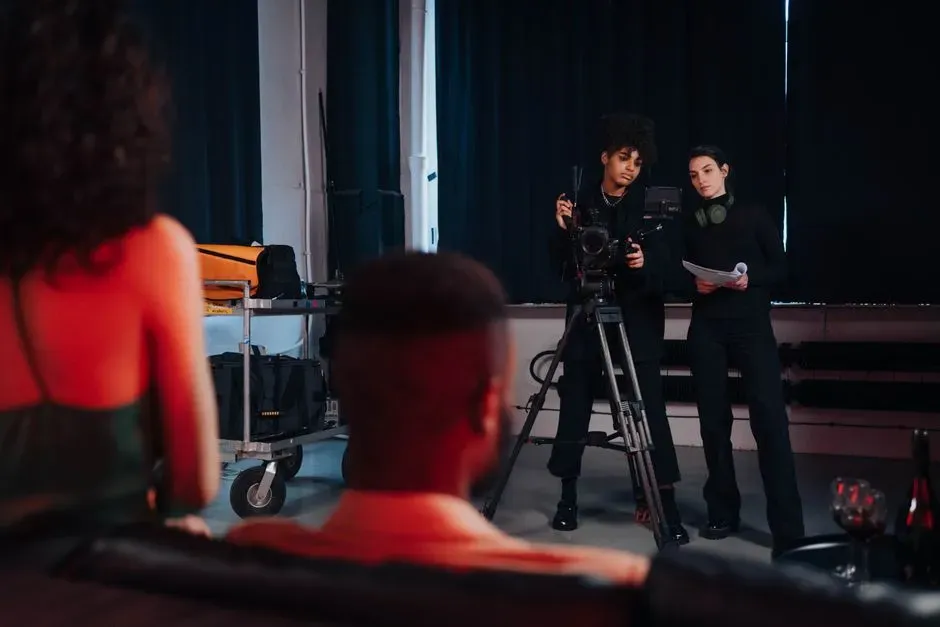
A pause can carry more than a speech. When a character stays silent after a question, the audience fills the gap with doubt, grief or calculation. Directors often protect these moments in the edit for that reason.
Timing is everything. A short pause feels natural, a long one feels loaded, and an actor learns to measure the difference by instinct and rehearsal.
Movement Through Space
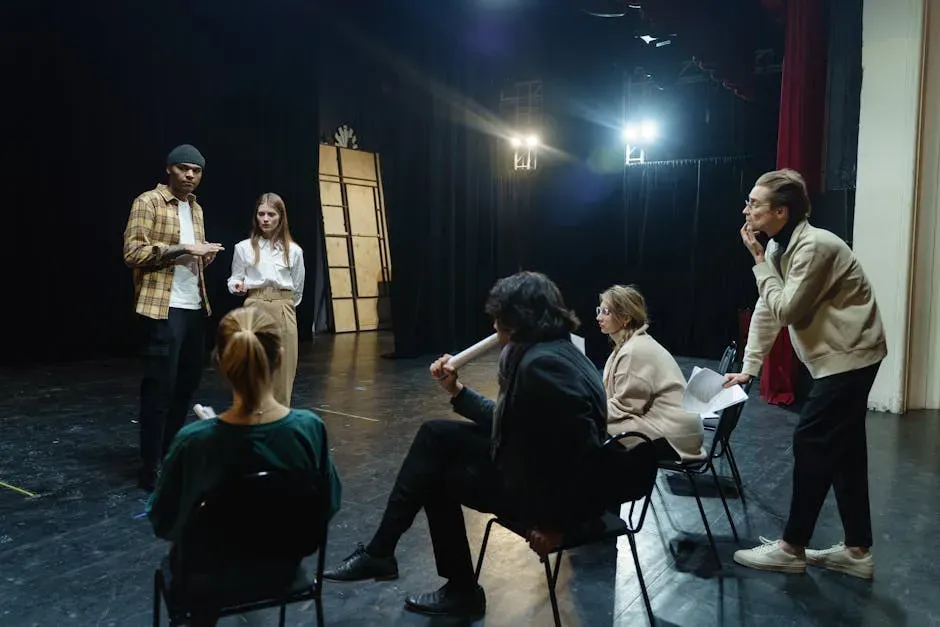
Where a character goes in a room says something about their relationship to others. Stepping toward someone can show affection or aggression, and backing away suggests fear or discomfort. Blocking, the planned movement of actors in a scene, is built around these choices.
The distance between two people matters too. Anthropologist Edward T. Hall coined the term proxemics in the 1960s to describe how people use space in communication, and performers rely on the same social habits to signal intimacy or conflict.
Walk and Pace


Gait is a quick shortcut to character. A heavy, dragging step can suggest exhaustion, while a brisk stride signals purpose. Actors often experiment with how a character walks long before they settle on a voice or costume.
Changes in pace can mark a turning point. A person who slows down mid-corridor or suddenly hurries has shifted emotionally, and the audience senses it at once.
Reacting to Others

Much of screen acting is listening. A performer who is not speaking still shows what a line does to them, whether it wounds, amuses or goes unnoticed. Many directors say the best reaction shots are what make a scene land.
These responses must feel unplanned, even when they’ve been rehearsed. Actors work to stay present, so that each reaction seems like a real response to what just happened.
Handling Props and Costume


Objects give actors something to act through. Twisting a wedding band, tugging at a collar or clutching a letter can express feelings the script never states. A well chosen prop turns an inner life into something visible.
Costume influences movement as well. A tight jacket or heavy coat changes how someone stands and moves, and actors often use that restriction to shape a character’s discomfort or pride.
Physical Transformation and Muscle Memory


Some performers change their bodies and habits to show inner history. Rudolf Laban’s movement analysis, widely taught in drama training, breaks motion into qualities like weight, time and flow, which actors can adjust to suggest personality. A character who moves with sudden, sharp energy feels different from one who glides.
Repeated physical habits build a believable past. A slight limp, a protective stance or a guarded way of sitting hints at experiences the audience never sees, and it all happens without a word.
Partner offer
Planning a trip to Vegas?
Compare hotel rates and show tickets on VEGAS.com.


