Walk into a multiplex today and it looks familiar enough: a big lobby, a glowing concession stand, a hallway of auditoriums. Yet a surprising number of habits and services that were routine in the early 1990s have quietly disappeared.
Some vanished because of technology, others because of health rules or changing customer habits. Here are thirteen of the most noticeable things you could once count on at the movies that you’ll rarely, if ever, find now.
Smoking Sections

In the early 1990s, some theaters still kept sections where moviegoers could light up, and even in non smoking rooms the habit lingered in lobbies and older balconies. Cigarette smoke was simply part of the atmosphere in many older cinemas.
Growing public health concern and wider indoor smoking laws changed that over the following decades. Today, smoking inside a US movie theater is effectively unheard of, and the old balcony smoking sections survive mostly in nostalgic memories.
Popcorn Popped in Coconut Oil

For years, many major chains popped their corn in coconut oil, which gave it a rich flavor and a very high saturated fat content. In the mid 1990s, the nutrition advocacy group Center for Science in the Public Interest publicized lab results showing just how heavy a large bucket could be.
The attention pushed big chains to move toward other oils. Popcorn today is often made with different oils and flavorings, though it’s still no health food once the butter topping arrives.
Intermissions
Long epics once came with a built in pause, giving audiences time to stretch, visit the restroom, and buy more snacks. The tradition goes back to the roadshow era of big studio productions.
Most Hollywood releases now run straight through, and theaters prefer to maximize the number of daily showings. Intermissions remain common in Indian cinema, and occasional special events or re-releases bring them back for a night.
35mm Film Prints

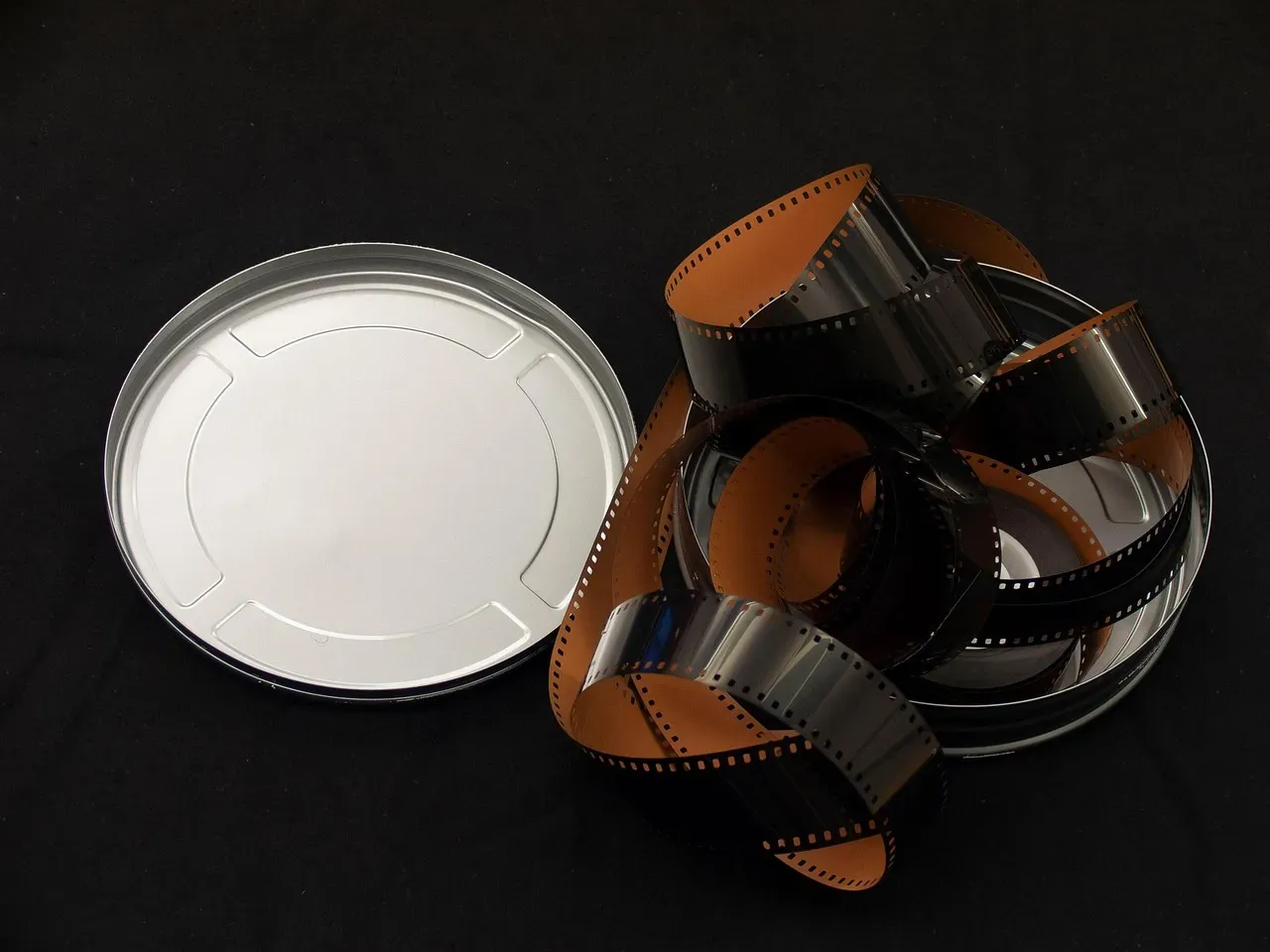
In the 1990s, nearly every movie arrived at the theater as heavy reels of 35mm film. Each print could pick up scratches, dust, and wear as the run went on, so a showing in week six looked different from opening night.
The industry shifted to digital projection through the 2000s and early 2010s, and studios gradually stopped distributing film prints for regular releases. A handful of theaters and special events still show film, mainly for classics and for directors who champion the format.
Projectionists in the Booth

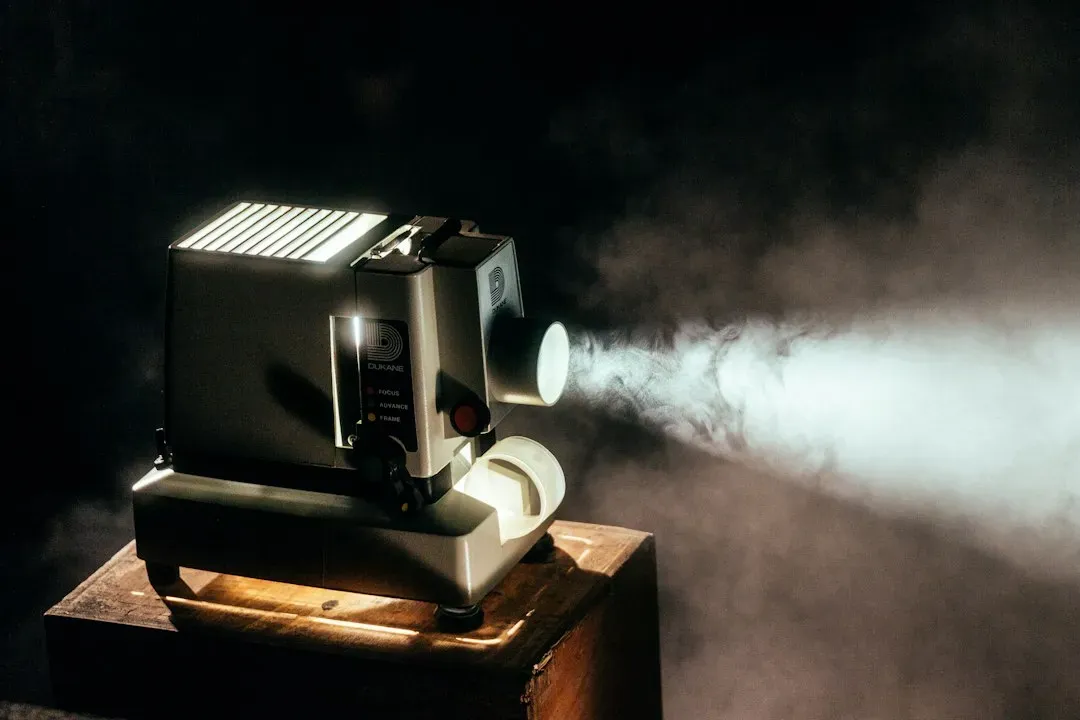
A trained projectionist used to thread the film, focus the image, and watch the screen for problems. It was a skilled job that required real attention for every showing.
Digital systems and automated scheduling changed the role considerably. Many multiplexes now rely on a small technical team who manage several auditoriums at once, rather than one person tied to a single booth.
Reel Changeovers and Cue Marks
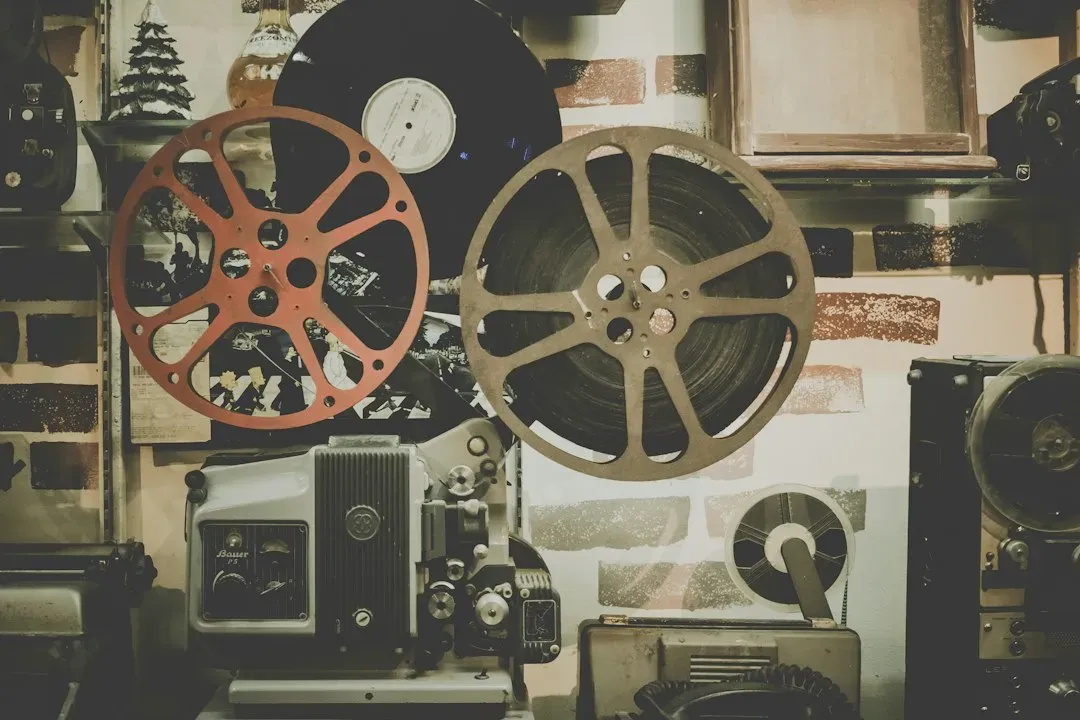
When a feature ran on multiple reels, projectionists switched between two projectors at the exact right moment. Small marks appeared in the upper right corner of the frame to signal when to start the next reel.
Film fans came to call these marks cue dots, and some remember spotting them with a bit of a thrill. With digital files playing as one continuous stream, there are no reels to swap and no dots to catch.
Partner offer

Slide Show Advertising

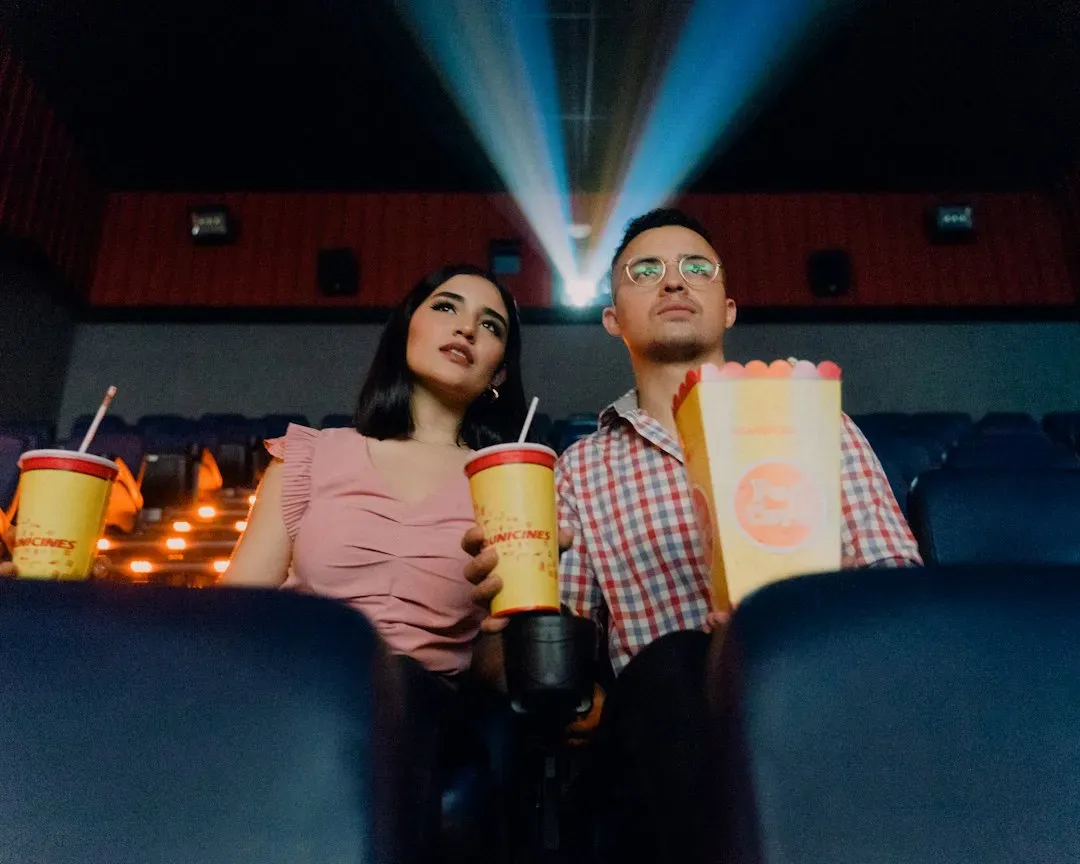
Before the trailers began, many theaters ran a rotating series of still slides. They advertised local restaurants, car dealers, and other businesses, often set to quiet background music.
Those slides have mostly been replaced by polished digital pre shows. These typically blend trivia, brand commercials, and theater announcements, all delivered through the same digital system that plays the movie.
Short Films and Cartoons Before the Feature
The old tradition of pairing a main feature with a short subject, like a cartoon, faded long before the 1990s, though traces remained. Many families remember a short animated film running ahead of a children’s movie.
Today’s shorts are rare and usually tied to a major animated release. Most audiences now sit through trailers and advertising instead, with an actual short film being the exception.
Newspaper Showtime Listings
Before the internet became the default, people opened the newspaper to find out what was playing and when. Theaters paid for large listings in the entertainment section, and the pages were often circled or folded over for the weekend.
Websites and apps took over this job, offering real time schedules, seat maps, and trailers. Some papers still carry movie listings, but they no longer serve as the main way people plan a night out.
The Moviefone Phone Line
Moviefone began in the late 1980s as a phone service where callers could hear showtimes and buy tickets by using their keypad. The memorable number, 777-FILM, was a fixture in many American cities during the 1990s.
The service eventually gave way to online ticketing and smartphone apps. The Moviefone name survived as a website and brand, but the phone menu that once guided millions of moviegoers is a relic of the pre smartphone age.
Lobby Pay Phones
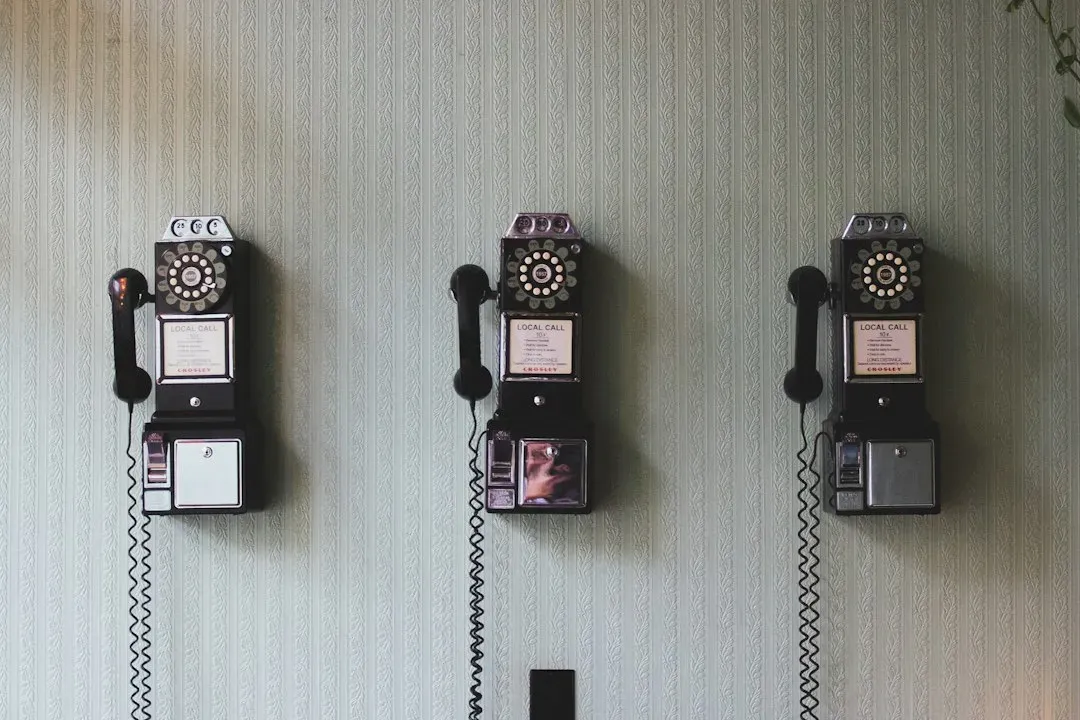
A bank of pay phones once stood in nearly every theater lobby, handy for calling a ride or checking in with a babysitter. Teenagers dropped coins in to arrange pickup after a late show.
Mobile phones made them unnecessary, and public pay phones declined sharply across the country. Theaters now spend that floor space on charging stations, kiosks, and expanded concession areas.
Paper Tickets and Torn Stubs
For decades, a ticket seller handed over a small paper ticket, and an usher at the door tore it in half. People often kept the stub as a keepsake of a particular film or first date.
Mobile ticketing now lets customers scan a code from their phone, and many theaters have reduced or removed staffed ticket takers. Paper tickets still exist at box offices, but the torn stub ritual has largely faded.
Sit Anywhere Seating
Throughout the 1990s, most American theaters offered open seating on a first come, first served basis. That meant arriving early to claim a good spot for a popular opening weekend.
Reserved seating has since become common, especially as theaters installed plush recliners and sold tickets online. Choosing your seat in advance takes away the scramble, though it also takes away the old habit of showing up half an hour early.
Partner offer
Planning a trip to Vegas?
Compare hotel rates and show tickets on VEGAS.com.