
There’s something quietly extraordinary about the act of writing a book. Most people assume the transformation happens to the reader. They open the first page, journey through the pages, and close the cover as a slightly different person. But what if the most profound change happens to the one holding the pen?
History is full of authors who sat down to write one thing and ended up rewriting their own lives entirely. A memoir meant for closure that forced a reckoning. A novel that turned a broke, struggling mother into a literary phenomenon. A hike documented on paper that brought a woman back from the edge. These are not feel-good myths. They are real, documented, verifiable stories. Let’s dive in.
1. “Eat, Pray, Love” by Elizabeth Gilbert – A Divorce That Launched a Global Journey

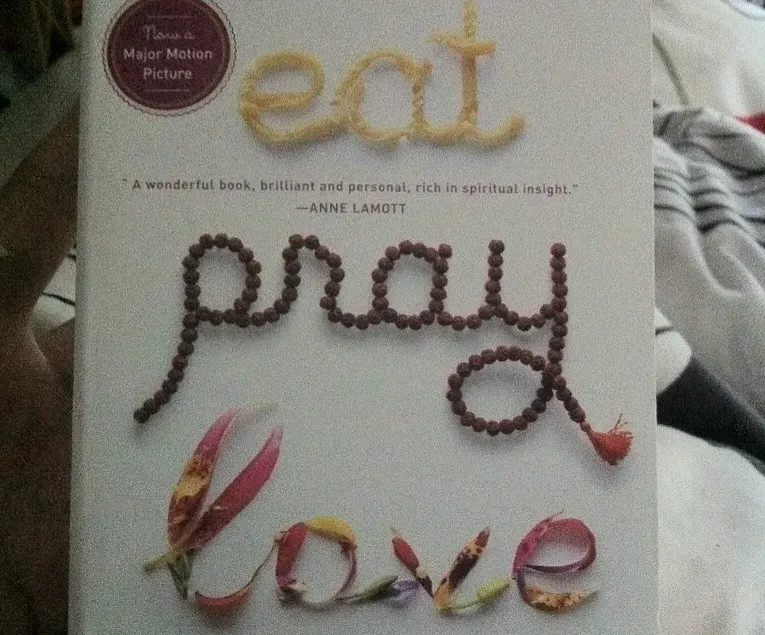
Eat, Pray, Love explores what happens when writer Elizabeth Gilbert experiences a midlife crisis. When divorce and depression come calling, she goes on a journey of self-discovery, traveling around the world for one year. Honestly, the premise sounds simple. But the process of writing it all down was anything but.
In 2006, Gilbert published the book as a chronicle of her year of spiritual and personal exploration spent traveling abroad, and she financed her world travel with a $200,000 publisher’s advance after pitching the concept in a book proposal. That advance wasn’t just money, it was a committed bet on her own recovery. The memoir appeared on the New York Times Best Seller list of nonfiction in the spring of 2006 and was still number two on the list 88 weeks later, in October 2008. Her 2006 memoir has sold over 30 million copies and has been translated into over 30 languages.
2. “Wild” by Cheryl Strayed – Grief, Heroin, and 1,100 Miles of Truth


Strayed said Wild was her attempt at writing the truth about her grief over her mother’s death. She took a trek across the Pacific Crest Trail, an approximately 2,600-mile route stretching across California, Oregon and Washington, and she said the grief over the death of her mother gave her the radical permission to set out alone into the wild.
In the memoir, she interweaves the back story of losing her mother and losing her way as she spiraled into affairs, heroin, divorce, and unresolved grief. The act of putting all of that onto paper was its own form of surgery. Wild exemplifies a kind of raw, unvarnished balance – readers empathize with her grief and her physical and emotional journey on the Pacific Crest Trail because of her honest reflections on loss and recovery. It’s not just about hiking. It’s about healing.
3. “Educated” by Tara Westover – Writing to Understand What Happened to Her

Westover decided to write the book after she confronted her parents about her brother’s abuse, and the resulting conflict led to her becoming estranged from some members of her family. She began searching for stories to help her understand what had happened. Here’s the thing: writing the book wasn’t a career move. It was survival.
Tara Westover was 17 the first time she set foot in a classroom. Born to survivalists in the mountains of Idaho, she prepared for the end of the world by stockpiling home-canned peaches. In the summer she stewed herbs for her mother, a midwife and healer, and in the winter she salvaged in her father’s junkyard. Her father forbade hospitals, so Tara never saw a doctor or nurse. Her first book, Educated, debuted at number one on the New York Times bestseller list and remained on the list in hardcover for more than two years. The book was a finalist for a number of national awards, including the Los Angeles Times Book Prize, the PEN/Jean Stein Book Award, and the National Book Critics Circle Award. To date it has been translated into more than forty-five languages.
4. “Angela’s Ashes” by Frank McCourt – A Retired Teacher Writes Through Decades of Pain

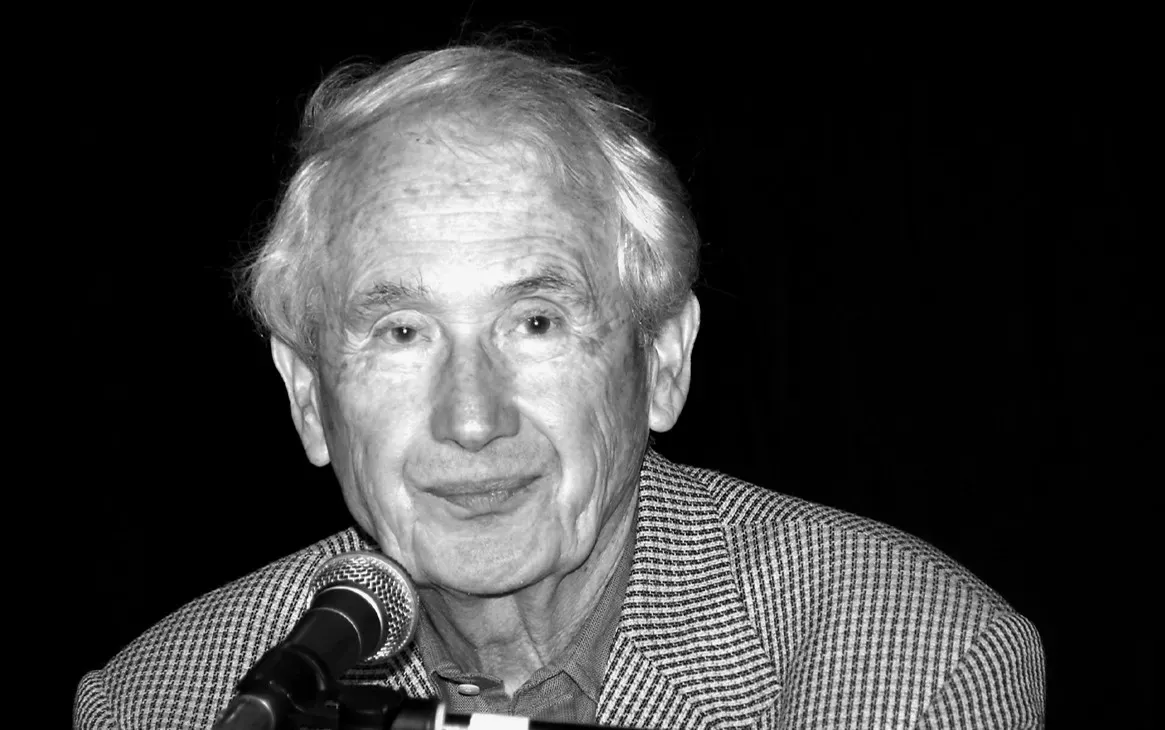
After retiring from teaching, McCourt finally sat down to write. Angela’s Ashes, his memoir of growing up poor in Ireland, was published in 1996 when McCourt was sixty-six years old. The book won the Pulitzer Prize, the National Book Critics Circle Award, and spent over two years on the bestseller list.
McCourt’s thirty years in the classroom had given him a storyteller’s instincts – he knew how to hold an audience – and his decades of distance from the material allowed him to write about trauma with humor and grace rather than bitterness. That is a remarkable thing to pull off. He didn’t just write a book. He finally found a voice he had been quietly sharpening for the better part of his life. It arguably gave him the freedom, the recognition, and the identity he had deferred for decades.
5. “Frankenstein” by Mary Shelley – An 18-Year-Old Who Changed Science Fiction Forever

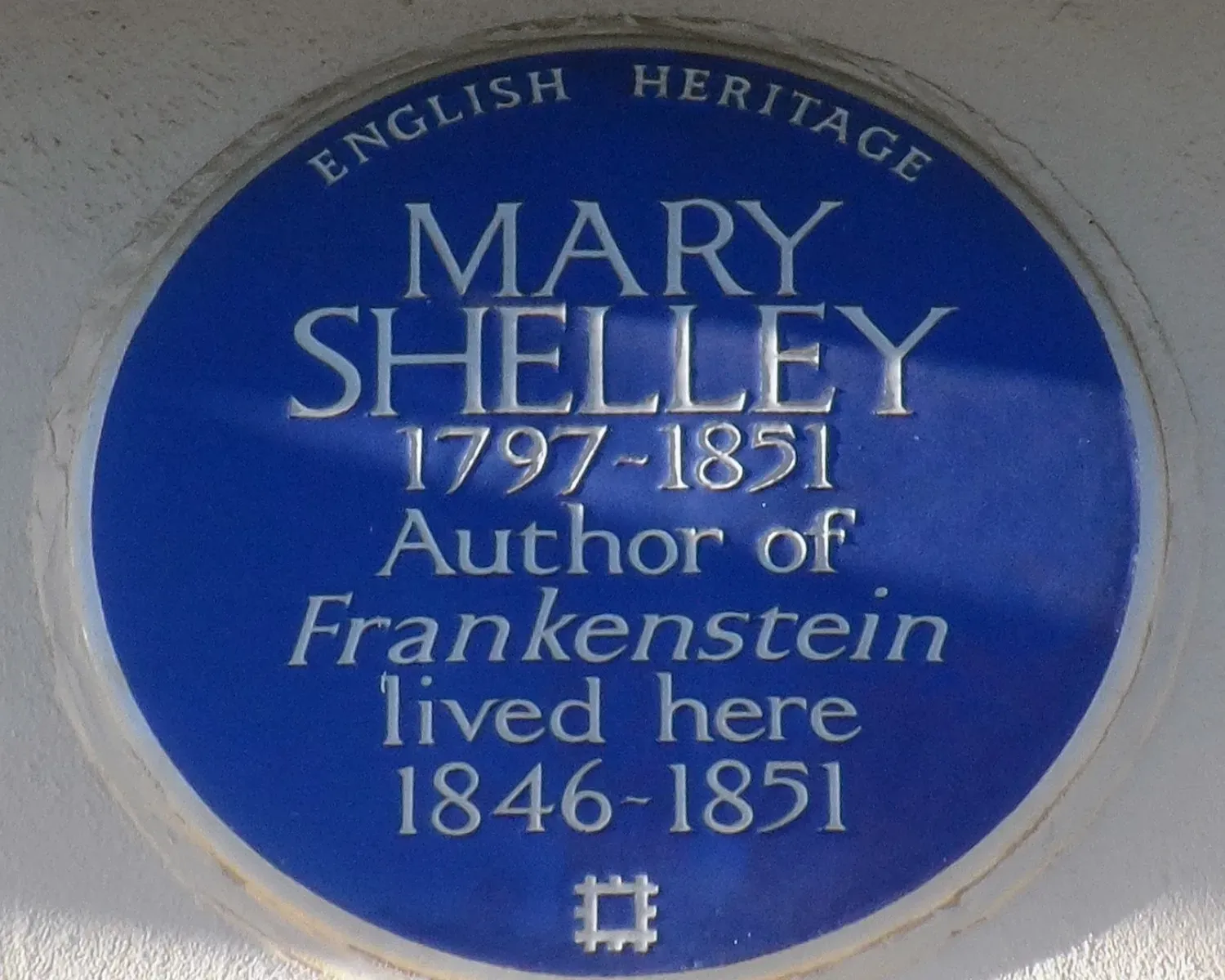
Mary Shelley completed her draft of Frankenstein at the young age of eighteen, publishing it anonymously two years later. This groundbreaking novel that blends creation, ambition, and scientific ethics is now regarded as one of the earliest science fiction works, pushing the boundaries of literature and science.
Writing the novel forced Shelley – already living an unconventional, philosophically charged life with Percy Shelley and Lord Byron – to confront the ethics of creation, the loneliness of the monstrous, and the responsibility one carries after bringing something entirely new into existence. The book transformed her from a teenager on a rainy holiday challenge into the recognized mother of a whole genre. It’s hard to say for sure how consciously she understood that shift at the time. The writing itself seems to have made it undeniable.
6. “The Hobbit” by J.R.R. Tolkien – A Scribbled Sentence That Built a Universe

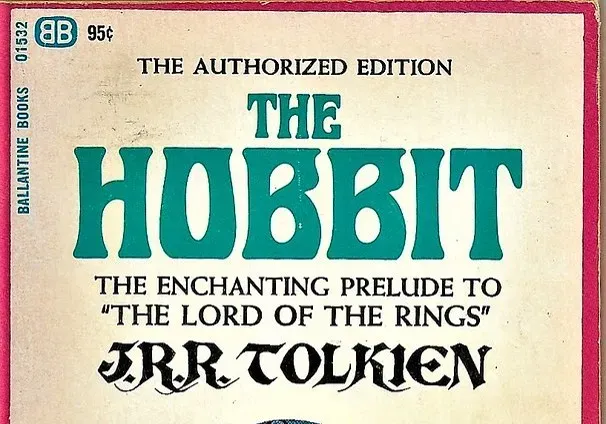
J.R.R. Tolkien was a professor of Anglo-Saxon at Oxford, a scholar of medieval literature, and a devoted father of four when he began scribbling a sentence on a blank page while grading student exams: “In a hole in the ground there lived a hobbit.” He didn’t know what a hobbit was, but he spent the next several years finding out.
The Hobbit was published in 1937, when Tolkien was forty-five. Its success led his publisher to request a sequel, which took Tolkien twelve years to complete. That one idle sentence pulled Tolkien out of academic anonymity and into something far grander. Tolkien’s extraordinary imagination set a high standard for world-building in literature, and his expertise in language is evident in the creation of Elvish languages like Quenya and Sindarin, a nod to his academic background as a professor of Anglo-Saxon at Oxford University. The act of creating Middle Earth fundamentally shaped who he was as a thinker, a father, and a cultural figure.
7. “Little House in the Big Woods” by Laura Ingalls Wilder – Writing Began in Her Sixties


Laura Ingalls Wilder lived the stories that would make her famous: the covered wagon journeys across the American frontier, the one-room schoolhouses, the brutal winters, the simple pleasures of family life on the prairie. But she didn’t begin writing about them until she was in her sixties. Wilder had worked as a farm wife, a seamstress, and a columnist for a Missouri farm journal. In 1930, at the urging of her daughter Rose, she began transforming her childhood memories into narrative.
Little House in the Big Woods was published in 1932, when Wilder was sixty-five years old. Over the next eleven years, she published eight more books in the Little House series. The books have sold over sixty million copies and remain beloved by readers around the world. Writing those books transformed a farming grandmother into one of the most beloved American storytellers of all time. She essentially lived two entirely different lives, the one she survived and the one she wrote about. Both turned out to be extraordinary.
8. “Tropic of Cancer” by Henry Miller – A Broke Expatriate Who Found His Voice in Paris

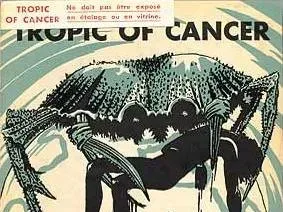
Tropic of Cancer was published in Paris in 1934, when Miller was forty-four. The book was immediately banned in the United States and wouldn’t be legally available there for nearly thirty years. Miller didn’t care. He had finally found his voice: raw, exuberant, uncompromising. The decades of failure had taught him what he didn’t want to write, and the freedom of having nothing left to lose taught him how to write what he did.
Writing Tropic of Cancer was, for Miller, a full shedding of the person he used to be. It didn’t make him rich or conventionally successful right away. What it gave him was something more durable: an authentic self, expressed without apology. That is its own kind of life-changing event, and it’s one that even a bestseller list can’t fully capture.
9. “Man’s Search for Meaning” by Viktor Frankl – Survival Documented Became Survival Philosophy

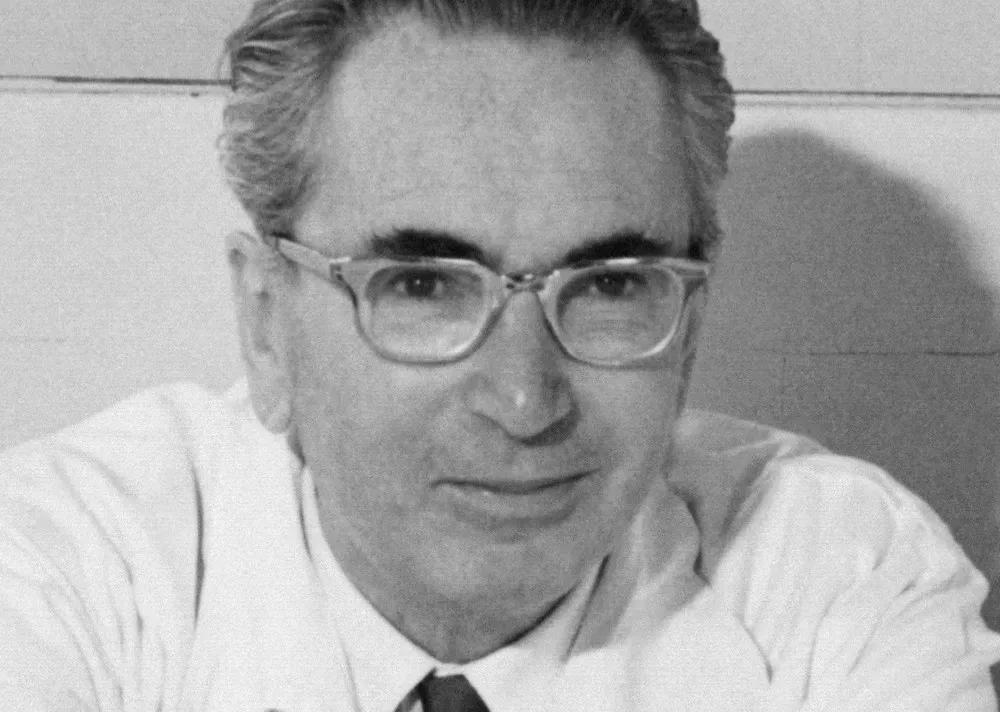
Memoirs like Viktor Frankl’s Man’s Search for Meaning serve as legacies that honor their authors’ lives and also contribute to a wider collective cultural legacy. Frankl wrote the book in just nine days after surviving the Nazi concentration camps, reconstructing manuscript pages that had been destroyed by his captors. Frankl discovered how life can still be worth living, even when incarcerated in a Nazi concentration camp, and the act of writing taught so much about life’s meaning.
The process of writing the book forced Frankl to structure and articulate his philosophy of logotherapy – the idea that meaning, not pleasure, is the primary human motivator. Writing was not just catharsis. It was the crystallization of an entire worldview that he would go on to teach, practice, and refine for the rest of his life. The book has since sold tens of millions of copies and is consistently ranked among the most influential works of the twentieth century.
10. “Just Kids” by Patti Smith – A Musician Who Discovered She Was Also a Writer

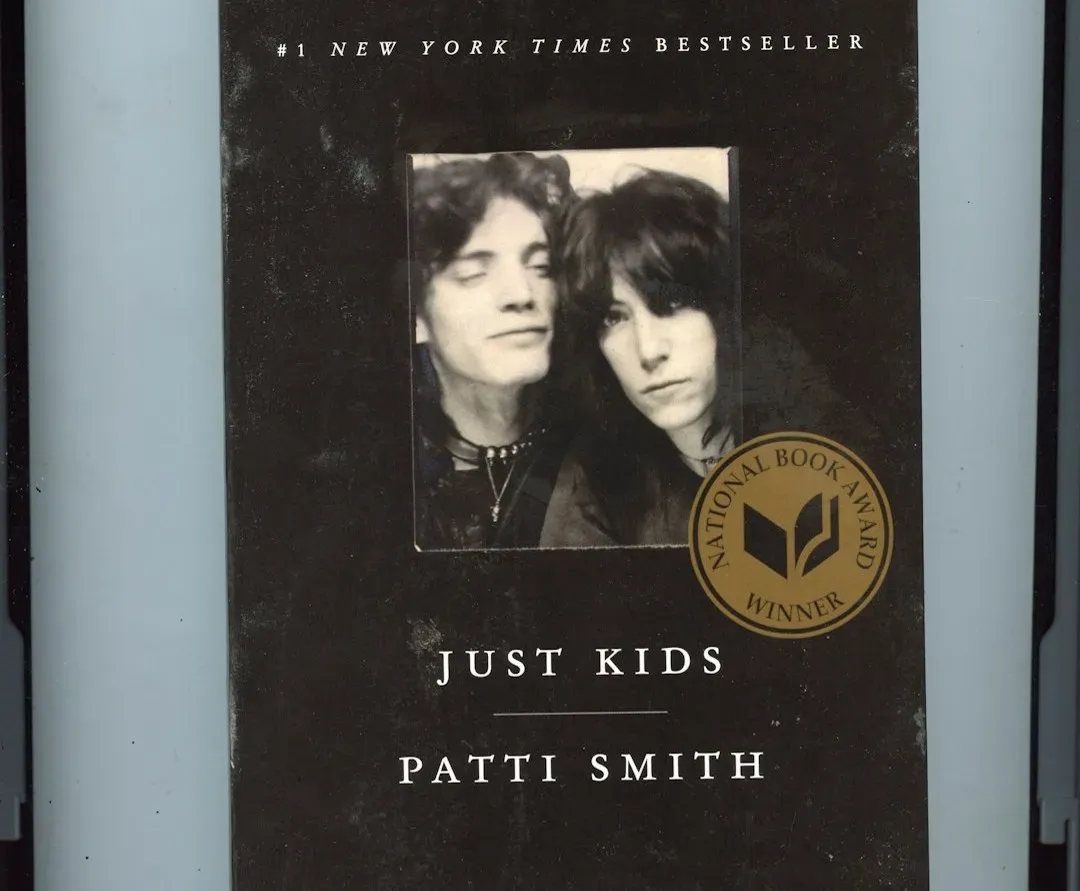
Patti Smith is a musician and poet, and in Just Kids, she takes a stab at writing prose. The book tells of her romance with photographer Robert Mapplethorpe. She also explores life in New York City in the 1960s and 1970s. It is a fascinating look at the artist and the time period.
Many fans of the artist picked up this book because they love her music, only to find that Patti Smith also clearly knows how to write a memoir well. The book won the National Book Award for Nonfiction in 2010. For Smith, the act of writing Just Kids was a confrontation with grief and with Mapplethorpe’s memory. It forced her to revisit her own origin story as an artist, and in doing so, she discovered and solidified an entirely different creative identity that ran alongside her music all along.
11. “Becoming” by Michelle Obama – Writing as an Act of Reclaiming a Self


In Michelle Obama’s Becoming, pivot points include milestones such as leaving her working-class roots to attend Princeton, meeting Barack Obama, and navigating life in the public eye. Each moment builds upon the last, creating a sense of movement and meaning.
The memoir, published in 2018, sold over seventeen million copies in its first year, making it one of the best-selling memoirs ever published. For Obama, the writing process was reportedly a deep act of self-reclamation after years of being defined almost entirely through someone else’s role and career. Writing a memoir can be a transformative experience that enables reflection on one’s life and allows a unique story to be shared. Obama has spoken about how putting her story into her own words for the first time reshaped how she understood her own journey, apart from the political narrative that had surrounded her for decades.
12. “The Diary of a Young Girl” by Anne Frank – A Child’s Writing That Outlived Everything


The Diary of Anne Frank was published by the young author’s father after her death in a concentration camp; her story has since been published in 70 languages, turned into a play, adapted for the screen, and included in a handful of lists of top books of the twentieth century.
Anne Frank didn’t write a book in the traditional sense. She wrote to survive psychologically, to hold onto her sense of self while hidden in a secret annex in Amsterdam. The act of writing gave her an outlet, an identity, a voice that refused to be silenced even in the most impossible of circumstances. The right book, it’s said, can change your life. Some books can alter perceptions of the world, or let a reader see life from a perspective they may never have considered before. Anne Frank’s diary is the most profound proof of that claim, because it changed the life of its author while she was still writing it, giving her days a sense of purpose and meaning that no amount of fear could extinguish.
What strikes you most about these stories is the pattern underneath them all. Not one of these authors sat down knowing what would emerge. In the best narrative memoirs, the writer finds a way to see themselves as the protagonist of their own story. They manage to step outside of the events of their lives to see the arc of change or transformation they have experienced, and they capture that arc on the page. Writing, it turns out, is not just an act of recording a life. At its most powerful, it is the act of living one.
What book do you think changed its author even more than it changed its readers? Tell us your thoughts in the comments below.