


Ever notice how mass-produced stuff all starts to look the same after a while? There’s something undeniably special about walking through rows of tents where real people are creating, demonstrating, and selling work that comes straight from their hands and hearts. Craft fairs aren’t just shopping events anymore. They’ve evolved into cultural celebrations where traditional techniques meet contemporary creativity, and where communities gather to preserve skills that might otherwise disappear.
Over 65 percent of Americans actually prefer unique, handmade items more than mass-produced ones, which honestly makes sense when you think about it. These festivals showcase everything from pottery and metalwork to fiber arts and wood carving, all while keeping heritage alive for future generations.
Santa Fe International Folk Art Market: A Global Village in New Mexico

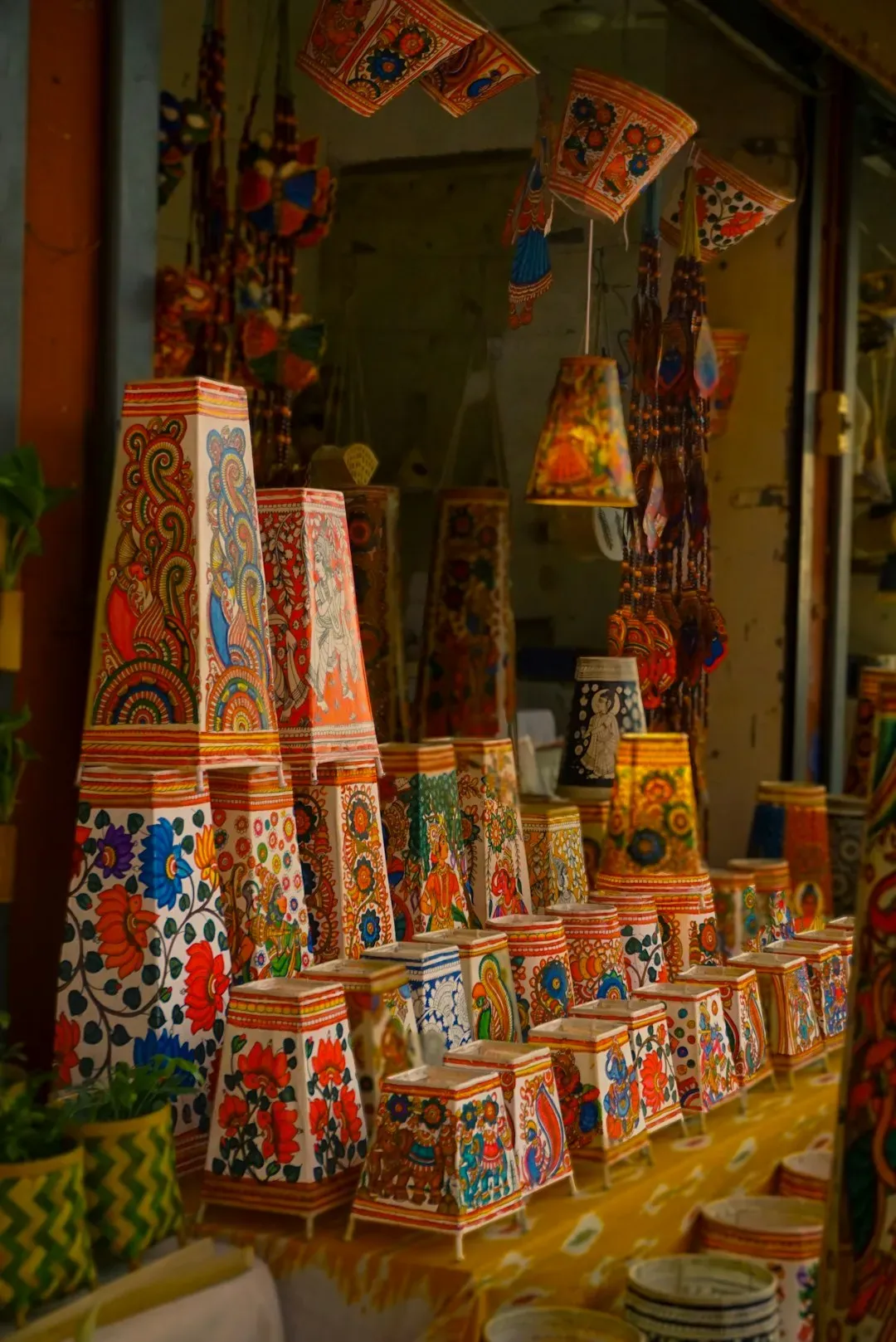
The International Folk Art Market is the largest juried folk art market in the world, with over 160 artists from over 50 countries gathering for a celebration of the handmade, joining over 13,000 visitors to discover the world in one place. Held each July at Santa Fe’s Railyard Park, this isn’t your typical craft fair. This quintessentially New Mexican cultural art event attracts over 20,000 visitors from around the world annually, with the Santa Fe Railyard Park events venue providing the perfect backdrop for this international celebration.
What makes this market truly remarkable is its impact. Since 2004, the International Folk Art Market has hosted more than 1,000 master folk artists from 100 countries in the world’s largest exhibition and sale of works by master folk artists, with artist earnings exceeding $31 million and impacting more than one million lives in the communities they represent. The 2025 market was particularly successful. Officials announced a record-breaking $3.88 million in sales during its 21st annual market earlier this month, outpacing last year’s record sales of $3.64 million. Of the 150 exhibitors at this year’s market, 39 were new artists and one new country, Austria, was represented.
Part of the magic lies in meeting the artists face-to-face. You’re not just buying a basket or textile – you’re hearing about the village cooperative it supports, the grandmother who taught the technique, the natural dyes harvested from local plants. Over 1,400 dedicated volunteers help create this renowned market every year, volunteering over 40,000 hours of work.
Philadelphia Museum of Art Contemporary Craft Show: Nearly Five Decades of Excellence

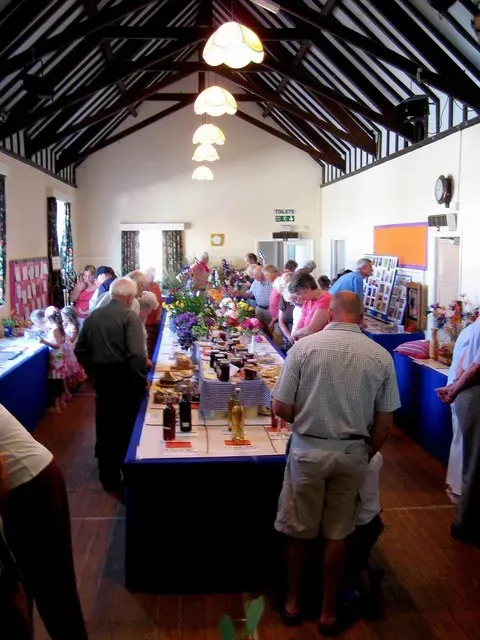
Now in its 50th year, the Philadelphia Museum of Art Contemporary Craft Show features unique, one-of-a-kind works by artists from across the United States, and when you purchase a ticket to the Show or become a sponsor you are directly supporting the work of the Philadelphia Museum of Art, with the Craft Show contributing more than $15 million to the museum over the past 48 years. This annual November event at the Pennsylvania Convention Center has become a Philadelphia institution.
Established in 1977, the PMA Craft Show was launched as the first retail craft show organized by a volunteer committee to benefit a non-profit institution, and over its history, the Craft Show has evolved into a premier platform for craft education featuring symposia, artist demonstrations, tours, exhibitions, and guest artist programs representing various countries. The scale is impressive. The 2025 Show welcomed 195 talented artists representing 13 diverse categories of craft and design to the Pennsylvania Convention Center, with all work for sale and artists receiving 100% of their sale proceeds.
The show also spotlights international talent through special programs. In 2024, visitors found jewelry, leatherwork, and glass spanning 24 different artists from Italy. Let’s be real, where else can you talk directly with master craftspeople about their process while supporting a major museum’s programming?
Tennessee Craft Fair: Celebrating Appalachian Artistry

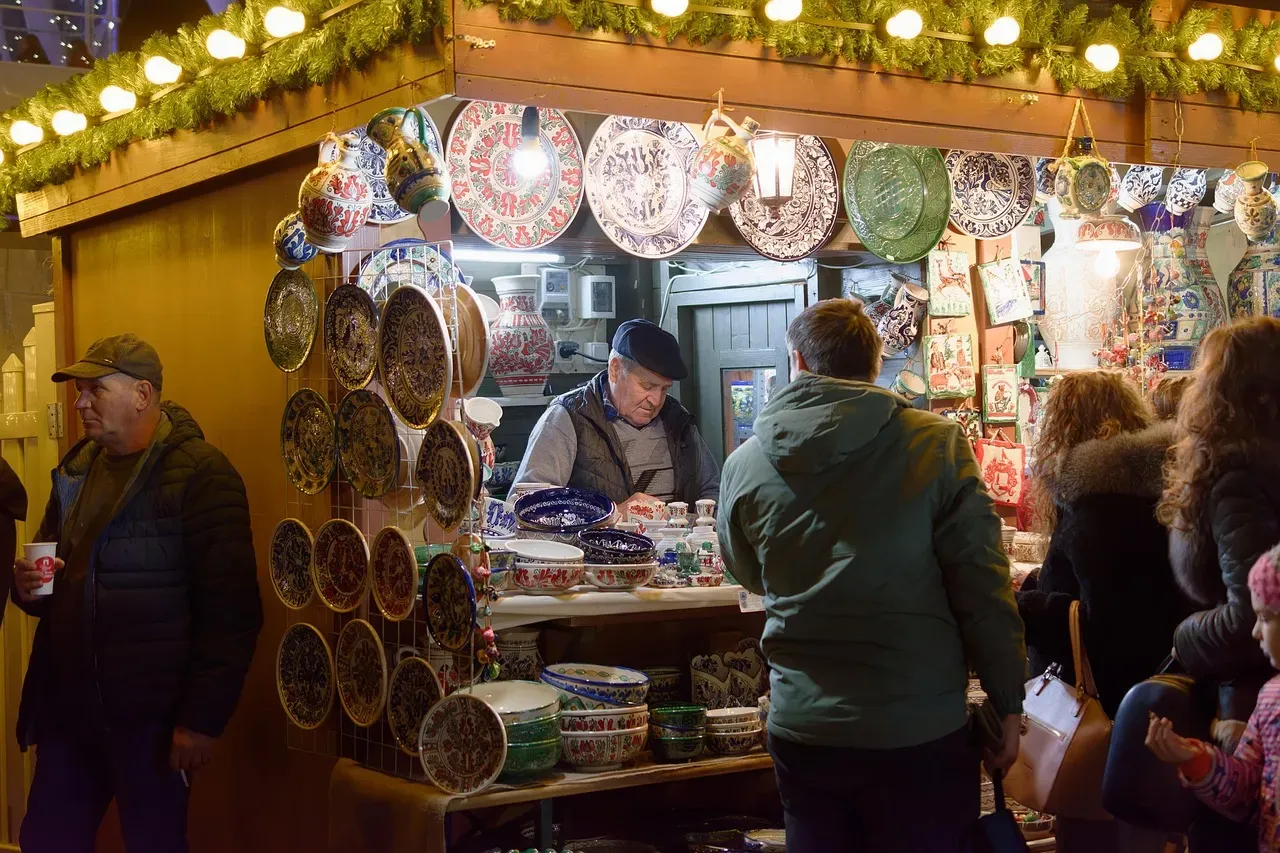
Nashville’s Centennial Park transforms each spring and fall for Tennessee Craft Fairs, events that have been connecting artists and audiences since the organization’s founding in 1965. The show is ranked in the top 25 of premier craft art fairs in the country, attracting approximately 45,000 visitors annually, presenting traditional and contemporary fine craft handmade by approximately 190 individual artists.
A unique feature of Tennessee Craft Fairs requires artists to be on-site, so while shopping, you’ll meet the artists, learn what inspires them and how they take raw materials like clay, wood, metal and glass and transform them into fine craft. This face-to-face interaction changes the entire shopping experience – suddenly you’re not just buying a bowl, you’re investing in someone’s creative journey.
In addition to the array of high quality craft, visitors enjoy fun hands-on activities in a Kids’ Tent, food from area vendors and demonstrations from artisans aimed to educate as they create pieces in front of your eyes. The fair runs free to the public, which makes it accessible to families who might not otherwise engage with fine craft. Eligibility is open to all artists who reside in Tennessee and its contiguous states, keeping the focus on regional talent.
Shaker Village Craft Fair: Honoring Kentucky’s Living Heritage

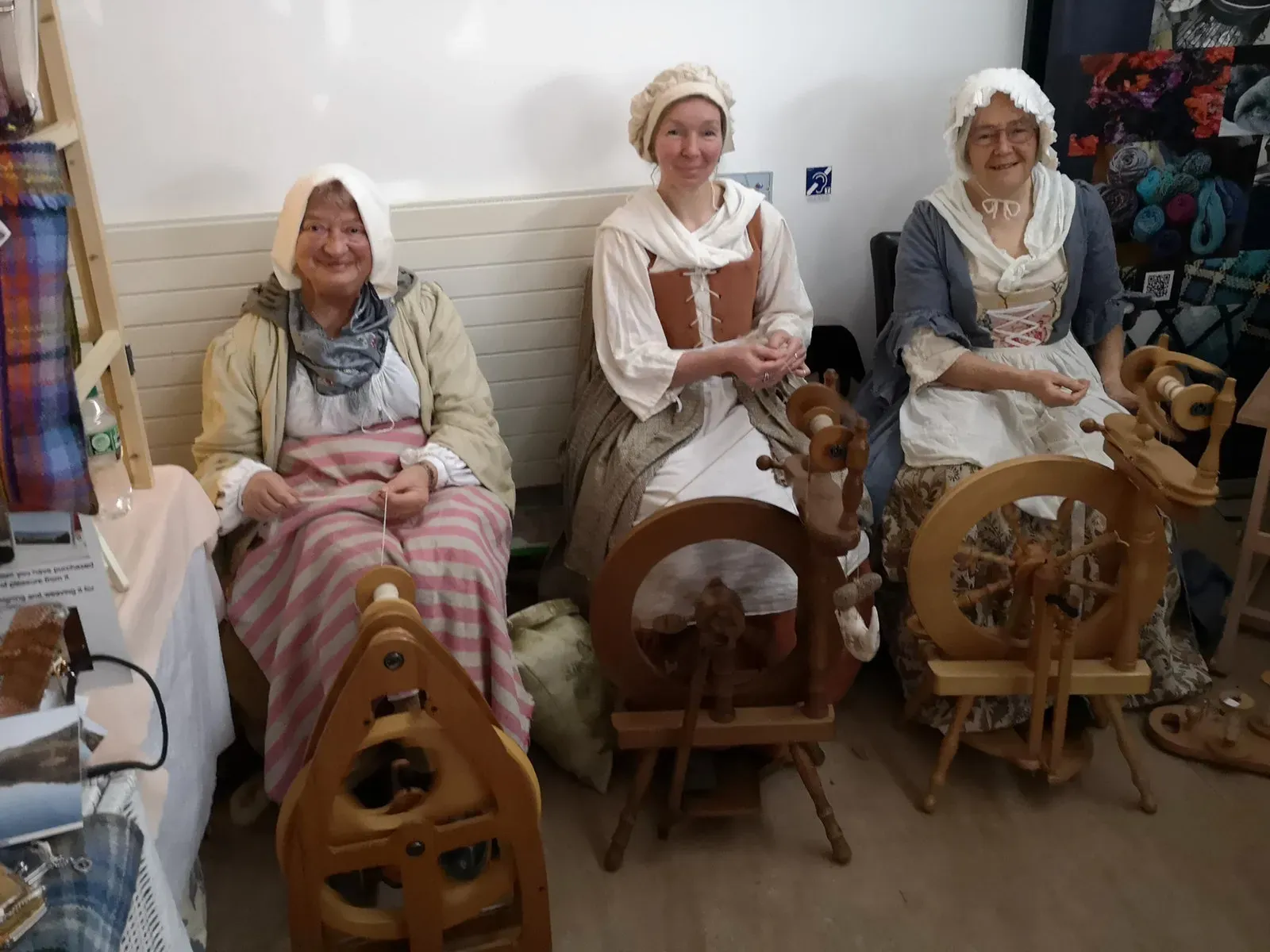
One of Kentucky’s premier craft events, the Shaker Village Craft Fair attracts the elite among regional artisans, as well as up-and-coming new artists, with this annual event boasting an assortment of crafts including exceptional pottery, jewelry, glassware, woven rugs, needlecraft, basketry, leather goods, floral design and Shaker reproductions. The setting itself adds authenticity – imagine browsing handcrafted work while surrounded by historic Shaker architecture and philosophy.
The Shakers were known for their commitment to simplicity, functionality, and beautiful craftsmanship, values that still resonate today. Modern artisans exhibiting here often draw inspiration from these principles, creating work that’s both practical and aesthetically refined. The fair takes place at the historic Shaker Village near Harrodsburg, a location that’s been preserved to teach visitors about this unique American religious community.
Beyond the shopping, the atmosphere is festive. While on-site, visitors enjoy the Shaker Village Bar, live music and food trucks. It’s hard to say which is better – discovering a perfectly thrown ceramic mug or enjoying live bluegrass with the rolling Kentucky countryside as your backdrop.
Mountain Heritage Arts and Crafts Festival: West Virginia’s Autumn Tradition

The Jefferson County Chamber of Commerce invites visitors to enjoy the festival at Jefferson County WV Fairgrounds in the rolling countryside of Jefferson County, WV, where approximately 160-plus artisans and crafts persons carefully selected and prejudged demonstrate and showcase their work at this nationally acclaimed festival. This juried event ensures visitors encounter genuine artistry rather than mass-produced goods masquerading as handmade.
Visitors enjoy listening to the best live bluegrass music on Saturday and Sunday, taste wines from the area’s foremost wineries and WV Craft Beer and enjoy the many varieties of food that are available. The festival blends Appalachian musical traditions with craft heritage, creating a holistic cultural experience. There’s something about watching a blacksmith hammer glowing metal while bluegrass fiddles play nearby that connects you to generations of mountain artisans.
The fall timing is perfect – the West Virginia countryside blazes with autumn colors, and the cooler weather makes wandering between booths comfortable. This festival specifically emphasizes regional heritage, showcasing skills that have been passed down through Appalachian families for generations. From traditional basket weaving to contemporary interpretations of folk art, the range demonstrates how heritage evolves while staying rooted.
Westmoreland Arts and Heritage Festival: Pennsylvania’s Summer Showcase

The Mission of the Westmoreland Arts & Heritage Festival is to present exceptional visual arts, traditional crafts, educational activities, and live performing artists to enlighten, entertain, and enrich the community while preserving and demonstrating Pennsylvania’s historical and living cultural heritage. Held each July at Twin Lakes Park in Greensburg, this festival takes the concept of heritage preservation seriously.
Pennsylvania has rich craft traditions stemming from its diverse immigrant populations – German, Italian, Polish, and many others – who brought their artistic techniques to the region. This festival honors those roots while celebrating how they’ve blended and evolved into distinctly Pennsylvanian expressions. The educational component sets this festival apart, with workshops and demonstrations designed to teach visitors about both technique and cultural context.
The summer park setting makes this event particularly family-friendly. Kids can participate in hands-on activities while parents browse serious artwork, and everyone benefits from entertainment programming that includes traditional music and dance. According to the festival’s stated mission, it’s about more than transactions – it’s about community building and cultural transmission across generations. When you buy something here, you’re supporting an artist and helping ensure these skills don’t vanish.
What Makes Heritage Craft Fairs Matter

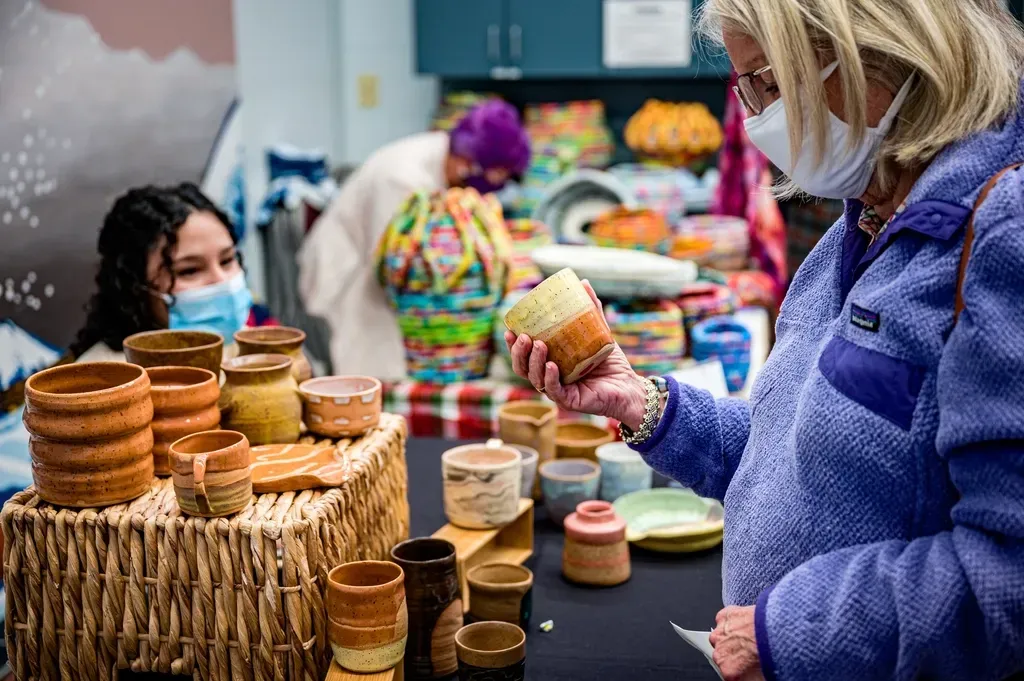
Artisanal craft exhibitions are vital for preserving traditional crafts, supporting local creative economies, giving emerging artists a platform, connecting communities, and celebrating makers’ skills. These festivals serve purposes far beyond commerce. They’re living museums where skills endangered by mass production find audiences who value authenticity over convenience.
Over 65% of Americans love unique, handmade items more than mass-produced ones, which suggests a cultural hunger for connection and meaning that factory-made goods simply can’t satisfy. When you attend these fairs, you’re voting with your presence and purchases for a different economic model – one where makers can support themselves through skilled work, where quality trumps quantity, where objects carry stories.
Honestly, there’s also something deeply satisfying about owning something made by human hands. That slight asymmetry in a hand-thrown pot, the subtle color variations in naturally dyed fiber, the knowledge that no two pieces are exactly alike – these “imperfections” are actually what makes handmade work perfect. Heritage craft fairs celebrate these qualities while ensuring the techniques survive for future artisans to learn, adapt, and pass forward. Did you ever think a shopping trip could actually help preserve cultural traditions?


