There is something deeply unsettling about sitting in a dark theater, feeling your spine tingle during a horror scene, and never once realizing that the music sending chills down your neck was written centuries ago. Classical composers weren’t writing soundtracks for Hollywood. They were pouring grief, obsession, and raw human darkness into concert halls. Yet their creations ended up becoming some of the most recognizable tools in cinematic terror. The connection between classical music and horror runs deeper, stranger, and more surprising than most moviegoers ever suspect. Get ready to look at your favorite classics – and your favorite scares – in a completely different light.
1. Toccata and Fugue in D Minor – J.S. Bach
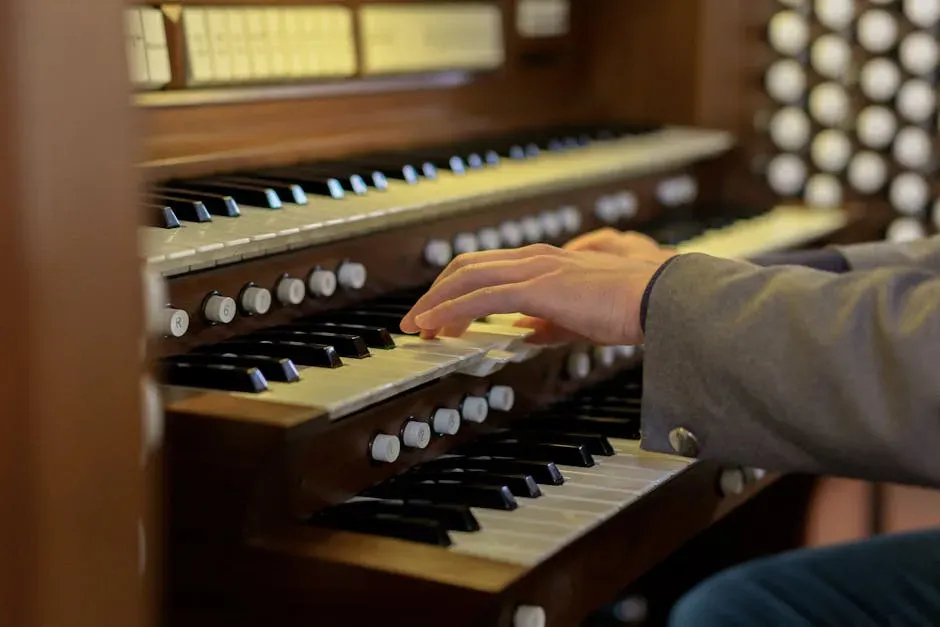
Few pieces of music scream “haunted mansion” louder than this one. Bach’s thunderous Toccata and Fugue in D minor has been used in classic horror films like The Black Cat and Dr. Jekyll and Mr. Hyde. It has become practically shorthand for Gothic dread, appearing whenever filmmakers want to signal madness, darkness, or evil genius.
Its bold opening and swirling fugue create an immediate atmosphere of suspense and unease, and according to a 2024 poll by Classic FM, this is the most recognized piece of organ music worldwide, largely thanks to its role in horror. It wasn’t until 1940 that it was included in Fantasia, which helped make Toccata and Fugue in D minor well known. Other films it has appeared in include Sunset Boulevard (1950), 20,000 Leagues Under the Sea (1954), and The Phantom of the Opera (1962).
2. Dies Irae – Gregorian Chant
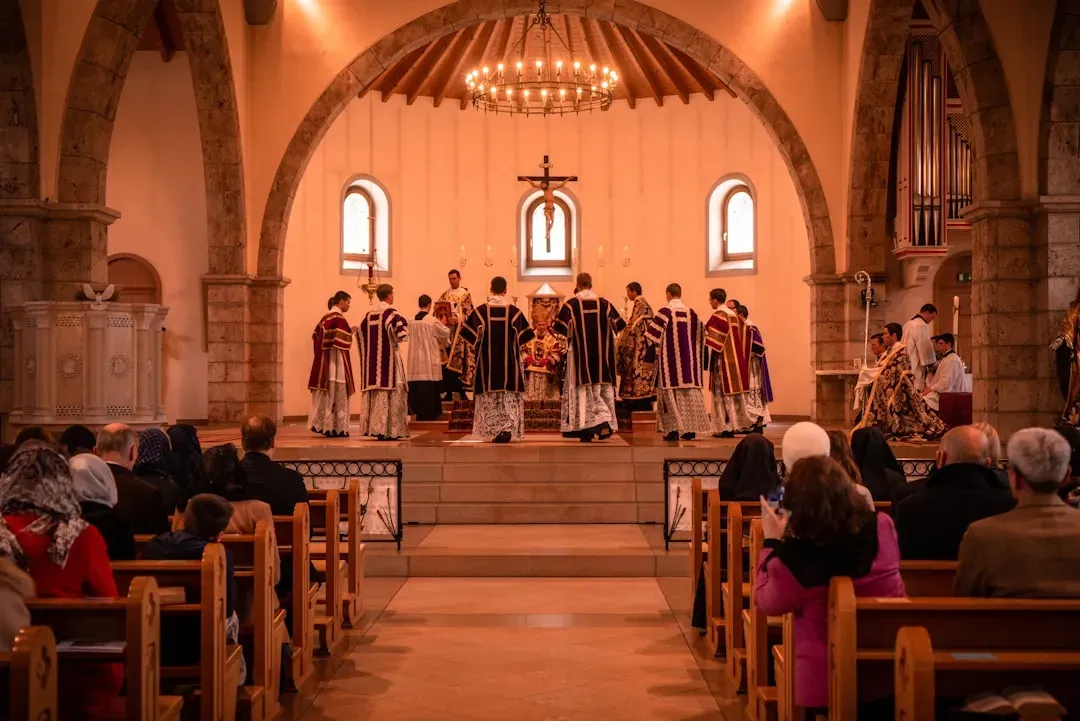
Here’s a piece of music so old, so deeply embedded in Western culture, that most people don’t even register it as a separate composition when they hear it in a film. Few musical phrases are as instantly chilling as the “Dies Irae,” a centuries-old Gregorian chant whose Latin name means “Day of Wrath,” a melody originally sung in Catholic funeral masses. It has become a kind of musical code for death and doom.
The Shining is one of the most recognizable horror films of all time, and many people can identify the use of the traditional liturgical chant “Dies Irae,” which is a key sound element to the film’s identity. The Shining heavily utilizes pre-existing music from classical composers such as Bartók, Ligeti, and Berlioz. Modern research into film music has shown that the human brain associates the chant’s structure with danger and the unknown, and recent horror films and even video games continue to borrow from this chant, using it as a kind of musical shorthand for impending doom.
3. Night on Bald Mountain – Modest Mussorgsky
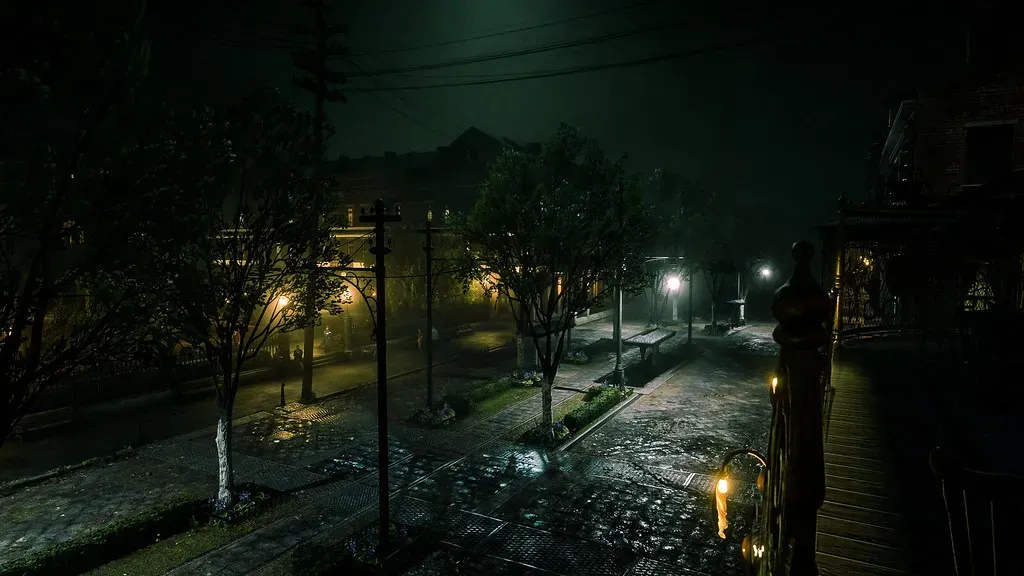
Modest Mussorgsky’s Night on Bald Mountain is menacing and macabre, with or without the Fantasia accompaniment. The piece was originally composed as a tone poem depicting a witches’ sabbath on a summer solstice night, full of spirits, demons, and ancient Slavic darkness. It predates cinema by decades, yet it feels almost designed for it.
The music was famously used in the 1940 Disney classic Fantasia, in which a yellow-eyed demon conjures up skeletons. Filmmaker Steven Spielberg claims that this sequence, more than any other, scared him as a child, thanks no doubt to the evocative music. Part of the orchestral version is also heard during the chase scenes at the Wicked Witch of the West’s castle in the 1939 film The Wizard of Oz. Honestly, it’s almost unfair how much terror one Russian composer managed to pack into a single composition.
4. Symphonie Fantastique (Dream of a Witches’ Sabbath) – Hector Berlioz
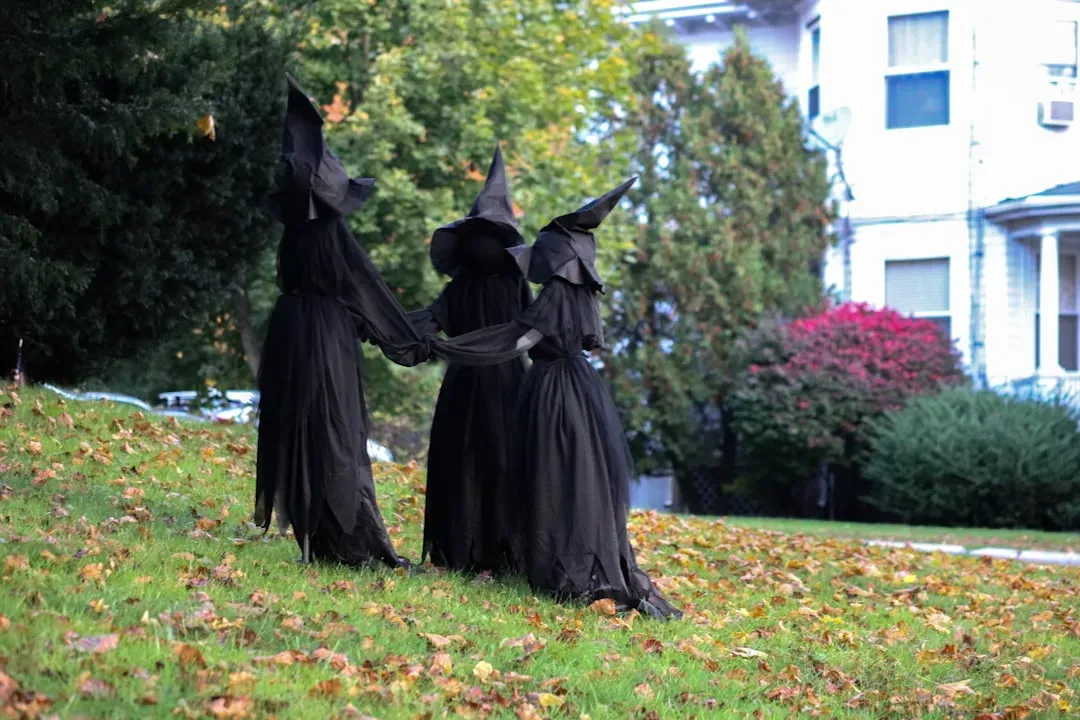
Symphonie Fantastique tells the story of a “sensitive artist” who poisons himself with opium in anguish over an unrequited love. Berlioz wrote it in 1830, and it is one of the strangest, most autobiographical pieces in the entire Romantic repertoire. The final movement, depicting a witches’ sabbath at the protagonist’s own funeral, is genuinely disturbing.
Berlioz uses a range of orchestral effects to create the scene of a midnight gathering of witches, skeletons, and creatures of the night, with violins using the backs of their bows to create the clattering of bones, the sound of a funeral bell, deliberately jarring harmonies, and outbursts of musical laughter. The music appears in horror films including The Shining and Sleeping with the Enemy. That it was born from romantic obsession makes it all the stranger and more unsettling.
5. “O Fortuna” from Carmina Burana – Carl Orff
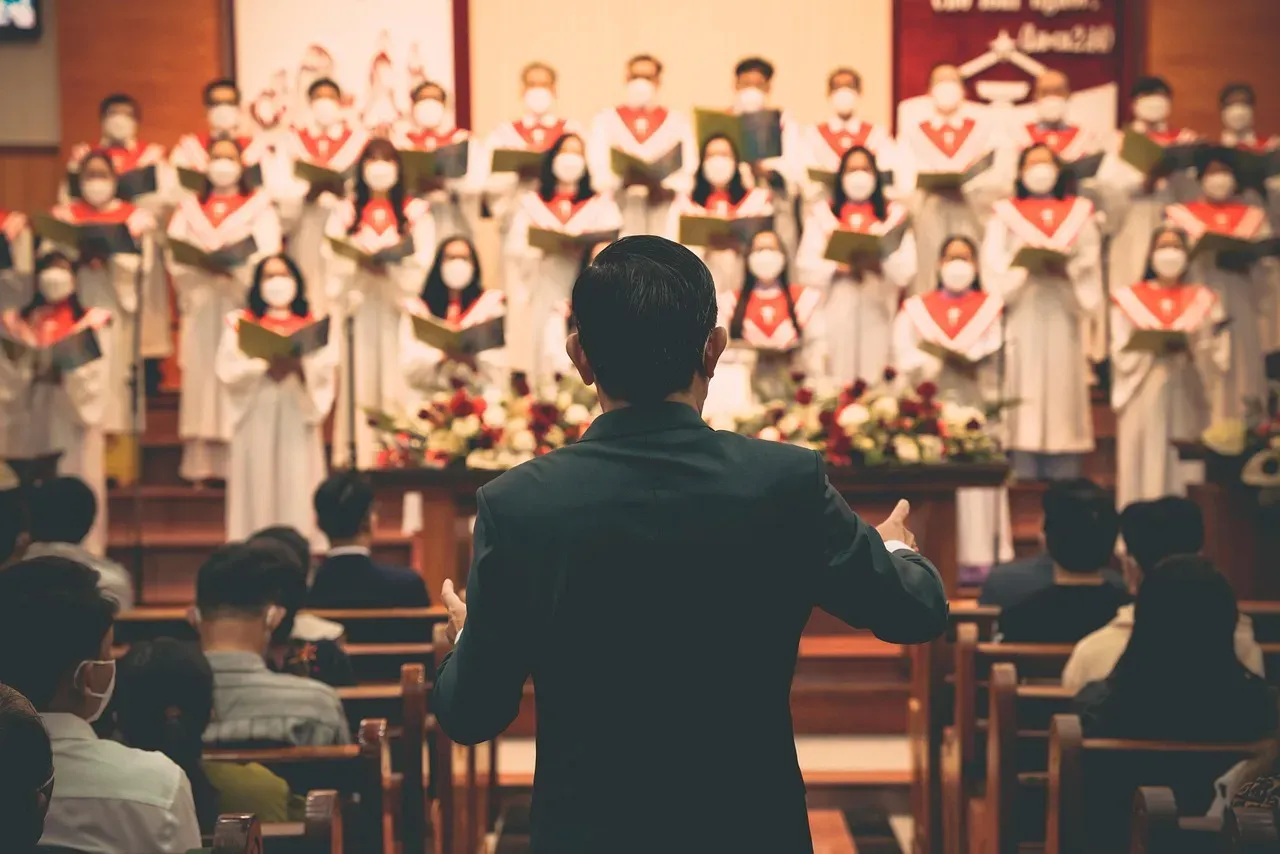
Let’s be real – the moment those thundering choral blasts open up, something instinctive shifts in your gut. O Fortuna, the thunderous opening of Carl Orff’s Carmina Burana, has become synonymous with scenes of chaos and doom. Its booming choir and relentless rhythm make it a fixture in horror movie trailers and climactic sequences, such as in The Omen and Bram Stoker’s Dracula (1992).
O Fortuna is based on a medieval Latin Goliardic poem written early in the 13th century. It is a complaint about Fortuna, the inexorable fate that rules both gods and men in Roman and Greek mythology. Some have called O Fortuna “the most overused piece of music in film history,” because you probably recognize it from many movies and commercials. Yet its power never truly fades, no matter how many times it appears.
6. In the Hall of the Mountain King – Edvard Grieg
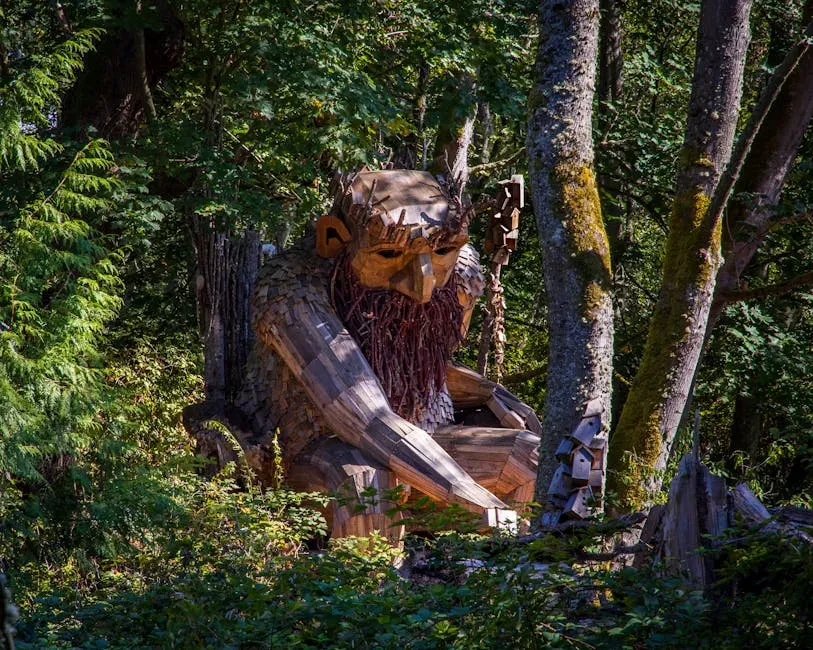
This movement from Grieg’s incidental music to Henrik Ibsen’s play is a quintessentially creepy piece of classical music. The accompanying scene comes in the play’s second act, when Peer Gynt approaches the throne of the monstrous, troll-like Mountain King. That escalating, almost unstoppable momentum is the key to its horror utility.
Edvard Grieg’s “In the Hall of the Mountain King” is a classic example of repetition used to create tension. The main theme is repeated and gradually builds in speed and intensity, creating a sense of unstoppable momentum that becomes increasingly frantic and ominous. The music appears in the horror films Demons, The Lost Boys: The Tribe, and Fritz Lang’s M. What makes it so deliciously creepy is that it sounds almost playful at first. Almost.
7. Requiem in D Minor (Lacrimosa) – Mozart
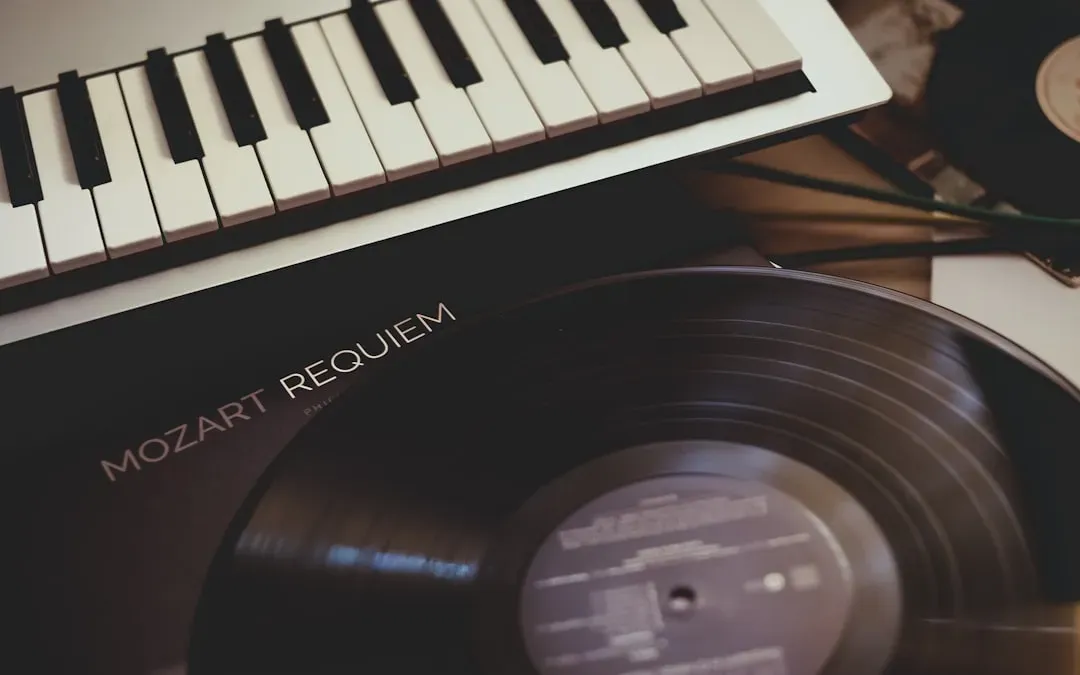
There is a story behind this piece that Hollywood couldn’t have scripted better. Originally commissioned by a cloaked stranger, the composer fell fatally ill during the writing process and even told his wife, Constanze, that he believed he was composing his own Requiem. That layer of real-life dread infuses every bar of the work.
Mozart only completed the first eight bars of the “Lacrimosa” before succumbing to his illness, and the haunting strains of the remainder were filled in by Franz Xaver Süssmayr. Mozart’s Requiem in D Minor is often hailed as one of the most moving and mysterious works in classical music, and it’s no surprise that its “Lacrimosa” movement finds its way into some of cinema’s darkest moments. The fact that a dying composer may genuinely have been writing his own funeral music makes it hard to listen to without feeling something.
8. Atmosphères – György Ligeti
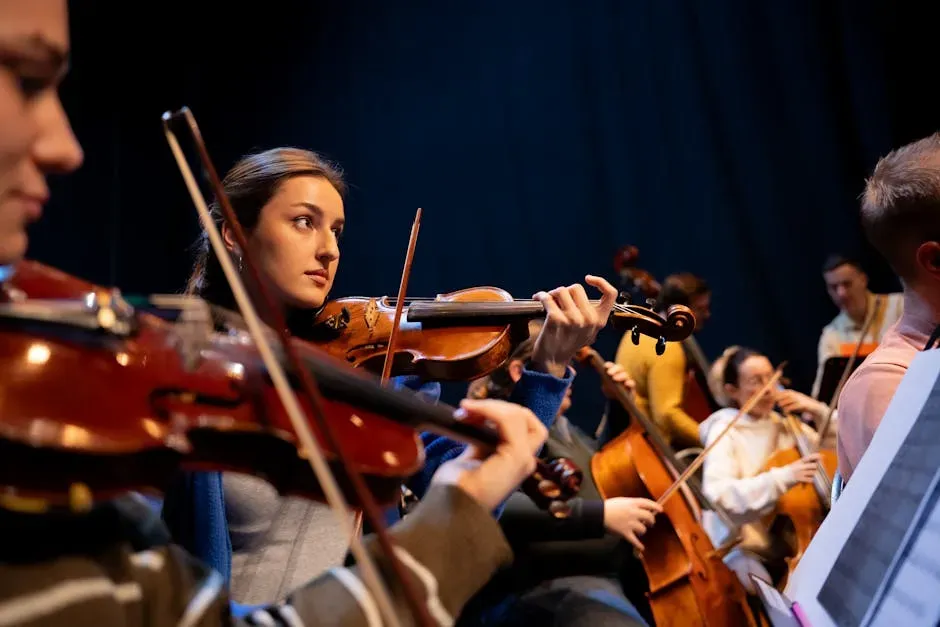
There are some pieces of music that sound as if they’ve come from another planet. György Ligeti’s Atmosphères is one of those pieces, an orchestral work from 1961 that sounds like nothing most listeners had ever heard. It was composed using a technique called micropolyphony, dense layers of independent voices creating a single unsettling mass of sound.
Ligeti’s music clearly had an effect on Kubrick, who decided to use it in his 1968 film 2001: A Space Odyssey. Kubrick had asked the film composer Alex North to write a soundtrack for 2001 but decided in post-production that he wouldn’t use any of North’s music. Instead, Kubrick chose a selection of classical pieces including four by Ligeti, though unfortunately he never asked Ligeti’s permission to use his music. Ligeti sued Kubrick and in the end received the grand sum of $3,000. I know it sounds outrageous, but it’s true.
9. Penderecki’s Works – Used in The Shining and The Exorcist
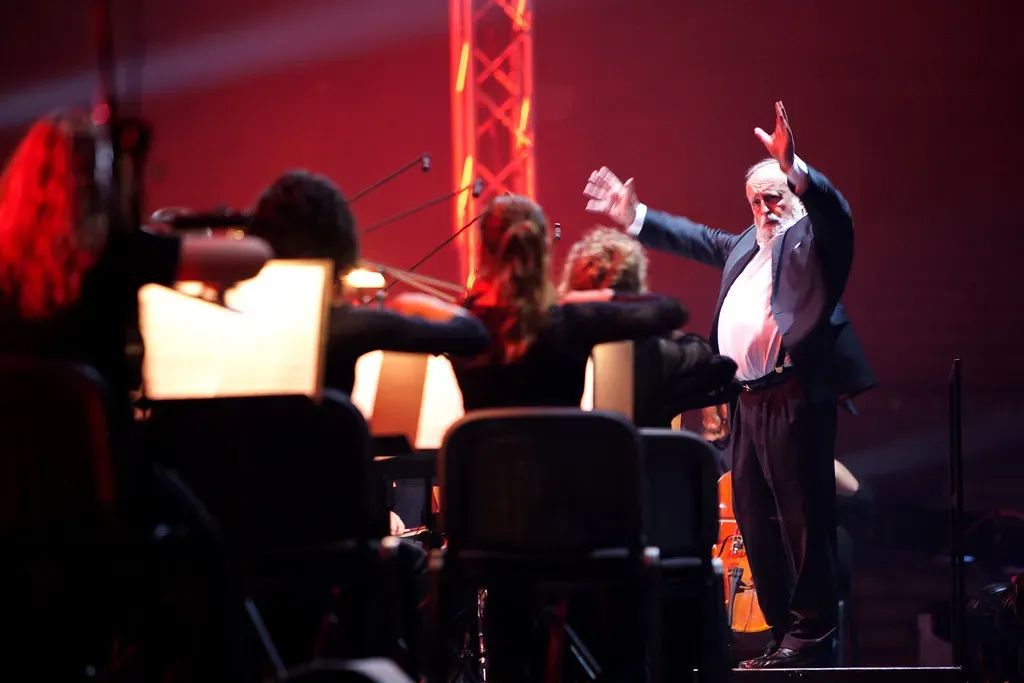
Stanley Kubrick’s The Shining is the horror film perhaps most saturated with borrowed classical music, and Krzysztof Penderecki is a central figure in that story. Penderecki has a reputation for creating some truly creepy music, and many of his works have been used on horror film soundtracks because of their extreme sonic palette, such as The Exorcist and The Shining, which used music from no fewer than seven of his pieces.
The Shining is full of Bartok and Penderecki’s Jacob’s Ladder. One piece of music used in The Shining is The Dream of Jacob. The strange thing is that Penderecki wrote most of this music as a commemorative response to real-world tragedy, not as deliberate horror music. Kubrick simply heard something in it that nobody else had thought to put on screen.
10. Bartók’s Music for Strings, Percussion and Celesta
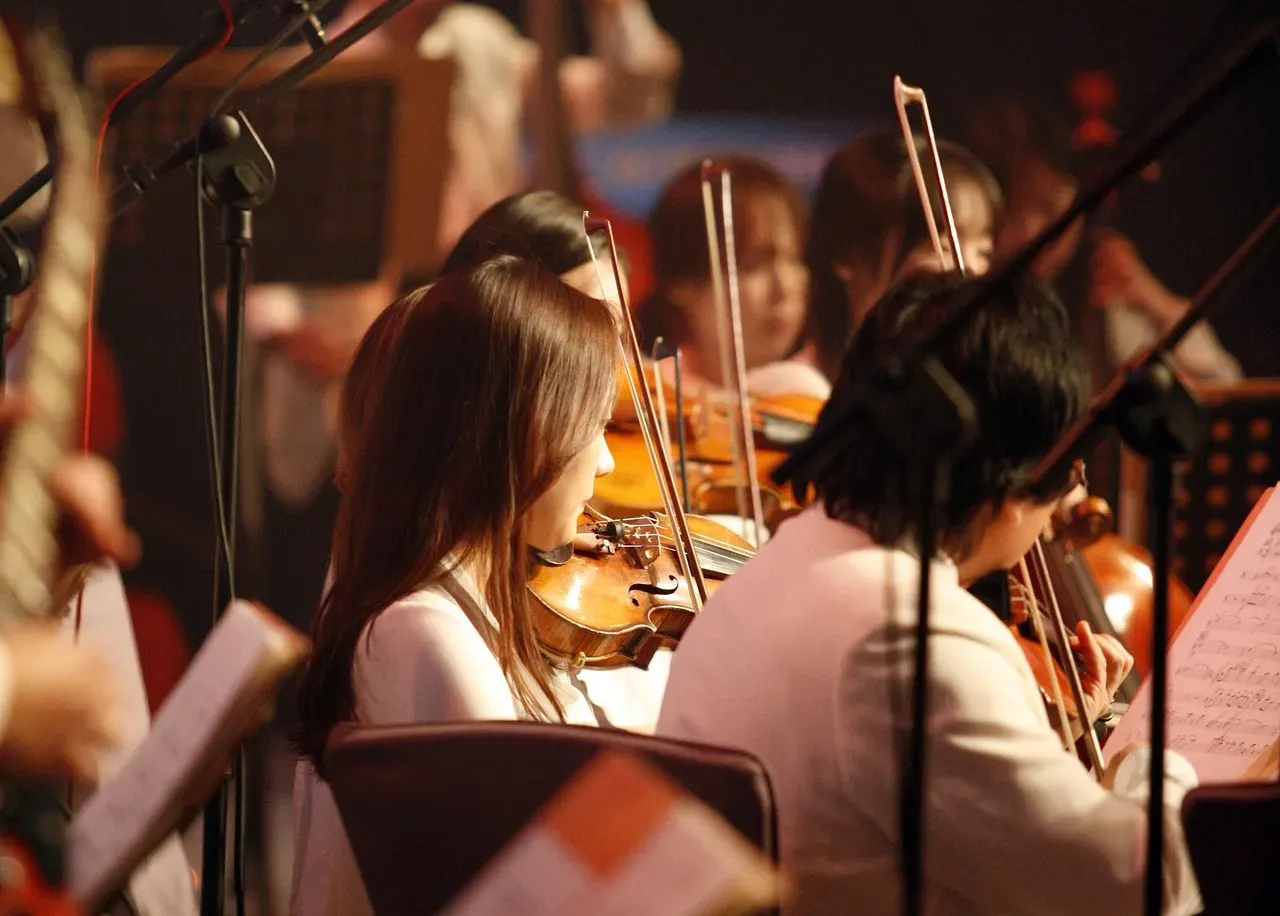
This eerie piece by Béla Bartók has been included in everything from The Shining to episodes of Doctor Who. Among its unique qualities is the division of the string section into two antiphonal parts and techniques like timpani glissandi, which were considered cutting-edge at the time of its premiere. It’s the kind of music that doesn’t just feel unsettling – it feels structurally wrong, like something is slightly off with the laws of sound themselves.
The Shining heavily utilizes pre-existing music from classical composers such as Bartók, Ligeti, and Berlioz. Kubrick used Bartók’s piece during some of the most psychologically disorienting sequences of the film, and the effect is almost impossible to shake after the first viewing. It’s a perfect example of classical music doing something a purpose-built horror score simply couldn’t replicate.
11. Symphony No. 7 (Second Movement) – Beethoven
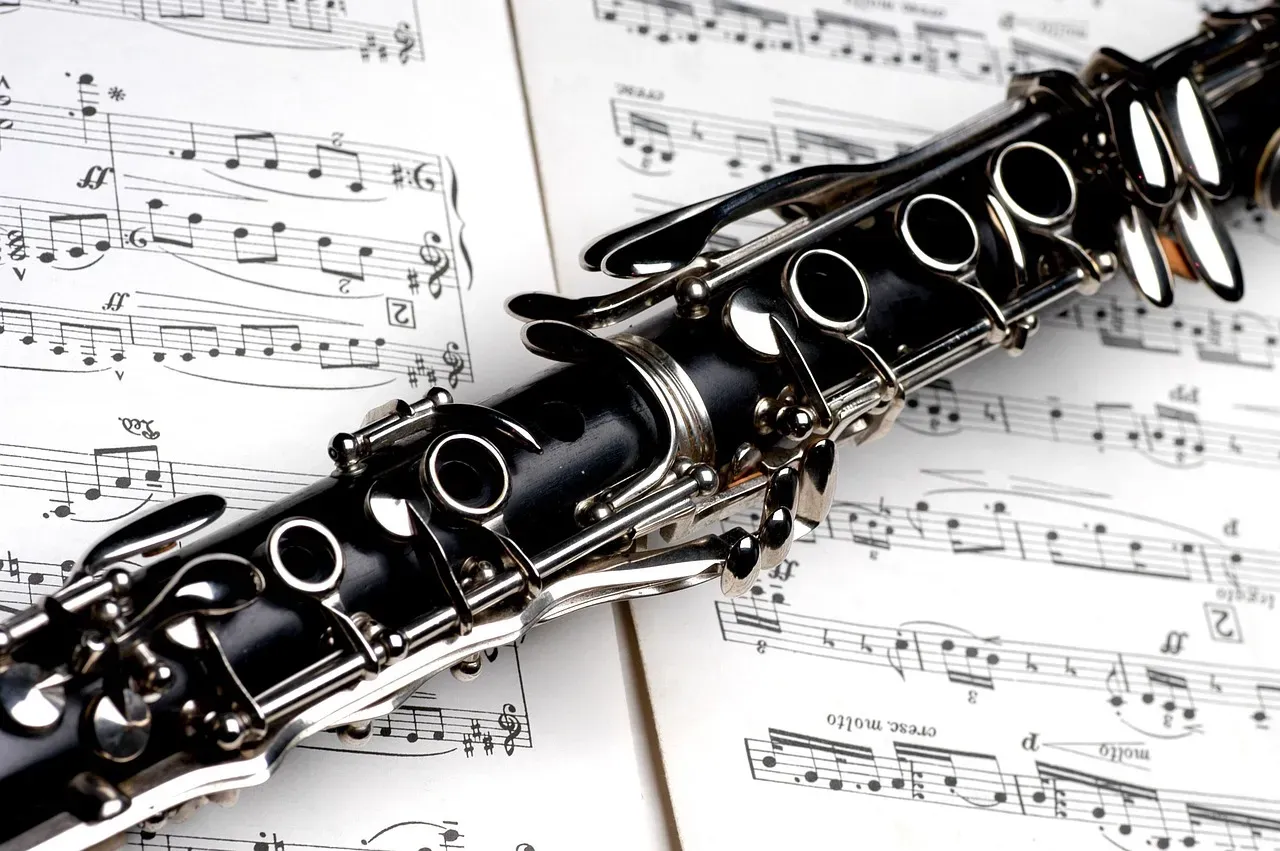
Beethoven’s Symphony No. 7, especially its second movement, is a slow, mournful procession that filmmakers frequently turn to for moments of reflection, decay, or moral collapse. Its repetitive rhythm and somber melody have been featured in The Fall and The Purge: Anarchy, adding emotional heft to scenes of despair or aftermath.
It’s not a horror piece in the traditional sense, which is precisely what makes it so effective. Even without visual context, the music alone can evoke a sense of foreboding and nostalgia, making it a favorite in horror soundscapes. Behavioral studies confirm that the piece’s pattern of escalation is particularly effective at building anxiety. There is something almost funereal about its insistence, the way it marches forward regardless of what the listener wants to feel.
12. Verdi’s Requiem (Dies Irae) – Giuseppe Verdi

Verdi’s Requiem, especially its “Dies Irae” section, is a thunderous, apocalyptic work that has been used to devastating effect in films like Children of Men and countless horror trailers. The pounding drums and blazing chorus evoke images of fire, brimstone, and the end of days. It makes O Fortuna sound almost gentle by comparison.
Verdi’s great Requiem Mass features one of the most apocalyptic moments in classical music. According to a 2024 analysis by the British Film Institute, Verdi’s Requiem is one of the top classical choices for directors seeking to amplify the gravity of cataclysmic events. Composers of the 19th century never imagined their funeral masses would end up soundtracking blockbuster horror. Yet here we are, and honestly, it fits perfectly.
The Hidden Language of Fear

What unites all twelve of these pieces is something almost philosophical. With shrieking violins, plaintive cellos, and spooky percussive sounds, horror movie scores use classical music to bone-chilling effect. These composers weren’t chasing scares – they were chasing truth. And truth, it turns out, is often terrifying.
Composers often use dissonance to build tension, which is then resolved by moving to a consonant sound, keeping the listener engaged as the dissonance creates a sense of anticipation. However, in scary music, the resolution might be delayed or avoided, leaving the listener in a state of discomfort. That suspended dread, borrowed from concert halls and funeral masses, is exactly what horror cinema feeds on. Next time you feel that chill in a dark theater, you might be hearing Beethoven, Mussorgsky, or Grieg without even knowing it. What would you have guessed?