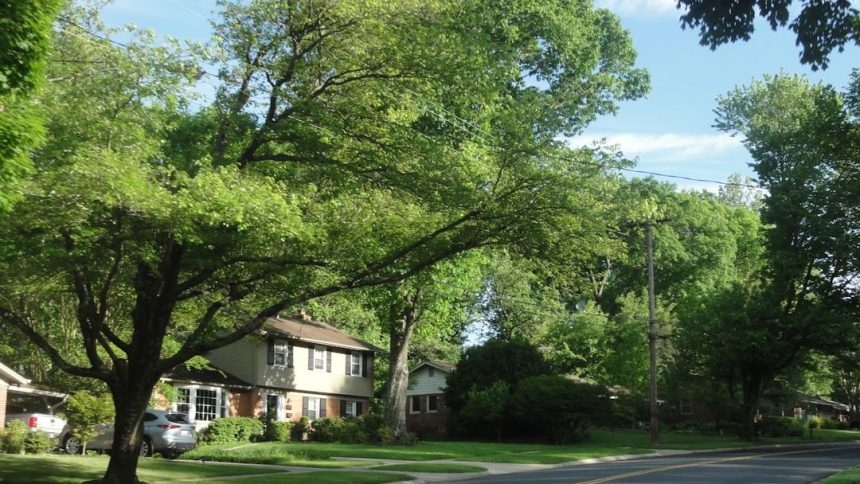
Most people think of Summerlin as one of those places where nothing bad ever really happens. Wide streets, manicured parks, gated communities, friendly faces. It feels safe. Yet even here, residents have quietly been building something powerful on their phones – a digital wall around their homes that no fence could ever replace.
The app is Nextdoor. It is not new, but what it is doing for Summerlin right now is genuinely remarkable. Thousands of residents are using it in ways that go far beyond swapping recommendations for plumbers. Let’s dive in.
Why Summerlin Is the Perfect Testing Ground for Digital Neighborhood Watch
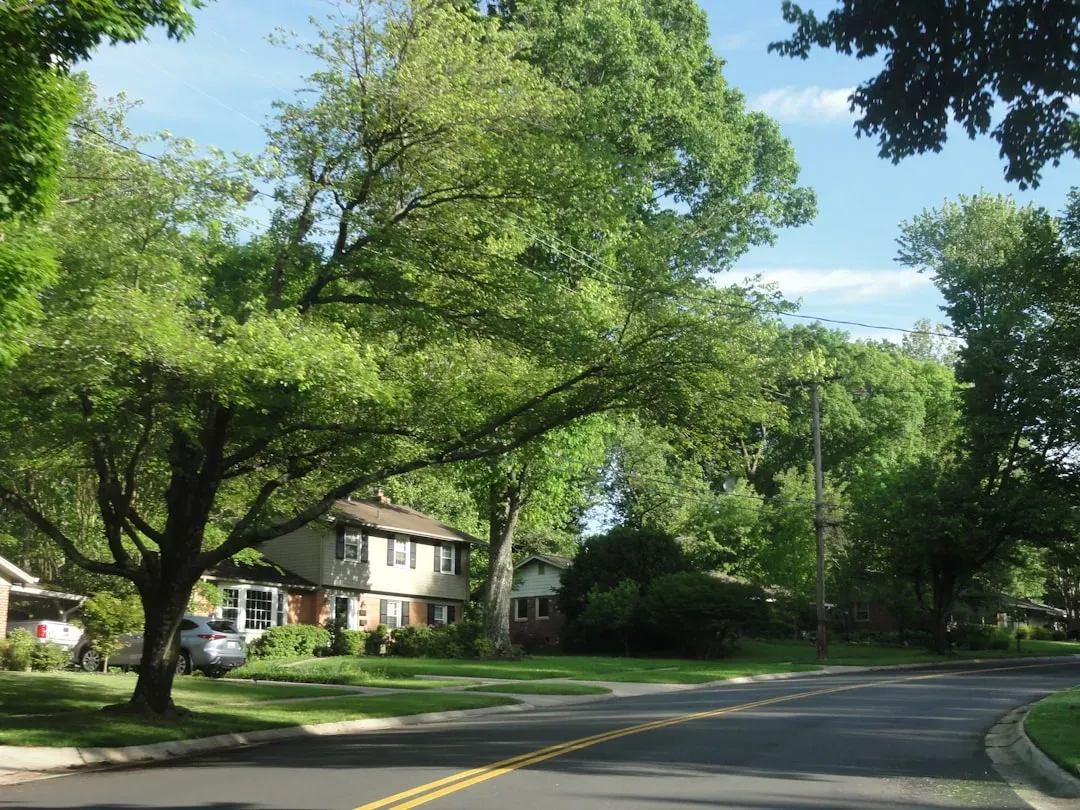
Summerlin, Nevada, is one of the largest master-planned communities in the entire United States, home to more than 100,000 residents spread across dozens of distinct sub-neighborhoods. That scale matters. When you have that many people living in close proximity, with shared streets, trails, and gates, community-wide communication becomes less of a nice-to-have and more of a basic safety tool.
Think about it like a spider web. The larger the web, the more quickly any vibration travels across every thread. One Summerlin sub-neighborhood, Ashton Park near the 215 and Alta, became one of the most Nextdoor-connected neighborhoods in the entire Las Vegas Valley, with roughly three quarters of its 130 homes actively using the app. That kind of saturation is rare – and it is exactly what makes the tool effective.
What Nextdoor Actually Is and How It Works
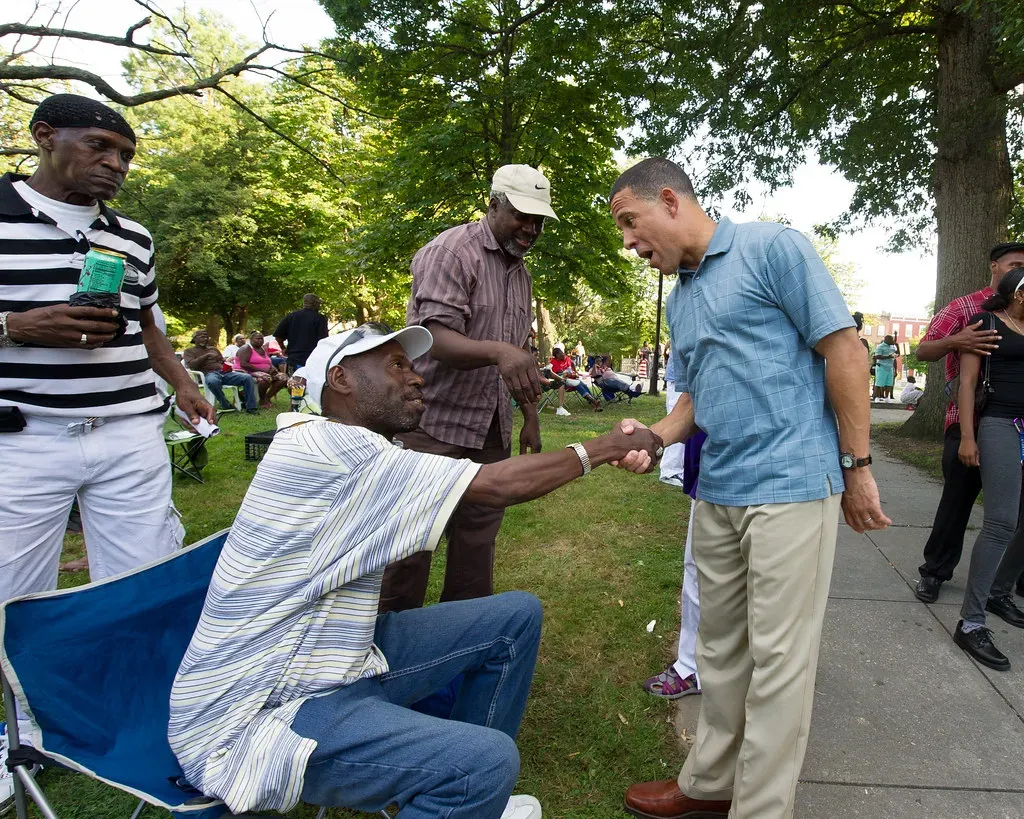
Community members use the Nextdoor app to prevent crime and circulate information when suspicious activity or criminal misconduct is afoot. Unlike Facebook or Twitter, it connects citizens based on geography instead of areas of interest. That geographic lock-in is the whole point. Your neighbor three doors down is far more relevant to your home’s safety than someone you went to school with in another state.
Since its earliest days, Nextdoor has been a platform built on trust. It is made up of real people at real addresses, and by requiring members to use their real name and verified address, Nextdoor creates accountability. That verification layer is what separates it from a chaotic public forum. You are not talking to anonymous strangers. You are talking to verified neighbors.
The Scale Behind the App: Numbers That Actually Mean Something
The platform now maintains a welcoming environment for more than 105 million verified neighbors worldwide. That is a staggering number. At its core, the platform covers more than 350,000 neighborhoods and reaches roughly one in three U.S. households. For Summerlin residents, that kind of reach means that when something unusual happens on one street, the ripple can travel across the entire community within minutes.
Traffic to Nextdoor grew by more than half between February and March 2020, according to Axios, and weekly active users continued to grow in recent years, with a five percent year-over-year change recorded in 2023 alone. Honestly, the pandemic changed how people relate to their immediate surroundings, and Nextdoor was one of the biggest beneficiaries of that shift.
Real-Time Alerts: The Feature That Changes Everything
Residents can send Urgent Alerts, which are a special type of post that reaches other Nextdoor members immediately via text message, in-app notification, and email. Urgent Alerts are limited to 110 characters and can only be sent to the neighborhood a resident lives in. Short, sharp, local. That is exactly the kind of alert that actually gets read instead of ignored.
Nextdoor has partnered with local governments and emergency services to deliver instant notifications about critical events such as natural disasters, road closures, or public safety incidents. These alerts are geofenced to ensure only affected neighborhoods receive them, minimizing noise and maximizing relevance. That geofencing detail might sound like a technical footnote, but it is actually huge. Nobody wants to be flooded with alerts about something happening six miles away.
How the LVMPD Fits Into the Picture
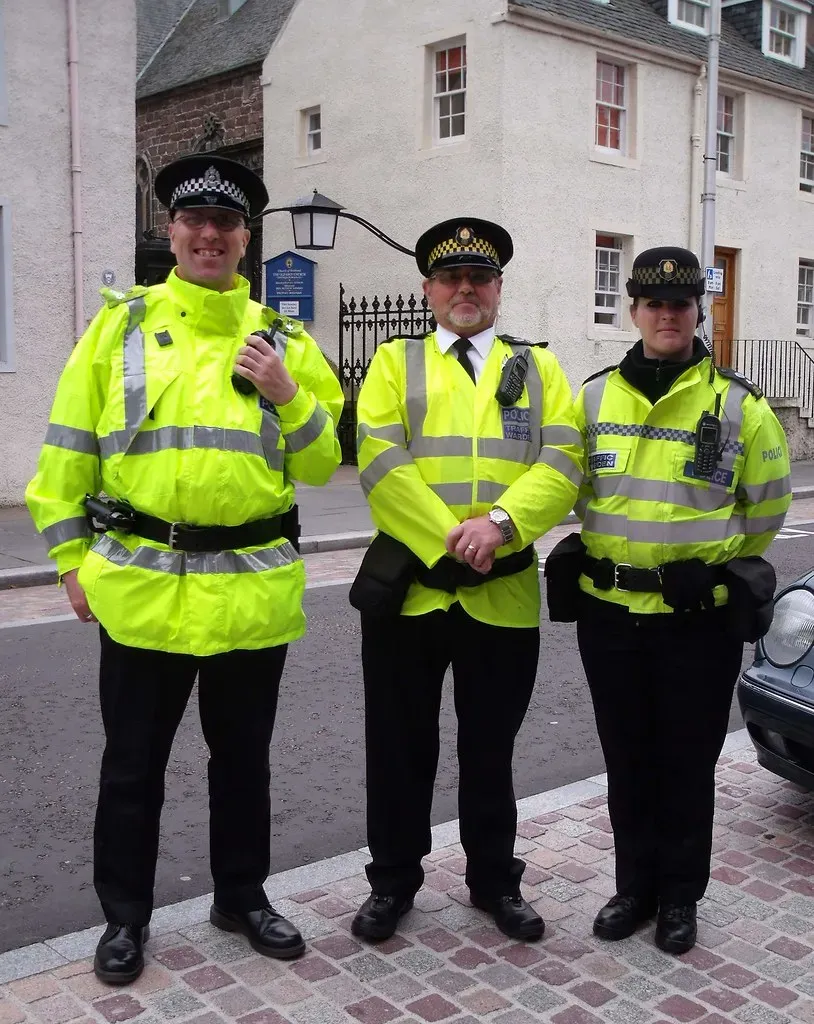
The Las Vegas Metropolitan Police Department offers a wide variety of programs designed to get citizens involved in their community. Whether it is something as simple as a Neighborhood Watch program or something more hands-on, like the Citizens’ Police Academy, the LVMPD encourages everyone to play a part in making Las Vegas safe. Summerlin falls under the LVMPD’s Summerlin Area Command, making this connection especially relevant for residents there.
Nextdoor for Public Agencies, its free government interface, enables law enforcement to build strong ties and trust with the neighborhoods they serve to improve the effectiveness of community and neighborhood policing efforts. With access to the tool, officers and staff can geo-target messages to specific neighborhoods or service areas, or their entire municipality, improving the reach of their outreach. That is basically a superpower for local policing, and it costs the department nothing to use.
The Camera Network Connection: How Home Security Feeds Into the App
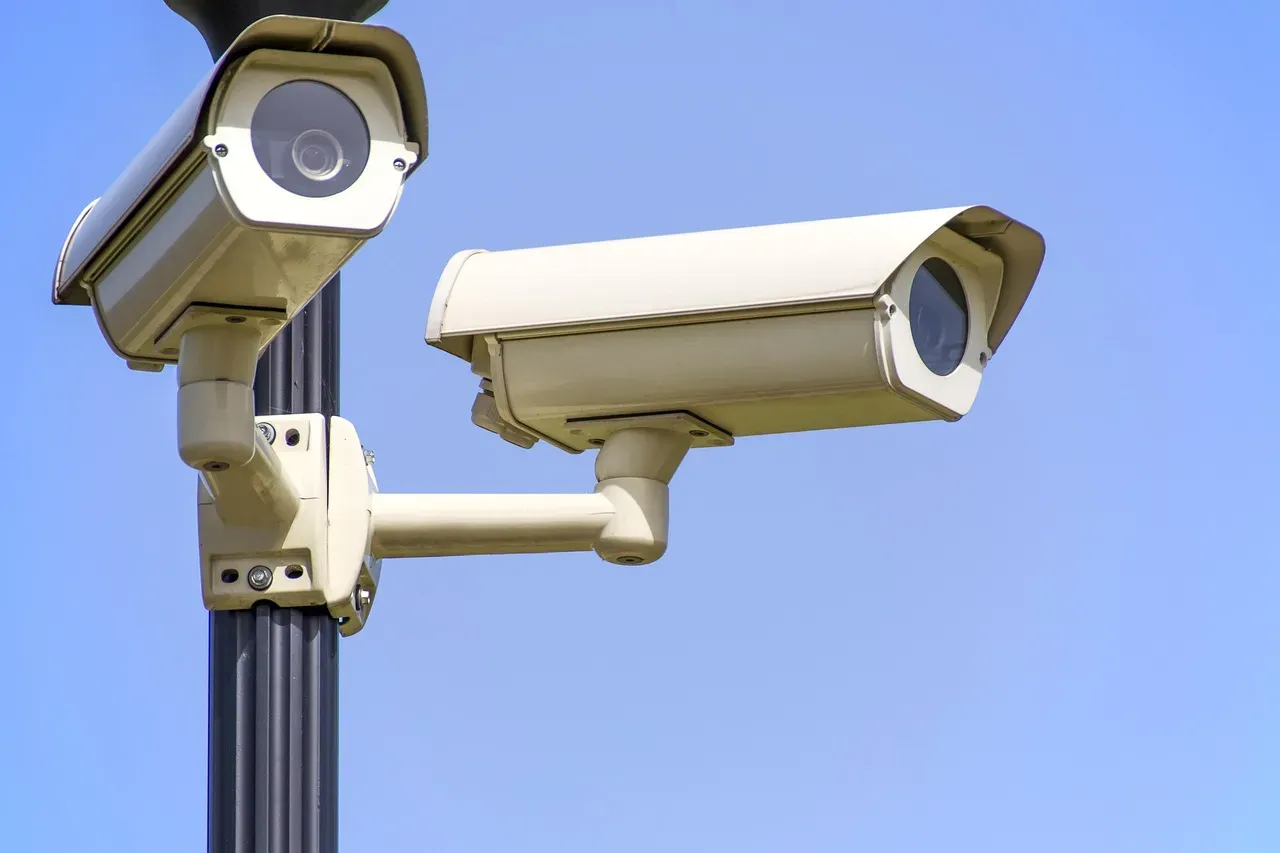
In one documented case, a resident checked his surveillance footage after hearing his street had been targeted by an auto burglar and found a video of the suspect. He shared the surveillance with his verified neighbors on Nextdoor, and another neighbor who saw the thread sent the footage to police, who immediately identified the man as a known probationer and arrested him that same day. That is the power of combining cameras with a connected neighborhood network.
Despite a general downtrend in crime nationally, homeowners are still investing in home security, with security cameras being the most adopted system, followed closely by video doorbells at second and security alarm systems at third, according to Insurify data. In Summerlin, where homes are well-kept and frequently occupied by families, this combination of hardware and social connection creates a layered defense that is hard to beat.
What the Research Actually Says About Neighborhood Watch Effectiveness

Property crime is steadily declining across the United States, according to FBI estimates that tracked crime data from 2004 to 2023. Total property crime in 2023 decreased by 2.4% compared to 2022 and has decreased by roughly two fifths compared to 2004. That is encouraging news. Still, the question worth asking is whether neighborhood platforms are contributing to that trend.
Popular local apps like Nextdoor act as a digital neighborhood watch, as reported by National Neighborhood Watch. Of those surveyed in recent research, more than two thirds believe the home security measures in their neighborhood have increased safety. Perception matters too. When neighbors feel watched over, both by their cameras and by each other, the entire atmosphere of a street changes.
The AI and Moderation Backbone That Makes It Reliable

Nextdoor is actively stopping bad actors earlier in 2025. New verification requirements and machine-learning models have improved the platform’s ability to block fraud and account takeovers. I think this part often gets overlooked. A neighborhood app is only as safe as the people on it, and if bad actors can create fake accounts to scout properties, the whole system falls apart. Nextdoor has clearly taken that risk seriously.
When issues arise, Nextdoor acts quickly. The Neighborhood Operations team maintained a median removal time of under 7 hours for violative content, helping ensure the feed remains safe and reliable. Seven hours might not sound instant, but for a platform serving this many people, that response speed is genuinely impressive and means misinformation does not sit unchallenged for long.
Why Summerlin Residents Keep Coming Back to It
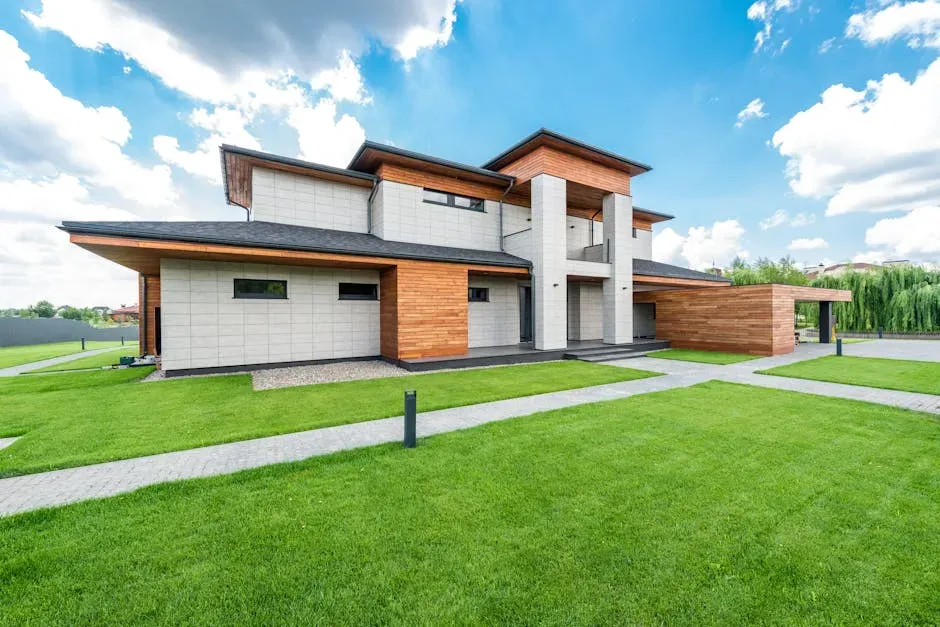
Nextdoor plays a major role in building a sense of safety in communities. Neighbors use the platform to cultivate local security by reporting suspicious activity and sharing news from their cities and local public safety service providers. It is worth remembering that safety is not just about preventing break-ins. It is about knowing your neighbors, feeling heard, and trusting that if something goes wrong, someone nearby is paying attention.
The top reasons Nextdoor neighbors in the Summerlin South area love their neighborhood include it being clean, family friendly, peaceful, and well maintained. Those qualities do not happen by accident. They are sustained, in part, by communities that actively communicate and look out for one another. Neighbors connect on Nextdoor to find trusted, useful, and relevant local information to address their daily needs, while forming relationships in the real world to build safer, happier places to call home.
Conclusion: One App, One Community, One Stronger Summerlin

Here is the thing about Nextdoor in Summerlin. It is not magic. It will not replace police response times or a good lock on your front door. What it does is fill the gap that has grown over decades as neighbors stopped sitting on front porches and started driving into garages without ever making eye contact.
The data is clear. The platform has more than 105 million verified users globally. Property crime is falling nationally. Residents who combine home security technology with active neighborhood communication feel measurably safer. In Summerlin, a community already built around shared values and high expectations for quality of life, Nextdoor is the connective tissue that turns individual homeowners into a collective force.
In the end, no app saves a home on its own. People do. The app just makes it easier for people to act together. What would your street look like if three quarters of your neighbors were all watching out for each other at once?