Some crimes do more than make the news. They stop time. They get talked about over dinner tables, in schoolrooms, in hospital waiting rooms, in places where people normally talk about anything but violence. The kind of crime that burns itself into collective memory doesn’t always involve the highest body count or the most elaborate plot. Often it’s something else entirely: the victim, the setting, the unanswerable “why” that lingers for decades.
These twelve cases each delivered that singular jolt to an entire generation. They weren’t just tragedies. They became reference points, reshaping the way ordinary people thought about safety, justice, and how dark the world could turn in an instant.
1. The Kidnapping of Charles Lindbergh Jr. (1932)
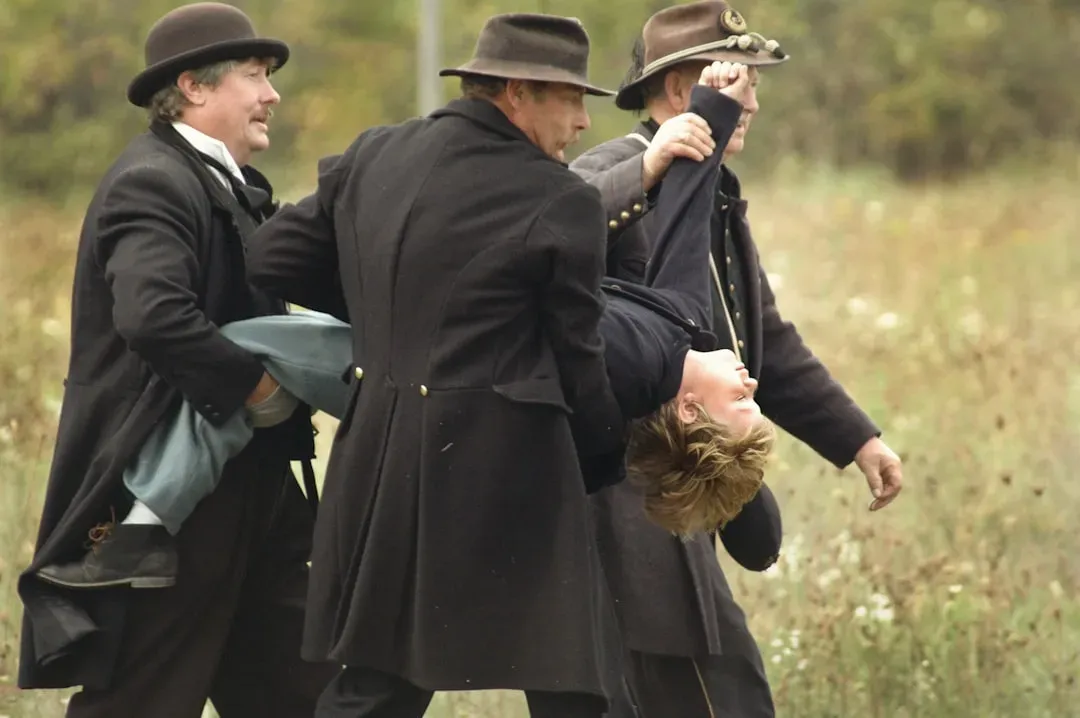
The abduction and subsequent murder of Charles Lindbergh Jr., the 20-month-old son of famed aviator Charles Lindbergh, captivated the world. At the time, Lindbergh was perhaps the most celebrated man in America, and the idea that someone could reach into his home and steal his infant child in the middle of the night seemed impossible. Despite the family having every resource at their disposal, the body of 20-month-old Charles Augustus Lindbergh Jr. was found two months later in a field not far from the family’s New Jersey home.
The case led to the arrest and execution of Bruno Hauptmann, though debates about his guilt persist. The kidnapping terrified a nation, and newspapers pretty much flayed Hauptmann alive before he was even convicted. Spurred on by anti-German sentiment and major hero worship for Lindbergh, the police, the media and, ultimately, a jury joined forces to bring Hauptmann down, with even those higher-ups who believed in his innocence not being able to reverse the course of a system not interested in alternative theories. The case directly led to new federal kidnapping legislation and set a permanent standard for how America handled crimes against children.
2. The Assassination of JFK (1963)
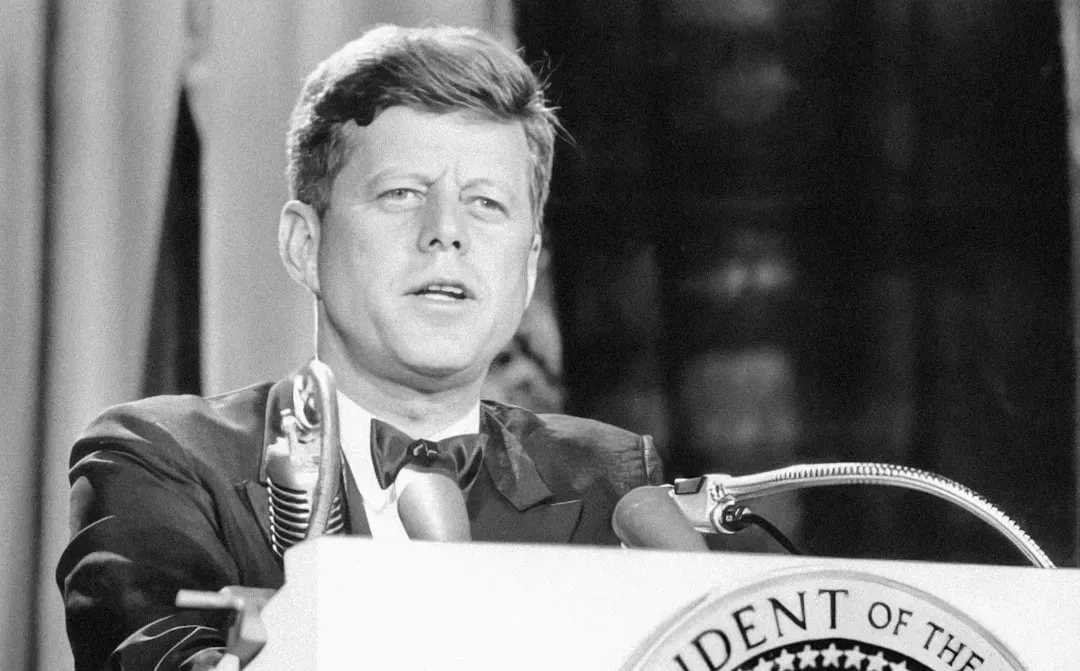
Almost as soon as the fatal bullets were fired in Dealey Plaza in Dallas on November 22, 1963, the FBI took a lead role in investigating President John F. Kennedy’s assassination. The shock was unlike anything the country had experienced in the modern media age. Millions watched events unfold on live television, and the grief that followed was immediate and visceral.
Lee Harvey Oswald fired the fatal shots at President John F. Kennedy from his perch at a sixth-floor window of the Texas School Book Depository in Dallas on November 22, 1963. He was arrested hours later, initially for killing a police officer but ultimately arraigned for the president’s murder. Ultimately, investigators conducted some 25,000 interviews and pursued tens of thousands of investigative leads into assassin Lee Harvey Oswald and other individuals. Decades on, the conspiracy theories have never fully quieted, which speaks to just how deeply the event unsettled the American psyche.
3. The Murders of Jack the Ripper (1888)
In the fog-laden streets of London’s Whitechapel district, an unidentified assailant, later dubbed “Jack the Ripper,” brutally murdered at least five women. The gruesome nature of the crimes and the killer’s elusiveness have made this case one of history’s most infamous mysteries. Victorian London was a city already on edge, divided sharply by class and poverty, and the Ripper exploited that anxiety completely.
The killer taunted authorities with letters, and the press amplified every detail with breathless coverage. The murders sparked a level of public fear that paralyzed an entire district of the city for months. Well over a century later, the identity of the Ripper remains unknown, and that unresolved question is part of why the case continues to define an entire era.
4. The Leopold and Loeb Murder (1924)
The murder trial of two elitist college students who decided to commit the “perfect crime” shocked the nation as details emerged about how they kidnapped and murdered Bobby Franks, a 14-year-old boy. What made the case so disturbing was not just the act itself but the motive: Nathan Leopold and Richard Loeb killed purely for the intellectual exercise, convinced their supposed superiority placed them above moral consequence.
Defense attorney Clarence Darrow delivered a twelve-hour long plea to save his clients from the gallows. The trial put the question of criminal psychology, privilege, and moral responsibility at the center of national debate in a way it never had been before. Both men avoided the death penalty, which itself caused a public uproar. The case forced an entire generation to ask uncomfortable questions about wealth, education, and the capacity for cold-blooded evil.
5. The Emmett Till Murder (1955)
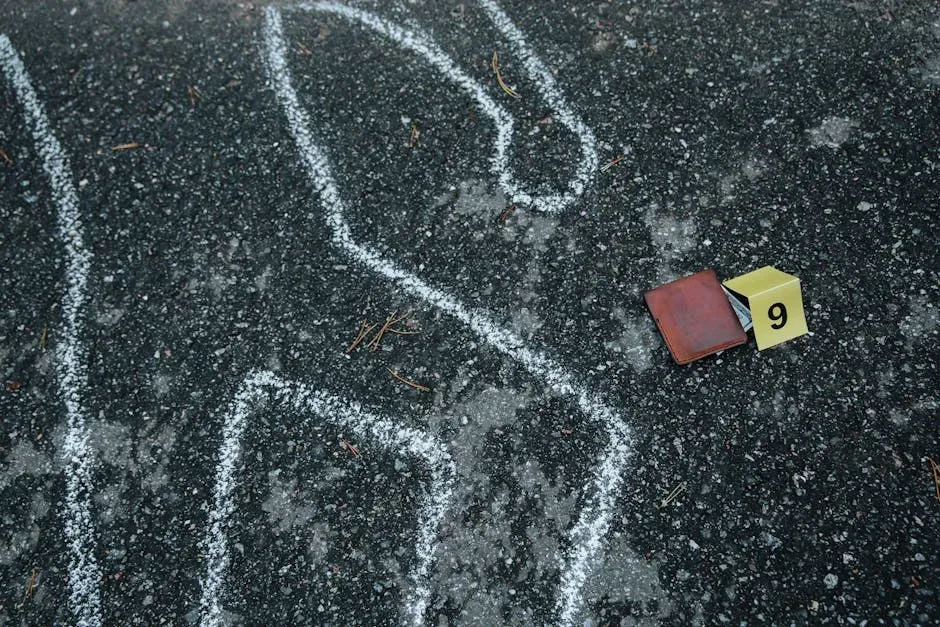
In 1955, Emmett Till, an African-American teenager, was visiting relatives in Mississippi when he was lynched for allegedly flirting with a white woman. Despite overwhelming evidence of their guilt, Till’s killers were acquitted by an all-white jury. The verdict, delivered in just over an hour, made the brutal reality of racial injustice in America impossible to ignore or explain away.
Till’s mother, Mamie Till, made the courageous decision to hold an open-casket funeral so that the world could see what had been done to her son. Photographs of the fourteen-year-old’s battered body were published and circulated widely, galvanizing the civil rights movement. The tragic 1955 murder of an African-American teenager in Mississippi shocked the nation and became a defining inflection point in the long struggle for racial equality in the United States.
6. The Columbine Massacre (1999)
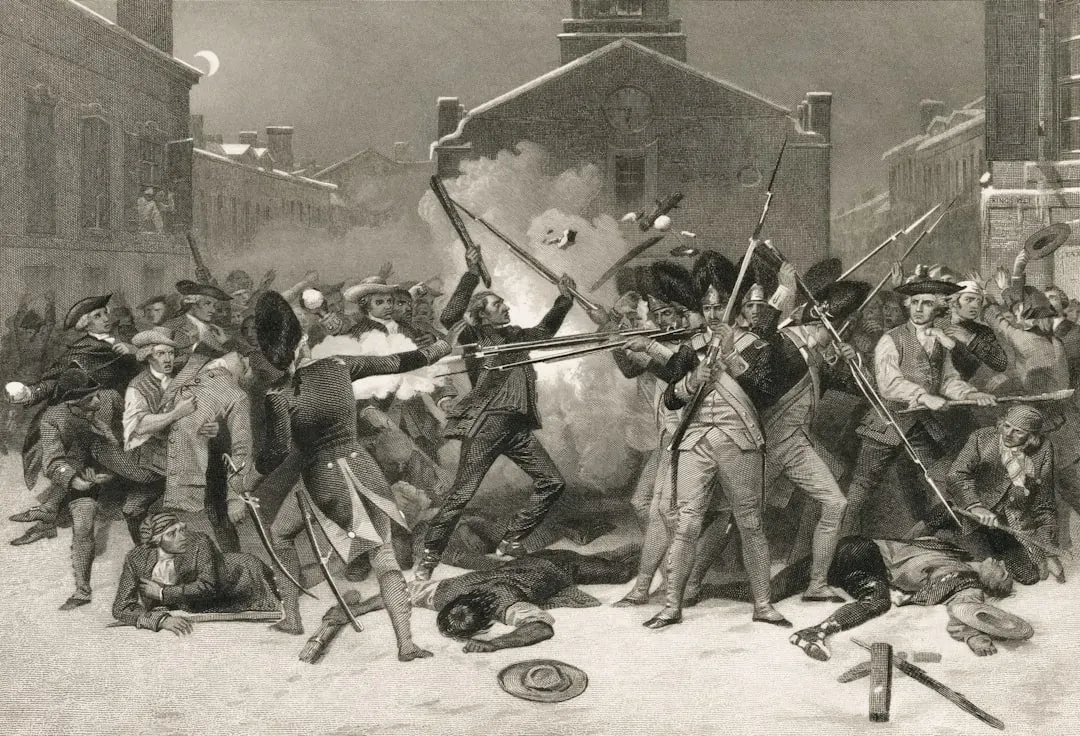
On April 20, 1999, the world watched in horror as two heavily armed students, Eric Harris and Dylan Klebold, carried out a brutal massacre at their high school in Littleton, Colorado. The teens murdered 12 students and a teacher before taking their own lives, leaving behind a nation grappling with the shocking reality of school shootings. It was not the first such attack in American history, but it was the first to play out in real time across 24-hour news coverage.
The attack, meticulously planned for over a year, involved homemade bombs and knives as well. In the aftermath, debates raged over gun control and media influence while myths and conspiracy theories spread rapidly. Columbine remains one of the most infamous school shootings in history, forever altering how the world views gun violence and school safety. The word “Columbine” entered the cultural language as its own shorthand for a particular kind of catastrophe.
7. The O.J. Simpson Trial (1994-1995)
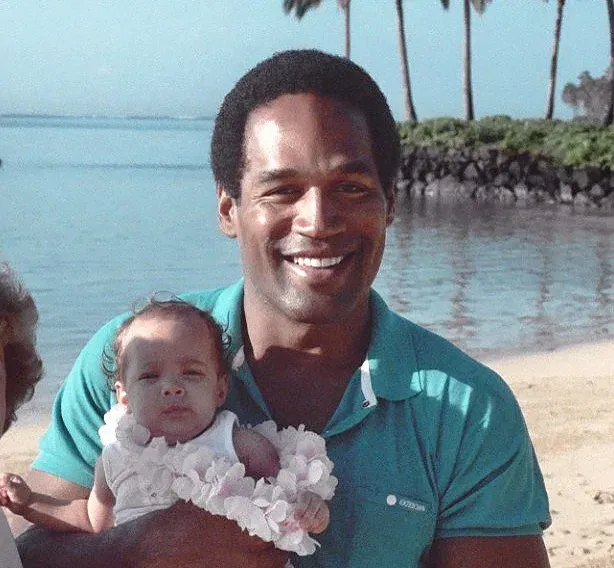
As the defendant in the 1994 double murder of his ex-wife Nicole Brown Simpson and her friend Ron Goldman, Simpson played the starring role in what was perhaps the most publicized murder trial in history. The case had everything: celebrity, race, domestic violence, media spectacle, and a legal system performing under unprecedented scrutiny. When verdict day arrived, an estimated 150 million people either watched or listened.
The trial of former NFL star O.J. Simpson for the murders of his ex-wife Nicole Brown Simpson and her friend Ronald Goldman was a media spectacle. The not-guilty verdict sparked widespread debate about race, celebrity, and the American justice system. Whatever one believed about the verdict, the trial cracked something open in American public life that has never fully closed, raising pointed questions about whether justice is truly blind.
8. The September 11 Attacks (2001)
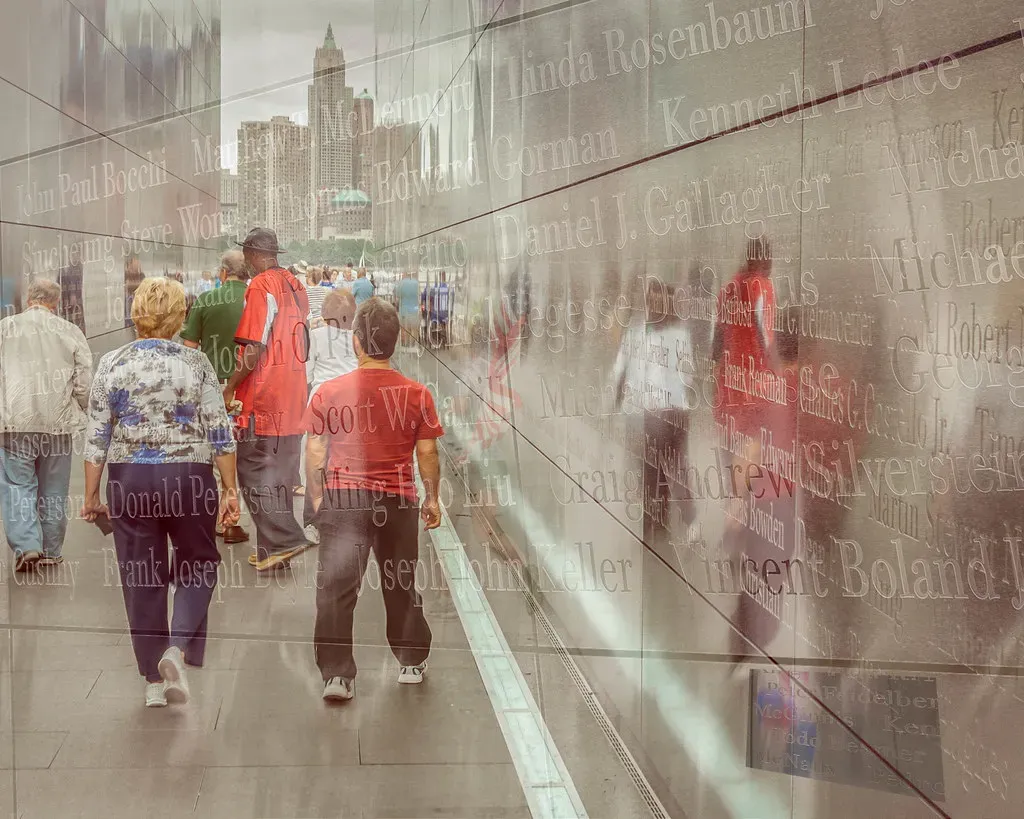
Islamist terrorists hijacked four planes, crashing two into New York’s Twin Towers and one into the Pentagon. The fourth crashed into a field after passengers onboard revolted. In total, almost 3,000 people were killed. Nearly every adult alive that morning can say precisely where they were when they heard the news, or saw the footage. That collective memory has never faded.
The deadliest terrorist attack in history, September 11 claimed the lives of 2,977 victims and left thousands injured. 9/11 changed everything, entrenching conspiracy theories in our social fabric, ushering in a new era of mass surveillance, and leading to the US-led invasions of Afghanistan and Iraq. The world that existed before the morning of September 11 feels, even now, like a genuinely different one.
9. The Moors Murders (1963-1965)
Ian Brady and Myra Hindley perpetrated a series of gruesome murders in England, targeting children and burying their bodies on the desolate Saddleworth Moor. The sheer brutality of their crimes shocked the nation and left a lasting scar on British society. The crimes were particularly devastating because Brady and Hindley targeted children, some as young as ten, luring them with deception and leaving families with bodies that were never found.
The fact that a woman, Hindley, was involved in the murders was something that public opinion in the 1960s found almost impossible to process. Britain had rarely seen a case so openly sadistic. The Moors Murders permanently altered public conversations about child safety, predatory behavior, and the legal boundaries of parole for the most serious offenders. Hindley died in prison in 2002, and Brady followed in 2017, the location of one victim’s remains still unknown.
10. The Sandy Hook Elementary School Shooting (2012)
The United States was shocked on December 14, 2012, when 20-year-old shooter Adam Lanza attacked Connecticut’s Sandy Hook Elementary School. Lanza killed his mother before traveling to the school, where he proceeded to shoot and kill a further 26 people. He later took his own life. Twenty of the victims were children between six and seven years old. The country fell into a grief that felt fundamentally different from anything that had come before it.
The incident prompted a powerful reaction in the media owing to the nature of the violence, the high body count, and the young ages of the victims. It also prompted some of the most infamous examples of misinformation this century, with popular conspiracy theorist Alex Jones spreading particularly cruel falsehoods. Jones was later held liable in civil court and ordered to pay nearly $1.5 billion in damages to families of victims, a verdict that itself sent a message about the real costs of disinformation.
11. The Bernie Madoff Ponzi Scheme (2008)
Bernie Madoff, a financial investor whose skill and track record was so legendary that people begged to open accounts with his firm, crashed hard in December 2008 when the truth finally came out: all of his investments and tantalizing returns were lies. Madoff ran history’s biggest Ponzi scheme. The scale of the fraud was staggering. Thousands of investors, including charities, pension funds, and ordinary retirees, lost their savings entirely.
Investment giant turned fraudster Bernie Madoff is serving a 150-year life sentence for ripping off thousands, in what’s now known as the biggest case of investment fraud in U.S. history. His sons turned him into federal authorities in late 2008, exposing the multibillion-dollar Ponzi scheme. Madoff died in prison in 2021. The scheme shocked not just its direct victims but an entire financial generation that had placed its trust in regulated markets and established reputations.
12. The Las Vegas Route 91 Harvest Festival Shooting (2017)
On October 1, 2017, 64-year-old Stephen Paddock took out multiple hotel rooms on the 32nd floor of the Mandalay Bay Hotel. He used a series of mounted assault rifles to rain bullets indiscriminately upon thousands of concertgoers at an outdoor country music festival being held across the street. In approximately 10 minutes, Paddock fired more than a thousand rounds of ammunition, killing 58 and wounding nearly 900 others.
Paddock killed himself, and no clear motivation for his crimes ever emerged. That absence of motive, combined with the sheer randomness of the target, was what made this crime so uniquely unsettling. It was not ideological. It was not personal. It was a mass execution of strangers at a concert, carried out with military efficiency from a hotel window. The event forced a renewed national reckoning with gun access laws and raised questions that remain, years later, without satisfying answers.
What connects these twelve moments is not just their violence or scale. It’s the way each one stopped an entire society mid-sentence and demanded a response. Some rewrote laws. Some rewired how people trusted institutions, public spaces, or each other. All of them left a mark that time has not fully erased.