
History has a way of making the present feel almost luxuriously comfortable. When you scroll through job listings today, you might grumble about the requirements or the pay. Spare a thought, though, for the men and women who once waded into leech-infested swamps at dawn or spent their nights hauling human waste through darkened city streets. These were not edge cases or punishments. They were real, recognized professions with steady demand and, in some cases, genuine social status.
What drove most of these jobs out of existence wasn’t laziness or moral progress alone. Technology, public health reform, and shifting social norms all played a part. Some vanished almost overnight when a single invention made them redundant. Others faded slowly over decades. All of them tell us something worth knowing about how civilization actually works when the conveniences we take for granted simply don’t exist yet.
1. The Knocker-Upper: A Human Alarm Clock

The knocker-upper was a profession mainly found in Great Britain and Ireland at the height of the Industrial Revolution, and its purpose was to wake up people in the morning to get to work on time. The easiest method was to bang on a window if the client lived on the first floor of a building. If they lived on an upper floor, the knocker-upper would either use a long stick to tap on their window or shoot peas through a tube at the glass to rouse their clients.
Knocker-uppers roamed city streets with long poles, tapping on windows to wake workers before alarm clocks were even a thing. It was an essential service during the Industrial Revolution, but affordable mechanical alarm clocks eventually rendered the profession obsolete. There is something almost poetic about the whole arrangement: someone had to wake the knocker-upper too, and in many cases, they simply reversed their sleep schedule entirely to match the job’s demands.
2. The Leech Collector: Medicine’s Most Unpleasant Supplier

In 19th-century Europe, there was a high demand for blood-sucking worms used for medicinal purposes. Because they were challenging for medical practitioners to obtain, leech collecting became a specialty. Leech collectors would use their own legs or the legs of other animals to lure leeches from creeks and rivers. It was seasonal work, as leeches weren’t active in colder months, and it was incredibly perilous. Many leech collectors experienced dangerous levels of blood loss and were susceptible to infections spread by leeches.
Leeches were used for bloodletting, which was believed to be a kind of cure-all for everything from disease to infection. They became so popular in Europe that leeches had almost become extinct in Ireland, Wales, the Netherlands, and England by the 18th century. By the mid-19th century, the leech population was in decline and by the turn of the century leeches were declared extinct in the British Isles. This was partly due to over-collection as well as their declining habitats. With this, the profession went extinct too.
3. The Gong Farmer: Cities Could Not Function Without Them

In the days before indoor plumbing, gong farmers were tasked with cleaning out cesspits and privies, hauling human waste by night and disposing of it outside city limits. Though well-paid for such filthy work, the job was dangerous and foul. It fully vanished with the rise of modern sanitation. Risking exposure to diseases, gong farmers sometimes lived far from the rest of a hamlet or town and could only work at night.
Up to the turn of the 20th century, gong farmers were employed to remove all the feces from a home’s privy and take it to a dump where it might be used for construction materials or fertilizer. The fact that this waste was sometimes repurposed as fertilizer or building material says a great deal about historical resourcefulness. When municipal sewage systems finally arrived, the gong farmer disappeared almost immediately.
4. The Groom of the Stool: The Most Intimate Royal Appointment
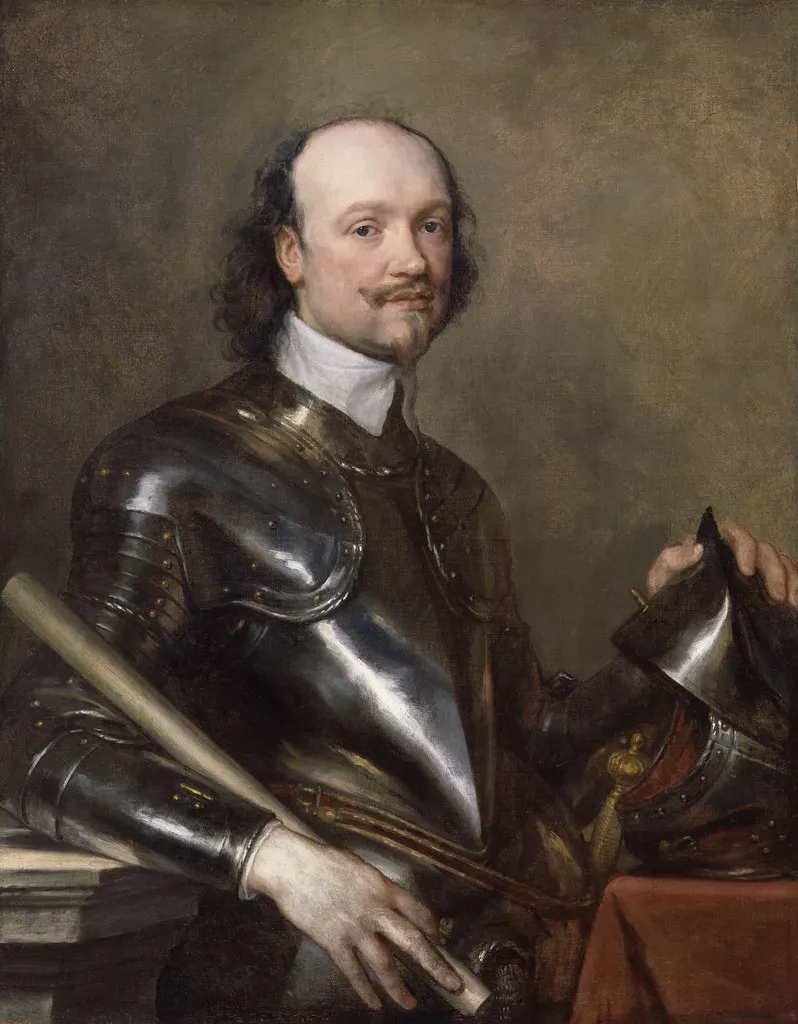
The Groom of the Stool served the English monarch and was responsible for assisting the king with his toileting needs. The role involved supplying water and washcloths and monitoring the king’s diet and bowel movements. Due to the personal nature of this role, many went on to gain much of the king’s confidence and form a close relationship with the monarch.
The position was invented by King Henry VII during his reign to oversee pretty much every aspect of his bowel movements. Oddly enough, the job was considered highly prestigious, since it granted one-on-one time with royalty, and the holder could even use close contact to influence political decisions. Shockingly, the role was still going strong until 1901 when King Edward VII ended the practice. Few jobs in history blur the line between the repulsive and the powerful quite so dramatically.
5. The Sin-Eater: Absorbing the Guilt of the Dead
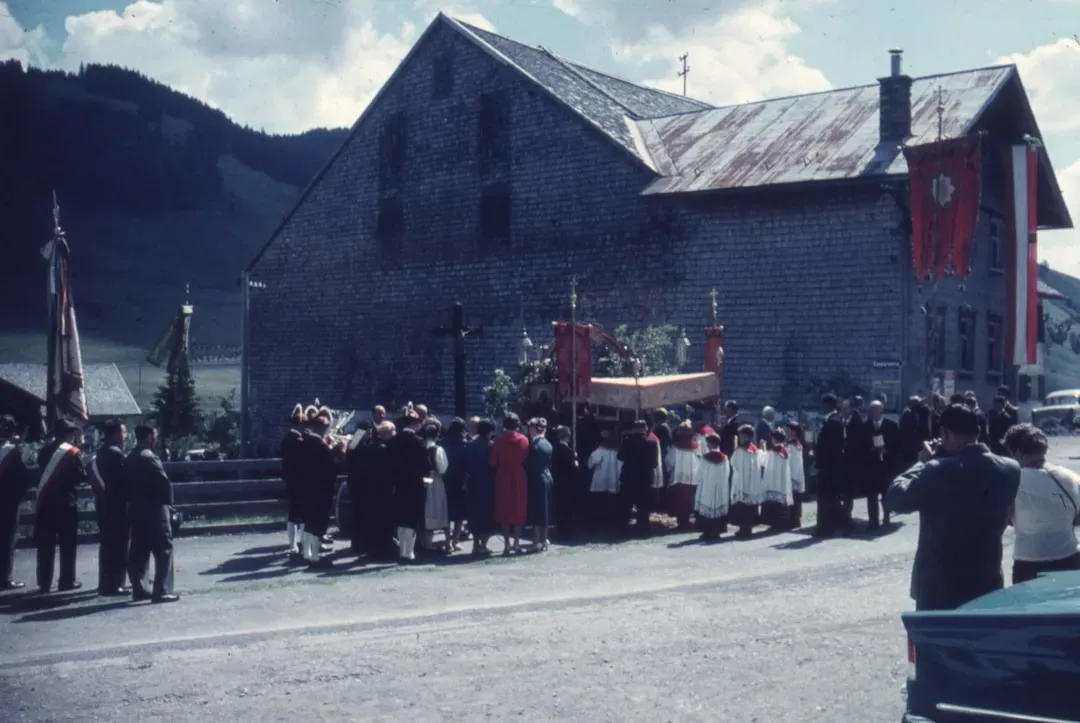
During the 18th and 19th centuries, one way of ensuring that loved ones were at peace was to enlist the services of a sin-eater, a person who would attend a funeral and consume food and drink that were meant to embody the decedent’s sins. In doing so, the dead person could continue into the afterlife without worrying about being punished for their transgressions.
These workers took on the misdeeds of the deceased by eating some bread that had been placed on the dead person’s chest. The ritual was practiced mainly in Wales and parts of England, and the sin-eater was typically a social outcast by necessity, someone whose own reputation was considered already spent. As formal religious institutions tightened their grip on funeral rites and as literacy and rational skepticism spread, the practice faded without ceremony.
6. The Fuller: Laundering Clothes With Urine

Fullers were the washing machines of ancient history. Dating back to Mesopotamia between roughly 8000 and 2000 BC, fullers were responsible for laundering clothes. Using urine as a detergent, they would stand in tubs of water and urine to wash the clothes before rinsing and drying them. In Ancient Rome, fullers were particularly popular, as wealthy Romans felt that clean clothes showed their status.
Untreated wool is oily, greasy, dirty, and has a coarse and scratchy finish. Back in the day, fullers used to soften the fibres by trampling over them in vats filled with aged urine. The ammonia-rich environment really did banish the grease from wool, but it meant that somebody had to spend up to eight hours trampling up and down in a bucket of foul fluid. The introduction of soap-making at industrial scale, combined with mechanical textile mills, made the fuller’s role redundant by the 19th century.
7. The Pure Finder: Dog Waste as a Commodity
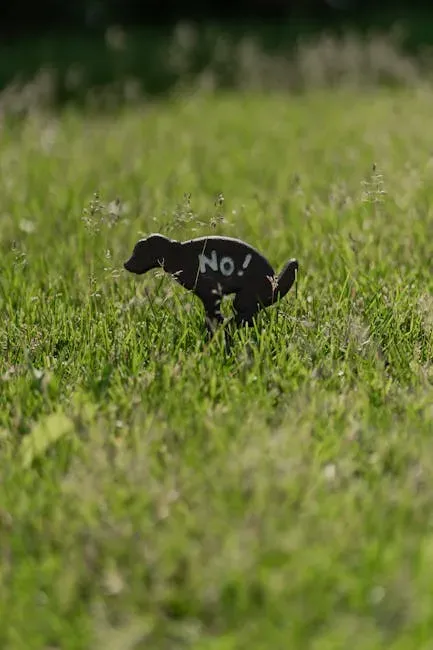
To treat leather, tanners used dog excrement, which softened the hide and made it more flexible. The tanners didn’t collect the feces themselves. That job was delegated to pure finders. Dog poop was used as a drying agent by tanneries to make bookbinding leather. The rules of supply and demand meant that collecting dog poop became a full-time job for people called pure finders, who roamed their area on the hunt for dog droppings. The job was certainly dirty, but it was a very profitable and even enviable enterprise at the beginning, before competition became too fierce.
Pure finders were a fixture of Victorian-era London streets, often carrying a bucket and a glove as their only professional equipment. When synthetic tanning agents became available and the leather industry modernized its chemistry, demand for the raw material collapsed almost immediately. The job didn’t evolve. It simply stopped being needed.
8. The Flatulist: Entertainment Through Flatulence

Believe it or not, “professional farter” was once a real job. These individuals were called flatulists and would entertain crowds using farts as their primary material. They would pass gas in amusing manners such as to music or even on cue to get big laughs. Irish gas performers were called braigetoirs rather than flatulists. Flatulist work existed for a surprisingly long time.
These individuals made careers out of entertaining people with their gas. They’d find unusual ways to do it, such as performing to a tune, to attract big laughs. It was a career that was popular for hundreds of years, with some flatulists reaching celebrity status. The profession quietly disappeared as theater and entertainment diversified, offering audiences comedy, music, and spectacle in forms that were slightly easier to describe to polite company.
9. The Lector in Cigar Factories: The Workplace Storyteller

In bustling cigar factories, the lector’s voice was a beacon of knowledge and entertainment. Perched above the workers, they read news, novels, and even political essays aloud, keeping everyone informed and engaged. Radios eventually made the lector obsolete. The role was especially prominent in Cuba and parts of Florida, where hand-rolling workers spent long hours in repetitive labor and genuinely relied on lectors for both education and morale.
The lector was paid not by the factory owner but by the workers themselves, who collectively decided what would be read and how much the reader deserved. It was one of the more democratic arrangements in pre-radio labor history. When affordable radios reached factory floors in the early 20th century, the lector’s voice was simply replaced by a dial.
10. The Poison Squad Member: Voluntary Human Test Subject
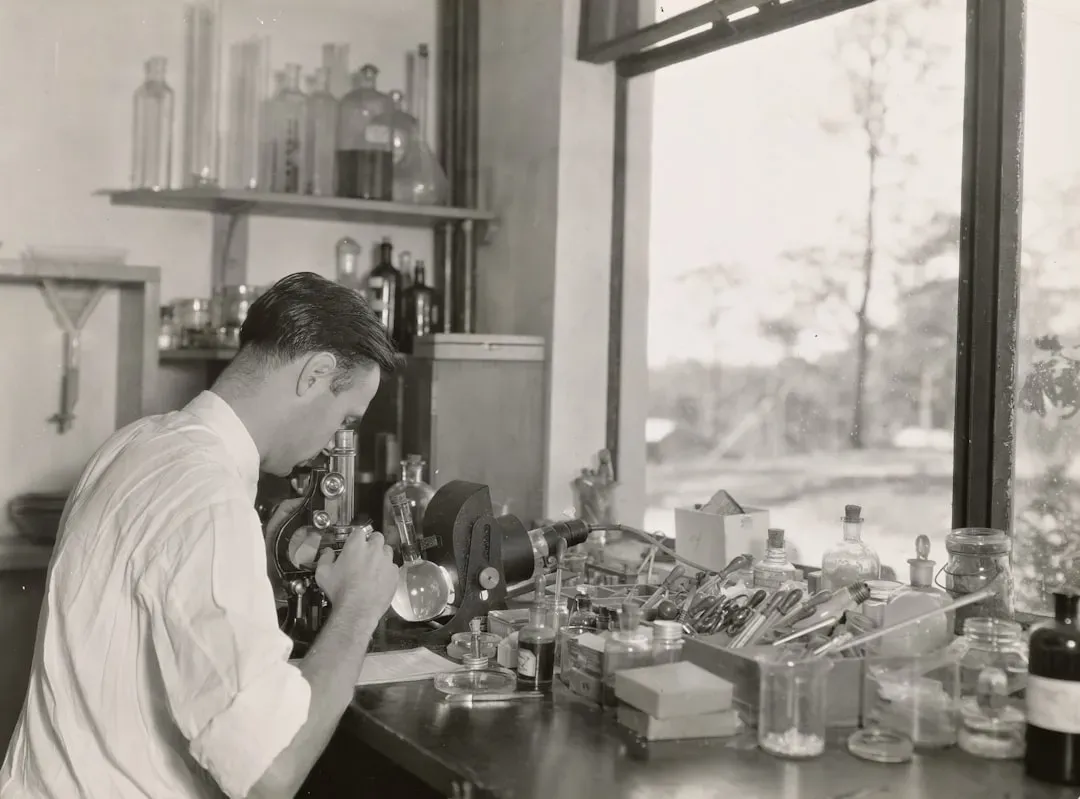
In the early 1900s, the U.S. Department of Agriculture enlisted a group of men to voluntarily ingest meals laced with a variety of contaminants, from formaldehyde to sulfuric acid to borax. This lousy job was necessary because at the time, food manufacturers were free to put anything into their edible items. The government needed to establish a baseline for safe levels of these additives, and the so-called poison squad was formed.
Despite the dubiousness of the work, it did lead to the government cracking down on rogue food producers and banning harmful ingredients. Since the offending substances were no longer allowed, there was no more need for these human barometers. The Poison Squad’s findings directly contributed to the Pure Food and Drug Act of 1906, one of the earliest pieces of federal consumer protection legislation in the United States. In disappearing, this strange job left behind something genuinely lasting.