Most dogs are happy to see you go – for about five seconds. Then the real drama begins. Separation anxiety in dogs is a behavioral disorder that occurs when dogs become anxious and distressed when left alone or separated from their pet parents or family members. It’s not a personality flaw or bad training, though training does play a role. For some breeds, the urge to be near their person is essentially baked into their DNA.
Dog breeds show large differences in prevalence of all anxiety-related traits, suggesting a strong genetic contribution. That means the breed you choose matters – a lot. Some dogs were selectively developed over centuries to work beside humans, hunt with them, or simply sit on their laps. When those dogs are suddenly left alone, their world doesn’t just feel empty. It feels threatening. Here are twelve breeds that reliably struggle the most.
1. Border Collie
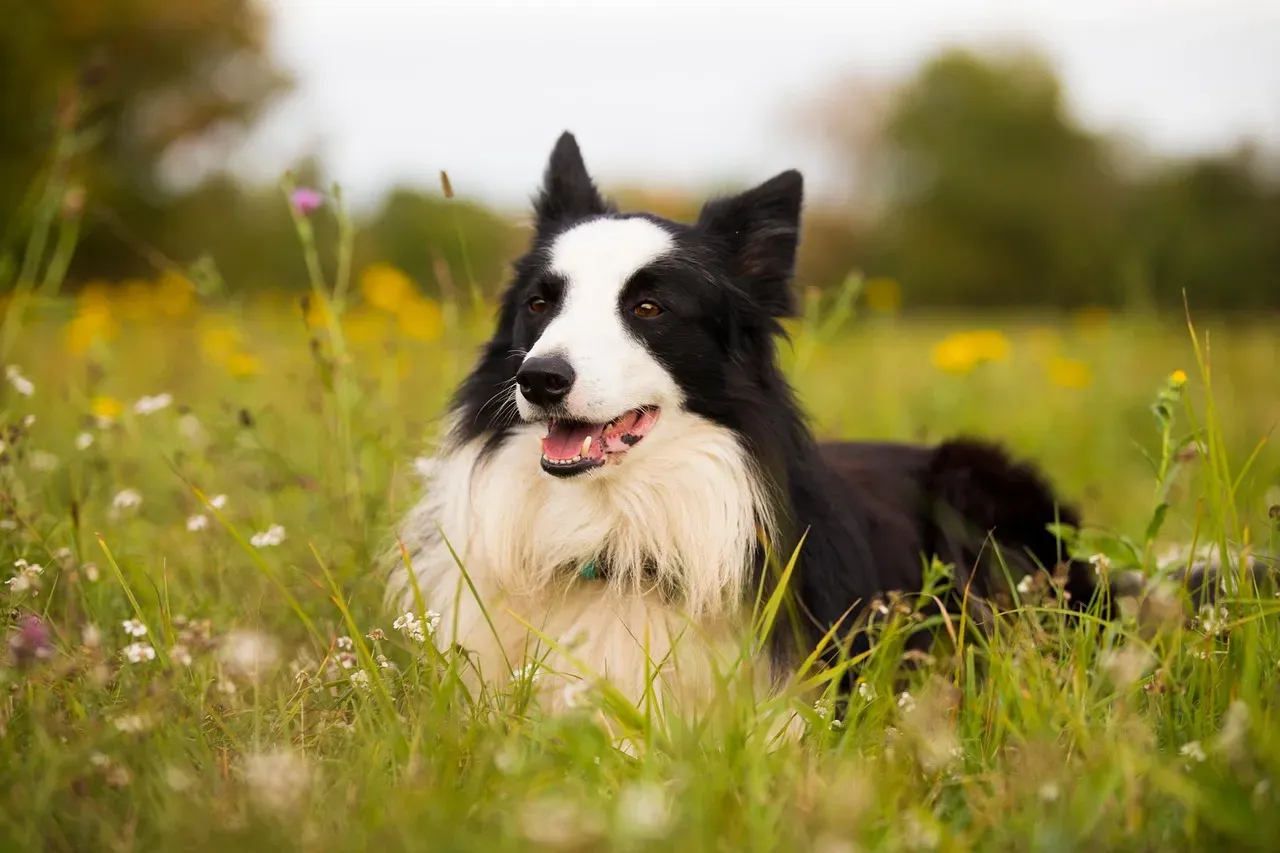
The Border Collie consistently ranks as the most intelligent dog breed, but this means they are more likely than other breeds to become bored when they have no stimulation – leaving them alone can lead to separation anxiety and destructive behavior as they look for ways to amuse themselves. This form of anxiety is quite common among working dog breeds like collies. As an extremely social breed, collies strongly prefer to be in the company of others, and they do not like being left alone for long periods, as this may trigger boredom, frustration, and anxiety.
A Border Collie with separation anxiety panics the minute you leave, whereas it takes a few hours for a bored Border Collie to go looking for something destructive to do. That distinction matters, because true panic sets in almost instantly. If a Border Collie is not taught to spend time alone as a puppy, they tend to become clingy and may never want to leave their human companion’s side. Early independence training is genuinely non-negotiable with this breed.
2. Vizsla
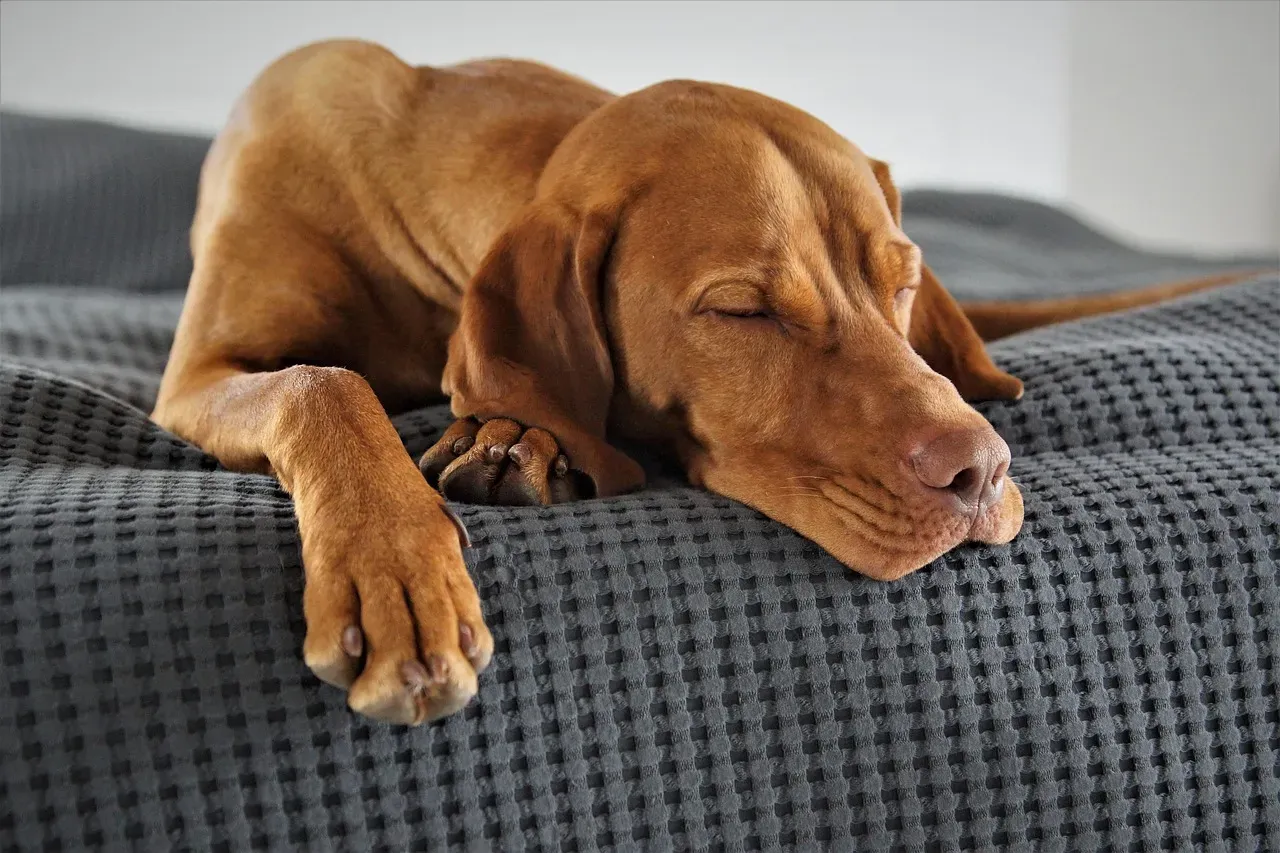
Vizslas are often called “velcro dogs” because they tend to stick close to their owners. These athletic and affectionate dogs thrive on constant interaction and feel deeply distressed when left alone – their anxiety often results in destructive chewing, barking, or even attempts to escape. Originally bred as Hungarian hunting dogs meant to work closely alongside their handlers all day, time alone runs completely counter to everything they were built for.
Vizslas are known for their extreme attachment to their human companions, often to a fault. They are also highly intelligent and have very high energy levels that require significant daily interaction. Separation anxiety is very common among them when they are left alone for long periods, and this often leads to excessive vocalization and destructive behavior. They do best in homes where someone is reliably present for most of the day.
3. Labrador Retriever
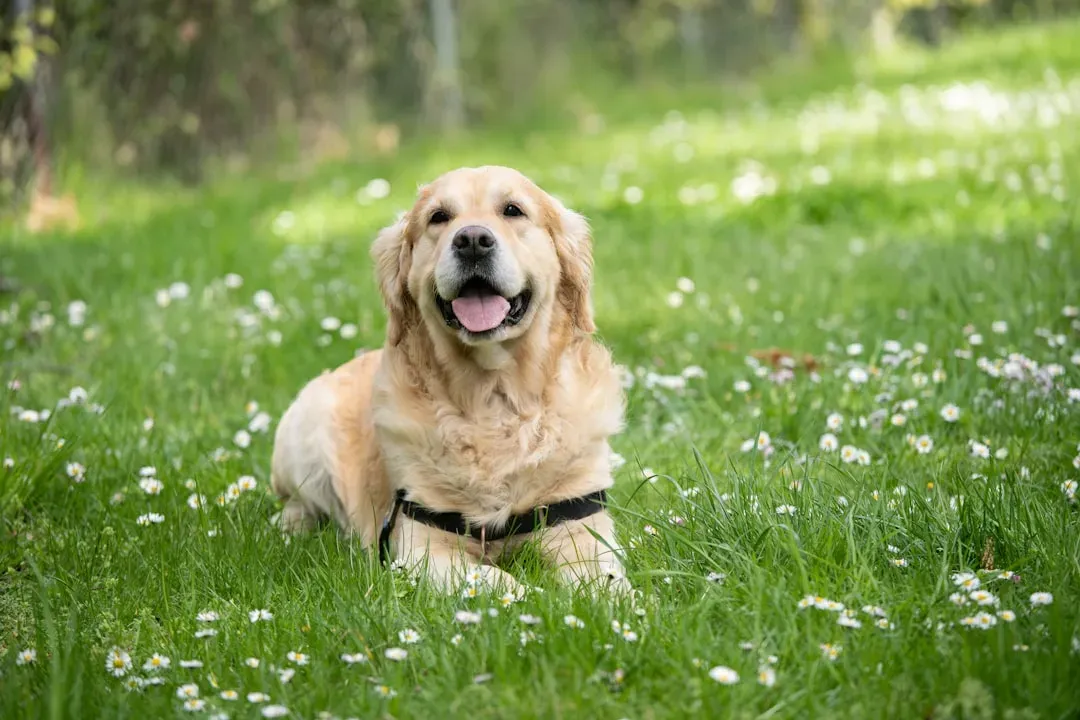
Golden Retrievers are incredibly loyal and affectionate dogs who are bred to be part of the family, which makes them more prone to separation anxiety than most large dog breeds. The same logic applies directly to Labrador Retrievers. Labradors are social butterflies, known for their friendly demeanor and love for family. However, this popularity means they are also highly prone to loneliness if not given enough attention – they thrive on being with their pack, and separation can cause them to become very sad, restless, and bored.
Dog breeds which tend to have lots of separation anxiety include the Labrador Retriever. This is a beautiful and companionable dog, and their strong attachment to family can make them more prone to separation anxiety and behavioral challenges. Despite being one of the most popular breeds in the world, Labs are often underestimated in terms of how deeply they feel their owner’s absence. Destructive behavior in these dogs is almost always rooted in emotional distress rather than mischief.
4. German Shepherd
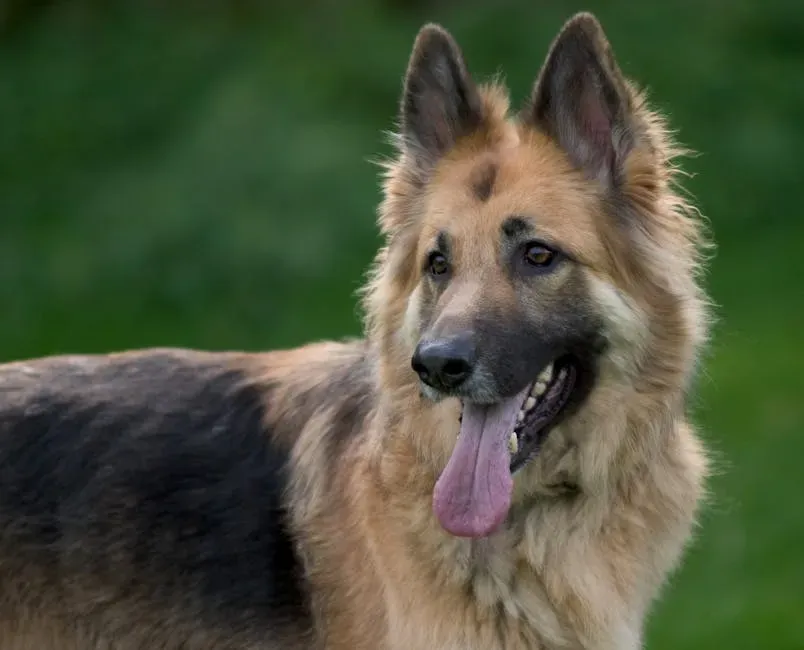
This noble and imposing breed is a softie inside. The German Shepherd needs a physically and mentally stimulating environment, and as a brilliantly trainable and intelligent working dog, they form strong bonds with their owners – which means they can be prone to distress if they are left alone, or not adequately exercised and stimulated. There’s something almost ironic about a dog that can guard an estate being undone by an empty house.
German Shepherds are loyal working dogs who thrive on structure, companionship, and daily exercise. When under-stimulated or left alone too often, they may become anxious. Prolonged separation times and lack of adequate physical activity can cause anxiety in German Shepherds. To prevent anxiety, they require people or other dogs around them to stay engaged. A well-exercised, mentally stimulated Shepherd is far better equipped to handle solitude – but even then, it’s not something they enjoy.
5. Bichon Frise
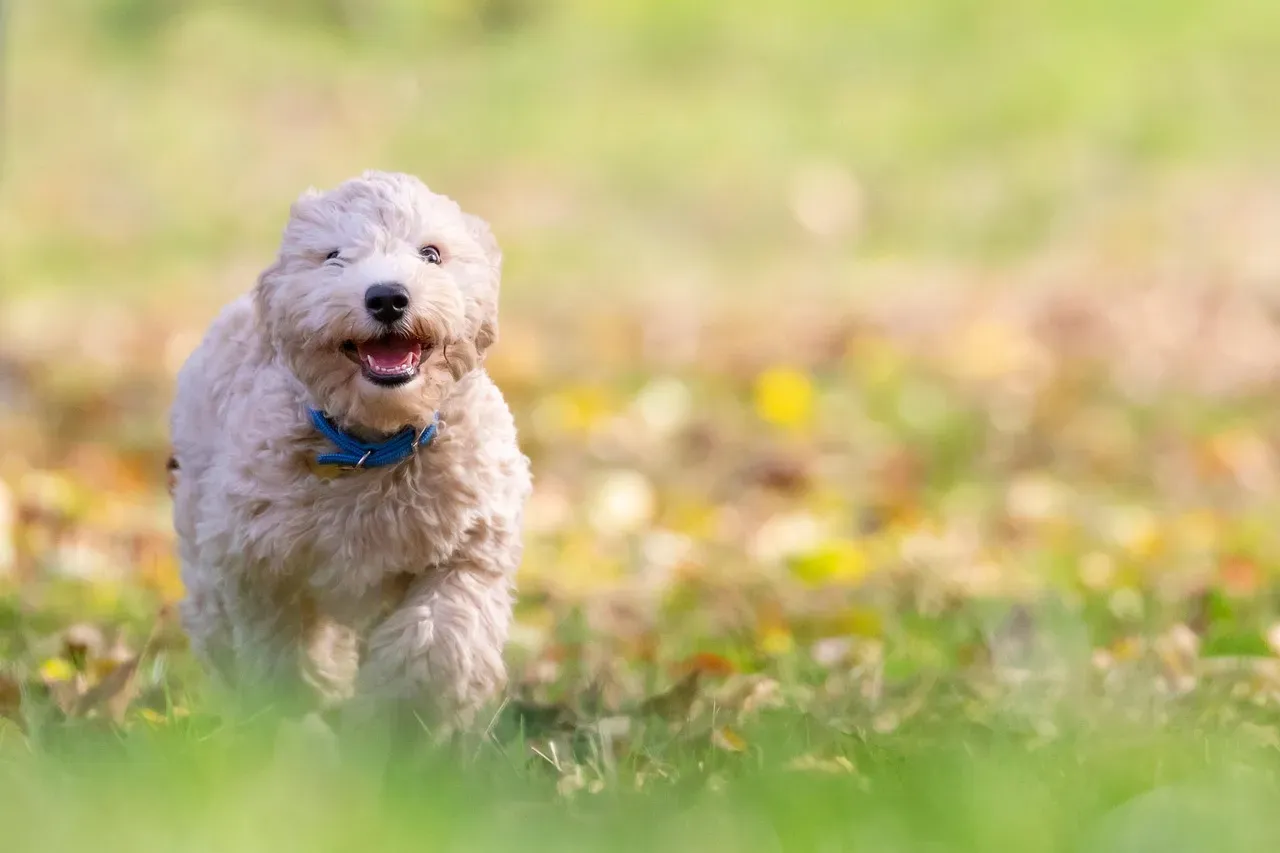
Bred to be companion dogs, the Bichon Frise tends to build a quick and strong bond with one particular person. Happiest on their owner’s lap, extended separation can cause stress and sadness. One of the most common problems reported among Bichon Frise owners is their separation anxiety. This breed is a companion and lapdog and does not do well when they’re unable to see their owners for extended periods.
The Bichon Frise is a small, cheerful dog that loves being around people. They were bred as companion animals, so being alone is extremely stressful for them. Their affectionate nature means they thrive on human attention, and extended periods of solitude can lead to separation anxiety. Signs of their distress often include excessive barking, whining, or accidents in the house. Their small size makes people assume they’re low-maintenance – that assumption tends to backfire.
6. Cavalier King Charles Spaniel
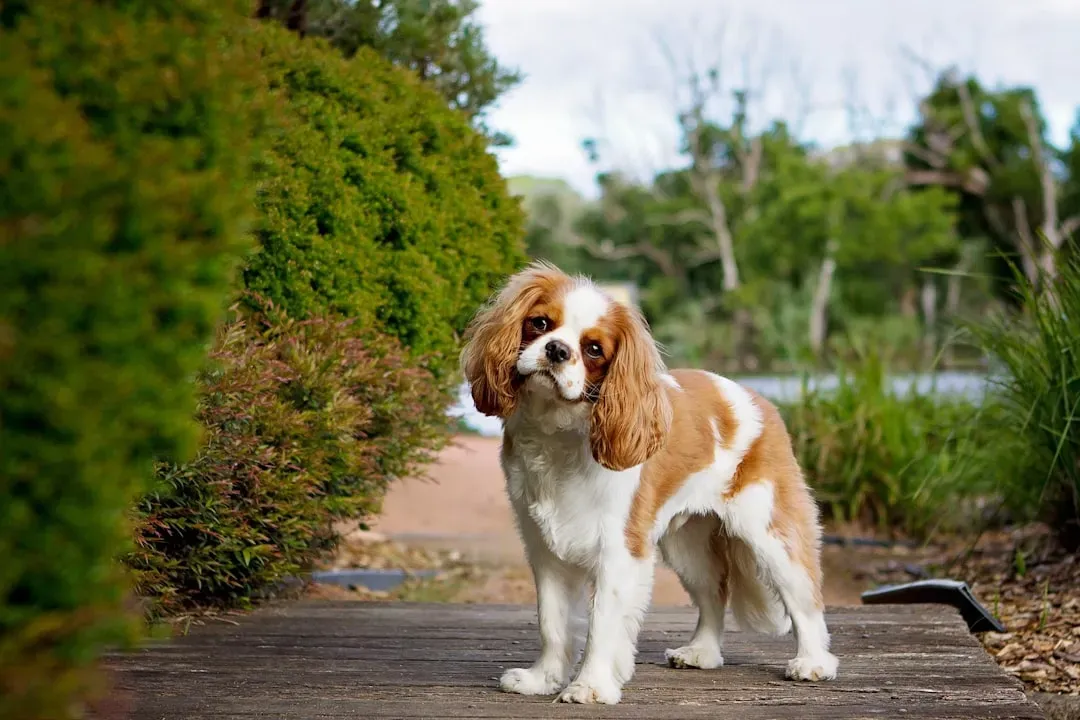
The Cavalier King Charles Spaniel is often referred to as a “velcro dog” because of its tendency to stick close to its owner. These small, affectionate dogs were bred as lap companions, so they crave constant attention and physical closeness. Being left alone for extended periods can cause them significant stress, often manifesting as whining, barking, or destructive chewing. Their sensitive nature makes them prone to separation anxiety, requiring a home where they’re rarely left without company.
The Cavalier King Charles Spaniel is one of the smallest spaniel breeds and was used primarily as a companion dog. They are used to being around people, enjoy being around people and are prone to having separation anxiety if left alone for too long. For a breed this devoted, “alone time” isn’t a concept that comes naturally. Gradual desensitization from puppyhood gives them the best chance of coping.
Partner offer
7. Australian Shepherd
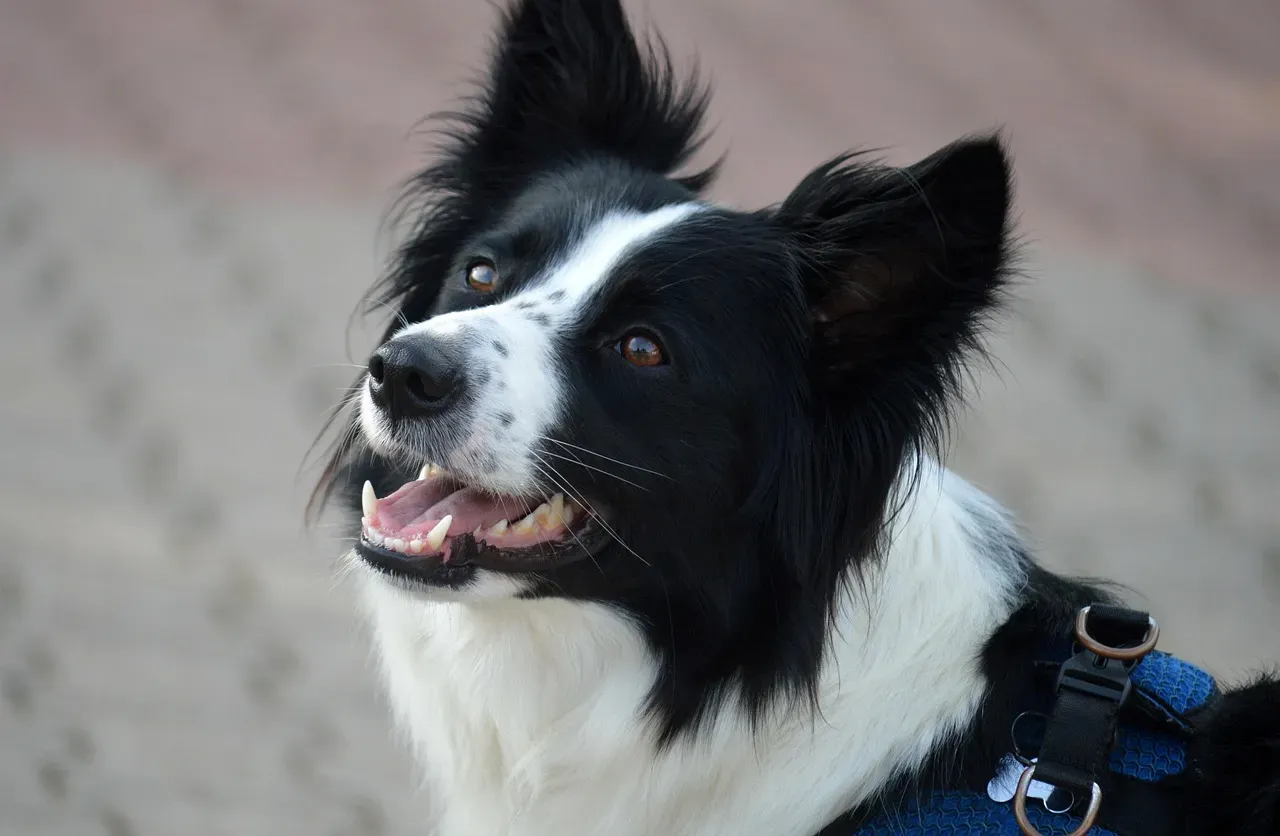
The Australian Shepherd is a very active breed that was created to work all day long. If they’re not busy, they’re bored – which leads to problematic habits when left alone doing nothing. If their instincts are not fulfilled through adequate exercise and herding-like activities, Australian Shepherds may attempt to herd family members, children, or other pets. This behavior is a manifestation of their need to control and organize their environment, which can lead to anxiety and stress if not properly managed. Insufficient exercise and mental stimulation exacerbate these behaviors, making them more pronounced and problematic.
The Australian Shepherd has been bred for herding and is a very active dog that does best when at work. They need to stay active and may suffer anxiety when there’s nothing to do. This breed thrives on purpose. Without a job or meaningful activity to anchor them, the anxiety that emerges is less about loneliness and more about a deep, unsatisfied drive to be useful. Mental enrichment toys and structured exercise before you leave can make a measurable difference.
8. Cocker Spaniel
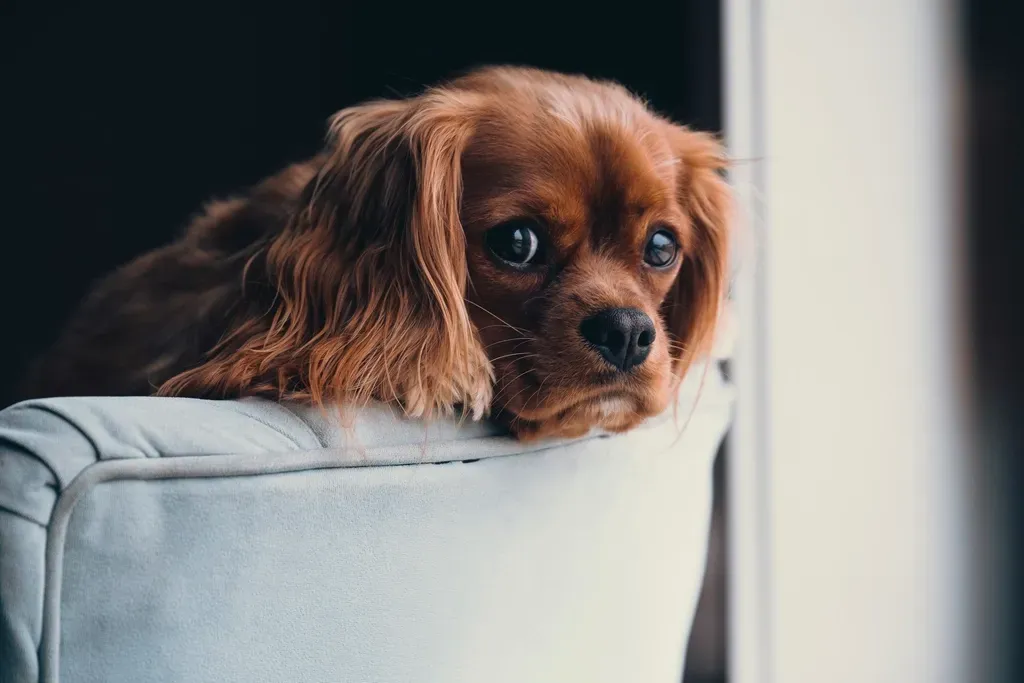
Cocker Spaniels are gentle, loving dogs that form deep emotional connections with their families. Their sensitive nature makes them particularly vulnerable to separation anxiety when left alone. They thrive on attention and affection, and prolonged isolation can lead to stress, resulting in destructive chewing or excessive barking. As a breed originally bred for close companionship, they need constant interaction and care to maintain their emotional well-being.
Cocker Spaniels form really strong attachments to their families. Their emotional sensitivity makes them quite prone to both separation anxiety and noise phobias. The Cocker Spaniel is also a gundog used to spending a lot of quality time with its family. They make great family companions, but their popularity has introduced a lot of temperament issues, including severe separation anxiety. Consistent daily routines and avoiding overly extended goodbyes can help keep their stress responses from escalating.
9. Toy Poodle
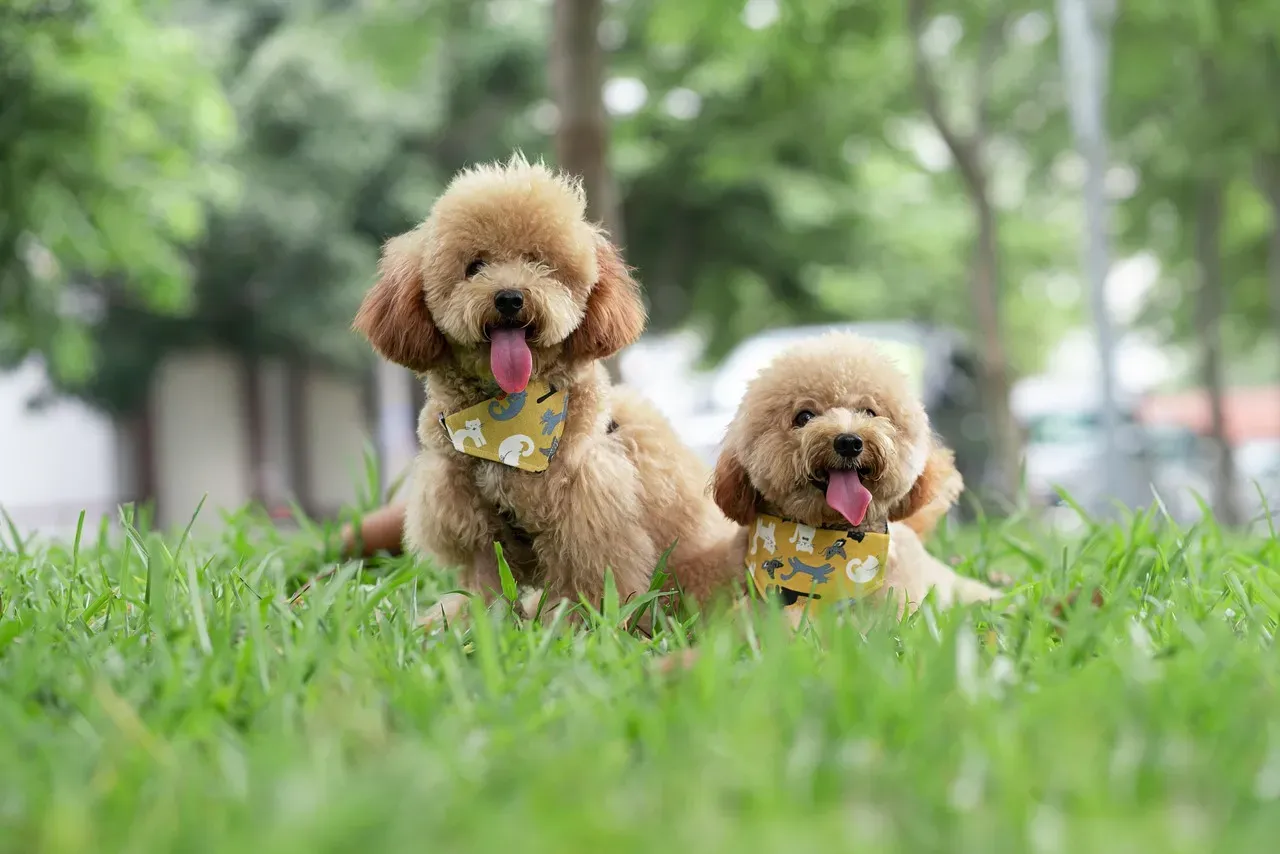
The Toy Poodle is the smallest of the Poodles and probably the softest in temperament. Bred solely as companion dogs, they do not fare well when left alone for long periods as they desire regular human interaction. Their intelligence makes them acutely aware of your absence and prone to anxiety-driven behaviors. That last part is worth pausing on – a high-intelligence dog is a dog that notices every ritual that precedes your departure. Keys jangling, shoes going on, a bag being picked up: all of it signals trouble.
Many dog breeds can suffer from separation anxiety, but the Toy Poodle is one of the most prone to this problem. This breed is highly social and does not do well when left alone for long periods. When left alone, they may bark excessively, destroy furniture, or have accidents indoors. The Poodle is often said to be more keen on humans than other dogs. Blessed with a gentle temperament and bred to be a companion dog, they crave attention and human company.
10. Havanese
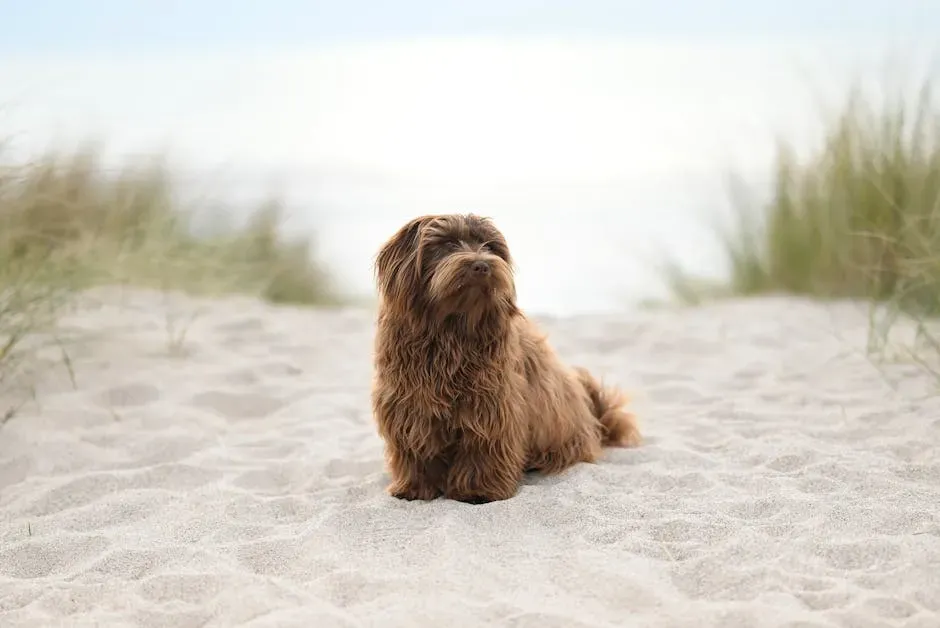
Much like the Bichon Frise, the Havanese is a breed created to be a lapdog and desires human companionship above all else. Leaving this Cuban breed alone for too long is a recipe for disaster. Because they are so people-oriented, Havanese can struggle with being left alone and are prone to separation anxiety. They are happiest when they have constant companionship and can become distressed if left alone for extended periods. Havanese love to be close to their human family – these Cuban charmers were literally bred to be lap dogs, making solitude feel like punishment rather than peaceful downtime.
With a heart as soft as their coat, Havanese dogs are sensitive, loyal companions. Their greatest desire is to be part of the family, and they often struggle to function without their human. They can become extremely sad and introverted if left alone regularly for long hours and are not suitable for people working full-time outside the home. Some of the greatest behavioral signs are pacing, crying, and refusal to play.
11. Jack Russell Terrier

These feisty little terriers have high energy levels and require masses of entertainment and plenty of exercise if they are not to get bored and start seeking their own forms of amusement. Jack Russells need a human around to engage them and keep them out of mischief. Parson Russell Terriers are commonly called Jack Russell Terriers. Whatever name you refer to them as, they’re bold, energetic, and tend to be anxious. Their high prey drive, intelligence, and energy are all attributes that made them skilled hunters, but they can become restless without their desired outlets.
Jack Russells thrive on human companionship and interaction. They are highly social dogs that form strong bonds with their owners and enjoy being involved in daily activities. However, this need for attention means that they can develop separation anxiety if left alone for extended periods. They can quickly go awry if there isn’t a human around to help them out and to keep them engaged – and they can do a surprising amount of damage for a small dog.
12. Boxer
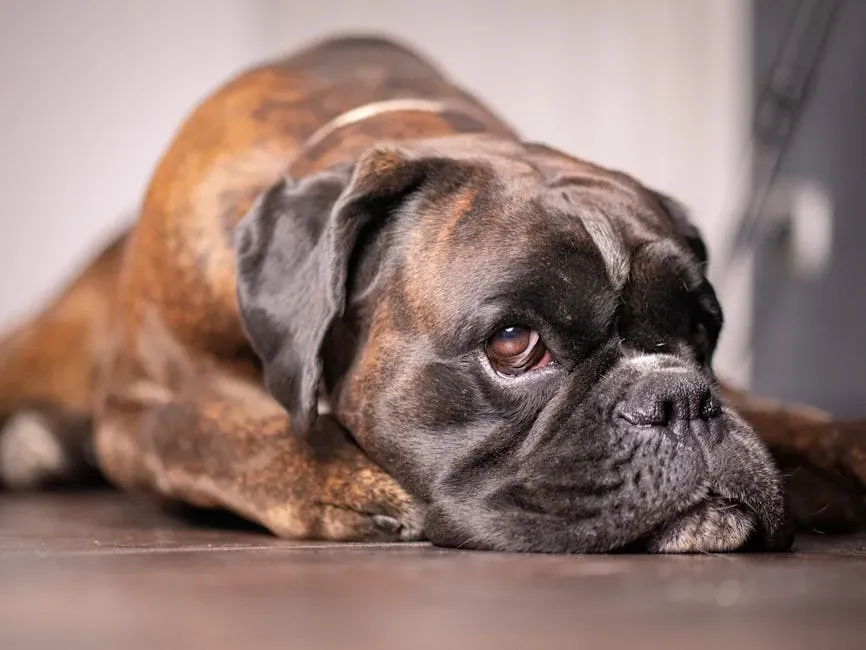
Boxers thrive on human company, so if they are alone or get bored, they can develop problematic habits such as chewing furniture and nuisance barking. This is a breed that is prone to claustrophobia, so it’s important to give your Boxer plenty of space so they don’t feel confined – while also not having so much room that they pace around the whole house looking for their humans. That tension between needing space and needing presence captures the Boxer’s situation rather well.
This loving family dog has been bred as a companion and loves to be surrounded by people around the clock. Because they value attention and closeness to their humans, they can be anxious when left all alone, and let the neighbors know about their misery by whining the house down. Boxers are exuberant, people-focused dogs who have little patience for solitude. With proper exercise, structured routines, and early alone-time training, many Boxers manage reasonably well – but they’ll always prefer your company to an empty house.
The common thread running through all twelve of these breeds is not weakness or poor temperament. It’s the depth of the bond they form with people, often because they were specifically bred to form it. When a dog is highly attached, their entire sense of security is tied to the physical presence of their owner. The resulting panic is a physiological response, not a behavioral choice. Understanding that distinction changes how you approach the problem entirely.
Proper training and gradual desensitization can help dogs learn to be calm and relaxed when left alone. Dogs that have not been trained to be alone or gradually desensitized to their owner’s absence may be more prone to separation anxiety. If you own one of these breeds, the investment you make in teaching them that your absence is temporary – and safe – is one of the most valuable things you can do for their long-term wellbeing. The dog waiting anxiously at the door isn’t being dramatic. They’re just doing what thousands of years of selective breeding prepared them to do.
Partner offer
Planning a trip to Vegas?
Compare hotel rates and show tickets on VEGAS.com.