Some franchises age gracefully, bringing back familiar faces decade after decade. Others simply move on, swapping out every recognizable actor while keeping the title, the mythology, and sometimes even the same fictional town. It’s a strange kind of continuity, one where the story survives but nobody who originally told it sticks around to see it through.
1. Godzilla
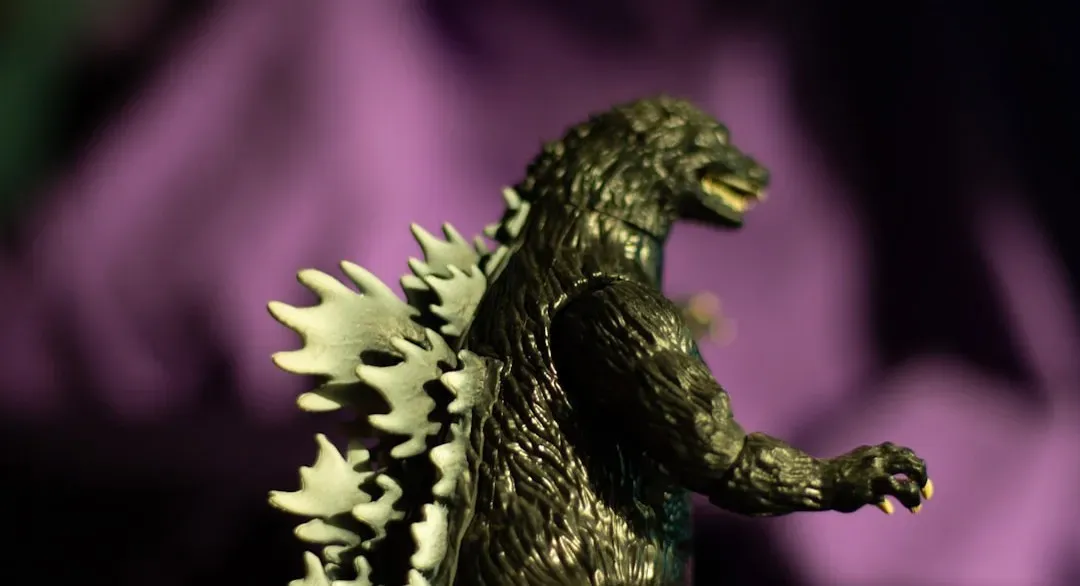
Godzilla’s original 1954 cast, led by Akira Takarada, has long since aged out of the franchise, and none of them appear in the kaiju’s more recent Japanese or American outings. Toho has rebooted the character multiple times, most notably with 2016’s Shin Godzilla and 2023’s Godzilla Minus One, both featuring entirely new human casts with no connection to the 1954 lineup.
The Hollywood side of things, running from Gareth Edwards’ 2014 film through the ongoing MonsterVerse, never borrowed a single actor from Toho’s original productions either. It’s arguably the cleanest example of a franchise outliving its entire founding cast, simply because it has been running for over seventy years and nobody from that first film is still working in the series.
2. A Nightmare on Elm Street (2010)
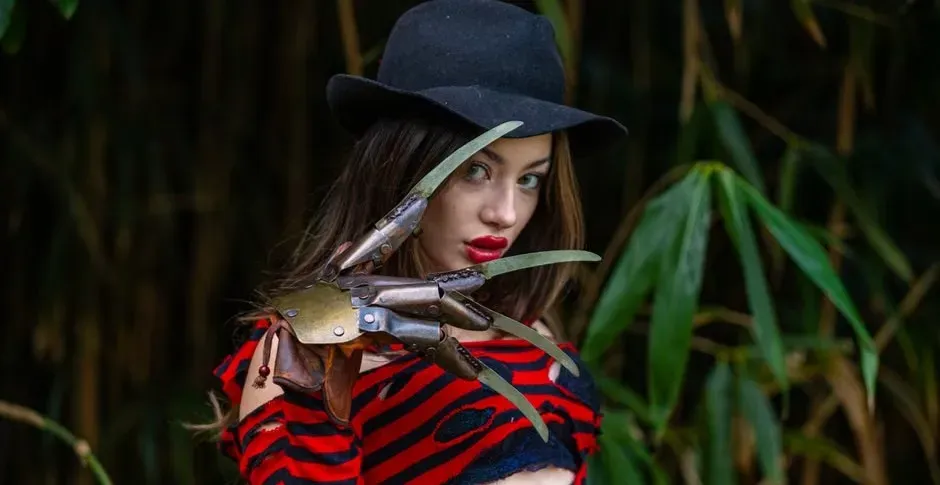
Wes Craven’s 1984 original made Robert Englund synonymous with Freddy Krueger for over two decades, but the 2010 reboot handed the role to Jackie Earle Haley instead. None of the teenage leads from the original, including Heather Langenkamp and Johnny Depp in his film debut, returned in any capacity.
The new film kept the central concept, a dream-stalking killer terrorizing suburban teenagers, but rebuilt the cast from scratch with Rooney Mara stepping into the “final girl” role. Reviews were mixed, and the reboot didn’t spawn further sequels, but it stands as a clear case of a horror icon’s franchise continuing without a trace of the original ensemble.
3. Friday the 13th (2009)
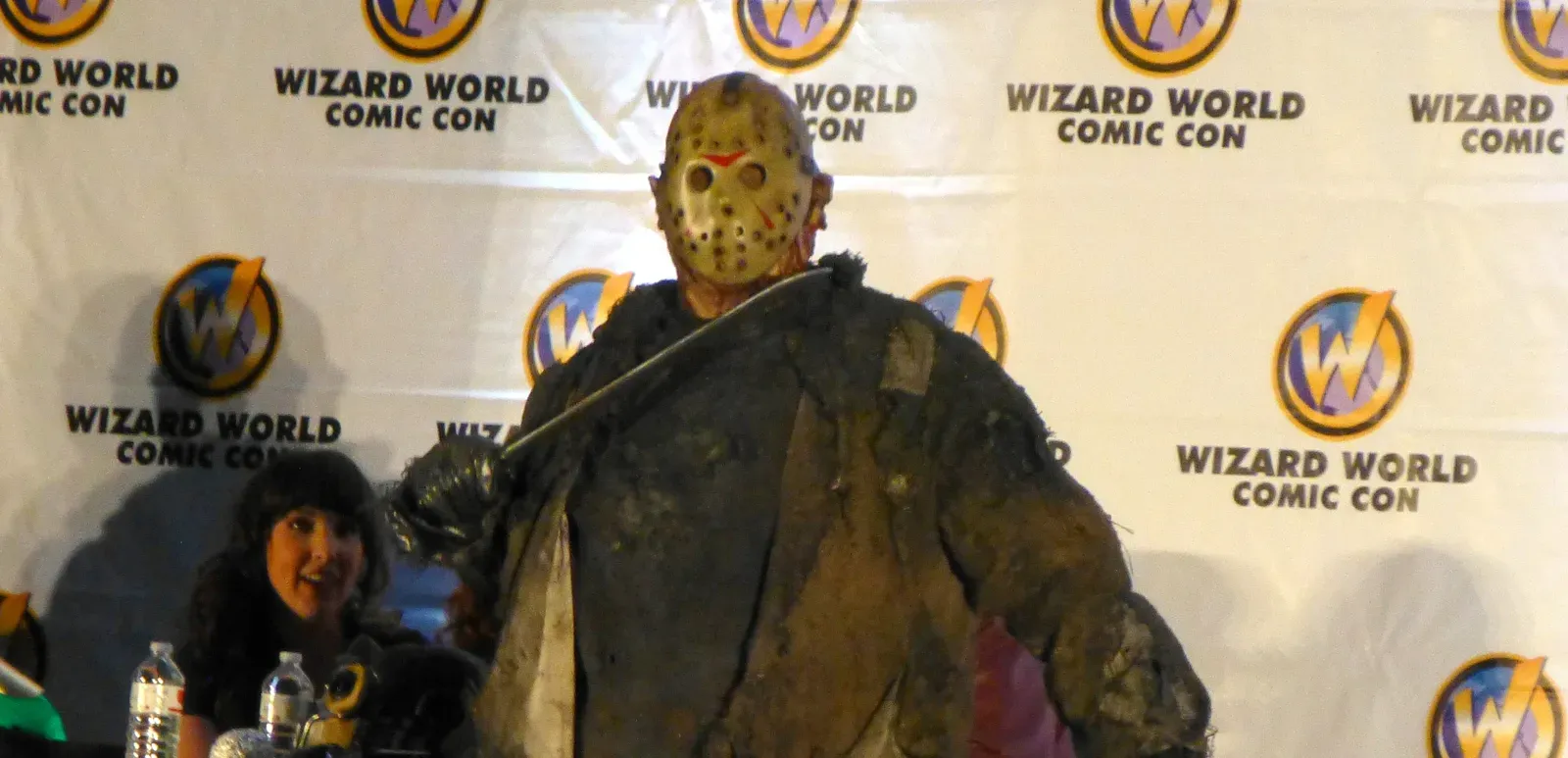
Jason Voorhees has been played by a rotating cast of stunt performers over the years, so recasting wasn’t new. What made the 2009 reboot different is that it also discarded every human cast member from the original 1980 film, including Betsy Palmer as Pamela Voorhees.
Jared Padalecki led a fresh ensemble through Camp Crystal Lake, and the film functioned as both a remake and a soft continuation of the mythology. It grossed well over 90 million dollars worldwide against a modest budget, proving audiences didn’t need the original faces to keep coming back to the summer camp setting.
4. Child’s Play (2019)
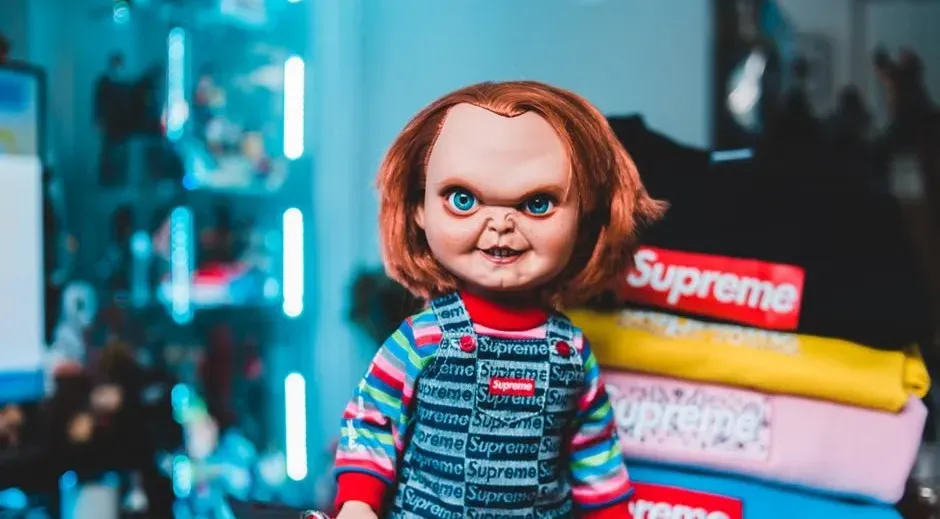
This one is notable because it didn’t just recast the humans, it recast the killer doll’s voice too. Brad Dourif had voiced Chucky since 1988, but the 2019 reboot brought in Mark Hamill instead, reimagining the character as a malfunctioning smart toy rather than a vessel for a serial killer’s soul.
Aubrey Plaza and Gabriel Bateman led the new human cast, with no connection to Catherine Hicks or Alex Vincent from the original film. The reboot was produced without the involvement of original creator Don Mancini, who continued his own separate Chucky continuity on television around the same time, making this one of the rare cases where two distinct versions of the same franchise ran in parallel.
5. Texas Chainsaw Massacre (2022)
Tobe Hooper’s 1974 film starred Marilyn Burns as Sally Hardesty, the lone survivor of Leatherface’s rampage. Burns died in 2014, and when Netflix’s 2022 sequel decided to bring Sally back for one more confrontation, the film starred Sarah Yarkin, Elsie Fisher, Mark Burnham, Moe Dunford, Nell Hudson, Jessica Allain, Olwen Fouéré, Jacob Latimore, and Alice Krige.
Olwen Fouéré was cast as Sally in the 2022 film, a direct sequel to the original, following the death of Burns in 2014. It’s a rare instance where a franchise wrote around a real-life loss rather than ignoring the character entirely, but the result is still a film with zero returning original cast members, since Leatherface himself has always been played by stunt performers under a mask rather than a single consistent actor.
6. Halloween (2007)
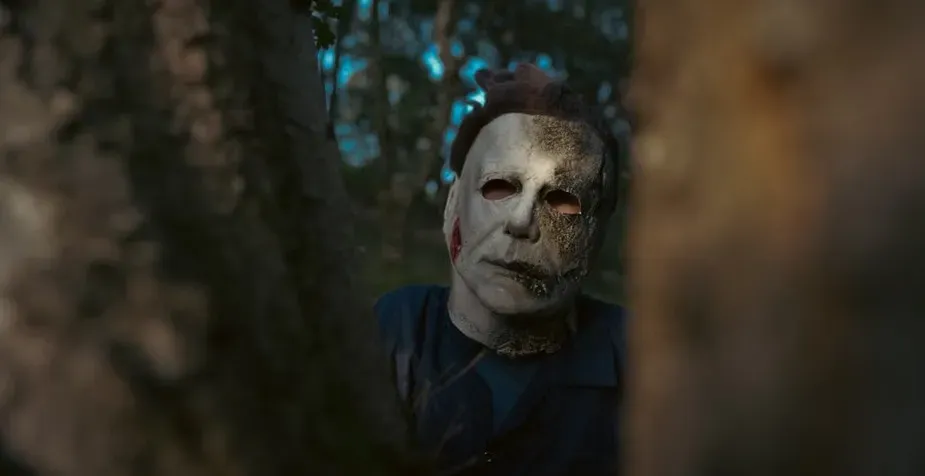
Rob Zombie’s 2007 reimagining kept Michael Myers as a masked, largely silent presence, but every other role was recast. Malcolm McDowell took over as Dr. Loomis from Donald Pleasence, and Scout Taylor-Compton stepped into Laurie Strode’s shoes, previously occupied by Jamie Lee Curtis.
Zombie’s version leaned harder into Michael’s backstory and family life, a notable departure from Carpenter’s more minimalist original. It’s worth noting that later Halloween films, including the 2018 legacy sequel trilogy, did bring Curtis back, which makes the 2007 remake the cleaner example of a total cast turnover within this particular horror series.
7. RoboCop (2014)
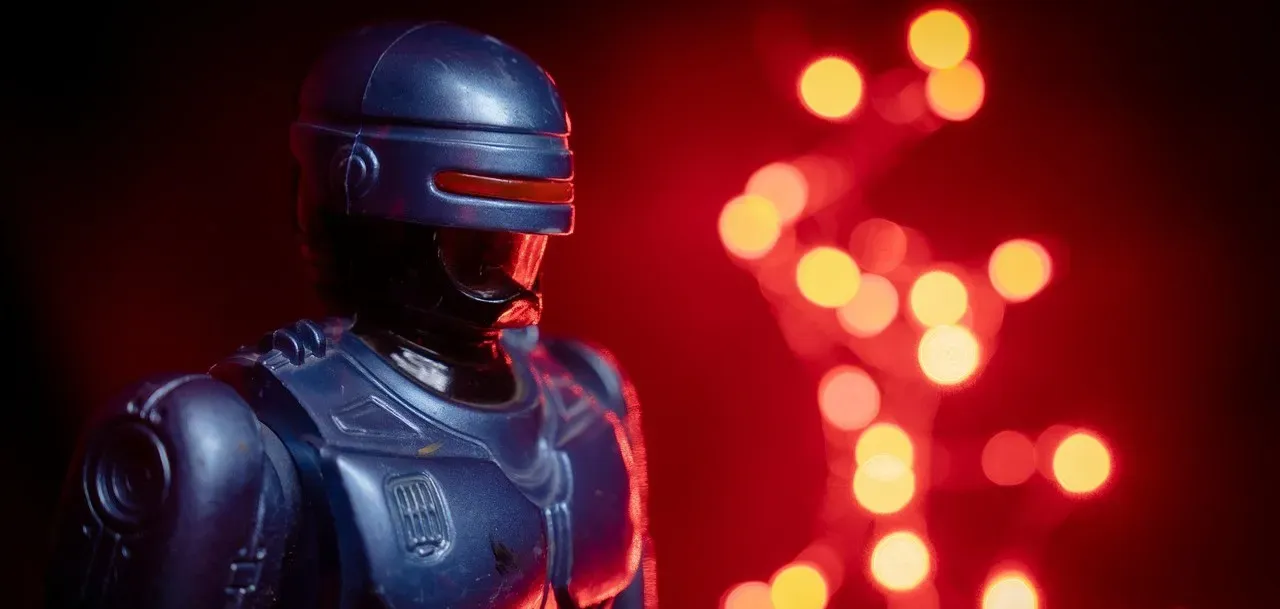
Peter Weller’s portrayal of Alex Murphy defined the original 1987 RoboCop, alongside Nancy Allen as Officer Lewis. The 2014 remake replaced both with Joel Kinnaman and Abbie Cornish, rebuilding the story around modern anxieties about drone warfare and corporate militarization.
Gary Oldman and Michael Keaton rounded out a cast with no ties to the Paul Verhoeven original whatsoever. The film performed reasonably at the box office but didn’t generate the same cultural staying power, suggesting that satire this specific to its era doesn’t always translate cleanly to a new cast and a new decade.
8. Total Recall (2012)
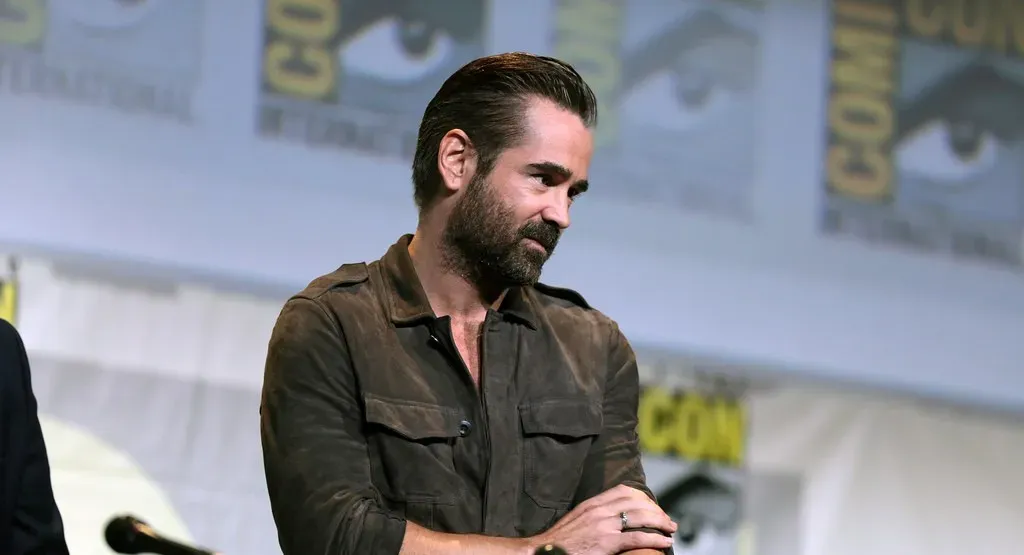
Arnold Schwarzenegger’s 1990 sci-fi thriller was a signature role for him, built around his physicality and screen presence as much as the story itself. The 2012 remake swapped him out for Colin Farrell, alongside Kate Beckinsale and Jessica Biel replacing the original’s Sharon Stone and Rachel Ticotin.
Director Len Wiseman leaned into a darker, more dystopian visual style than Paul Verhoeven’s original, but the core plot about implanted memories and questionable reality stayed intact. Critics were generally unimpressed, and the film’s box office performance suggested that some remakes lose more than they gain when the connective tissue of a beloved lead actor disappears entirely.
9. Ghostbusters (2016)
Bill Murray, Dan Aykroyd, Harold Ramis, and Ernie Hudson made the original 1984 Ghostbusters a cultural touchstone, and their chemistry was a huge part of why it worked. The 2016 reboot, directed by Paul Feig, replaced them entirely with Kristen Wiig, Melissa McCarthy, Kate McKinnon, and Leslie Jones.
Several original cast members did appear in brief cameos playing different characters, which technically means no one reprised their original role. The film became something of a lightning rod for online debate at the time, though its box office performance was solid enough that Sony didn’t abandon the brand, later returning to a version of the franchise that did bring back legacy characters and actors in Ghostbusters: Afterlife and Frozen Empire.
10. Death Wish (2018)
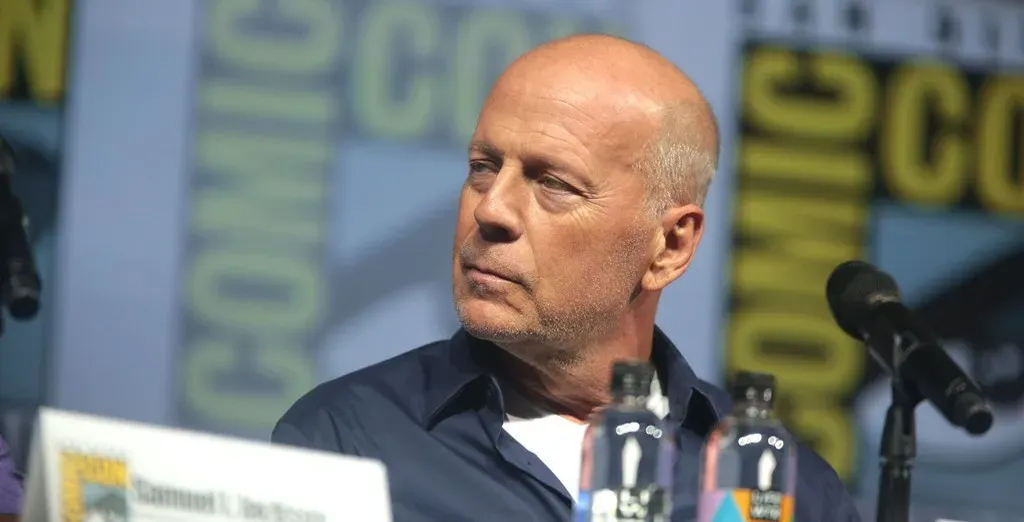
Charles Bronson’s vigilante Paul Kersey became an icon of 1970s and 80s action cinema across five original films. The 2018 remake, directed by Eli Roth, cast Bruce Willis in the lead role instead, relocating the story from New York to Chicago and updating the social commentary for a new era.
None of the surviving cast members from the original series appear in any capacity, and the film functions as a standalone reimagining rather than a direct sequel. Critical reception was largely negative, with many reviewers noting that the remake struggled to justify itself beyond nostalgia for the concept rather than the specific film it was based on.
11. Hellraiser (2022)
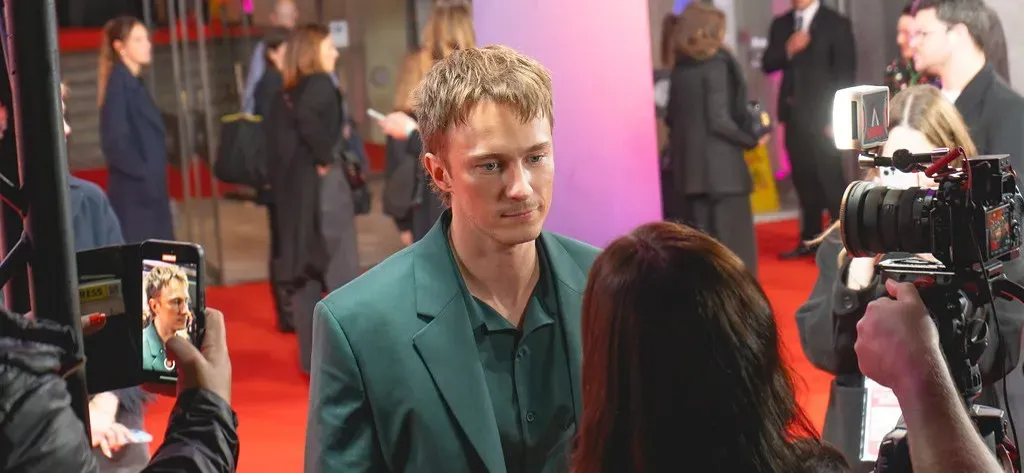
The film was directed by David Bruckner and starred Brandon Flynn, Goran Visnjic, Drew Starkey, Adam Faison, Aoife Hinds, Selina Lo and Hiam Abbass, none of whom have any connection to the 1987 original’s cast. The reboot was largely well-received, becoming the second-best-reviewed installment behind Barker’s 1987 original, suggesting that a full cast overhaul, when handled thoughtfully, doesn’t necessarily alienate longtime fans.
12. Friday the 13th Part 2 through modern reboots
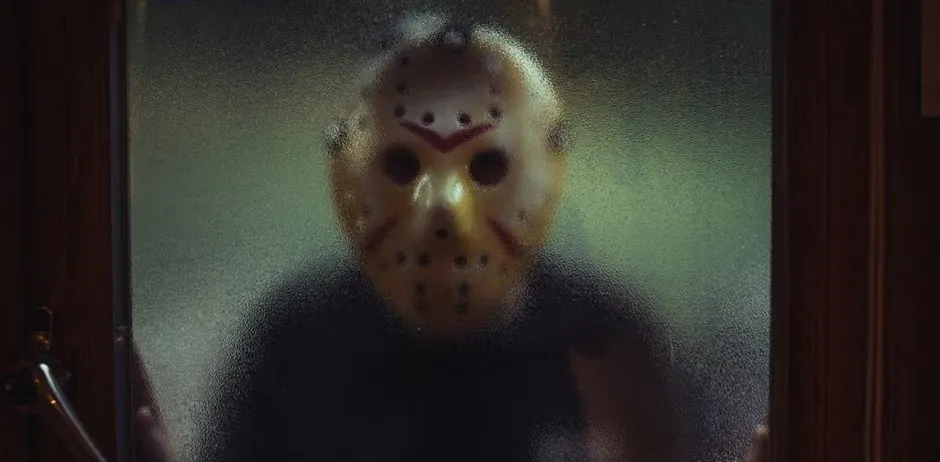
Beyond the 2009 relaunch, the broader Friday the 13th series is worth mentioning separately because of how thoroughly it turned over its cast within just the original run itself. Adrienne King, who played Alice in the 1980 original, appeared briefly in Part 2 before the series moved on entirely to new final girls and new counselors for the remainder of its theatrical run.
By the time later sequels and crossover films like Freddy vs. Jason arrived, there was no meaningful cast connection back to the 1980 original at all, aside from the Jason Voorhees costume itself. It’s a useful reminder that even franchises without a formal “reboot” label can end up looking like an entirely different production once enough years and sequels pass.
These twelve examples show a pattern that’s become more common in recent years, especially as studios lean on recognizable titles rather than recognizable faces to sell a film. Sometimes it works because the concept was always bigger than any single performance, as with Godzilla. Other times, as with RoboCop or Total Recall, audiences seem to miss what the original actor brought to the role more than expected. Either way, these franchises prove that a title can survive long after everyone who built it has moved on.