Hollywood is full of “what if” moments, and some of the most fascinating ones involve directors who said no to franchises that later became cultural phenomenons. These decisions, often made for personal, artistic, or scheduling reasons, opened the door for other filmmakers to step in and create some of cinema’s most beloved series. Looking back at these choices offers a rare glimpse into how differently things could have unfolded.
Some directors walked away because the material didn’t excite them. Others had family commitments or simply wanted creative control that a big studio franchise couldn’t offer. Whatever the reason, their departures ended up shaping film history in ways nobody could have predicted at the time.
1. Alfred Hitchcock and James Bond
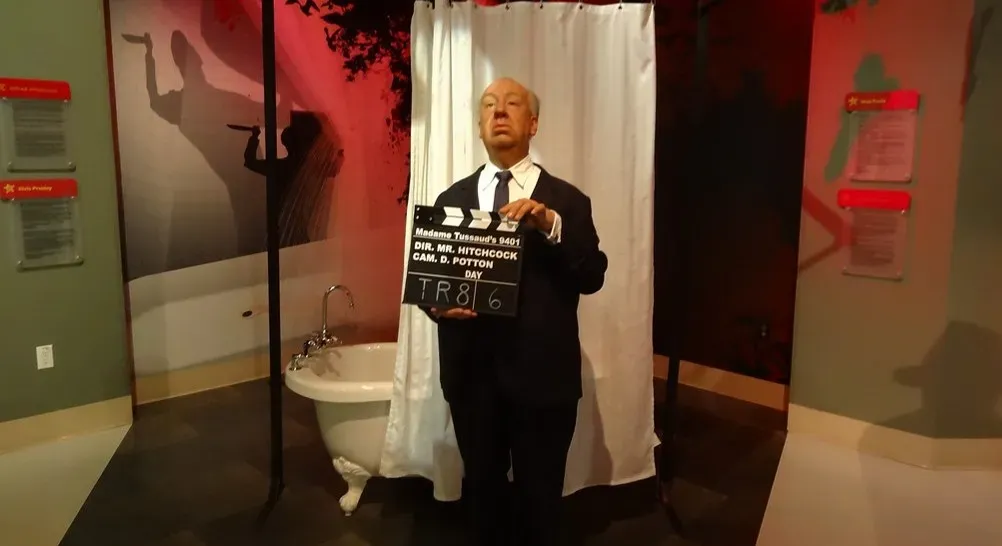
Long before Sean Connery ever slipped into a tuxedo, Ian Fleming himself approached Alfred Hitchcock about bringing his creation to the big screen. Hitchcock was approached to take the helm of the spy hero’s first big screen outing, with Bond creator Ian Fleming himself approaching the acclaimed director about what would later become “Thunderball” rather than the movie that ended up coming first, “Dr. No.” It’s a wild thought considering how different the Bond franchise might have looked under his direction.
Hitchcock’s reasoning wasn’t about disinterest in spy stories. According to film historians, it was Hitchcock’s desire to do something different after having just directed a spy thriller of his own, “North by Northwest,” that led him to pass, turning his attention instead to an adaptation of a novel by Robert Bloch called “Psycho.” Bond went on to become one of the longest-running franchises in film history, while Hitchcock carved his own path with one of the most influential horror films ever made.
2. Steven Spielberg and Harry Potter
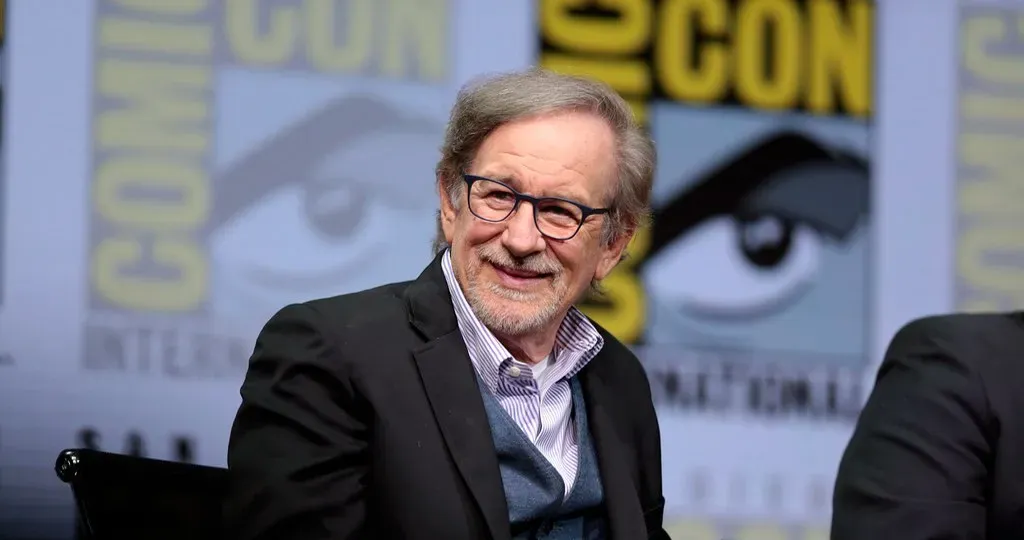
Warner Bros. wanted Steven Spielberg to launch its adaptation of J.K. Rowling’s beloved book series, and for a while it looked like it might happen. In the end, family came first. Spielberg said: “There were several films I chose not to make. I chose to turn down the first ‘Harry Potter’ to basically spend the next year and a half with my family, my young kids growing up. So I’d sacrificed a great franchise, which today looking back I’m very happy to have done, to be with my family.”
The production would have required him to relocate abroad for months at a time, and that clashed with his priorities as a parent. Spielberg said a real-life conflict between art and family hit him later in his career when he had to decide between raising his children in Los Angeles or going to London to direct Warner Bros.’ first “Harry Potter” movie. Chris Columbus stepped in instead, and the franchise went on to become one of the most successful in movie history, spanning eight films.
3. David Lynch and Return of the Jedi
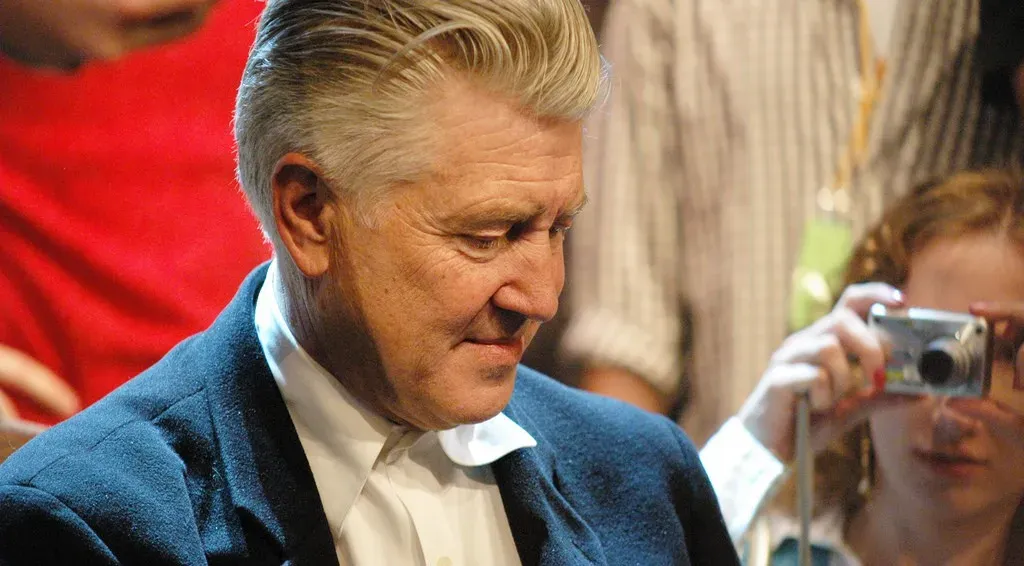
George Lucas wanted a bold, unconventional voice for the third installment of his original Star Wars trilogy, and he found one in David Lynch. The result would have been unlike anything else in the franchise. Instead, David Lynch eventually let Lucas know that he had “next to zero interest” in directing a Star Wars movie, explaining that Lucas should direct the film himself so it reflects his own vision rather than Lynch’s.
Lynch’s rejection pushed Lucas to look elsewhere before eventually landing on Richard Marquand to helm the picture. Lynch instead made his own sci-fi movie, an adaptation of Dune released the year after Return of the Jedi, which was a commercial failure for him, while Return of the Jedi remained a beloved sci-fi classic. It’s a striking contrast in how the same era produced such different outcomes for the two filmmakers.
4. Nicolas Winding Refn and Spectre
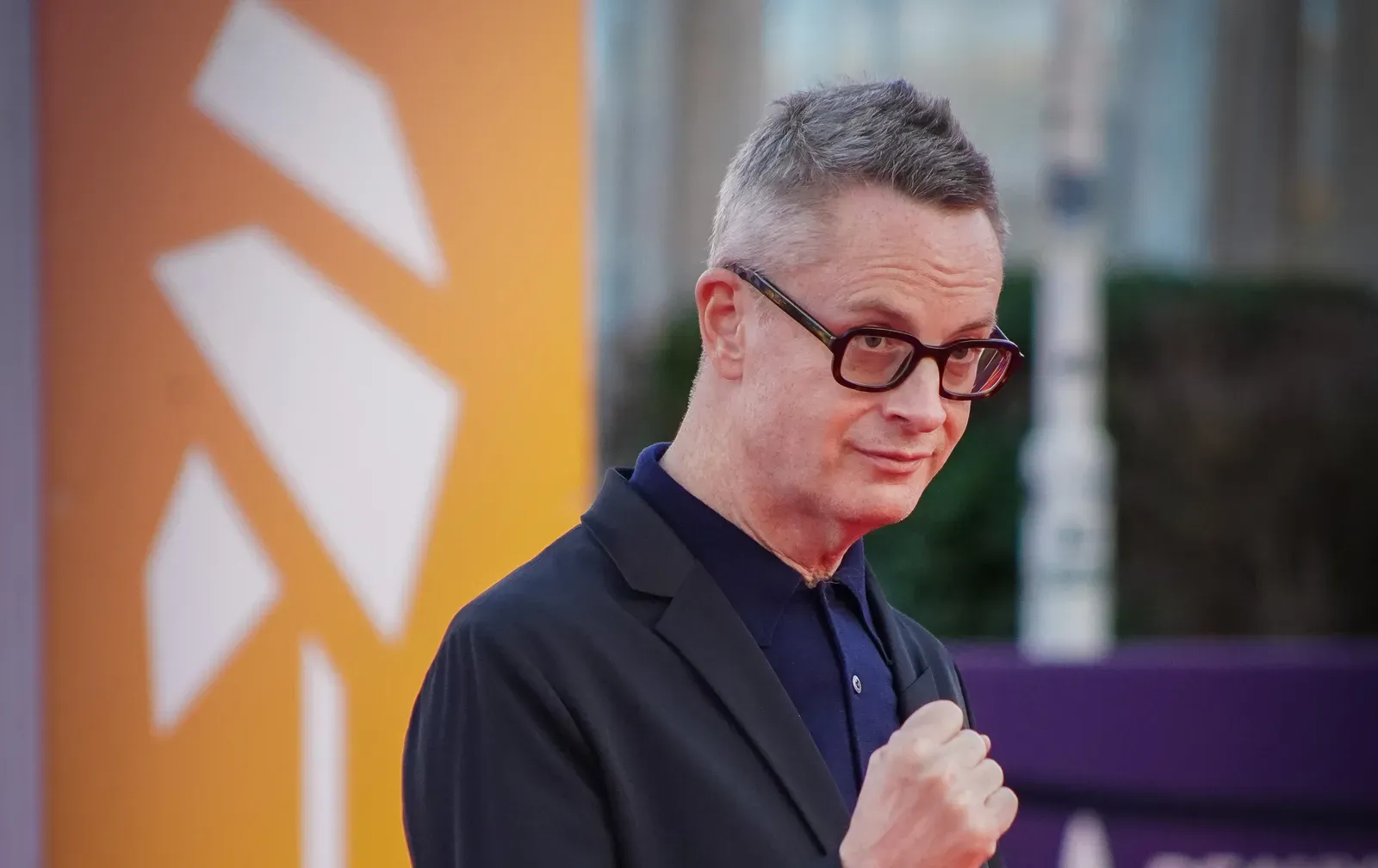
Danish director Nicolas Winding Refn, known for stylish and violent films like Drive, was once in the running to direct a Daniel Craig-era Bond film. His artistic sensibilities made him an intriguing candidate, but ultimately the fit wasn’t right. Refn told the Telegraph he turned down the fourth movie in Daniel Craig’s era as 007 because he was not interested in franchise work, and the project ultimately went to Sam Mendes.
Partner offer
Rather than working within the constraints of a massive studio franchise, Refn chose to pursue his own spy-inspired vision. He decided to carve out his own legacy in the spy genre with a film titled The Avenging Silence, though despite announcing the project in 2016, it has yet to be released. Mendes went on to direct Spectre, which became one of the highest-grossing entries in the Bond series.
5. Kenneth Branagh and Harry Potter and the Prisoner of Azkaban
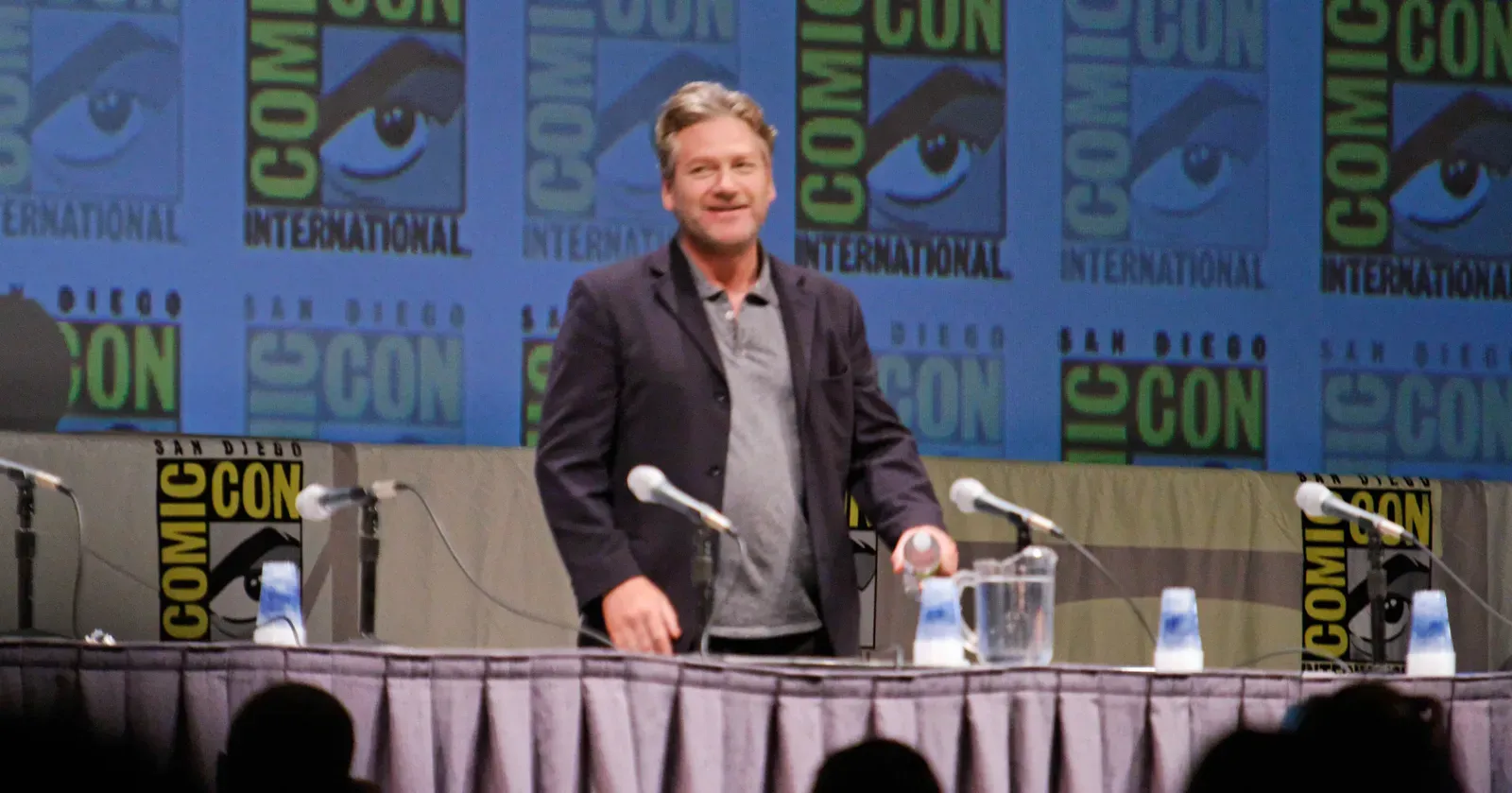
Kenneth Branagh had an unusual connection to the Harry Potter world even before he was considered for a directing job. He had already appeared on screen as Professor Gilderoy Lockhart, making the offer to direct the next installment feel like a natural next step for Warner Bros. Branagh was offered to direct Harry Potter and the Prisoner of Azkaban, as well as the sequels, for Warner Bros. Pictures, but turned it down, despite having previously portrayed Professor Lockhart in Harry Potter and the Chamber of Secrets.
The reasons behind his decision were never widely publicized, but the opportunity ultimately passed to Alfonso Cuarón, whose take on the material is often cited by fans as one of the strongest in the franchise. It’s a reminder that even actors within a franchise’s universe don’t always want to take on directing duties, no matter how tempting the offer might be.
6. Stephen Norrington and Blade II

Stephen Norrington directed the original Blade film in 1998, introducing audiences to Wesley Snipes’ vampire hunter and helping pave the way for a wave of comic book adaptations. When it came time for a sequel, the studio naturally wanted him back. In 1999, Norrington was offered to direct Blade II, the sequel to his 1998 film, but he turned it down, and the studio hired Guillermo del Toro instead.
Del Toro’s involvement ended up being a turning point for the franchise, blending horror aesthetics with action in a way that many fans consider superior to the original. Norrington’s career took a different, more turbulent path afterward, with several unrealized projects following his departure from the Blade series. It’s one of those cases where stepping away actually elevated the franchise’s reputation rather than diminishing it.
7. Ridley Scott and Terminator 3

Ridley Scott’s connection to the Terminator world runs deep, given his relationship with James Cameron and the shared DNA between Alien and the Terminator franchise. When the studio came calling for the third installment, they came with a hefty offer attached. Ridley Scott revealed that he turned down twenty million dollars to direct Terminator 3 because it’s simply “not his thing.”
Scott’s decision wasn’t about the money at all, and in fact he tested the studio’s commitment before ultimately declining. At first, he decided to see if he could get the same pay as the franchise lead, Arnold Schwarzenegger, not really believing the studio would agree to it, and when they did, he was forced to turn down the job for purely artistic reasons. Jonathan Mostow directed the film instead, and while Terminator 3 didn’t reach the heights of Cameron’s original two entries, it kept the franchise alive for future installments.
Looking at these seven decisions side by side, a pattern emerges. Many directors turned away from franchise work not out of fear or lack of confidence, but because the material simply didn’t align with their artistic instincts or personal priorities at the time. Money and fame weren’t always enough to sway them, and in several cases, that willingness to say no ended up defining their careers just as much as the projects they said yes to.
What’s remarkable is how often these rejections became footnotes rather than regrets. Hitchcock got Psycho instead of Bond, Spielberg got more time with his family, and Refn kept his independent voice intact. Franchise filmmaking is enormous business, but these seven stories prove that even the biggest offers in Hollywood don’t automatically win over every director who receives them.
Partner offer
Planning a trip to Vegas?
Compare hotel rates and show tickets on VEGAS.com.