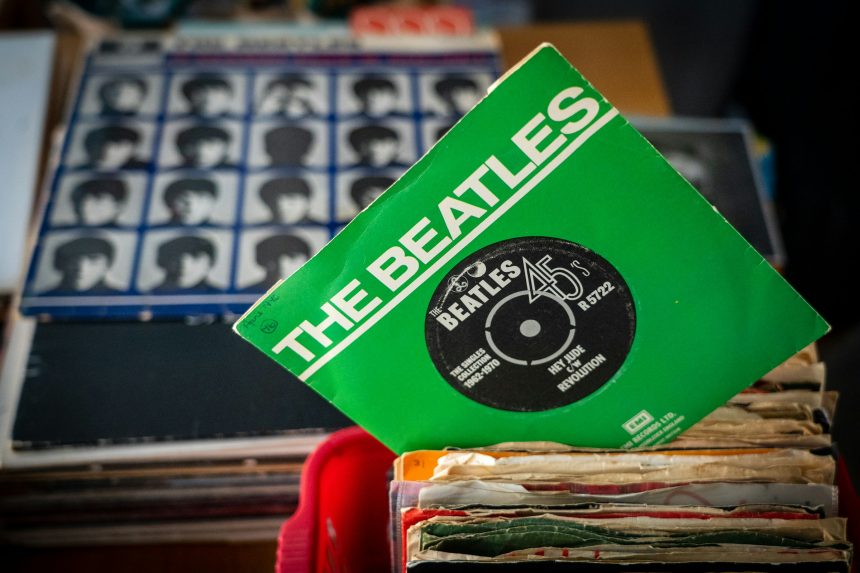
Most performers get a decade in the spotlight if they’re lucky. A rare handful of musicians have turned that math on its head, building that stretch past fifty, sixty, even seventy years without ever really stopping. What’s striking in 2026 isn’t just that these artists are still around. It’s that many of them are still touring, still recording, and in some cases still selling out arenas well into their eighties and nineties. The names on this list span country, rock, blues, and soul, but they share something beyond talent. Each one figured out how to keep making music matter decade after decade, adapting to new sounds and new audiences without losing whatever made them worth listening to in the first place.
Willie Nelson: seven decades of outlaw country
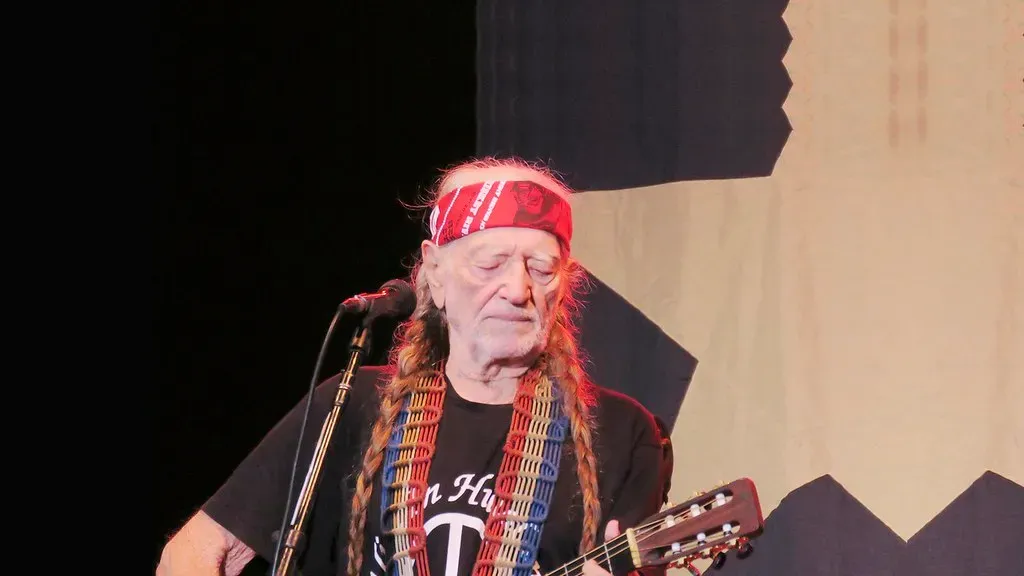
Willie Nelson turned 93 in April 2026, and rather than slowing down, he opened a spring headline tour that month before rolling straight into the Outlaw Music Festival over the summer. Dream Chaser, released in May 2026, stands as his 79th solo studio album and 156th overall, a number that alone separates him from nearly every other performer alive. His songwriting partnership with producer Buddy Cannon has quietly become one of the more durable creative relationships in country music.
The pairing with Cannon now spans nearly 20 albums over 13 years, and the new record even includes a Bob Dylan co-write. Nelson has also managed his health by scaling back the schedule rather than walking away from it entirely. The 2026 Outlaw run was intentionally scaled back from 35 stops in 2025 to give Willie a lighter travel schedule, a practical compromise that has let him keep performing well past the point most musicians retire.
Bob Dylan: the never-ending road
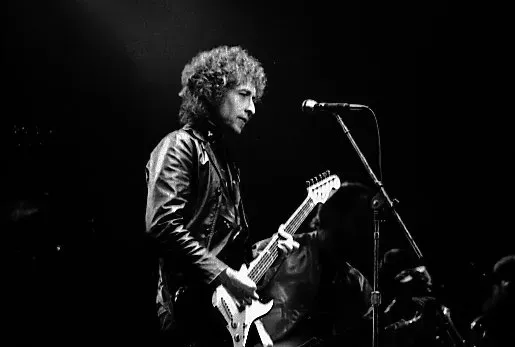
Bob Dylan’s current touring cycle has become something of a running joke among his own fans, in the best possible way. The Rough and Rowdy Ways World Wide Tour began in Milwaukee in November 2021 and, after being extended several times, concluded over 300 shows later in Abilene, Texas, in May 2026. Even that wasn’t really the end, since new European dates were already being lined up for the fall.
What makes Dylan’s stretch unusual is how he keeps splitting his time between two very different shows. He has taken brief breaks from the Rough and Rowdy Ways tour to hit the road with Willie Nelson on the Outlaw Music Festival, swapping his tightly controlled setlist for looser, cover-heavy sets built around old favorites. Rough and Rowdy Ways itself made history when it became the first album by any artist to reach the Top 40 in every decade since the 1960s, a statistic that sums up his career about as well as any single fact could.
Paul McCartney: still writing after the Beatles
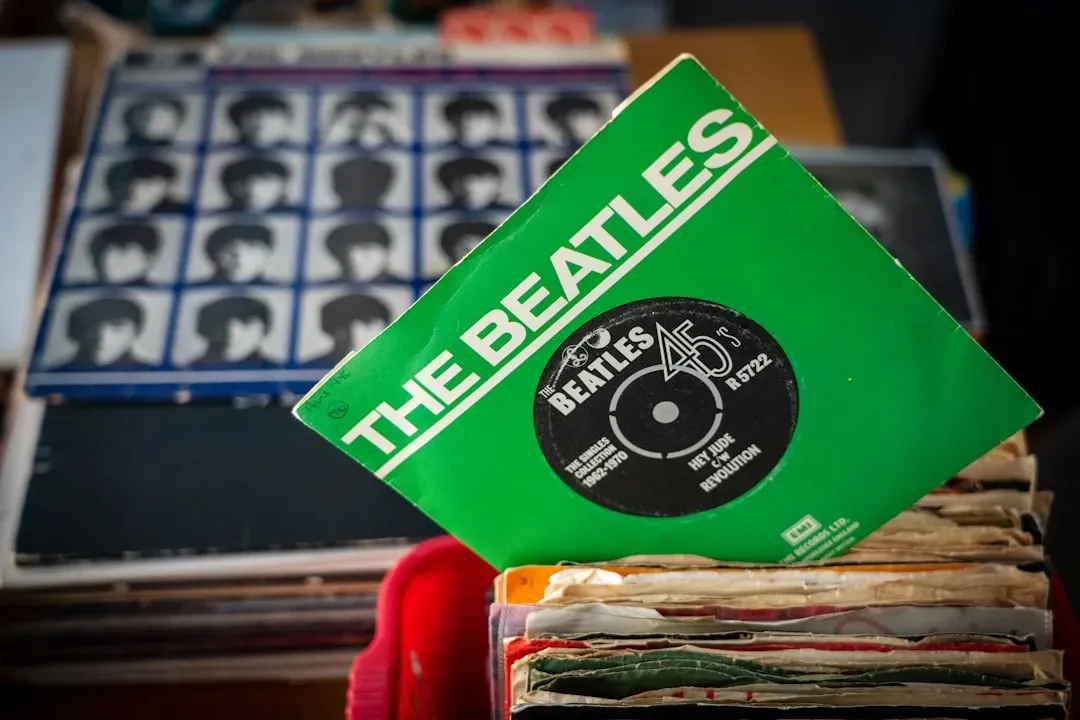
Paul McCartney’s career technically began in Liverpool skiffle bands in the late 1950s, which puts him closer to seventy years in music than most people realize. He wrapped his Got Back tour in the United States in late 2025 and has kept busy since, including a performance at Apple’s headquarters in Cupertino earlier in 2026. Fans have spent months speculating about whether a new run of dates will follow.
The bigger news is on the recording side. With his new album The Boys of Dungeon Lane set for release later in 2026, fans are expecting further tour dates, possibly in Europe. Whether or not a full tour materializes, the fact that an artist in his eighties is still readying original studio material says plenty about his staying power.
The Rolling Stones and Mick Jagger: rock’s longest tenure
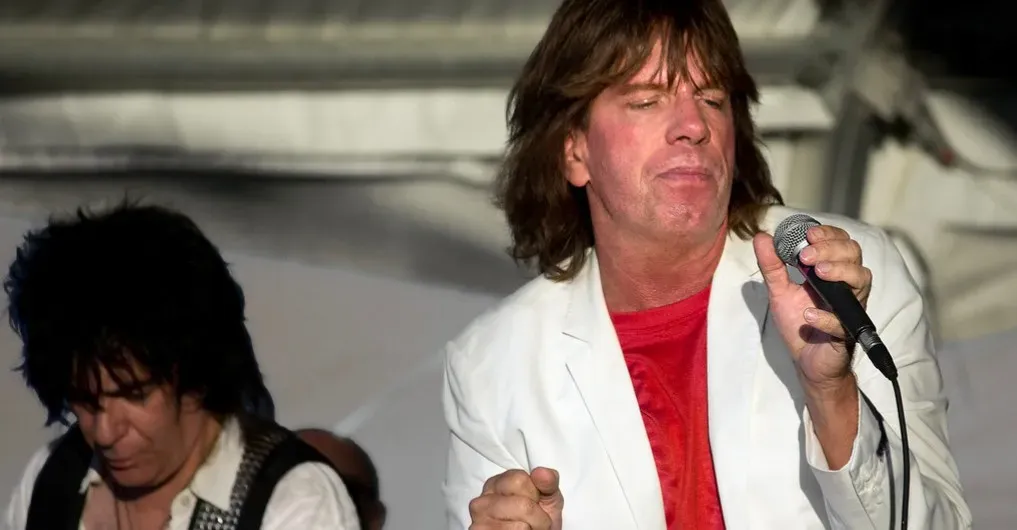
Few bands have stretched a career the way the Rolling Stones have. Their previous tour saw them play 20 shows across North America over three months, and they have toured nearly every year since 2000, gradually scaling back the itineraries as the core lineup has aged. Mick Jagger, at 82, remains the visible engine of the operation, and by most accounts he still performs with a physicality that outpaces musicians decades younger.
Their new album Foreign Tongues, out July 10, 2026, sparked fresh questions about touring plans, and the answers weren’t entirely consistent. Keith Richards deflected touring questions while Mick Jagger struck a more optimistic tone, saying he would love to tour in support of the record. The band’s last tour was in 2024, in support of 2023’s Hackney Diamonds, including 20 concerts in North America, so a gap year in 2026 wouldn’t be out of character.
Dolly Parton: more than half a century in Nashville
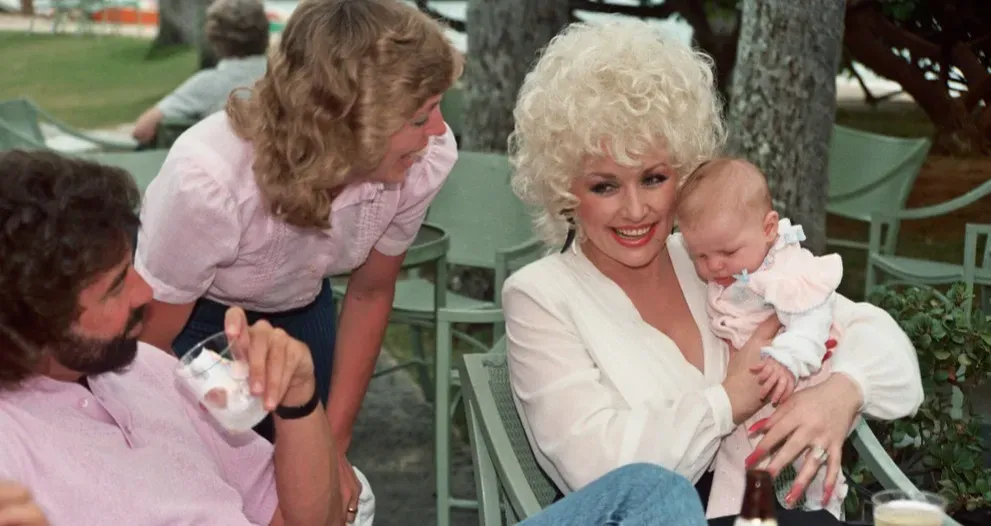
Dolly Parton’s connection to country music runs deeper than most manage to reach. In January 2024, she celebrated her 55th anniversary as a member of the Grand Ole Opry, an institution she joined as a young songwriter long before she became one of the most recognized voices in American music. That kind of tenure inside a single institution is rare even among long-serving performers.
Parton has built her career on a mix of songwriting, acting, and business ventures, from Dollywood to a catalog of songs recorded by artists across genres. She has continued to release new material and make public appearances well into her seventies, a stretch of activity that shows no clear signs of winding down. Her ability to move between traditional country, pop crossover moments, and philanthropy has kept her relevant across generations of listeners.
Cher: six decades of reinvention
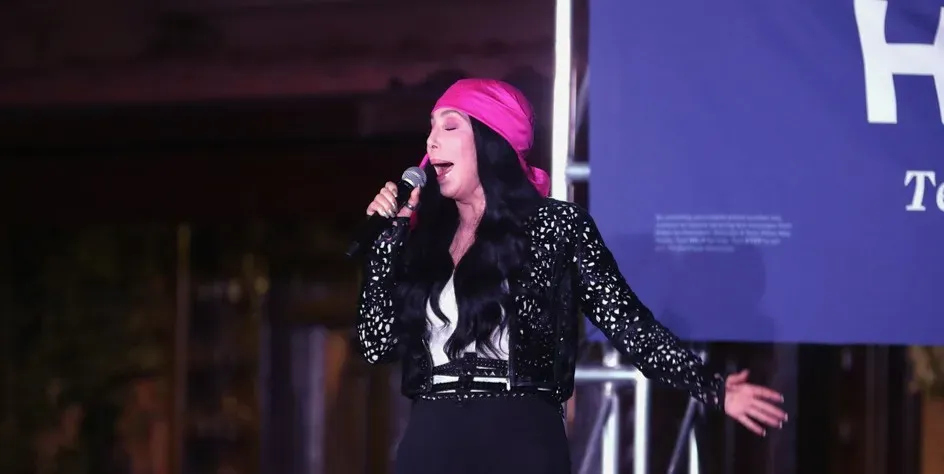
Cher’s career began in the early 1960s as one half of Sonny and Cher, and she has spent the decades since reinventing herself through music, film, and television. Unlike many peers who found one sound and stuck with it, Cher has moved through folk-pop, disco, rock, and dance music, each time finding an audience willing to follow her. That willingness to shift genres has likely been the single biggest reason her career has lasted as long as it has.
She has continued releasing music in recent years, including a holiday album, and has kept a public presence through Las Vegas performances and media appearances. Few artists from her original era of the 1960s remain as visible in mainstream pop culture. Her longevity owes as much to adaptability as to raw vocal talent.
Ringo Starr: the Beatles drummer who never really stopped
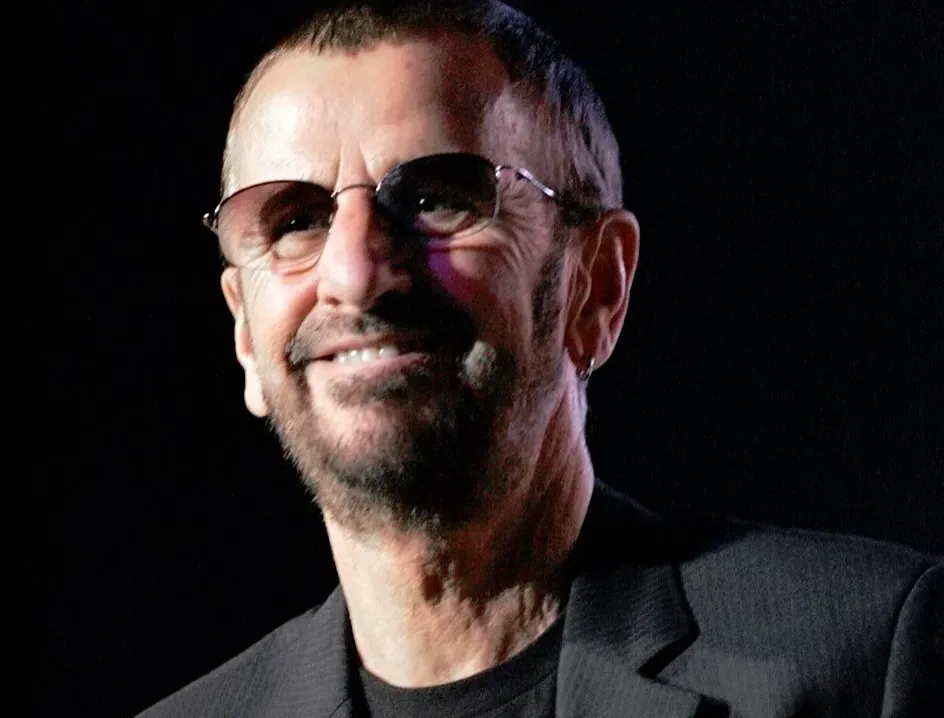
Ringo Starr’s musical career traces back to Liverpool skiffle and rock and roll bands before the Beatles even formed, giving him one of the longest active spans in popular music. In January 2025, at 85 years old, he released Look Up, his twenty-first studio album, a full pivot into country and bluegrass that brought him new collaborators. That kind of genre shift late in a career is unusual, and it clearly reinvigorated his creative output.
He confirmed in 2026 that he had finished work on a new country album with producer T Bone Burnett, due for release sometime that year, while also announcing a fresh run of tour dates with his All-Starr Band. The album will include a collaboration with Paul McCartney on a song called “Home To Us,” featured on McCartney’s own upcoming record. Two former Beatles, still trading songs after more than sixty years, is not something many other bands from their era can claim.
Buddy Guy: the last great link to Chicago blues
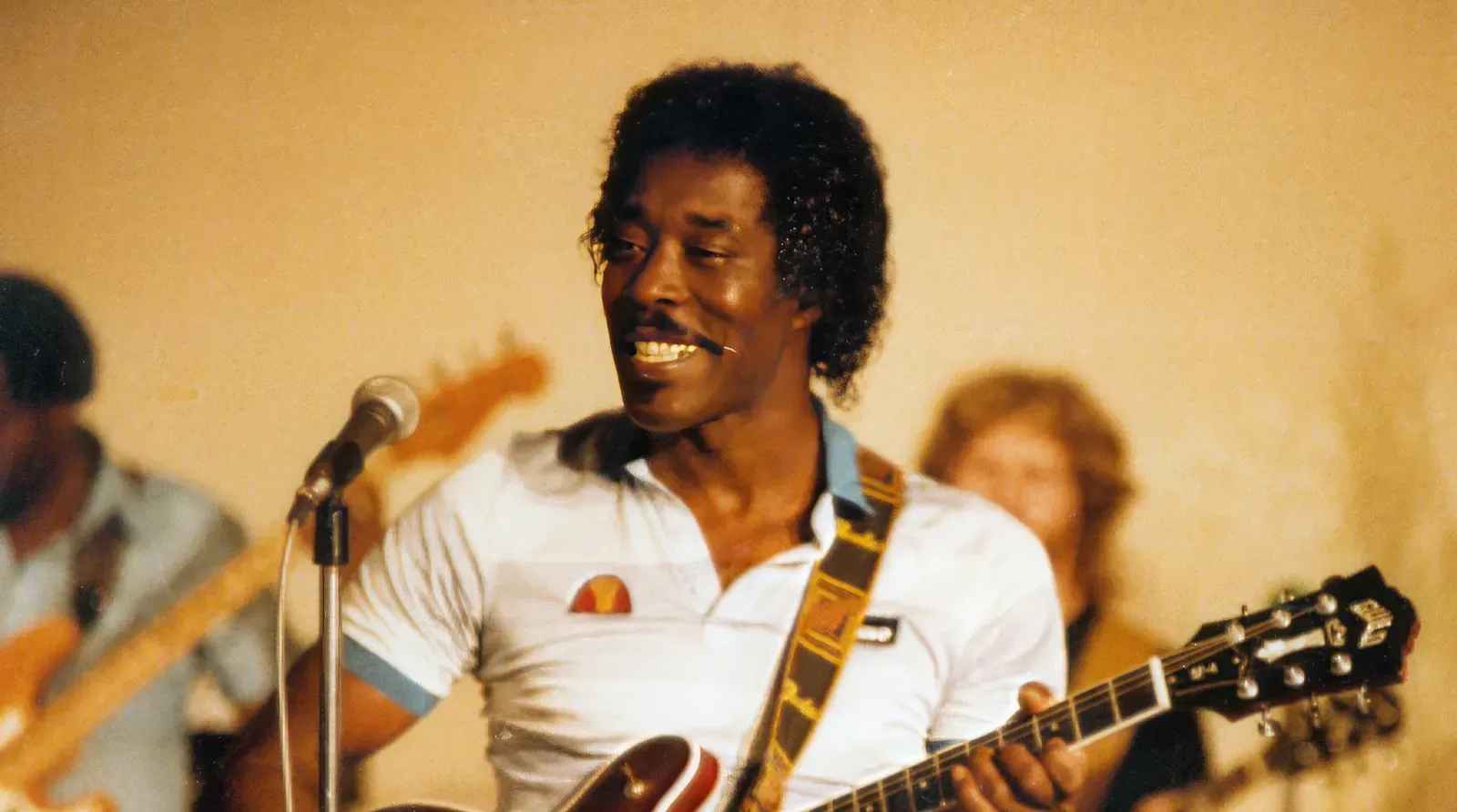
Buddy Guy’s career began in the Chicago blues clubs of the 1950s, and he has spent more than seventy years turning that foundation into a lasting influence on rock and blues guitar. Despite previously announcing retirement plans, he has continued performing live while celebrating more than seven decades in blues music. His farewell tours have become something of a pattern, each one extended rather than closed out.
In 2026 he won his ninth Grammy Award for Best Traditional Blues Album, and he announced dozens of 2026 tour dates timed to his 90th birthday on July 30. He influenced major guitarists including Eric Clapton, Jimi Hendrix, Jimmy Page, and Stevie Ray Vaughan, and was inducted into the Rock and Roll Hall of Fame in 2005. Few living musicians can claim a direct link to the earliest days of electric Chicago blues, which makes his continued presence on stage genuinely rare.
Stevie Wonder: from child prodigy to elder statesman
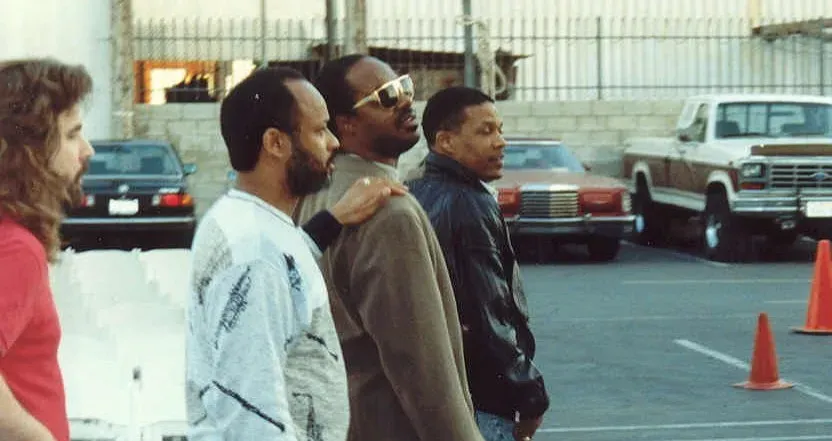
Stevie Wonder signed with Motown Records as an eleven year old in 1961, and by his early teens he was already scoring national hits. That means his professional career now spans well over six decades, covering the entire arc of soul music from its Motown roots through funk, pop, and beyond. Few artists have managed to stay creatively relevant across that many shifts in popular taste.
Wonder’s catalog includes some of the most celebrated albums in American music history, and his live performances remain a fixture at major cultural events and award shows. He has continued to make public appearances and occasional new music well into his seventies. His influence on generations of songwriters and producers has arguably grown rather than faded with time.
Diana Ross: from the Supremes to solo icon
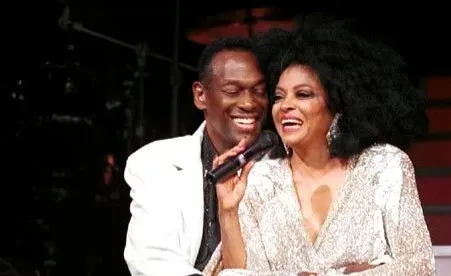
Diana Ross’s career began with the Supremes in the late 1950s, and by the mid-1960s the group had become one of the defining acts of the Motown era. She went solo in 1970 and has kept performing steadily in the decades since, moving between music, film, and television. Her ability to headline major festivals well into her seventies, including a widely noted legend slot at Glastonbury in 2022, has kept her career visible to newer audiences.
Ross has continued touring in recent years, drawing crowds that mix longtime fans with younger listeners discovering her catalog through sampling and streaming. Her voice remains one of the most recognizable in American pop history. Few Motown-era solo acts have managed to stay this active this far removed from their original chart peak.
Barbra Streisand: recordings that span generations
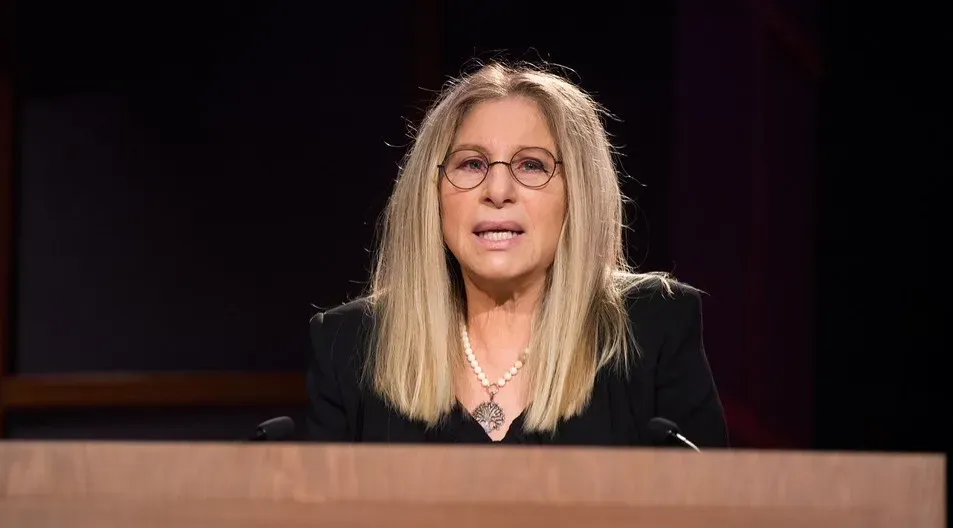
Barbra Streisand’s recording career began in the early 1960s, and she has since become one of the best selling female artists in music history across a catalog that spans pop standards, Broadway, and film soundtracks. Unlike many peers, she scaled back live touring decades ago while continuing to release studio albums with some regularity. That shift let her career keep going without the physical demands of constant touring.
She published a lengthy memoir in 2023 covering her decades in entertainment, a project that reminded audiences just how long her career has actually run. Streisand’s work across music, film, and directing has made her one of the rare artists whose longevity spans multiple entertainment industries rather than one. Her continued presence in cultural conversation, even without heavy touring, speaks to how deeply embedded her catalog has become.
Van Morrison: still recording new albums every year
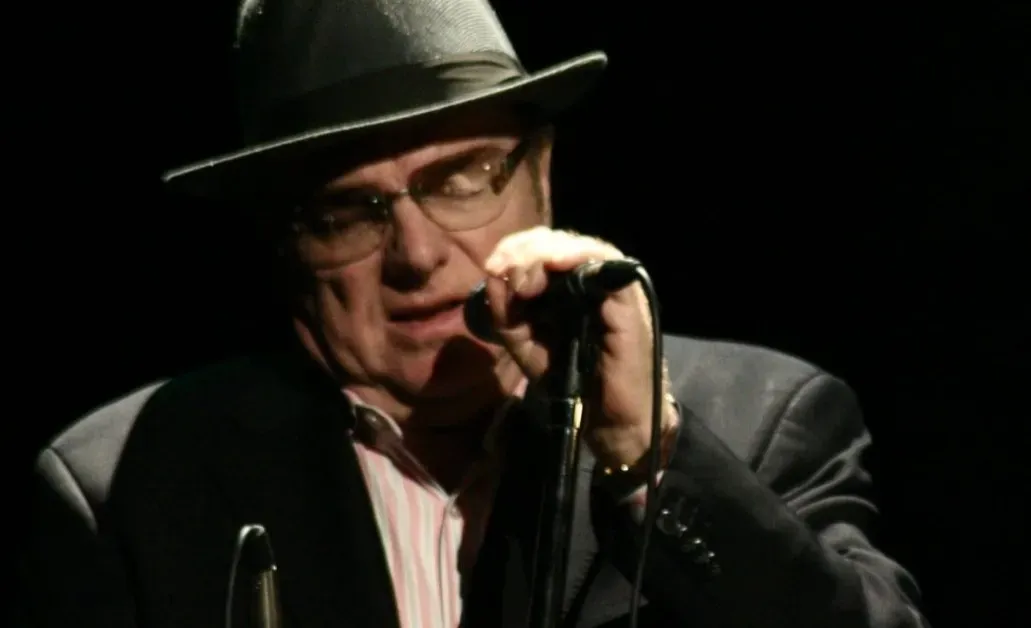
Van Morrison’s career began with the band Them in 1964, before his solo breakthrough later that decade with songs that remain radio staples today. What sets him apart from many peers on this list is sheer output. He has continued releasing new studio albums at a pace few musicians half his age manage to keep up, often putting out a record every year or two well into his seventies.
Morrison has also kept up a steady touring schedule across the UK and Ireland, performing in smaller venues that suit his preference for a more intimate live setting. His refusal to slow his release schedule has made him something of an outlier among long-running artists, most of whom eventually stretch years between albums. That consistency, more than any single hit, may be what defines his particular version of longevity.
What ties these twelve together isn’t luck or nostalgia. It’s a stubborn, sometimes surprising refusal to stop working, paired with just enough reinvention to keep each one relevant across shifting musical eras. Whether that means Willie Nelson releasing his 156th album at 93 or Ringo Starr trading songs with Paul McCartney more than six decades after they first met, the throughline is the same: these are people who never really separated who they are from what they do.