Most of us walk into a movie knowing who we’re supposed to cheer for. Somewhere around the second act, though, a few of us start leaning the wrong way. The villain is funnier, sharper, or simply more honest about what he wants.
That pull isn’t an accident. Filmmakers often give their antagonists the best lines, the clearest motives, and the most memorable screen presence. Here are seven villains who managed to win over audiences while the heroes were busy being heroic.
Hans Gruber in Die Hard
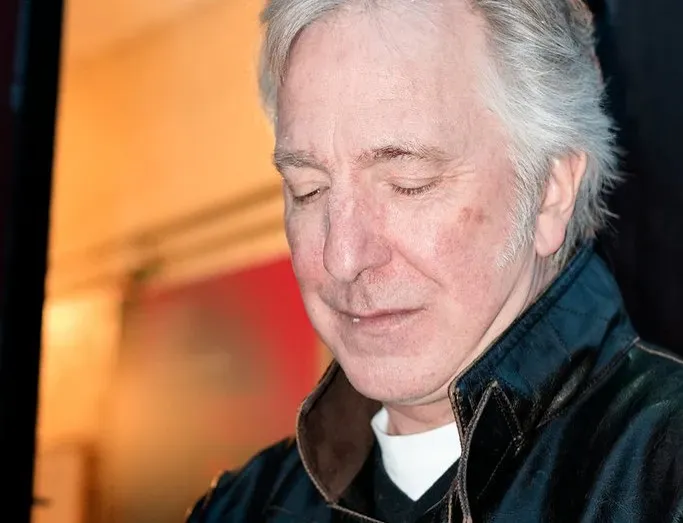
Alan Rickman played Hans Gruber in the 1988 action classic, and his polished, sarcastic menace set the template for the cultured movie thief. He quotes his own plans, adjusts his accent when it suits him, and treats a skyscraper takeover like a business merger. It’s hard not to admire the planning.
Next to John McClane’s barefoot scrambling, Gruber looks calm and in control for most of the film. That contrast is a big reason viewers keep enjoying his scenes on repeat, especially around the holidays when the movie returns to many households.
Loki in the Marvel Cinematic Universe
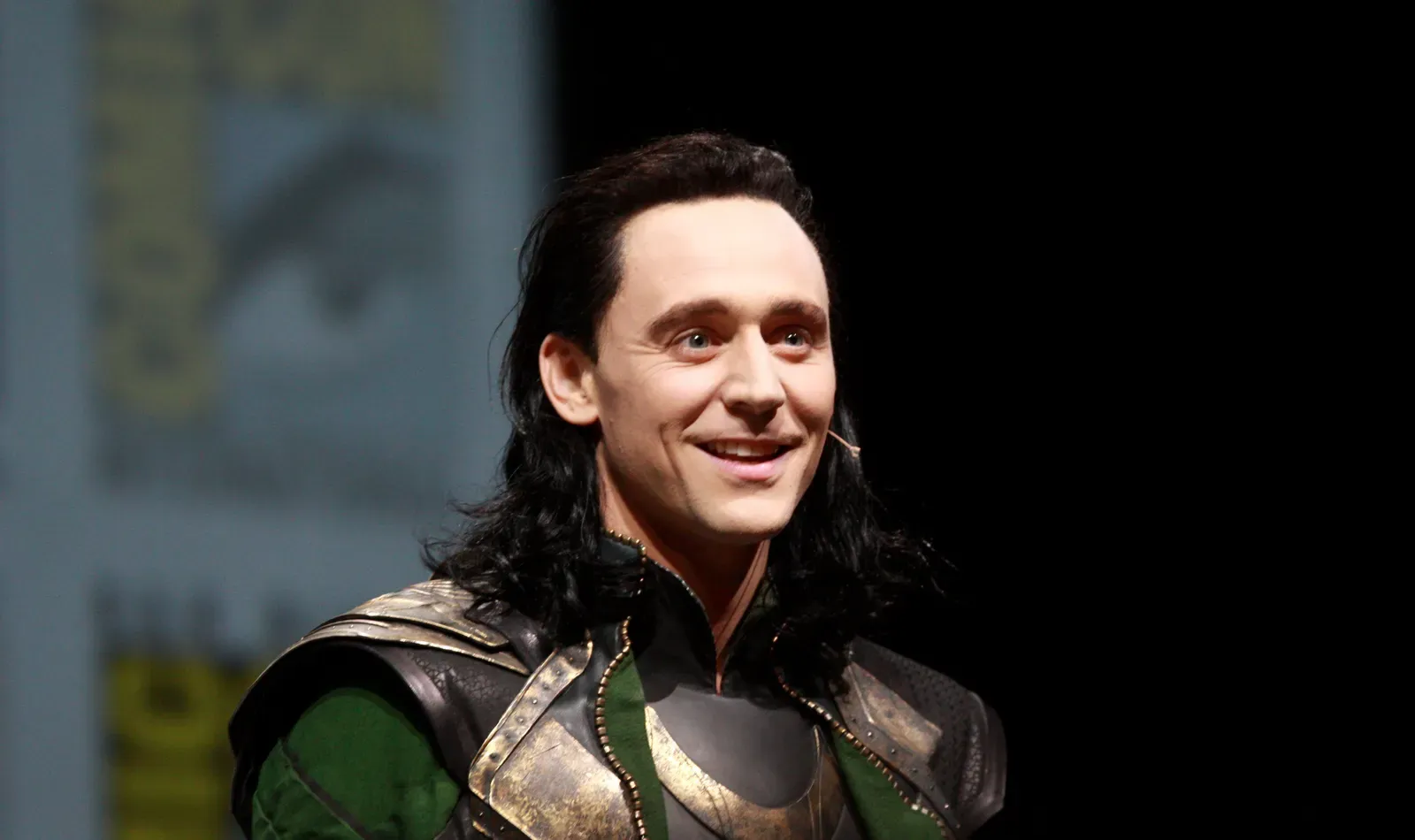
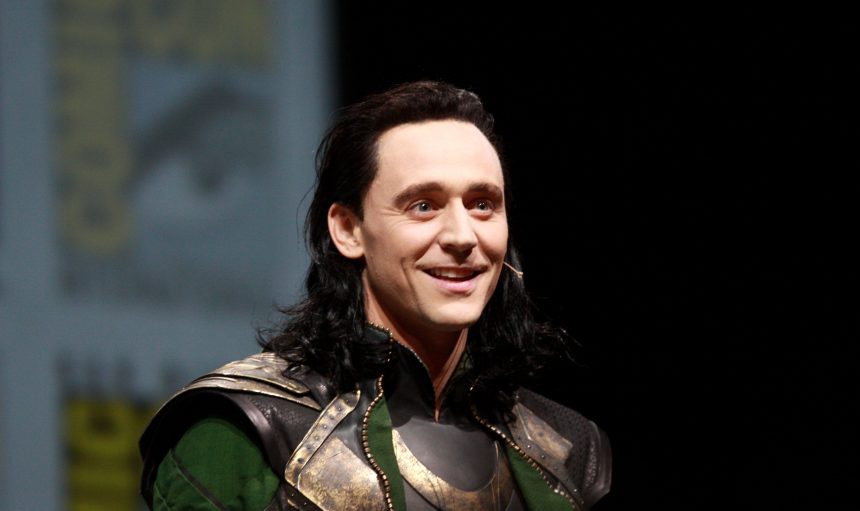
Tom Hiddleston’s Loki began as a straightforward invader in Thor and The Avengers. Over time, the writing gave him wounded pride, family baggage, and a sly sense of humor. Audiences responded so strongly that he eventually got his own Disney+ series, which debuted in 2021.
Part of the appeal is that he’s rarely evil for its own sake. He wants to be seen and valued, which is a surprisingly relatable motive. Fans have kept him among the franchise’s most beloved characters.
Hannibal Lecter in The Silence of the Lambs
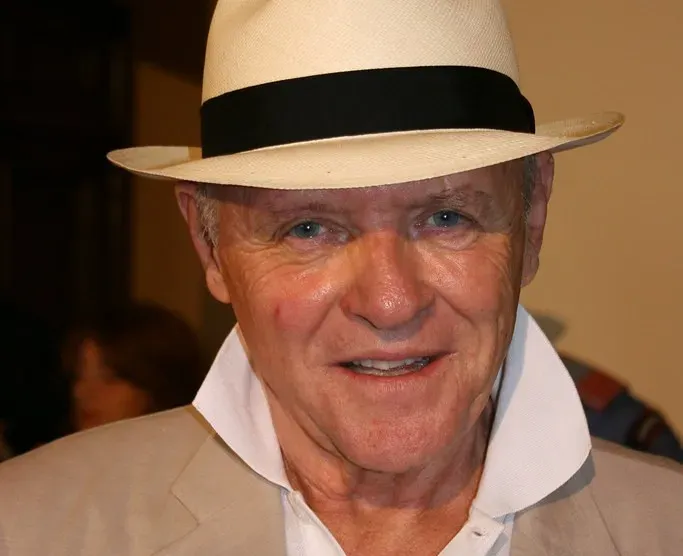
Anthony Hopkins appears on screen for a fairly short stretch of the 1991 film, yet he won the Academy Award for Best Actor for the role. Lecter is terrifying, but he’s also courteous, brilliant, and oddly respectful toward Clarice Starling. That mix makes his conversations the most gripping parts of the film.
Viewers tend to root for him in the final moments, when he slips away with a quiet joke. The film never asks you to forgive him, yet many people quietly do anyway.
The Joker in The Dark Knight
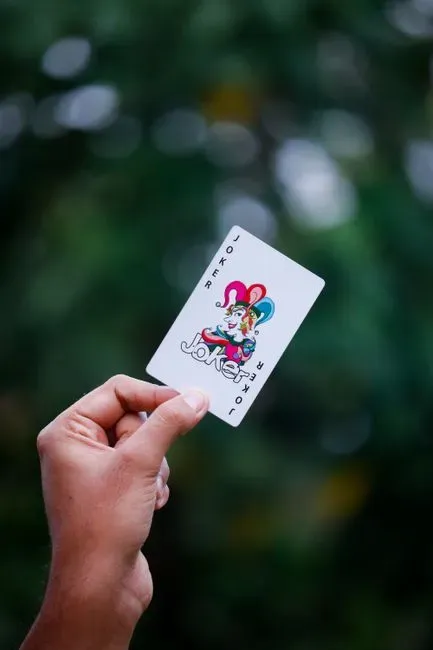
Heath Ledger’s 2008 performance earned him a posthumous Oscar for Best Supporting Actor. His Joker has no backstory he’ll stick to and no interest in money, which makes him unpredictable and strangely magnetic. Every scene he enters feels like it could go anywhere.
Many viewers admit that Batman’s moral struggle feels heavier when the Joker is the one making the film fun. He’s chaotic and cruel, yet audiences can’t look away.
Darth Vader in Star Wars
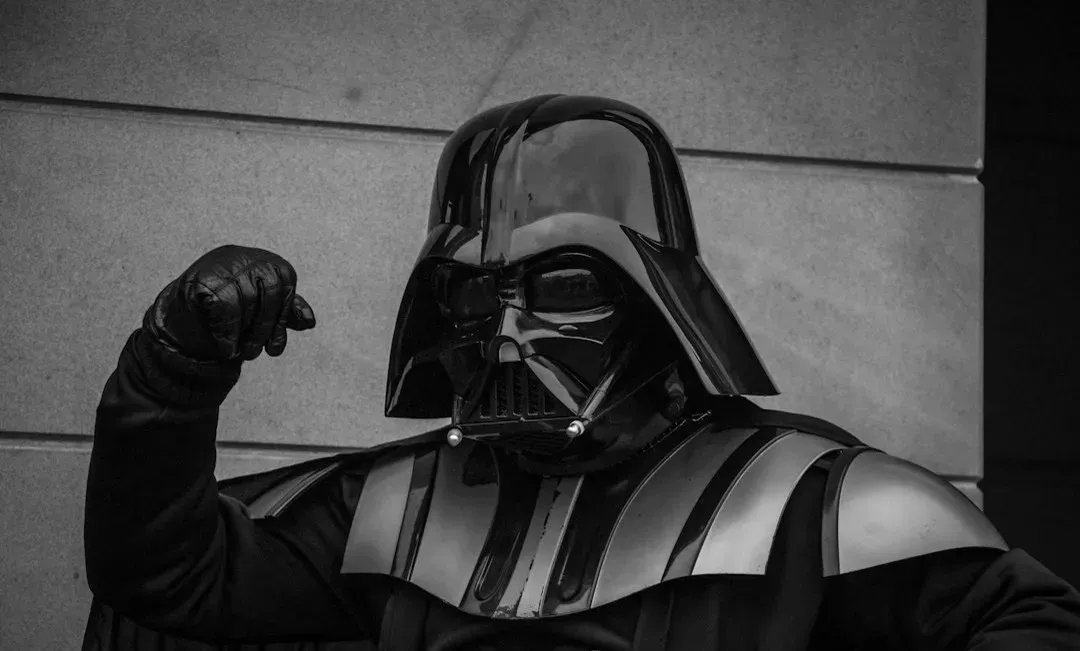
Vader arrives in 1977 as a towering figure in black armor, with James Earl Jones providing the unmistakable voice. He’s menacing from the first frame, but the story slowly reveals a man who was once Anakin Skywalker. That tragic history gives fans a reason to hope for him.
By Return of the Jedi, he turns against the Emperor to save his son. Plenty of fans say they were waiting for that moment from the start.
Gru in Despicable Me
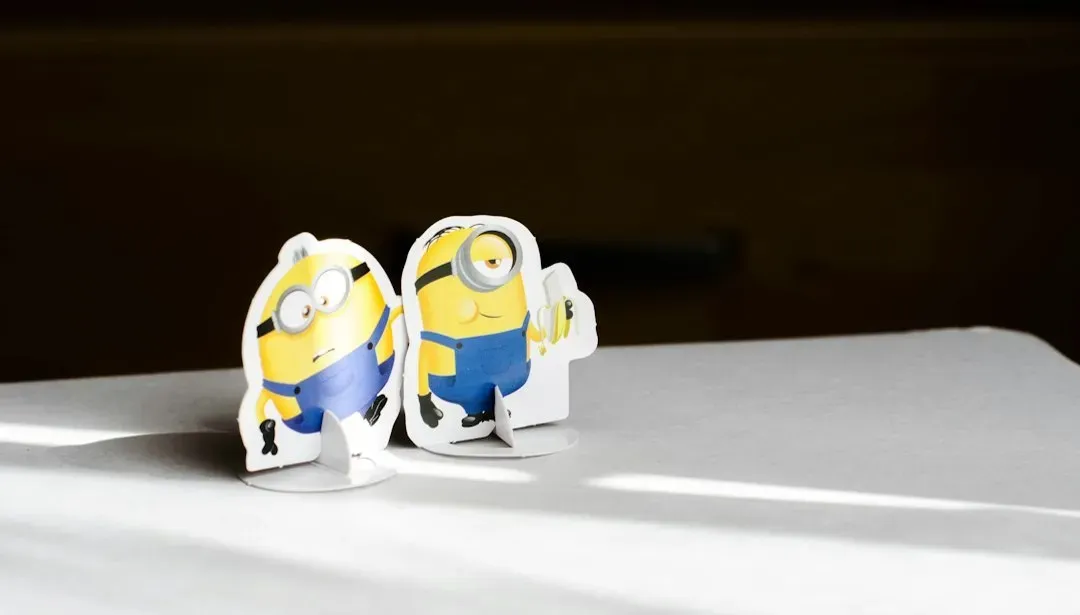
Steve Carell voices Gru in the 2010 animated hit, which introduced a would be supervillain who steals the moon and ends up adopting three girls. He’s technically the bad guy, yet the film is told entirely from his side. Nobody is really cheering for the rival villain, Vector.
The franchise has grown enormously since, with Minions spinoffs and further sequels, including Despicable Me 4 in 2024. Gru’s success shows how easily audiences will follow a villain who’s allowed to be vulnerable.
Maleficent in Maleficent
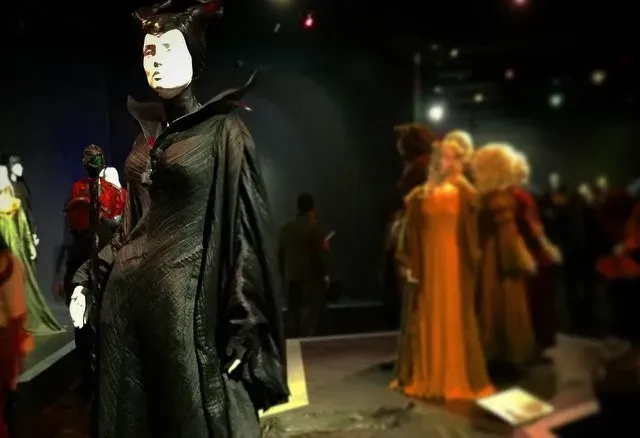
Angelina Jolie starred in the 2014 live action reimagining of Sleeping Beauty, which retold the story from the dark fairy’s point of view. In this version, she’s betrayed by someone she trusted, and her curse grows out of that hurt. Sympathy is baked in from the start.
A sequel followed in 2019, keeping her at the center. Many viewers found her far more compelling than the princess she was supposedly menacing.
Whatever the genre, the villains audiences quietly adore tend to share the same traits: clear motives, wit, and a hint of pain. Give a character those three things, and viewers will pick a side you didn’t expect.