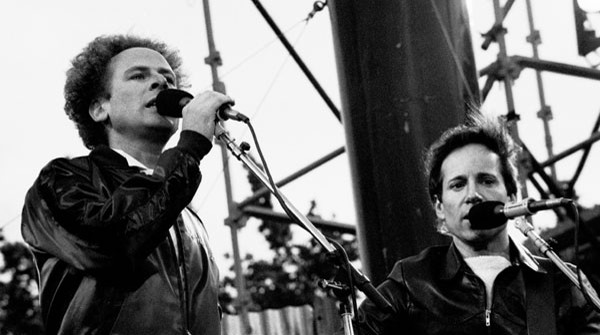
There was a time when a song’s success felt almost inseparable from its visuals. MTV turned music videos into a cultural currency, and for decades, a chart-topping hit without an accompanying clip seemed almost unthinkable. Yet history tells a different story, one where plenty of massive hits reached the very top of the charts using nothing but the power of the recording itself.
From the pre-MTV era, when the concept of a “music video” simply did not exist yet, to today’s streaming-driven landscape where TikTok trends and playlist placements can do the heavy lifting once reserved for visuals, songs have proven again and again that they do not need a video to become inescapable. Here are twelve songs that climbed to number one without ever getting the full music video treatment.
1. Ben – Michael Jackson (1972)


Long before Michael Jackson became synonymous with groundbreaking short films for songs like “Thriller” and “Billie Jean,” he was a teenage soloist scoring his first number one hit with the tender ballad “Ben.” Four singles were taken from the album, although they were not promoted by music videos, and this pattern continued for his next three Motown studio albums. That means “Ben,” released in 1972 and reaching the top of the Billboard Hot 100, never received an official visual companion.
It would take until the release of “Off the Wall” years later for Jackson to embrace the music video format properly. Unlike in the past, Jackson released his debut music video for the lead single, “Don’t Stop ‘Til You Get Enough,” from his 1979 album Off the Wall. Before that shift, “Ben” stood as proof that a heartfelt vocal performance alone could carry a song to the summit of the charts.
2. I Want You Back – The Jackson 5 (1970)

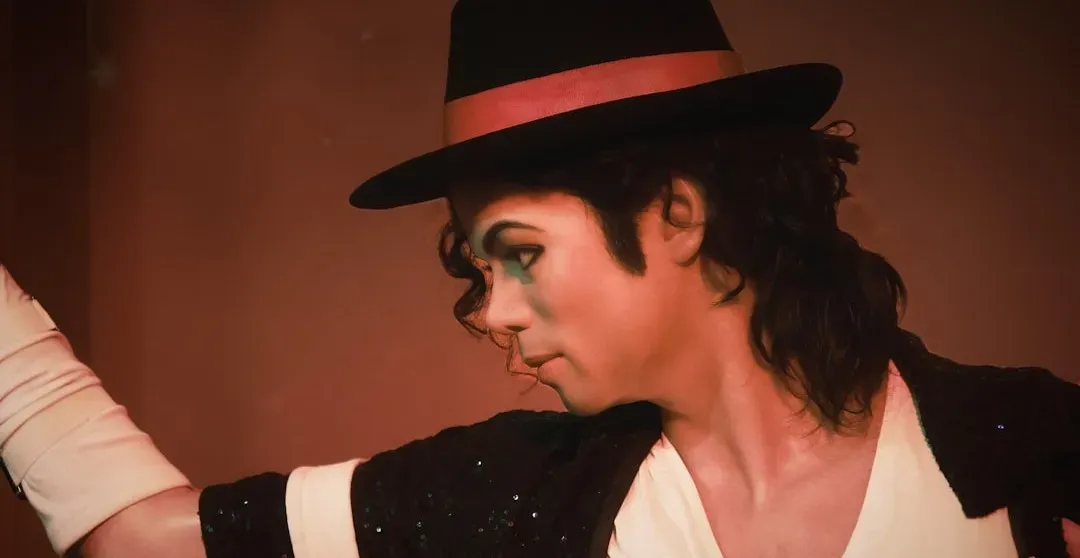
Two years before “Ben,” Michael Jackson was already topping the charts as the frontman of The Jackson 5. “I Want You Back” became the group’s first number one hit in 1970, a full decade before MTV would launch and redefine how audiences consumed pop music visually.
At that point in music history, promotional clips existed but were nowhere near the polished, narrative-driven productions that would come to define the genre. The song relied entirely on radio play, television performances, and word of mouth, showing that infectious hooks and tight vocal harmonies could dominate the airwaves without any dedicated video.
3. Bridge Over Troubled Water – Simon & Garfunkel (1970)
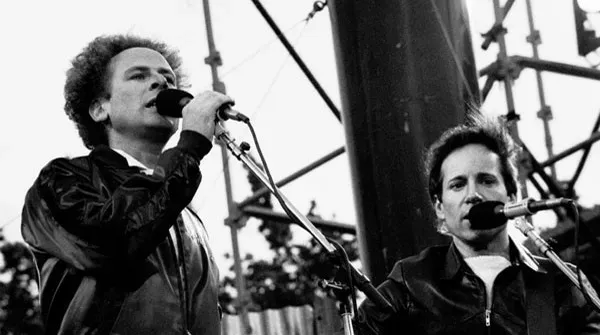
Simon & Garfunkel’s soaring ballad “Bridge Over Troubled Water” became one of the defining songs of 1970, spending weeks at the top of the Billboard Hot 100. Like most hits from that era, it had no accompanying music video, since the format simply had not become an industry standard yet.
The song’s success rested entirely on its emotional weight, Art Garfunkel’s soaring vocal, and heavy radio rotation. It remains a reminder that some of the most enduring songs in pop history achieved massive commercial success purely through the strength of the recording itself, decades before visuals became part of the promotional playbook.
4. American Pie – Don McLean (1972)

Don McLean’s sprawling, eight-and-a-half-minute epic “American Pie” reached number one on the Billboard Hot 100 in 1972, an unusual feat for such a lengthy single. There was no music video to accompany it, since the concept of visual storytelling tied to a song release was still years away from becoming standard practice.
Instead, the song spread through radio play and cultural word of mouth, with listeners debating its layered lyrical references for years afterward. Its chart-topping run proves that a compelling narrative and a distinctive sound could capture the public’s imagination without any visual aid whatsoever.
5. Le Freak – Chic (1978)


Disco anthem “Le Freak” by Chic became one of the best-selling singles of the 1970s and topped the Billboard Hot 100 twice, an unusual chart feat in itself. As with most disco-era hits, there was no official music video, since the genre’s popularity was driven almost entirely by dance floors, radio, and club culture rather than television visuals.
The track’s infectious groove made it a staple of parties and radio playlists well before MTV existed. Its commercial dominance shows that rhythm and danceability alone were enough to secure chart supremacy in a pre-video era.
6. BREAK MY SOUL – Beyoncé


Fast forward to the modern streaming era, and Beyoncé’s “BREAK MY SOUL” offers one of the clearest examples of a song thriving without a traditional video. The song reached number one on the Billboard Hot 100 without relying on an official music video. Instead, the track leaned on its house-inspired production and Beyoncé’s massive existing fanbase to generate momentum.
Traditionally, music videos have played a crucial role in boosting a song’s visibility, giving fans a visual experience that complements the music, but this track proved that viral appeal, streaming platforms, and fan-driven momentum can propel a song to the top even without that visual push. “BREAK MY SOUL” demonstrated that Beyoncé’s brand and sound could carry a single to the top spot on reputation and airplay alone.
7. Cruel Summer – Taylor Swift

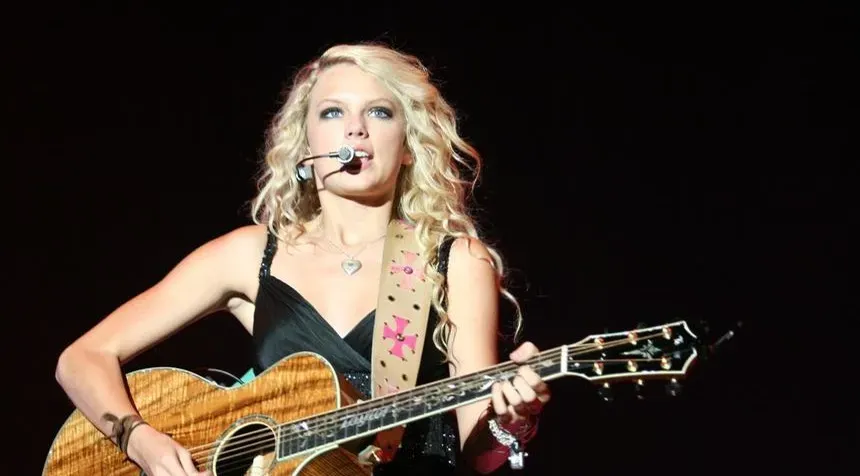
Taylor Swift’s “Cruel Summer” is one of the more fascinating chart stories of recent years. Originally released in 2019 as an album track rather than a single, the song took years to reach its commercial peak, eventually hitting number one on the Billboard Hot 100 without ever receiving an official music video.
Alongside hits like “BREAK MY SOUL” and “Last Night,” “Cruel Summer” reached number one on the Billboard Hot 100 without relying on an official music video. Its climb was driven largely by fan campaigns, live performances during the Eras Tour, and steady streaming growth rather than any visual release.
8. Last Night – Morgan Wallen


Morgan Wallen’s “Last Night” became one of the defining country crossover hits of recent years, spending an extraordinary stretch at number one on the Billboard Hot 100. It reached number one on the Billboard Hot 100 without relying on an official music video, joining hits by Beyoncé and Taylor Swift in doing so.
The song’s staying power was remarkable. It became one of the longest-running chart-toppers by an unaccompanied solo artist, tied with sixteen weeks at number one. That kind of dominance, achieved without any visual campaign, underscores just how much streaming and radio can carry a song on their own in the current musical landscape.
9. I Remember Everything – Zach Bryan feat. Kacey Musgraves


Zach Bryan built his career on a stripped-down, authentic approach to music, and “I Remember Everything” with Kacey Musgraves reflects that same philosophy. The duet reached number one on the Billboard Hot 100 without an accompanying music video, relying instead on raw emotional songwriting and organic streaming growth.
The song’s impact extended well beyond a single chart run. Zach Bryan’s “I Remember Everything,” featuring Kacey Musgraves, led the 2024 Streaming Songs chart after topping the weekly survey for four weeks, also topping both the Country Streaming Songs and Rock Streaming Songs charts for the year. That kind of sustained popularity without any video release speaks to how much streaming platforms have reshaped what it takes for a song to succeed commercially.
10. Is It Over Now? (Taylor’s Version) (From The Vault) – Taylor Swift

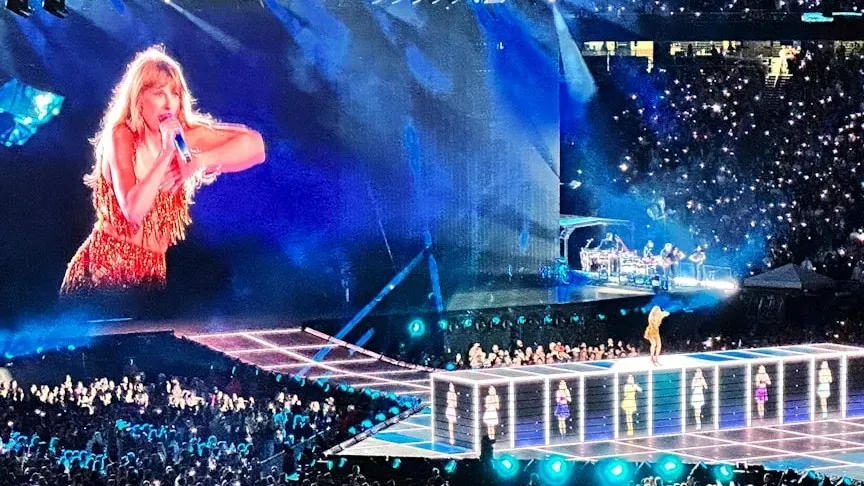
Taylor Swift has released videos for many of her biggest singles, but her vault tracks tend to skip that step entirely. “Is It Over Now? (Taylor’s Version) (From The Vault)” reached number one without a music video, part of a growing list that includes tracks like “Slime You Out” and the Savage Remix.
Because vault tracks are essentially newly unearthed recordings tied to older album re-releases rather than fresh singles, they rarely get the full promotional rollout that includes a video. Even so, the strength of Swift’s fanbase and the song’s immediate streaming numbers were enough to push it straight to the top of the Hot 100.
11. Slime You Out – Drake feat. SZA

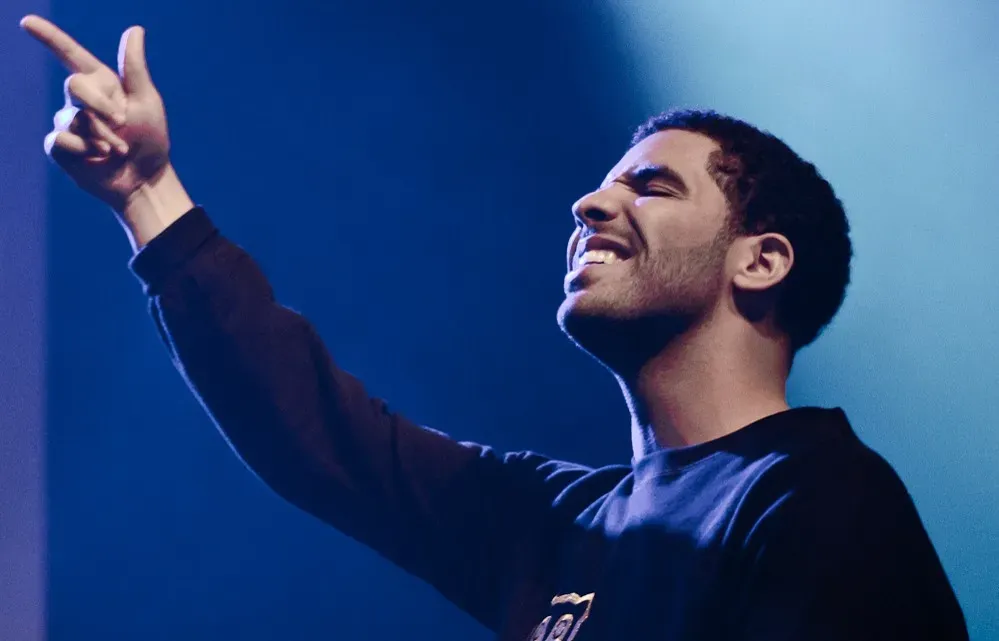
Drake has released his fair share of music videos over the years, yet several of his biggest hits skip the format entirely. “Slime You Out,” his collaboration with SZA, reached number one on the Billboard Hot 100 without ever getting an official video treatment. The track is listed alongside other chart-toppers that reached the summit without any accompanying visuals.
Given Drake’s massive streaming numbers and SZA’s own devoted following, the pairing generated enormous first-week activity purely through audio releases and playlist placements. It is a clear example of how established stars with loyal audiences do not always need a video to dominate the charts.
12. Savage Remix – Megan Thee Stallion feat. Beyoncé

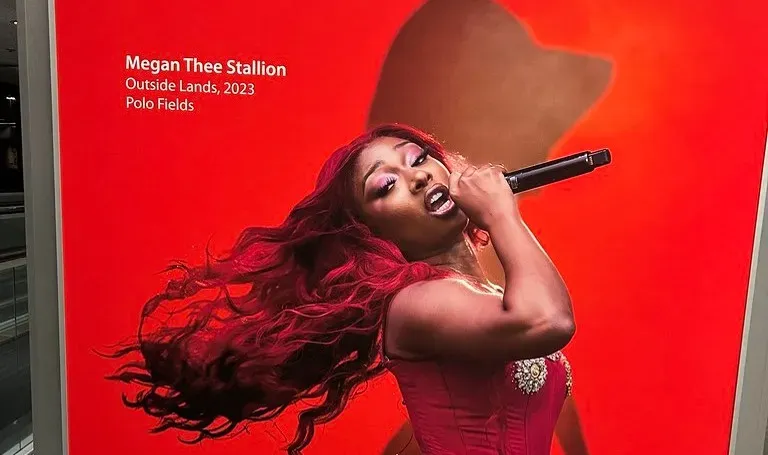
When Beyoncé jumped on the remix of Megan Thee Stallion’s “Savage,” the collaboration became an instant cultural moment, partly fueled by a viral TikTok dance challenge that predated the remix itself. The “Savage Remix” featuring Beyoncé is counted among the number one songs that topped Billboard without any music video on YouTube.
The original “Savage” had already found massive success through short-form video content before Beyoncé’s verse was added, meaning the remix arrived with built-in momentum. That viral foundation, combined with two of the biggest names in music joining forces, was enough to send the song straight to number one without any need for a traditional video rollout.
Looking at these twelve songs side by side tells a story about how differently music has been consumed across generations. In the pre-MTV years, the absence of a video was simply the norm, since the format had not yet been invented. Today, skipping a video is often a deliberate choice, one made possible by streaming algorithms, viral trends, and fanbases so devoted that a visual component becomes optional rather than essential.
What connects a 1970 Jackson 5 single to a 2024 Zach Bryan duet is the same basic truth: a song strong enough to resonate with listeners can climb to the top on its own merits. Music videos remain a valuable art form and a powerful marketing tool, but as these twelve chart-toppers prove, they have never been a strict requirement for reaching number one.