


The Bald Eagle: More Than Just a Pretty Bird

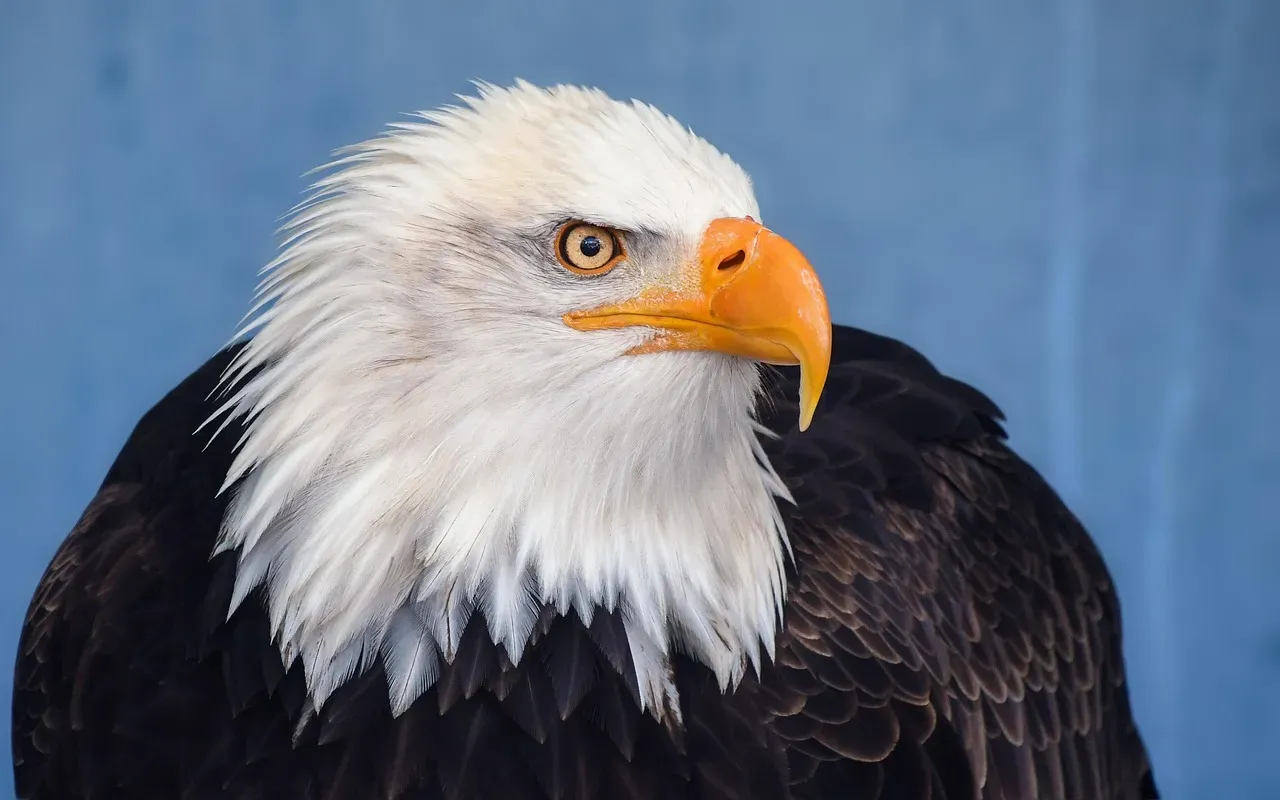
The bald eagle was chosen by the Founding Fathers when designing the Great Seal of the United States to convey the strength and independence of the new nation. The bird became the United States national bird officially on December 24, 2024, approximately 242 years after most Americans assumed it already was. Congress didn’t officially declare it the national bird until 2024, even though Americans had grown to accept its figurative rank over the centuries. The eagle’s hidden meaning goes deeper than patriotism, though.
On the seal, the white-crowned eagle clutches an olive branch representing peace in one talon and arrows representing war in the other, with the eagle facing the olive branch to symbolize America’s preference for peace. It’s fascinating how this detail reveals a fundamental tension at the heart of American identity: the capacity for both peace and war, held in careful balance.
The Great Seal: A Secret Message in Plain Sight

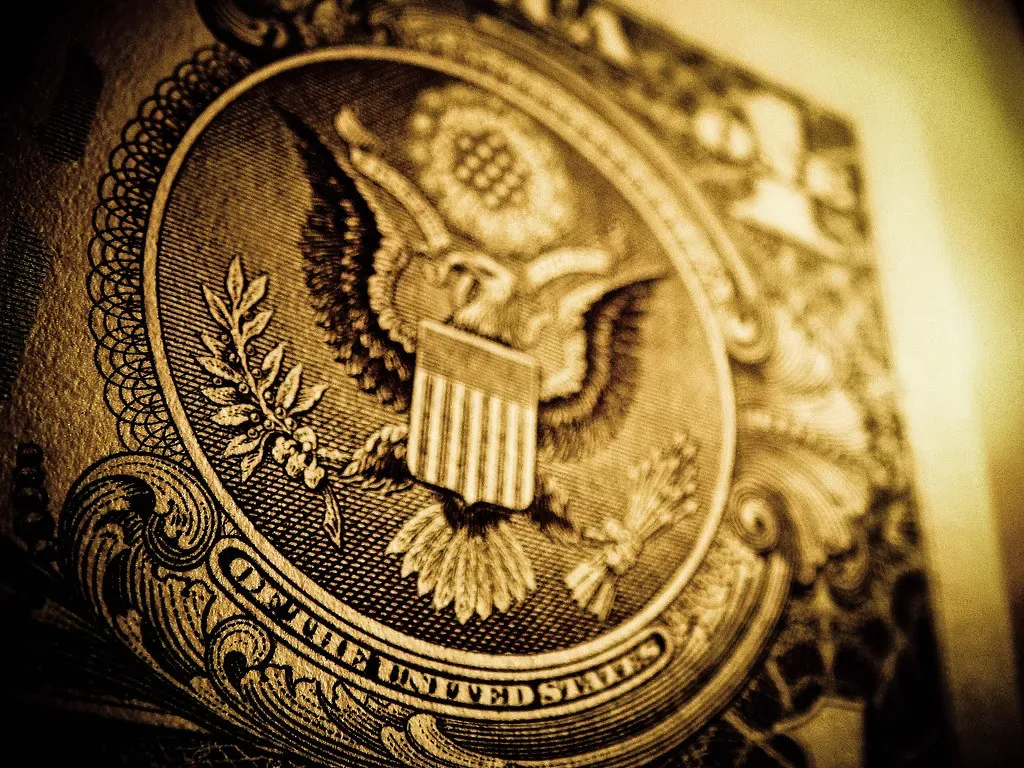
The arrows and olive branch together symbolize that the United States has a strong desire for peace, but will always be ready for war. The Olive branch and arrows denote the power of peace and war which is exclusively vested in Congress. The recurring number thirteen appears throughout the seal, referencing the original colonies.
The seal’s reverse side is equally intriguing. The reverse features a truncated pyramid topped by an Eye of Providence, with the year 1776 noted in Roman numerals at the base. This unfinished pyramid has sparked countless conspiracy theories, yet its official meaning is far simpler: it represents strength and the ongoing work of building the nation.
The Stars and Stripes: Layers Beyond the Obvious

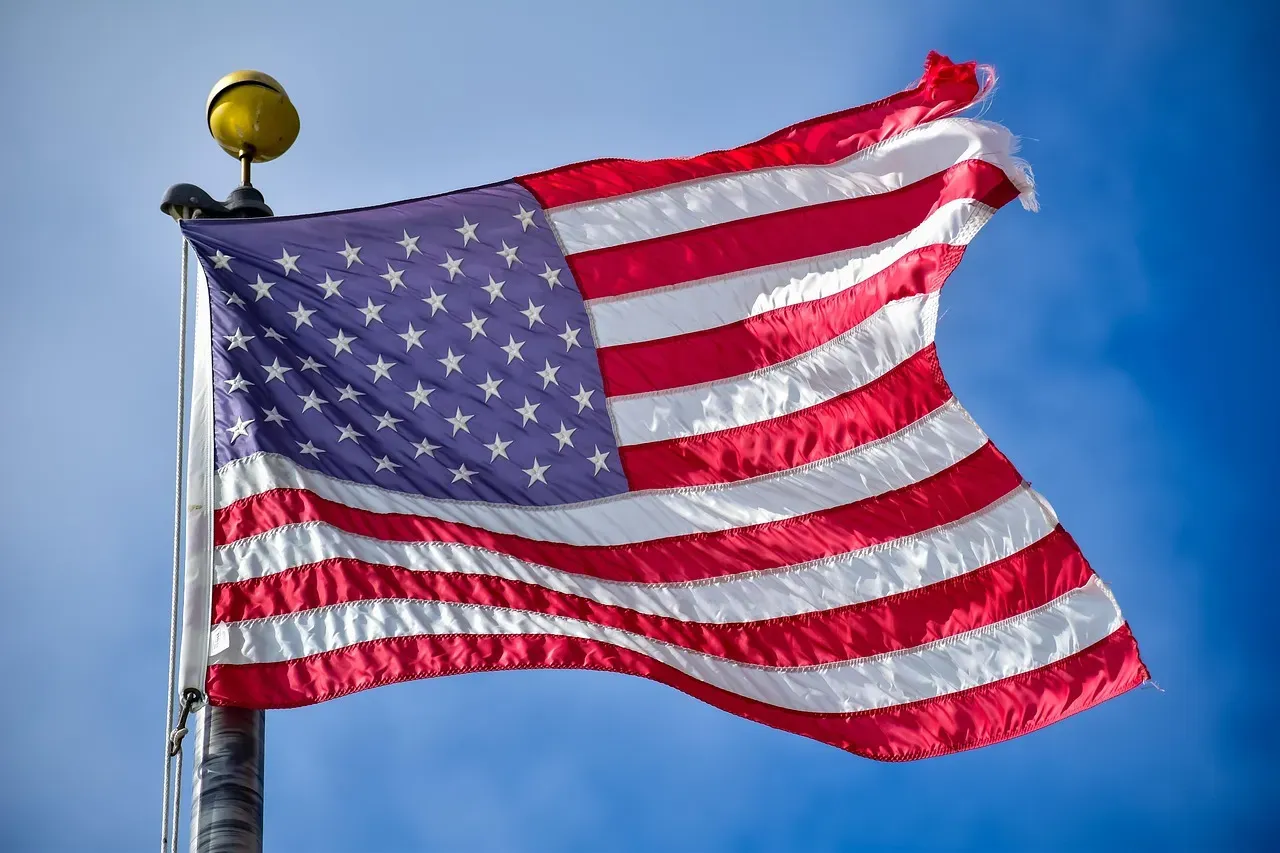
Everyone recognizes the American flag, with its thirteen stripes and fifty stars. The stripes represent the original colonies, the stars symbolize the current states. Easy, right? Well, there’s more beneath the surface.
White signifies purity and innocence, Red hardiness and valor, and Blue vigilance, perseverance and justice. These color meanings were established when Charles Thomson designed the Great Seal. The flag has become such a powerful symbol that its meaning shifts depending on who’s using it, sparking ongoing debates about patriotism and national identity in the present day.
Statue of Liberty: The Immigrant Icon That Wasn’t

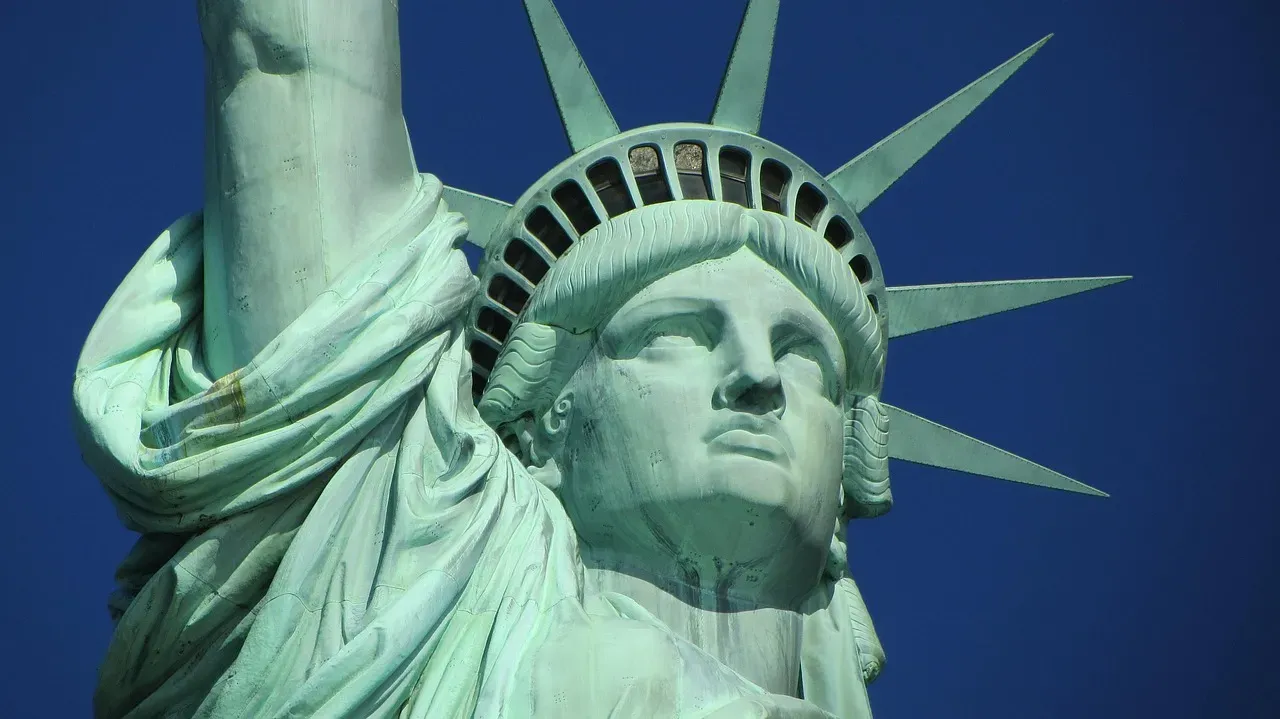
The idea of a monument presented by the French people to the United States was first proposed by Édouard René de Laboulaye, president of the French Anti-Slavery Society, in a mid-1865 conversation with sculptor Frédéric Auguste Bartholdi. According to the National Park Service, the Statue commemorates friendship, democratic government, and the abolition of slavery, and honoring the United States after the Union victory in the Civil War would strengthen the cause for democracy in France.
Here’s the hidden twist: Lady Liberty wasn’t originally meant to symbolize immigration at all. The Statue was dedicated on October 28, 1886, hailed as a gift from the French people to symbolize the friendship between two nations with democratic ideals, and the President’s speech celebrated the values of the Enlightenment and did not mention immigration. Her new and enduring identity as a beacon welcoming immigrants was boosted by her arrival coinciding with a massive wave of European immigrants from 1892-1924 through Ellis Island and Emma Lazarus’ poem written on her pedestal since 1903. The shift in meaning is remarkable.
The Liberty Bell: Born From Abolition, Not Revolution

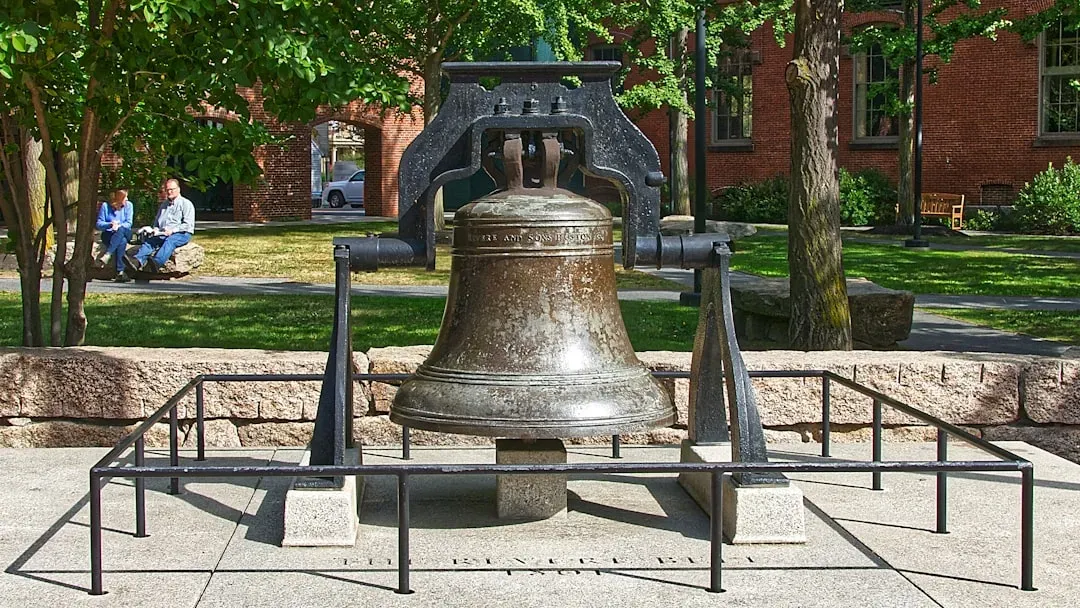
If you think the Liberty Bell cracked while ringing for independence, think again. The bell most likely cracked sometime between 1841 and 1845, during its ringing on either Independence Day or Washington’s Birthday. After American independence was secured, it fell into relative obscurity for some years, and in the 1830s, the bell was adopted as a symbol by abolitionist societies, who dubbed it the Liberty Bell.
Abolitionists, women’s suffrage advocates and Civil Rights leaders took inspiration from the inscription on this bell. The crack itself became symbolic. What was once a flaw transformed into a powerful metaphor for freedom’s fragility and the imperfect nature of liberty in a nation that permitted slavery.
Uncle Sam: The Propaganda Figure We All Know

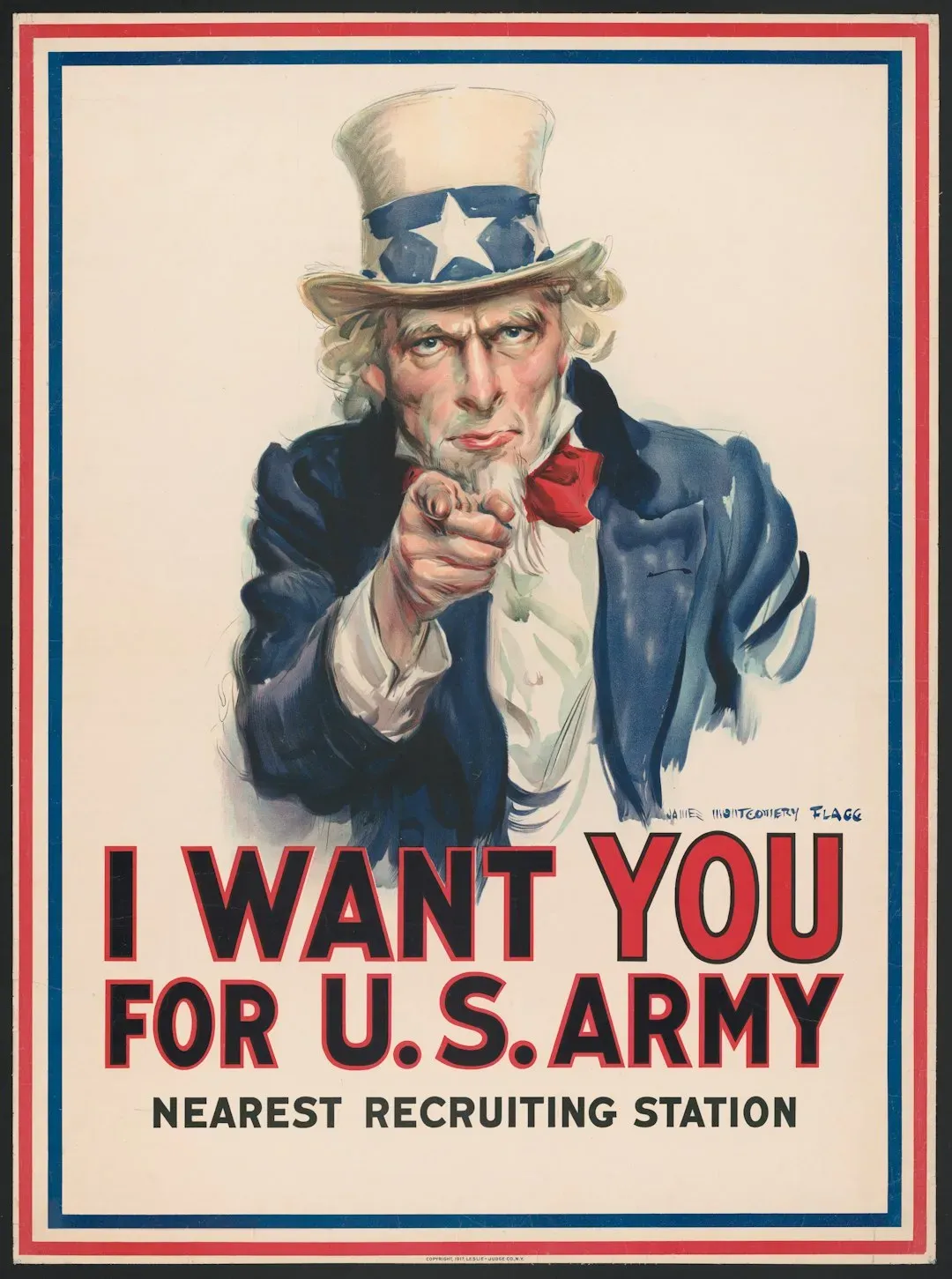
Originally published as the cover for the July 6, 1916, issue of Leslie’s Weekly with the title What Are You Doing for Preparedness, this portrait of Uncle Sam went on to become the most famous poster in the world, with more than four million copies printed between 1917 and 1918. James Montgomery Flagg’s 1917 poster was based on the original British Lord Kitchener poster of three years earlier.
The figure didn’t originate from government design at all. A popular legend is that the name Uncle Sam was derived from Samuel Wilson, who supplied meat rations for American soldiers during the War of 1812. What started as a wartime meat packer’s nickname morphed into a symbol of government authority, then military recruitment, and eventually became an icon used for everything from promoting census participation to anti-war protests during Vietnam.
The Dollar Bill: Symbols Within Symbols

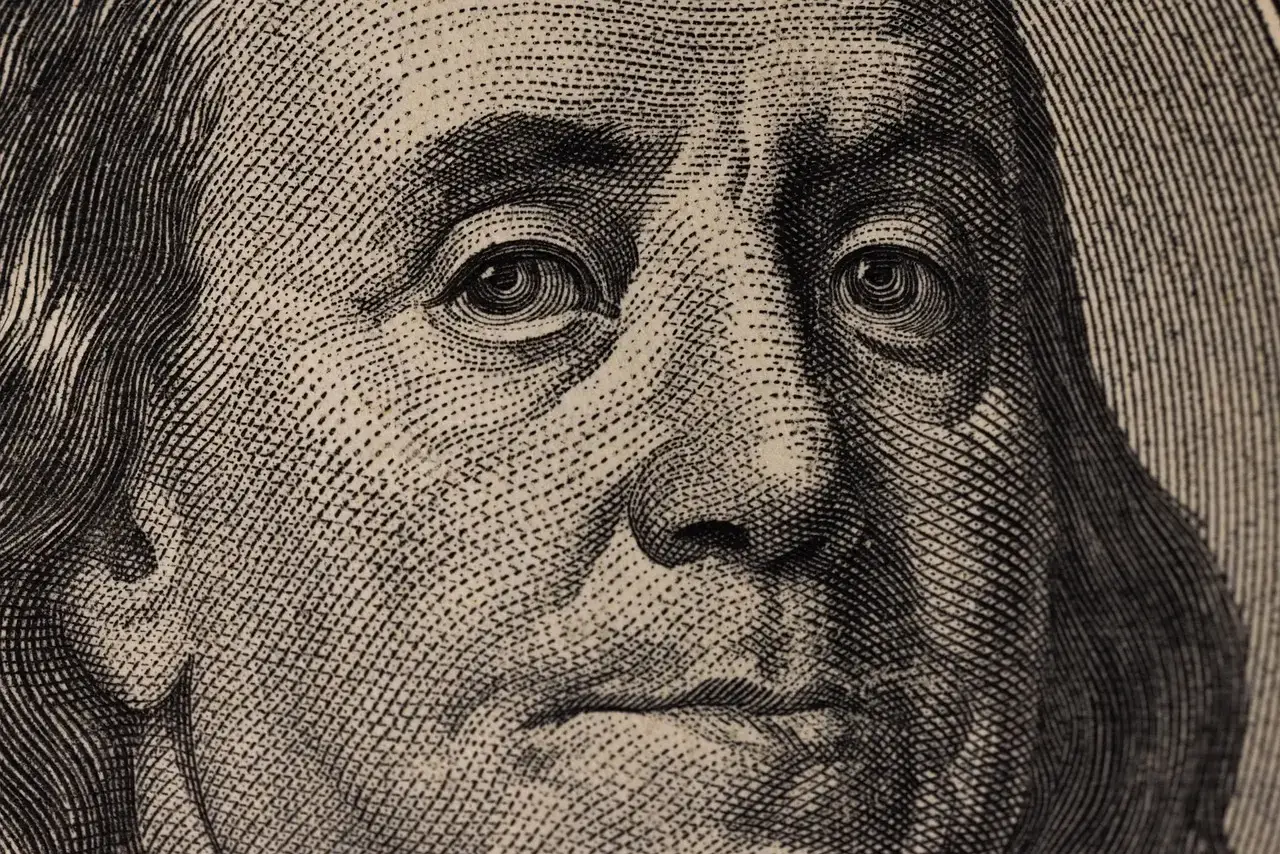
Pull out a dollar bill and really look at it. Beyond George Washington’s face, you’ll find the Great Seal on the back. The unfinished pyramid with the Eye of Providence sits on the left side, representing both divine guidance and the unfinished work of the nation.
The seal contains three Latin phrases: E Pluribus Unum (Out of many, one), Annuit cœptis (He has favored our undertakings), and Novus ordo seclorum (A new order of the ages). These phrases weren’t chosen lightly. They reflect Enlightenment ideals and the revolutionary notion that a republic could succeed without a monarchy. The symbolism embedded in everyday currency reminds us of founding principles with every transaction.
Partner offer

The White House: Anti-Palace by Design


The White House stands as a symbol of American leadership, but its design carries a deliberate message. Unlike European palaces built to intimidate and display royal power, the White House was purposely designed to reflect democratic values and civilian authority rather than monarchical grandeur.
This distinction matters more than you might think. The building’s relatively modest scale and accessible grounds were meant to communicate that the president is a public servant, not a king. It’s a physical manifestation of the revolutionary idea that government power derives from the people, not divine right.
In God We Trust: A Cold War Addition


Many assume this motto has been on American currency since the founding. It hasn’t. While phrases invoking God appeared sporadically on coins since the Civil War era, the motto wasn’t officially adopted until much later.
The phrase became the official national motto in 1956, during the height of Cold War tensions with the officially atheist Soviet Union. It was a way to distinguish American values from communist ideology. The motto reflects historical policy decisions rather than the intentions of the Founding Fathers, many of whom advocated for strict separation of church and state.
The American Bison: Conservation Triumph and Cultural Symbol


American bison once numbered 60 million in North America, but the species was culled down to just 541 animals by 1889 as part of the subjugation of the Native Americans, because the bison was a major resource for their traditional way of life. The bison was named the national mammal in 2016, a relatively recent designation.
The countries will work to pursue bison conservation, restore ecological processes, and support traditional human use of natural resources with a particular focus on the unique historical connection between bison and Indigenous peoples. Haaland’s order puts Native American interests at the center of the Interior Department’s bison program. The hidden meaning here is profound: the bison represents both ecological restoration and an attempt to acknowledge and repair historical injustices against Indigenous peoples.
The National Anthem’s Flag: Survival Against the Odds

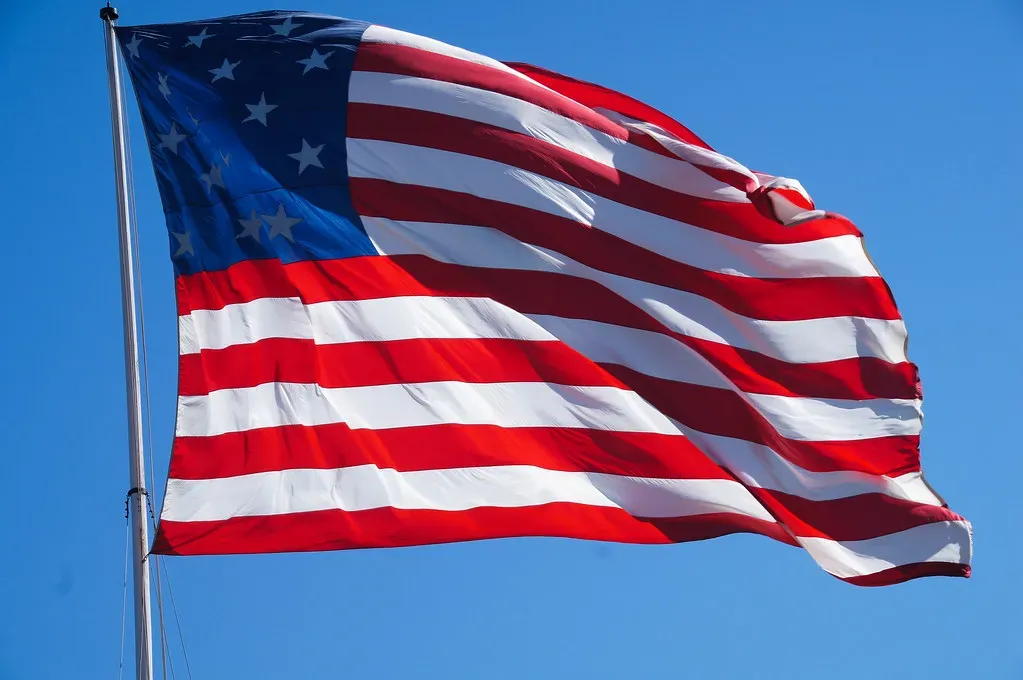
The Star-Spangled Banner isn’t just a song about a flag. Francis Scott Key wrote the lyrics after witnessing the British bombardment of Fort McHenry in 1814. The flag that inspired him had survived a night of relentless attack, still flying at dawn.
The anthem’s lesser-known verses reveal complex attitudes about freedom and slavery that make modern listeners uncomfortable. The third verse contains lines celebrating the defeat of formerly enslaved people who fought with the British in exchange for their freedom. This uncomfortable truth reminds us that American symbols often contain contradictions that reflect the nation’s complicated history.
E Pluribus Unum: The Original Motto We Forgot

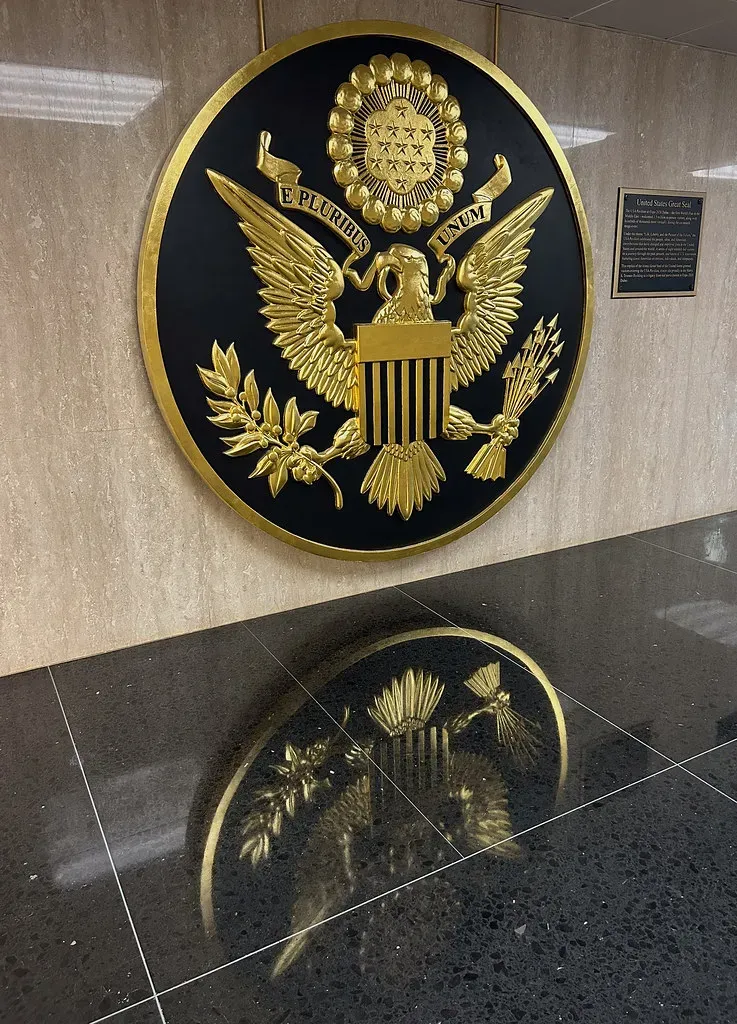
E Pluribus Unum means Out of Many, One, and it appeared on the Great Seal from the beginning in 1782. This was the de facto national motto for nearly 175 years before being replaced by In God We Trust as the official motto in 1956.
The phrase captures the entire American experiment: creating unity from diversity. In an era of increasing polarization, perhaps we need to remember this original motto. It acknowledges differences while asserting that unity is possible and necessary. The hidden message is that American identity was never meant to be monolithic but rather a conscious choice to forge connection across difference.
Columbia: The Female Symbol America Left Behind

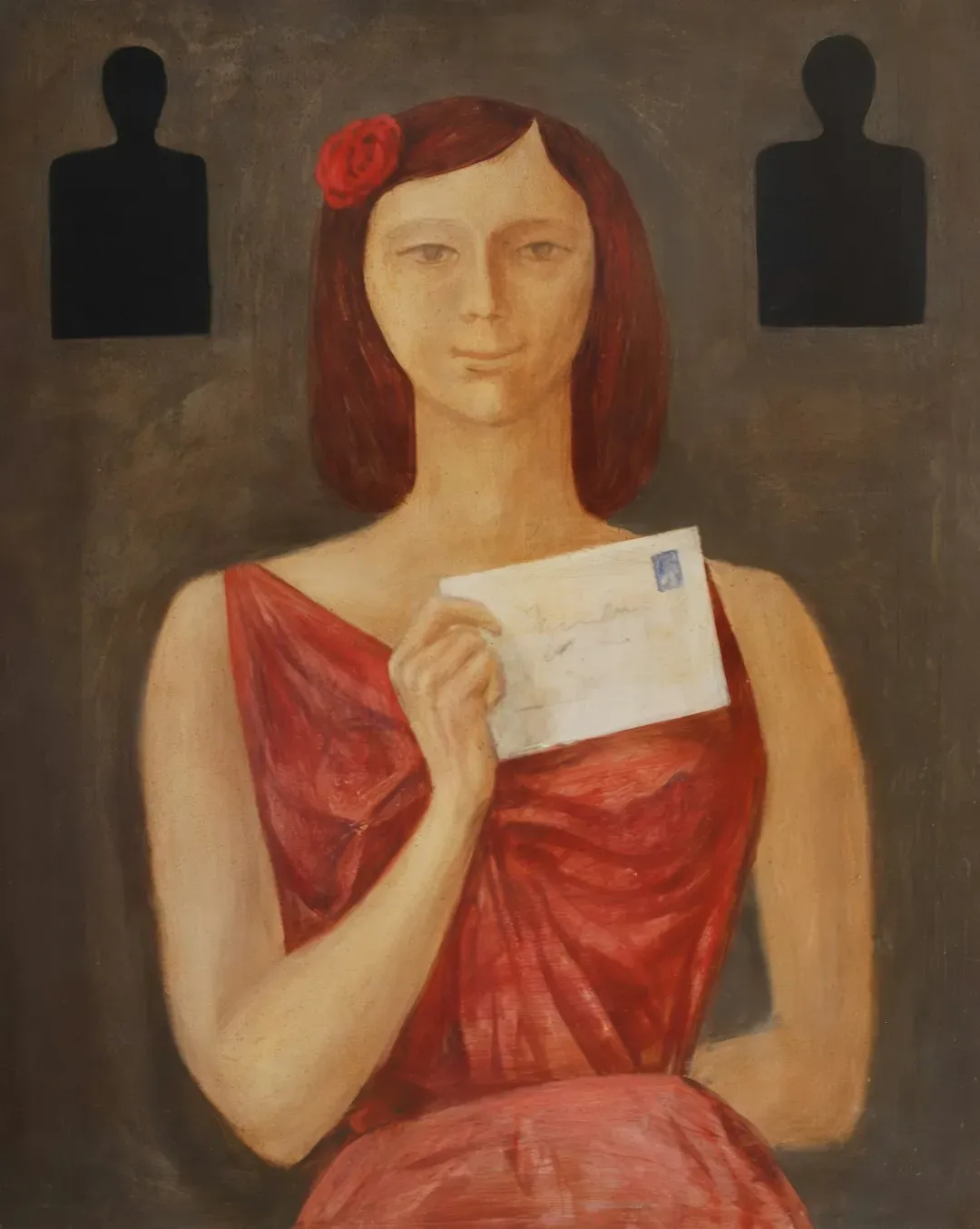
While the figure of Uncle Sam specifically represents the government, the female figure of Columbia represents the United States as a nation, and the earliest known personification of the United States was as a woman named Columbia, who first appeared in 1738. Columbia appeared with either Brother Jonathan or Uncle Sam, but her use declined as a national person in favor of Liberty.
Columbia once appeared everywhere: in patriotic songs, on currency, in paintings and sculptures. She represented liberty and democracy in female form, predating the Statue of Liberty. Her gradual disappearance from American iconography raises questions about how gender influences national symbols and which figures resonate across generations. Columbia’s eclipse by Uncle Sam marked a shift toward more masculine representations of American power, a change that reflects broader cultural attitudes worth examining.
These twelve symbols tell a story far more complex than what we learned in school. They reveal a nation constantly negotiating between ideals and reality, between unity and division, between the past and the future. Each symbol carries layers of meaning that shift with historical context and cultural perspective. What surprised you most about these hidden meanings?
Partner offer
Planning a trip to Vegas?
Compare hotel rates and show tickets on VEGAS.com.


