The festival experience has always been more than music. It’s ritual, it’s sensory overload, it’s community packed into a field. Yet something seismic is happening right now. Technology is no longer just a backdrop to the main event. It is fast becoming the main event itself.
From the moment you buy your ticket to the second the last drone dims in the night sky, a new generation of innovations is rewriting what it even means to attend a festival. Some of it sounds like science fiction. Some of it is already quietly running at your favorite event without you realizing it. Let’s dive in.
1. AI-Powered Crowd Management and Safety Systems

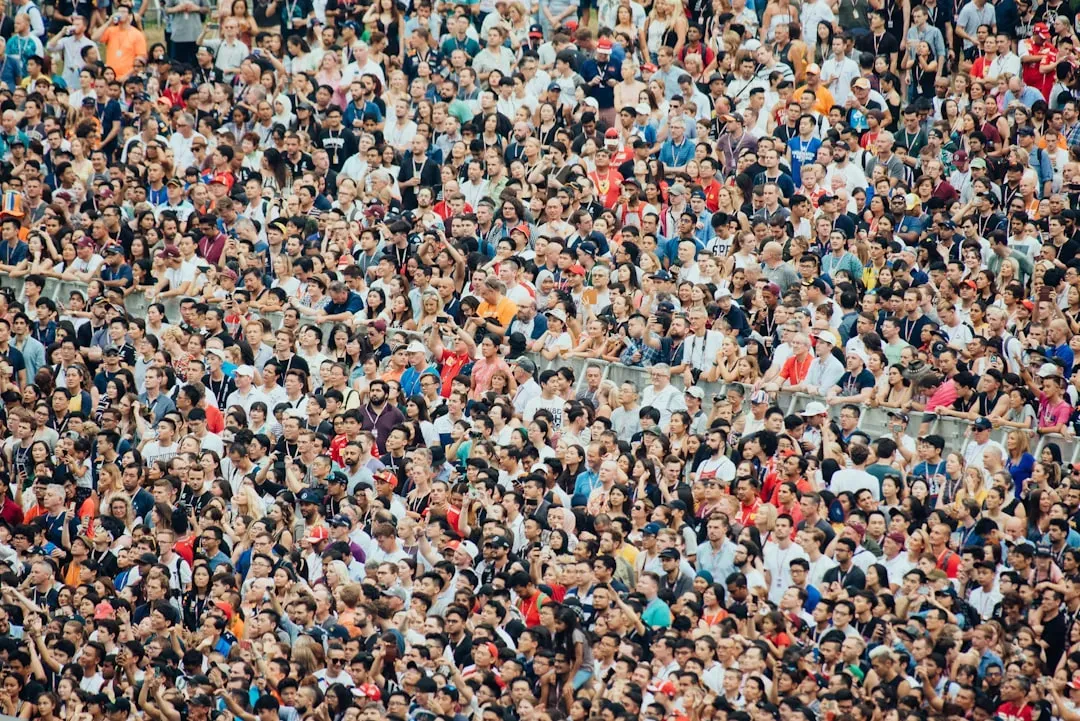
Artificial intelligence is playing a huge role in keeping events safe and smooth. AI-driven software monitors foot traffic, weather patterns, and even emotional cues from social media to adjust security or reroute festival-goers before problems arise. Think of it like a city-wide traffic system, except it’s calibrated to the mood of forty thousand dancing humans.
For example, if a certain area of the venue is getting overcrowded, notifications can be sent to suggest alternate routes or direct people to less busy zones – keeping the vibe fun, not frantic. AI in music events is revolutionizing crowd management, personalizing fan experiences, optimizing pricing strategies, and automating routine tasks. From predictive analytics that prevent bottlenecks to intelligent lighting systems that sync with performances, AI is making venues smarter and more responsive.
2. Augmented Reality Experiences On-Site

Augmented reality has evolved far beyond simple smartphone filters to become a cornerstone of festival entertainment. Major now deploy AR zones where attendees can interact with virtual art installations that respond to their movements and emotions through advanced biometric sensors. These installations often tie directly into the performing artists’ music, creating synchronized visual experiences that blur the lines between digital and physical performance spaces.
Augmented reality is moving beyond gimmicky filters into practical applications that enhance the show. Fans can point their phones at the stage to access real-time lyrics, artist information, or choose between multiple camera angles. Some venues are experimenting with AR wayfinding that helps fans navigate complex festival grounds or find amenities without the chaos of traditional signage. Honestly, the idea of AR navigation alone feels like something that should have existed a decade ago.
3. Drone Light Shows Replacing Fireworks

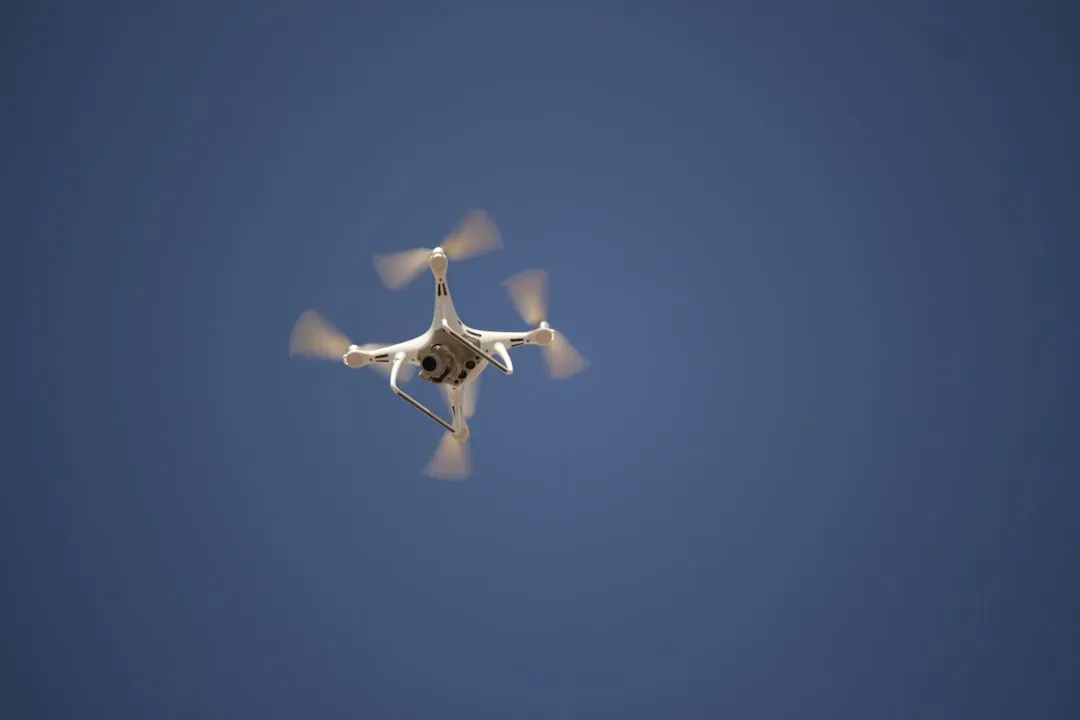
The drone light shows market has rapidly evolved, with over 1,500 shows conducted globally in 2024, featuring up to 500 drones per event. Drone light shows are increasingly replacing fireworks in urban areas due to zero emissions, reduced fire hazards, and lower noise pollution. That’s not a small thing. Fireworks have been a cultural staple for centuries, and here we are replacing them with synchronized flying pixels.
Drone light shows appeared at the Paris 2024 Olympic Games, illuminating the skyline with a spectacular display that blended art and technology. Dubai’s New Year’s Eve celebration featured a record-breaking 3,300-drone performance above Bluewaters Island, synchronizing lights and lasers across the sky. The shows also toured stadiums during Coldplay’s Music of the Spheres World Tour 2025, where aerial visuals enhanced the live concert experience. The global drone light show market was estimated at over one and a half billion dollars in 2024 and is projected to reach more than six billion dollars by 2033.
4. RFID Wristbands and Cashless Payment Systems


One tech trend that has unquestionably delivered value is the industry-wide shift to cashless payments at . Replacing physical cash with RFID wristbands, contactless cards, or mobile payments has vastly improved transaction speed and security on-site. The payoff is significant: that moved to cashless systems have seen higher spending per attendee and smoother operations.
A 2024 study of major European found that adopting dematerialized cashless payments led to a massive jump in the number of transactions compared to the prior year, highlighting trends in dematerialized payment usage at . Fans made more purchases, likely because tapping a wristband for a beer is so frictionless that people buy items more frequently rather than holding back. The same study recorded an average increase of roughly one-fifth in total on-site sales after going largely cashless, helping organizers maximize revenues during events. RFID wristbands complete transactions in under two seconds, compared to fifteen to thirty seconds for traditional payment methods.
5. 5G Connectivity Across Festival Grounds

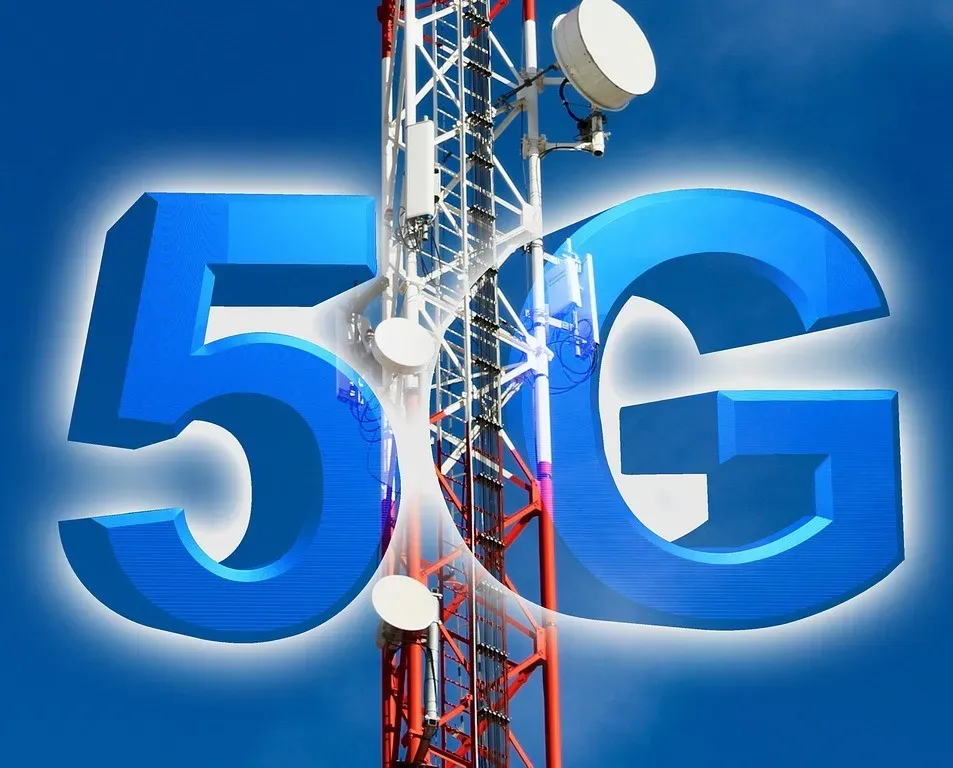
In 2025, Glastonbury welcomed over 200,000 attendees, and for the better part of a week, Worthy Farm in Somerset transformed into a temporary city. For the 2025 edition, mobile data consumption was expected to exceed 200 terabytes. To cope with this unprecedented demand, Glastonbury erected ten temporary mobile masts to deliver event-wide 5G coverage. That’s roughly the equivalent of streaming millions of hours of video.
The dense, lower-range capabilities of 5G networks are particularly suited to crowded, localized spaces like music and stadiums. Many of us are familiar with fruitless searches for cell signal in these spaces during the days of 3G and 4G coverage. 5G networks promise to make this a thing of the past. 5G and enhanced Wi-Fi infrastructure are essential for supporting cashless payments, mobile apps, and live streaming. With attendees increasingly reliant on connectivity for social sharing and event updates, it’s crucial to provide a fast and reliable network.
6. Hybrid and Virtual Attendance
The pandemic pushed virtual events into the spotlight, and that innovation is still evolving. In 2025, hybrid , where live and virtual audiences engage in real-time, are more common than ever. This not only expands the audience but also creates unique layers of interaction. For example, virtual attendees might control camera angles or vote on setlists. Meanwhile, those on-site can interact with digital avatars or access exclusive content on festival apps.
Successful hybrid events require dedicated streaming infrastructure, multi-camera production capabilities, and virtual experience design that offers unique value to online attendees. The result is something fascinating. A fan watching from a tiny apartment in Seoul can now have a genuinely different and in some ways richer experience than the person standing in the mud in front of the stage. I’m not sure whether that’s inspiring or slightly unsettling, but it’s real.
7. Immersive Stage Design with LED and Spatial Audio

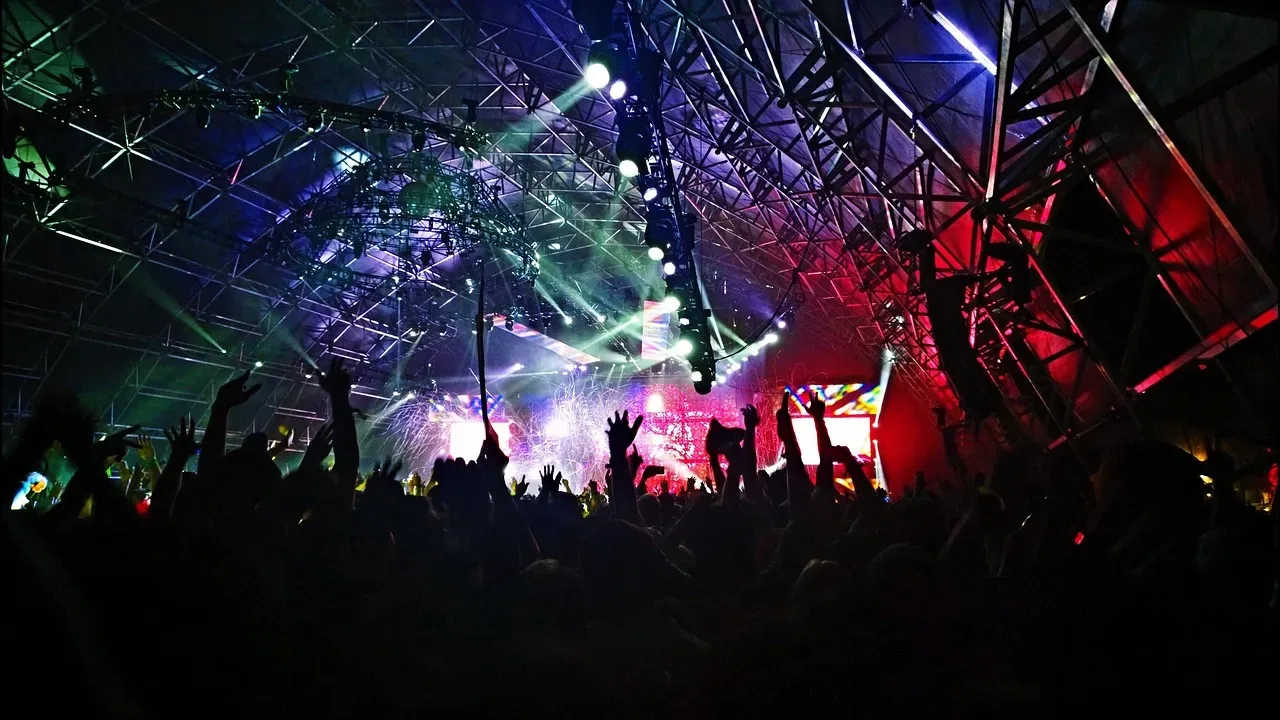
Production values at music are reaching cinematic levels. Instead of just massive speakers and flashing lights, events are now incorporating interactive LED environments, 360-degree soundscapes, and responsive visuals that shift based on audience movement. These are no longer stages. They are experiences engineered from the ground up.
Partner offer

The technical production side is seeing equally dramatic innovations. Spatial audio systems are creating three-dimensional soundscapes that adapt based on where listeners are positioned in the venue. This technology, combined with AI-driven acoustic optimization, ensures every seat gets the best possible audio experience. Visual technologies are becoming more sophisticated too. LED displays that adapt to ambient lighting conditions, drone light shows synchronized with music, and projection mapping that transforms venue architecture in real time are setting new standards for what fans expect from live performance.
8. AI-Driven Personalization for Attendees


In the context of music , where attendees are already highly engaged and immersed in the event atmosphere, AI-powered solutions that enhance personalization, such as smart recommendation systems for performances, AI-driven interactive experiences, or seamless cashless payment methods, can further stimulate openness to AI adoption. It’s a bit like having a personal festival concierge built into your wristband.
AI-driven personalization has the potential to enrich festival experiences by recommending strategies such as real-time personalized recommendations, AI-powered chatbots, and sentiment analysis, offering practical applications for enhancing attendee satisfaction. Furthermore, AI plays a growing role in improving event logistics such as crowd management and tailored VIP experiences. According to industry data, nearly three quarters of attendees prefer events that offer personalized AI-driven networking suggestions, and machine learning algorithms are now able to identify the vast majority of fraudulent ticket registrations.
9. Biometric Monitoring for Crowd Health and Safety

Festival safety and crowd control have been revolutionized through sophisticated biometric monitoring systems that track crowd density, movement patterns, and even collective stress levels in real-time. It sounds invasive, but when you consider how many tragic crowd incidents have occurred at over the years, the case for it becomes harder to dismiss.
Keeping attendees safe is priority number one for any festival, and new wearable health tech is emerging as a promising tool in the safety arsenal. In recent years, some have started offering sensor wristbands and patches that track vitals like heart rate, body temperature, and hydration levels in real time. The idea is that these devices can alert the user or medical staff to early signs of heat exhaustion, dehydration, or even panic, allowing for quick intervention. For example, a pilot program at a desert rave in 2025 gave volunteers smart wristbands that would vibrate and flash if their body temperature went into a danger zone, reminding them to seek shade and water.
10. Blockchain Ticketing to Fight Fraud and Scalping


The battle against ticket scalping has led to revolutionary changes in how events handle ticket sales and distribution. Blockchain-based ticketing systems have emerged as a powerful solution, offering secure and transparent transactions while effectively tracking ticket ownership. This technology has significantly reduced unauthorized reselling and ensures prices remain within reasonable limits. Event organizers are implementing dynamic pricing models that adjust ticket costs based on real-time demand, creating a fairer marketplace for genuine fans.
Digital ticketing and program systems have virtually eliminated paper waste, while blockchain technology ensures ticket authenticity without the environmental cost of physical production. Here’s the thing: ticket fraud has long been a plague on live events, costing fans millions each year. Blockchain essentially makes every ticket a one-of-a-kind, traceable asset that cannot be quietly duplicated and resold for three times the face value.
11. Smart Sustainability Technology and Green Festival Infrastructure

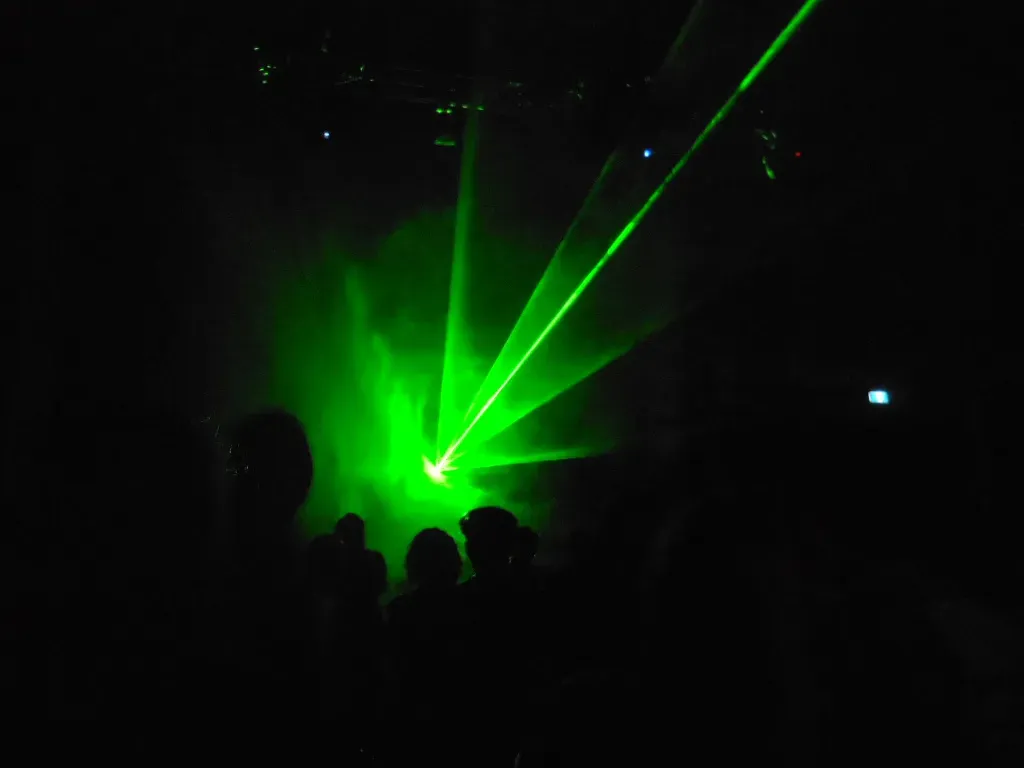
Environmental consciousness has driven remarkable innovations in festival sustainability, with solar-powered stages, biodegradable RFID components, and carbon offset tracking systems becoming standard features. Smart grid technology allows to optimize energy consumption across the entire event, automatically routing power from renewable sources and reducing waste through predictive load balancing. Water management systems now incorporate IoT sensors that monitor usage patterns and automatically adjust supply to different areas of the festival grounds.
Waste reduction has been enhanced through app-based recycling programs that gamify environmental responsibility, rewarding attendees for proper disposal and sustainable behavior choices. AI-powered systems are also being deployed to reduce energy waste, with smart lighting and environmental controls proving capable of cutting venue energy use by a notable margin. The days of a festival being an environmental disaster are, slowly but surely, becoming numbered. like Glastonbury have been vocal about achieving net zero, and technology is now the engine making that possible.
12. IoT-Connected Festival Infrastructure
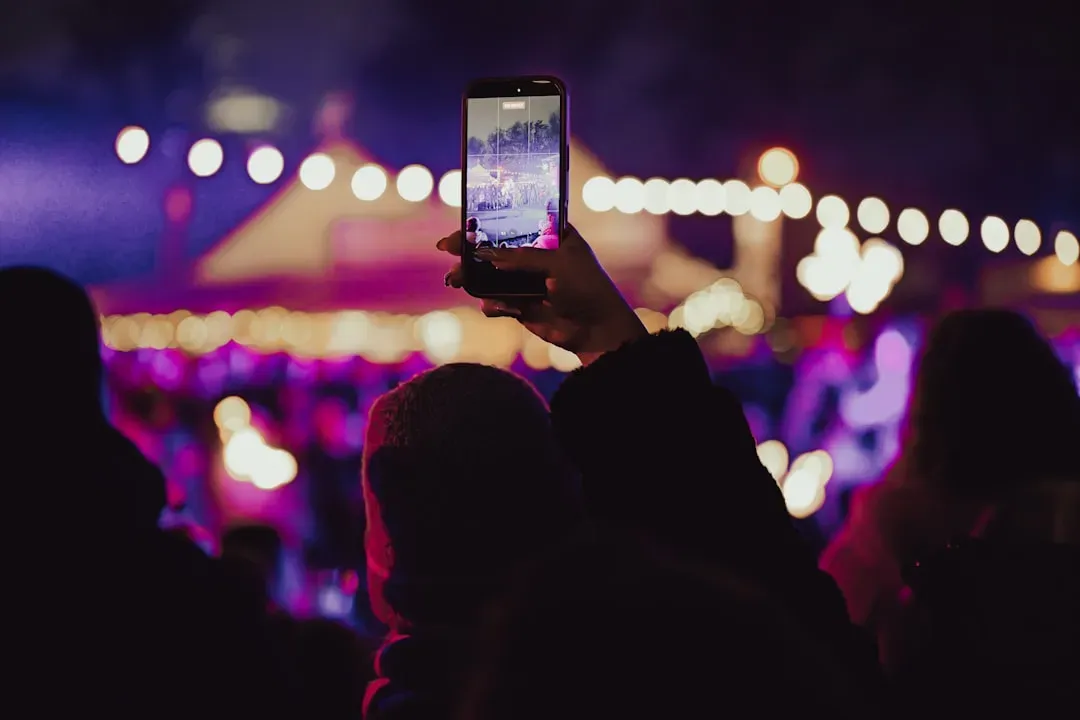
Internet of Things devices are fast becoming an essential tool for live events. The Internet of Things describes the global network of connected devices that communicate with one another via wireless connections. Essentially, any device that wirelessly transmits or receives data from another is part of the Internet of Things. At a festival, this translates to smart bins, connected toilets, automated vendor management, and real-time crowd flow analysis all working in concert.
Advancements in wireless technology and mobile data networks have enabled near-exponential growth in the IoT industry, with the market value set to exceed 1.75 trillion dollars by 2028. Mobile platforms have evolved to become essential tools for enhancing the overall concert experience. Advanced mapping features help attendees navigate large venues and , with real-time updates on crowd density and wait times at various locations. Integration with food and beverage vendors allows fans to order refreshments directly to their location, minimizing time spent in queues. The festival of tomorrow, in other words, is not just a field and a stage. It’s a fully networked, data-breathing organism that knows where you are, what you want, and how to keep you safe while you enjoy it.
The Future Has Already Arrived
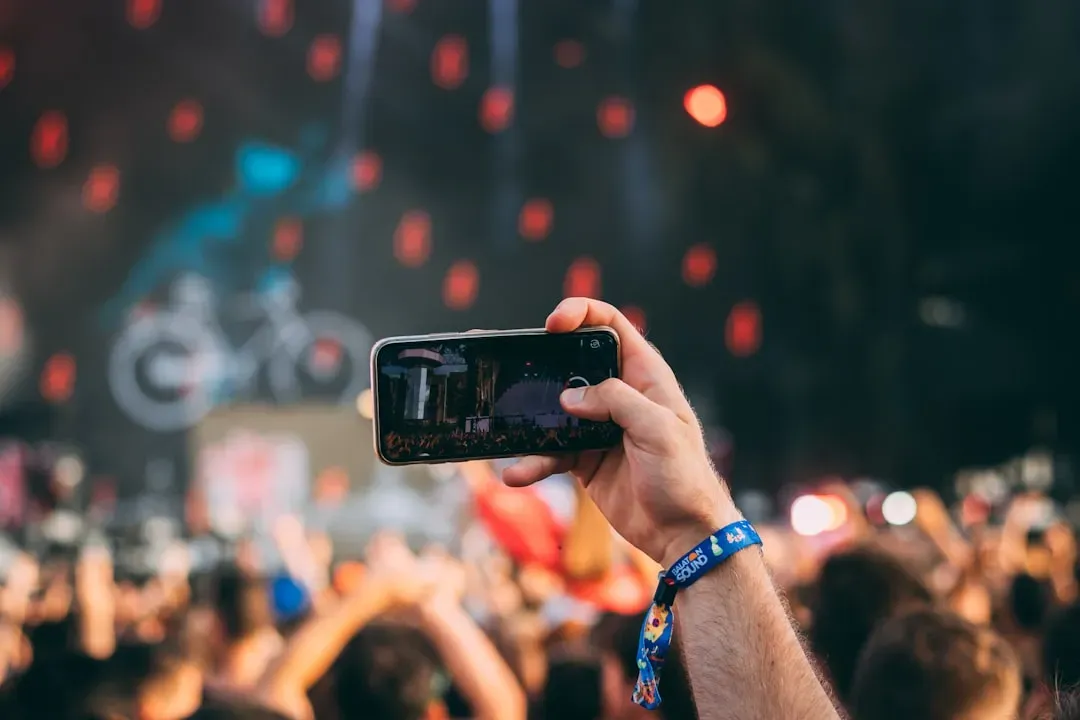
It’s easy to look at a list like this and think it’s all somewhere on the horizon. The truth is, the vast majority of these innovations are not theoretical. They are live, tested, and evolving right now, at the you’re already attending.
Live Nation reported a record 23.16 billion dollars in revenue in 2024, with 151 million fans attending nearly 55,000 events, which tells you just how much the live music economy is staking on continued innovation. The appetite is enormous and so is the investment.
What’s striking is not any single technology here. It’s the convergence. When 5G, RFID, AI personalization, biometric safety, and immersive AR all run together at the same event, something qualitatively new emerges. Something that genuinely feels like the future. The question worth sitting with is not whether tech will transform . It already is. The real question is whether the human, messy, spontaneous magic of a great festival survives alongside it. What do you think? Tell us in the comments.
Partner offer
Planning a trip to Vegas?
Compare hotel rates and show tickets on VEGAS.com.