Fashion is fickle. One day you’re strutting down Fifth Avenue in everyone’s must-have piece, the next you’re rummaging through a clearance bin wondering where it all went wrong. The same goes for the brands themselves. Some names that once defined entire decades have quietly disappeared from our closets and shopping malls, leaving behind only memories and maybe a few thrift store finds.
What’s fascinating is how quickly the fashion world can turn. A brand can seem invincible, opening flagship stores in every major city, dressing celebrities, and dominating runways. Then suddenly, bankruptcy filings, store closures, and liquidation sales. It makes you wonder what really happened behind those glossy campaigns and trendy window displays. Let’s dive into the stories of fashion giants who couldn’t quite keep up with the times.
Forever 21 – The Fast Fashion Giant That Got Too Big


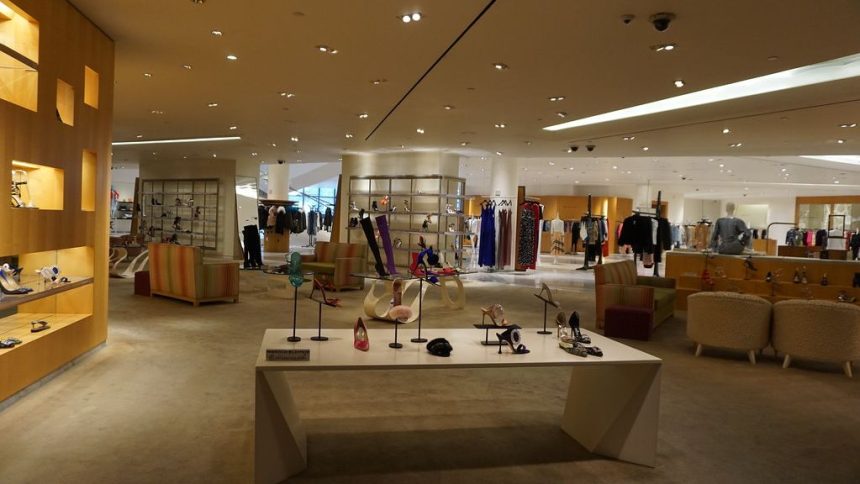
Forever 21 was everywhere in the 2000s. Those massive stores with their yellow bags became teenage shopping destinations, offering trendy pieces at unbeatable prices. The brand expanded aggressively, opening huge locations that felt more like fashion theme parks than retail stores.
But here’s the thing about growing too fast. The founders kept opening stores even when online shopping was clearly taking over. They stuck to their massive physical footprint while competitors like Zara and H&M adapted to e-commerce. By 2019, Forever 21 filed for bankruptcy, closing hundreds of stores.
The company also faced multiple lawsuits for allegedly copying designs from smaller brands and designers. This damaged their reputation just as younger shoppers started caring more about sustainability and ethical fashion. They’re still around, but nothing like the retail empire they once were.
Barneys New York – When Luxury Lost Its Way

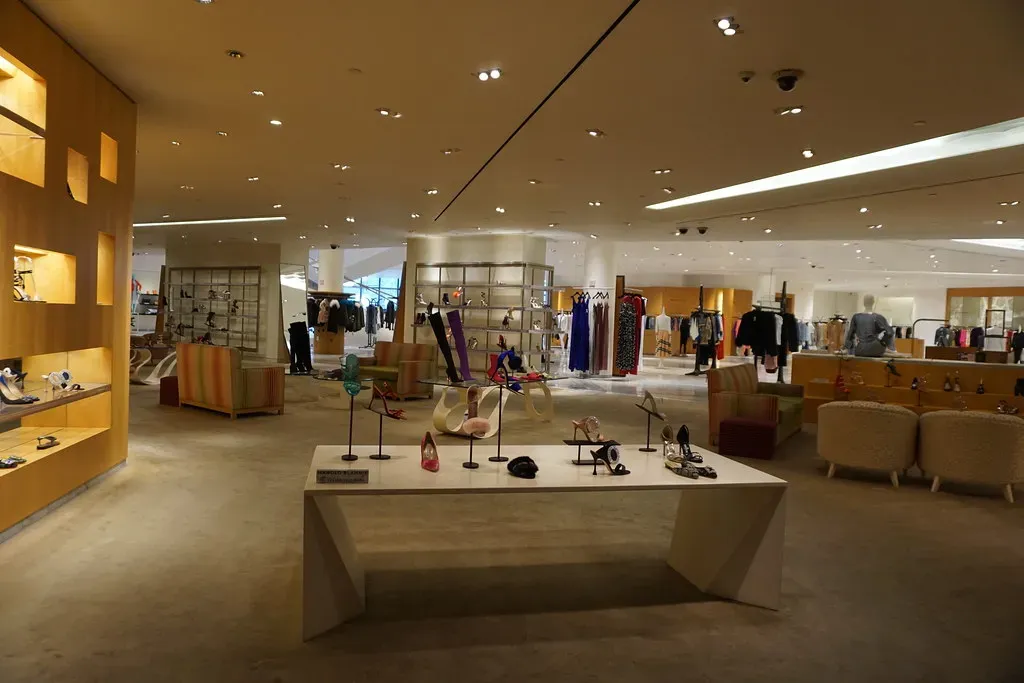
Barneys was the epitome of high-end New York shopping. For decades, it was where fashion insiders and wealthy shoppers went for cutting-edge designer pieces and impeccable service. Walking into Barneys felt exclusive, even a bit intimidating if you weren’t dressed right.
The downfall came from a combination of brutal Manhattan rent increases and questionable business decisions. Their Madison Avenue flagship faced rent jumps from roughly 16 million to over 30 million annually. That’s insane, even for luxury retail.
They also expanded beyond their means, opening locations that didn’t capture the same magic as the original stores. When bankruptcy hit in 2019, it shocked many, but insiders had seen the writing on the wall. The brand was eventually acquired and now exists mainly as a smaller operation. The golden era of Barneys is definitely over.
American Apparel – Sex, Scandal, and Bankruptcy

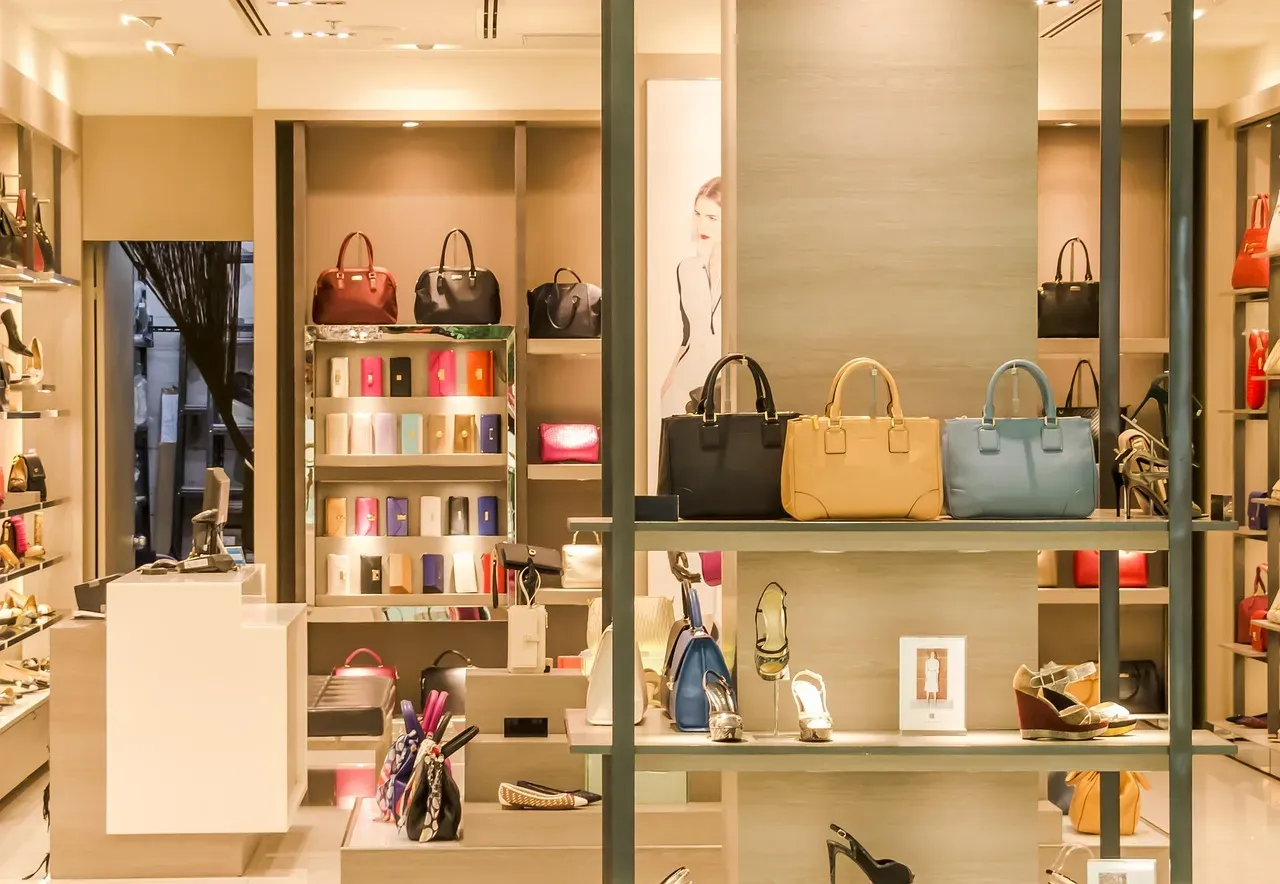
American Apparel once represented cool, edgy basics with a “Made in USA” badge that actually meant something. Their simple t-shirts and body-conscious styles became staples for a certain kind of fashion-forward young adult. The stores had that minimal, almost industrial vibe that felt refreshing.
Then came the scandals surrounding founder Dov Charney. Sexual harassment lawsuits, inappropriate workplace behavior, and financial mismanagement plagued the company. The controversial advertising didn’t help either, often criticized for being overly sexualized and exploitative.
Filing for bankruptcy twice, in 2015 and 2016, American Apparel couldn’t recover from its toxic reputation and mounting debts. The brand was sold to Gildan Activewear and now exists primarily online. The physical stores and that cultural moment? Gone. What a mess that became.
Toys “R” Us – When Childhood Icons Couldn’t Adapt

Wait, a toy store in a fashion article? Hear me out. Toys “R” Us had its own clothing line and represented a broader retail failure that affected fashion brands too. Their story is a cautionary tale about failing to evolve with consumer habits.
The company was drowning in debt from a leveraged buyout, making it impossible to invest in their stores or online presence. Meanwhile, Amazon was selling toys cheaper and delivering them to your door. Parents stopped making special trips to toy stores when they could order everything online during naptime.
By 2018, Toys “R” Us liquidated in the U.S., devastating both kids and nostalgic adults. Some international locations survived, and there have been small-scale revival attempts, but the massive stores filled with endless aisles are history. Sometimes even childhood magic can’t save a business model that doesn’t make sense anymore.
Limited Too – The Tween Brand That Disappeared
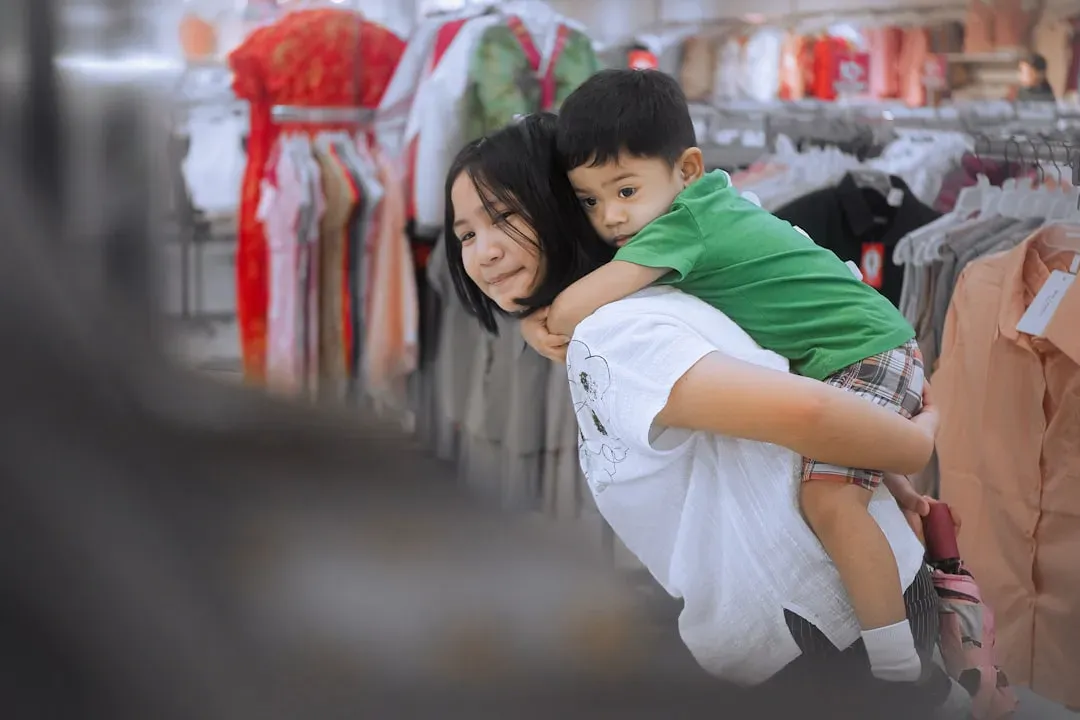
If you were a girl in the late 90s or early 2000s, Limited Too was everything. Glittery everything, platform sneakers, butterfly clips, and those catalog magazines that felt like pure preteen dreams. The brand understood exactly what young girls wanted and delivered it in bright, loud, unapologetic style.
The brand was rebranded to Justice in 2008, attempting to stay relevant with a new generation. While Justice had its moment, the original Limited Too magic was lost. Fast forward to 2020, and Justice itself filed for bankruptcy as online shopping and changing preferences among young shoppers shifted the landscape.
There’s been talk of bringing back Limited Too as a nostalgic brand for millennial parents, but nothing concrete yet. Those of us who remember the original stores feel a weird sadness about it. That era of mall shopping for tweens has fundamentally changed, and Limited Too couldn’t quite make the transition.
Partner offer

Henri Bendel – The Fifth Avenue Favorite That Closed Its Doors

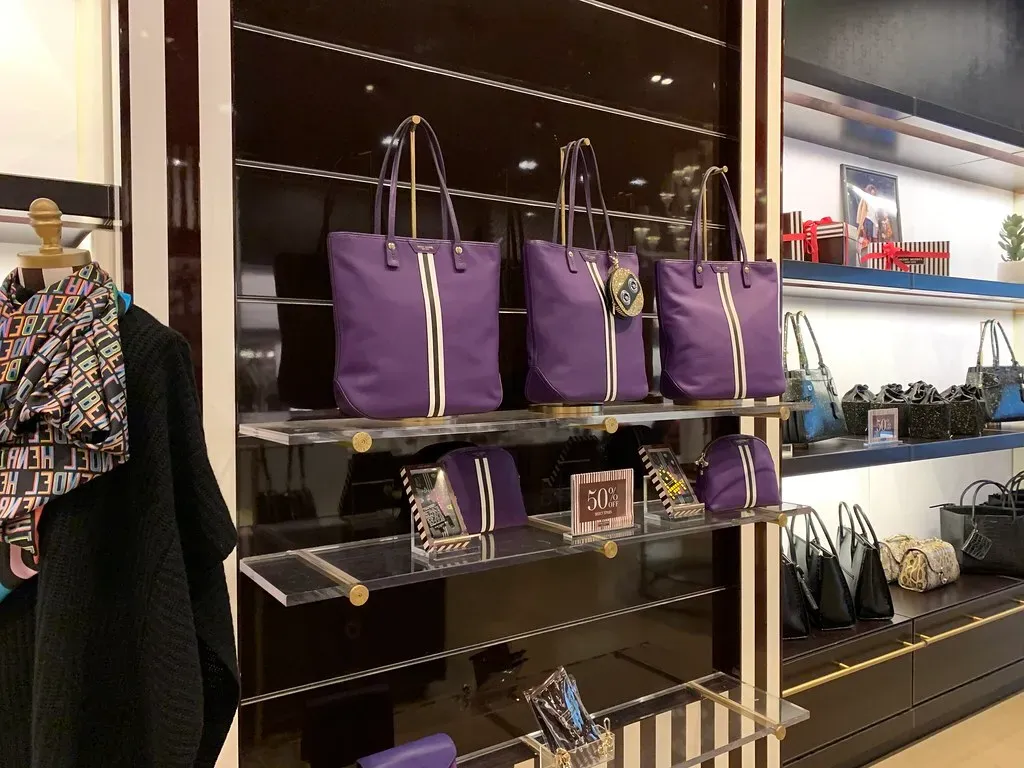
Henri Bendel was one of those New York institutions that felt permanent. Since 1895, the brand represented accessible luxury with its signature brown and white stripes. Their flagship on Fifth Avenue was a shopping destination, especially during the holidays when the windows sparkled with elaborate displays.
Parent company L Brands decided to shut down all 23 Henri Bendel stores in 2019 to focus on Victoria’s Secret and Bath & Body Works. The official reason? The brand couldn’t achieve growth potential. Translation: it wasn’t making enough money in an increasingly competitive luxury market.
Customers were devastated. Henri Bendel represented a certain New York elegance that’s becoming rarer. The closure felt like losing a piece of the city’s fashion history. Sometimes brands disappear not because they’re bad, but because corporate priorities shift and smaller operations get sacrificed.
Charlotte Russe – Teen Fashion That Couldn’t Keep Up

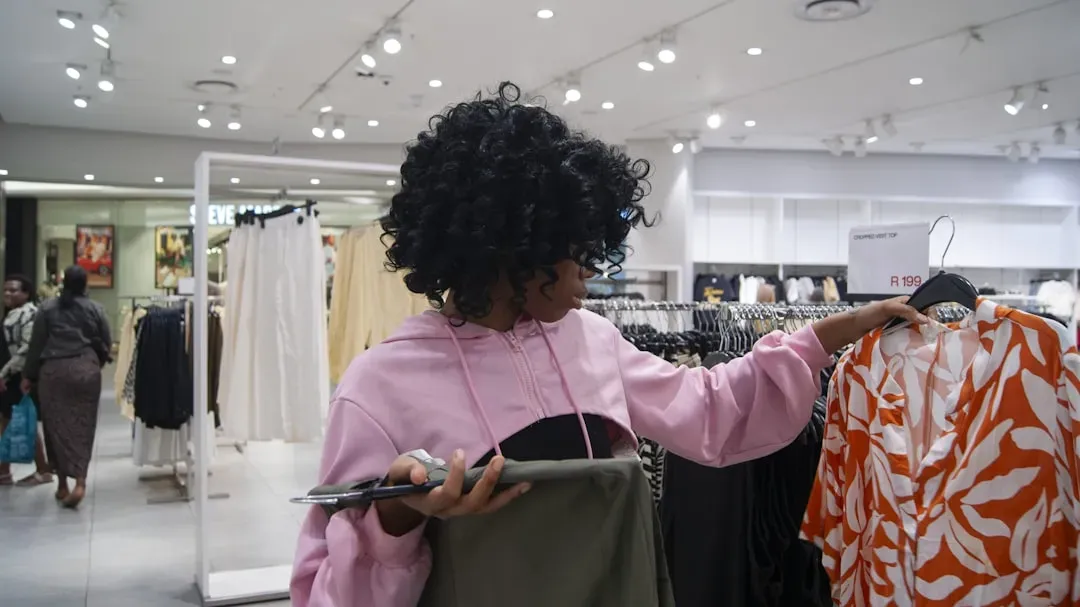
Charlotte Russe was mall fixture, right there next to Claire’s and Hot Topic. They sold affordable trendy pieces aimed at teenage girls and young women, perfect for quick outfit updates without breaking the bank. The stores were always busy, pumping out the latest styles at bargain prices.
But fast fashion got faster, and online retailers got cheaper. Charlotte Russe filed for bankruptcy in 2019, closing all stores initially. They’ve since reopened some locations under new ownership, but it’s a fraction of what they once were.
The brand struggled with the same issues plaguing many mall-based retailers. Why visit a physical store when you can scroll through hundreds of options online? Plus, Gen Z shoppers became more conscious about sustainability and ethical manufacturing, which didn’t align with ultra-cheap fast fashion.
Wet Seal – From Mall Staple to Memory

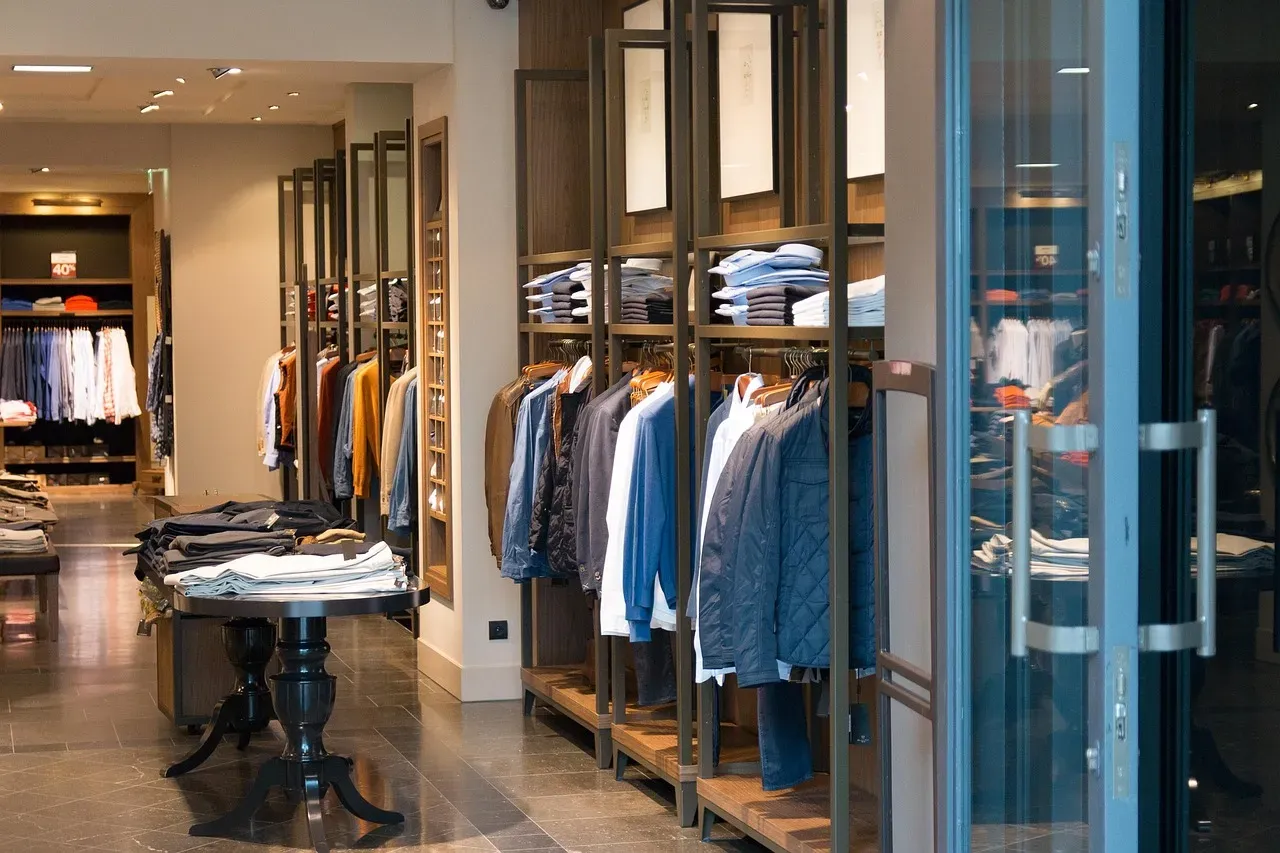
Wet Seal had a good run. The California-based brand offered trendy, affordable clothing that appealed to teenagers and young women looking for the latest styles. During its peak in the 1990s and early 2000s, Wet Seal stores were everywhere, and that was exactly the problem.
Overexpansion killed them. They had too many stores selling essentially the same merchandise as dozens of competitors. When fast fashion giants like Forever 21 and H&M entered the market with deeper pockets and better supply chains, Wet Seal couldn’t compete.
After filing for bankruptcy twice, in 2015 and 2017, the company closed all physical stores. They tried to continue online, but without the mall presence, the brand lost relevance. It’s hard to stay relevant when your entire identity was built around physical retail spaces that no longer attract the same crowds. The brand basically faded into the background noise of online shopping.
The Limited – When a Once-Dominant Brand Ran Out of Time

The Limited was huge in the 80s and 90s, offering professional women’s clothing that felt modern and sophisticated. They were the go-to for office wear that didn’t feel frumpy, and for a while, they seemed untouchable. Express and Victoria’s Secret were originally Limited spin-offs, showing how influential they were.
Parent company L Brands decided to close all 250 Limited stores in 2017, shifting focus to online-only sales. The reasoning was typical: declining mall traffic and changing shopping habits. But honestly, the brand had lost its identity, becoming just another option in an overcrowded market.
They relaunched as an online-only brand through Belk, but the magic was gone. The Limited represented a specific era of women’s fashion and work culture that evolved past them. Sometimes brands are so connected to a particular moment that they can’t successfully reinvent themselves for a new generation.
The Future of Fashion Retail
What’s next for fashion brands still standing? Successful ones are investing heavily in online experiences while making physical stores more experiential rather than just transactional. You’ll see more pop-up shops, smaller format stores, and integrated digital experiences.
Sustainability is becoming non-negotiable. Brands that can’t demonstrate ethical practices and environmental consciousness will increasingly struggle with younger consumers. That means rethinking supply chains, production methods, and even the constant cycle of new trends.
Personalization and community are also key. Generic mass market appeal doesn’t work like it used to. Brands need to connect with specific audiences and build genuine relationships, not just push products. Social media has changed everything about how fashion brands succeed or fail.
The fashion industry never stops evolving, and brands that forget that lesson pay the price. What once seemed untouchable can become obsolete within a few years. It’s a reminder that in fashion, staying relevant means constantly adapting while maintaining what made you special in the first place. That’s easier said than done, as these iconic names learned the hard way. What do you think – could any of these brands have survived with different choices? Tell us in the comments.
Partner offer
Planning a trip to Vegas?
Compare hotel rates and show tickets on VEGAS.com.