Watch a ’90s sitcom now and the jokes may land fine, but the world around them can feel oddly foreign. Props, routines and plot mechanics that once needed no explanation now take a second to register.
Some of these details have vanished completely. Others are still around but work so differently that the old version looks like a puzzle. Here are twelve that stand out.
Landline Phones With Long Curly Cords

Nearly every sitcom kitchen had a wall phone with a coiled cord stretched across the room. Characters paced with it, hid around corners while talking, and tangled themselves up for a gag. The cord was part of the set design as much as the sofa.
Today the majority of American adults rely on cell phones, and many households have dropped landlines entirely. A character stuck in one spot because of a cord now reads as a quirk of another era. Younger viewers may not even realize why the phone was fixed to the wall.
Answering Machines Driving the Plot

A blinking red light and a tape deck were a reliable source of drama. Someone would leave an embarrassing message, and a character would scramble to erase it before the right person heard it. Whole episodes hinged on a message nobody could take back.
Voicemail still exists, though it works quietly inside a phone. Caller ID, texting and read receipts have made the screening of messages in a living room feel like a ritual. The suspense of waiting for playback is hard to recreate now.
Paper Maps and Printed Directions
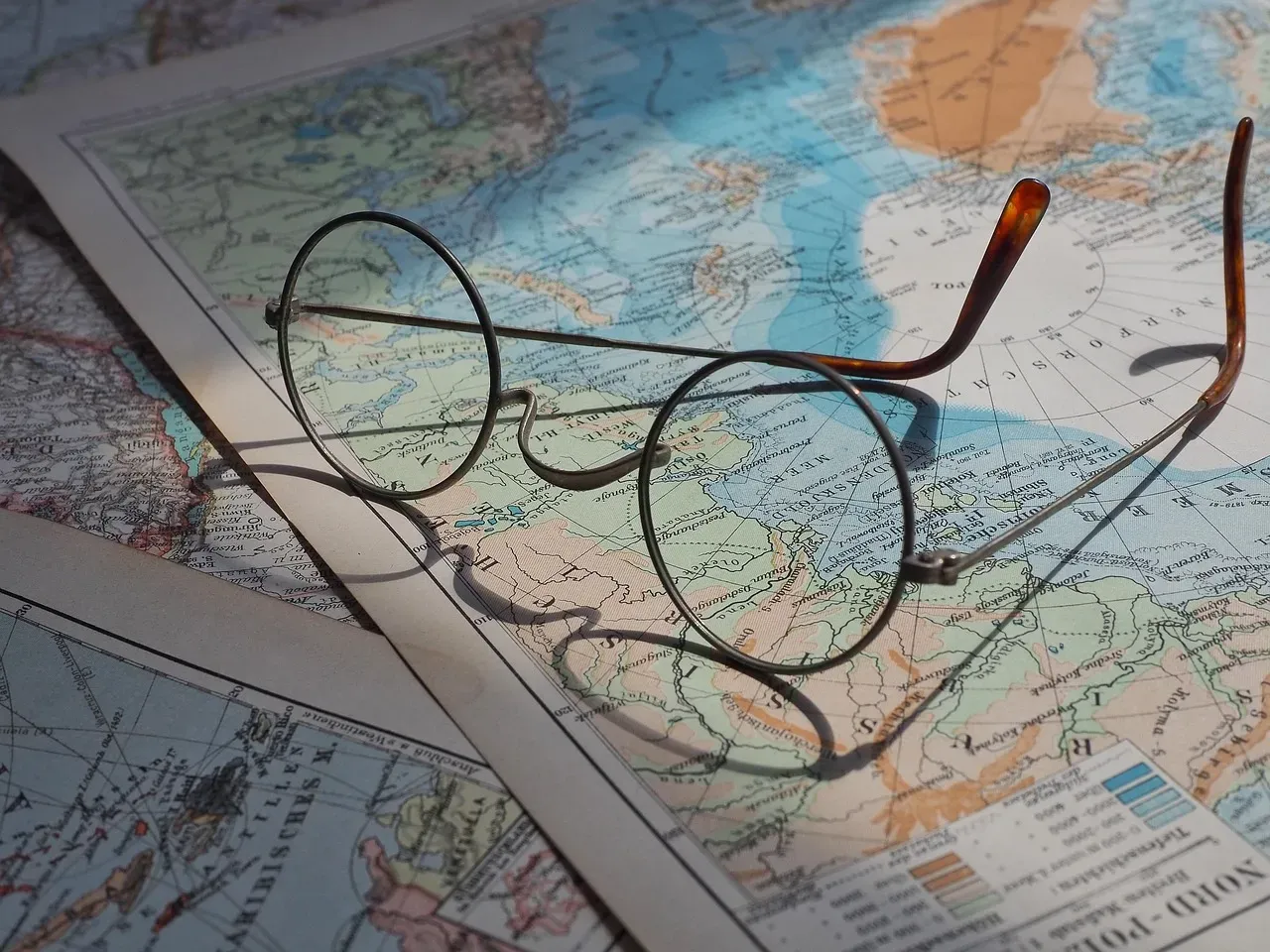
When characters took a road trip, someone unfolded a giant map and argued about it. Getting lost was an easy way to generate a plot, because nobody had a navigation app. Directions were often scribbled on a scrap of paper or recalled from a phone call.
Smartphone navigation has made wrong turns far less dramatic. A modern character would simply follow a voice from a screen. The old arguments over who read the map badly have lost their natural setup.
Video Rental Stores and Late Fees
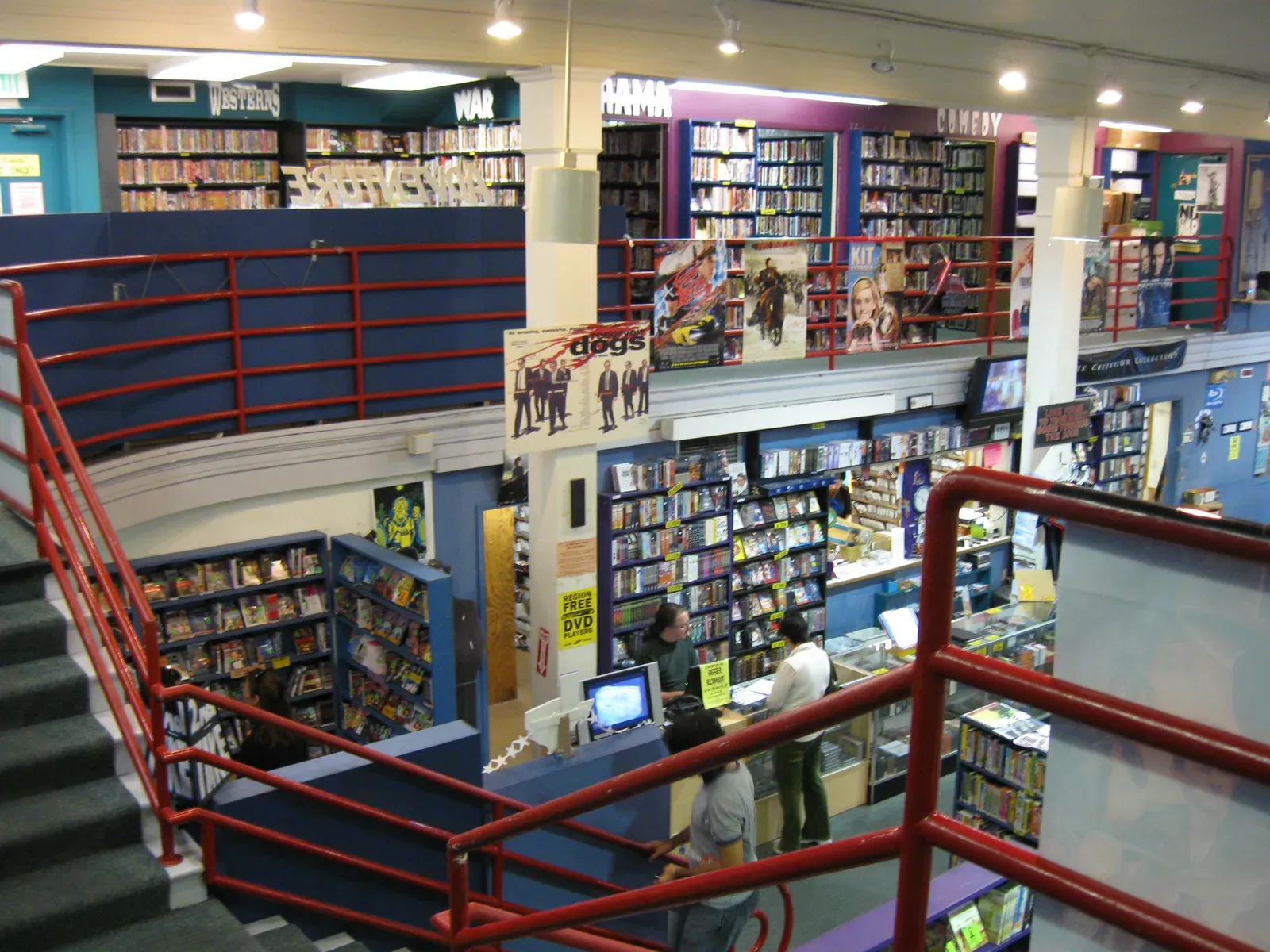
Friday night often meant a trip to the video store, and sitcoms used it for dates, dares and running jokes. Returning a tape late was a minor crisis with a real price attached. Rewinding a VHS before returning it was also an expected courtesy.
Blockbuster, once enormous, has shrunk to a single remaining store in Bend, Oregon, which has been widely covered in the press. Streaming has replaced the weekly trip and the worry about fees. Younger audiences may not understand why a movie had to be physically returned.
Bulky Televisions and Rabbit Ear Antennas
Sitcom living rooms featured deep, boxy CRT televisions, sometimes with a set of antennas on top. Characters adjusted them to clear up a fuzzy picture, and a well placed hand or a bit of foil became a punchline. The TV was often a heavy piece of furniture in its own right.
Flat panels now dominate, and broadcast signals went digital in the United States in 2009. That change ended much of the static and ghosting the old antennas fought. The box on a stand looks almost sculptural today.
Smoking Indoors as Background Normal

Cigarettes appeared in offices, bars and apartments with little comment. Characters lit up mid conversation, and ashtrays sat on coffee tables as everyday objects. Even in shows that were not about smoking, it served as casual set dressing.
Public attitudes and rules have shifted a great deal since then, and many workplaces and restaurants now ban smoking indoors. Seeing it treated as ordinary can be jarring. It is one of the clearest markers of how much social norms moved.
Partner offer
Pay Phones and Phone Booths
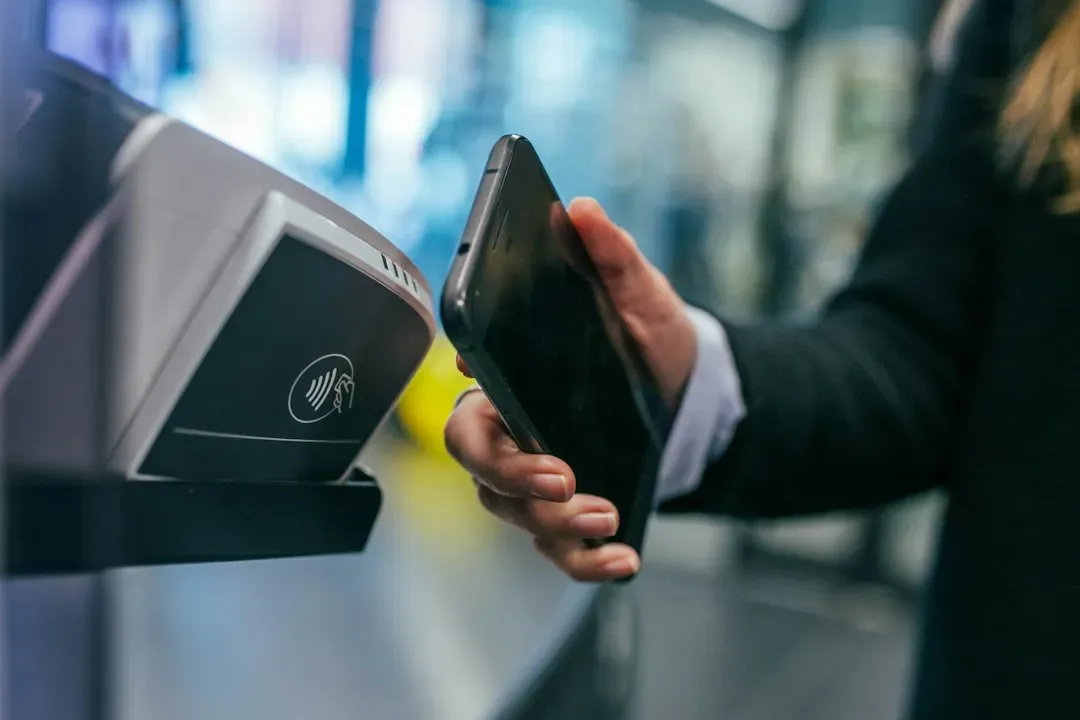
When a character was stranded, they dug for quarters and found a pay phone. These phones were used for urgent calls, secret conversations and mistaken numbers. They were common enough that a scene could rely on one without any setup.
Cell phone growth pushed most of them out of use, and many have been removed from streets. The idea of needing coins to call a friend feels remote. A kid watching today might not recognize what the device is.
Mixtapes and Cassette Players
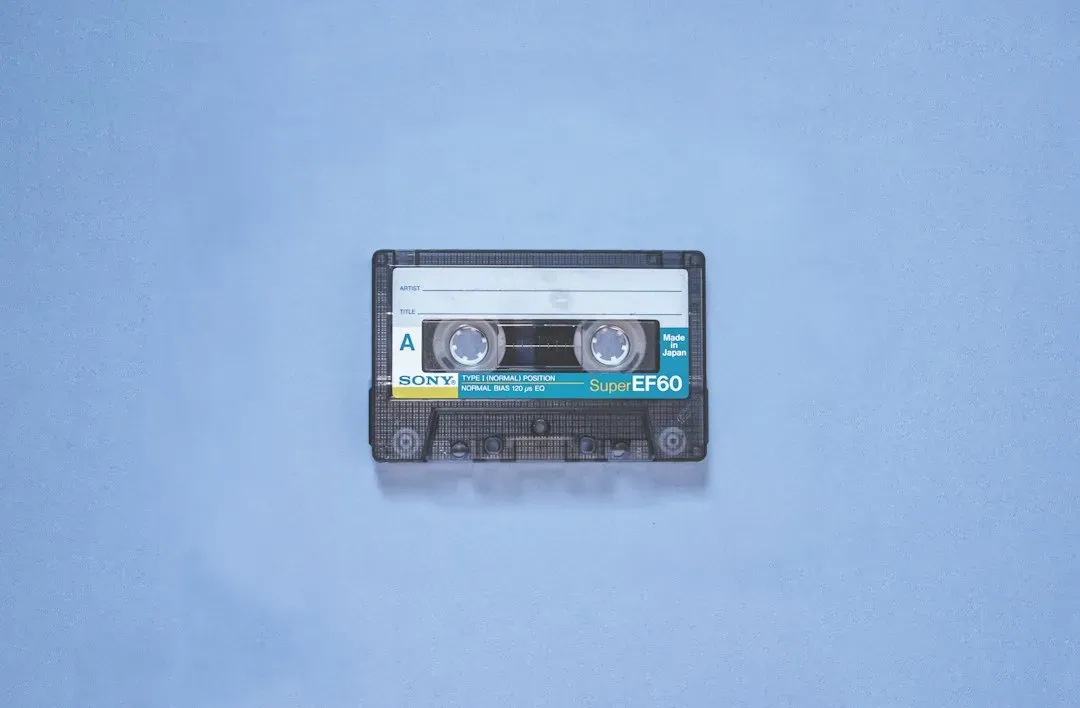
Making a mixtape was a romantic gesture, a friendship ritual and a sitcom subplot. Characters carefully chose songs, recorded them in real time, and handed over a labeled cassette. The effort was the message.
Streaming playlists have made sharing music instant, so the labor behind a tape is easy to overlook. Cassettes have seen a small revival among collectors, but they are not part of daily life. Seeing one used as a love letter takes a little translation.
Dial Up Internet and Screeching Modems
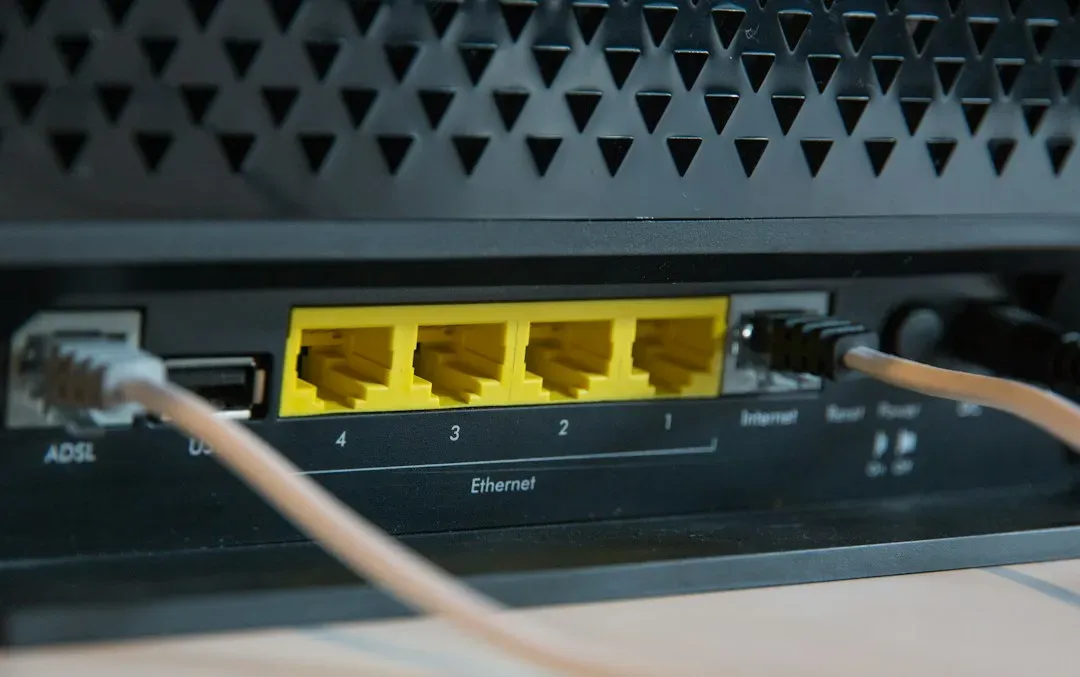
Late in the decade, shows began to joke about getting online. A character might wait for a connection, then lose it when someone picked up the phone. The sound of the modem became shorthand for the early web.
Broadband and mobile data have made constant access the default. The idea that going online tied up the family phone line sounds strange now. Chat rooms and bulky desktop computers in these scenes look like artifacts.
Photo Film and Waiting for Prints
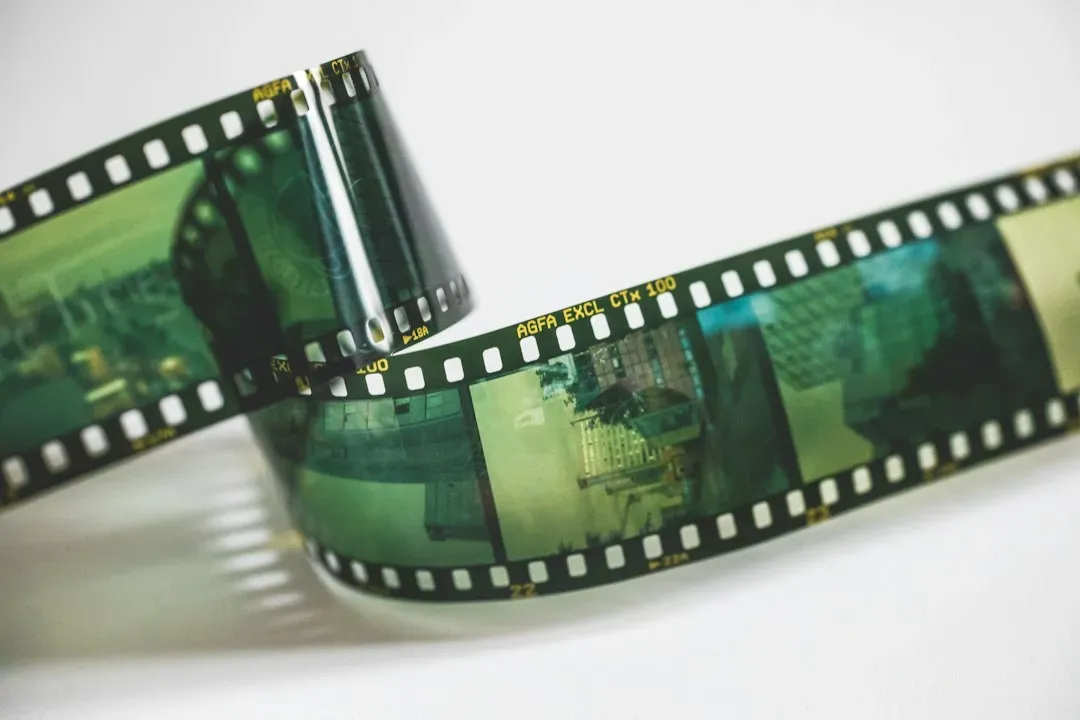
Taking a picture meant a roll of film, a limited number of shots and a trip to get it developed. Sitcom plots used the wait as a source of suspense, since nobody could check a photo right away. A bad picture might only be discovered days later.
Phone cameras have made retakes immediate and storage nearly limitless. Disposable cameras still exist, but they feel like a novelty. The anticipation of picking up an envelope of prints is mostly gone.
Hanging Up on Someone Without a Reply
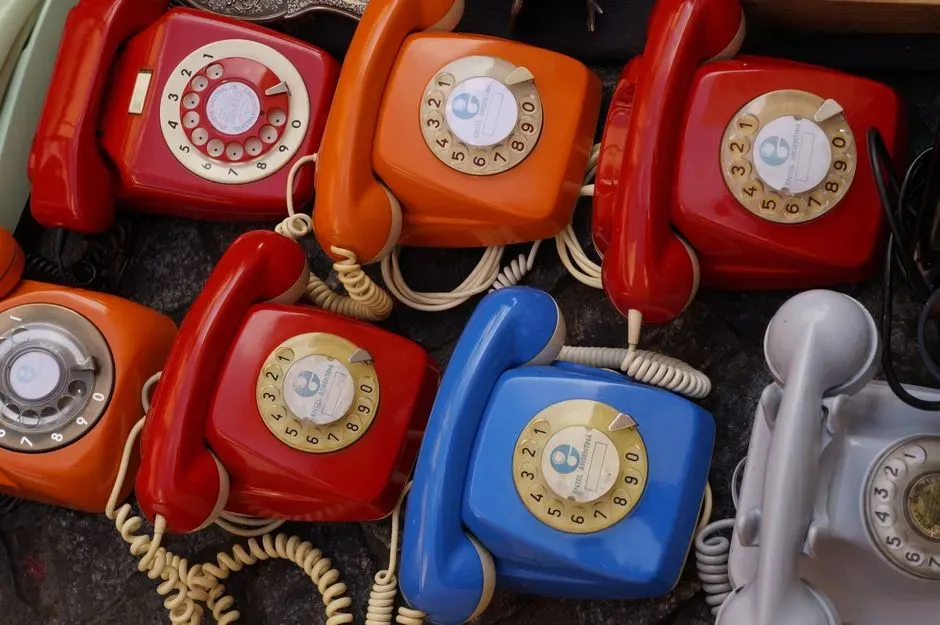
Characters slammed receivers down to end a fight, and the click carried real force. A dramatic hang up was a clean exit from an argument. Nobody could keep watching a conversation fade into notifications.
Modern phones offer a tap on a glass screen, which has less of that satisfaction. Ghosting through messages has replaced the slammed receiver in many relationships. The old gesture belongs to a time when conversations had clearer edges.
Dating Without Texting or Profiles

Romantic plots depended on calling a landline, hoping someone picked up and meeting in person to find out more. Characters set dates and showed up, with no easy way to cancel at the last minute. Personal ads and blind setups from friends were also common.
Dating apps and texting have changed how people meet and communicate. Many first impressions now begin on a screen before a conversation happens. The old approach, where a single phone call carried so much weight, can look nerve racking.
Taken together, these details show how quickly daily life changed. The sitcoms themselves still work, but the world they were filmed in now needs a short explanation.
Partner offer
Planning a trip to Vegas?
Compare hotel rates and show tickets on VEGAS.com.