Shooting a sequel alongside its predecessor sounds like a gamble, and in some ways it is. Studios commit money and schedules before they know whether audiences will show up for the first film. Yet when the story is built as one big arc, filming everything together can save time, keep casts and sets consistent, and avoid the problem of actors aging between installments.
Here are nine well documented examples of films that were shot back to back or at the same time as their follow-ups. Some became legends, while others remind us why the approach carries risk.
The Three Musketeers (1973) and The Four Musketeers (1974)
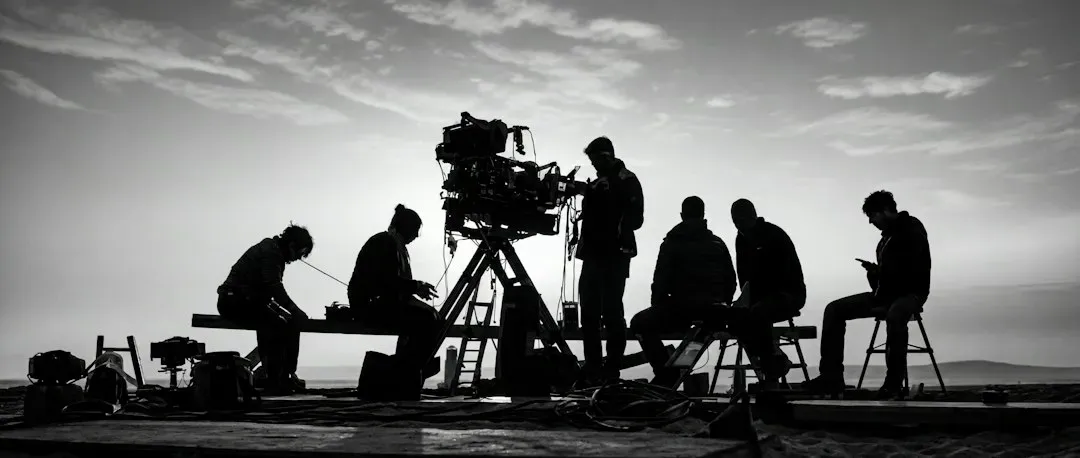
Richard Lester directed the two films in one production. The producers filmed a single, very long adventure and then decided to split it into two releases. The Three Musketeers arrived in 1973, and The Four Musketeers followed in 1974.
The split caused a well known dispute. The cast reportedly hadn’t been told they would be making two films for the price of one, and that led to legal action. The case later influenced how actors’ contracts handled multi-film productions.
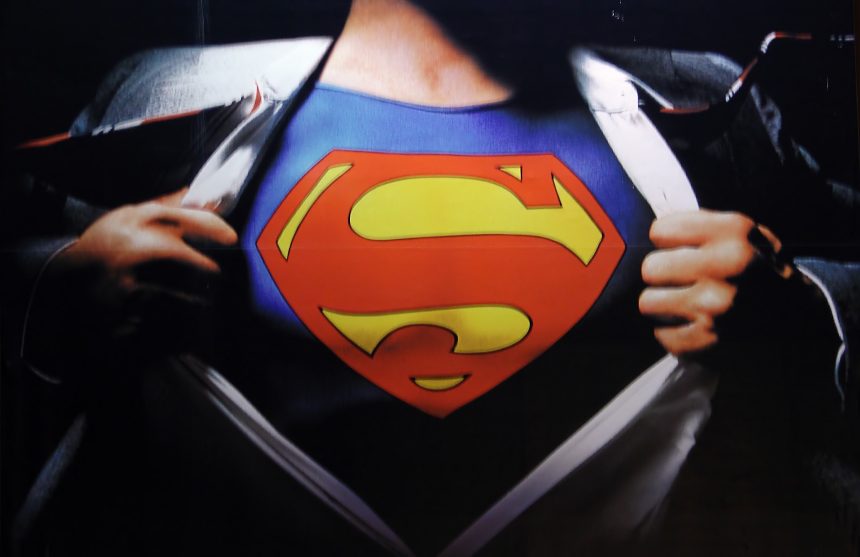
Superman (1978) and Superman II (1980)
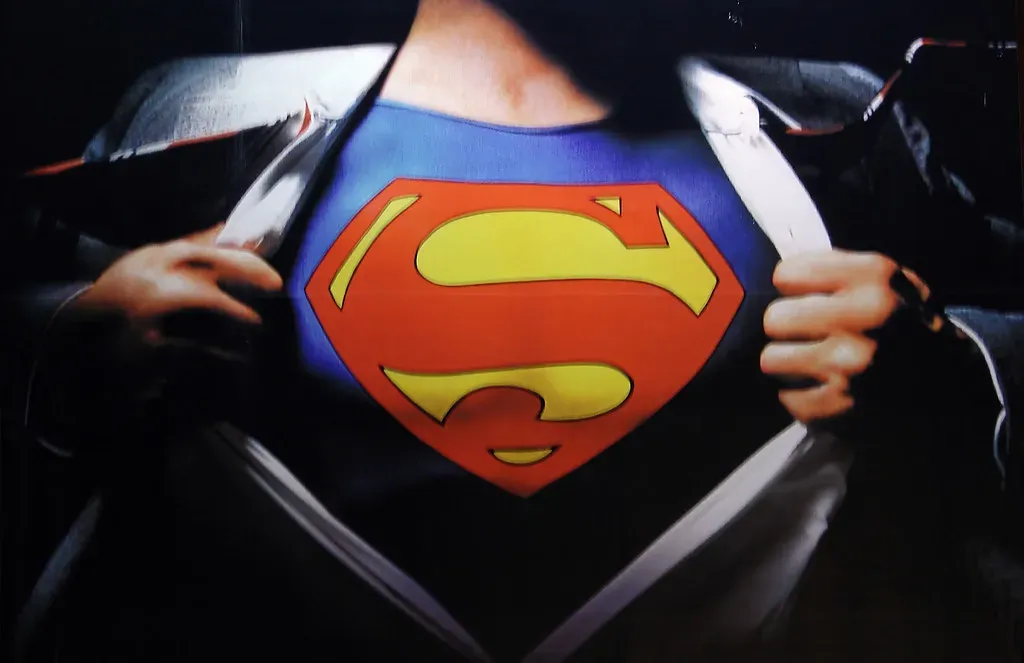
Richard Donner started filming Superman and much of Superman II together. The plan was to release them in successive years. Production troubles and tension with the producers led to Donner leaving before Superman II was finished.
Richard Lester came in to complete the sequel, reshooting parts of it. Decades later, Warner Bros. released Superman II: The Richard Donner Cut in 2006, which restored much of Donner’s footage and shows how far the two films were developed together.
Back to the Future Part II (1989) and Part III (1990)
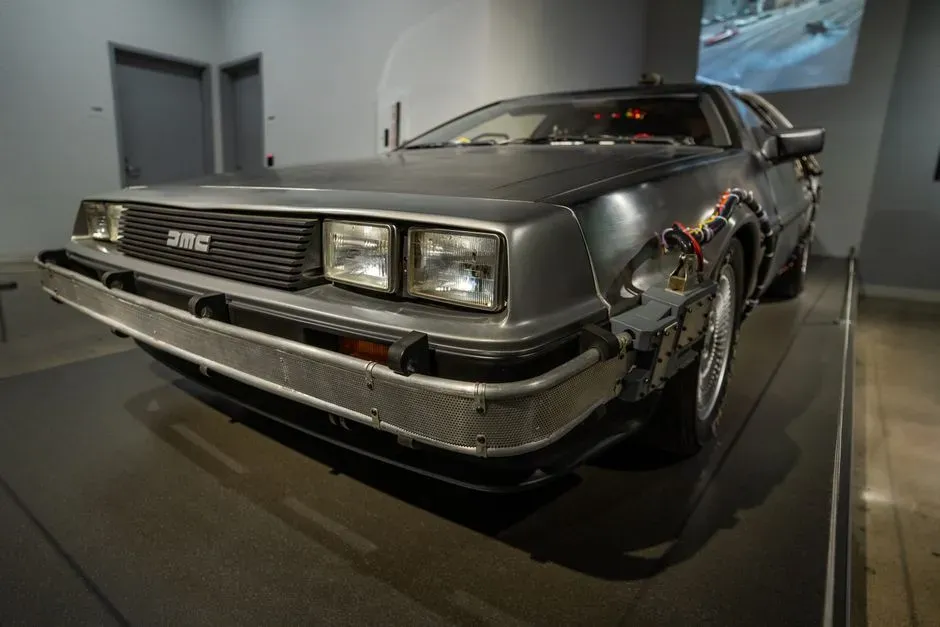
Robert Zemeckis shot the second and third films back to back. Part II was released in November 1989, and Part III arrived in May 1990. The plan let the Western-themed third film shoot after the time-travel hijinks of the second.
The first film had been a hit and wasn’t shot with sequels in mind, so this pairing is a good example of a sequel duo filmed together after the original. The close release dates were intended to keep audiences connected to one continuing story.
The Matrix Reloaded (2003) and The Matrix Revolutions (2003)
The Wachowskis filmed both sequels together over a long production in Australia. The Matrix Reloaded came out in May 2003, and The Matrix Revolutions followed in November of the same year. Shooting them together allowed the elaborate stunt and effects work to be planned as one project.
Among the most talked about elements was the extended freeway chase, which was built as a large set piece for the production. Reloaded did strong business, though Revolutions was received less warmly by many critics.
The Lord of the Rings Trilogy (2001–2003)

Peter Jackson filmed all three Lord of the Rings movies in one production in New Zealand, a shoot that lasted roughly fifteen months. New Line Cinema backed the plan to make the entire trilogy at once. The films were released across three consecutive Decembers, starting in 2001.
Partner offer
Pickup shooting was added in later years, so the films weren’t entirely finished in that first block. Still, the core filming of the trilogy is among the best known examples of a sequel . The final installment, The Return of the King, won eleven Academy Awards.
Pirates of the Caribbean: Dead Man’s Chest (2006) and At World’s End (2007)
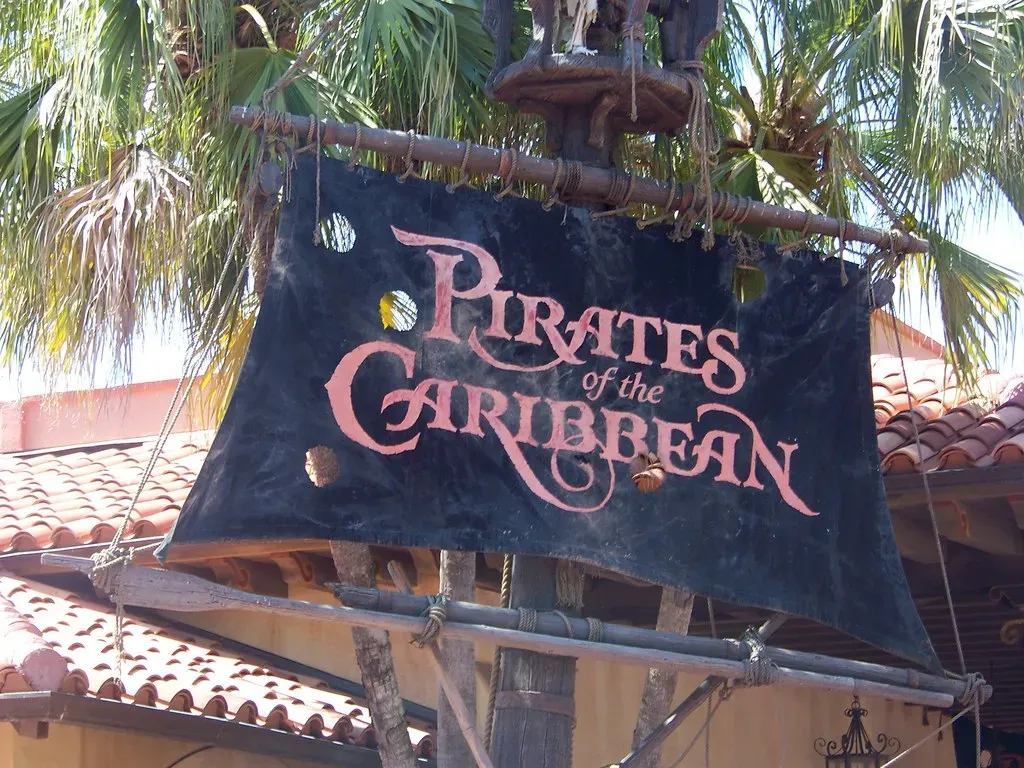
Gore Verbinski directed the second and third Pirates films in a combined production. Dead Man’s Chest was released in 2006, and At World’s End followed in 2007. Both were filmed together after the success of The Curse of the Black Pearl.
The size of the project was enormous, with locations in the Caribbean and large sets and effects work. Dead Man’s Chest grossed over a billion dollars worldwide, which justified the investment.
Kill Bill: Volume 1 (2003) and Volume 2 (2004)
Quentin Tarantino wrote and shot Kill Bill as one long film. The studio then decided to divide it into two parts, released in October 2003 and April 2004. This makes it a slightly different case, since it was always meant to be one story.
The two volumes have noticeably different tones. The first leans into martial arts action, while the second is slower and more dialogue driven. Even so, they came from the same shoot.
Harry Potter and the Deathly Hallows, Part 1 (2010) and Part 2 (2011)
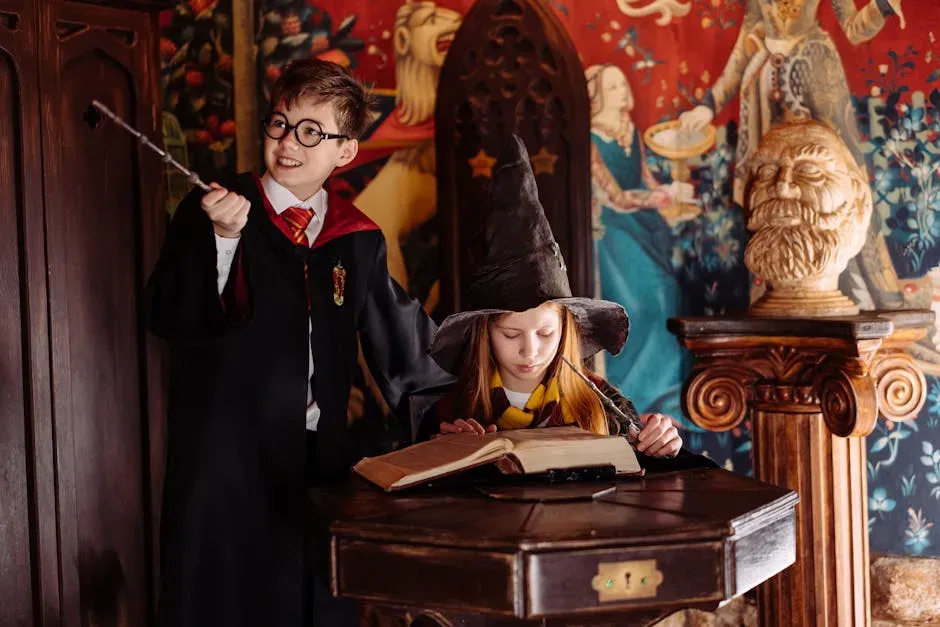
Warner Bros. chose to split the final Harry Potter book into two films, and David Yates directed both. They were shot together over a long period, and the production spanned about a year. Part 1 was released in November 2010, and Part 2 followed in July 2011.
Part 2 became the highest grossing film of the series, passing a billion dollars worldwide. Filming both parts together helped keep the large ensemble cast and the story’s continuity intact.
Avengers: Infinity War (2018) and Avengers: Endgame (2019)
The Russo brothers directed both films, which were shot back to back in 2016 and 2017. Infinity War was released in April 2018, and Endgame followed in April 2019. Marvel Studios coordinated the productions because they involved a very large number of returning actors.
Endgame went on to become one of the highest grossing films ever made. Filming together was a practical way to manage so many schedules, and it let the story play as a two-part event.
Shooting a sequel with the original isn’t a guarantee of quality or success, as the mixed reception of some of these films shows. Still, the practice has produced some of cinema’s biggest sagas, and it shows how much planning goes into making a story feel like a single epic.
Partner offer
Planning a trip to Vegas?
Compare hotel rates and show tickets on VEGAS.com.