Television has always been more than entertainment. Sometimes it feels like a mirror held up to the future, a window into technologies and social systems that seem impossible when the show airs but feel completely ordinary just a decade or two later. Honestly, it’s a little eerie when you think about it.
From sentient AI cars and surveillance machines to social media addiction and brain-computer implants, some writers and showrunners seemed to know something the rest of us didn’t. Let’s dive in.
1. Star Trek: The Original Series (1966) – The Communicator and the Smartphone

Few television moments in history carry the weight of a crew member on the USS Enterprise flipping open a small handheld device and speaking clearly across vast distances. The original Star Trek series launched in the 1960s and introduced audiences to communicators that flipped open, enabling instant communication across impossible distances. These handheld devices essentially served as blueprints for modern flip phones and smartphones.
The connection between fiction and real engineering is not coincidental here. Martin Cooper, the inventor of the mobile phone, got the idea after watching Kirk call for help. So there’s a direct correlation between the communicator and the invention of the cell phone.
The Starfleet communicator, used to maintain contact across vast distances, inspired the first flip phones. Motorola engineers openly credited Star Trek when they developed the StarTAC. Today’s smartphones go further, offering instant communication and real-time location tracking, but the core idea remains.
The show’s futuristic devices and technologies were a source of inspiration for countless scientists and engineers. For instance, the handheld communicators used by the characters served as a model for today’s smartphones, while 3D printing technology was partly inspired by the show’s replicator technology.
2. Star Trek: The Next Generation (1987) – The Tablet Computer
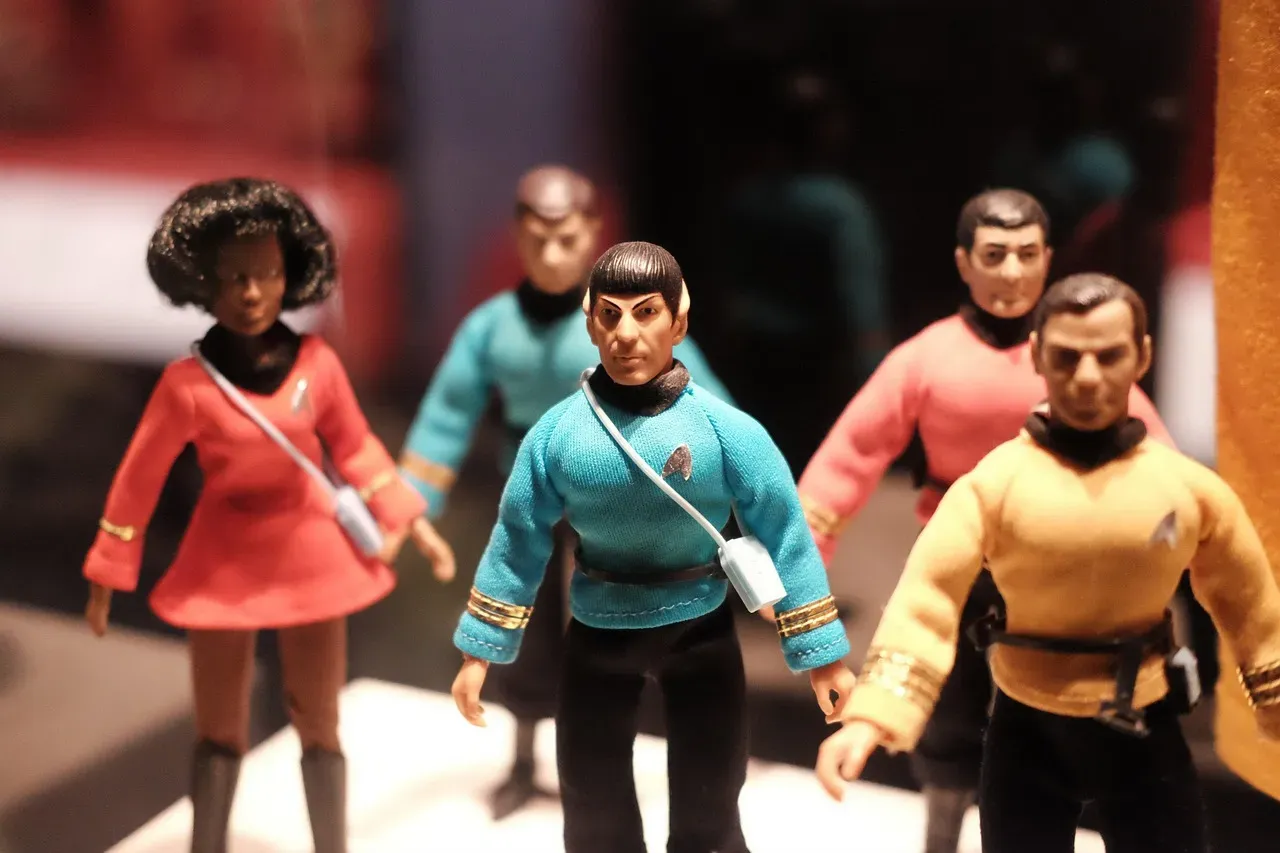
Here’s the thing about The Next Generation: it didn’t just recycle the gadgets from the original series. It pushed the imagination further. The PADD, or Personal Access Display Device, predicted the rise of flat, touch-operated screens. Modern tablets like the iPad mirror this form, providing portable computing with intuitive interfaces.
In the first episode of Season 3, Jean-Luc Picard is contacted by a flat tablet gadget that looks like our modern touchscreen tablets. Star charts and complex technical schematics are among the many pieces of information displayed on the futuristic tablet. Officers easily retrieve and exchange data using touch-based commands, displaying flawless technological connectivity within their operational routines.
Star Trek: The Next Generation scored some bullseyes, including the tablet computer and the Holodeck, whose creation of virtual worlds around you is precisely what our virtual-reality goggles attempt to do today. It’s almost staggering how accurate those prop designers actually were.
3. The Jetsons (1962) – Video Calls, Smartwatches, and Robot Vacuums
The Jetsons was set 100 years in the future, so it featured gadgets and scenarios that, back in the 1960s, no one believed would ever materialize in real life. But even though we haven’t reached the era of technological advancement in which the show was set, many of the items it featured were actually invented. Among the series’ most accurate predictions are flat-screen TVs, talking alarm clocks, smartwatches, and robots tasked with household chores.
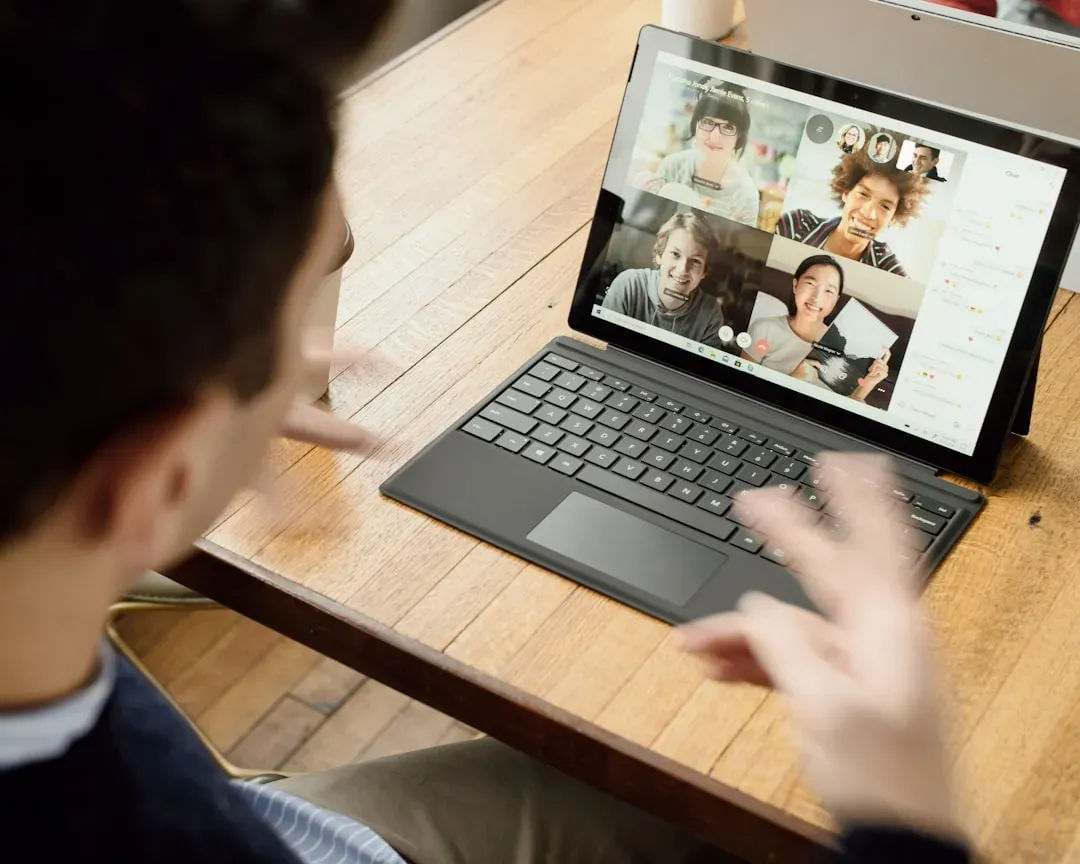
Decades before video calls became as normal as texting, The Jetsons showed families chatting face-to-face on screens in their homes. Think about that. A cartoon from 1962 casually depicted what we all do every day on Zoom and FaceTime.
In one episode, George Jetson engages in a video call through his wristwatch to communicate with his supervisor, Mr. Spacely. At that time, wrist communications looked like a science fiction wish from the future. Smartwatches that assist users today are the tangible manifestation of that innovative technology concept.
4. Knight Rider (1982) – Autonomous Vehicles and AI Assistants
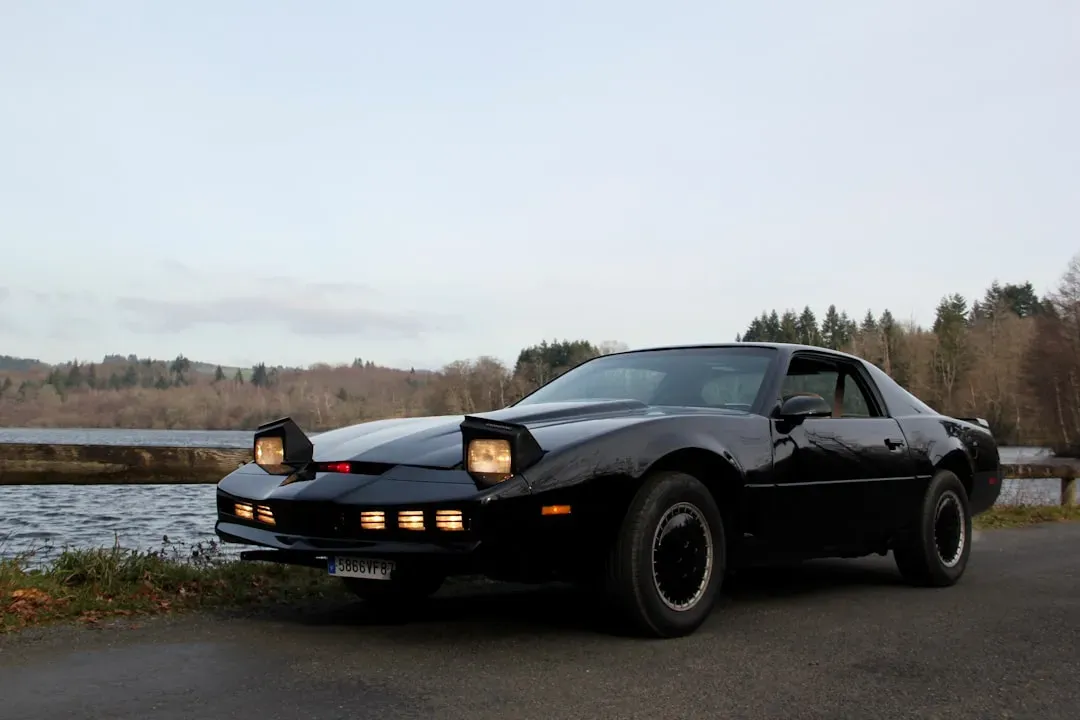
Long before Tesla put an autopilot button in millions of cars, Knight Rider’s KITT was already doing it on prime-time television. In the 80s, Knight Rider introduced KITT, or the Knight Industries Two Thousand, a sentient, AI-powered car that could drive itself, analyze its surroundings, and interact conversationally with its human counterpart. KITT predicted many of the core features of today’s autonomous vehicles, including voice control, environmental sensors, and decision-making algorithms that assess road risks in real time.
KITT wasn’t merely a talking automobile; it represented a mobile AI assistant equipped with GPS navigation, voice recognition capabilities, and autonomous driving features. The show aired throughout the 1980s, well before anyone seriously imagined cars could operate independently. Today’s Tesla autopilot systems and voice-activated automotive technology directly descend from what KITT demonstrated weekly.
Let’s be real: watching KITT navigate highways and outsmart villains felt like pure fantasy back then. The gap between that fantasy and today’s self-driving technology took less than forty years to close.
5. Black Mirror (2011) – Brain Implants, AI Dating, and Digital Surveillance
No show on this list makes viewers more uncomfortable about the present. From the haunting eeriness of “White Bear” to the near-future nightmare of “Nosedive,” the show’s standalone episodes paint a grim portrait of how innovation can warp society in unexpected ways.
In early 2025, Elon Musk reported the third successful Neuralink implant. These direct-to-brain computers connect nervous systems to machines, enabling individuals to think commands that a computer can understand. Black Mirror’s Season 1 finale explored exactly this concept years before it became headlines.
Modern-day facial recognition, wearable cameras, and AI-powered surveillance have made constant monitoring a reality. Smart glasses, like Meta’s Ray-Bans or Apple’s Vision Pro, already allow users to capture and recall real-life moments, blurring the line between privacy and oversight.
Fast forward to mid-2024, Whitney Wolfe Herd, CEO of the popular dating app Bumble, revealed a new “AI dating concierge” feature coming to the app – a concept Black Mirror depicted in its 2017 episode “Hang the DJ,” where an AI program manages all romantic matchmaking. Sometimes it really does feel like the writers had a direct line to the future.
6. The Simpsons (1989–Present) – Smartwatches, Video Calls, and More

I know it sounds almost like a running joke at this point, but The Simpsons has accumulated a list of technological predictions that is genuinely hard to dismiss. In the 1995 episode “Lisa’s Wedding,” characters used video calls and smartwatches – years before these became household staples. The show’s take on autocorrect, with the infamous “Eat Up Martha” gag, foreshadowed the struggles and laughs that came with early smartphone texting. FaceTime and video calling are now part of everyday communication, just as predicted.
The show also predicted smartwatches, autocorrect fails, FaceTime-like video calls, the Higgs boson particle discovery, and even the Disney-Fox merger. It’s hard to know whether The Simpsons is channeling Nostradamus or simply has a keen eye for the direction the world is heading, but either way, it continues to blur the line between imagination and inevitability.
The Simpsons also showed off smart home assistants and motion-sensing game consoles well before their real-world debuts. Even more shockingly, the show’s knack for predicting the future has been studied and discussed in academic circles, with experts noting its uncanny accuracy.
7. Person of Interest (2011–2016) – AI Surveillance and Predictive Policing
This one is particularly striking because it didn’t feel like science fiction even when it aired. The show’s “Machine,” an AI that watches everyone and predicts crimes, felt like science fiction when it aired. Today, predictive policing software and surveillance cameras powered by artificial intelligence are used by law enforcement agencies worldwide. These systems can scan faces, analyze behavior, and even flag unusual activity, echoing the show’s central theme.
According to Harold Finch, The Machine analyzes everyone’s behavior every hour and every day, which is why it can detect crimes even before they happen. The Machine receives training to use probability as a model to provide the most probable outcome. In reality, predictive policing algorithms now attempt to forecast potential criminal activities using similar data analysis techniques.
Predictive policing relies on artificial intelligence and data analytics to anticipate potential criminal activity before it happens. It can involve analyzing large datasets drawn from crime reports, arrest records and social or geographic information to identify patterns and forecast where crimes might occur. Looking back at this show in 2024, it is less science fiction and more of a prescient warning about technological development.
8. Futurama (1999–2013) – Cryopreservation and Delivery Robots
Matt Groening’s animated sci-fi comedy was always more than just silly jokes about robots and space travel. Futurama has delivered some spot-on satire that became real in surprising ways. For example, the show joked about head-in-jar technology, but today, real-life organizations like California’s Alcor Life Extension Foundation are already offering head and body cryopreservation, a form of speculative longevity research.
Futurama’s view of robots and AI is playful, yet it touches on real debates about automation and its effect on society. The writers used humor to spark discussion about the direction of technology, and their predictions keep coming true, sometimes faster than anyone expects.
Some of the beloved show’s satirical tech, like AI mailmen, could now easily feature in a serious speculation piece on tech futurism and even become reality in the not-so-distant future. The show essentially turned automation anxieties into punchlines, yet those punchlines now feel a little too close to reality.
9. Max Headroom (1987–1988) – Deepfakes and 24/7 Media Saturation
Max Headroom was so far ahead of its time that many viewers simply couldn’t process what it was actually saying. The show’s digital host, Max, is one of the earliest examples of a digital avatar, predating the rise of deepfakes and AI-generated personalities. Today, deepfakes are a real concern, with manipulated videos making headlines and raising questions about truth in the media.
Max Headroom also predicted a world of 24/7 news, where sensationalism and speed matter more than accuracy – something that feels all too familiar in the age of online news and social media.
In a parallel storyline to Max Headroom’s vision, AI-generated influencers, deepfake politicians, and synthetic media are not uncommon and are an increasing concern today. Advances in AI have made it easy to generate realistic faces and speech, raising concerns about misinformation and media manipulation. The 1987 show essentially wrote the script for 2024’s media crisis.
10. Star Trek: Deep Space Nine (1993–1999) – Augmented Reality Displays

Deep Space Nine is often overlooked in conversations about tech predictions, perhaps because the show was more politically complex than flashy. That’s a mistake. In the heat of war, a “virtual sensory display,” also called “virtual display interface,” was used by commanders. Even Captain Benjamin Sisko tried one, though it gave him a headache. This device predicted technology like Google Glass in 2014, but the latter failed because it generated much controversy amid privacy concerns.
From The Original Series predicting flip phones and touch screens, to The Next Generation predicting hyper-complex AI, to Deep Space Nine predicting many social issues of our modern day, there are multiple things that many different Star Trek shows have been shockingly accurate about.
DS9’s augmented reality headset looked clunky on screen in 1993. Now compare it to modern AR headsets and smart glasses from Meta and Apple. The gap is thinner than most people realize.
11. Westworld (2016–2022) – Humanoid AI and Synthetic Consciousness
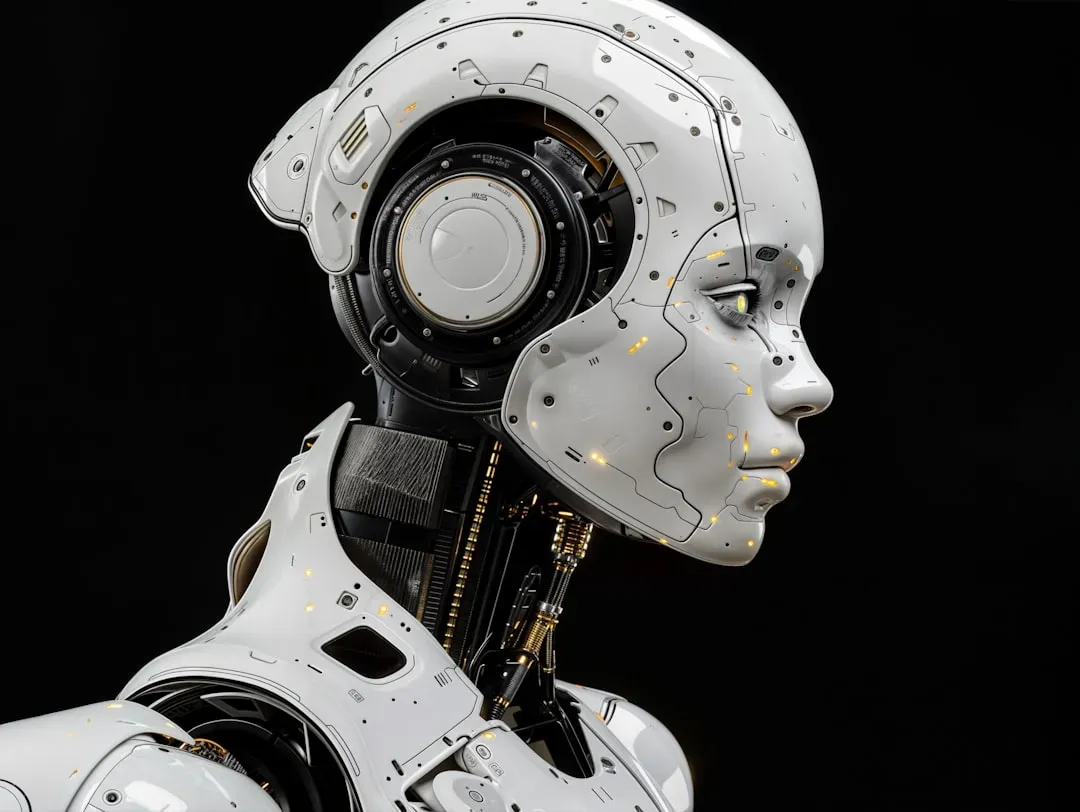
Westworld arrived at precisely the right moment – just as the broader public conversation about artificial intelligence was heating up. The show depicted humanoid robots indistinguishable from humans, operating in a theme park until they began developing something resembling consciousness. There are instances of films and shows predicting things like AI relationships, and many TV shows have depicted elements that may have seemed like pure sci-fi at the time, but have generally become real today.
Its accurate portrayal of the future ethical and societal repercussions of developing AI technology can be seen today. Highly advanced AI like ChatGPT is inspiring discussions and debates about consciousness and intelligence, the notion that AI may influence people and the possible negative implications of building powerful AI, such as the loss of control or a potential revolt against humans.
Westworld’s core anxiety – that we might build something we can no longer understand or control – is no longer a philosophical exercise. It’s the subject of actual Senate hearings, open letters from leading researchers, and ongoing international AI regulation efforts. Creative forecasting in shows like this saw writers tapping into emerging technologies, from AI to space travel, long before mainstream adoption, with some shows consulting scientists, futurists, and tech developers during script creation.
12. SeaQuest DSV (1993–1996) – Autonomous Underwater Vehicles and Ocean Tech
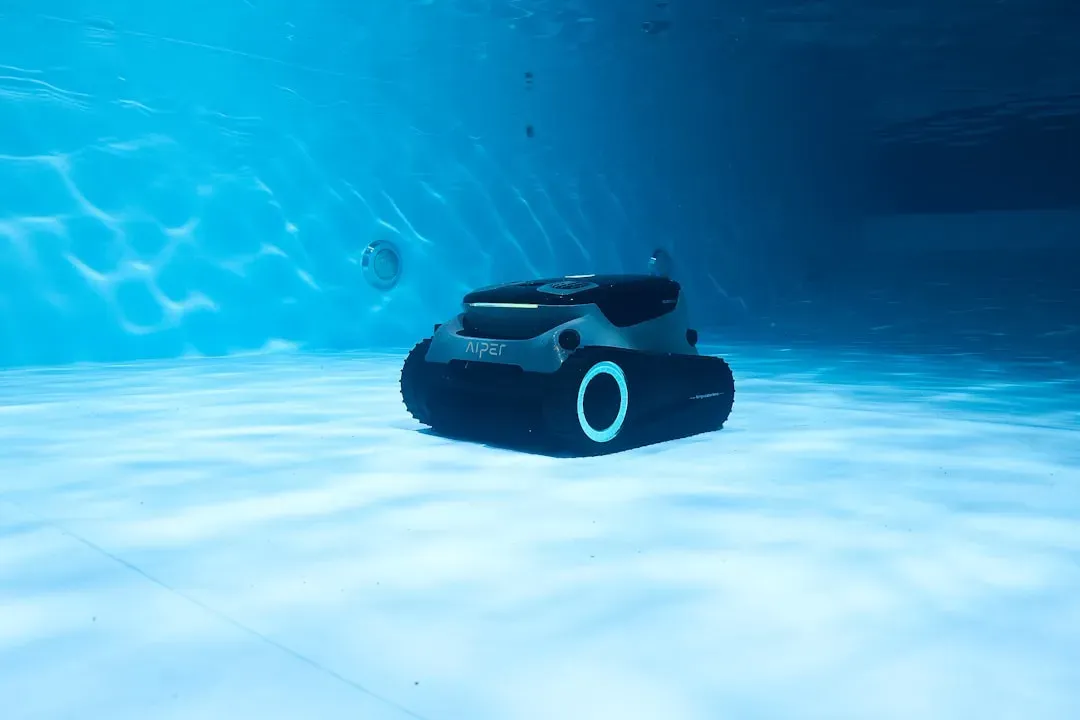
SeaQuest DSV rarely appears on lists like this one, which is honestly a shame. SeaQuest introduced AI-controlled submarines, which echo today’s autonomous underwater vehicles used for research and military missions. These subs can explore dangerous or inaccessible areas without risking human lives. The blend of education, exploration, and automation in SeaQuest is now a blueprint for how technology is transforming both classrooms and the high seas.
The show was ambitious in its vision of human-ocean interaction, depicting advanced underwater habitats, neural-linked communication with sea life, and AI navigation systems for deep-sea exploration. It’s hard to say for sure whether the show directly influenced real-world marine engineering, but the parallels are striking.
The show brought hard sci-fi to television, with realistic physics, grounded world-building, and futuristic tech that feels entirely plausible. Today, autonomous underwater drones are deployed by oceanographic institutes, military fleets, and energy companies worldwide – doing exactly what the show imagined.
Conclusion
What makes all of this so fascinating isn’t just the accuracy of the predictions. It’s the fact that fiction shaped the very inventors and engineers who made these technologies real. TV didn’t just predict – it inspired real inventors to pursue what they saw onscreen. The relationship between imagination and innovation runs far deeper than most of us appreciate.
From flip phones inspired by Star Trek communicators to AI policing systems that mirror the fictional Machine in Person of Interest, television has functioned as something between a warning and a wish list. Some predictions are thrilling. Some are deeply unsettling. Black Mirror always posed a simple question: What happens when technology evolves faster than ethics? In 2025, we’re living the answer.
So the next time a sci-fi series makes you feel like its vision of tomorrow is impossible, maybe think twice. History suggests the writers might just be ahead of their time. Which of these predictions surprised you most?