


There’s a particular kind of frustration that comes from watching an otherwise excellent film grind to a halt every time one specific actor appears on screen. The rest of the movie is working. The direction is sharp, the story is compelling, the surrounding cast is firing on all cylinders. Then that one performance lands, and suddenly you’re aware you’re sitting in a theater, watching something that feels just slightly broken. It doesn’t always torpedo a film entirely. Sometimes a movie is strong enough to absorb the hit. These 13 cases are proof of that, though some came uncomfortably close to the edge. The films survived. The performances remain notable for all the wrong reasons.
1. Cameron Diaz in Gangs of New York (2002)

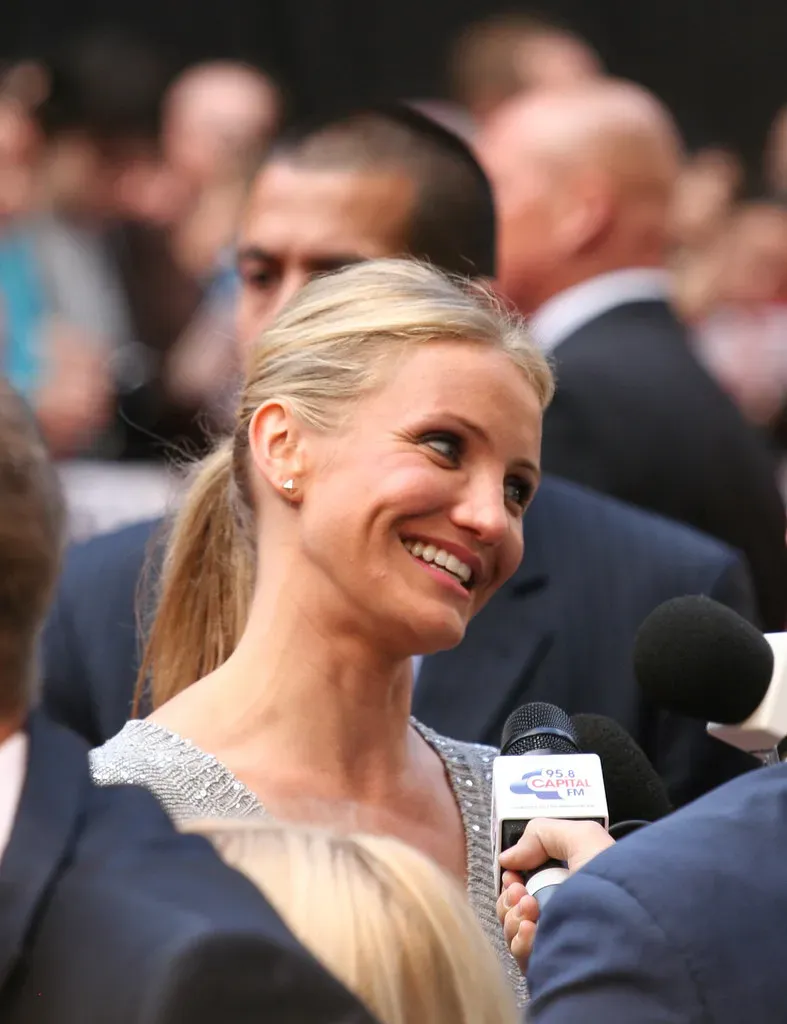
Martin Scorsese’s brutal historical epic was stacked with extraordinary talent. Daniel Day-Lewis delivered one of cinema’s truly unforgettable villain performances, and Leonardo DiCaprio held his own in a role that demanded real physical and emotional commitment. The stunning cast included Daniel Day-Lewis, Leonardo DiCaprio, and Liam Neeson, among others, producing all-star performances from some of the leading actors of the time.
Cameron Diaz seemed completely out of her depth in Scorsese’s gritty historical epic, with her modern mannerisms and energy clashing terribly with the film’s 1860s setting, making her feel like a time traveler who wandered onto the wrong movie set. Her performance was more than just a bad accent. There was a fundamental disconnect between the actor and the character she was playing, an embittered, tough-as-nails thief who had known nothing but hard times, and she never quite found the character’s essence.
2. Hayden Christensen in Star Wars: Attack of the Clones (2002)

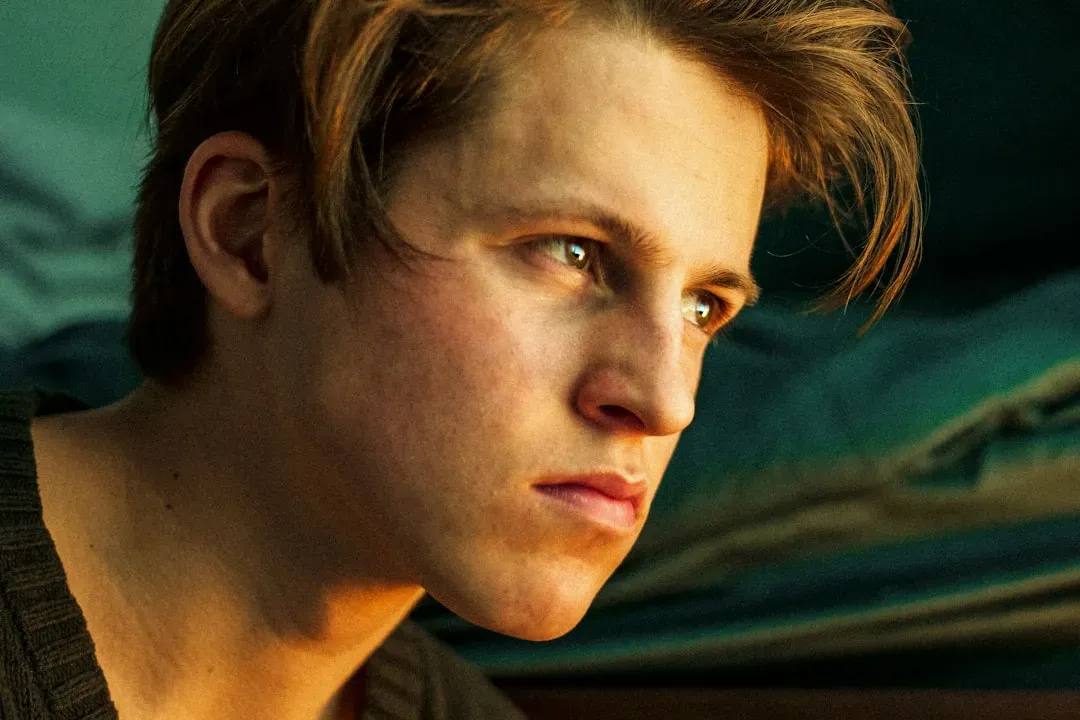
Christensen was just 19 years old when he debuted as the future Darth Vader in 2002’s Star Wars: Episode II, Attack of the Clones. The films were visually ambitious and narratively bold in ways the original trilogy could never have attempted, yet they struggled to fully land the emotional arc that should have made Anakin Skywalker’s fall genuinely heartbreaking rather than awkward.
Christensen’s performance was widely ridiculed at the time for being overly wooden, although that critique was leveled at the prequel films in general. His whiny, petulant take on Anakin Skywalker made it nearly impossible to believe this character would become one of cinema’s greatest villains, and his awkward romantic scenes with Natalie Portman lacked any genuine chemistry, turning their love story into something cringeworthy rather than epic. Christensen himself has since acknowledged the criticism openly and returned to the role in later Disney+ productions to a warmer reception.
3. Keanu Reeves in Bram Stoker’s Dracula (1992)

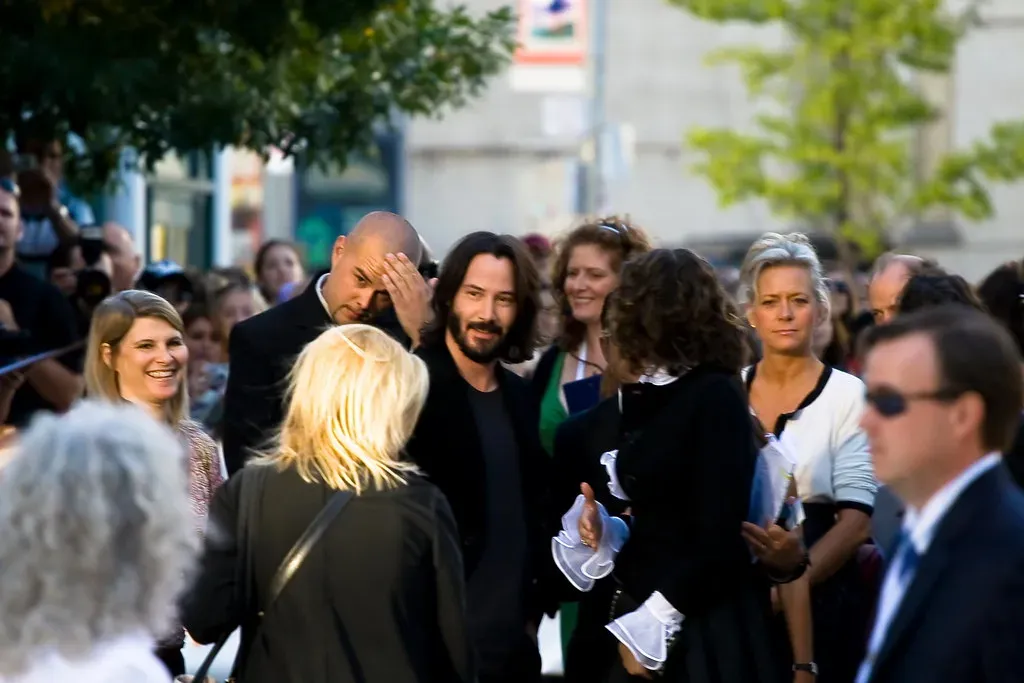
Francis Ford Coppola’s gothic Dracula adaptation was a lavish, deeply committed piece of filmmaking. Gary Oldman gave a genuinely unsettling performance in the title role, and Anthony Hopkins brought theatrical gusto to Van Helsing. The production design, costumes, and atmosphere were extraordinary, creating one of the most visually distinctive horror films of the decade.
Keanu Reeves tried his best to fit into Coppola’s gothic masterpiece, but his portrayal of Jonathan Harker fell completely flat. His attempt at a British accent came across as inconsistent and distracting, pulling viewers right out of the dark, romantic atmosphere, while Gary Oldman and Anthony Hopkins delivered powerhouse performances around him. Though the film holds up very well, most would argue that Reeves is the factor that keeps it from being great as opposed to merely very good.
4. Sofia Coppola in The Godfather: Part III (1990)

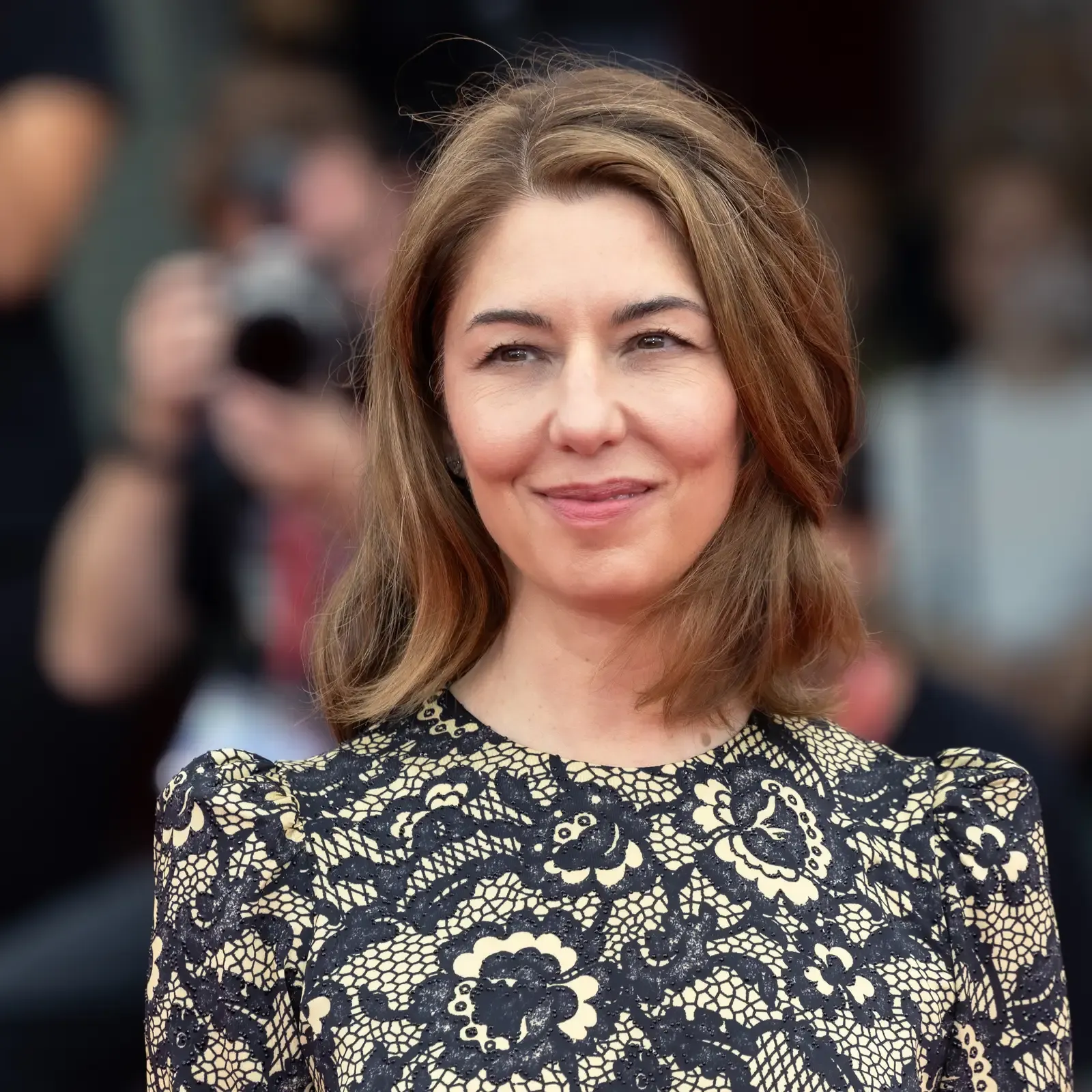
The third chapter in Francis Ford Coppola’s legendary Godfather saga was always going to face impossible comparisons to its predecessors. Al Pacino’s aging Michael Corleone carried genuine weight, and the film had real dramatic ambitions. Winona Ryder was originally cast as Mary Corleone, Michael’s daughter, but withdrew due to exhaustion. Coppola replaced her with his own daughter at the last minute.
Sofia Coppola replaced Winona Ryder at the last minute, stepping into shoes that were clearly too big for her inexperienced acting abilities. Her flat, emotionless delivery throughout the film made it impossible to connect with Mary Corleone as a character, and when she shared scenes with powerhouses like Al Pacino and Andy Garcia, the skill gap became glaringly obvious. Her performance has done a great deal to mar the film’s general reception, both at the time and in the years since its release. She went on, of course, to become an acclaimed director in her own right.
5. Russell Crowe in Les Misérables (2012)

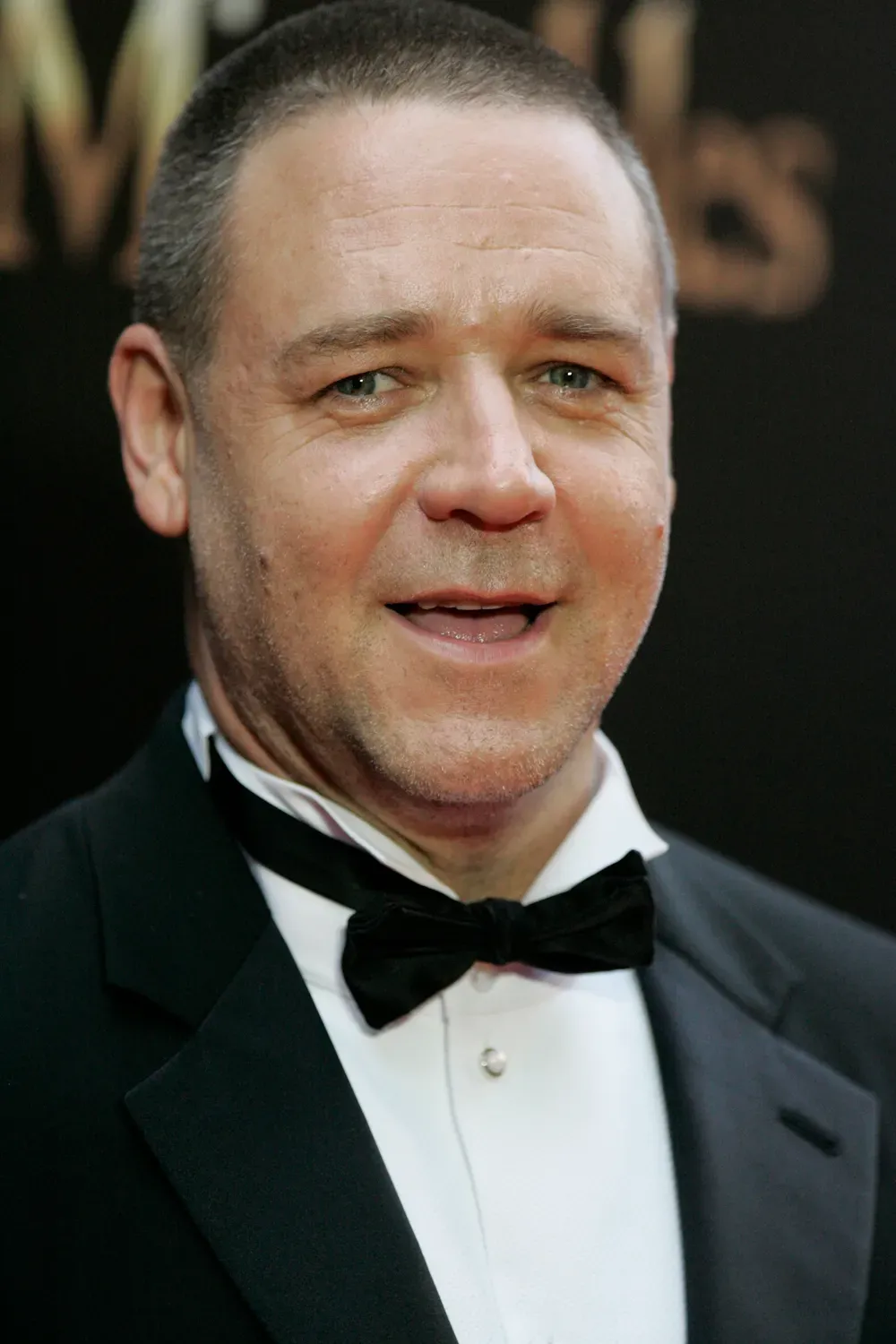
Tom Hooper’s adaptation of the beloved stage musical was genuinely ambitious, particularly in its decision to record all musical performances live on set rather than in a studio. Hugh Jackman as Jean Valjean and Anne Hathaway as Fantine both delivered emotionally shattering work that earned widespread awards recognition. The film was a major critical and commercial success.
There are many things to love about the 2012 film adaptation of Les Misérables, but Russell Crowe’s performance as Javert is a notable exception. Crowe might be a great actor in most of his films, but his lack of anything even remotely resembling a singing voice makes him an odd choice for a musical, and his deficiencies are even more glaring when juxtaposed with the undeniable talents of Hugh Jackman. Most critics agreed that Crowe was all wrong for Les Misérables.
6. Ben Affleck in Shakespeare in Love (1998)
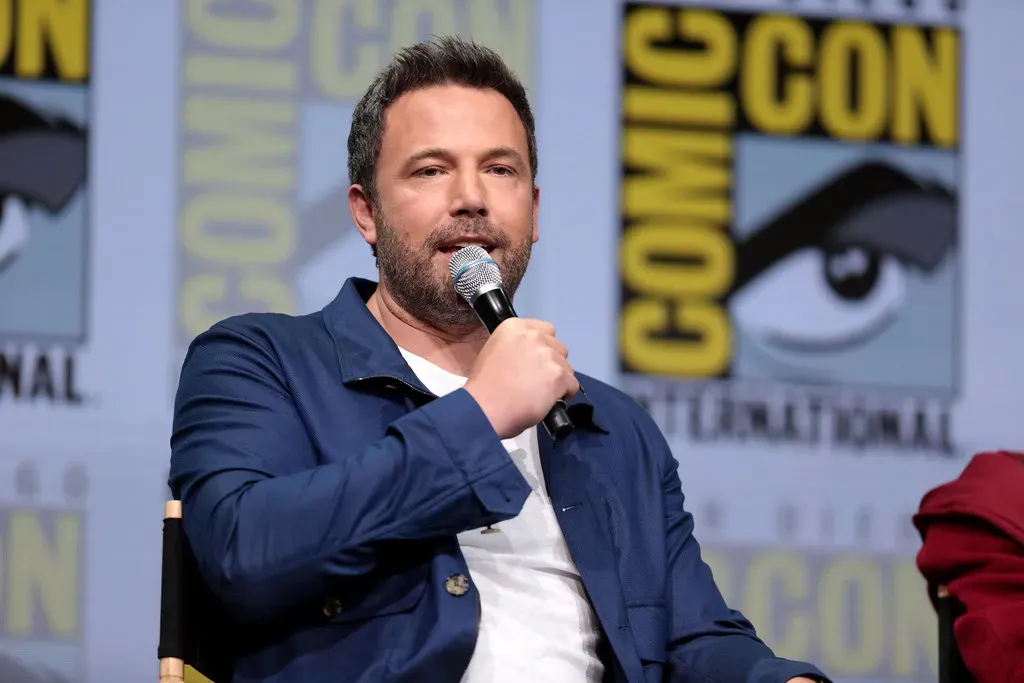
Shakespeare in Love was a charming, witty, and romantically engaging film that somehow beat out Saving Private Ryan for the Academy Award for Best Picture. Before that happened, most people tagged it as a clever, unabashedly romantic take on the life of history’s most beloved playwright, and they would have told you it was an excellent movie. Gwyneth Paltrow’s central performance was warmly praised.
Strong central performances were accompanied by whispers about how strange it was when Ben Affleck turned up as legendary old-English actor Ned Alleyn. Affleck’s appearance in the film was one of 1998’s genuine head-scratching moments for cinema lovers, topped only by his use of a flaky British accent. It remains unclear how director John Madden allowed Affleck to proceed, and Affleck made matters worse by trying to bury his accent problems under a smarmy layer of machismo.
7. George Clooney in Batman & Robin (1997)

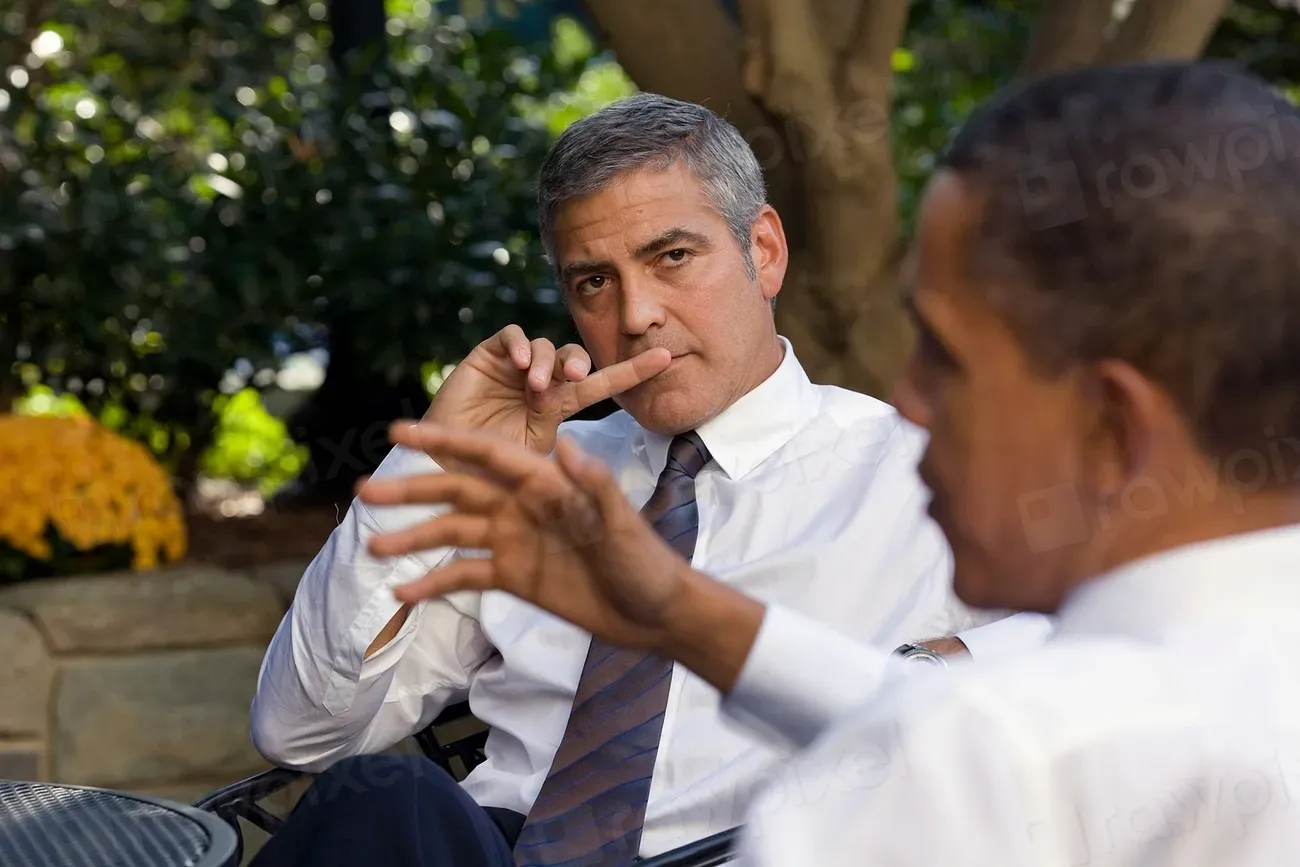
Joel Schumacher’s Batman films had already pushed the franchise into peculiar, neon-lit excess with Batman Forever. The follow-up, Batman & Robin, managed to escalate every excess of its predecessor while stripping out whatever remaining dramatic coherence was left. The film is now one of cinema’s most reliably cited examples of a franchise going badly off the rails.
The George Clooney-starring Batman & Robin is widely considered the worst Caped Crusader movie of all time and one of the worst comic book films ever made. Appearing as the Caped Crusader, Clooney suffered the cartoonishness of Schumacher’s Gotham, and though he often makes jokes about it, he hated his Batman performance for good reason. Still, despite being thought of as a misfire, this miscasting has done nothing to tarnish his hugely successful career.
Partner offer

8. Kevin Costner in Robin Hood: Prince of Thieves (1991)

![8. Kevin Costner in Robin Hood: Prince of Thieves (1991) (Defense Visual Information CenterCropped version of: [1], Public domain)](https://nvmwebsites-budwg5g9avh3epea.z03.azurefd.net/lasvegasnews/2b5ed8245634f84bf99750ac9902fb4c.webp)
Robin Hood: Prince of Thieves was a massive box office success in 1991, anchored by a memorable supporting turn from Alan Rickman as the Sheriff of Nottingham and a now-iconic theme song. Ridley Scott was not involved here, but the production had genuine scale and, at least in parts, real entertainment value. Audiences largely loved it despite its obvious flaws.
Kevin Costner was on top of the world in the early 1990s, and Robin Hood: Prince of Thieves was another hit film on his resume. Remembered for its delightfully cheesy soundtrack and anachronistic tone, Costner himself is the one part of the blockbuster that doesn’t really work. Many have played Robin Hood, but Costner was woefully miscast, playing the swashbuckling folk hero like all of his other action hero roles.
9. Charlie Hunnam in Pacific Rim (2013)
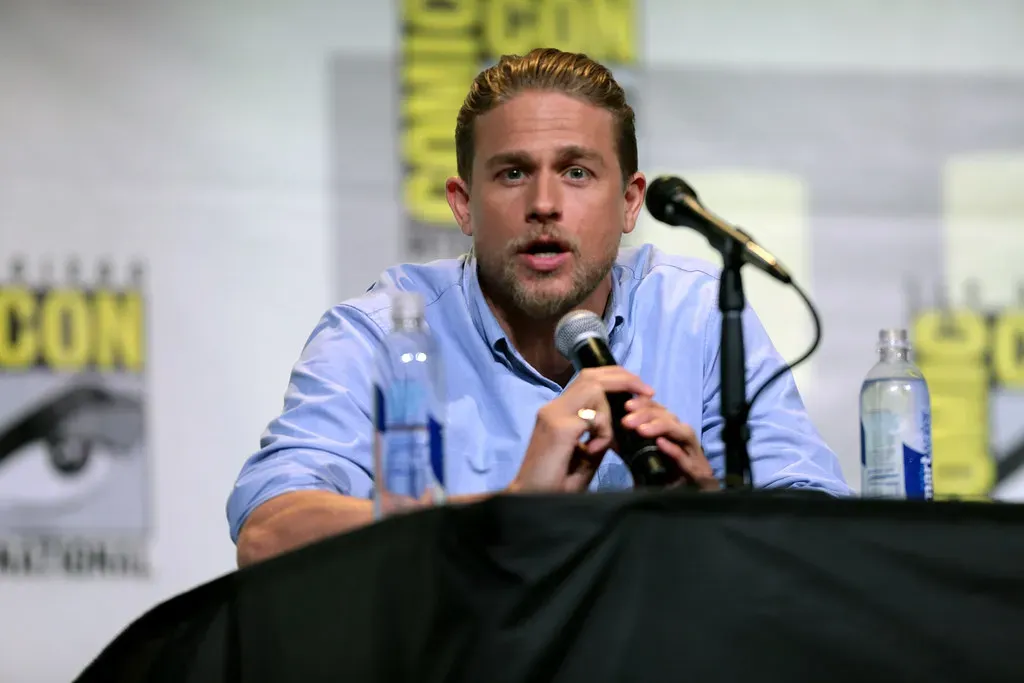
Guillermo del Toro’s Pacific Rim was exactly the kind of visually inventive, genuinely passionate blockbuster that Hollywood rarely produces. The Kaiju designs were spectacular, the world-building was surprisingly rich, and the film had a warmth and earnestness that set it apart from the average summer spectacle. It deserved a lead performance that could match its energy.
The filmmakers brought in TV star Charlie Hunnam, hoping that the largely untested actor would rise to the occasion and be the charismatic, thoughtful, romantic tough guy needed to hold the film together. Hunnam didn’t rise. His performance is flat and lifeless, and he had zero chemistry with co-star Rinko Kikuchi, which also undercut an essential plot point. That the film still made a lot of money internationally is purely a testament to the strength of del Toro’s vision.
10. Colin Farrell in Alexander (2004)
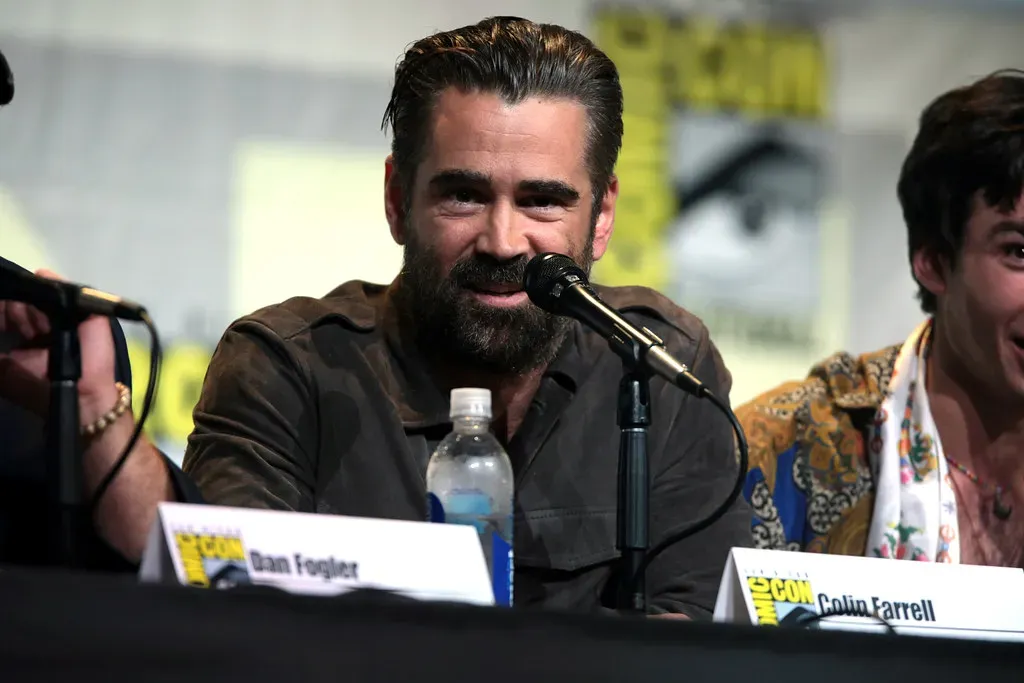
Oliver Stone’s Alexander was an enormously ambitious undertaking. The production spanned multiple countries, the battle sequences were genuinely impressive, and Stone was clearly trying to make something weighty and historically meaningful. The supporting cast included Anthony Hopkins and Angelina Jolie, both bringing considerable energy to their respective roles.
Colin Farrell’s bizarre accent choices and lack of commanding presence doomed Oliver Stone’s already troubled historical epic. His portrayal of Alexander the Great felt more like a confused tourist than a legendary conqueror who changed the world, and the accent he adopted was impossible to place geographically, wandering between Irish, British, and something unidentifiable throughout the three-hour runtime. Even with nearly three hours of screen time, Farrell’s line reads failed to evoke the required gravitas, and the meager box office return on a budget well into nine figures confirmed the damage.
11. Emma Watson in Beauty and the Beast (2017)

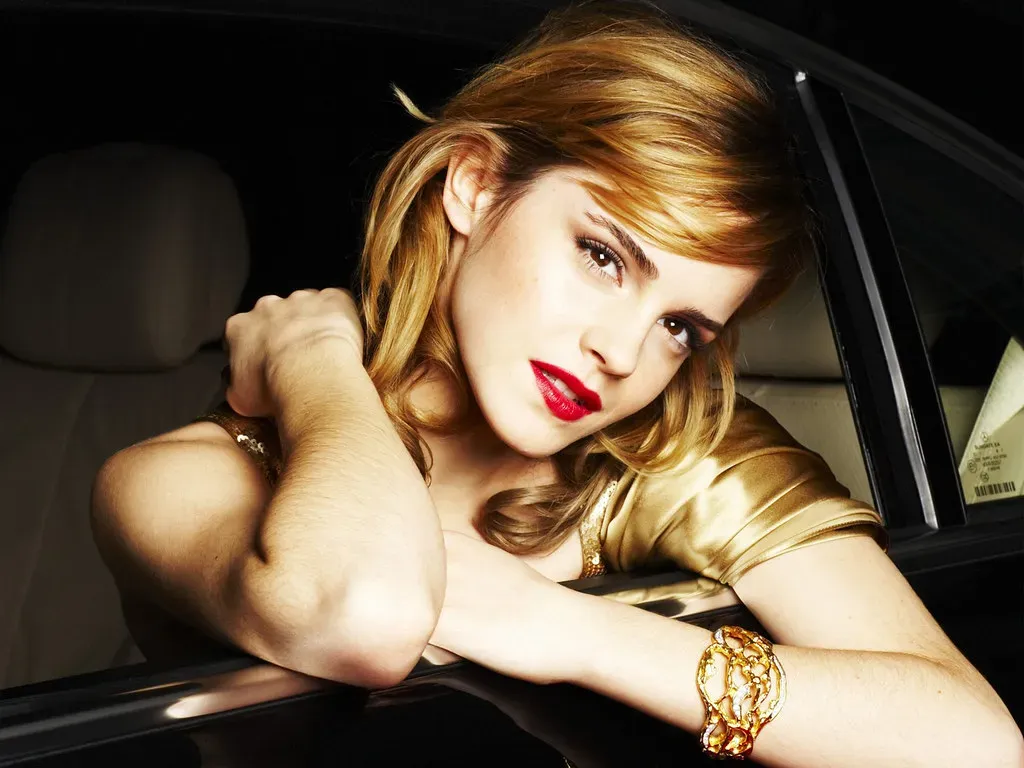
Disney’s live-action remake of Beauty and the Beast had every commercial advantage imaginable: a beloved source film, a lavish budget, a strong supporting cast including Dan Stevens, Luke Evans, and Josh Gad, and a built-in global audience hungry for nostalgia. On most technical levels, the production delivered exactly what it promised. The weakness lay in its center.
While Emma Watson was adept at portraying Hermione Granger in the Harry Potter films, she is remarkably stilted and less compelling as Belle. The real problem with her performance is that she can’t sing, and the autotuning is so glaring that it brings the whole film down around her. The 2017 live-action Beauty and the Beast was a poor choice for her, especially as it came at the cost of turning down the role of Mia in La La Land. Her unimpressive singing voice, which was heavily autotuned, is what really brings down the performance, and Watson herself admitted to having been terrified prior to filming.
12. Mickey Rooney in Breakfast at Tiffany’s (1961)

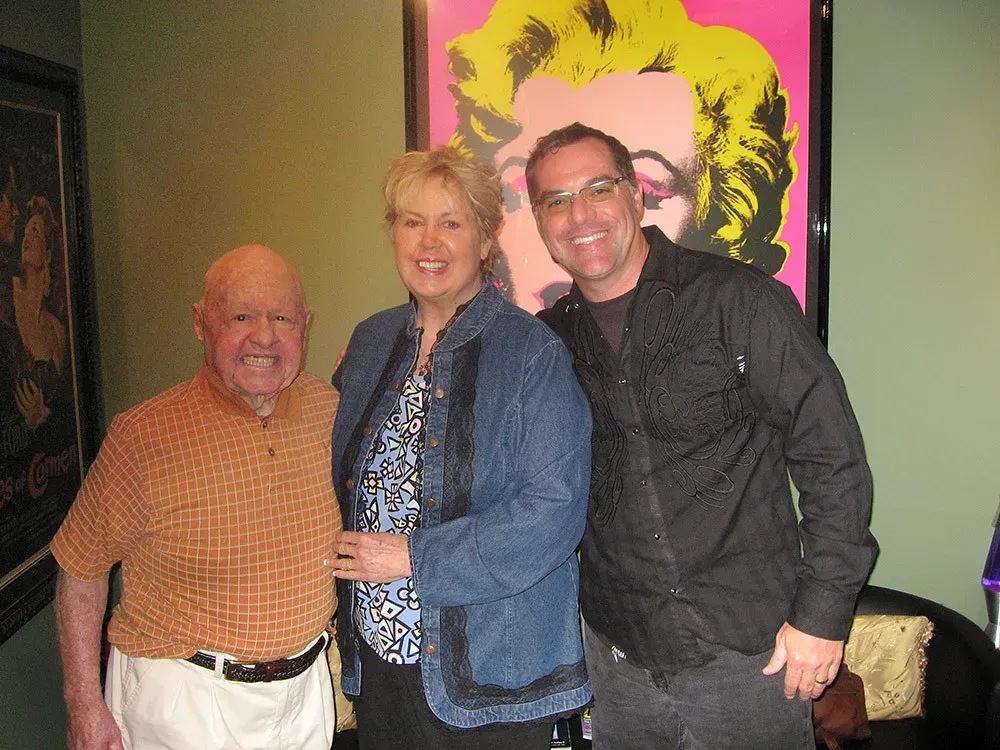
Breakfast at Tiffany’s remains a genuine classic of American cinema, elevated by Audrey Hepburn’s luminous performance and a screenplay sharp enough to balance comedy with genuine emotional depth. The film was widely praised for Hepburn’s performance, its witty screenplay, and Henry Mancini’s score, and it was a significant box office success. Its cultural footprint has only grown in the decades since its release.
The film’s reputation in modern cinema circles is diminished by its horrifically racist attitudes, particularly in Mickey Rooney’s appalling portrayal of Mr. Yunioshi, Holly Golightly’s Japanese landlord. Rooney’s portrayal of a man of Asian descent, complete with yellowface and exaggerated features, is one of the most outrageously offensive performances in mainstream American cinema. Even at the time it was a controversial choice, with producer Richard Shepherd asserting that he felt uncomfortable with the performance.
13. Vince Vaughn in Psycho (1998)

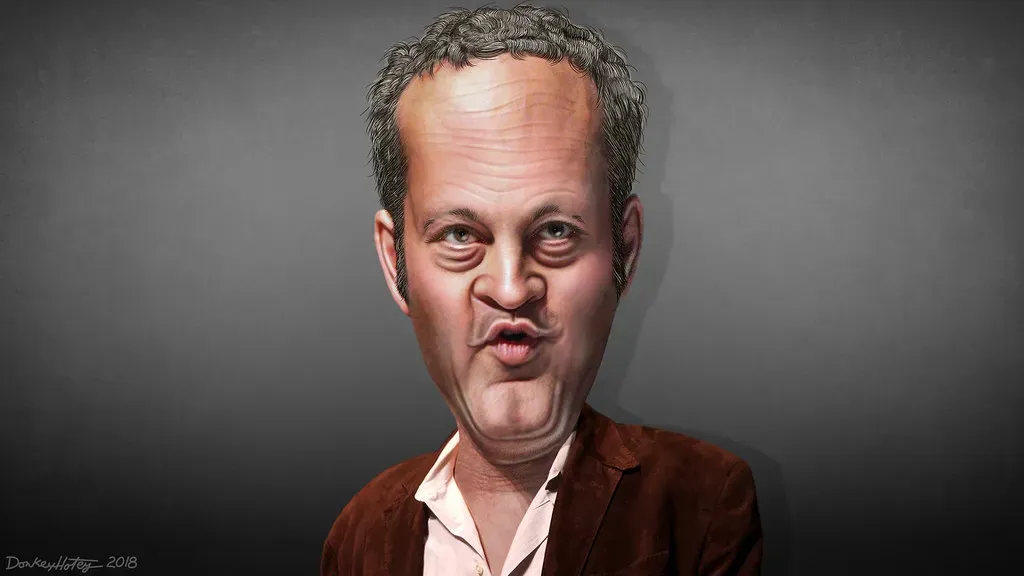
Gus Van Sant’s shot-for-shot remake of Alfred Hitchcock’s Psycho was, by almost any measure, a deeply questionable creative decision from the outset. Replicating a film frame by frame is a strange artistic exercise with little obvious upside, particularly when the original is one of cinema’s most studied and revered works. The project invited direct comparison and offered no way to win it.
Making a shot-for-shot remake of Hitchcock’s Psycho was a bad idea, and casting Vince Vaughn to play Norman Bates made matters even worse. Gus Van Sant’s perplexing tribute was almost universally reviled by fans and critics alike, and Vaughn’s performance was given particularly bad marks. Nobody could replace Anthony Perkins, especially not Vince Vaughn. The shot-for-shot modernization only reinforced how miscast Vaughn was as Norman Bates. Instead of unsettling, his line delivery came across as hokey, and audiences were as displeased as critics, ensuring the movie crashed in ticket sales.
What makes these cases genuinely interesting is that the films mostly survived them. A bad performance can dim a great movie without destroying it, and in some cases, the contrast between a weak link and everything around them makes you appreciate the rest of the cast even more. Casting is an inexact science. Even the most gifted filmmakers get it wrong sometimes, and the results end up preserved on screen, a permanent reminder that no production is entirely immune to human error.
Partner offer
Planning a trip to Vegas?
Compare hotel rates and show tickets on VEGAS.com.


