There is something deeply magnetic about a locked door, a sealed wall, or a staircase that vanishes into silence. Castles have stood for centuries as symbols of power and grandeur, but behind their stone facades, many hide something far more compelling than tapestries and grand halls. Secret rooms. Hidden passages. Sealed chambers that history forgot – or deliberately tried to erase.
Some were built for survival. Others concealed the darkest secrets of the ruling class. A few have never fully been explained, and honestly, that’s exactly what makes them so fascinating. The world’s most famous castles are not always what they appear to be from the outside. Let’s dive in.
Windsor Castle: The Kingdom Beneath the Carpet

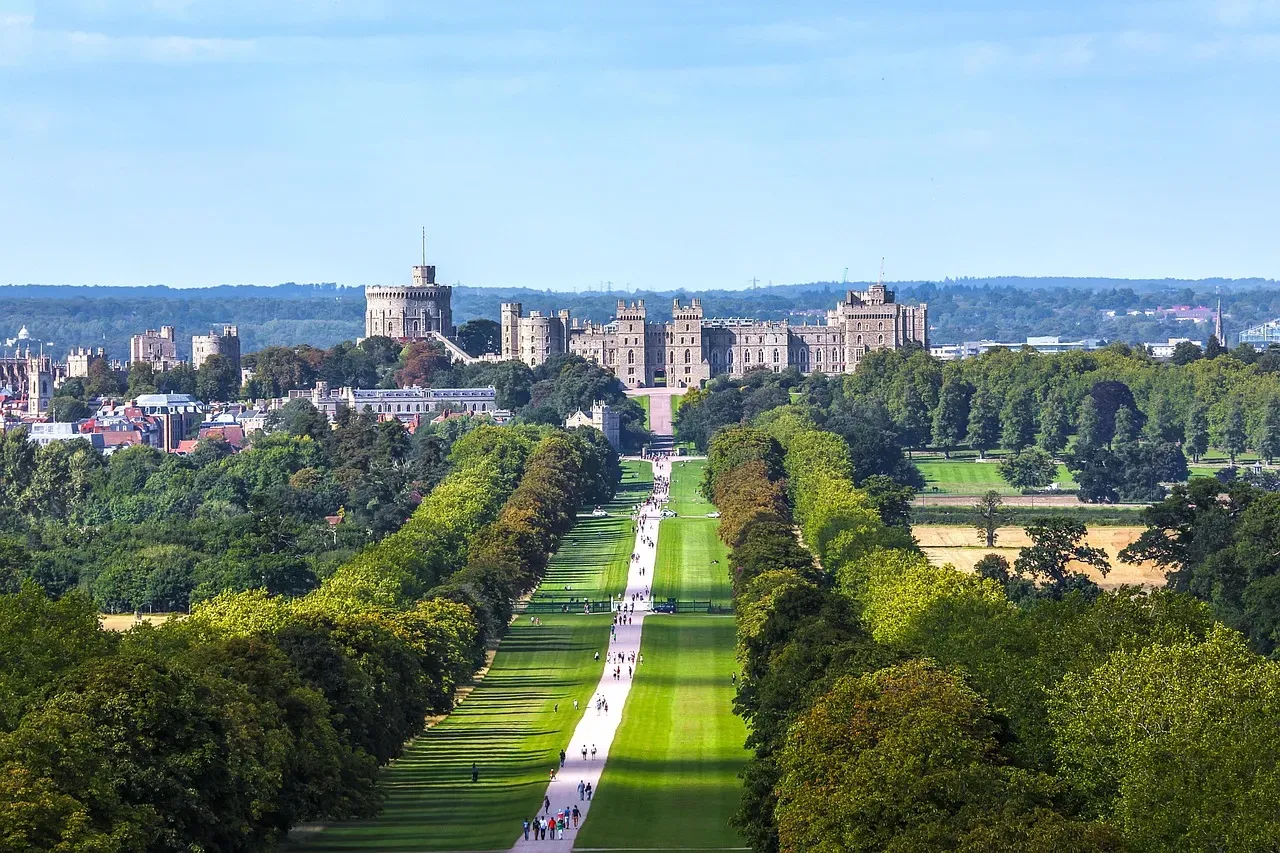
Here’s something that might surprise you: the most famous royal residence in the world hides one of its biggest secrets under an ordinary office carpet. In 2011, UK presenter Fiona Bruce lifted up the carpet in an office located in a corner of Windsor Castle to reveal a hidden, wooden trapdoor. Beneath it were stone steps reportedly built in the 13th century, wide enough to accommodate a whole army of men.
Before it became the grand palace we know today, Windsor Castle was designed with hidden passageways and escape routes, essential for the safety and security of its inhabitants. One such passage, leading out into the streets, remains concealed within the castle to this day. It’s the sort of discovery that makes you rethink every polished room you’ve ever walked through on a royal tour.
Beneath the castle’s foundations, a network of tunnels weaves its way through the earth. While some of these passageways serve practical purposes for plumbing and heating, others have sparked speculation. Rumors persist of secret tunnels leading from the castle to undisclosed destinations, possibly used for escape or espionage during turbulent times in history.
Windsor Castle is officially one of the biggest residences in the world, with around 1,000 rooms and 484,000 square feet. With that much space, it’s almost certain that not all of it has ever been publicly accounted for. During the Second World War, the castle also harbored a particularly extraordinary secret hidden in plain sight – the Crown Jewels were stashed inside ordinary-looking hatboxes, seeming to contain old newspapers, but when examined more closely, they turned out to contain the Crown Jewels, hidden there for the duration.
Glamis Castle: The Room Nobody Can Find

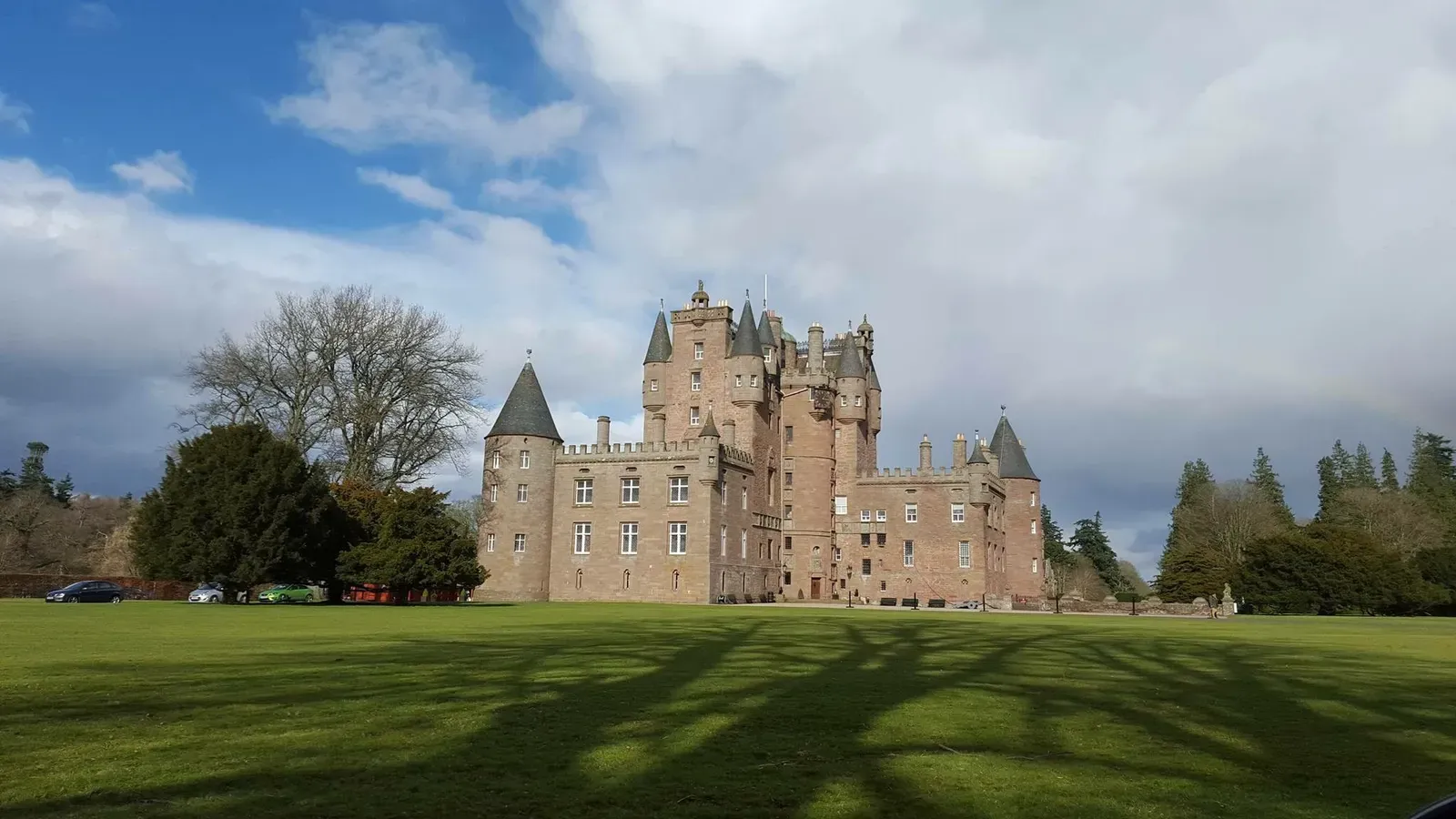
Somewhere inside Glamis Castle, there is a room that nobody is permitted to enter. Not guests. Not staff. Not even certain members of the family that has owned it for over six hundred years. The secret of what lies within that sealed chamber has been passed from each Earl of Strathmore to his son – and those who receive it, it is said, are never quite the same again.
From perhaps the 1840s until 1905, the Earl’s ancestral seat at Glamis Castle, in the Scottish lowlands, was home to a “mystery of mysteries” – an enigma that involved a hidden room, a secret passage, solemn initiations, scandal, and shadowy figures glimpsed by night on castle battlements. The conundrum engaged two generations of high society until, soon after 1900, the secret itself was lost.
The secret was apparently so extraordinary that only three people were ever allowed to know it at one time: the Earl, the Earl’s heir (after he reached his 21st birthday), and the estate manager, known as a factor. One of the most chilling clues to the room’s existence? If you stand outside the castle and count the number of windows, and compare them with the number of windows inside the building, you will always be two windows short – in other words, there seems to be a walled-up secret room in Glamis.
Architectural renovations to the castle have revealed skeletons in a walled-up chamber. Whether or not the infamous “Monster of Glamis” – a child born to the family and so hideously disfigured he was isolated in secret chambers within the castle walls, which were sealed upon his death – was real, one thing is certain: the castle’s architecture suggests that something, somewhere, is still hidden.
Harvington Hall: Seven Priest Holes and a Master Builder

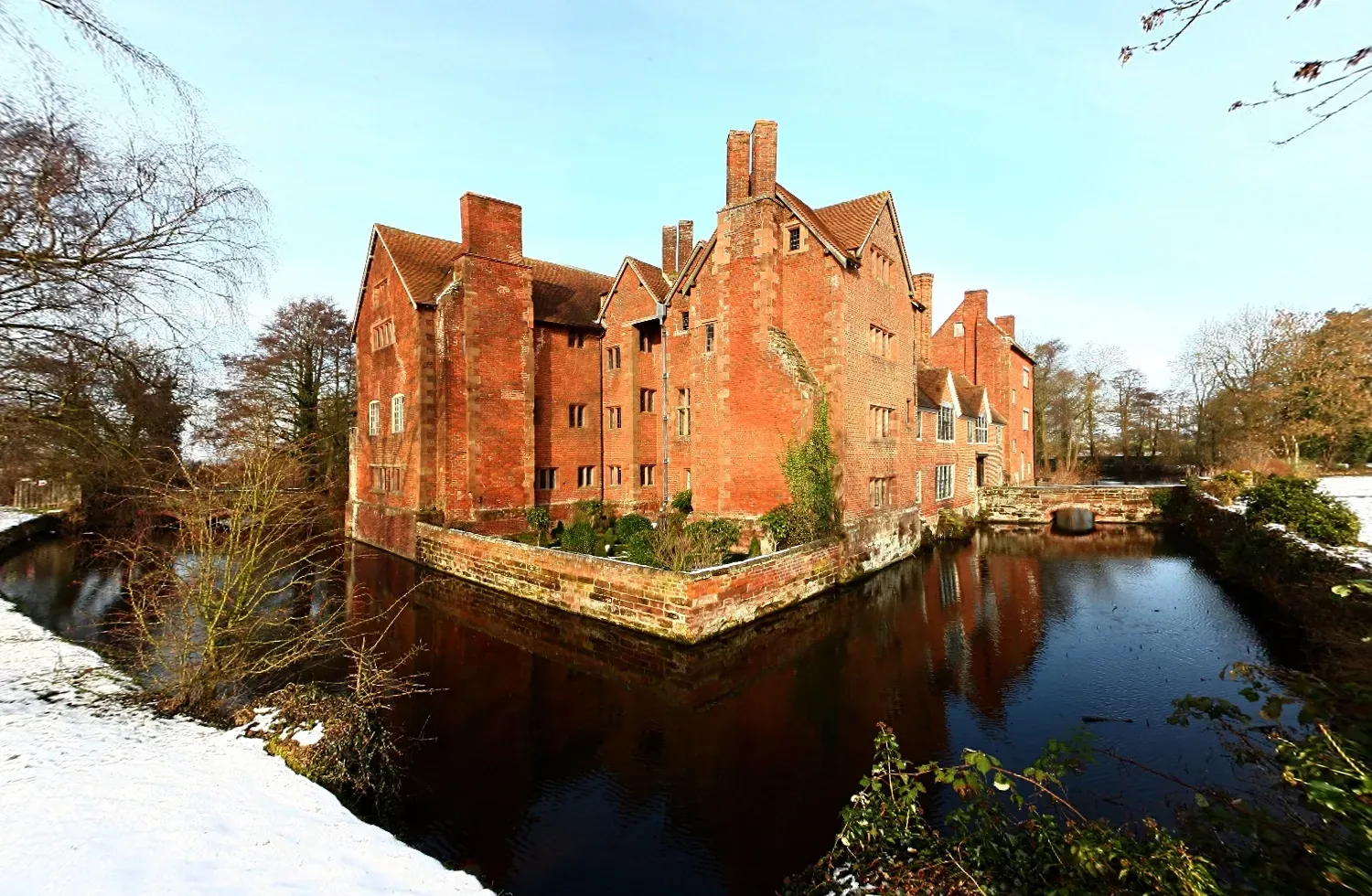
Harvington Hall in Worcestershire may not carry the fame of Windsor or the mythology of Glamis, but in terms of sheer architectural ingenuity, it leaves both of them standing. Harvington Hall is renowned for its secret chambers that were once used to hide priests during a time in British history when it was ruled illegal to practice Catholicism. Both priest and worshippers who were discovered by the so-called “Pursuivants” (agents) of Queen Elizabeth I were likely to face confiscation of their lands, torture, imprisonment and even execution.
Harvington has the country’s finest collection of hides, seven in total. Some are basic in design, others are some of the most ingenious in the country. The hides situated around the Great Staircase, circa 1603, show all the trademarks of master hides builder Nicholas Owen, who was at work from 1588 until his own capture and death in the Tower of London in 1606.
Owen built little cubbies hidden behind false attic walls that could be accessed through a fake chimney; a beam that could flip up on an access point revealing a chamber in the walls – which was only discovered 300 years later by some children who were playing in the house – and, most elaborately, a secret room hidden behind another hidden compartment under a false stair. The man was essentially the world’s first professional escape room designer, except the consequences of failure were execution.
So well hidden were these secret rooms that no priest was ever discovered. Shortly after the failure of the Gunpowder Plot in 1605, Owen was discovered leaving one of his priest holes in nearby Hindlip House and was later tortured to death in the Tower of London during 1606. He withstood the torture and never revealed the locations of his secret chambers. Owen was canonised in 1970 and has become the Patron Saint of escapologists and illusionists.
Bran Castle: The Fireplace That Hid an Escape Route

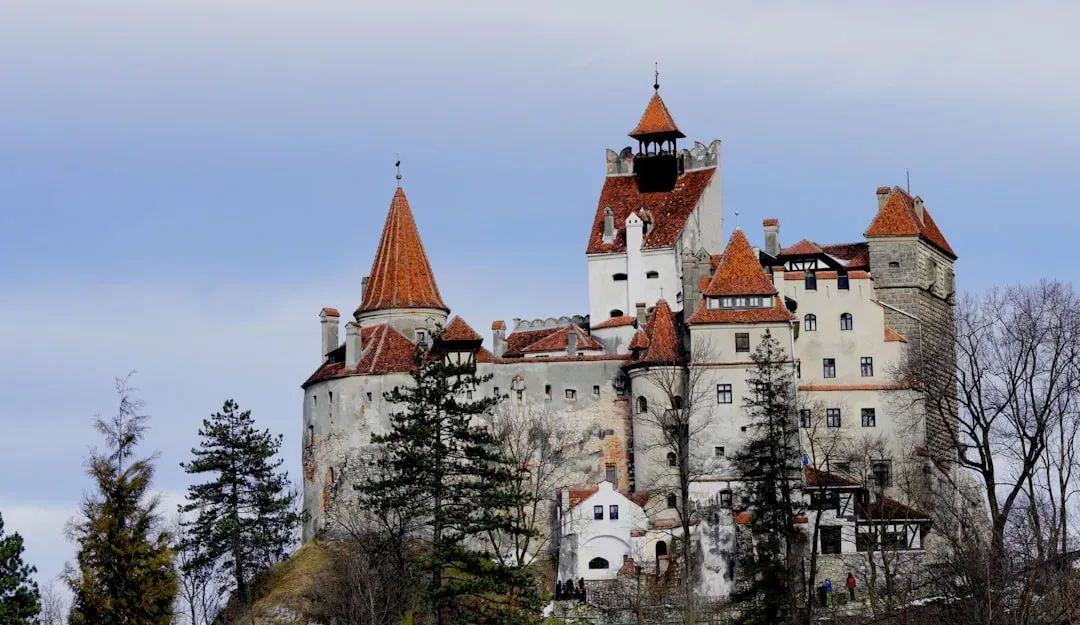
Known around the world as “Dracula’s Castle,” Bran Castle in Transylvania, Romania carries a theatrical reputation – and it absolutely earns it. While the exterior of this Transylvanian castle may look like something straight out of a fairytale, its interior is even more fantastical. Bran Castle was the site of many battles throughout history and is rumored to have been the prison of the notorious Vlad the Impaler. Some even think the fortress was the inspiration for Dracula’s castle in Bram Stoker’s gothic horror novel.
The twisting maze of rooms hides a secret passage from the first floor to the third floor, which would have allowed frightened officials to make a hasty exit in an emergency. The entrance to this staircase was brilliantly disguised. Concealed within a wall and disguised by a fake fireplace, the entrance to this staircase was so well hidden that it was forgotten for decades. The staircase was believed to have been built as an escape route for the castle’s inhabitants in case of invasion. Today, it is on display to visitors and remains one of the famous castle’s main attractions.
Predjama Castle: The Ultimate Siege Survival System

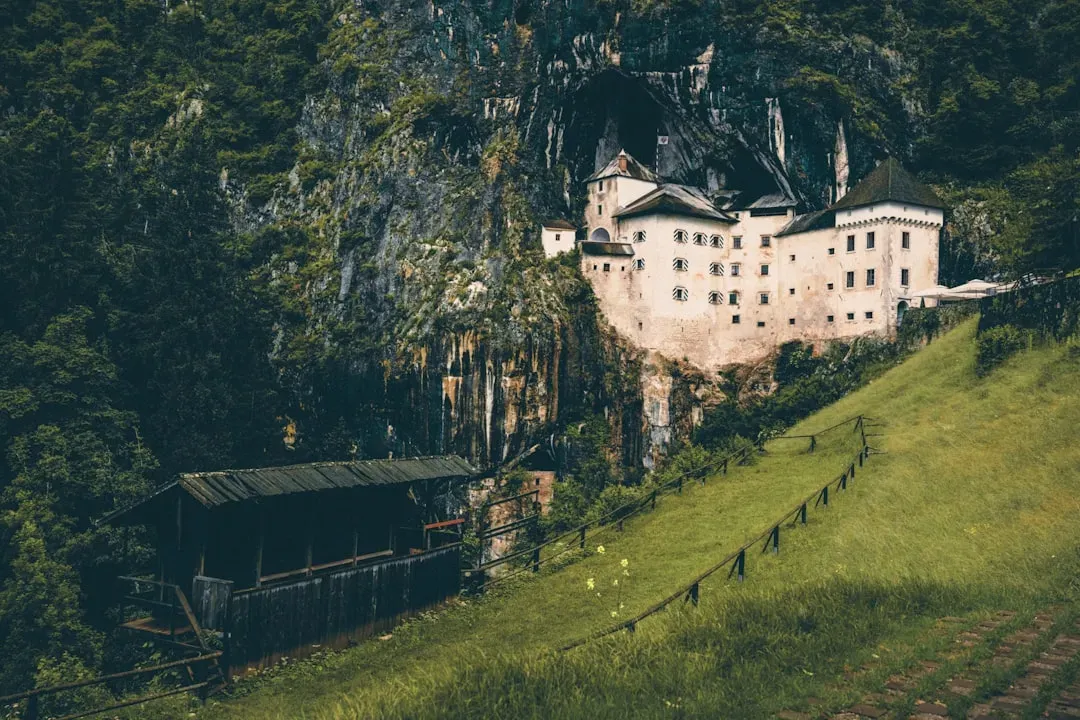
I’ll be honest – of all the castles on this list, Predjama might have the most extraordinary story attached to its secret rooms. Concealed in the belly of Slovenia’s Predjama Castle, the world’s largest cave castle, this secret network of underground passages once played a crucial role in keeping a 15th-century rebel knight fed and watered as he waited out his persecution.
The castle itself dates back to the 13th century, but in the 1400s it was under the ownership of Erasmus of Lueg, who used it as his refuge after he fell foul of the Habsburg rulers of the region and was deemed an outlaw for his raids on the district’s towns. Habsburg forces surrounded the castle, expecting Erasmus would surrender when his stores ran low. Little did they know that below the castle, a secret network of tunnels enabled Erasmus to come and go freely between the castle and a local village that supplied him with as much food and wine as he wanted.
It’s said that he pelted the puzzled invaders with fresh cherries to prove how much food he had. That’s either the most audacious act of psychological warfare in medieval history, or the most satisfying flex imaginable. The siege ended when Erasmus was reportedly betrayed and assassinated. The secret passage is preserved for 21st-century visitors to retrace the steps of the roguish robber baron.
Château de Brissac and the Secrets of French Castles

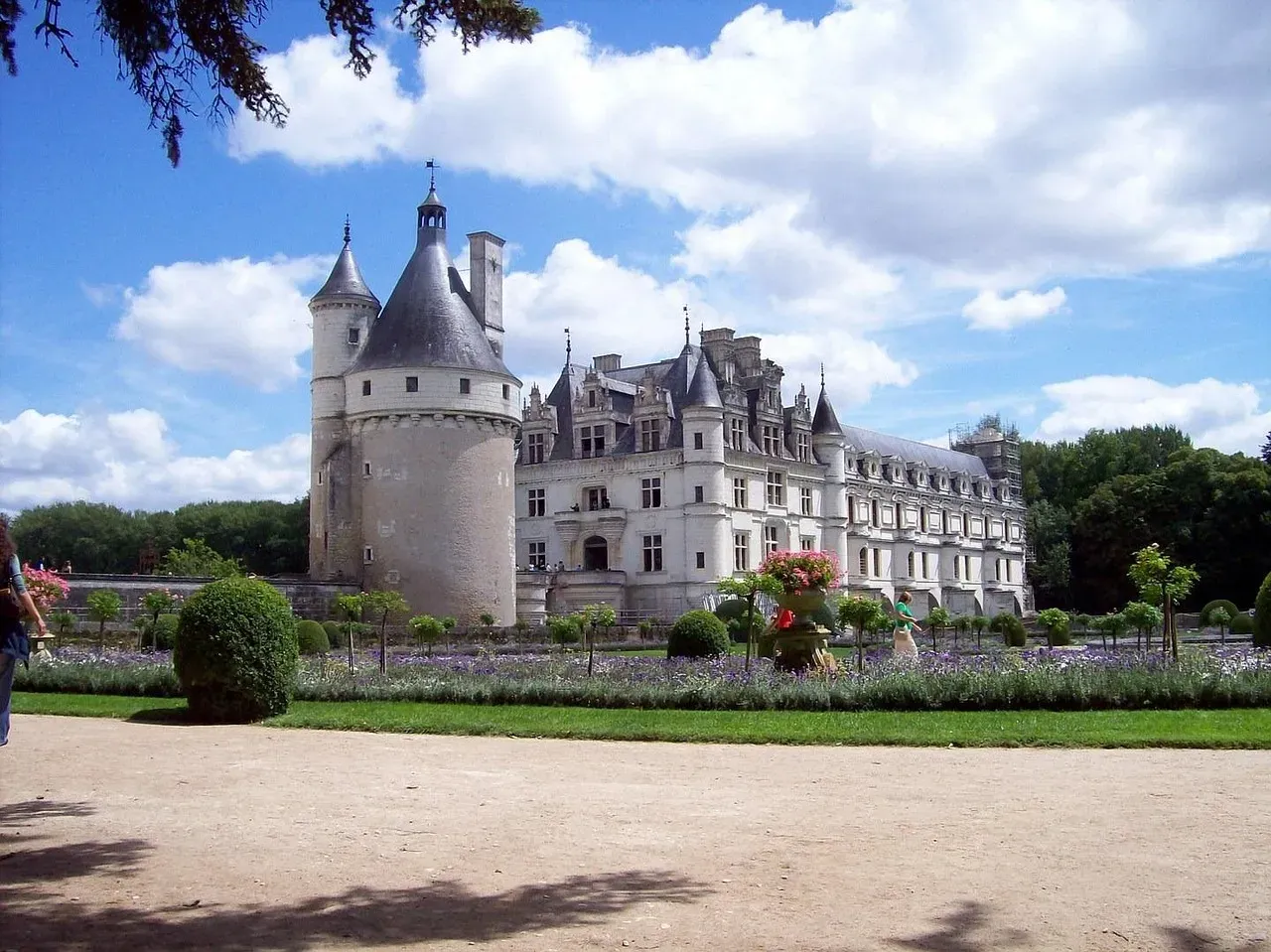
France is home to an almost absurd number of grand châteaux, and many of them come with secrets embedded deep within their stone walls. French châteaux have played pivotal roles in the country’s political and social history, from the time of the monarchy to the French Revolution. During the Revolution, the Tuileries Palace in Paris, a former royal residence, was stormed by revolutionaries. It had several secret rooms where the royal family sought refuge, but ultimately, King Louis XVI and his family were captured and brought to the guillotine. The remnants of these rooms, hidden beneath the palace, are still preserved as part of the site’s archaeological history.
The “Secret Room” at Château de Brissac in France is another well-known example of a hidden room in a medieval castle. This room was discovered in the 19th century and is believed to have been used as a hiding place by the castle’s owner during the French Revolution. The timing alone says everything – when the guillotine was just around the corner, a hidden room wasn’t a luxury. It was everything.
Château de la Rochefoucauld, associated with one of the most influential noble families in France, was heavily involved in revolutionary politics. During the Revolution, secret meetings were held within the castle’s many hidden chambers, where revolutionaries plotted their strategies in secrecy. These weren’t just hiding spots. They were the nerve centers of history.
Nottingham Castle: The Secret Passage That Toppled a Ruler
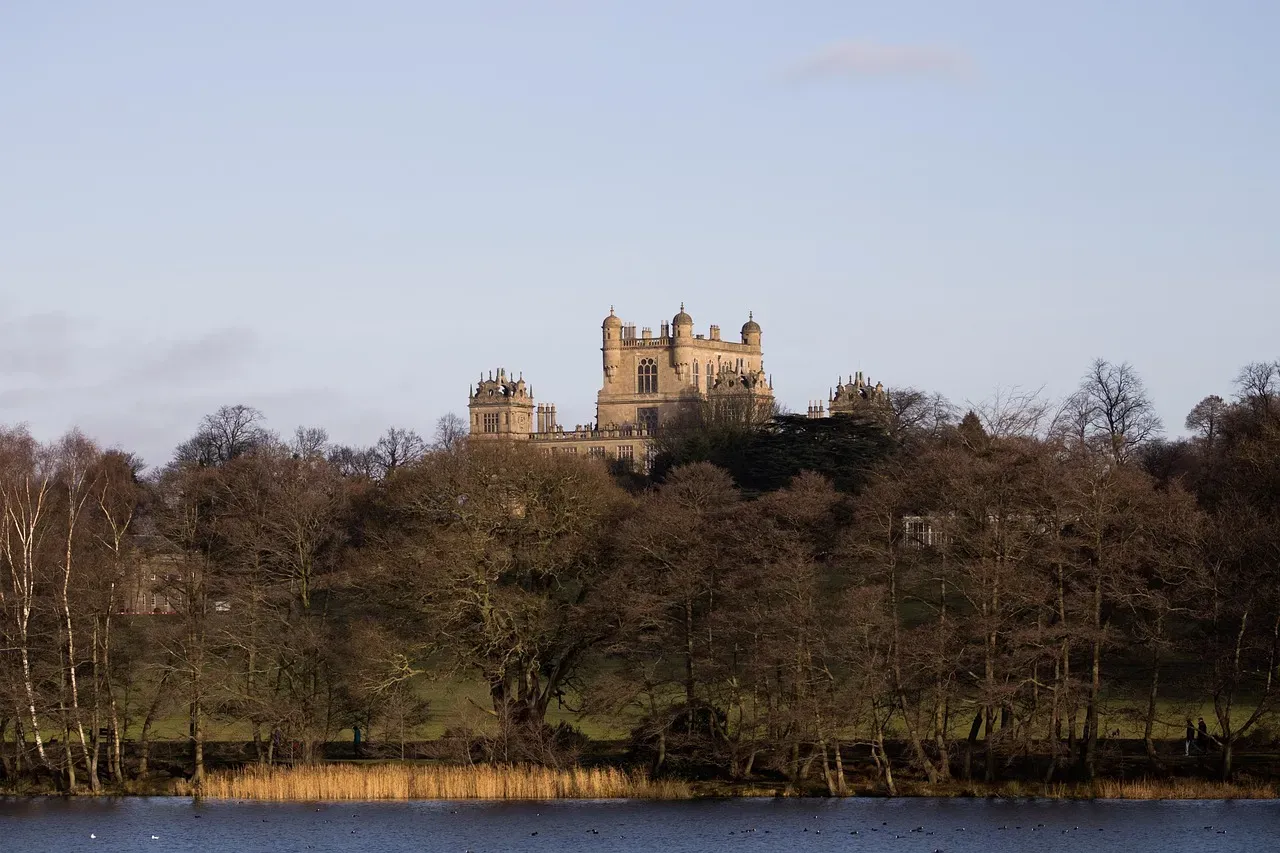
Let’s talk about a secret passage that didn’t just save a life – it actually changed the course of English history. In 1327, Roger Mortimer, 1st Earl of March, imprisoned King Edward II of England after the completion of a coup d’état. Edward II died in custody the same year. In 1330, a small group of armed supporters of Edward II used a secret passage to attack Mortimer, who was in Nottingham Castle, defended by several hundred soldiers.
The attackers entered through a long, winding secret passage which led directly into the building in which the queen was lodged. An accomplice inside the castle slid back the bolts to the door, which allowed the attackers to arrest Mortimer. Think about that. A few men with inside knowledge of a hidden tunnel outmaneuvered an entire castle garrison. The architecture itself was the weapon.
Colditz Castle: The Secret Room That Held a Glider

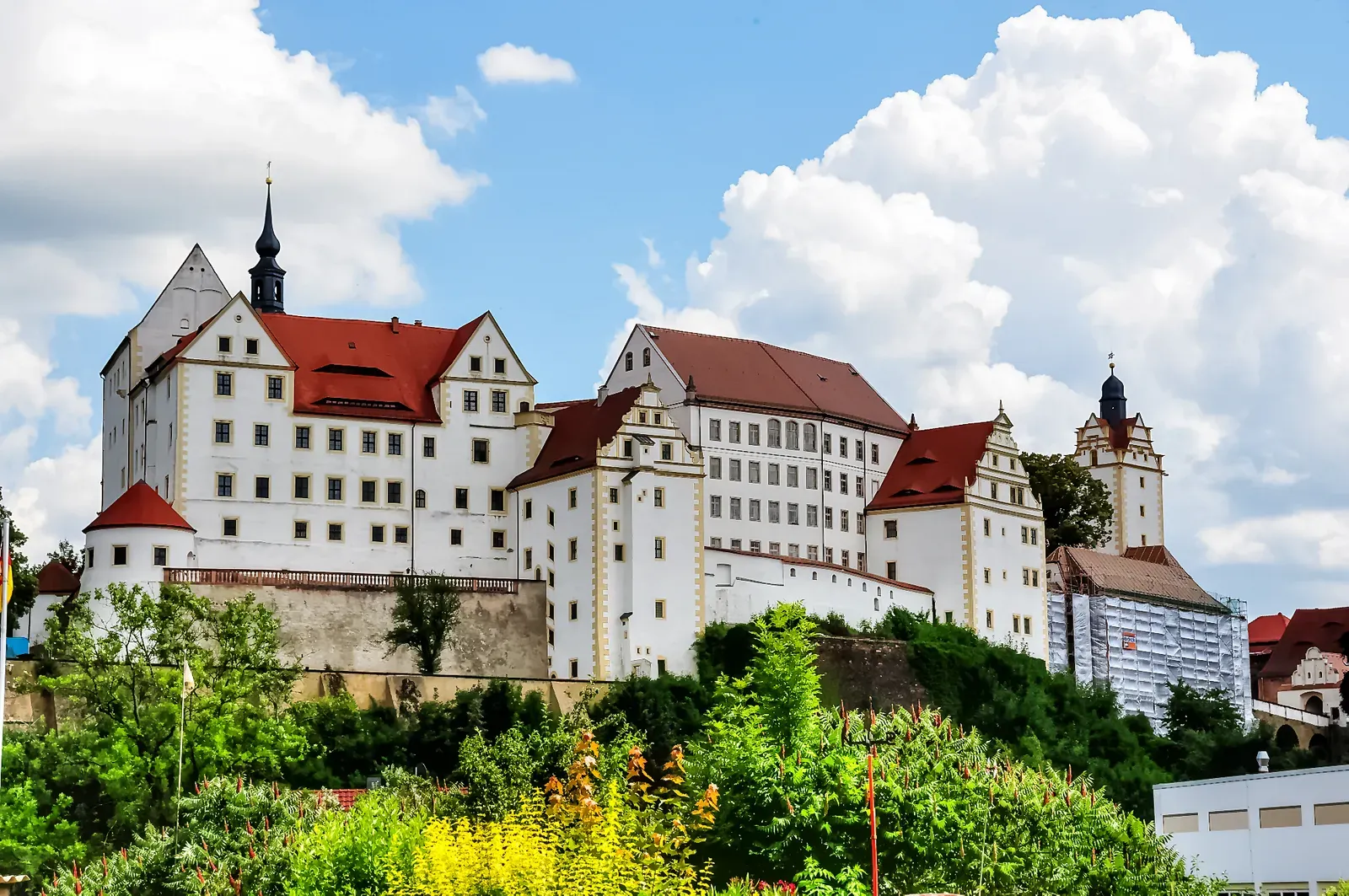
Most secret rooms are about hiding people or treasure. Colditz Castle’s hidden space contained something almost unbelievable: a fully constructed glider. During World War II, British Royal Air Force officers held captive in Colditz Castle built a false wall in the attic of one of the POW buildings, to hide a workshop where they were constructing a glider to help them escape.
The sheer audacity of building an aircraft inside a maximum-security prison, concealed behind a fake wall, is the kind of thing that sounds like a film script. The glider was never actually flown – the war ended before they got the chance. Still, the false wall and the hidden workshop were only discovered by castle staff decades later, which tells you exactly how convincing the construction was. This is arguably the most remarkable use of a secret room in the history of warfare.
The Tower of London: Hidden in Plain Sight

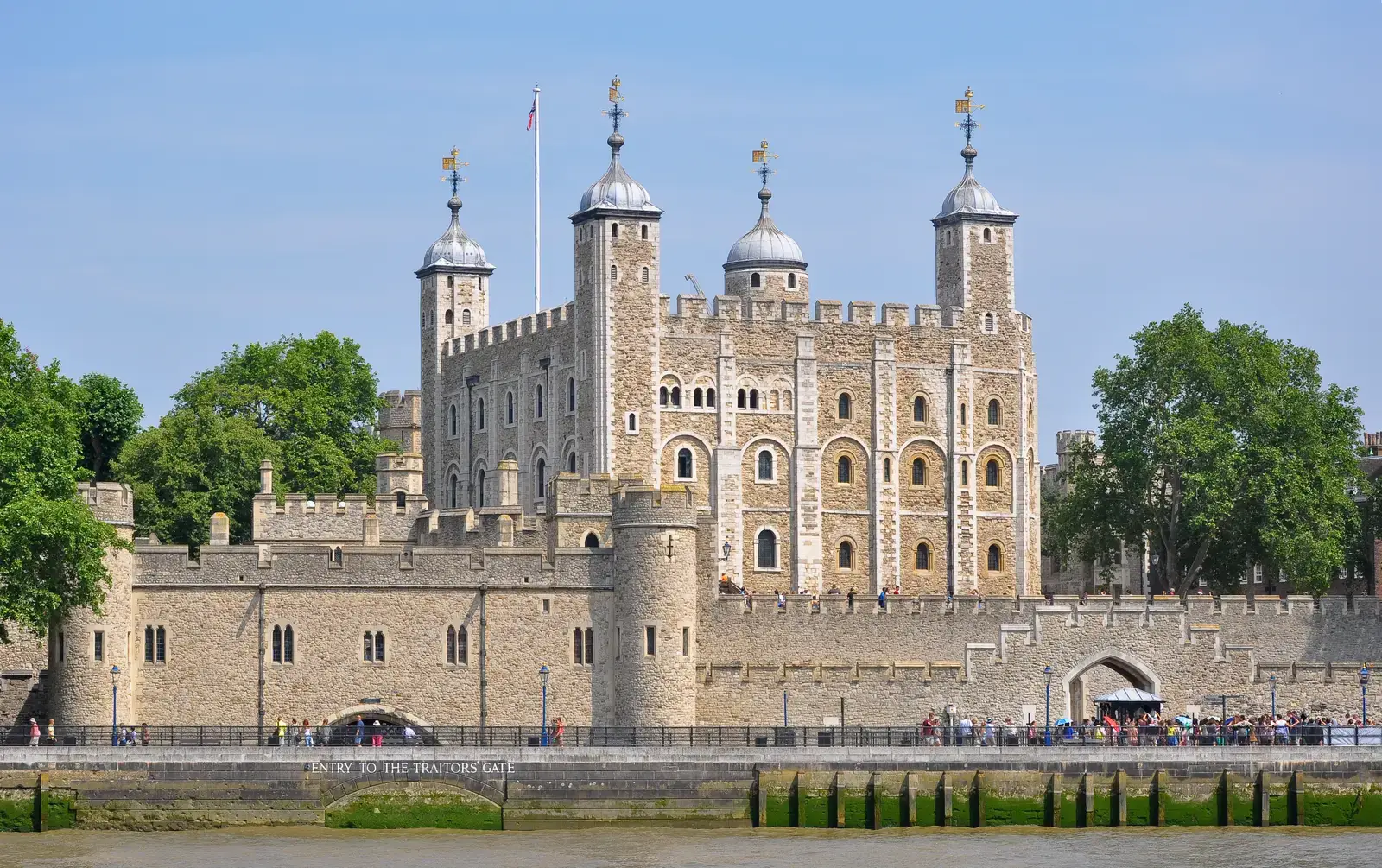
The Tower of London is one of the most visited historic sites in the world, and still it manages to keep secrets. One of the most well-known examples is the “Queen’s Chamber” at the Tower of London. This hidden room was discovered in the 19th century and is believed to have been used as a hiding place by Queen Elizabeth I during a time of political unrest.
One of the main reasons castles were built with secret rooms was for defensive purposes. During times of siege or invasion, having hidden chambers provided a safe haven for the castle’s residents. These secret rooms were often strategically located in various parts of the castle, such as behind tapestries, within thick walls, or underneath the floors. The Tower exemplifies all of this – centuries of layered construction mean that even its current administrators cannot claim to know every room inside those walls.
Secret rooms served various purposes in castles. Apart from their defensive functions, they were used for storing valuable treasures, important documents, or sacred artifacts. Secret rooms also offered a private space for castle inhabitants, away from the prying eyes of guests or potential spies. For a fortress that doubled as a royal palace, a prison, and a treasury, all of that held especially true.
The Bigger Picture: Why Castles Hid So Much

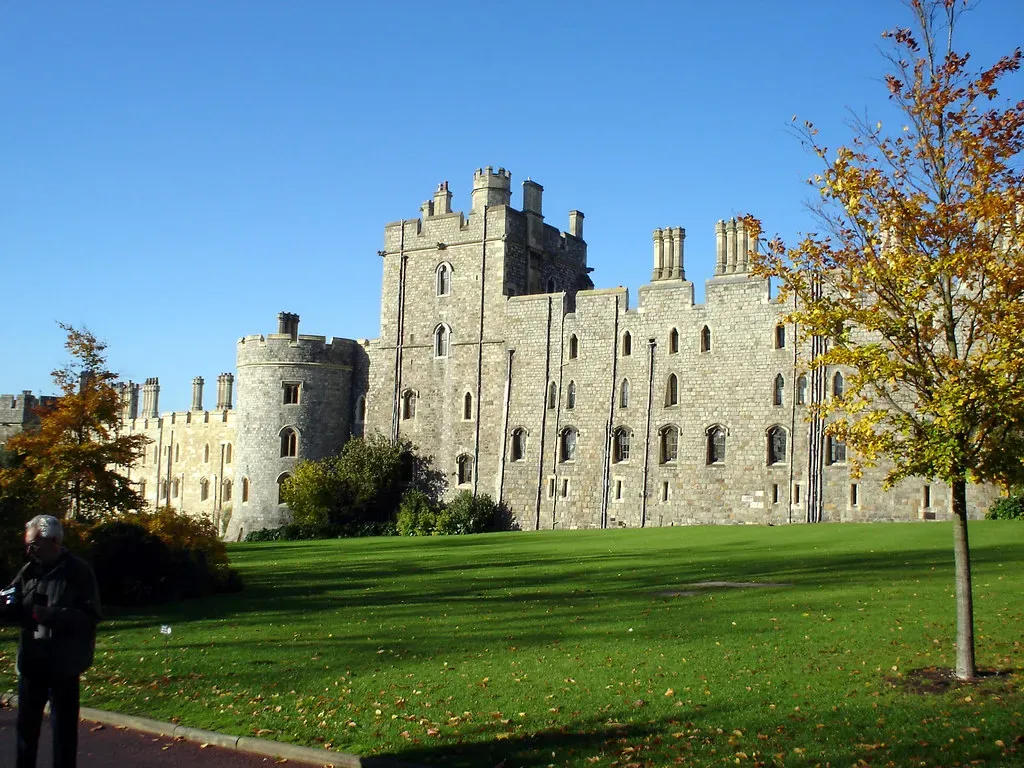
Hidden passages and secret rooms have been built in castles and houses owned by heads of state, the wealthy, criminals, and abolitionists associated with the American Underground Railroad. They have helped besieged rulers escape attackers, including Pope Alexander VI in 1494, Pope Clement VII in 1527, and Marie Antoinette in 1789. The secret room, in other words, is a human constant. Wherever there has been power, there has been the fear of losing it.
Secret rooms were relatively common in castles, especially those built during the medieval era. Many castles had hidden chambers, albeit in varying degrees of complexity. The prevalence of secret rooms depended on factors such as the castle’s size, purpose, and the wealth and power of its owners. Castles belonging to nobles or monarchs often boasted more elaborate and intricate secret rooms.
Entrances to some secret passages appear as architectural features, such as fireplaces or built-in sliding bookcases. Some entrances are more elaborately concealed and can be opened only by engaging a hidden mechanism or locking device. The ingenuity of these builders is, honestly, humbling. They worked with stone, wood, and mortar – and created spaces that defeated armies, fooled governments, and stumped historians for centuries.
Every famous castle you have ever visited likely holds at least one room the tour guide knows nothing about. The sealed door. The unexplained space between two walls. The window that doesn’t match any room inside. History built its most important moments behind locked doors – and many of those doors have never been found. What hidden room do you think is still waiting to be discovered?