There is something almost magical about returning to a book you once devoured. The pages feel familiar, yet somehow the words say something entirely different than they did the first time. Maybe you were younger, less patient, or just trying to survive an English class assignment. Whatever the reason, these novels deserve a second chance – or a third, or a fourth.
Interestingly, alongside modern trends in 2025, there has been a growing renewed love for classics, with readers revisiting older works for depth, language, and timeless themes, often sharing annotated editions and aesthetic quotes online. That tells you something real: people are hungry for literature that actually means something. So here are thirteen classics worth falling . Let’s dive in.
1. Pride and Prejudice by Jane Austen (1813)

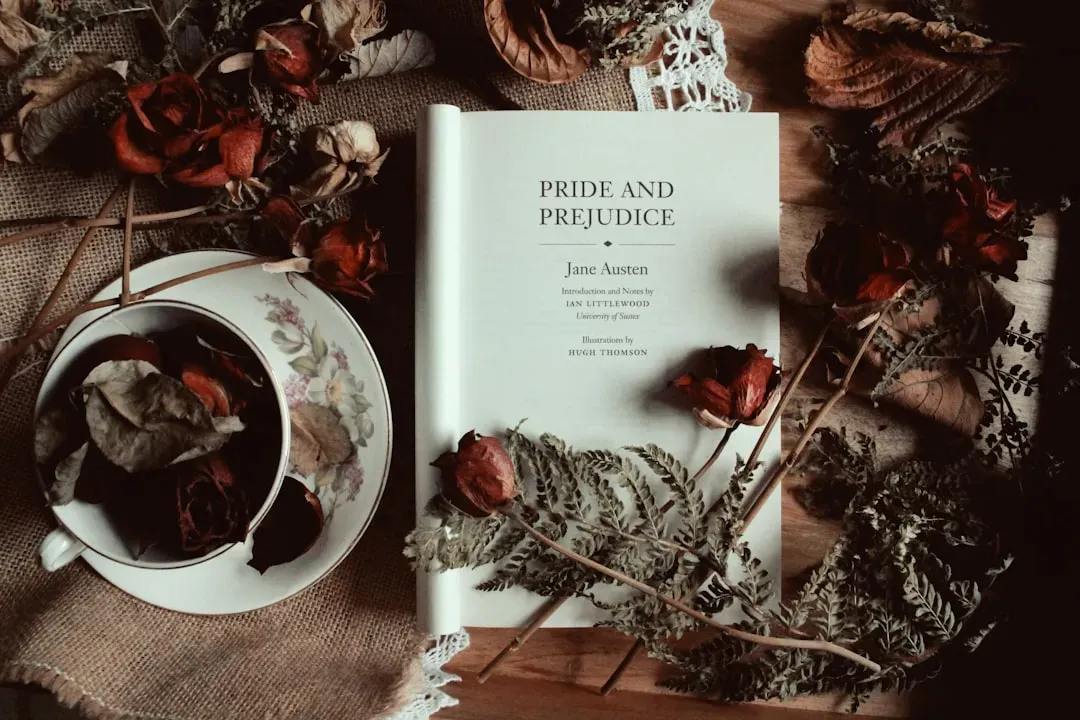
Honestly, few novels in the English language have had the staying power of Jane Austen’s most beloved work. Pride and Prejudice is Austen’s most popular novel and has sold more than 20 million copies alone. That is an astonishing number for a book first published in the early nineteenth century.
Pride and Prejudice is a romantic novel by Jane Austen, first published in 1813. It charts the emotional development of the protagonist Elizabeth Bennet, who learns the error of making hasty judgments and comes to appreciate the difference between the superficial and the essential. The comedy of the writing lies in the depiction of manners, education, marriage, and money during the Regency era in Britain.
At its core, Pride and Prejudice is a story about the importance of not judging others based on first impressions and the dangers of allowing our prejudices to cloud our judgment. It also explores themes of class, gender, and the societal expectations placed on women. These themes feel just as urgent in 2026 as they did two hundred years ago. Think about it: how often do we still judge people on first glance?
Pride and Prejudice retains a fascination for modern readers, continuing near the top of lists of “most loved books.” It has become one of the most popular novels in English literature and receives considerable attention from literary scholars. Going back to this one is like visiting an old friend who always has something new to say.
2. To Kill a Mockingbird by Harper Lee (1960)

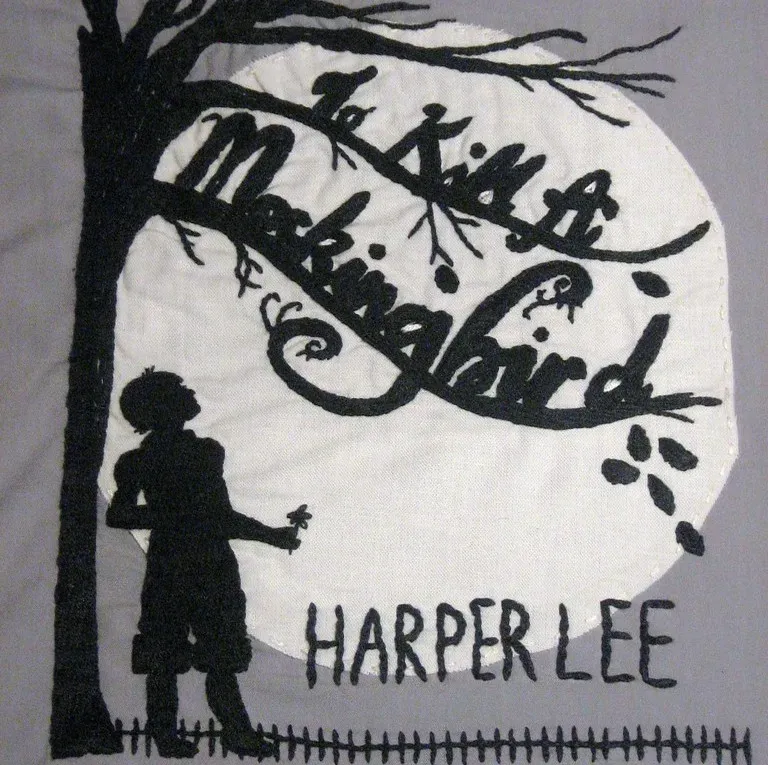
Here is a book that has made grown adults cry on public transport. No shame in that whatsoever. The unforgettable novel of a childhood in a sleepy Southern town and the crisis of conscience that rocked it, To Kill a Mockingbird became both an instant bestseller and a critical success when it was first published in 1960.
To Kill a Mockingbird became both an instant bestseller and a critical success. It went on to win the Pulitzer Prize in 1961 and was later made into an Academy Award-winning film. Compassionate, dramatic, and deeply moving, it takes readers to the roots of human behavior, to innocence and experience, kindness and cruelty, love and hatred, humor and pathos.
Focusing on the childhood chronicles of Scout and Jem as their lawyer father defends a Black man who is falsely accused of a devastating crime, To Kill a Mockingbird is a powerful coming-of-age novel that reflects on justice and the consequences of racism and prejudice. Reading it as an adult hits differently. What feels like a children’s adventure the first time becomes something far heavier when you understand the weight of what Atticus Finch is actually fighting.
Scholars have noted that Lee also addresses issues of class, courage, compassion, and gender roles in the American Deep South. The book is widely taught in schools in the United States with lessons that emphasize tolerance and decry prejudice.
3. The Great Gatsby by F. Scott Fitzgerald (1925)

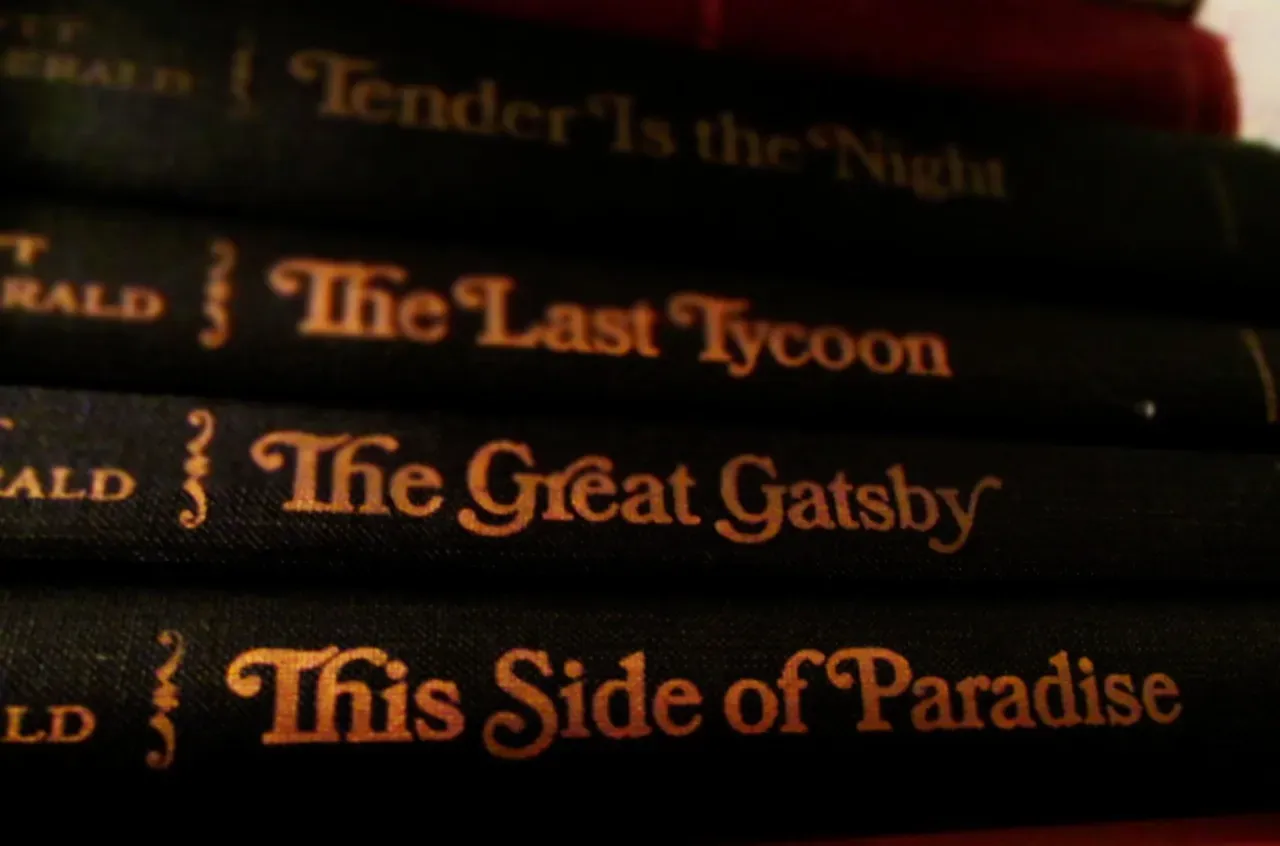
Every time someone throws a lavish party, someone else will inevitably whisper “very Gatsby of them.” The cultural footprint of this slim novel is enormous. The Great Gatsby, published in 1925, has sold over 30 million copies. The hit title is still selling at a rate of around 500,000 copies annually.
Considered to be Fitzgerald’s magnum opus, The Great Gatsby explores themes of decadence, idealism, resistance to change, social upheaval, and excess, creating a portrait of the Roaring Twenties that has been described as a cautionary tale regarding the American Dream. That idea of chasing something just out of reach is painfully relatable in any decade.
Taking place in 1920s America, this novel revolves around extravagantly wealthy Jay Gatsby and his unexplainable love for the beautiful and charming Daisy Buchanan. From lavish parties on Long Island to toilet sets made of gold, this bold novel depicts luxury at its finest. Re-reading it as an adult, you stop rooting for Gatsby quite so completely. The tragedy lands much harder.
F. Scott Fitzgerald’s beloved tale is exquisitely written and successfully exposes the illusion that is the American Dream. With only 208 pages, it is the perfect pick for anyone who wants a quick read.
4. 1984 by George Orwell (1949)

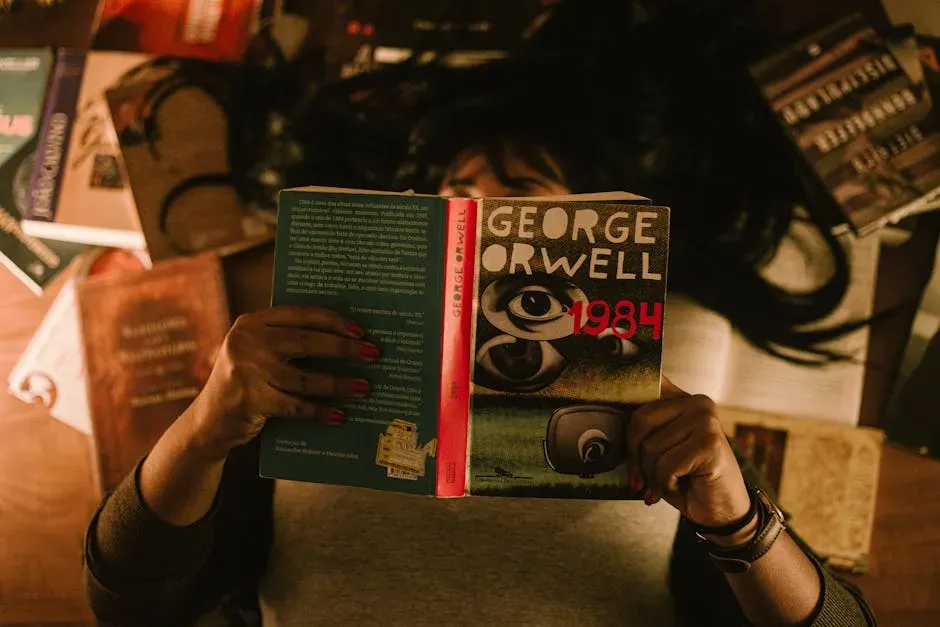
It is genuinely unsettling how relevant this book still feels. More and more people are reading Orwell’s books, especially with everyone saying “it’s so Orwellian” these days. The word has practically become part of our everyday vocabulary.
Nineteen Eighty-Four, often published as 1984, is a dystopian novel by English writer George Orwell published in June 1949, whose themes center on the risks of government overreach, totalitarianism, and repressive regimentation of all persons and behaviors within society. The novel is set in an imagined future when much of the world has fallen victim to perpetual war, omnipresent government surveillance, and propaganda.
George Orwell’s stirring novel follows the life of Winston Smith, a low-ranking man who works in the Ministry of Truth and fights against the all-pervading totalitarian Party. Timeless and still relevant, 1984 cleverly warns readers of the dangers of totalitarian government and political systems while examining the manipulation of truth in politics.
I think what makes returning to 1984 so uncomfortable is that you notice things you missed the first time. The subtle ways language is weaponized. The slow erosion of private thought. It reads less like a warning now and more like a field guide.
5. Anna Karenina by Leo Tolstoy (1877)

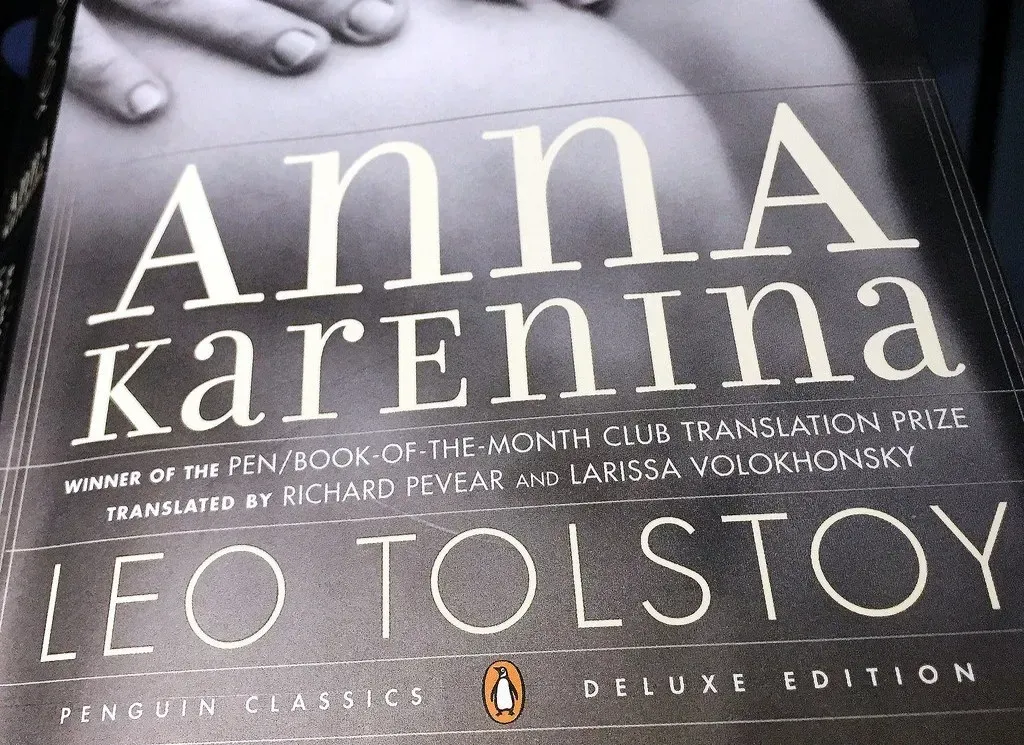
Let’s be real – the sheer length of this novel intimidates most people into avoiding it. That is a mistake worth correcting. Tolstoy wrote Anna Karenina in the height of what is now called the Golden Age of Russian Literature. Romanticism was at its peak, and the movement inspired writers in all genres.
Anna Karenina was published in serial installments from 1873 to 1877 in a magazine called The Russian Messenger. Leo Tolstoy’s Anna Karenina tells the story of a polished, sophisticated woman who feels empty and unfulfilled as the wife of Karenin, and turns to Count Vronsky to satisfy her passionate nature.
Classics make up a small segment of the U.S. publishing market, but they have the potential to turn into breakout hits. Demand soared for the 2001 translation of Tolstoy’s Anna Karenina after Oprah Winfrey chose it for her book club in 2004, and publisher Viking Penguin sold more than 635,000 copies since its release in paperback.
The novel is far more than a love story gone wrong. It is a meditation on freedom, society, and what it truly costs to be yourself when the world refuses to let you. Re-reading it, you realize it was never really about Anna at all – it was always about Levin, quietly searching for meaning in the background.
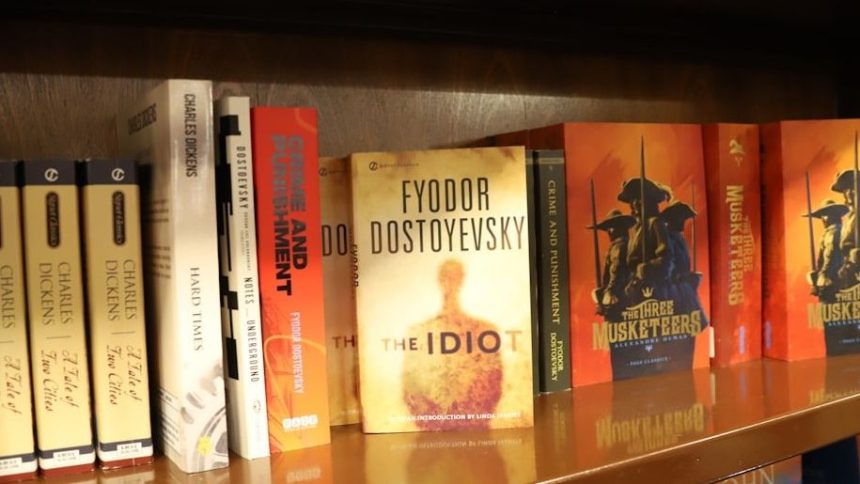
6. Crime and Punishment by Fyodor Dostoevsky (1866)


If you slogged through this in school and never want to hear the name Raskolnikov again, I understand completely. Still, this is one of those novels that rewards a patient adult re-read in a way few others can match. After committing the perfect murder without any remorse or regret, former student Raskolnikov begins to question his integrity as his conscience begins to weigh him down. Dostoevsky is undoubtedly one of the most talented writers ever, and Crime and Punishment proves that. Exploring unattainable ambitions and pride, this iconic novel perfectly depicts alienation from society and the consequences of the superiority complex.
Dostoevsky’s novels, such as Crime and Punishment and The Brothers Karamazov, also explore the inner ranges of human experience, trying to capture both the individual and the national experience. That psychological depth is what makes this novel feel so modern, even a century and a half after it was written.
The book asks a question that has no clean answer: can an exceptional person justify terrible actions for the greater good? Reading it as a teenager, you might nod along with Raskolnikov’s logic. Reading it as an adult, you understand exactly why that logic crumbles so completely.
7. Jane Eyre by Charlotte Brontë (1847)


There is a reason Jane Eyre feels so alive on the page: she is one of the most fiercely independent protagonists in all of Victorian literature. Long before the word “feminist” existed in the modern sense, Charlotte Brontë wrote a character who refused to be diminished by anyone – including the man she loved.
Classic literature, typically recognized as foundational works from authors such as Homer, Shakespeare, and Jane Austen, laid the groundwork for narrative structure, thematic exploration, and character development. These classic texts often delve into universal themes such as love, morality, and the human condition, receiving admiration for their artistic and intellectual depth. Jane Eyre fits squarely into this tradition.
The gothic atmosphere of Thornfield Hall, the mystery of the attic, the raw emotional honesty of Jane’s voice – these elements hold up magnificently on a re-read. You notice new layers of symbolism in the fire, the ice, the blinding. Brontë was doing far more than telling a romance. She was mapping the interior geography of a woman’s self-determination.
It is hard to say for sure, but I think Jane Eyre might actually get better with every single re-read. The ending, which once felt triumphant and simple, becomes richer and slightly more complicated the older you get.
8. Moby-Dick by Herman Melville (1851)

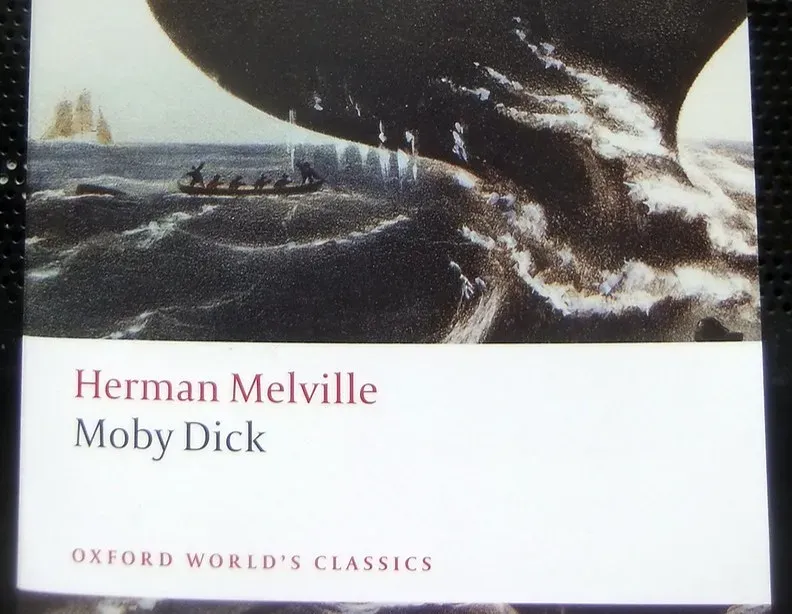
Moby-Dick is the novel everyone claims to have read and very few have actually finished. That is a shame, because beneath the seemingly endless chapters about whale anatomy lies one of the most ambitious explorations of obsession, fate, and human hubris ever committed to paper.
The greatest books are generated by aggregating hundreds of lists from various critics, authors, experts, and readers, and Moby-Dick consistently ranks at the very top of those combined lists. It is no accident. The scope of Melville’s ambition in this novel is genuinely staggering.
The story of Captain Ahab’s fixation on the white whale is really a story about what happens when a man allows one defeat to define his entire existence. It is obsession as religion. And Ishmael, watching it all from the sidelines, is us – the helpless witness to someone else’s magnificent self-destruction.
Re-reading it with patience, rather than trying to race through it for a grade, transforms the experience entirely. The digressions about whaling and the sea are not interruptions to the story. They are the story. They are the world Ahab is willing to destroy.
9. Don Quixote by Miguel de Cervantes (1605)

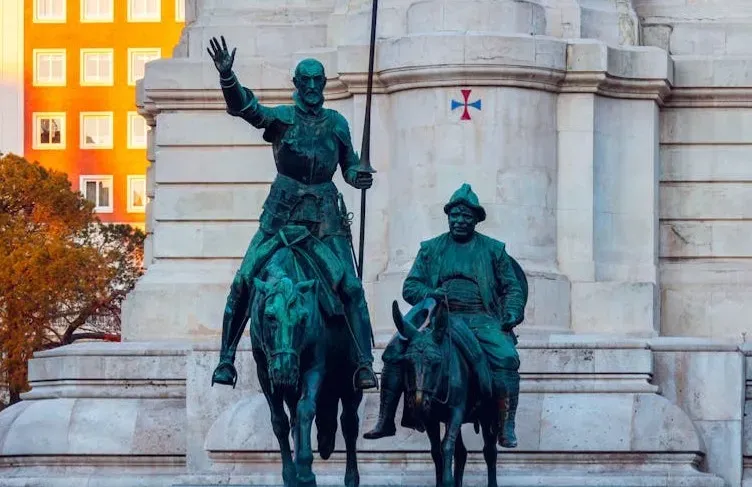
Here is an almost shocking fact: Don Quixote is widely considered the first modern European novel, published over four hundred years ago. Often referred to as the first modern European novel, Don Quixote follows the exploits of the titular noble who becomes obsessed with the romantic notion of chivalry. On a self-imposed mission to become a knight-errant, Don Quixote recruits common farmer Sancho Panza as his squire.
What is remarkable is how funny it still is. Cervantes was writing comedy – sharp, knowing, deeply human comedy – that lands just as well in 2026 as it did in the seventeenth century. The friendship between the deluded Don and his grounded squire is one of the most touching in all of literature.
Individual books that have sold more than 100 million copies include A Tale of Two Cities, with Don Quixote estimated among the highest-selling works of fiction in history. Those numbers reflect centuries of readers recognizing something of themselves in a man who simply refuses to accept that the world is ordinary.
Re-reading Don Quixote, you realize it is actually a deeply sad book disguised as a comic one. That tension between idealism and reality never gets resolved. It just gets more beautiful as the pages go on.
10. Beloved by Toni Morrison (1987)

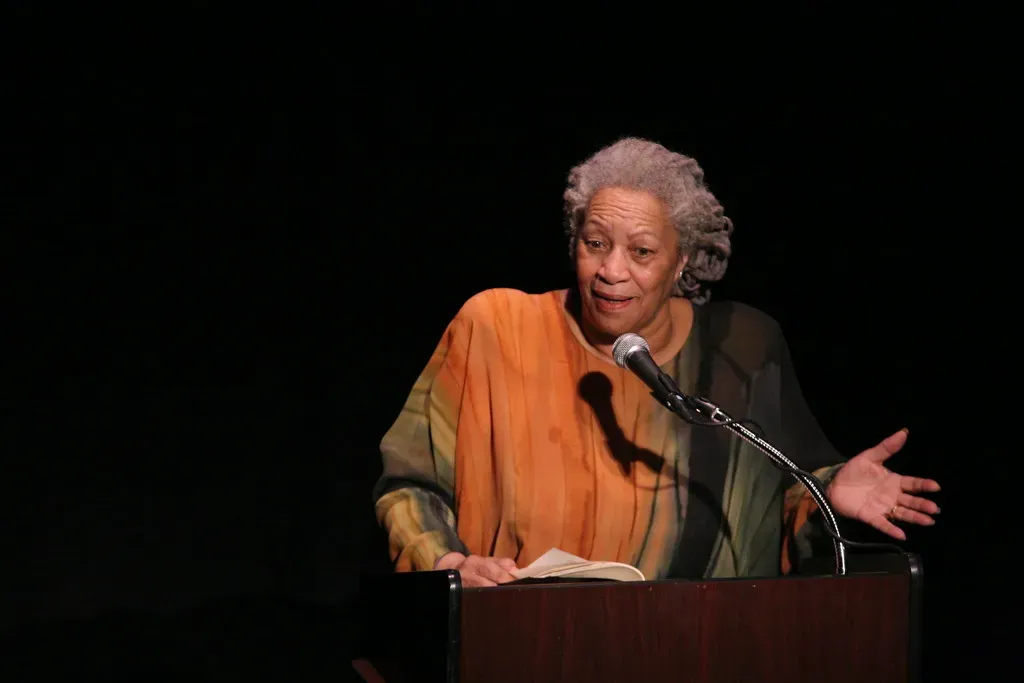
Few novels demand as much of the reader – emotionally, intellectually, morally – as Toni Morrison’s masterpiece. Toni Morrison’s 1987 spiritual and haunting novel Beloved tells the story of an escaped slave named Sethe who has fled to Cincinnati, Ohio, in the year 1873. The novel investigates the trauma of slavery even after freedom has been gained, depicting Sethe’s guilt and emotional pain after having killed her own child to keep her from living life as a slave.
The novel was lauded for addressing the psychological effects of slavery and the importance of family and community in healing. Beloved was awarded the Pulitzer Prize for fiction in 1988. It is a book that changes people, and not always comfortably.
The book is a cultural landmark for breaking through the monotony of textbook descriptions and offering a human glimpse at a shameful season in history. That is perhaps the most precise description of what Morrison achieved: she made the unimaginable feel devastatingly real and personal.
Returning to Beloved as a more experienced reader, the structure of the novel – the way time loops and memory bleeds into the present – makes a new kind of sense. It is not just literary technique. It is the architecture of trauma itself, rendered in prose.
11. Les Misérables by Victor Hugo (1862)


Most people know Les Misérables from the musical, with its soaring songs and barricade scenes. The novel is something else entirely – a vast, overwhelming social document that also happens to be one of the most gripping stories ever told. Jean Valjean’s transformation from hardened convict to compassionate man is one of literature’s great portraits of redemption.
A Tale of Two Cities has been adapted to film, radio, and the stage countless times, and has come to influence almost every avenue of popular culture – the same can be said of Les Misérables, which remains one of the best beloved and most often read novels of all time.
Hugo uses his sprawling narrative to argue something radical: that poverty and injustice, not moral weakness, create crime. Inspector Javert, who might initially seem like a villain, is actually one of the most tragic figures in the novel – a man so committed to law that he cannot conceive of grace.
Re-reading Hugo’s chapters on the Battle of Waterloo or the Paris sewers, which seem so indulgent the first time around, you begin to understand that they are not distractions. Every digression is Hugo building the world that makes Jean Valjean’s choices inevitable.
12. Mrs. Dalloway by Virginia Woolf (1925)

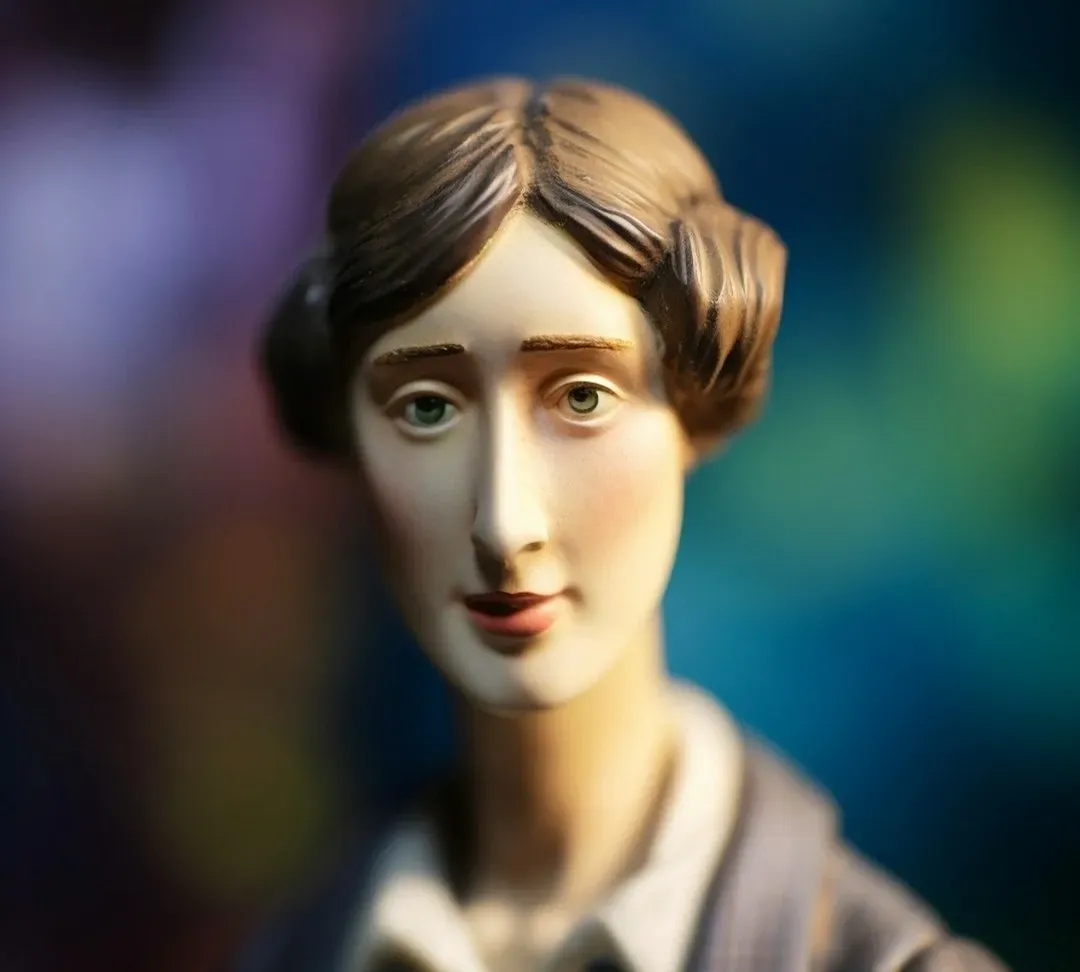
Virginia Woolf wrote a novel about a single day in London and managed to contain an entire human life inside it. Possibly the most idiosyncratic novel on any classic list, Virginia Woolf’s Mrs. Dalloway describes exactly one day in the life of a British socialite named Clarissa Dalloway. Using a combination of third-person narration and the thoughts of various characters, the novel uses a stream-of-consciousness style all the way through. The result is a deeply personal and revealing look into the characters’ minds, with the novel relying heavily on character rather than plot to tell its story.
The thoughts of the characters include constant regrets and thoughts of the past, their struggles with mental illness and post-traumatic stress from World War I, and the effect of social pressures. The novel’s unique style, subject, and time setting make it one of the most respected and regarded works of all time.
The progression into modern fiction began to take shape in the late 19th and early 20th centuries, marked by a significant shift in style and perspective. Authors like Virginia Woolf, F. Scott Fitzgerald, and James Joyce introduced innovative narrative techniques, including stream-of-consciousness and nonlinear storytelling.
The first time through Mrs. Dalloway can feel disorienting. The second time, it feels like coming home to a place you never quite knew you belonged. The parallel between Clarissa’s party-filled day and Septimus’s broken suffering is not subtle – it is devastating.
13. A Tale of Two Cities by Charles Dickens (1859)

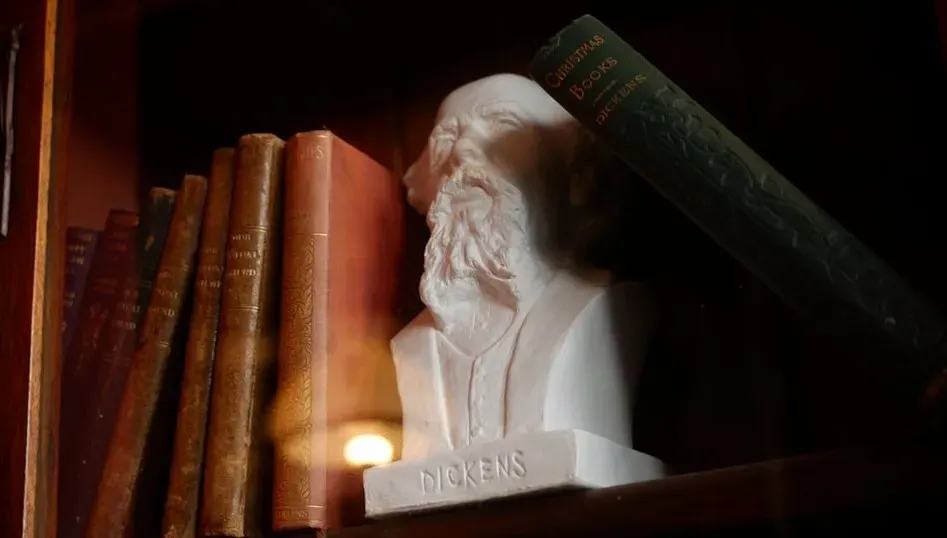
The most famous opening line in literature belongs to this book, and for good reason. Dickens captured a paradox at the heart of history itself, and it has never stopped being true. A tale of personal struggles and a desperate love triangle set against the historical backdrop of the French Revolution, A Tale of Two Cities has been adapted to film, radio, and the stage countless times, and has come to influence almost every avenue of popular culture.
Individual books that have sold more than 100 million copies include A Tale of Two Cities, making it one of the single best-selling novels in human history. That is not a coincidence. Dickens tapped into something permanent about sacrifice, love, and what we owe to each other in times of upheaval.
The character of Sydney Carton, a dissolute lawyer who finds his highest purpose in the shadow of the guillotine, is one of the most quietly devastating figures in all of English fiction. He is not heroic in any conventional sense. He is simply someone who finally found something worth more than his own life.
Re-reading A Tale of Two Cities, the social commentary cuts sharper than you remember. Dickens was not just writing about 1789 France. He was writing about every moment in history when ordinary people are ground up by systems that were never designed to protect them. The warning feels just as fresh today.
Why Classic Novels Still Matter in 2026


Book Riot published predictions for 2025 reading trends, and “renewed interest in classics” was one of the top forecasts. That prediction turned out to be accurate. Alongside modern trends, there was a growing renewed love for classics, with readers revisiting older works for depth, language, and timeless themes.
Classic literature continues to secure its place in educational curricula and reading lists, drawing attention to timeless themes, even as modern narratives gain traction. There is a reason for that staying power, and it is not nostalgia. These books survived because they refused to lie about the human condition.
According to the NEA’s 2022 Survey of Public Participation in the Arts, the percentage of adults who read at least one book in the past year fell from 54.6% a decade ago to 48.5%. That decline makes returning to great literature feel not just enjoyable, but genuinely important – almost an act of resistance against distraction and shallow scrolling.
The thirteen novels on this list have outlasted empires, wars, and technological revolutions. They will outlast whatever comes next too. The only question is whether you will pick one up and let it do what only the best books can do: remind you what it actually means to be alive. Which one will you reach for first?