Some books don’t just sit quietly on a shelf. They get burned, banned, smuggled across borders, and hauled into courtrooms. They make people furious. They also make people think in ways they never had before. That tension between outrage and genius is exactly what makes certain books impossible to ignore, even decades or centuries after they were written.
Honestly, I think controversy in literature has always been a sign that a work is doing something right. It means it’s pushing against something. The books on this list didn’t just spark debates – they rewired how we understand storytelling, freedom, morality, and the written word itself. According to data from the American Library Association’s Office for Intellectual Freedom, in 2024 alone there were 821 attempts to censor library materials, challenging 2,452 unique book titles. The fight over what we’re allowed to read is very much still alive. So let’s look at five books that started it all – or at least turned up the heat dramatically. Let’s dive in.
1. Ulysses by James Joyce (1922) – The Book That Went to Court

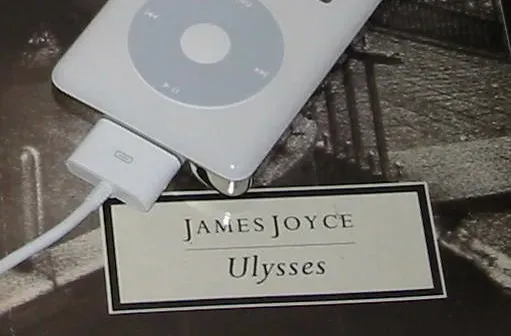
Here’s the thing about Ulysses – it was controversial before it was even finished. Ulysses had been banned even before Joyce finished writing it. In 1918, as he was completing the novel, Joyce sent chapters to the New York-based literary magazine the Little Review, which published them in installments. What followed was one of the most dramatic censorship battles in literary history.
A specific chapter features the novel’s main character, Leopold Bloom, masturbating on a beach while gazing at a 17-year-old girl. It was this episode, published in 1920, that caught the attention of a New York lawyer’s daughter, who referred it to the New York Society for the Suppression of Vice. A prosecution was launched. The editors of the Little Review were taken to court and fined for publishing an obscene work.
The book was eventually issued in Paris in 1922, under the imprint of the avant-garde bookstore Shakespeare and Company. Joyce gave Sylvia Beach, the bookstore’s proprietor, the world rights to Ulysses. It was a workaround that many authors of the era would go on to copy.
The book also broke new ground formally. It was radically experimental, involving new literary techniques such as the interior monologue, and a range of different styles, including a section written as a play script and another written in the style of a newspaper front page. Think of it like a literary Swiss Army knife – each chapter in a completely different form. When the official stance on the book was challenged in U.S. court in 1933, the judge called it a “sincere and honest book” and ruled that it be openly admitted into the United States. Random House promptly began typesetting the work to release a U.S. edition. The court decision had important and lasting legal impact: it was a turning point in reducing government censorship.
2. Lolita by Vladimir Nabokov (1955) – The Masterpiece Nobody Wanted to Publish

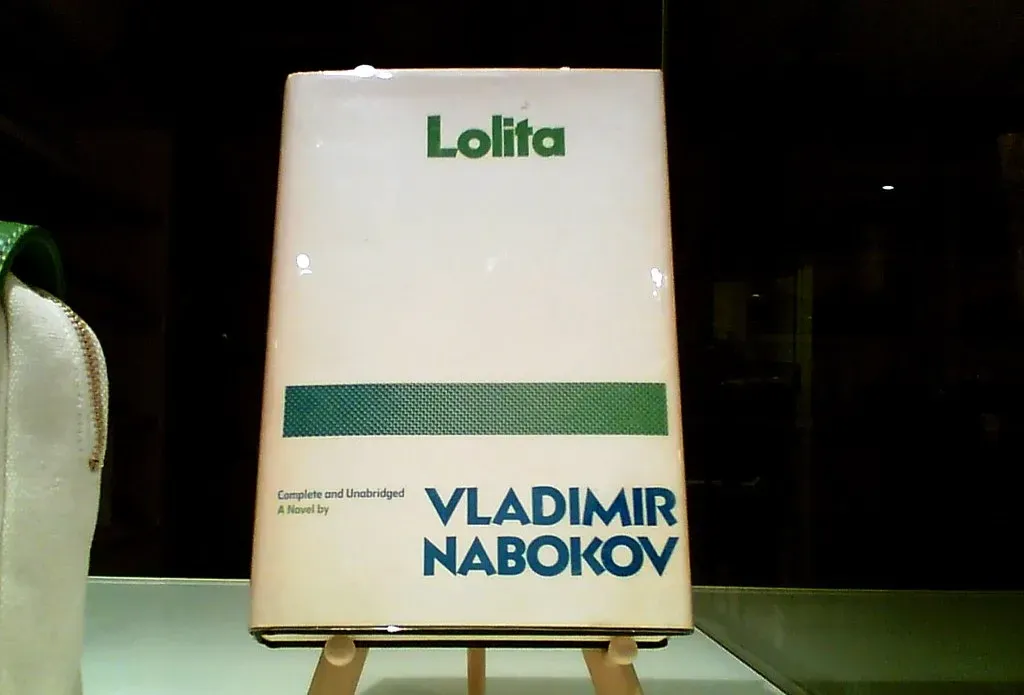
Few books in history have been simultaneously celebrated as a masterpiece and condemned as morally reprehensible. Lolita is a 1955 novel by Vladimir Nabokov. The protagonist and narrator is a French literature professor who moves to New England and writes under the pseudonym Humbert Humbert. He details his obsession with and victimization of a 12-year-old girl, Dolores Haze, whom he describes as a “nymphet.” Humbert kidnaps and sexually abuses Dolores after becoming her stepfather.
Nabokov began approaching publishers with the manuscript in 1954, but it was repeatedly rejected by US and British publishing houses due to its controversial content. In its rejection letter, a representative of Viking Press wrote, “We would all go to jail if the thing were published.” That’s not exactly a glowing endorsement. Still, the book found its way.
Lolita eventually found a home at the Paris-based Olympia Press – a publishing house with a reputation for publishing “dirty” books, something Nabokov was unaware of – and was published in 1955. The initial print run of 5,000 copies sold out. While never banned in the United States, distribution became illegal in France, the UK, Canada, Argentina, New Zealand, and South Africa.
The backlash didn’t crush the book. If anything, it fueled it. When Lolita was published in the U.S. in 1958, it sold 100,000 copies in three weeks, the fastest sales for an American novel since Gone With the Wind. To date, Lolita has sold more than 50 million copies worldwide. The book has received critical acclaim regardless of the controversy it caused, and has been included in many lists of best books, such as Time’s List of the 100 Best Novels and Le Monde’s 100 Books of the Century.
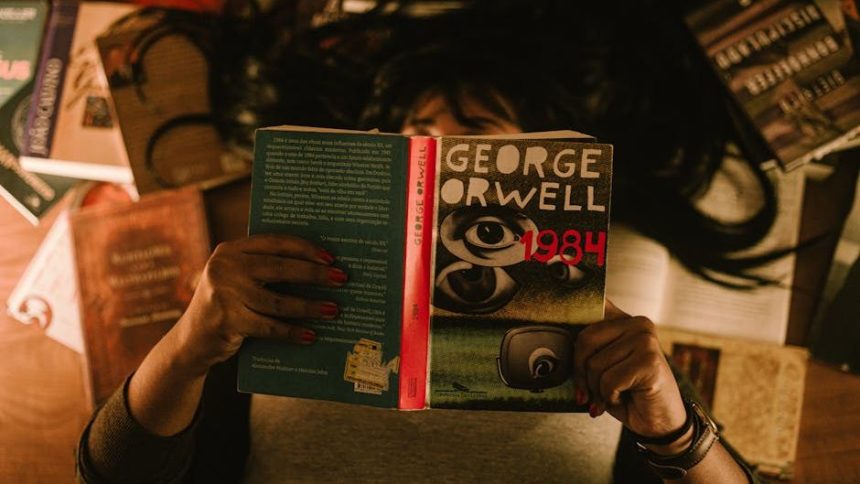
3. 1984 by George Orwell (1949) – The Warning That Keeps Coming True

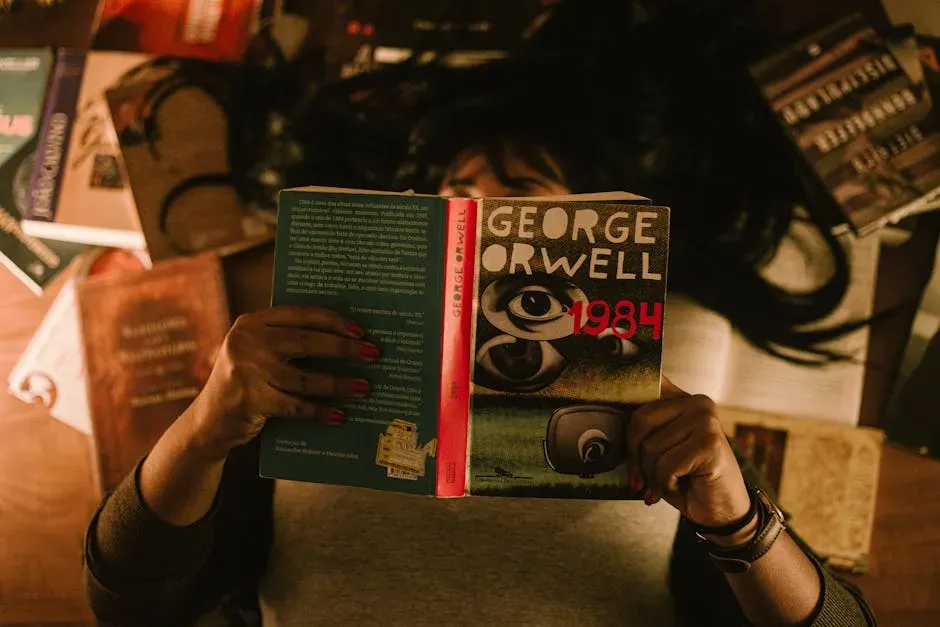
Some books are timely. 1984 is something else entirely – it seems to get more relevant with each passing year. George Orwell’s 1984 is a dystopian novel warning against totalitarianism and the dangers of surveillance and propaganda. Published in 1949, it presents a chilling vision of a future where individual freedoms are suppressed. Its critiques of government control and manipulation remain politically charged, resonating with contemporary issues of privacy and state power.
Yes, 1984 is banned in some countries where authoritarian regimes are in power. Set in a dystopian future, it follows Winston Smith, a low-ranking member of the ruling Party in London, as he navigates life under the oppressive regime of Big Brother. That is a portrait that has made governments uncomfortable since the day it was published. And honestly, it should.
With extraordinary relevance and renewed popularity, George Orwell’s 1984 takes on new life again and again. The concepts Orwell invented – doublethink, thoughtcrime, the memory hole – have become part of the everyday vocabulary of political commentary worldwide. Think about how often you hear the word “Orwellian” in the news. That’s a writer who didn’t just predict the future; he gave us the words to describe it.
From the banning of works like All Quiet on the Western Front and the repeated suppression of On the Origin of the Species, to 1984, Fahrenheit 451, and others, some banned books have played an astonishing role in changing history. 1984 sits at the very top of that list. It is far more than a novel – it is a piece of political philosophy dressed up as fiction, and it remains required reading for anyone trying to understand how power corrupts language, and then everything else.
4. The Satanic Verses by Salman Rushdie (1988) – When a Novel Became a Death Sentence

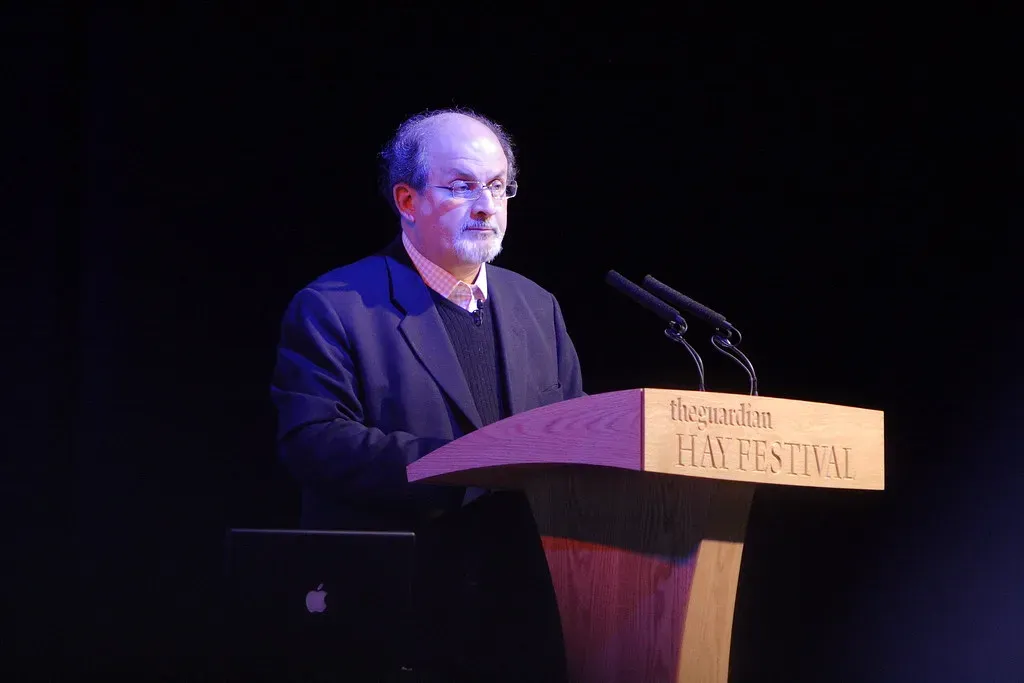
No book in modern literary history provoked a more dangerous real-world response than The Satanic Verses. Perhaps one of the most infamous cases of literary controversy, The Satanic Verses by Salman Rushdie was published in 1988 and quickly ignited a firestorm of protest, particularly from the Muslim community. The controversy that followed was not just about criticism or book banning. It was about survival.
The Satanic Verses is banned in Iran, Pakistan, Bangladesh, and was temporarily banned in India. The response went far beyond removing it from shelves. The Satanic Verses remains a symbol of the clash between religious sensitivity and freedom of speech. It continues to be a subject of debate, representing the dangers that controversial ideas can pose to both authors and society.
I think what makes this book so important to literary history is not even the content itself – it is the fact that its publication forced the entire world to confront a question that had never been tested so publicly: does freedom of expression have limits when it comes to religious belief? There is no easy answer. The debate continues in 2026, arguably more intensely than ever.
The novel follows the lives of two Indian expatriates, Gibreel Farishta and Saladin Chamcha, who survive a terrorist attack on their plane but are transformed in strange ways. The novel’s narrative is dense, surreal, and deeply literary. It is worth remembering that before everything else, The Satanic Verses is a serious work of fiction – one that won the Booker Prize in its year of publication. Its controversy does not diminish its craft. If anything, it amplifies how much words can matter.
5. To Kill a Mockingbird by Harper Lee (1960) – The Classic That Still Gets Challenged

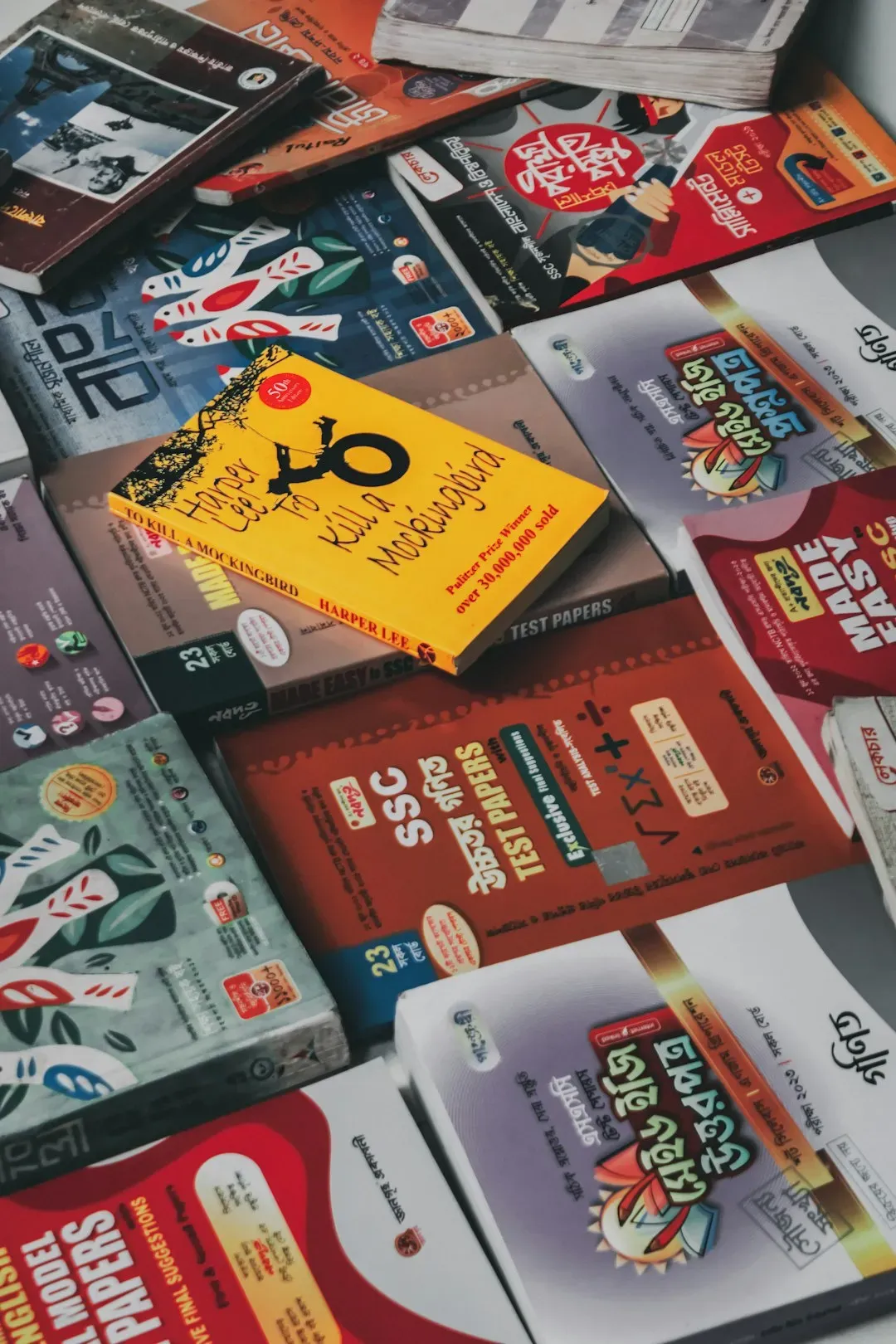
Here is a book that won the Pulitzer Prize, became a staple of school curriculums across the globe, and is still being challenged and removed from school libraries in the 2020s. After it was published in 1960, To Kill a Mockingbird instantly became a huge success and is known today as a modern classic. The story is loosely based on events of the author’s childhood and the main themes are the destruction of innocence and racial injustice.
In the book, Lee also touches on issues of courage, compassion, class, and gender roles in the Deep South. Today, the book is widely taught in schools across the globe, with lessons that decry prejudice and emphasize tolerance. However, it has also been called a profanely racist and degrading work that “promotes white supremacy.” There have been plenty of campaigns to remove the book from U.S. classrooms because of its use of racial epithets.
The tension around this book reveals something uncomfortable. A novel written to fight racism is now regularly accused of perpetuating it. It was challenged at some Indiana schools because the book was said to do “psychological damage to the positive integration process” and “represents institutionalized racism under the guise of good literature.” After unsuccessfully trying to ban Lee’s novel, three Black parents resigned from the township human relations advisory council. That is the complexity of this book in a nutshell – it generates passionate, opposing feelings from people on the same side of history.
To Kill a Mockingbird, this Pulitzer Prize-winning novel considered an American classic, was challenged and banned in recent years because of violence and its use of the N-word. In 2024, ALA recorded the third highest number of book challenges since tracking began in 1990, documenting 821 attempts to censor library books and other materials. ALA recorded attempts to remove 2,452 unique titles in 2024, which significantly exceeds the average of 273 unique titles that were challenged annually during 2001 to 2020. To Kill a Mockingbird remains in that contested space, which is perhaps the truest measure of its power.
Conclusion: Why Controversy Is Literature’s Greatest Compliment


What connects these five books is not simply that they caused trouble. It’s that they caused trouble because they told truths that people weren’t ready to hear. Ulysses reinvented the novel form. Lolita forced readers to wrestle with beauty and horror at the same time. 1984 gave us a blueprint for recognizing tyranny. The Satanic Verses tested the absolute limits of free expression. To Kill a Mockingbird asked Americans to look honestly at themselves.
These books represent the power of literature to provoke, challenge, and inspire debate. While they sparked controversy for various reasons – whether due to their content, ideology, or the issues they address – each has left a lasting impact on the world. Censorship of one form or another has existed almost as long as the written word, while definitions of what is deemed “acceptable” in published works have shifted over the centuries and from culture to culture.
Honestly, a book that nobody finds uncomfortable probably isn’t doing very much work. The greatest literature has always lived in the uncomfortable places – in the margins, the courtrooms, the burning piles, and the smuggled paperbacks hidden under someone’s coat. Which of these five surprised you the most? Tell us in the comments.