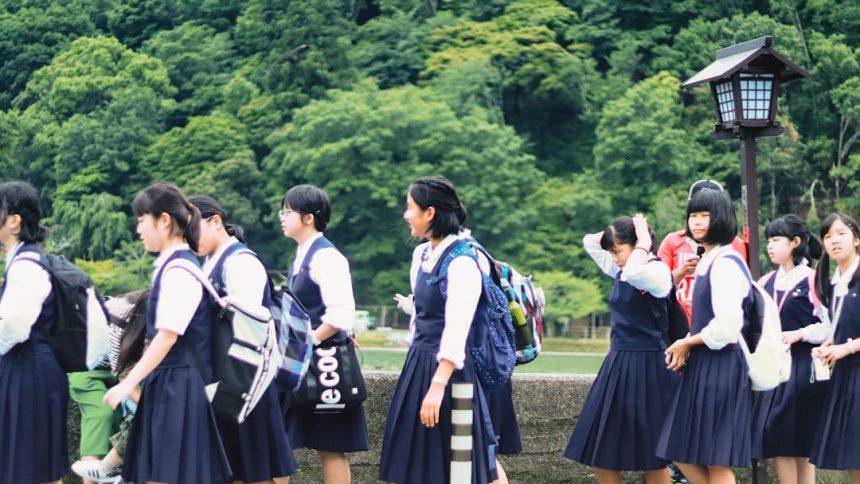
School shapes us in ways we rarely appreciate until we’re well clear of it. The routines, the rituals, the unspoken rules – they feel so permanent when you’re sitting in a plastic chair, and so avoidable in hindsight. Most former students look back on their classroom years with some warmth, but they’re also surprisingly candid about the practices they’d happily never revisit.
Some of these traditions were well-intentioned. Others were simply inherited from an earlier era and never questioned. Either way, when adults reflect honestly on their school days, a familiar list tends to surface – one part nostalgia, one part quiet relief that it’s over.
Being Called On Without Warning

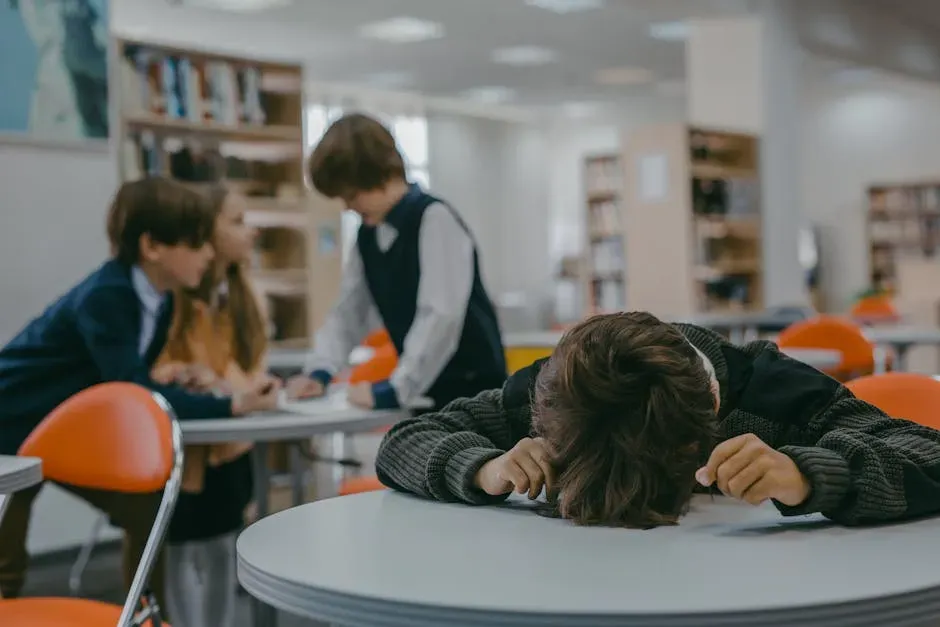
Few classroom moments created more dread than a teacher suddenly directing a question at a student who had no idea they were about to be put on the spot. Research shows that even in smaller classroom settings, students can experience real fear of negative evaluation when asked to speak in front of the whole class. The anxiety wasn’t imaginary – it was a documented, measurable stress response.
For many students, the threat of potential negative evaluation surfaced when instructors called on those who had not volunteered to answer. This kind of monitoring increases cognitive load and actually hinders a student’s ability to think and perform. In other words, cold calling often worked against the very thing it was supposed to achieve.
Nightly Homework That Never Seemed to End


Although there are positive aspects of homework, research has shown that the disadvantages of more than two hours per night often outweigh the benefits. Homework has a highly negative impact on students’ lives, frequently becoming a source of stress, loss of free time, and even a reason students begin to dislike learning. That’s a steep price for exercises that may or may not reinforce anything meaningful.
Large amounts of homework cause students’ academic performance to worsen, even among older students. Students who have more than ninety minutes of homework a day in middle school or more than two hours in high school actually score worse on standardized tests. Former students who survived marathon homework sessions now look at those evenings with a certain grim recognition.
Reading Aloud in Front of the Class
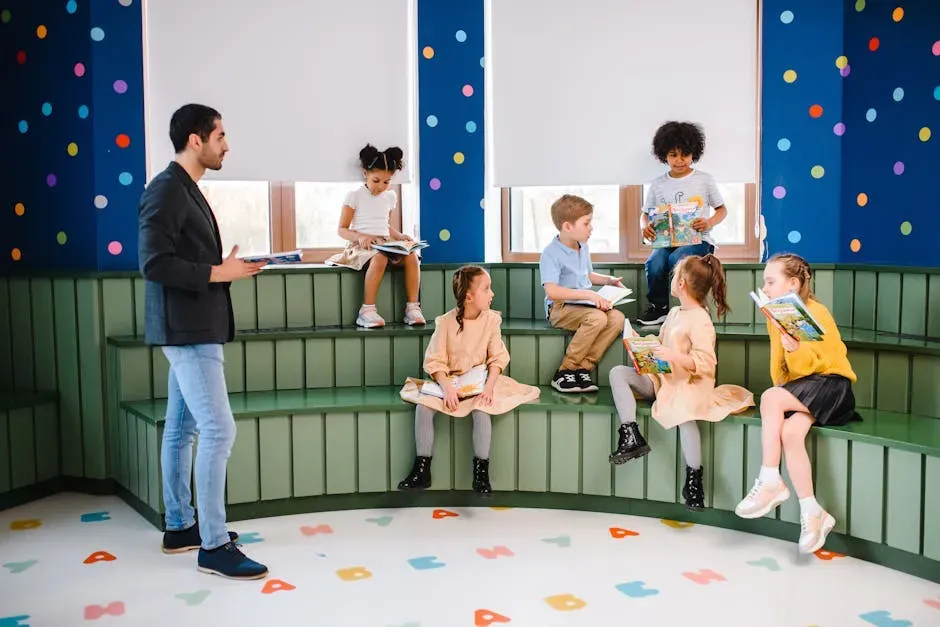
Round-robin reading – where students took turns reading paragraphs aloud to the class – was a fixture in elementary and middle school classrooms for decades. Modern classroom accommodation guidance now specifically recommends exempting students from reading aloud or demonstrating work in front of the class, and allowing them to present to the teacher privately instead. That shift reflects how much damage the old approach could do.
For students who struggled with reading pace, dyslexia, or simply nerves, the public performance aspect of round-robin reading was genuinely painful. The rest of the class often tracked along silently while one student stumbled, which helped nobody learn and humiliated plenty of people. Most former students rank it among the more unnecessary rituals of their school careers.
Rote Memorization of Facts and Dates
The education system has frequently prioritized short-term memorization over deep understanding. Students are taught to cram facts, take tests, and move on to the next set of information – a process that may produce high test scores but often fails to foster genuine understanding of the material. Children become skilled at temporarily retaining information without being able to apply it in any meaningful way.
Educators must recognize that work largely relying on rote memorization is a perfect fit for artificial intelligence. Rather than focusing on this approach, reimagining education to require more creativity and critical thought would better prepare students for the actual demands of modern life. Most adults can’t tell you what they memorized for their seventh-grade history test. That says something.
Timed Math Drills

The sight of a teacher setting a stopwatch before handing out a multiplication worksheet is seared into the memory of an entire generation. When teachers emphasize the memorization of facts and give timed tests to measure number fluency, students suffer in two important ways. For about one third of students, the onset of timed testing is the beginning of math anxiety. That anxiety, once sparked, can follow a person for years.
Speed and test-driven math classrooms lead many students who are slow and deep thinkers to believe that they simply cannot be good at math. Former students who went on to develop genuine confidence with numbers often did so despite the timed drill tradition, not because of it. The race-against-the-clock format measured pressure tolerance far more than actual mathematical ability.
Strict and Unforgiving Dress Codes
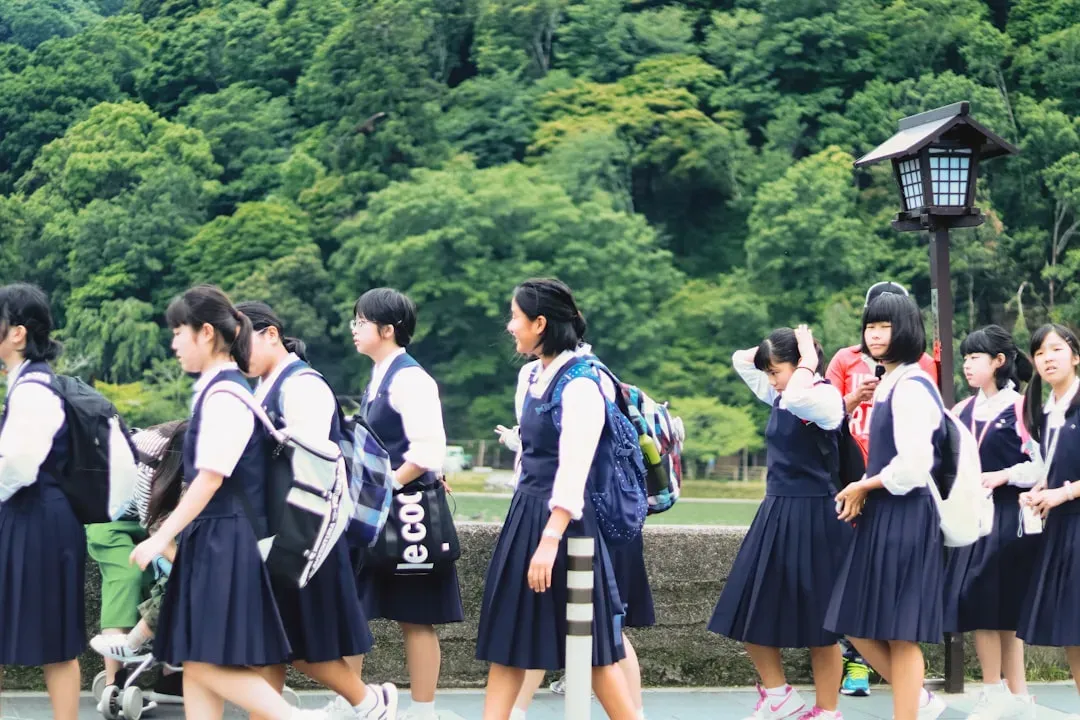
For school year 2019 to 2020, nearly half of schools nationwide reported enforcing a strict dress code, and nearly one in five required uniforms. The policies varied widely, but students across decades and districts shared a common grievance: they felt the rules were arbitrary, inconsistently enforced, and often demeaning. The vast majority of students said they dislike uniforms, although some agreed there were benefits.
The big irony at the heart of school dress codes is that they are drafted with the intention of eliminating distraction and helping learners. The opposite often happens, because learners themselves are targeted and become unable to focus on learning. Adults who once got sent home or pulled from class over a hem length or a logo tend to remember the interruption more than any lesson that day.
Standardized Testing Season

For many students, certain weeks of the school year were consumed entirely by bubble sheets and sharpened number-two pencils. Although examples of standardized tests can be found in American education dating back to the mid-1800s, it was the No Child Left Behind Act of 2002 that made annual testing a mandatory requirement in all 50 states, skyrocketing both the use of standardized tests and the stress levels of everyone involved.
The overemphasis on testing has led many teachers to eliminate projects and activities that provide students with opportunities to be creative and imaginative, and scripted curriculum has become the norm in many classrooms. Former students recall this period not as an accurate measure of their abilities, but as weeks of tension that interrupted actual learning and felt completely disconnected from anything they cared about.
The Dreaded Syllabus Day

The first day of every new class often followed the same script: the teacher distributed a multi-page syllabus, then read it aloud to a room full of teenagers who were already reading ahead. For many students and educators alike, the first days meant the dreaded syllabus review, a tired routine that neither teachers nor students particularly enjoyed. It was a ritual of pure administrative formality dressed up as classroom time.
The problem wasn’t the information itself – knowing expectations matters. The issue was the delivery, which assumed students couldn’t read independently and turned what could have been an engaging introduction to a subject into a monotonous recitation. Most former students would struggle to recall a single syllabus policy from their school years, which rather makes the point.
Pop Quizzes

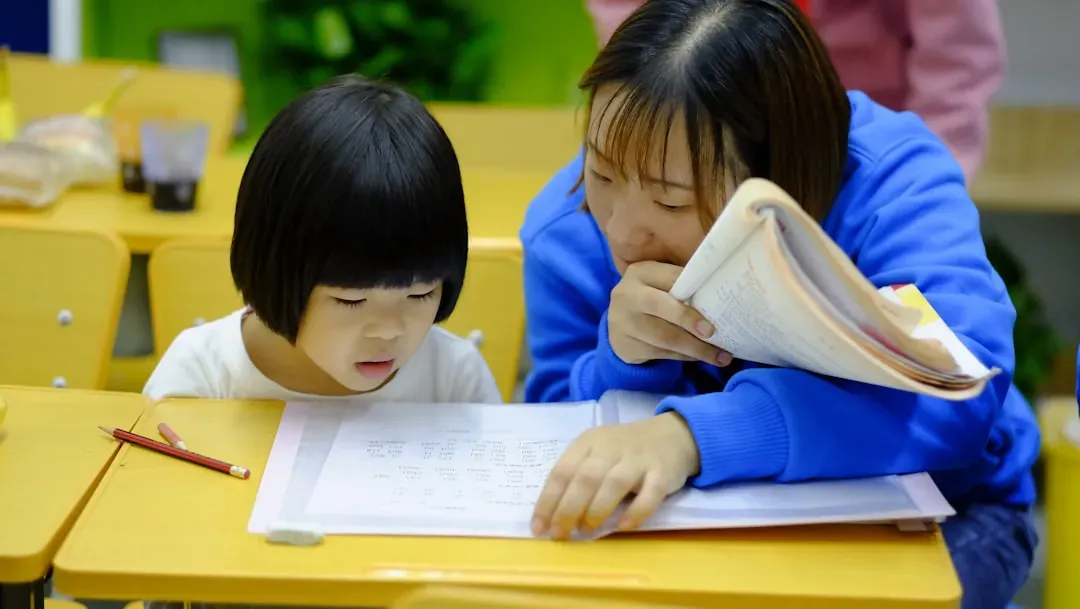
Few words sent a chill through a classroom quite like “clear your desks.” Quizzes usually appear out of nowhere, designed by teachers to find out where students stand in their studies at any given moment and to test how much information has stuck. In theory, that’s a reasonable goal. In practice, the surprise element introduced a layer of anxiety that often overshadowed any actual learning signal.
Former students describe the pop quiz less as a motivator to stay current with the material and more as a random tax on attention. The format rewarded those who happened to review the right material the night before, not necessarily those who understood the subject most deeply. Quizzes call for students to show what they know without preparation, and the surprise element can easily throw even a prepared student off track.
Lining Up for Everything
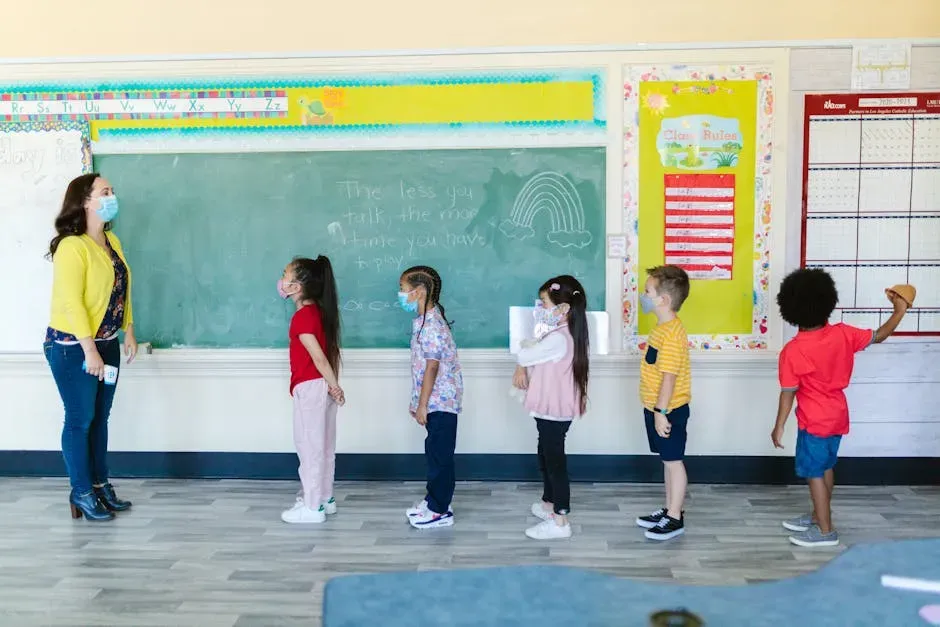
From the cafeteria to the bathroom to the assembly hall, students spent a remarkable portion of their school day in single-file lines. The ritual was presented as a necessary matter of order, but the reality was often just a stretch of enforced waiting with no educational value whatsoever. Students who fidgeted, talked, or stepped out of place quickly learned that the line itself was a test of obedience.
Looking back, many former students find the sheer quantity of queuing genuinely strange. Lunch lines in particular could eat into a significant chunk of a 30-minute break, leaving students with barely enough time to eat before being ushered back to class. The practice taught patience in a fairly joyless way and very little else.
Copying Text Off the Board
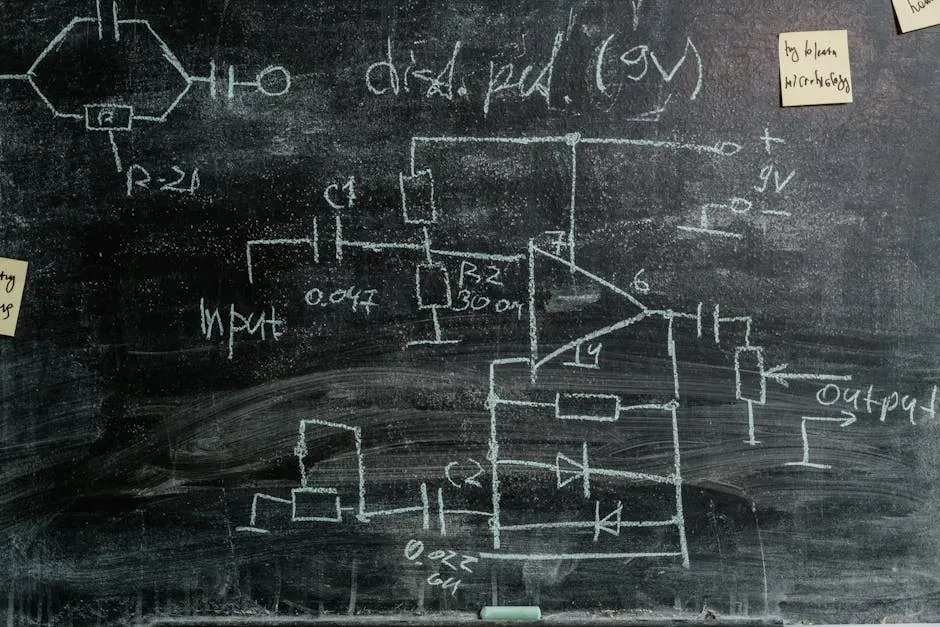
Before the era of printed handouts and digital slides, students frequently spent large portions of class time copying notes directly from a chalkboard or whiteboard. The exercise was often framed as a way to internalize information, though research on learning suggests that passive transcription does little to build genuine comprehension. Brains don’t typically store facts – they store perceptions and thoughts, which are more subjective than facts, and they hold onto what is relevant, useful, and interesting.
Copying text off a board required a student to focus almost entirely on handwriting speed rather than content understanding. Students who wrote quickly got everything down; slower writers missed material while catching up. The gap had nothing to do with intelligence or engagement, and yet it shaped what students walked away knowing. Former students recall aching wrists more vividly than the information they transcribed.
Mandatory Participation Grades

Grading students on how often they raised their hand in class sounds like a way to encourage engagement. In reality, it created a performance pressure that benefited the most extroverted students and quietly penalized those who processed information more internally. Even in smaller classes, students can experience significant fear of negative evaluation when asked to speak in front of the whole group. A participation grade didn’t erase that fear – it just made the stakes higher.
Many former students who were thoughtful, engaged learners in their own way still remember the anxiety of watching their hand-raise count and wondering whether their grade was suffering. The practice conflated volume of speech with depth of thought, which is a questionable trade-off in any learning environment. Quieter students often had plenty to say – they just didn’t want to say it in front of thirty people.
Competitive Classroom Rankings


In some classrooms, grades and test results were discussed, displayed, or distributed in ways that made relative performance visible to everyone. Being at the top felt good; being anywhere else could be quietly humiliating. School liking is an important factor in student engagement, well-being, and academic achievement, and it is also influenced by school culture, teacher support, and approaches to discipline. Public ranking tended to undermine exactly the kind of culture that helped students thrive.
Disliking a subject or feeling ranked at the bottom isn’t just a mood – it can shape academic trajectories. Studies show that students who rank a subject in the bottom quartile of enjoyment are significantly more likely to drop related elective options later. Former students who were once publicly ranked near the bottom of their class often carried that experience well past graduation, sometimes steering away from entire fields because of it.
The thirteen traditions above didn’t survive scrutiny simply because they were useful – many persisted through institutional inertia, a tendency in schools to repeat what was done before without asking whether it still made sense. Several decades-old school rules enforced conformity or applied punitive approaches without considering changes in society, and research shows that authoritarian environments breeding fear and suppression of individuality lead to poor learning outcomes. Former students, with the clarity of distance, seem to understand that intuitively. The rituals that genuinely helped them learn are the ones they remember fondly. The rest, they’re simply glad to have left behind.