Have you ever wondered why some books spark more outrage than admiration at first, only to become timeless pieces later? History has a funny way of turning controversial works into cultural treasures. Certain books didn’t just face criticism; they were banned, burned, and condemned by entire communities. Their authors received death threats, were dropped by publishers, and in some cases went into hiding for years.
Yet these very same books went on to sell millions of copies worldwide and shaped literary history. They challenged ideas, broke taboos, and forced society to confront uncomfortable truths.
Vladimir Nabokov’s Lolita: A Literary Masterpiece Born in Scandal

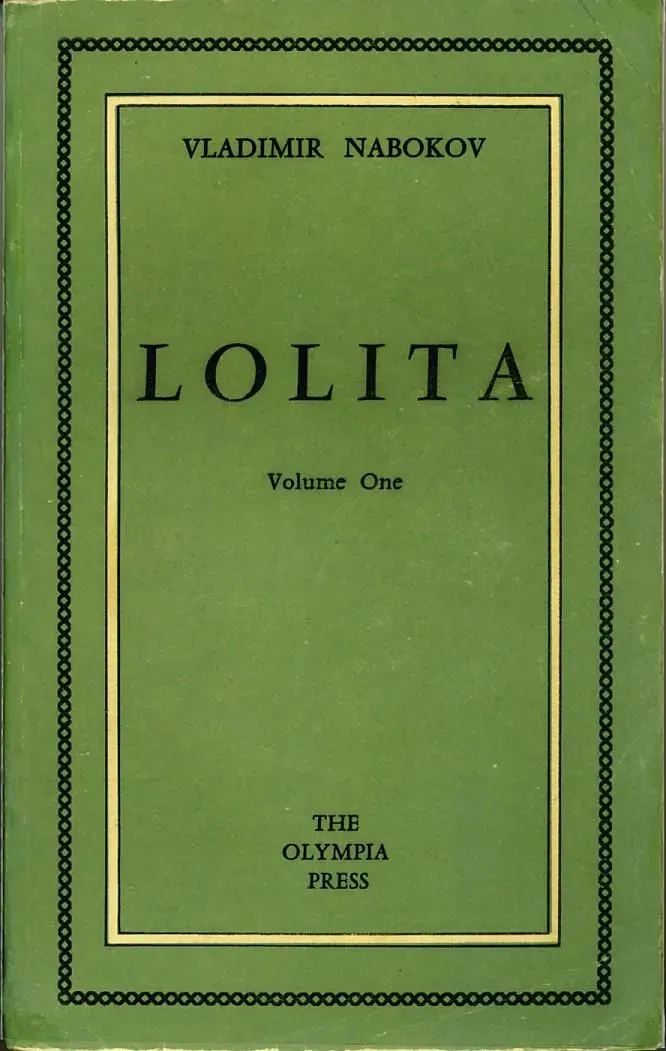
When Vladimir Nabokov’s Lolita was first published in Paris in 1955 by Olympia Press, fear of censorship in the United States and Britain prevented its initial publication there, though the book has since received critical acclaim despite the controversy. The novel became a near-instant bestseller in the US when it was finally released in 1958, shifting over 100,000 copies in its first three weeks alone. From the outset, Lolita was banned in several countries, including France, England and Argentina.
The story centers on Humbert Humbert, who details his obsession with a twelve-year-old girl named Dolores Haze. When the novel was published in the USA in 1958, it topped bestsellers lists, selling 100,000 copies in its first three weeks and was on its third printing within just a few days. Customs officials in the United Kingdom were instructed to seize copies of the book at the border, and a year later it was also banned in France.
The novel continues to generate controversy today as modern society has become increasingly aware of the lasting damage created by child sexual abuse, with an entire book published in 2008 on the best ways to teach the novel in a college classroom given its troublesome subject matter. Lolita received mixed reception from the very beginning since among its first nineteen reviewers eleven praised the book, five condemned it, and three remained neutral.
The Satanic Verses: A Book That Changed Geopolitics


The Satanic Verses is a magic realist epic novel by Indian-born writer Salman Rushdie that upon its publication in 1988 became one of the most controversial books of the late 20th century, with Iran’s Ayatollah Ruhollah Khomeini issuing a fatwa against it in 1989. UK-born Pakistani writer, Hanif Kureishi called the fatwa “one of the most significant events in postwar literary history”. On 14 February 1989, Ayatollah Ruhollah Khomeini issued a fatwa calling for the death of Rushdie and his publishers, informing all Muslims that the author and all editors and publishers aware of its contents are condemned to death.
Violent demonstrations followed in Pakistan; copies of the novel were burned in Britain, where several bookstores were bombed; and the work was banned in several countries. Within months of its publication, the novel was banned in a number of countries including Bangladesh, Sri Lanka and Sudan, with his native country of India banning the book’s import. Several assassination attempts followed, including the Japanese translator Hitoshi Igarashi who was stabbed to death in 1991.
The controversy fundamentally changed how authors and publishers thought about security. Rushdie went into hiding and lived for several years under the alias Joseph Anton, celebrating his literary heroes Joseph Conrad and Anton Chekhov, later publishing a memoir of his life in hiding under that title in 2012. Despite the decades of threats, the book has endured as an important work examining identity, migration, and cultural conflict.
American Psycho: When Your Publisher Refuses to Print Your Book

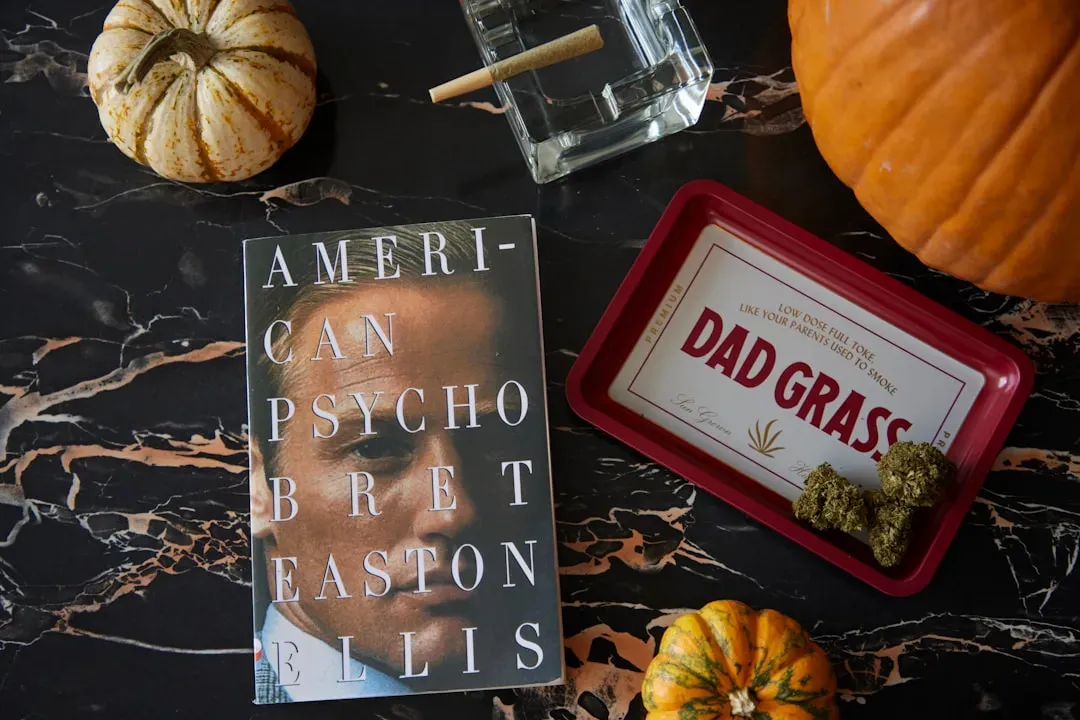
Bret Easton Ellis’s 1991 novel American Psycho holds a special place in censorship history, as his own erstwhile publisher Simon & Schuster decided to cancel the book’s contract after getting a look at the manuscript about a rich Wall Street player who moonlights as a vicious serial killer. Ellis was dropped by Simon & Schuster because of aesthetic differences, with petitions signed to ban the controversial book as a contemptible piece of pornography, and the controversy led to death threats.
The novel follows Patrick Bateman, a wealthy investment banker in 1980s Manhattan who commits horrific acts of violence. The National Organization for Women threatened a boycott of Random House, at least one executive at Vintage Books received death threats, and Germany banned the work outright, with Ellis becoming the most divisive figure in the literary world this side of Salman Rushdie. In Australia, the book has been classified R18 since its release, meaning that it can only be sold to adults and only in plastic shrinkwrap.
Here’s the thing though. Time has proven a better friend to the book, with American Psycho now a canonical work of social satire twenty-five years after first publication, widely regarded as a scabrous assessment of modern masculinity, having sold over 1 million copies and been successfully adapted for the big screen and Broadway. Ellis himself maintained the violence served a purpose, showing how consumer culture numbs us to brutality.
How Banned Books Achieve Immortality Through Controversy


The pattern becomes clear when you look at these four works together. Controversy doesn’t kill books; silence does. PEN America reports that the 2022-2023 school year saw an increase of 33% in book banning from the previous year. Pressure groups and government entities were responsible for a whopping 72% of censorship attempts in 2024, which had the third highest number of challenges since ALA started tracking in 1990.
When these books were banned, burned, or condemned, it guaranteed they would be talked about for generations. Publishers might have pulled out initially, but other brave houses stepped forward. The more people tried to suppress these works, the more readers wanted to know what all the fuss was about. Think about it: would Lolita have sold one hundred thousand copies in three weeks without the scandal? Would anyone remember The Satanic Verses without the fatwa?
The backlash these books faced wasn’t just noise. It revealed deep cultural anxieties about sexuality, religion, violence, and artistic freedom. Each controversy forced society to ask difficult questions about where we draw lines and who gets to draw them.
The Legacy of Literary Scandal in Contemporary Culture
These four books didn’t just survive their controversies; they thrived because of them. PEN America documented the top 52 banned books in public schools since 2021 when the organization began documenting the unprecedented wave of censorship, with bestselling author John Green’s young adult modern classic Looking for Alaska leading the list, banned 147 times. The conversation around banned books continues to evolve, with modern works facing similar challenges.
What makes these particular books iconic isn’t just their literary merit or the outrage they sparked. It’s that they touched raw nerves in society and refused to apologize for doing so. They asked readers to sit with discomfort, to question their assumptions, and to recognize uncomfortable truths. Nabokov challenged us to recognize manipulation. Rushdie explored the collision of cultures and belief systems. Ellis held up a mirror to materialistic excess and violence.
The irony is that attempts to suppress these books gave them exactly what their critics feared: immortality. They became symbols of artistic courage and free expression. Today they sit on university syllabi and “greatest books” lists, studied and debated by new generations.
The Price Authors Pay for Speaking Uncomfortable Truths

The personal costs these authors endured shouldn’t be romanticized. Rushdie spent years in hiding and was ultimately stabbed in 2022. On 12 August 2022, Rushdie was attacked onstage while speaking at an event, suffering four stab wounds to the stomach area, three wounds to his neck, one wound to his eye, one to his chest and one to his thigh. Ellis faced death threats and professional exile. Nabokov struggled for years to find publishers willing to take the risk.
When American Psycho was finally picked up by Vintage Books, both editor Sonny Mehta and Ellis received death threats when it was published, with Ellis even banned from attending the opening ceremony of Euro Disney a year later. These weren’t abstract debates about artistic freedom; they were real threats to real people’s lives and livelihoods.
Yet all of them persisted. They believed their work mattered enough to endure the backlash, the threats, and the professional consequences. That courage, as much as their literary talent, is what makes these books iconic.