Most readers could rattle off a dozen famous novels without blinking. Tolstoy, Dickens, Fitzgerald – they’re the household names that dominate every “best books” list and show up on school syllabi year after year. But honestly, for every celebrated classic sitting on a shelf, there are dozens of extraordinary novels gathering dust, quietly waiting to be found.
Some of these books are underrated, have fallen under the radar, were suppressed and never recovered, or used to be all the rage but have become obscured by the sands of time. That’s the real tragedy here. Not all lost books are lost because they’re bad. Many are simply unlucky. So here are 13 deeply worthwhile novels from the past that deserve a serious second look.
1. Stoner by John Williams (1965)

This one is hard to explain without sounding like you’re describing the most boring book imaginable. A quiet English professor lives a quiet life. That’s it. That doesn’t sound gripping, does it? Yet this is arguably one of the most emotionally devastating novels ever written.
Stoner is a 1965 novel by the American writer John Williams, which received little attention on first release, but saw a surge of popularity and critical praise since its republication in the 2000s. Sales of fewer than 2,000 copies did not reflect the positive commentaries it initially received – it was out of print a year later.
The novel became a bestseller all over Europe after Dutch publisher Lebowski brought out a translation in 2013, and since then, Stoner has been published in twenty-one countries and has sold over a million copies. The New York Times called Stoner “a perfect novel,” and a host of writers and critics, including Julian Barnes, Bret Easton Ellis, and Ian McEwan, praised its artistry.
2. The Book of Disquiet by Fernando Pessoa (Published Posthumously, 1982)
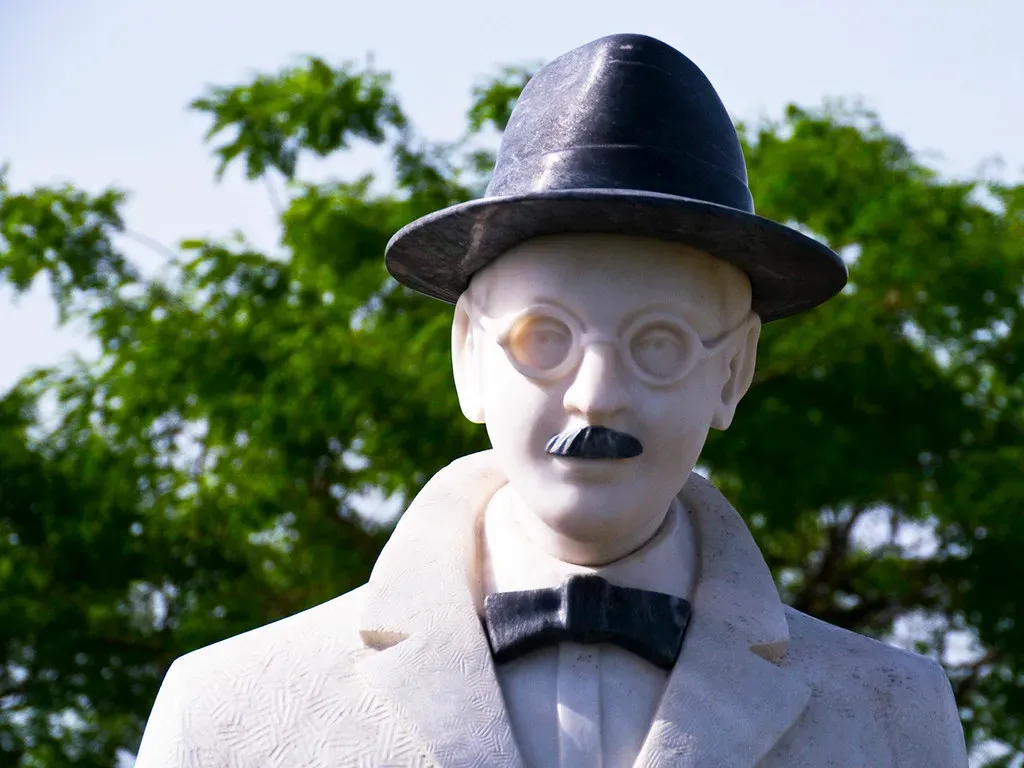
Pessoa wasn’t just a writer. He was several writers at once, a man who invented dozens of fictional alter egos, each with their own biography and writing style. That alone tells you this is going to be something unusual.
Fernando Pessoa was many writers in one, attributing his prolific writings to a wide range of alternate selves, each of which had a distinct biography, ideology, and horoscope. When he died in 1935, Pessoa left behind a trunk filled with unfinished and unpublished writings, among which were the remarkable pages that make up his posthumous masterpiece, The Book of Disquiet.
The Book of Disquiet was first published in Portuguese in 1982, a full 47 years after Pessoa’s death. The book appeared on the Norwegian Book Club’s list of the all-time 100 best works of literature, based on the responses of 100 authors from 54 countries. Honestly, a manuscript left in a trunk for nearly half a century becoming one of the most celebrated works of the 20th century is just the kind of story literature was made for.
3. The Man Who Was Thursday by G.K. Chesterton (1908)

Let’s be real – when most people think of Chesterton, they think of Father Brown mysteries. Yet his most staggering novel is something else entirely, a book that reads like a fever dream crossed with a philosophy lecture, and somehow makes both elements thrilling.
G.K. Chesterton’s “The Man Who Was Thursday” is a wild, thought-provoking blend of spy thriller and philosophical allegory. The narrative follows Gabriel Syme, a poet who is recruited into a secretive police force and tasked with infiltrating an anarchist council. What begins as a parody of espionage quickly morphs into a surreal quest for truth, with each chapter peeling back layers of identity and reality.
Chesterton’s sharp wit and deep philosophical questions keep readers guessing until the very end, and the book’s exploration of chaos, order, and the very fabric of society feels just as relevant in today’s unpredictable world. For fans of surreal fiction and big ideas wrapped in adventure, this one is genuinely unmissable.
4. The Riddle of the Sands by Erskine Childers (1903)
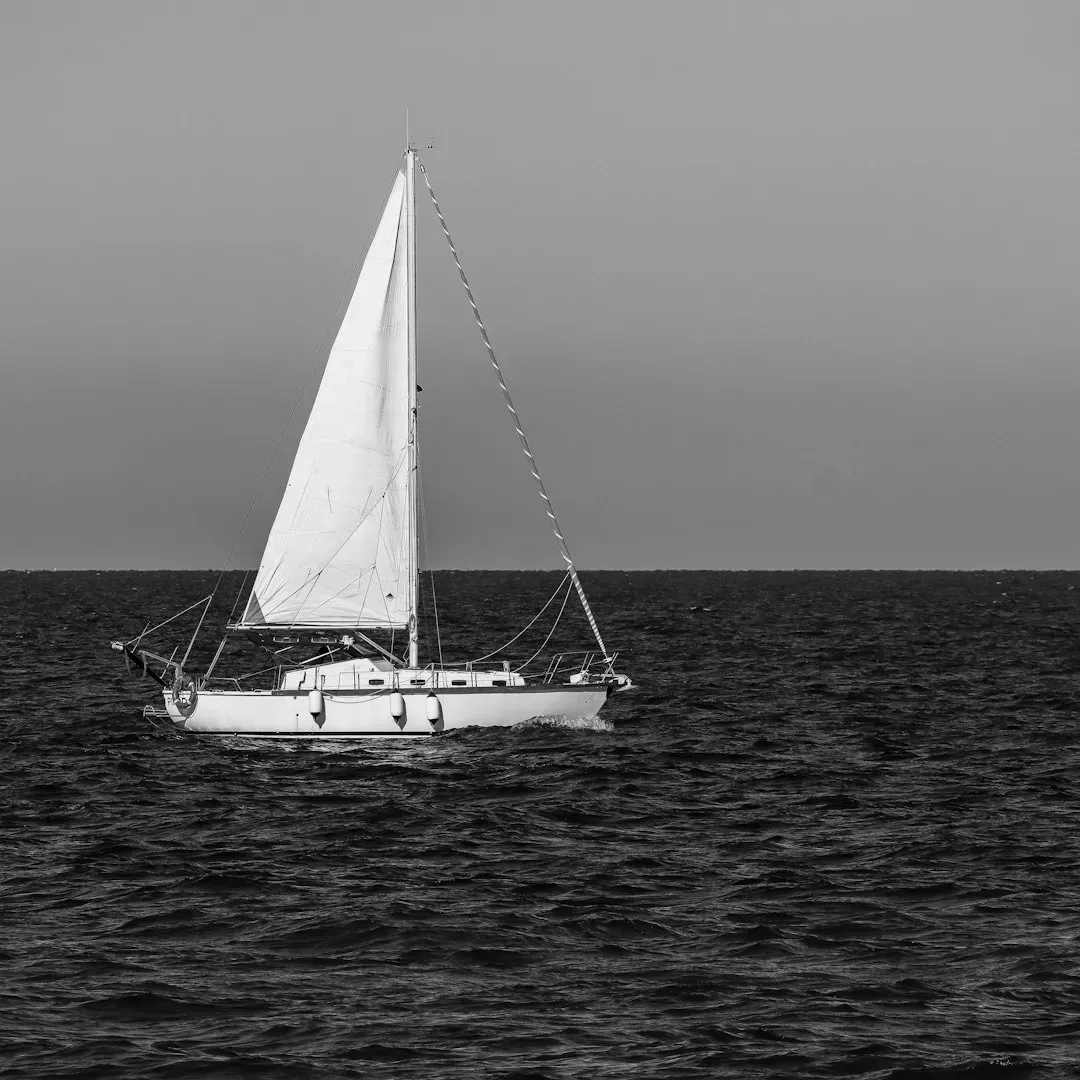
Before James Bond, before le Carré, before the entire spy fiction genre as we know it today, there was this remarkable nautical adventure. It’s the kind of book that shaped an entire category of literature and then got quietly forgotten by the mainstream.
The Riddle of the Sands was one of the first true espionage novels and enjoyed immense popularity in the years before the First World War. The action follows Foreign Office civil servant Carruthers, who having grown tired of the day-to-day tedium of office life, accepts an invitation for a sailing holiday in the Baltic – but the holiday soon turns dramatic as Carruthers and his friend uncover a German plot to invade England.
Spy fiction, one of the biggest and most popular genres today, owes a great debt to this lesser-known classic. Think of it like discovering the secret ancestor of everything you love about modern thrillers. It’s a slim, propulsive read, and it still crackles with tension a century later.
5. The Autobiography of an Ex-Colored Man by James Weldon Johnson (1912)
Published anonymously at first, this novel was so convincingly written as a real memoir that many readers believed it to be one. That confusion itself says something profound about both the book’s power and the social reality it describes.
An unflinching account of Black experience in America, James Weldon Johnson’s “The Autobiography of an Ex-Colored Man” is a trail-blazing novel that will stay with you after the last page. The narrator’s life is marked with tragedy, from the loss of his mother at a young age to the horrific witnessing of a lynching – out of fear, he chooses to pass as white in the hopes of securing safety and a better life. As a consequence of this choice, he is forced to give up his one passion: the ragtime music he had discovered in the Black community.
This is a book about identity, compromise, and the unbearable costs of survival. It was ahead of its time in 1912 and, in many ways, it remains urgently relevant today. It’s quietly one of the most important American novels ever written and deserves a place beside the canon heavyweights.
6. The Master and Margarita by Mikhail Bulgakov (Written 1930s, Published 1967)
Here’s the thing about this book – it was suppressed for decades under Soviet censorship. Bulgakov spent much of his life unable to publish it, writing in near-constant fear. That context alone makes the act of reading it feel like a kind of defiance.
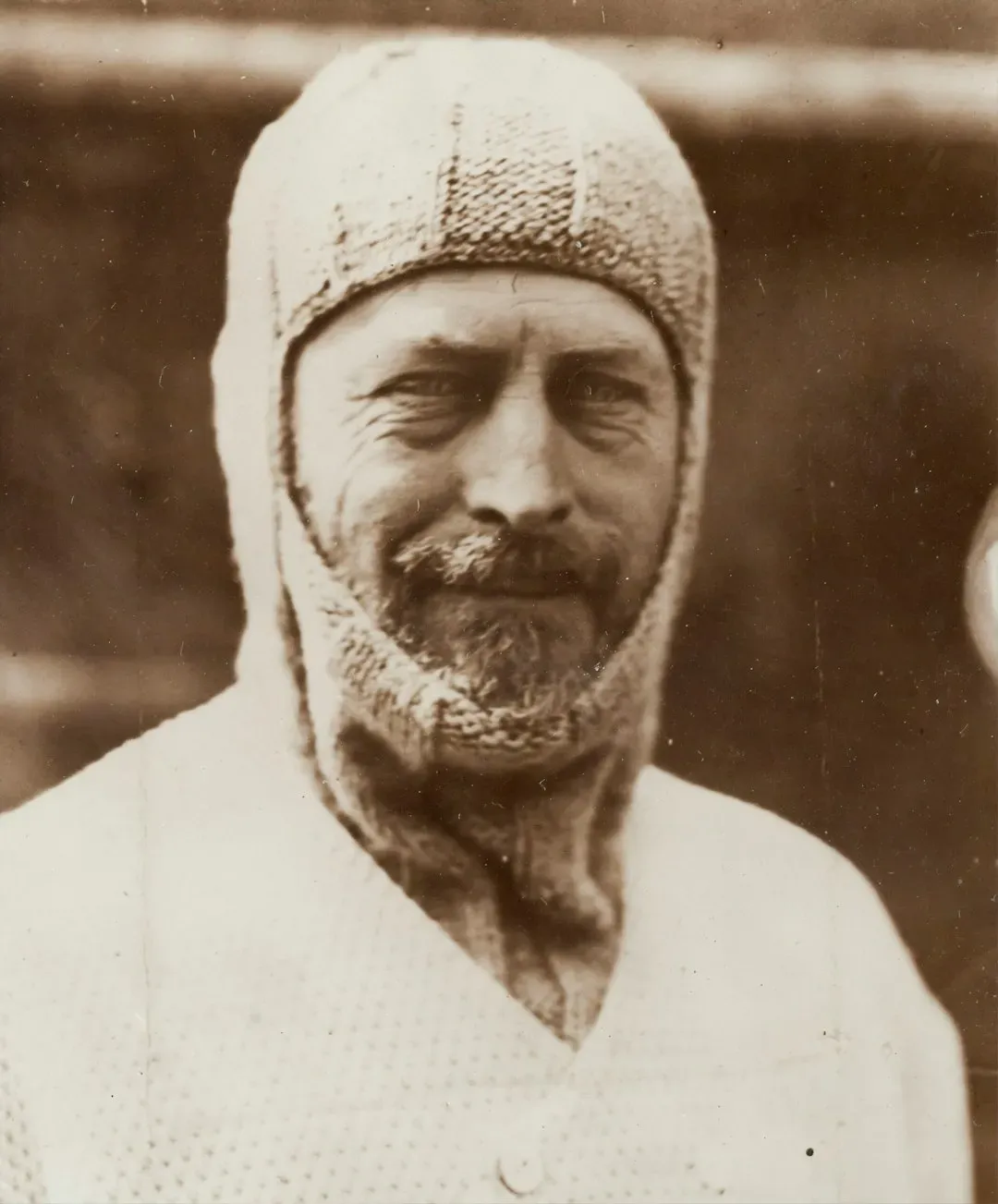
Born in 1891 in Kiev, Mikhail Bulgakov is one of the brightest luminaries of 20th-century Russian literature. His life was almost as enigmatic as his stories, taking him from serving as a medical doctor in the Russian Civil War to becoming a renowned Moscow author and playwright whose works often irked Soviet authorities. Bulgakov spent most of his life walking a fine line between tolerable disfavor and outright persecution, waging battle after battle against the iron grip of Stalinist censorship.
The Master and Margarita shines particularly bright with its captivating plot and commentary on an artist’s plight against an oppressive regime – it’s not merely a book but an experience, weaving together elements of fantasy, romance, satire, and philosophy in a dazzling literary cocktail. Imagine the Devil arriving in Stalin’s Moscow to cause chaos. That’s roughly where the story begins. It only gets stranger and more brilliant from there.
7. Kristin Lavransdatter by Sigrid Undset (1920-1922)

Three volumes. Medieval Norway. A fierce, complex woman at the center of it all. This epic trilogy is one of those reading experiences that doesn’t just tell you a story – it swallows you whole and deposits you in another century entirely.
Sigrid Undset won the Nobel Prize in Literature in 1928, largely on the strength of this trilogy. Yet outside Scandinavia, the work remains criminally underread. Kristin is no passive heroine – she’s fierce, complex and crafty enough to navigate a world that is as beautiful as it is cruel.
Partner offer
The trilogy spans an entire life, from girlhood to old age, tracking Kristin’s choices, loves, regrets, and faith across the violent and deeply human landscape of 14th-century Norway. Think of it as the medieval counterpart to the great psychological novels of the 20th century. Undset’s detail is so rich and precise it reads almost like historical nonfiction – but with a narrative drive that makes it impossible to put down.
8. Independent People by Halldór Laxness (1934-1935)

Iceland doesn’t get nearly enough credit in the global literary conversation. Halldór Laxness is one of the most important novelists of the 20th century, and most readers outside his home country have never heard of him. That’s a genuine shame.
Halldór Laxness, born in 1902, is often hailed as one of Iceland’s most accomplished novelists. Throughout his career, he journeyed through multiple philosophical and artistic landscapes, from socialism to Catholicism, and his deep connection to his homeland, with its vast landscapes of fire and ice, ancient sagas, and wondrous folklore, left a mark on Laxness visible in his writing from the first page. His prolific contributions to the literary landscape led to him receiving the Nobel Prize in Literature in 1955.
Laxness is now known as the grandfather of Icelandic fiction, and “Independent People” tells the story of a man who begins growing the claws of Grimur, the demon-monster from an ancient poem. It’s a saga about stubborn pride, poverty, and what it costs a human being to be truly free. It’s one of those rare novels that feels mythic and devastatingly personal at the same time.
9. The Radetzky March by Joseph Roth (1932)
Few novels capture the feeling of a world ending quite as beautifully as this one. Joseph Roth wrote about the collapse of the Austro-Hungarian Empire the way a poet writes about grief – with enormous tenderness and an almost unbearable sense of loss.
The Radetzky March deserves a spot on any list of lesser-known classics. It is a haunting reminder of the fleeting nature of grandeur, offering readers a comprehensive understanding of the intimate interplays of personal and familial destinies against the backdrop of grand historical narratives. It is a somber, beautiful march that you shouldn’t miss.
The novel follows three generations of the Trotta family, tracing their rise and fall alongside the Empire itself. It’s the kind of book that makes you mourn a world you never lived in. Roth wrote it in exile, penniless and alcoholic, and that personal despair seeps into every elegiac page. It’s hard to say for sure, but this may be the most underrated European novel of the entire 20th century.
10. The Makioka Sisters by Junichiro Tanizaki (1943-1948)

Japanese literature is sometimes reduced to Murakami and Mishima in popular Western discussion, which is a shame because it cuts readers off from novelists of staggering depth. Tanizaki is one of those writers, and this specific work is a masterpiece hiding in plain sight.
Junichirō Tanizaki’s magisterial evocation of a proud Osaka family in decline during the years immediately before World War II is arguably the greatest Japanese novel of the twentieth century and a classic of international literature. The story follows four sisters of a once-wealthy family as their traditional world erodes around them, and it has the same slow, inevitable sadness as watching autumn arrive.
What makes this novel so remarkable is its patience. Tanizaki refuses to rush anything. The drama is quiet, the conflicts are domestic, and yet the cumulative emotional weight is enormous. It’s a novel about how an entire civilization changes, one family dinner at a time. That sounds small. It is not small at all.
11. Down and Out in Paris and London by George Orwell (1933)
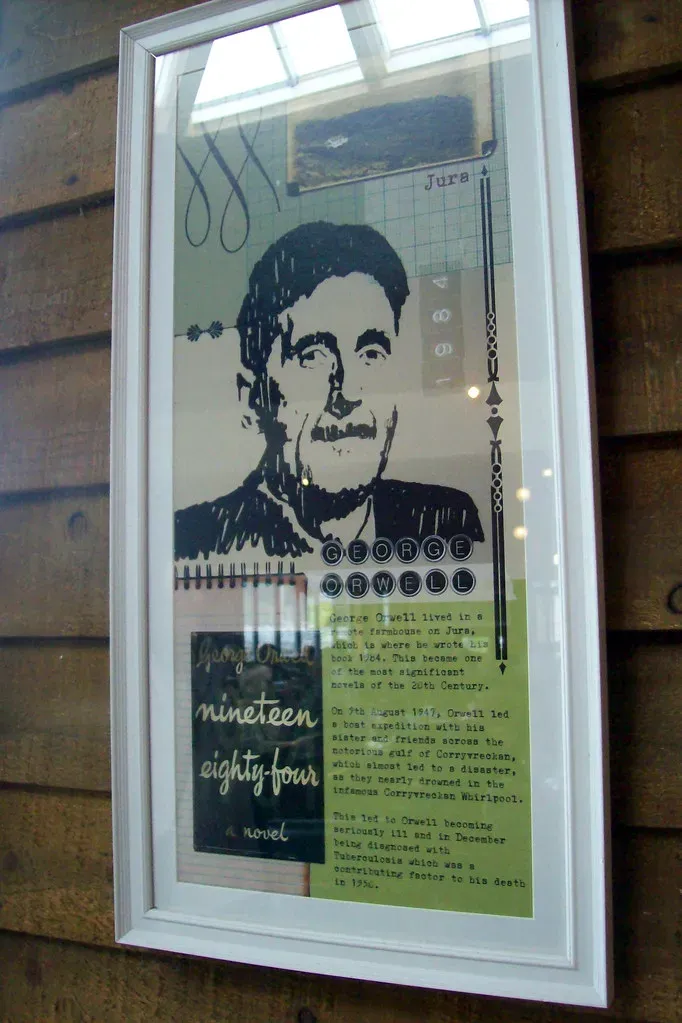
Most readers know Orwell for 1984 and Animal Farm, which are towering works, obviously. But there’s something about this early, almost confessional book that gets overlooked in the shadow of his more famous political allegories.
Best known for his novels Nineteen Eighty-Four and Animal Farm, George Orwell also wrote several non-fiction books, including his first published work, Down and Out in Paris and London. A glaring exposé of those living in poverty, Orwell writes honestly and humorously about his own experiences and observations.
It’s part memoir, part social reportage, and entirely gripping. Orwell scrubbed dishes in Paris restaurant kitchens and slept in London doss-houses to write this. There’s a rawness to it that his more polished later work sometimes lacks. If you think of Orwell as a cerebral political writer, this book will surprise you with how visceral and funny it can be.
12. Barbara Pym’s Excellent Women (1952)

Barbara Pym is one of those writers who gets called “cozy” and then quietly dismissed, which is one of the more spectacular misjudgments in English literary history. Her novels are sharp, wickedly funny, and full of a sadness that sneaks up on you without warning.
A poignant example is the rejection experienced by the British novelist Barbara Pym (1913-1980) after publishing six novels from 1949 to 1961. In 1977, the Times Literary Supplement issued a list of the most underrated writers of the century, drawn up by forty-three eminent literary figures, and Pym was the only living writer to be named by two people – the poet Philip Larkin and the historian Lord David Cecil.
This nomination brought about a renewed interest in Barbara Pym and her work, her old novels were reissued and new ones were published, and in 1977 Quartet in Autumn was shortlisted for the Booker Prize. Excellent Women is the ideal entry point: funny, devastating, and told through the driest possible English voice. It’s the kind of novel that makes you laugh and then feel quietly terrible about it.
13. A Town Like Alice by Nevil Shute (1950)

Here is a novel that most people only know as a film, and even then only know the first half of. That’s not entirely unfair, because the film is genuinely good. The book, though, is a different and much bigger thing entirely.
The 1956 film adaptation of Nevil Shute’s A Town Like Alice is an undisputed classic, but the film cuts short at the end of part two – if you haven’t read the book, then you’re missing out on the romance novel’s uplifting final act. The book’s final arc sees Jean Paget reunited with her love interest and fellow prisoner of war Joe Harman, and they begin the work of building a prosperous community together in the Australian outback.
The novel moves from the horrors of the Japanese occupation of Malaya during World War II to the wide, sun-baked openness of the Australian outback, and somehow holds both worlds in perfect tension. It’s an adventure story, a love story, and a portrait of extraordinary human resilience. Shute writes with enormous warmth and without sentimentality, which is a harder trick than it sounds.
A Final Thought

Ninety per cent of the books we hear about are new, which means we are missing out on countless masterpieces already out there. That’s a staggering thought. These 13 novels represent just a tiny fraction of the literary riches hiding in the past, waiting for the right reader to stumble across them.
Some of these books sold barely a few thousand copies on first publication. Others were censored, ignored, or published decades after their authors died. What they share is the rare quality of rewarding the reader who takes a chance on them. The canon we inherit is only ever a partial map.
The real question isn’t whether these novels deserve to be read. They absolutely do. The real question is: which one are you picking up first?
Partner offer
Planning a trip to Vegas?
Compare hotel rates and show tickets on VEGAS.com.