


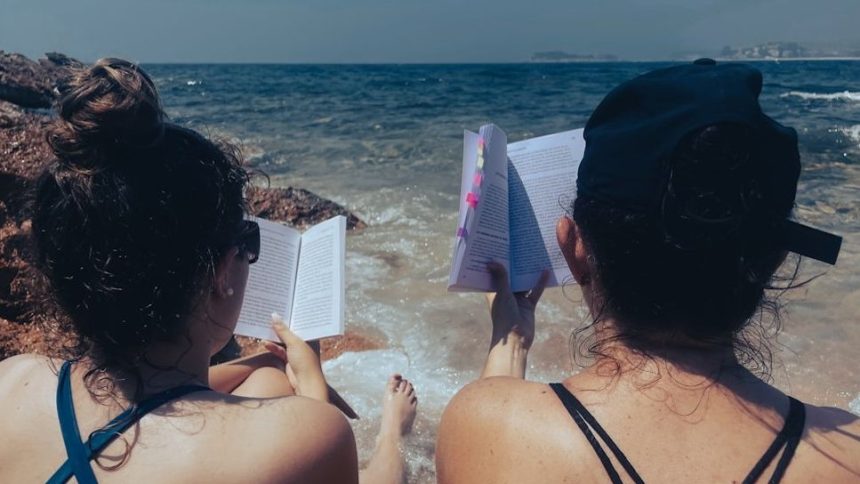
There is something delicious about cracking open a book that promises nothing more than a lazy afternoon escape, only to find yourself sitting up straighter, turning pages faster, and thinking harder than you planned. The “beach read” label has always carried a bit of a sneer from the literary gatekeepers, as if anything breezy and pleasurable must be shallow. Honestly, I think that assumption deserves a long look in the sun.
Let’s be real: “light” does not mean poorly written. As The Guardian once put it, the essence of the beach read was more of a mood than a genre – easy, enjoyable, and brisk. But ease absolutely does not equal emptiness. The best beach reads still give us characters we care about and plots that keep us turning pages in the sun. The books on this list are proof of exactly that. Prepare to be surprised by how much is hiding underneath the sand.
1. Gone Girl by Gillian Flynn – The Cool Girl and the Cage of Marriage


Most people pick up Gone Girl expecting a twisty thriller. What they get is a razor-sharp dissection of modern marriage, media manipulation, and gender performance. The novel interrogates traditional gender roles by exploring the vastly different expectations placed on men and women in society, with both Nick and Amy subjected to enormous social pressure to conform.
Amy’s concept of the “Cool Girl” is one of the sharpest pieces of cultural commentary in popular fiction – she believes that playing this perfectly agreeable, effortlessly desirable character is the only way to avoid a culture where men hold most of the power. That observation stings because it rings so terribly true.
Economic anxiety runs through the entire novel like a fault line. Nick and Amy’s marriage deteriorates sharply after both lose their jobs, and the mostly empty subdivision they live in reflects the economic crash experienced by the whole town. It is a thriller, yes. It is also a portrait of a society that punishes people for not playing their assigned roles.
2. Big Little Lies by Liane Moriarty – Domestic Violence Hidden in Plain Sight


On the surface, this book is a gossip-soaked drama about school-gate rivalries among stylish Australian mothers. Underneath, it is one of the most unflinching novels about domestic abuse written for a mainstream audience. The novel demonstrates from its very title how problematic lying can be, and it goes on to show how even the smallest lies carry devastating long-term effects.
When Perry assaults Jane and gives her a false name, that single small lie seems minor compared to his other atrocities. Yet as the story progresses, even this tiny misinformation causes a significant ripple effect, sending Madeline down a completely misguided investigation. The architecture of deception in this book is genuinely sophisticated.
Moriarty wraps everything in breezy wit and sunlit scenery, which is exactly what makes the dark heart of the story so effective. It sneaks up on you, much like the abuse it depicts sneaks up on Celeste. That is masterful, deliberate craft, not accident.
3. Lessons in Chemistry by Bonnie Garmus – A Feminist Manifesto in a Casserole Dish


People describe this book as charming, funny, and feel-good. All of that is true. It is also an angry, deeply researched indictment of how institutions systematically sideline brilliant women. Elizabeth Zott becomes a television chef after her scientific career is derailed, despite being extraordinarily intelligent – her attractiveness frequently interfering with other people’s recognition of her intellect.
Her lab colleague Donatti actually lied to a rich investor, claiming Elizabeth was a man named “Mr. Zott,” before reappropriating the research funds meant for her work. When Elizabeth’s pregnancy threatened to expose this scam, Donatti simply fired her. This is not a fairy tale scenario. It reflects real, documented patterns in mid-century scientific institutions.
The genius of the novel is that Garmus packages all of this outrage inside an irresistibly lovable story with a talking dog and a six-year-old who reads Dickens. You laugh, you cry, and you finish the book furious in the very best way. Exactly what good fiction is supposed to do.
4. The Seven Husbands of Evelyn Hugo by Taylor Jenkins Reid – Identity, Ambition, and the Price of Fame

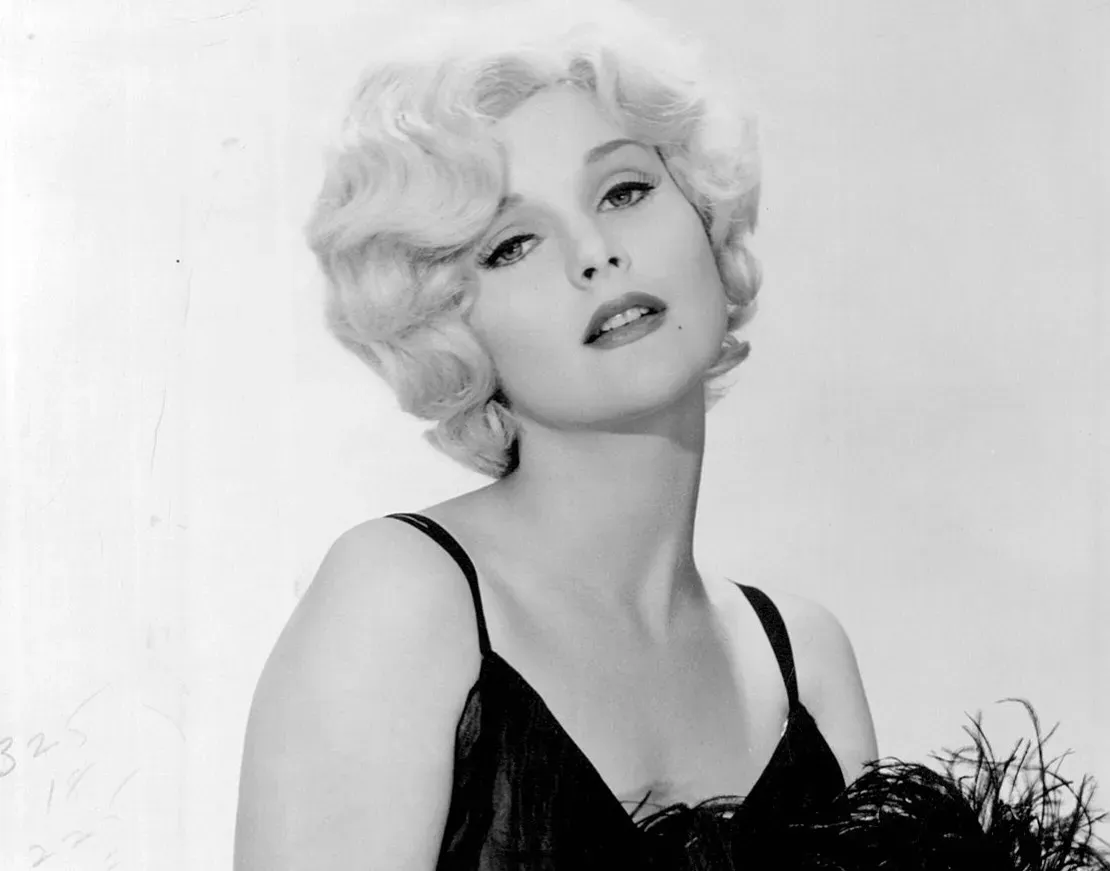
This book is often shelved next to glossy celebrity fiction, all glamour and Hollywood gossip. It is actually a nuanced meditation on sexuality, race in the entertainment industry, and what women are forced to sacrifice for professional survival. The story unfolds across decades, and each “husband” represents a different calculation Evelyn makes to protect herself and the people she loves.
Reid takes the reader through 1950s Hollywood with astonishing detail, unpacking how bisexual women and women of color were made deliberately invisible by the studio system. The romantic plot is real and moving, but the social scaffolding around it is equally impressive. It rewards careful reading.
The bestselling author ventures into complex territory with a love story that is ultimately about what it costs to be seen in a world that only wants to see a version of you it can control. That is a bigger idea than most “serious” novels bother to explore.
5. The Guest by Emma Cline – Class, Performance, and Survival


Emma Cline’s 2023 novel is a beguiling, unsettling follow-up to her literary sensation debut, and it confirms her status as one of the sharpest observers of social performance writing today. Alex, a young woman with no safety net, drifts through the Hamptons summer scene surviving entirely on charm and the goodwill of wealthy people who would discard her in a second.
What looks like a lazy summer noir is actually a cold-eyed examination of the enormous invisible labor required to move through wealthy spaces when you have nothing. Alex watches, adapts, and mimics with the precision of a scientist studying a foreign species. It is both thrilling and deeply uncomfortable.
The book says almost nothing explicitly about class. It shows everything through action, gesture, and the things Alex notices. That restraint is the mark of a writer operating at a very high level, dressed up in the disguise of a quick beach read.
6. Normal People by Sally Rooney – Power, Shame, and the Social Contract


Rooney’s hit novel follows Marianne and Connell’s sometimes sweet, often confusing attempts at romance over several years. You root for them, you roll your eyes at them, and it is a frustratingly complex tale that rewards a long, sunny afternoon. But beneath the will-they-won’t-they surface lies a sustained inquiry into class shame and social power.
Connell is popular and working-class. Marianne is wealthy and socially invisible. The way the novel inverts expected power dynamics – and then inverts them again – is genuinely sophisticated social theory wrapped in dialogue so natural it reads like eavesdropping. Rooney is doing something few novelists attempt: writing about class without making it a lecture.
The intimacy of the prose style is also doing heavy lifting. By removing quotation marks and collapsing interior and exterior thought, Rooney makes you feel trapped inside both characters’ perspectives simultaneously. That is a technical achievement as impressive as anything in the literary fiction canon.
7. The God of the Woods by Liz Moore – Institutional Privilege and the Stories We Erase


Liz Moore’s widely praised 2024 novel leans into eerie, unsettling effect. Set in 1975 at a camp in the Adirondacks, turmoil and a dark history are unleashed when the 13-year-old daughter of the camp owner and local family dynasty goes missing from her bunk. It sounds like a thriller. It is really about who gets to disappear without consequence.
Moore’s central insight – that some missing people matter enormously and others barely register – is a comment on media, money, and the way institutions protect their own. The camp setting functions as a microcosm of American class hierarchy, with its rituals, hierarchies, and willful blindness intact. Every detail earns its place.
The novel was one of the most talked-about books of 2024 among readers and critics alike, earning comparisons to literary heavyweights while remaining genuinely, propulsively readable. The combination is rarer than it sounds, and Moore pulls it off with impressive confidence.
8. Daisy Jones and The Six by Taylor Jenkins Reid – Memory, Myth, and Creative Theft

On the surface, this is a rock-and-roll romance told in interview format, nostalgia-drenched and irresistible. Underneath, it is a careful investigation of how women’s creative contributions get absorbed, rewritten, and credited to the men standing nearest. Daisy Jones is a songwriter of genius. The men around her benefit enormously from that genius.
The oral history format is also doing something clever: every character presents themselves as the hero of their own story. Reid forces the reader to perform the same work a historian does, triangulating between competing accounts to find anything like truth. That is an epistemological exercise dressed up as a beach book.
The love story is real and emotionally devastating. The music is vivid enough that readers routinely wish it actually existed. But the deepest pleasure here is watching Reid build a meditation on authorship, myth-making, and memory from what looks for all the world like a simple celebrity tell-all. Brilliant and sneaky in equal measure.
9. My Brilliant Friend by Elena Ferrante – Friendship as Battlefield, Class as Destiny


This vivid book about two female friends coming of age in a poor neighborhood of Naples is a modern classic and worldwide bestseller. The bookish Elena and wild Lila grow up surrounded by drama and rivalries, competing with one another even as they try to stand by each other. Literary but intensely readable, it is the perfect accompaniment for a day at the beach.
What makes this book genuinely extraordinary is its refusal to sentimentalize poverty or female friendship. Both are depicted with brutal, loving honesty. Ferrante understands that close female friendships can be simultaneously the most nourishing and the most corrosive relationships a woman has. That paradox drives all four books in the Neapolitan series.
The novel is also a rigorous study of how class shapes possibility, dream by dream, door by door. Elena escapes the neighborhood through education; Lila stays. The implications of that divergence unfold across four novels with the momentum of a great nineteenth-century serial. Tolstoy in a beach bag.
10. The Devil Wears Prada by Lauren Weisberger – Glamour as Exploitation


Lauren Weisberger’s story about a small-town girl trying to make it in the cutthroat world of high fashion is a monument to fish-out-of-water stories and the glory days of print media. Stiletto-sharp social commentary goes down easy as Andy learns the hard truth about so-called dream jobs, and the question of whether selling your soul to reach the top is worth it remains timeless.
The book is often dismissed as chick lit, a label that tends to be applied whenever women write with wit about women’s professional lives. But Weisberger is documenting something real: the way certain glamorous industries extract extraordinary labor from young women by selling them the myth that proximity to greatness is its own reward.
At a moment when fluffy women’s fiction dominated shelves and bestseller lists, The Devil Wears Prada had both style and substance. That is what staying power is made of. The fashion setting is the costume. The story underneath is about labor, exploitation, and the dangerous allure of prestige.
11. Jurassic Park by Michael Crichton – The Ethics of Playing God


For the 1990s, the rapid expansion of DNA technologies promised to bring science fiction into reality, including the possibility of cloning extinct species. Jurassic Park is the cautionary tale of an ill-fated theme park filled with actual dinosaurs brought back from extinction. It reads like pure entertainment. It is also a rigorous philosophical argument about the limits of human knowledge.
Crichton builds the book around chaos theory and the fundamental impossibility of controlling complex systems. The dinosaurs do not escape because someone is careless. They escape because the entire enterprise of controlling nature through technology is, at a deep level, incoherent. That is not a thriller premise. That is philosophy of science.
The book’s reputation suffered from the blockbuster film, which kept the dinosaurs and trimmed much of the intellectual scaffolding. Read the source material and you find a genuinely rigorous mind at work, using the machinery of genre fiction to smuggle in serious questions about biotechnology, corporate hubris, and ecological responsibility. Still startlingly relevant in 2026.
12. Atmosphere by Taylor Jenkins Reid – Science, Sacrifice, and the Space Between People


The bestselling author of Daisy Jones and The Six returns with a book set in 1980 about a physics and astronomy professor, Joan Goodwin, who responds to an advertisement for the first women scientists to join NASA’s Space Shuttle program. Thoughtful and reserved, she finds that training at Houston’s Johnson Space Center alongside her fellow astronauts proves life-transforming.
The result is a rich, emotionally charged love story set within NASA’s 1980s space shuttle program – but also a meditation on what women in science gave up and endured simply to occupy space they had every right to be in. The historical setting is meticulous. The emotional stakes are enormous.
Here’s the thing about Reid: she keeps getting smarter and more ambitious with every book while maintaining that irresistible readability that makes her the definition of a beach read author. Atmosphere is perhaps her most intellectually serious work yet, wrapped in the form readers already love and trust her for.
13. Born a Crime by Trevor Noah – Apartheid, Identity, and the Absurdity of Racism


Trevor Noah’s memoir is a wildly funny and moving story about his childhood growing up mixed-race under apartheid in South Africa. The title alone captures the central absurdity: the regime’s racial classification system made his very existence a criminal act. He handles this with humor so sharp and precise it takes a moment to register just how dark the material actually is.
Noah uses comedy as a precision instrument. Each chapter peels back another layer of the apartheid system’s grotesque internal logic, showing how racism requires increasingly elaborate scaffolding of law, language, and ritual to maintain itself. It is political analysis delivered through deeply personal storytelling.
It also happens to be one of the most joyful and propulsive memoirs of the last decade, genuinely laugh-out-loud funny in places, deeply moving in others. People read it at the beach and finish it at 2am because they simply cannot stop. That is the highest compliment a book can receive.
14. Crying in H Mart by Michelle Zauner – Grief, Identity, and the Language of Food


Musician Michelle Zauner explores grief, vulnerability, and Korean food in this memoir written after the death of her mother. It begins as a food memoir and a grief memoir, two genres that tend to signal comfort reading. What it becomes is an exploration of cultural inheritance, identity dilution, and the terrifying question of what happens to your sense of self when the person who shaped it is gone.
Zauner writes about food with such specificity and love that you feel the textures and smells on the page. But each dish carries the full weight of cultural transmission, family history, and the particular way immigrant mothers express love through feeding. It is anthropology, it is poetry, it is grief writing of the very highest order.
The book became a cultural phenomenon, spending extended periods on bestseller lists and reaching readers far beyond any expected literary audience. The U.S. audiobook market hit $1.1 billion in revenue in 2024, and Zauner’s memoir was among those that crossed successfully into audio partly because her prose has such a strong speaking voice. Read it however you can. Just read it.
Why the “Beach Read” Label Has Always Been a Lie

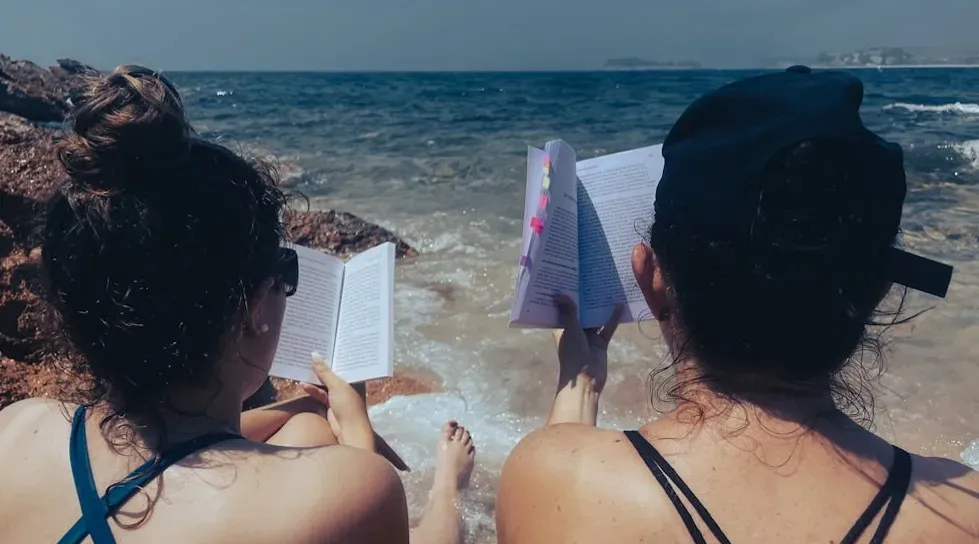
Thrillers and beach reads can be the ideal home for heavy themes, because their plots naturally lean toward dark subjects like murder, loss, and betrayal – and because they reach such a wide audience. Their mass-market appeal makes them accessible to everyone. That reach is not a flaw. It is a tremendous opportunity.
Mystery, thriller, and suspense is the most popular genre among American readers, followed by general fiction at roughly one in five readers. These are not readers who have opted out of ideas. They are readers who want their ideas served with momentum and pleasure rather than difficulty and obligation.
The strangest thing about books that contain deep meaning is that they rarely make their mark through new information. It is more that they give language to something you have always sensed but could not articulate, or they shine light into a corner of yourself you had been avoiding. That is what deep meaning in reading actually looks like. Every single book on this list does exactly that, in between the sunscreen and the second cocktail. What would you have guessed was hiding in your beach bag all along?


