
There’s a particular kind of discomfort in admitting that a beloved show just didn’t do it for you. Everyone around you seems to love it. Your coworkers quote it. It wins awards. Social media treats it like sacred ground. So you nod along, quietly unconvinced, wondering if you’re missing something obvious or if the emperor really has no clothes. The truth is, popularity and quality don’t always match up. Just because a show may be considered overrated doesn’t mean it is full-stop bad. An overrated TV show simply hides its less favorable qualities behind the more favorable ones, leading viewers to label it a masterpiece despite otherwise rather glaring faults. The following 14 shows have all earned their cultural footprints, but a quietly skeptical audience has always been watching from the sidelines.
1. Game of Thrones

A big-budget fantasy based on a best-selling saga, a totally immersive environment filled with seasoned actors, and a complex story that ends in absolute disappointment and confusion. Even most diehard fans seem to agree that by the time Game of Thrones wrapped up, they were left with a mess to reconcile with. The early seasons were genuinely thrilling, building a reputation as one of the most ambitious dramas ever made.
Aside from a few glimpses of glory, the show lost its solidity as it rushed toward a disorienting ending. The writing suffered without Martin’s work preceding it, and arcs came to abrupt, nonsensical endings that devalued much of what had come before. In fact, Americans consider Game of Thrones to be the most overrated TV show of all time, according to a nationwide survey by CableTV.com.
2. Friends

The show has been criticized for its idealized and unrealistic portrayal of Manhattan living, with large apartments that don’t match the characters’ incomes and a lack of diversity in the main cast. Many TV fans criticize it for feeling socially outdated, if not offensive, by today’s standards. Friends also suffers from being on TV for too long, resulting in plot repetition and character degradation.
Contemporary audiences have criticized Friends for lacking diversity and perpetuating harmful gender norms. Strip away the nostalgia and the show’s reliance on a laugh track, and the storylines often repeat themselves across ten seasons, and while it launched careers and created catchphrases, the actual quality of writing rarely rises above mediocre. Watching it today reveals how much television comedy has evolved beyond its formulaic structure.
3. The Big Bang Theory

The Big Bang Theory was once praised for its quirky humor and relatable characters but later came under fire for relying too heavily on stereotypes and formulaic plotlines. The show found an enormous audience for over a decade, setting records in viewership and landing some of the highest-paid actors on television at its peak.
Part of the show’s initial success came down to its fresh idea. Rather than a group of traditionally attractive and charismatic pals, like Friends, this series centered on genius nerds. The problem came as the jokes grew quite stale. The central plotline was slow-moving, while the same handful of nerd and neurodivergent puns were played on repeat. What started as a genuinely novel premise gradually calcified into something predictable and, for many viewers, tiresome.
4. Grey’s Anatomy

Often hailed as the definitive TV medical drama, Grey’s Anatomy has a charismatic cast, tense medical moments, and enough romantic intrigue to keep some fans hooked for over 20 seasons. Even longtime fans have found it hard to keep up with a show that’s gone on far too long while recycling storylines and characters. Most people have lost their patience with the ongoing, ossified examination of Grey’s Anatomy.
Grey’s Anatomy is probably classified as overrated because it isn’t as fantastic as the public makes it out to be. The twists, character development, and plotlines have all declined. It lacks originality and frequently reuses the same plot. As a mainstream soap opera that airs at night, the show lacks the innovative ability to captivate the audience’s interest.
5. Lost

Lost was a long-running series that everyone seemed to be talking about for a time. Between 2004 and 2010, the series kept viewers guessing with a variety of intriguing mysteries, all of which seemed to be building to something spectacular. There was every reason to believe this would pay off. Unfortunately, Lost ultimately revealed that its twisting and turning storyline wasn’t as methodical as everyone assumed. The show’s resolution was infamously disappointing and unsatisfying. Lost ended up retroactively revealing that the writing wasn’t so great after all.
Lost started with a gripping premise but faltered in delivering answers to its complex mysteries. As the series progressed, many fans were left frustrated by unresolved plot threads. While it built suspense effectively, the lack of a clear narrative direction led to viewer dissatisfaction. Its finale, in particular, was polarizing, leaving many questions unanswered. Despite its innovative storytelling, some feel Lost overpromised and underdelivered, making it an example of a show that couldn’t sustain its initial momentum.
6. Sex and the City

Four wealthy white women obsessing over shoes, men, and brunches supposedly represented modern feminism in the late nineties. Looking back, the show’s narrow worldview and materialistic values feel more cringeworthy than revolutionary. The series was groundbreaking in some respects, pushing conversations about female sexuality onto prime time television when few others dared.
Sex and the City remains iconic, yet it’s sometimes seen as overrated for its focus on materialism and superficiality. The show’s portrayal of relationships can feel unrealistic and clichéd. Though it offers witty dialogue and bold themes, critics argue that it often glosses over deeper societal issues. The emphasis on fashion and dating sometimes overshadows character development. While cherished by fans, others feel it doesn’t fully explore the complexities of modern womanhood, leaving a mixed legacy.
7. The Walking Dead

The Walking Dead is something that baffled many viewers beyond its first couple of seasons. The show followed the same loop of storyline repeated in every season: characters run, find shelter, go out for food, someone gets bitten, they get overrun, and they have to find somewhere new. Rinse and repeat for like ten seasons.
Every season introduces a new villain who’s somehow worse than the last, rinse and repeat. The endless cycle of hope and devastation stops being meaningful when you know exactly what’s coming. Shocking character deaths became manipulative rather than impactful, and zombie threats took a backseat to repetitive human conflicts that dragged on eternally. The show’s early seasons genuinely reinvented zombie fiction on television. The later ones, many viewers quietly agree, did not.
Partner offer
8. Glee

Starting strong with messages about acceptance and finding your voice, Glee quickly spiraled into a messy soap opera dressed in show tunes. Characters underwent personality transplants between episodes, and storylines abandoned logic for whatever generated headlines. The show tackled important issues with all the subtlety of a sledgehammer wrapped in glitter. Heavy-handed lessons overshadowed genuine character moments, while talented performers deserved better material than they received.
For all its talk about inclusion and acceptance, Glee was an incredibly tone-deaf show. It never read the room and often made baffling choices that were confusing at best and deeply offensive at worst. The problem with Glee was that it ran out of ideas rather quickly. The writers leaned into an “anything goes” mindset in the plotline, but the show’s popularity continued nonetheless, since the musical aspect remained strong.
9. Two and a Half Men

Two and a Half Men thrived on crude humor, but many criticize its reliance on formulaic jokes. The show’s humor often lacks depth, focusing on repetitive gags. Changes in cast and direction impacted its consistency, leading to mixed reviews. The show struggled to maintain its initial charm and wit. Despite its long run, some feel Two and a Half Men doesn’t offer the comedic richness found in other sitcoms, highlighting its overrated reputation.
Two and a Half Men, which originally starred Charlie Sheen, got off to a strong start. As Sheen’s tenure came to an end, the show rapidly lost viewers. He was fired because of his improper and dangerous private behavior. The original character was killed off-screen and inelegantly after Ashton Kutcher substituted Sheen, and the show utterly lost all support.
10. The Office (US)

Die-hard fans treat this mockumentary like holy scripture, but objectively it’s an uneven workplace comedy with several mediocre seasons. Michael Scott’s behavior crosses from awkward comedy into harassment territory that wouldn’t fly in today’s actual workplaces. After Steve Carell departed, the show floundered desperately searching for direction. Characters became caricatures of themselves, and Jim’s pranks on Dwight stopped being clever, revealing their mean-spirited nature.
By season nine, The Office should’ve been long past calling it quits. The finale was just another reason for the show to trot out celebrities for cameos, which was ultimately what the later seasons were more about than delivering a good show. The first three seasons remain genuinely sharp television. Everything that followed is a considerably more complicated story.
11. Gilmore Girls
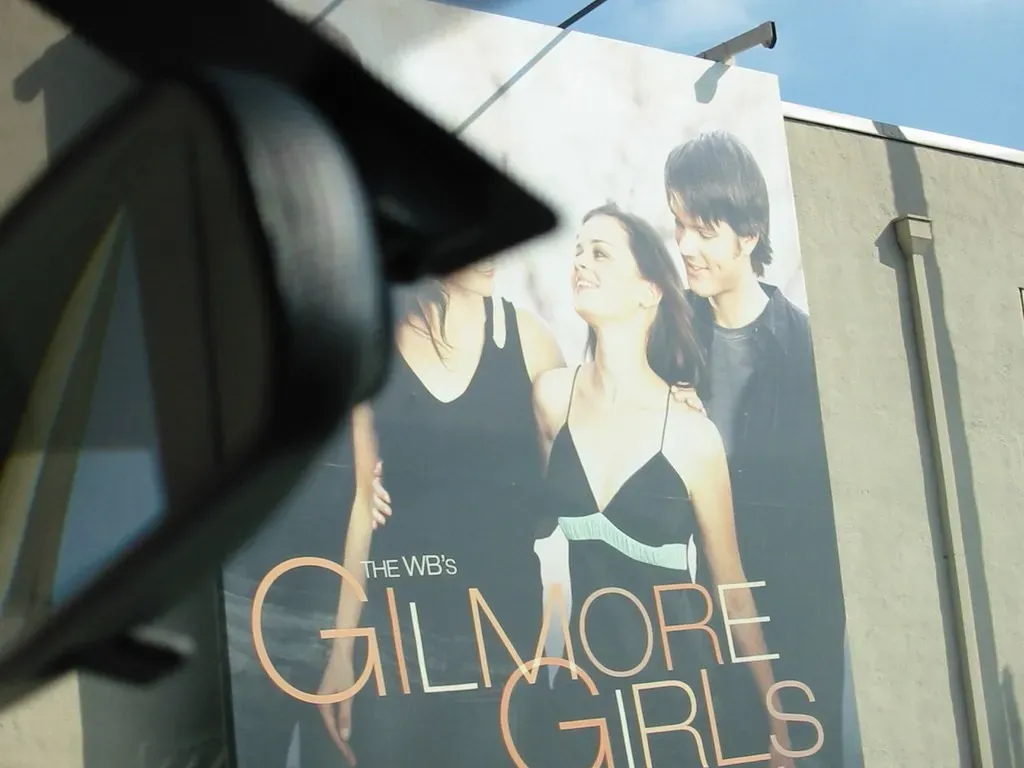
Rory’s transformation from sweet bookworm to entitled adult who makes terrible choices reveals writing that lost its way. The revival proved critics right: nostalgia painted this show better than it actually was, and seven seasons was already too many. The mother-daughter dynamic at the heart of the series was charming, but over time it wore thin for a meaningful segment of the audience.
Rare is the series to deliver not one, but two underwhelming endings, but this beloved mother-daughter dramedy managed it. The original seven seasons ended with almost no real closure, with Rory moving away from Stars Hollow in an episode that left a lot unsaid in the personal journeys of the characters. Gilmore Girls creator Amy Sherman-Palladino had famously teased that she knew “the four words” that would end her beloved series. Then she left the show as showrunner, and the series fumbled its way through a final lackluster season on The CW that did not end with those words.
12. Breaking Bad

Breaking Bad appears here, though calling it overrated requires nuance. The show is genuinely excellent, but the fanbase elevates it to untouchable masterpiece status that allows no criticism whatsoever. It’s a show that inspired a kind of reverence rarely seen in television, transforming its fanbase into something closer to a devoted cult than a casual viewing audience.
Pacing issues plague certain seasons, particularly the middle stretches where episodes spin wheels before major events. Skyler receives undeserved hatred for reacting reasonably to her husband’s transformation into a murderous drug lord. The show’s brilliance is undeniable, but proclaiming it perfect television ignores legitimate flaws. Walt’s intelligence fluctuates based on plot needs, and some character decisions feel manipulated for dramatic effect.
13. How I Met Your Mother
How I Met Your Mother built a devoted following over nine seasons by promising a single, meaningful revelation. The premise was clever enough to sustain itself for years, and its ensemble chemistry made it genuinely watchable. Viewers who watched a few episodes from a later season found it just wasn’t for them. The buildup to who the “mother” is felt unique, but watching it unfold, many simply didn’t care how it unraveled. Most found the comedy forgettable and the characters overrated.
The finale became one of the most contentious series endings in recent memory, undercutting years of carefully built character arcs in a matter of minutes. The worst series finales in all of TV history include Game of Thrones, How I Met Your Mother, Dexter, The X-Files, Battlestar Galactica, and more, according to a Consequence review. For many fans, the conclusion retroactively soured much of what came before it.
14. The Simpsons (Later Seasons)

The Simpsons is a cornerstone of animated television, but its later seasons have been criticized for declining quality. Some fans feel the show’s humor and originality have waned significantly over time. Few would argue the show’s first decade wasn’t groundbreaking. The question, for many, is whether the cultural reverence applied to the entire run is truly deserved when so many seasons fall well short of that early brilliance.
The show’s longevity has become a double-edged sword. Its presence on air for decades means it’s always part of the cultural conversation, which keeps its reputation artificially high even as its creative peak recedes further into history. Watching early and late episodes back to back makes it hard to argue they belong to the same tier of quality. The Simpsons earned its legendary status, but that status now covers far more ground than perhaps it should.
Being quietly skeptical about a beloved show doesn’t make someone a contrarian. Taste is personal, expectations vary, and a show’s cultural weight can easily outlive the actual quality that created it. The fact that so many viewers have privately questioned these shows’ reputations, even while publicly praising them, says something interesting about how television fandom works. Reputation, once established, tends to stick.Partner offer
Planning a trip to Vegas?
Compare hotel rates and show tickets on VEGAS.com.