Music history is full of slow evolutions and gradual shifts, but every once in a while, a single song arrives and rewrites the rulebook overnight. These aren’t just important tracks – they’re sonic detonations that left everything around them permanently changed. Think of the primal roar of early punk, or the polyrhythmic fire of Afrobeat: each owes its birth to one defining track, and these songs often combine innovation with a perfect storm of timing, attitude, and cultural shift. What follows is a gallery of five songs that didn’t just top the charts – they invented entirely new worlds of sound.
1. “Rock Around the Clock” by Bill Haley & His Comets (1954) – The Birth of Rock ‘n’ Roll
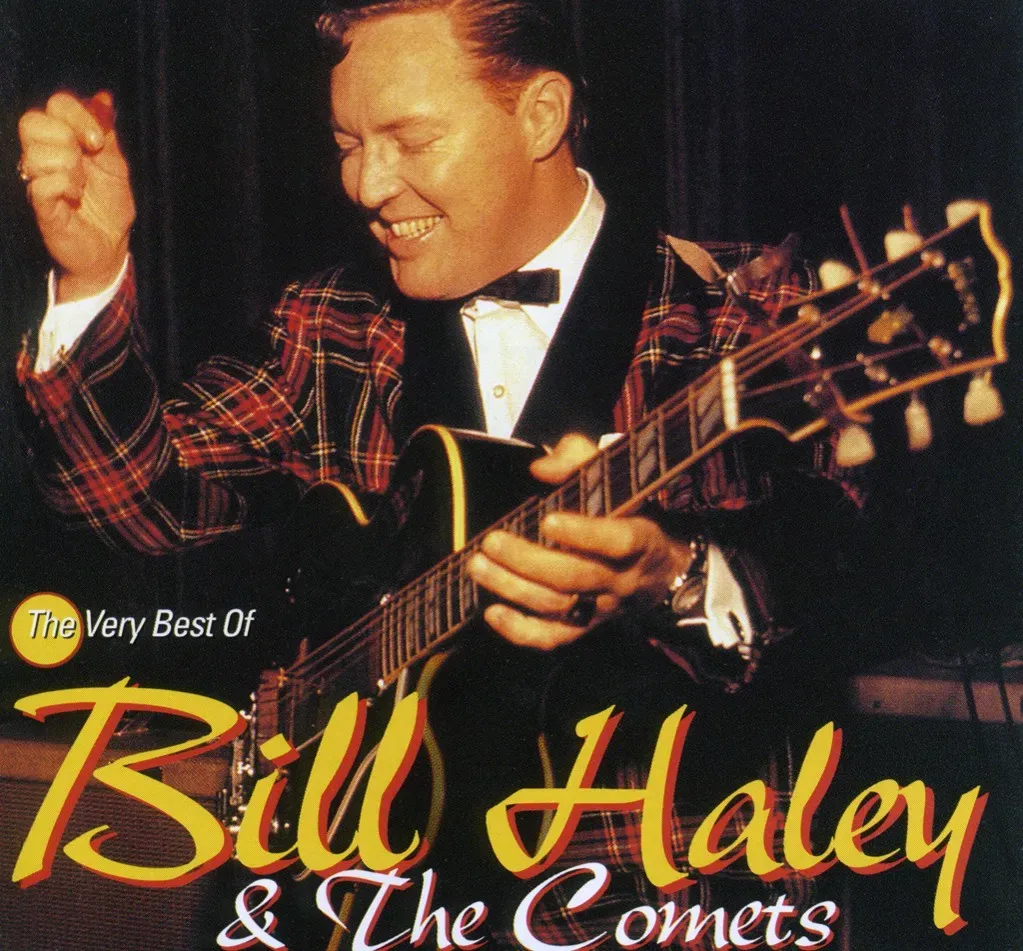
On April 12, 1954, Bill Haley and His Comets recorded “(We’re Gonna) Rock Around the Clock.” If rock and roll was a social and cultural revolution, then this song was its Declaration of Independence. The recording is widely considered to be the song that, more than any other, brought rock and roll into mainstream culture around the world. Remarkably, the whole thing was almost an afterthought – Haley put his enormous signature on rock and roll history during the final 40 minutes of a three-hour recording session in New York City, a session set up not for the recording of “Rock Around the Clock,” but of a song called “Thirteen Women.”
On July 9, 1955, “Rock Around the Clock” by Bill Haley & His Comets became the first rock and roll song to top the Billboard Hot 100, changing the music world forever and introducing rock and roll into mainstream popularity in the United States. When it blazed from cinema speakers in Blackboard Jungle (1955), teenagers worldwide felt the raw electricity of loud guitars, pounding backbeats, and a sound that spoke directly to them – it became more than music: it was the rallying cry for youth culture, signposting the unstoppable rock ‘n’ roll explosion to come. Haley sold over 60 million records worldwide and was posthumously inducted into the Rock and Roll Hall of Fame in 1987.
2. “Black Sabbath” by Black Sabbath (1970) – The Birth of Heavy Metal
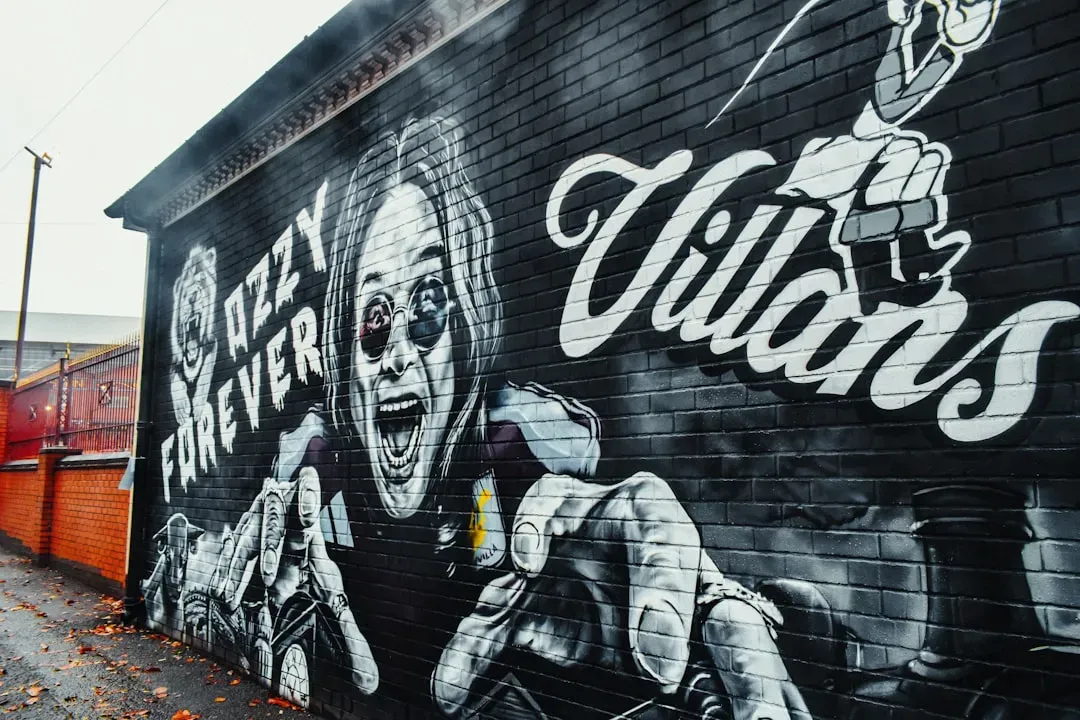
Within 30 seconds, Black Sabbath’s self-titled song sealed itself as the sound of pure evil in musical form. It telegraphed that the landscape of rock ‘n’ roll was changing when released in 1970 – removed from feelgood hippie blues to the polar opposite, the chilling presence of the supernatural. It’s now hailed not just as the first song of its creators’ legendary, 50-year-long career, but the touchstone of the entire heavy metal genre. Built around the “Diabolus in Musica” – the tritone or diminished fifth – a musical interval historically associated with the occult and once avoided by medieval composers, the song felt genuinely dangerous.
Black Sabbath is credited with creating heavy metal. The success of their first two albums – Black Sabbath and Paranoid – marked a paradigm shift in the world of rock, and not until Black Sabbath upended the music scene did the term “heavy metal” enter the popular vocabulary. Many of the most hard-hitting and uncompromising bands who came after them – including Metallica, Guns N’ Roses, Iron Maiden and Judas Priest – claim to have been raised on the music of Black Sabbath. Black Sabbath were ranked by MTV as the “Greatest Metal Band of All Time” and placed second on VH1’s “100 Greatest Artists of Hard Rock” list.
3. “Smells Like Teen Spirit” by Nirvana (1991) – The Birth of Grunge
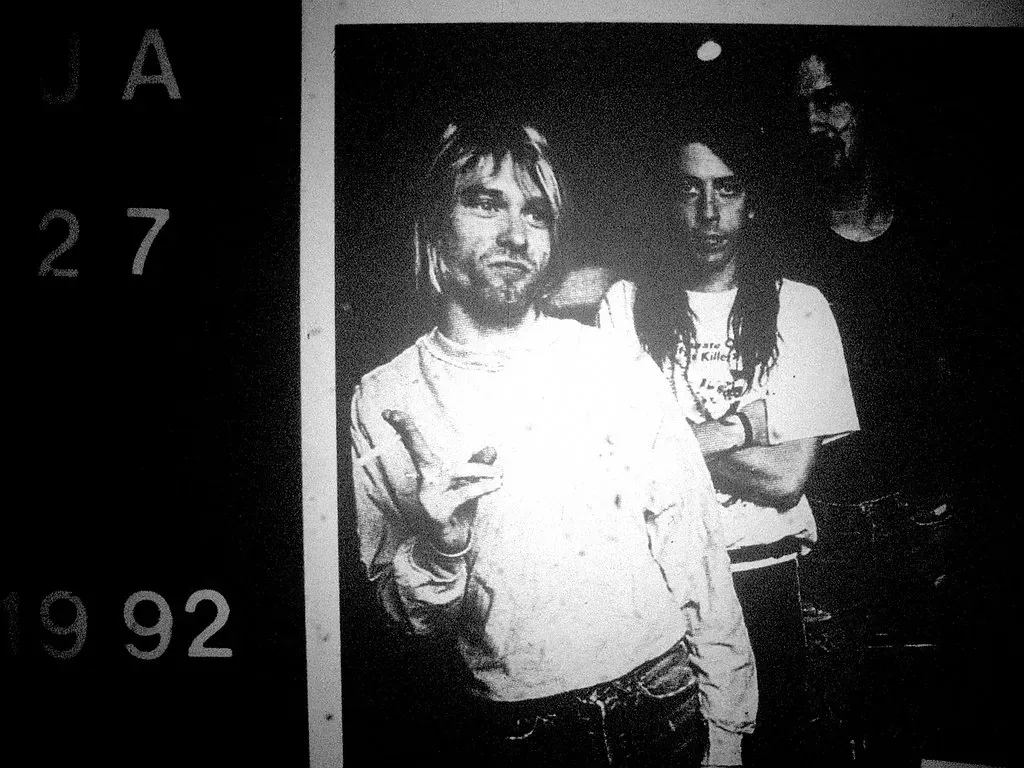
Released as the opening track and lead single from Nirvana’s second album, Nevermind (1991), “Smells Like Teen Spirit” sold over 13 million copies worldwide, making it one of the best-selling songs of all time. Its success propelled Nevermind to the top of several album charts and is often marked as the point when grunge entered the mainstream. When the song first impacted in 1991, the music industry barely knew what hit it. After a decade during which popular music was dominated by synthesizers, big hair, and excessive production techniques, deliverance had finally arrived in the shape of three outsiders from Seattle spearheading what the press had dubbed grunge music: a genre hell-bent on revitalizing the spirit of rock ‘n’ roll.
Guitarist and singer Kurt Cobain described “Smells Like Teen Spirit” as an attempt to write “the ultimate pop song,” inspired by the soft-and-loud dynamics of the Pixies, while the title derives from a phrase written by his friend Kathleen Hanna, the singer of the riot grrrl band Bikini Kill: “Kurt smells like Teen Spirit.” In summer 2021, it surpassed a billion streams on Spotify. Since first performing “Smells Like Teen Spirit” on April 17, 1991, the band sold more than 75 million records and entered the Rock and Roll Hall of Fame.
Partner offer
4. “Soul Makossa” by Manu Dibango (1972) – The Birth of Disco

Manu Dibango, a Cameroonian saxophonist and songwriter, released “Soul Makossa” as a single in 1972. Often described as the first disco record, the track had an unusual rise to prominence. New York DJ David Mancuso discovered the track in a Jamaican record store in Brooklyn in late 1972, following which it became a favorite among attendees at his legendary Loft parties – which themselves set the template for the discotheques to follow. The song was subsequently played heavily by Frankie Crocker, who DJed at WBLS, then New York’s most popular black radio station, and since the original was so obscure, at least 23 groups quickly released cover versions to capitalize on the demand for the record.
It is the most sampled African song in history. The single peaked at number 35 on the US Billboard Hot 100 chart and was among the first African songs to hit the American charts. Thanks to its groove, the song is still a dance floor filler today, and thanks to the vocal refrain “mamase, mamasa, mamakosa,” it is widely known among pop audiences, given that it was sampled by Michael Jackson in “Wanna Be Startin’ Somethin'” in 1982 and Rihanna in “Don’t Stop the Music” in 2007. The 2024 PBS series Disco: Soundtrack of a Revolution explores the importance of “Soul Makossa” to the history of disco music.
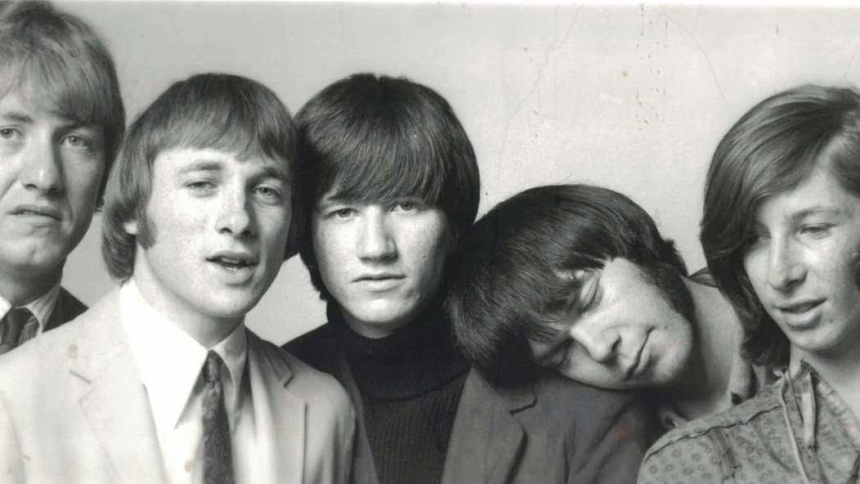
5. “Mr. Tambourine Man” by The Byrds (1965) – The Birth of Folk-Rock
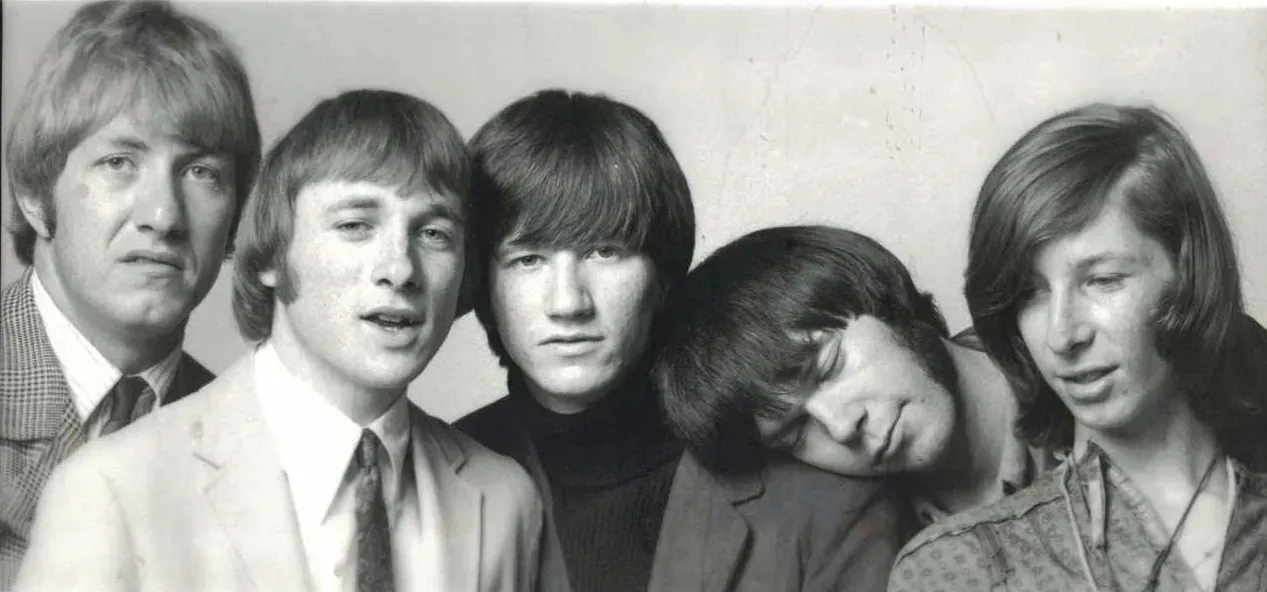
The Byrds’ electrified cover of Bob Dylan’s early classic is widely credited with creating folk-rock. The band took Dylan’s acoustic poetry and ran it through shimmering 12-string Rickenbacker guitars and lush vocal harmonies, producing a sound that was neither pure rock nor pure folk – it was something entirely new. Music genre popularity changes greatly over time, and it can be influenced by a number of factors such as current trends or even historical events, and the cultural climate of mid-1960s America was perfectly primed for this particular collision.
The branching out of rock and roll continued in several other directions throughout the 1960s, with surf music embodied by artists such as the Beach Boys celebrating aspects of youth culture in California, while the Byrds’ folk-rock invention opened a completely different sonic road. The song reached number one on both the US Billboard Hot 100 and the UK Singles Chart in 1965, giving the hybrid sound its first massive commercial proof of concept. From that moment, folk-rock became a genre in its own right, spawning artists like Simon and Garfunkel, Crosby, Stills, Nash & Young, and eventually an entire lineage of singer-songwriter traditions that continues to the present day.
The Anatomy of a Genre-Defining Moment
These songs often combine innovation with a perfect storm of timing, attitude, and cultural shift. While they may not have been conceived as “genre starters,” history has a way of anointing them as exactly that. The remarkable thread running through all five stories is how accidental each breakthrough was. Bill Haley’s team spent most of their session on a different song. Black Sabbath thought they were playing dark blues. Kurt Cobain expected a completely different track to become the hit. According to Rolling Stone magazine, Soul Makossa was an unlikely hit from the start, recorded as a B-side to commemorate Cameroon’s hosting of the 1972 African Cup of Nations.
In the 2000s, with songs and pieces available as digital sound files, it has become easier for music to spread from one country or region to another, some popular music forms have become global, and through the mixture of musical genres, new popular music forms are created to reflect the ideals of a global culture. The legacy of each of these five songs is ultimately not measured in chart positions or streaming counts alone – it’s measured in the generations of artists who heard them, felt something shift inside, and went out to build something they’d never heard before.
Partner offer
Planning a trip to Vegas?
Compare hotel rates and show tickets on VEGAS.com.