Music history is full of accidents, arguments, and near-misses. Some of the greatest songs ever recorded were almost thrown in the trash, shelved by nervous executives, or nearly scrapped by the very artists who wrote them. It’s a wild thought when you sit with it – entire eras of music culture nearly erased before they even began.
What would pop music look like without “Billie Jean”? What would rock feel like without “Bohemian Rhapsody”? These aren’t hypothetical questions. These songs genuinely, almost didn’t make it. The stories behind them are shocking, funny, and sometimes deeply human.
So let’s dive in.
1. “Smells Like Teen Spirit” – Nirvana (1991)


When Kurt Cobain first played the now-iconic opening riff for bassist Krist Novoselic and drummer Dave Grohl, Novoselic thought it was “so ridiculous” and Grohl didn’t like it at all. The band nearly shelved it entirely. It was almost thrown away at one point because it seemed too much like the Pixies.
Cobain’s friend, Kathleen Hanna from Bikini Kill, had written on his apartment wall “Kurt smells like teen spirit” – she was referring to a teen deodorant brand, but Cobain thought it was some kind of punk rock slogan, so he took the phrase and used it in the song. Released in 1991, the song exploded organically on college radio and MTV, launching Nirvana’s Nevermind album to over 30 million sales worldwide, and became an anthem for a disaffected generation, signaling the dawn of the grunge era.
2. “Billie Jean” – Michael Jackson (1983)

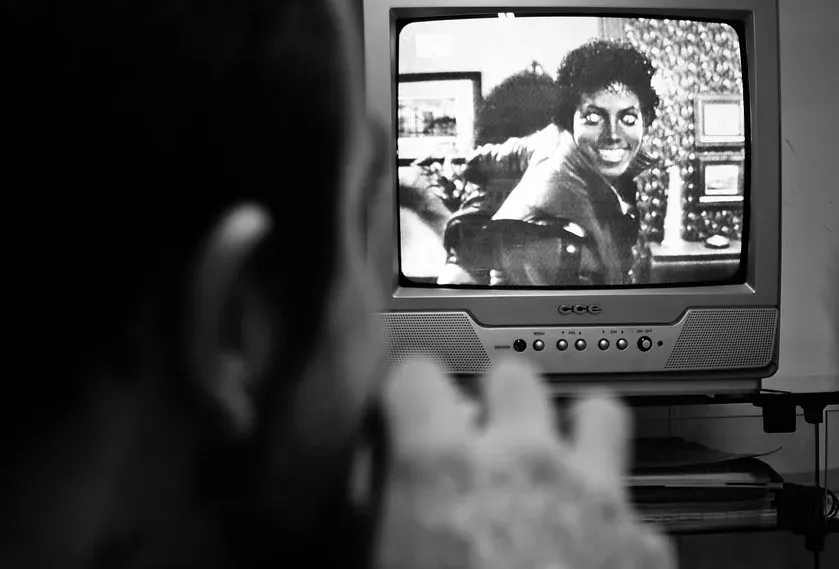
When Jackson started composing “Billie Jean,” he knew he had a hit. However, producer Quincy Jones thought otherwise – he felt the song was “too weak” for the album, wanted to change the title fearing people would think it was an ode to tennis player Billie Jean King, and hated the demo, especially the bass line.
Things didn’t get easier after the track made it onto the album. MTV initially refused to air the video, as its policy at the time was that Black performers were not “rock” enough. To pressure MTV into airing it, Walter Yetnikoff, president of CBS Records, threatened to pull all CBS artists from the channel. Jackson’s stubbornness paid off: “Billie Jean” became the second single from Thriller, which remains the best-selling album in history with more than 70 million copies sold worldwide as of 2025.
3. “Bohemian Rhapsody” – Queen (1975)

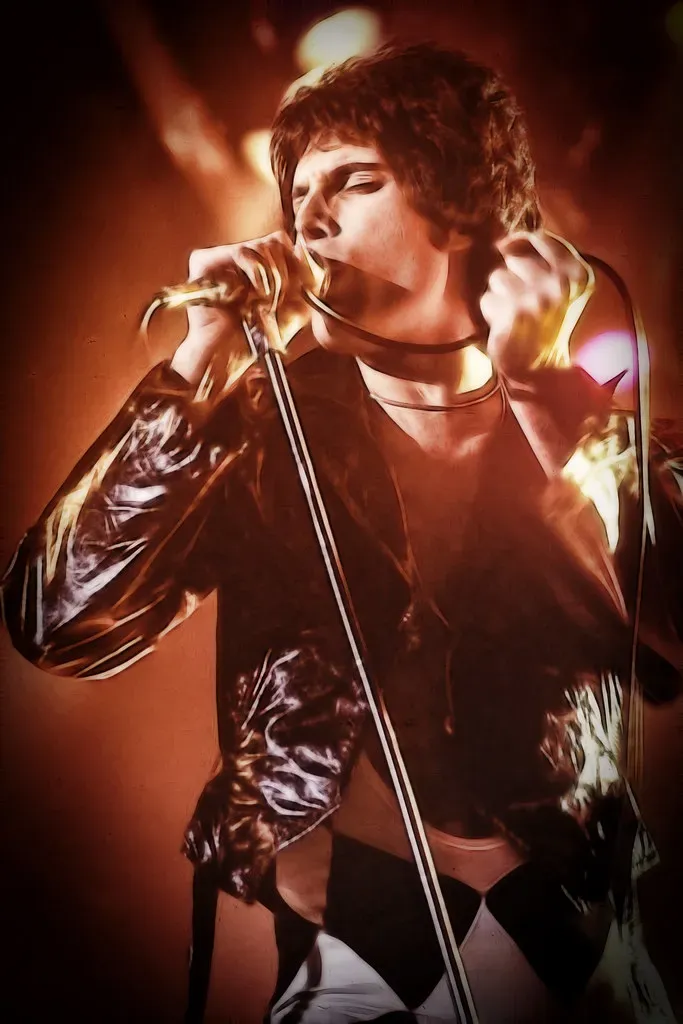
Almost unbelievably, Freddie Mercury didn’t even love the song initially, suggesting the band leave it off their fourth album, A Night at the Opera. Luckily, Queen eventually decided the song deserved to be released, and its instant success bolstered their stardom even more. EMI almost never released it because Ray Foster thought it was too long, believing it would never be a song teenagers would bop their heads to in their cars, especially with unusual operatic words like Bismillah, Scaramouch, and Galileo.
The song earned the coveted Christmas number-one spot in both 1975 and 1991, following Mercury’s death. Honestly, the fact that a label executive once called “Bohemian Rhapsody” unreleasable is one of the most spectacular misjudgments in entertainment history. It’s the kind of story that makes you wonder how many other masterpieces never made it past the boardroom door.
4. “Hallelujah” – Leonard Cohen (1984)

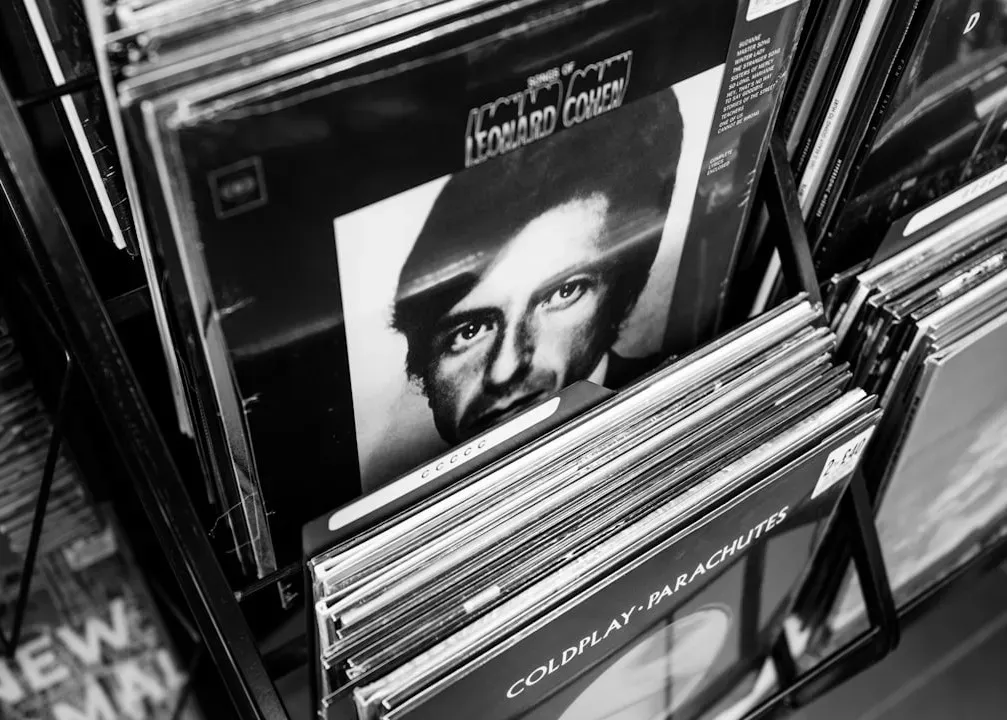
Unlike some other songs that became anthems, “Hallelujah” initially was on an album that was rejected by Columbia Records, was largely ignored after an independent label released it, was not widely covered until John Cale’s 1991 version, and did not reach the Billboard charts until Cohen’s death in 2016. After seven years of workshopping, the song was included on Cohen’s seventh album, “Various Positions,” which was then shelved by his record company in the U.S.
In 1991, John Cale of the Velvet Underground contributed his cover of the song to a Leonard Cohen tribute album, and that version inspired Jeff Buckley to release his own haunting take on “Hallelujah” on his 1994 album Grace. Since 1991, “Hallelujah” has been performed by more than 300 singers in many languages. A song Columbia didn’t think was good enough became one of the most covered compositions in recorded history.
5. “Creep” – Radiohead (1992)

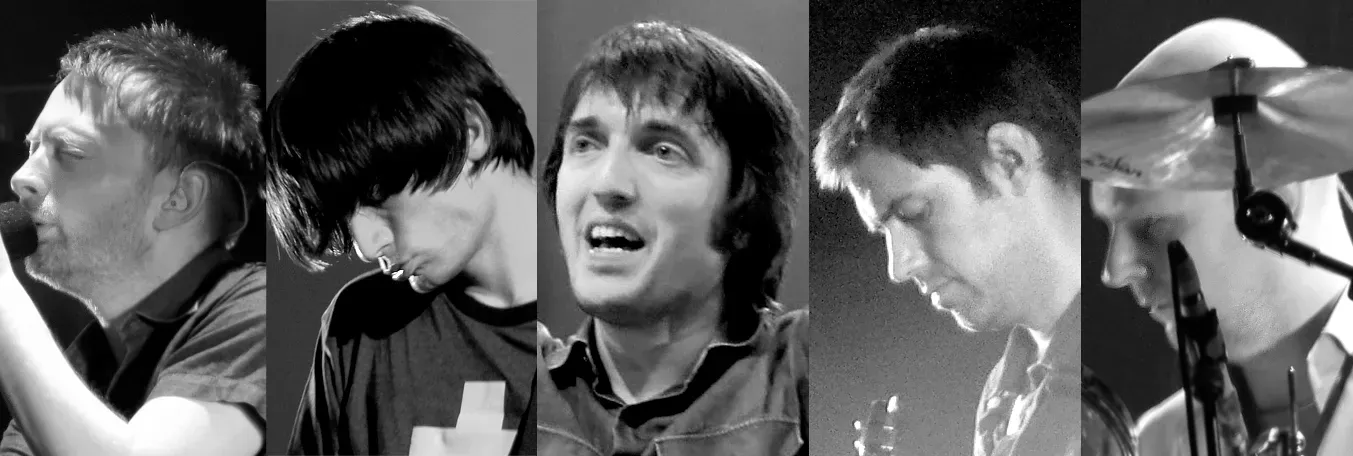
Image:Thom Yorke (Amsterdam).jpg by Michell Zappa
Image:CGreenwood2006-06Radiohead.jpg by Jesse Aaron Safir
Image:Jonny Greenwood (Amsterdam).jpg by Michell Zappa
Image:Radiohead in amsterdam.jpg by Michell Zappa
Image:Phil Selway.jpg by Michell Zappa, CC BY-SA 2.5)
During a session with producers Sean Slade and Paul Q. Kolderie, Radiohead played “Creep” – an old song Thom Yorke had written as a student at Exeter University. The producers initially thought the band was covering a Scott Walker song. Realizing it was an original, Kolderie convinced the band to record it and then convinced EMI to release it as the first single. Meanwhile, Jonny Greenwood’s now-legendary guitar explosions right before the chorus were his actual attempts to ruin the track.
BBC Radio 1 thought the song was too depressing to play, and it floundered on the charts. Later, an Israeli DJ played it and the song became an international hit. It eventually became a hit in America after it was added to an alternative playlist in San Francisco. Even after its official release, the band grew to hate performing their breakthrough hit, derisively nicknaming it “Crap.” You really can’t make this stuff up.
6. “(I Can’t Get No) Satisfaction” – The Rolling Stones (1965)

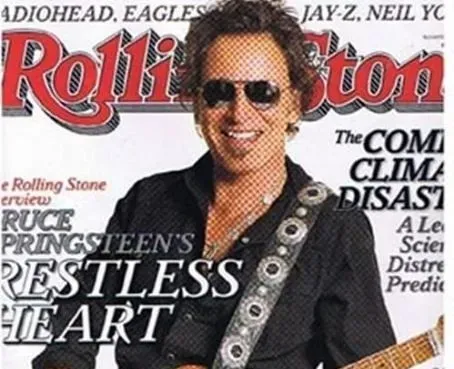
Keith Richards woke up with an eight-note riff in his head, groggily reached for his acoustic guitar and trusty Philips cassette player, put down the riff, and returned to sleep. The next day he played the tape back and in the first 30 seconds heard the riff, a dropped pick, a mumbled impromptu “I can’t get no satisfaction,” followed by 40 minutes of him snoring. Richards initially considered it a throwaway idea for a horn section, not a guitar part, and the band was reluctant to release it as a single.
Richards played the riff on a newly acquired Gibson Maestro FZ-1 Fuzz-Tone and presented it to the rest of The Stones as an album filler. If “Satisfaction” had remained an album filler, the Gibson fuzzbox would never have become a staple of garage rock and psychedelia bands. Although it had been on the market since 1962, by the end of 1965 the entire available stock had sold out. One sleepy riff rewired the entire sound of rock guitar.
7. “Like a Rolling Stone” – Bob Dylan (1965)

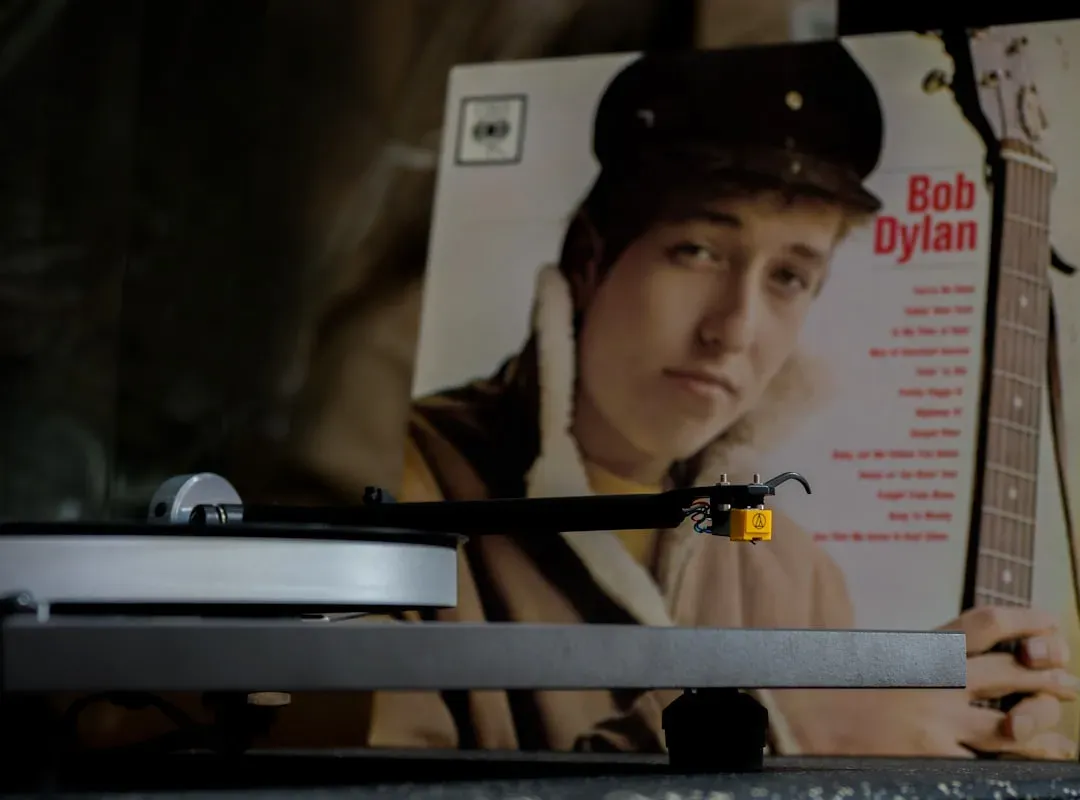
When “Like a Rolling Stone” by Bob Dylan was presented to employees at his label, they were split in their opinions of the song. The marketing department was particularly uninterested in it, which nearly kept it from being on Highway 61 Revisited. Before its official release, Dylan had a DJ play it, and he proved crowds were into it.
In 2011, Rolling Stone named it the greatest song of all time, and it is one of the most influential parts of a legendary opus that garnered Dylan a Nobel Prize in Literature. Writing in The New York Times, Shaun Considine, then-coordinator of new releases at Columbia, said it was almost shelved. According to Considine, the song was a hit among the artists and repertoire department and promotion department, but the sales and marketing department had a very different view. A song that changed songwriting forever was nearly rejected by the people responsible for selling it.
8. “I Will Always Love You” – Whitney Houston (1992)

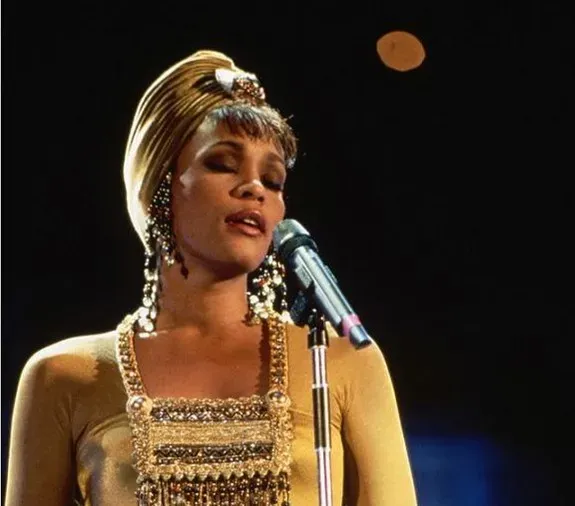
Dolly Parton’s original version of “I Will Always Love You” was a country hit, but Whitney Houston’s rendition almost didn’t happen. The producers of “The Bodyguard” film had other songs in mind, and there were licensing issues to resolve. Kevin Costner, who starred in the film, believed in Houston’s rendition and fought for its inclusion.
It topped the Billboard Hot 100 for 14 weeks and sold over 20 million copies worldwide. The emotional depth of Houston’s performance and the song’s powerful lyrics resonated with audiences, solidifying her legacy as one of music’s greatest vocalists. Think about it – the most powerful vocal performance in pop history was almost replaced by a different song entirely. That one decision shaped how an entire generation understands what a human voice can do.
9. “Kiss” – Prince (1986)

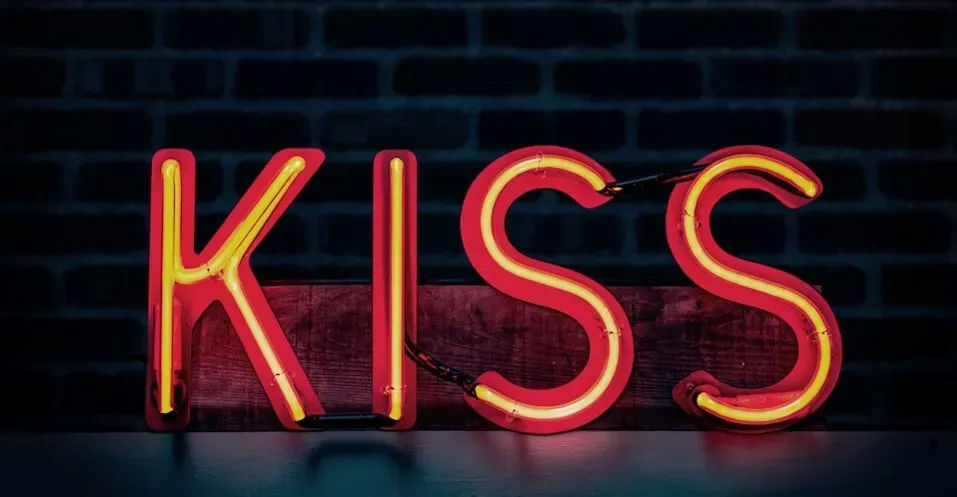
Prince originally wrote the song “Kiss” for the Minneapolis funk band Mazarati. After he and the band collaborated on the song, Prince ended up releasing it as the lead single from his 1986 album Parade. Prince’s label, Warner Bros., thought the track was too sparse to release. They wanted more. Prince, famously, wanted less.
When Prince heard Mazarati’s version, he grabbed the song back, saying “It’s too good for you” and promised the band’s bassist a songwriting co-credit in lieu. Brown Mark never got the credit Prince promised him, later telling Uncut: “He totally stiffed me. I quit the band shortly after that.” Despite all this drama, “Kiss” went on to the number one spot on the Billboard Hot 100 and would later receive a Grammy Award.
10. “Don’t Stop Believin'” – Journey (1981)


Journey’s record label strongly advised against releasing “Don’t Stop Believin'” as a single, arguing that its unconventional structure, with the chorus appearing only at the end, would confuse listeners. It’s a fair critique, in theory. In practice, it turned out to be a catastrophic misjudgment. Few songs have aged better or traveled further than this one.
Though it performed respectably upon release in 1981, it wasn’t until decades later, after appearing in “The Sopranos” finale and “Glee,” that it became the band’s signature song and the most downloaded 20th-century track in iTunes history. A song dismissed as too structurally weird eventually became the anthem of two different cultural generations, proving that sometimes conventional wisdom is the worst possible guide.
11. “Dancing Queen” – ABBA (1976)

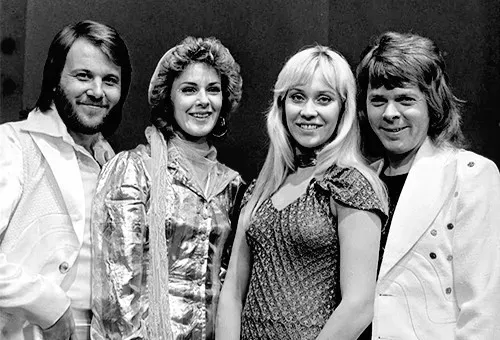
ABBA’s “Dancing Queen” is a disco classic, but it nearly didn’t make it to the public. The band initially doubted the track’s appeal, worrying it sounded too “childish” for their audience. Their concerns nearly halted its release. However, after some nudging from their record label, the song was released in 1976.
It quickly became a massive hit, topping charts worldwide and becoming one of ABBA’s most beloved songs. “Dancing Queen” remains a testament to the power of taking creative risks. Here’s the thing about calling a song “too childish” – joy is ageless, and the people who understand that win every time. Nearly half a century later, “Dancing Queen” still fills dance floors without apology.
12. “Rolling in the Deep” – Adele (2010)


Adele had a tough time finishing “Rolling in the Deep.” She was going through personal turmoil and found it difficult to focus on her music. The song, which was a collaboration with producer Paul Epworth, almost didn’t make it to the album “21.” The emotional chaos that nearly killed the song is also precisely what makes the song so devastatingly good.
Music executives separately doubted the potential of some of Adele’s slowest, most melancholic material, concerned that certain tracks were too sad to compete in the upbeat pop market. It eventually became one of her biggest hits. “Rolling in the Deep” went on to win the Grammy for Record of the Year and Song of the Year in 2012, making it one of the most decorated songs in Grammy history. Sometimes, raw human pain is the most commercially powerful thing in the world.
13. “Born to Run” – Bruce Springsteen (1975)

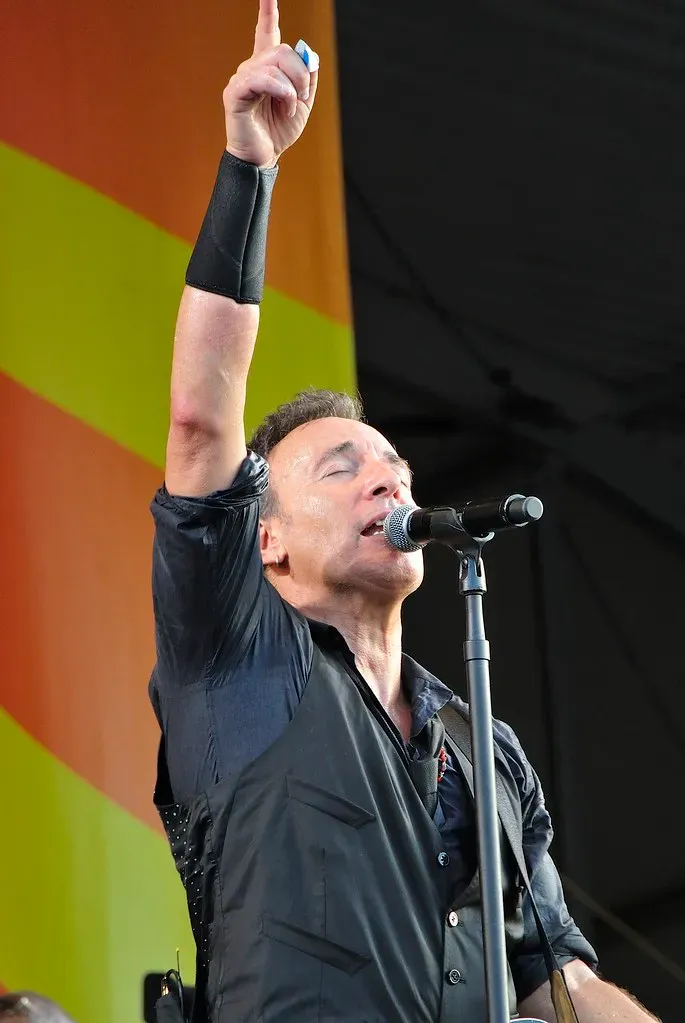
Springsteen spent over six months obsessively recording and re-recording “Born to Run,” driving his band and engineers to the brink of madness. He was so unsatisfied with the results that he nearly scrapped the song entirely, even throwing a test pressing across the room in frustration. That image of Springsteen, furious and heartbroken in a studio, is almost as iconic as the song itself.
The recording process took six months, and the pressure to create a hit nearly led Springsteen to quit. Despite the struggles, “Born to Run” became a defining anthem of rock music. The song’s powerful lyrics and driving sound resonated with listeners, becoming Springsteen’s signature song. The song that almost didn’t make it out of the studio became his breakthrough hit and career-defining anthem.
14. “Old Town Road” – Lil Nas X (2018)

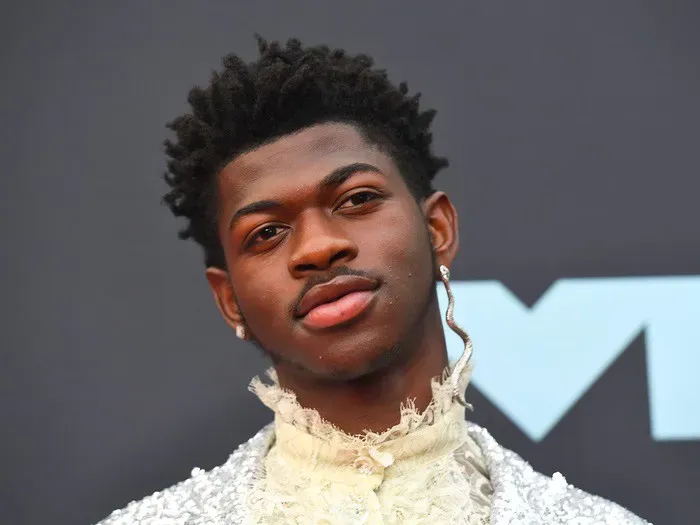
Lil Nas X bought the instrumental online and uploaded his country-trap track to SoundCloud and TikTok. Major labels ignored him at first. The internet, however, had other plans: the song went viral, leading to a remix with Billy Ray Cyrus. It’s a modern fairytale of industry gatekeepers being completely blindsided by what audiences actually wanted.
It broke the record for the longest-running number one single in Billboard Hot 100 history, staying on top for 19 weeks. The song’s wild genre fusion sparked debates about what counts as country or rap, but its popularity was undeniable – over 18 million sales and counting. The story of “Old Town Road” proved that sometimes, the gatekeepers don’t get the final say. A thirty-dollar beat bought online became a cultural earthquake. Did you expect that?
What do you think is the most shocking near-miss on this list? Drop your thoughts in the comments – there are more than a few of these stories that still feel almost impossible to believe.