You walk into a brand-new Las Vegas resort, surrounded by gleaming marble, soaring ceilings, and the faint electronic chime of slot machines. For a moment, everything feels fresh. Then, somewhere between the celebrity chef steakhouse and the rooftop nightclub, a familiar feeling sets in. Haven’t you been here before?
It’s not your imagination. There’s a very real pattern at work on the Strip, one that’s been quietly shaping every new property for decades. What looks like bold ambition often turns out to be the same playbook, just with a different lobby scent. Let’s dive in.
The Integrated Resort Model Has Become the Only Model

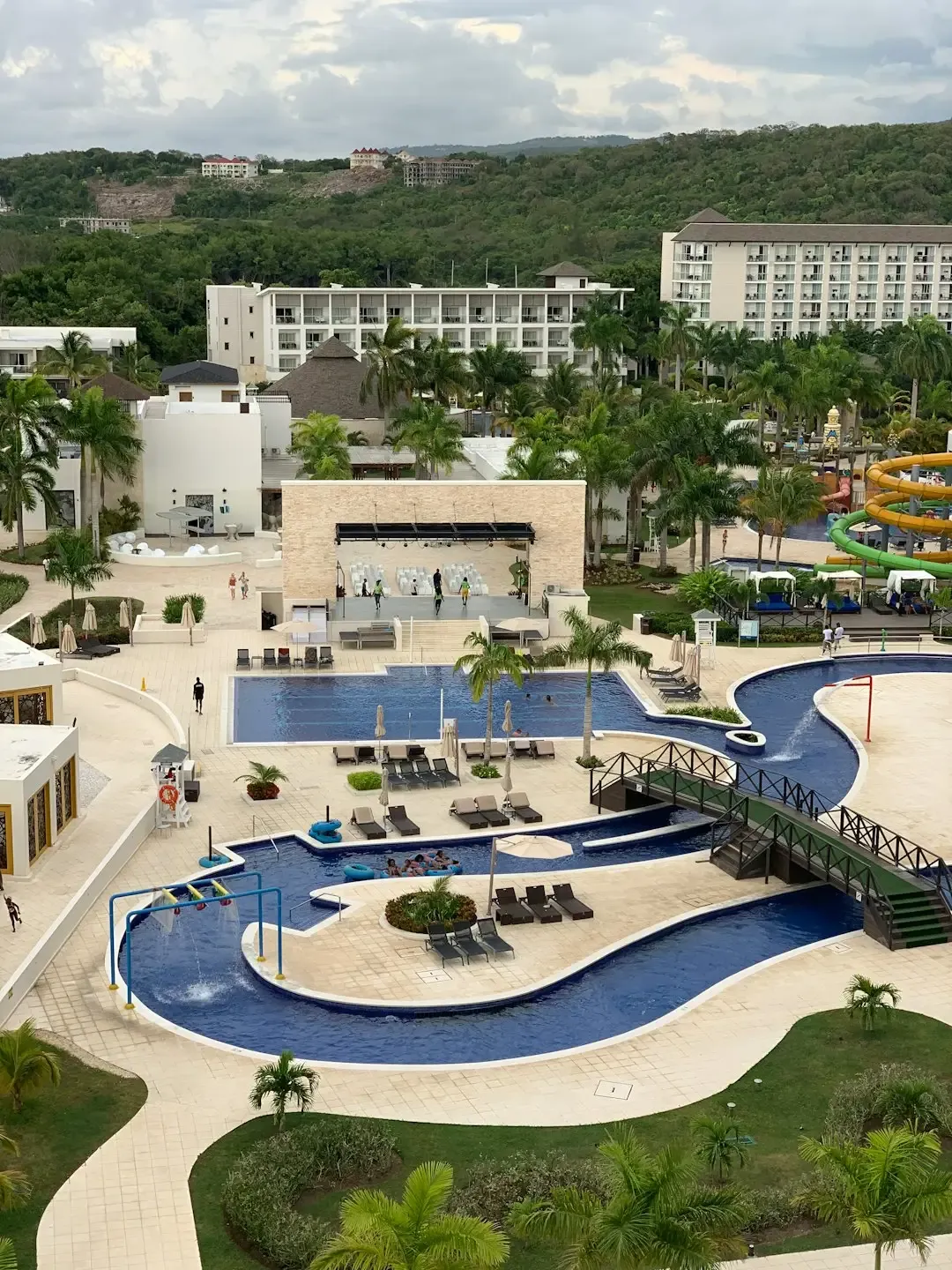
On the Las Vegas Strip, gaming now accounts for just about a quarter of casino income, while hotel rooms alone generate roughly a third of all revenue. That fundamental shift in the economics of running a resort has forced every new property into the same basic structure: a massive hotel tower paired with a casino floor, restaurants, retail, a spa, and entertainment venues, all bundled under one roof. Developers simply can’t afford to open anything less.
Take Fontainebleau Las Vegas, which opened in late 2023 as a massive 3,700-room tower featuring a 550,000-square-foot convention center, pools, a spa, and two levels of luxury retail. Resorts World, meanwhile, offers three different hotel brands under one roof with a spa, a casino, multiple restaurants, and a variety of entertainment options. Honestly, swap out the logos and the layouts would feel practically interchangeable. The integrated resort formula is so financially dominant that stepping outside it feels like financial recklessness to developers.
Celebrity Chefs Are Everywhere, and That’s Exactly the Problem

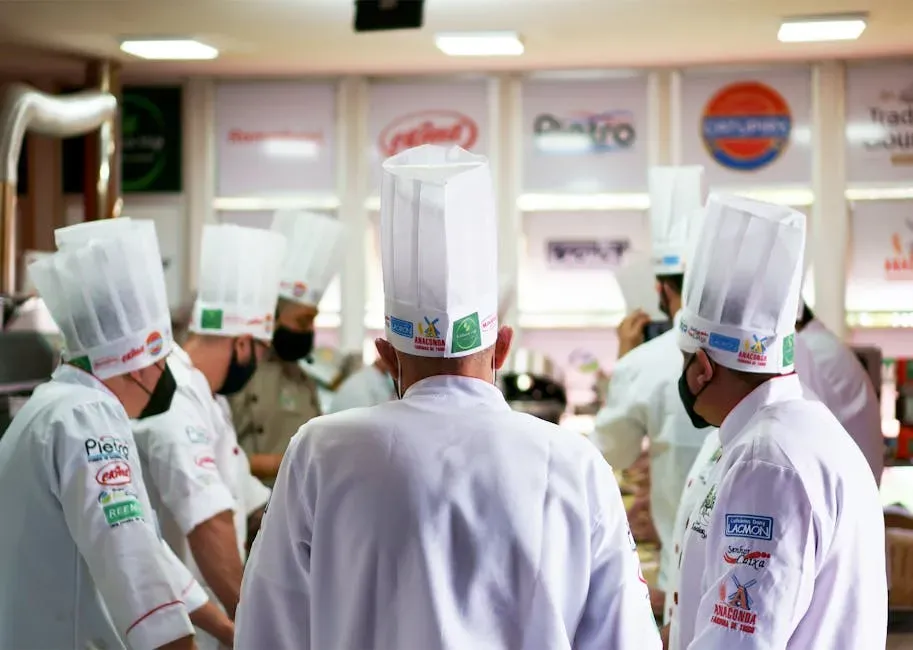
Here’s the thing about celebrity chef restaurants in Vegas: they started as a differentiator and ended up becoming wallpaper. What once felt exciting now feels expected. Every new resort needs its name-brand chef, its steakhouse, its sushi bar. It’s practically a checklist item at this point.
The Las Vegas Strip has become a hotspot for collaborations between celebrated chefs and major resorts, with over 40 celebrity chefs having partnered with casinos. Gordon Ramsay alone maintains multiple concepts on the Strip, including Hell’s Kitchen at Caesars Palace, Gordon Ramsay Steak at Paris Las Vegas, and Gordon Ramsay Burger at Planet Hollywood. Walk through any new property and you’ll find the same rotating cast of famous names attached to polished dining rooms. It’s impressive in isolation. As a pattern repeated across a dozen properties, it starts to blur together into one long tasting menu of sameness.
Two Giants Control the Strip, and They Share a Playbook

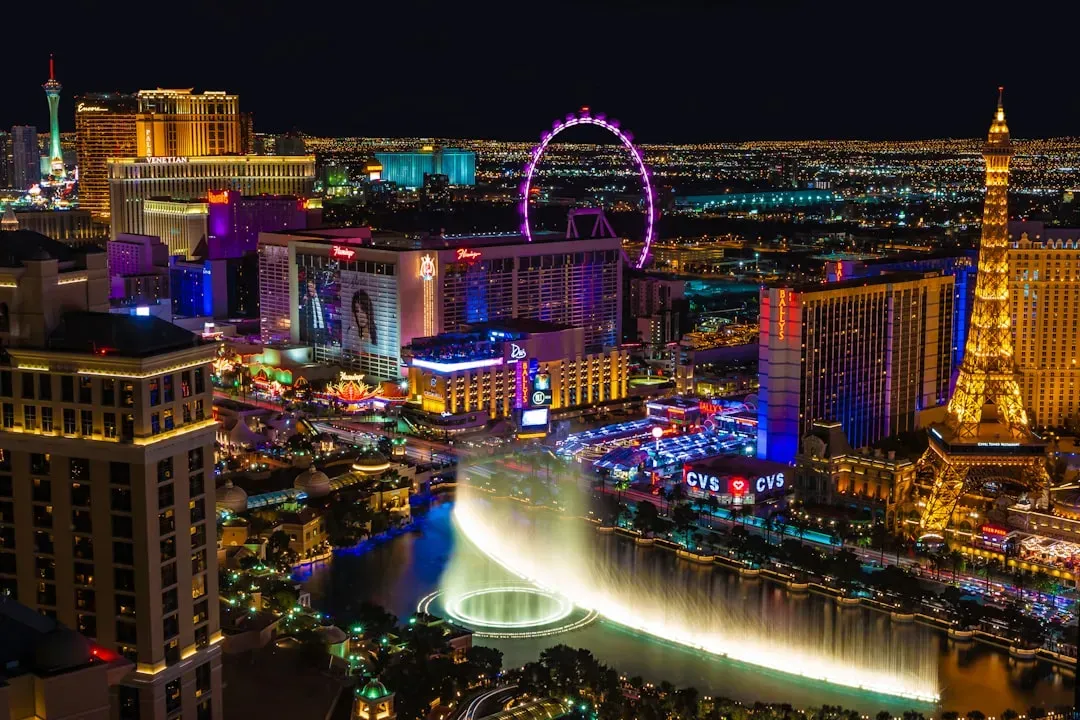
When the same two companies operate the majority of major resorts on the Strip, a certain homogeneity is almost mathematically inevitable. Think of it like a city where one restaurant group runs half the blocks. The menus will vary, but the kitchen philosophy will not.
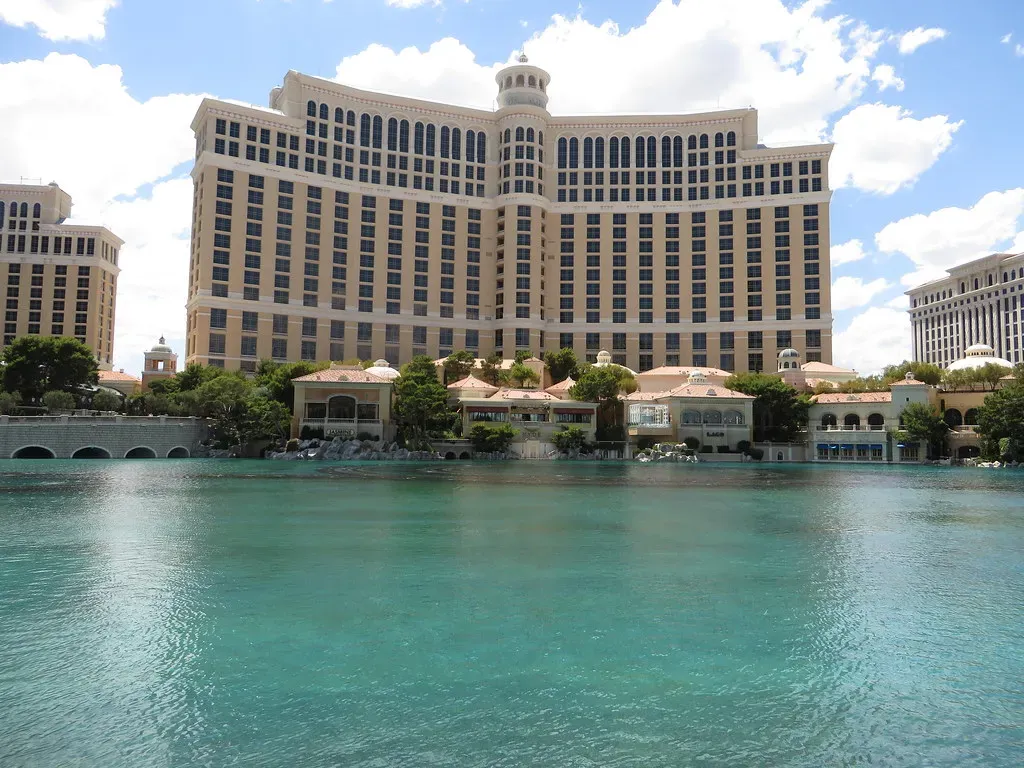
Today, the Strip is dominated by just two gaming giants, MGM Resorts and Caesars Entertainment, which combined control over half the major resorts. Caesars owns its namesake Caesars Palace, Harrah’s, Planet Hollywood, the Cromwell, the Flamingo, Bally’s, the Linq, and Paris Las Vegas, while MGM counters with Cosmopolitan, Bellagio, Aria, MGM Grand, Mandalay Bay, Park MGM, New York-New York, Luxor, and Excalibur. That kind of market concentration means design decisions, loyalty program structures, and amenity strategies get standardized across portfolios. Consolidation has led to cost savings and operational efficiencies that benefit their bottom lines, but it also means fewer genuinely independent visions making it onto the Strip.
Non-Gaming Revenue Has Rewritten the Design Brief

There’s a striking statistic that quietly explains so much about why new Vegas resorts look the way they do. Strip customers spend nearly three-quarters of their trip budgets on non-gaming amenities, according to the Nevada Gaming Control Board’s Gaming Abstract. When roughly three quarters of the money visitors spend goes to everything except gambling, the entire resort layout gets redesigned around that reality.
Gaming accounts for just 26.1% of income for Las Vegas Strip casinos, while hotel rooms generate 34% and dining makes up 18.5% of income. Every new property is therefore engineered first as a hotel, dining, and entertainment destination, with the casino floor almost as a secondary feature. Some major resorts are leaning harder into headline entertainment residencies and expanded food, beverage, and experiential offerings in a bid to broaden appeal. The result is that every resort races toward the same high-margin revenue categories, and the blueprint for those categories looks remarkably similar whether you’re at Fontainebleau or Resorts World.
Convention Infrastructure Demands a Universal Template


It’s hard to say for sure how many first-time visitors realize just how much of Vegas runs on convention business. It’s not all bachelor parties and poker tables. A huge portion of the city’s economy is built around business travelers with expense accounts, and that reality stamps a very specific architectural requirement onto every new major resort.
The Las Vegas Convention Center hosted 1.5 million attendees for events in 2023, with total convention space in Las Vegas exceeding 11 million square feet at 90% utilization, and the number of conventions held that year reached 22,106, generating a $12.4 billion economic impact. Any resort that wants a piece of that enormous convention business needs ballrooms, meeting rooms, breakout spaces, and catering operations built to a certain scale. Fontainebleau, for example, offers around 3,700 rooms, an impressive 550,000 square feet of convention space, and a shopping district spanning 90,000 square feet. The conventions don’t just share the same city, they demand the same resort infrastructure. So developers build the same infrastructure, every single time, because the convention market essentially requires it.
Conclusion: The Strip’s Big Secret

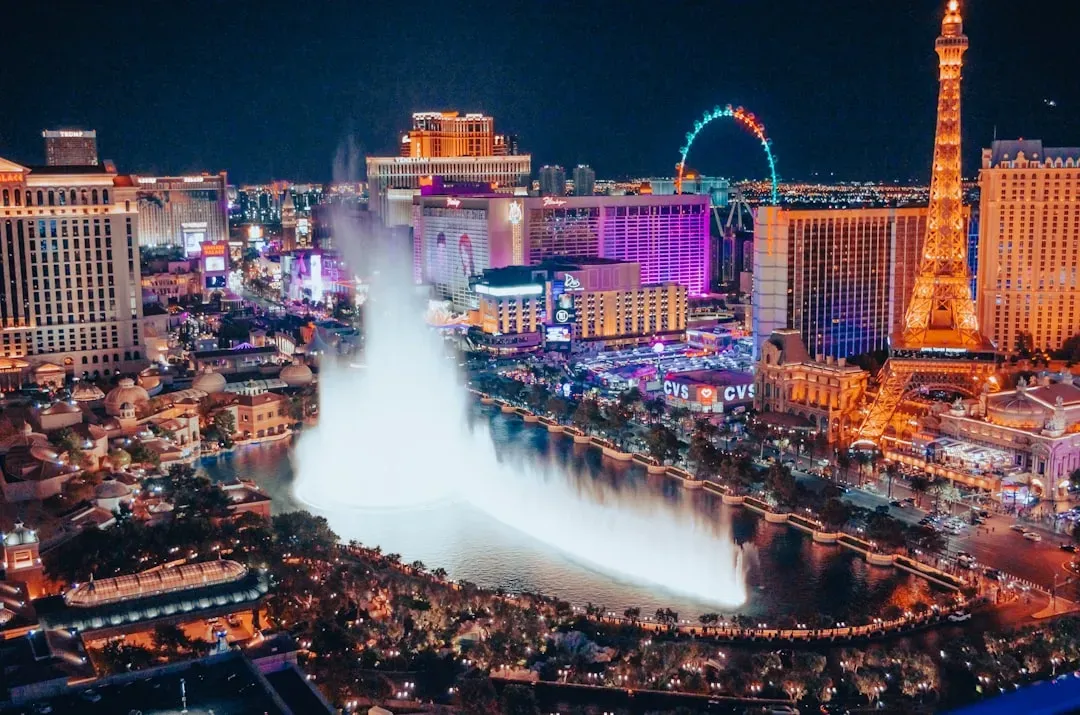
Las Vegas has always sold the idea of novelty. New resort, new experience, new reason to book a flight. Resorts here have a notoriously short lifespan and are imploded and reborn as new, re-imagined mega-resorts with mind-numbing frequency. Yet beneath the fresh marble and the glowing signage, the forces shaping every property are largely identical: the same revenue pressures, the same corporate ownership, the same celebrity dining contracts, the same convention hall requirements.
That’s not necessarily a scandal. The formula works, and it works at a scale that’s almost hard to comprehend. Gaming’s share of Clark County revenue has dropped from 58% in 1984 to just 34% today, which means the city has successfully reinvented what a resort even means. Still, next time you check in somewhere brand new and think “this feels familiar,” trust that instinct. The Strip isn’t just a street. It’s a business model wearing different curtains.
What do you think? Is the Vegas formula a triumph of smart business, or has the city quietly traded its wild personality for something closer to a luxury airport? Drop your take in the comments.