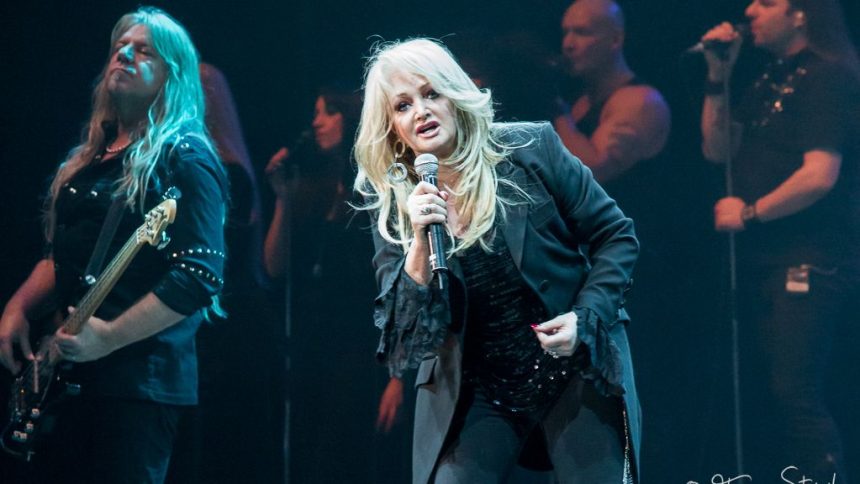
Music is a strange thing. A songwriter pours something private into a melody, releases it into the world, and then watches the audience do something completely unexpected with it. Sometimes fans hear defiance where the writer intended despair. Sometimes they find joy in a lament, or romance in something that was never meant to be tender at all.
This is not a failure of communication. It’s one of the stranger, more fascinating powers of music. Once a song leaves the studio, artists relinquish exclusive control over interpretation, allowing multiple valid interpretations to exist simultaneously. These are fourteen cases where that handoff changed everything, sometimes baffling the people who wrote the songs, and occasionally healing them.
1. “Alive” by Pearl Jam

Few songs have had their meaning so completely reversed by an audience as this one. Vocalist Eddie Vedder wrote lyrics that describe a somewhat fictionalized account of the time when he was told that the man he thought was his father was not actually his biological parent. The chorus, “Oh, I, oh, I’m still alive,” was originally intended as a curse – a lament that he has to live with this painful truth.
Vedder described watching “folks jumping up in the aisles, using their bodies to express themselves and singing along ‘I’m still alive’ en masse,” and said that “every night when I look out at this sea of people reacting on their own positive interpretation, it was really incredible.” In his own words: “The audience changed the meaning of these words and when they sing ‘I’m still alive,’ it’s like they’re celebrating.” He concluded simply: “They lifted the curse. The audience changed the meaning for me.”
2. “Every Breath You Take” by The Police
The Police released it in 1983, then watched it climb to an eight-week run at number one on the Billboard Hot 100 and settle in as the year’s biggest American hit, a chart fact that helps explain why so many couples still slow dance to it without hearing the threat tucked inside the rhyme. This is one of the most misinterpreted songs ever. It is about an obsessive stalker, but it sounds like a love song. Some people even used it as their wedding song.
Sting told BBC Radio: “I think the song is very, very sinister and ugly and people have actually misinterpreted it as being a gentle little love song, when it’s quite the opposite.” He confessed to DJ Casey Kasem that the misinterpretation led to some awkward moments: “One couple told me ‘Oh we love that song; it was the main song played at our wedding!'” Sting recalled. “I thought, ‘Well, good luck.'” The gap between what he wrote and how the world received it became a defining feature of the song itself.
3. “Born in the USA” by Bruce Springsteen
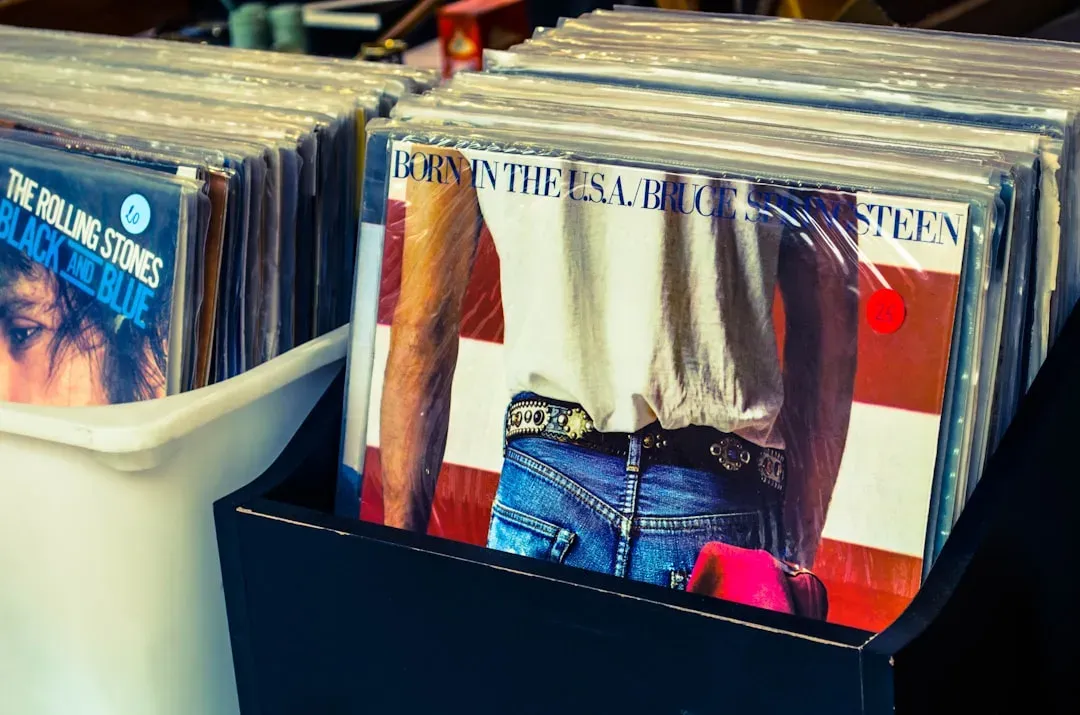
Despite its lyrics describing a Vietnam veteran feeling betrayed by his country, the anthemic chorus has led to widespread use as a patriotic celebration at political rallies in the USA, contrary to Springsteen’s intended critique. Used by countless politicians from Ronald Reagan to Donald Trump to extol the virtues of America, this song is in reality a protest anthem from the point of view of a Vietnam veteran.
Music critic Greil Marcus believed the use of the hit as a political anthem fuelled its legacy, saying “Clearly the key to Bruce’s popularity is in a misunderstanding. He is a tribute to the fact that people hear what they want to hear.” As Songfacts points out, “Most people thought it was a patriotic song about American pride, when it actually cast a shameful eye on how America treated its Vietnam veterans.” The collision between the rousing music and the bitter lyrics created a cultural blind spot that persists to this day.
4. “Good Riddance (Time of Your Life)” by Green Day
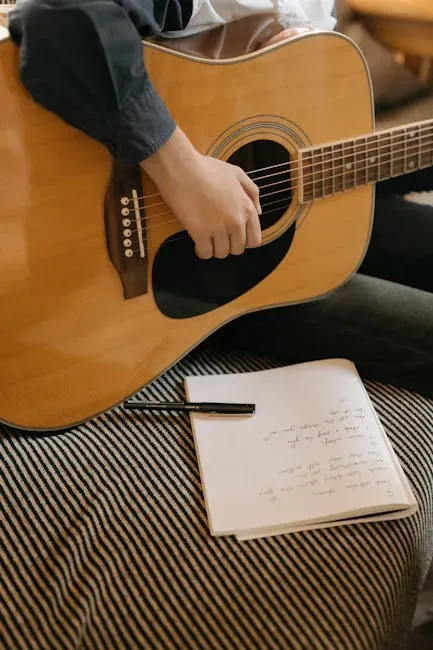
It’s a breakup song – Billie Joe Armstrong wrote it in 1993 after his girlfriend moved to Ecuador. It’s literally called “Good Riddance,” which is about as bitter a title as you could possibly name a song about a relationship. Yet somehow, over the years, it became one of the most beloved graduation and farewell anthems in modern pop culture, played at proms and retirement parties the world over.
The misinterpretation of this song endures, and Armstrong has conceded that it makes sense at prom, perhaps, and that when he wrote it, he wasn’t actually trying to sound bitter. As he said to Guitar Legends magazine in 2005, “I think it came out a little bitter anyway.” The song’s gentle acoustic arrangement quietly overruled its acerbic origins, turning spite into sentiment in the ears of an entire generation.
5. “Closing Time” by Semisonic

For years, bartenders adopted this as their unofficial anthem, and rightly so. The line about everyone needing to go home seemed perfectly designed for last call. Semisonic frontman Dan Wilson predicted the second life of the band’s only big hit; in 2010, Wilson told The Hollywood Reporter, “I really thought that that was the greatest destiny for ‘Closing Time,’ that it would be used by all the bartenders.” The twist, though, is that the song had nothing to do with bars.
In 2010, Wilson admitted to American Songwriter that he had babies on his mind partway through writing the gangbuster breakout hit, stating, “My wife and I were expecting our first kid very soon after I wrote that song. I had birth on the brain, I was struck by what a funny pun it was to be bounced from the womb.” The bar crowd had unknowingly claimed a song about new life as their nightly sendoff, and the double meaning stuck so well that neither reading ever fully displaced the other.
6. “Fortunate Son” by Creedence Clearwater Revival
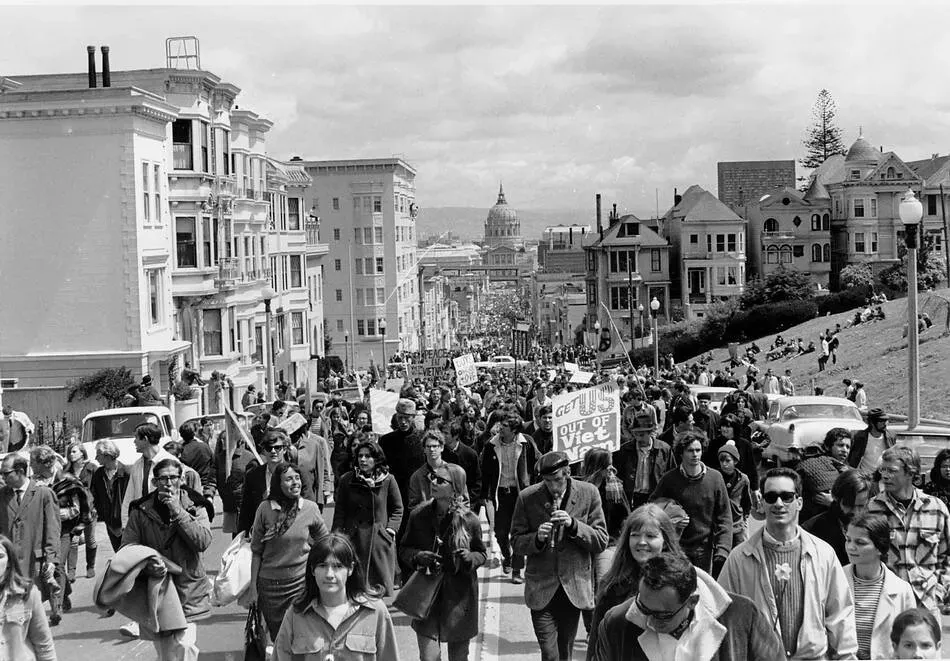
Creedence Clearwater Revival’s “Fortunate Son” has had an interesting lifespan since its release in 1969. While John Fogerty wrote it as a cleverly coded protest of the Vietnam War, in hindsight, it has had almost the opposite effect. “Fortunate Son” became a staple in a director’s toolbox when they want to make a film set in the sepia-toned jungles of Vietnam, nearly romanticizing the conflict with classic rock nostalgia.
Moreover, many self-proclaimed patriots adopted the tune as a symbol of their dedication to the country, taking the point of view that to fight for one’s country is an honor, despite Fogerty strongly rejecting the idea. Fogerty once told Rolling Stone, “‘Fortunate Son’ is a song I wrote during the Vietnam War over 45 years ago. I do believe that its meaning gets misinterpreted and even usurped by various factions wishing to make their own case.” A protest song became, for many, a rallying cry – about as complete an inversion as a songwriter can experience.
7. “In the Air Tonight” by Phil Collins

The rumors surrounding this Phil Collins hit are nothing short of macabre. As the urban legend goes, Collins wrote this song after watching a man let someone drown without trying to save him. There are even stories that Collins found the man in question, invited him to a show, and then singled him out in front of a sold-out audience, announcing that “In the Air Tonight” was about him before breaking into an especially vicious version.
None of this is true, according to Collins. As he explained in a Tonight Show interview, the song was about his divorce. The drowning legend spread so widely and became so deeply embedded in popular consciousness that the song carries a completely different emotional weight for most listeners than Collins ever intended. The audience built a mythology around it that the real story can barely compete with.
8. “One” by U2
Many fans thought of U2’s “One” as a lovely tribute to togetherness. It became a staple at charity events and sentimental occasions, embraced as a straightforward message of unity. The reality was considerably more complicated. Bono explained to the Los Angeles Times in 1993: “It is a song about coming together, but it’s not the old hippie idea of ‘Let’s all live together.’ It is, in fact, the opposite. It’s saying, we are one, but we’re not the same. It’s not saying we even want to get along, but that we have to get along together in this world if it is to survive.”
The song was written during a fractious band session in Berlin and carried genuine internal tension within the group. Its warmth of sound disguised a far more ambivalent message about human coexistence. Audiences found comfort in it anyway – and that communal comfort gave it a life and a function that even Bono’s clarifications couldn’t fully redirect.
9. “Lucy in the Sky with Diamonds” by The Beatles
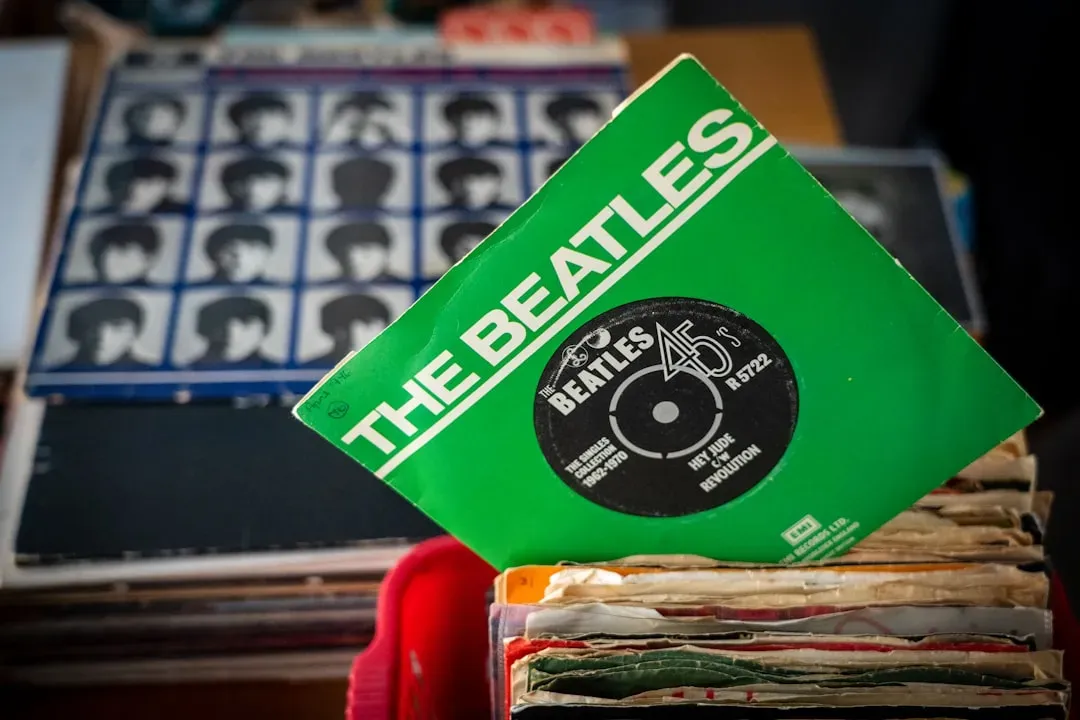
No matter how many times John Lennon told the world that “Lucy in the Sky With Diamonds” was not about LSD, the pervasive theory still gets passed around today. Given the era in which this Beatles classic was released, amid the drugged-out haze of the late ’60s, it’s not hard to figure out why fans latched onto this theory. Lennon routinely dismissed any speculation that the song was drug-influenced, and instead explained that the song was inspired by a drawing his son, Julian, did.
The initials L-S-D in the title made the drug theory feel almost too obvious to resist, and the song’s surreal imagery fed every assumption. Lennon said in a 1971 interview: “It never was [about LSD] and nobody believes me. This is the truth: My son came home with a drawing and showed me this strange-looking woman flying around.” The audience’s interpretation became so dominant that the song’s real origin story has never fully broken through.
10. “Imagine” by John Lennon

When Rolling Stone named the former Beatle’s ubiquitous hit the third-greatest song of all time, Lennon’s hallmark lyrics were described as “22 lines of graceful, plain-spoken faith in the power of a world, united in purpose, to repair and change itself.” Most audiences received it as the ultimate peace anthem, a gentle, universal call for harmony. The layers underneath that reading are considerably more provocative.
Lennon called the song “virtually the Communist Manifesto,” and once the song became a hit, went on record saying, “Because it’s sugarcoated it’s accepted. Now I understand what you have to do – put your message across with a little honey.” The sweetness of the melody did exactly what Lennon intended it to do: it carried a radical political vision into living rooms that would never have accepted the message delivered any other way. The audience heard the honey. Lennon was very aware of the pill inside it.
11. “Who Let the Dogs Out” by Baha Men

For most people, this song is simply a call-and-response novelty built for stadiums and children’s parties. Almost nobody heard the actual point. Asking who let the dogs out became low-hanging comedy fruit after the song’s release in 2000, which meant most people missed that it was “a man-bashing song.” Songwriter Anslem Douglas said it’s a song about a good time being ruined by men catcalling and harassing women. Everyone’s having a great time, and then jerks start treating women like objects, and it ruins everything.
The video for Baha Men’s cover of Douglas’s song featured a ton of literal dogs escaping past a guard at a doggie daycare, further obfuscating its feminist roots. The cheerful production and the literal-sounding hook made its actual message essentially invisible. To this day, the song is treated as pure absurdist fun – a outcome so complete that the original feminist commentary is nearly impossible to locate inside the cultural memory of the track.
12. “Pumped Up Kicks” by Foster the People

It remains one of the most unsettling examples of an audience absorbing a dark song as a breezy summer tune. The song may sound like a school kid enjoying a new pair of shoes, but it’s really about a school shooting. The deliberately easy, whistling melody and indie-pop arrangement masked subject matter that most listeners never even registered on a conscious level.
Lead singer Mark Foster said during a 2011 Rolling Stone interview, “I was trying to get inside the head of an isolated, psychotic kid.” The song became a massive radio and streaming hit, sung along to happily at festivals while containing lyrics about a troubled teenager with a gun. The audience’s experience of the song, shaped almost entirely by its sound rather than its words, created a cultural object almost unrecognizable to the person who wrote it.
13. “Blackbird” by The Beatles
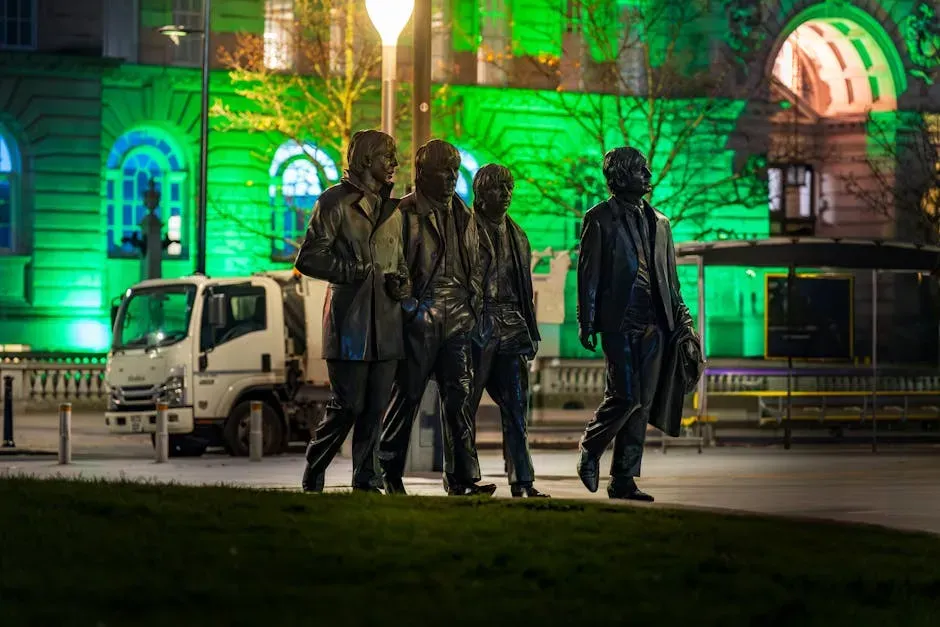
Most casual listeners have always understood this Paul McCartney song as a delicate meditation on personal freedom or perseverance. The imagery of a blackbird learning to fly invites that kind of gentle, universal reading. The actual context is far more specific. McCartney told Santa Monica radio station KCRW that “It’s not really about a blackbird whose wings are broken, you know, it’s a bit more symbolic.” A highlight from the McCartney songbook, Sir Paul penned “Blackbird” about the American Civil Rights Movement, drawing inspiration from the racial desegregation of the Little Rock, Arkansas, school system.
The song’s wide appeal meant that most listeners connected with it purely on an emotional level, never probing its political origins. In a 2008 interview with Mojo, McCartney elaborated on his intent: “I got the idea of using a blackbird as a symbol for a Black person. It wasn’t necessarily a black ‘bird,’ but it works that way, as much as then you called girls ‘birds’… it wasn’t exactly an ornithology ditty; it was purely symbolic.” For decades, the audience’s personal reading of the song ran parallel to its historical meaning, largely unaware the two things coexisted.
14. “Total Eclipse of the Heart” by Bonnie Tyler
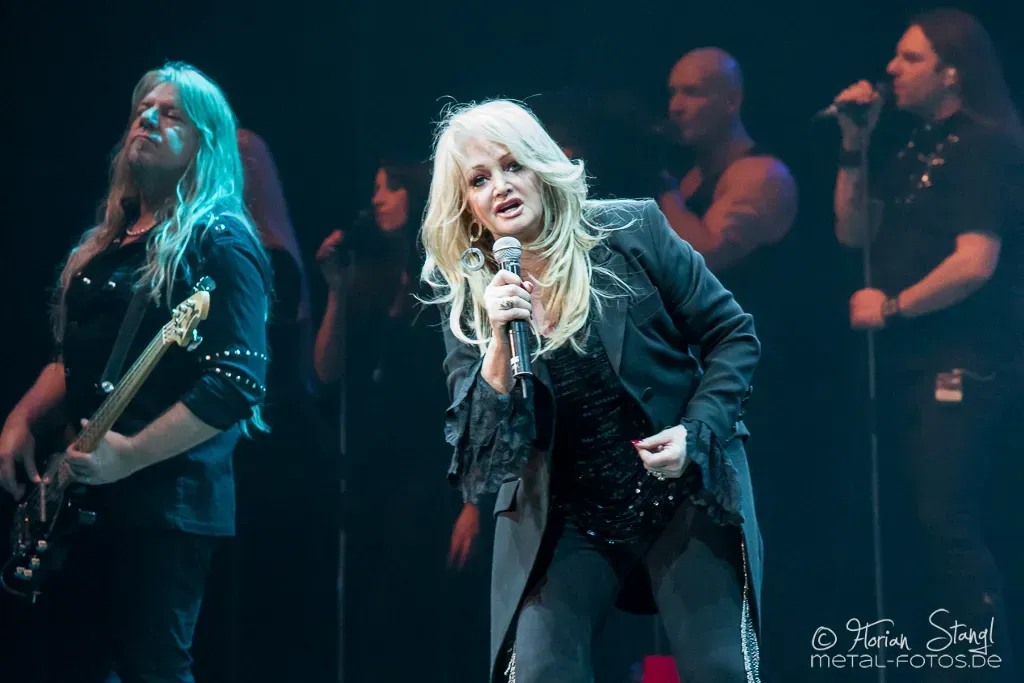
Generations of listeners have belted this out as the definitive breakup power ballad, complete with the grand romantic suffering that Bonnie Tyler’s voice delivers so convincingly. The song has anchored countless dramatic moments in films, TV shows, and very enthusiastic karaoke nights. What almost nobody knew is that the original concept had nothing to do with human heartbreak at all. The track’s original title was “Vampires in Love” and it was intended for a musical version of “Nosferatu” that writer Jim Steinman was working on. Thankfully, the song got a mainstream coat of paint and was given to Bonnie Tyler with a new title, allowing it to become the chart-topping success we all know and love.
This breakup ballad is not about a typical “boy meets girl” scenario. Jim Steinman, who wrote the song for Bonnie Tyler, told Playbill that he based the song on a fantasy about vampires. No joke. It was originally called “Vampires in Love,” which explains all the creepy lines such as, “Your love is like a shadow on me all of the time.” Audiences built an entire emotional universe around this song, turning it into a shared anthem of romantic devastation without ever knowing it was originally sung to the undead.
What these fourteen songs share is something quietly remarkable: in each case, the listener’s relationship with the song became as real and as valid as the songwriter’s original intent. Music invites listeners to form stronger emotional bonds with songs by connecting them to their own experiences. Sometimes those bonds grow so strong that they reshape the song itself, permanently. The songwriter sends out a message in a bottle and the audience writes back on it with their own stories, their own grief, their own celebrations. That’s not a misunderstanding. That’s music doing what it was always quietly built to do.