Most TV finales fail quietly. They either wrap things up too neatly, leaving audiences vaguely unsatisfied, or they swing for something audacious and miss entirely. The graveyard of disappointing endings is long and well-documented. Yet every so often, a show does something genuinely unexpected in its final hour – something that shouldn’t work on paper – and somehow it does, completely and memorably.
What separates a rule-breaking finale that works from one that simply frustrates is harder to define than it sounds. It’s not about resolution or ambiguity on their own. It’s about whether the creative choices feel earned. The finales below each defied conventional expectations in their own way, and television is richer for it.
The Sopranos – “Made in America” (2007): The Cut to Black That Changed Everything
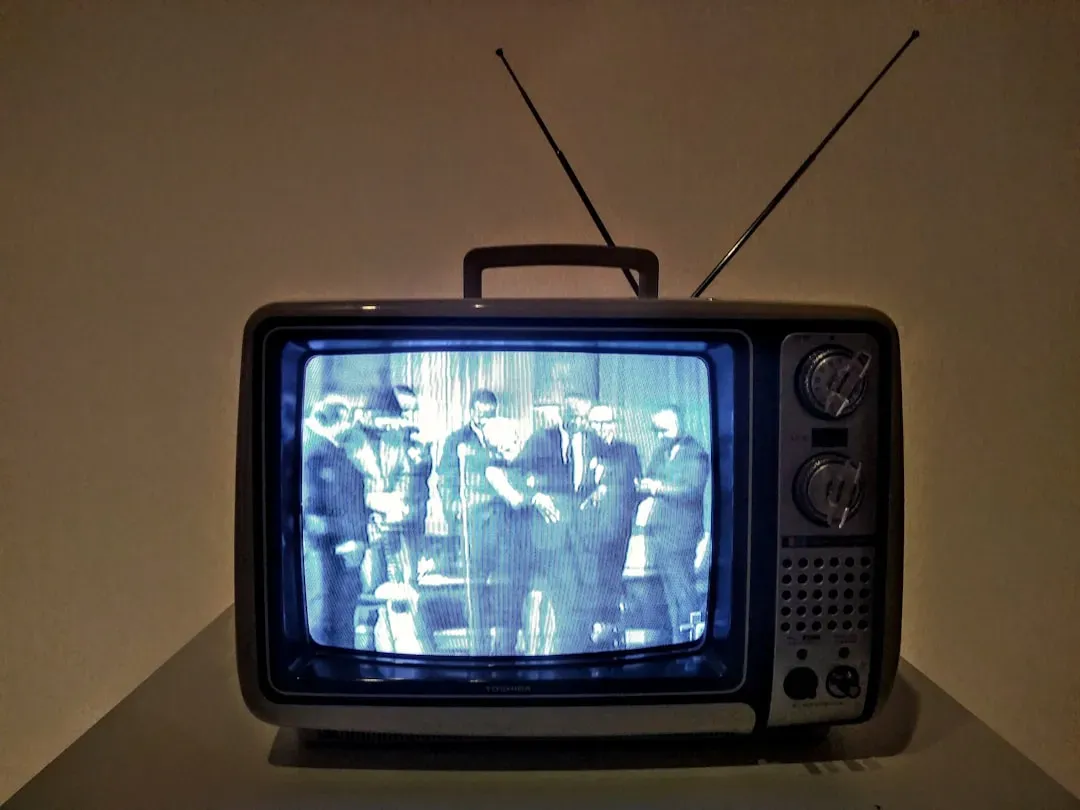
When The Sopranos faded to black in its last moments, millions of viewers sat in stunned silence. This wasn’t just a dramatic flourish – it was a seismic jolt to television storytelling. In advance of the finale, distributors, wary of the show’s distinctive conclusion, cautioned cable providers about the potential for viewer complaints, fearing fans might mistakenly believe their cable service had failed.
The lack of closure for Tony Soprano’s fate ignited fierce debates and conspiracy theories that persist to this day. Some fans felt cheated, while others praised the ambiguity as a perfect fit for a show built on moral uncertainty and tension. Ultimately, it gave a generation of creators permission to embrace ambiguity and stop worrying about wrapping up their shows neatly. In the years since The Sopranos ended, viewers and critics have increasingly recognized the finale’s effectiveness – after all, people are still talking about it nearly two decades later.
Breaking Bad – “Felina” (2013): The Rare Finale That Satisfied Almost Everyone

Breaking Bad’s “Felina” is the rare finale that managed to satisfy almost everyone. The episode, which aired on September 29, 2013, tied up major plot threads without feeling forced or overly neat. Walter White’s journey from desperate teacher to criminal mastermind reached its inevitable, bloody conclusion, and the show’s meticulous storytelling paid off in full.
While many predicted Walter White’s demise, few anticipated his redemptive arc that included freeing Jesse, eliminating his enemies, providing for his family, and finding strange peace in his final moments. The methodical finale delivered justice while allowing its protagonist a measure of closure without undermining the show’s moral framework. Creator Vince Gilligan’s commitment to resolution rather than ambiguity provided a stark contrast to contemporaries who embraced more open-ended conclusions.
Six Feet Under – “Everyone’s Waiting” (2005): The Flash-Forward That Redefined Finality
Six Feet Under’s “Everyone’s Waiting” has a claim to be the best TV series finale on a notable metric, which is IMDb rating. The series finale currently holds a 9.9 on the site, with over 14,000 reviews. TV Guide ranked the episode number 22 on its list of “TV’s Top 100 Episodes of All Time” and also named it one of the best TV moments of the decade.
The episode begins like no other in the series: not with a death, but with a birth. Many television shows end with a character driving off into the sunset, but Six Feet Under’s conclusion has an emotional montage that goes through all the main characters’ futures and deaths – a truly fitting goodbye. Finally, in 2085, having outlived them all, Claire dies peacefully at the age of 101 in her own home, with photographs of the Fisher family adorning her walls. The show about death ended, fittingly, by showing you exactly how everyone dies – and it worked.
Better Call Saul – “Saul Gone” (2022): The Prequel That Surpassed Its Parent

Heading into Better Call Saul’s sixth season, few thought that Vince Gilligan and Peter Gould could top “Felina.” What makes “Saul Gone” so masterful is how it hinges on choice. Over the course of two series and ten seasons, both Breaking Bad and Better Call Saul established Slippin’ Jimmy McGill as a master manipulator who was able to bend and twist the law to his will.
For most of “Saul Gone,” that’s exactly what Jimmy does, squirming and playing the victim to get a reduced sentence. It’s only when he realizes how his crimes will impact Kim that Jimmy changes his tune, confessing to every part of Walt’s empire and a myriad of other crimes. When Jimmy and Kim share that final cigarette, they do so as equals – two kings of the con who chose to go straight for each other.
The Good Place – “Whenever You’re Ready” (2020): A Comedy That Tackled Mortality With Grace

The series finale of The Good Place, titled “Whenever You’re Ready,” is the two-part series finale of the American fantasy-comedy television series. It is the thirteenth and fourteenth episode of the fourth season and the fifty-second and fifty-third episode overall, written and directed by series creator Michael Schur. Several commentators noted that the finale offered a metaphor for both the show itself and television more generally. The door mirrors the decision for the show to end on its own terms, leaving an absence in its wake but still remaining meaningful.
Partner offer
The series finale’s central existential crisis: too much of anything becomes a kind of torture, even infinite bliss. So the team convinces Michael to build a “Last Door” through which anyone in the Good Place may step through and cease to exist. The finale worked because it was essentially cycling through all the contradictory emotions that people feel when they know they’re at the end: sad, hopeful, wry, earnest, looking at the big picture, thinking about the people they love.
Succession – “With Open Eyes” (2023): An Ending That Refused to Be Triumphant

The Succession finale, which aired on May 28, 2023, saw alliances crumble and dreams shatter, all with the show’s trademark dark humor. The writing was razor-sharp, and the performances left viewers reeling, as the show refused to offer a tidy resolution. Critics hailed the finale as a modern classic, with The Guardian and other outlets praising its ability to deliver both catharsis and discomfort.
The Succession finale is now cited alongside those of Breaking Bad, Community, The Good Place, and Better Call Saul as a benchmark for great TV endings. The show stuck the landing. The creators knew the story they were telling. They knew the characters they were crafting. They knew how it had to happen. Few finales have felt so inevitable in retrospect while remaining shocking in the moment.
Newhart – “The Last Newhart” (1990): The Greatest Sitcom Twist in Television History

In one of television’s most legendary twists, Newhart’s finale revealed the entire series had been a dream, shattering expectations in hilarious fashion. Airing on May 21, 1990, the episode stunned audiences and critics alike, instantly becoming a cultural milestone. The clever callback to Bob Newhart’s earlier sitcom, The Bob Newhart Show, was both a love letter to fans and an audacious narrative gamble.
Playing a Vermont innkeeper, Newhart goes to sleep and wakes up in the Chicago bed of his previous series next to his wife from that show with a look of total bemusement on his face. The entire series had been a dream. Comedian Bob Newhart delivered television’s greatest meta-joke when he concluded his successful sitcom by waking up as his character from his previous series. The brilliant callback delighted audiences familiar with both shows while establishing a new standard for self-referential comedy.
Twin Peaks: The Return – Parts 17 and 18 (2017): When Confusion Becomes the Point
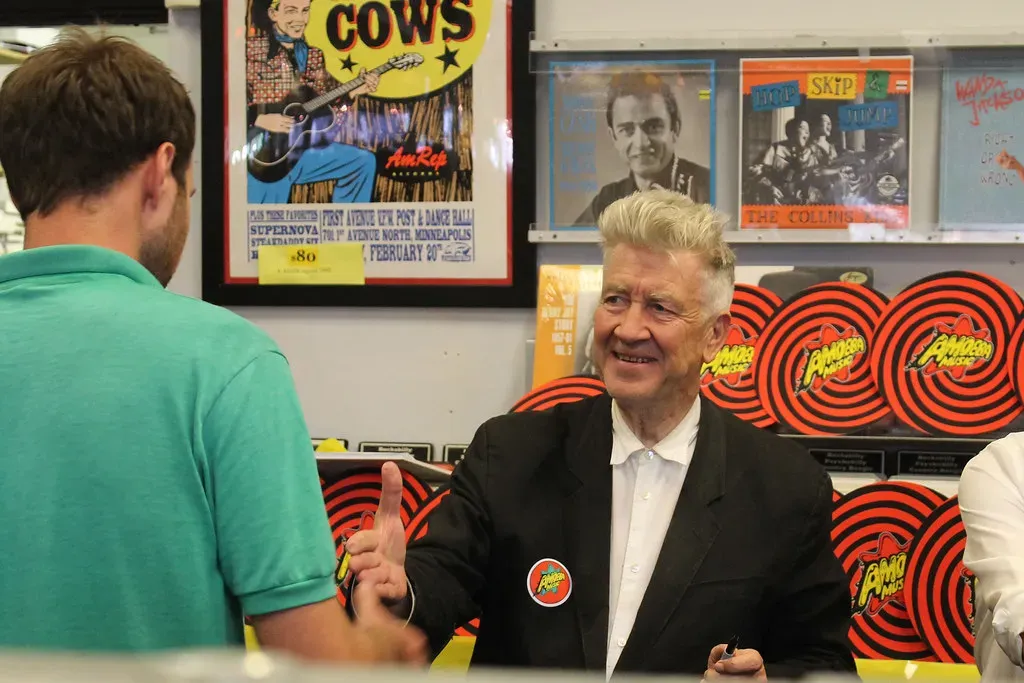
Few finales have left audiences as bewildered – and fascinated – as Twin Peaks: The Return. David Lynch’s mind-bending conclusion, which aired in 2017, eschewed traditional answers in favor of haunting ambiguity. The finale was praised by critics for its willingness to let mystery coexist with catharsis. The performances, particularly Carrie Coon’s, drew acclaim for their raw vulnerability.
By the end, the show’s message was clear: sometimes, the only answer is acceptance. For many viewers, this finale was a balm – a gentle reminder that not every story needs to be solved to be complete. Lynch made a finale that dismantled the very idea of resolution, and somehow that felt more honest about how life works than any tidy ending could have.
The Americans – “Start” (2018): Spy Drama That Chose Restraint Over Spectacle
Just when viewers expected the Cold War spy drama to go out in a hail of bullets, with multiple characters getting killed off, it ended on an appropriately restrained note instead, with an elegantly constructed, magnificently heart-wrenching finale. It packed plenty of epic emotional moments – Stan finds out, Paige gets off the train – before dealing married Soviet spies Philip and Elizabeth Jennings perhaps a fate worse than death: starting a new life in their Russian homeland after leaving their children behind in Reagan’s America.
The Americans’ series finale is one of the greats: despite the fact that U2’s “With or Without You” is forever tied to Friends, its use in the final episode of the FX spy drama is an emotional gut punch of the highest order. The show could have gone for the obvious ending. Instead, it chose exile, estrangement, and the quiet devastation of consequences – and that made all the difference.
What These Finales Have in Common

A single episode is expected to provide closure to a story that fans have been dedicatedly following for years. It has to be satisfying but not too perfect, conclusive but not too cutesy, sad but not in a way that’s too self-serious. While juggling all those contradictory extremes, it also has to stay true to the distinct tone of its universe.
A great series finale doesn’t necessarily have to be the best episode of the show, but it should tie the themes and storylines back together in a satisfying manner that makes viewers glad they stuck through it all. Finales can cement a show’s greatness or forever tarnish its legacy. The ones listed above managed to break conventional storytelling rules – ambiguity, meta-twists, emotional devastation, non-resolution – and still walked away as some of the most discussed, re-watched, and beloved hours of television ever made. The rule, it turns out, is that there are no rules. Only whether it feels true.
Partner offer
Planning a trip to Vegas?
Compare hotel rates and show tickets on VEGAS.com.