Some of the most important books ever written were never meant to be read – at least not openly. They were scrawled in hidden rooms, tucked into suitcases, smuggled across borders, or circulated among trusted friends in the dead of night. The stories behind their creation are sometimes just as remarkable as the texts themselves. What drove these authors to write in secret varies enormously: Nazi occupation, Soviet censorship, fear of professional ruin, personal danger, or the very human need to put something true on paper when truth was forbidden. Here are 15 books with origins that were, quite literally, secret.
1. The Diary of a Young Girl – Anne Frank
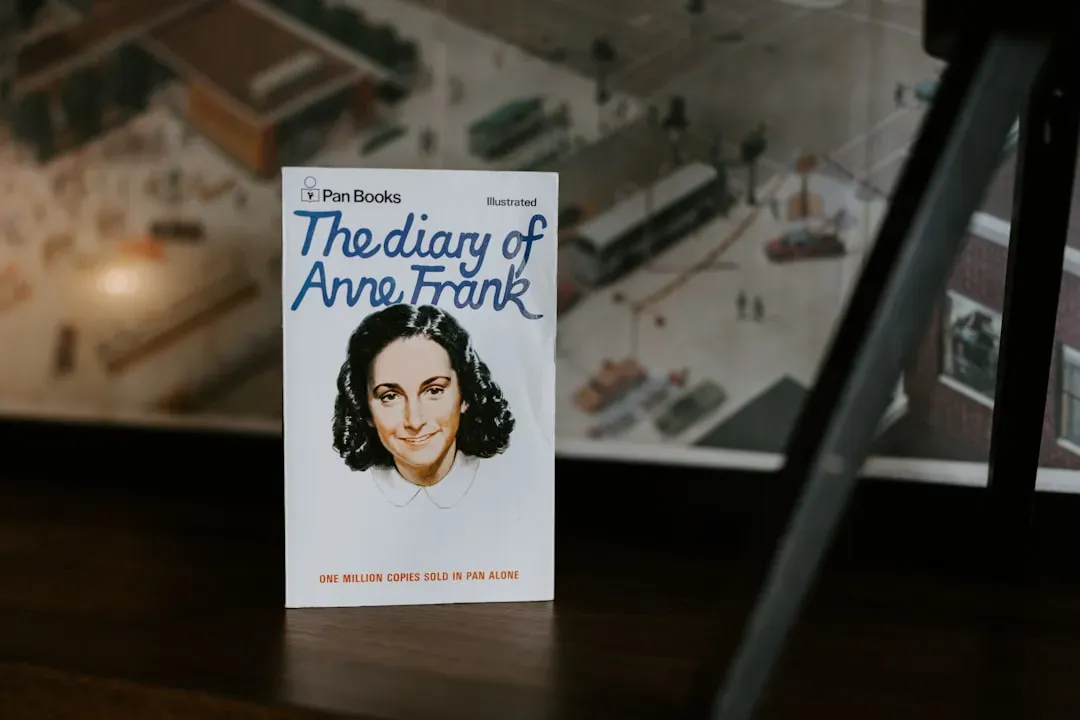
Anne received a diary for her thirteenth birthday in June 1942. One month later, Anne and her family went into hiding in a secret apartment behind her father’s office building. For just over two years, Anne documented her life in hiding by writing in her diary and other notebooks. The act of writing was itself an act of defiance, carried out under constant threat of discovery and death.
On March 28, 1944, a radio broadcast from the Dutch government-in-exile in London urged the Dutch people to keep diaries, letters, and other items that would document life under German occupation. Prompted by this announcement, Anne began to edit her diary, hoping to publish it after the war under the title “The Secret Annex.” From May 20 until her arrest on August 4, 1944, she transferred nearly two-thirds of her diary from her original notebooks to loose pages, making various revisions in the process. The work was eventually translated into more than 65 languages, and it was later adapted for the stage and screen.
2. The Trial – Franz Kafka
Franz Kafka’s “The Trial” wasn’t supposed to exist in public at all – at least not according to Kafka himself. He ordered his close friend, Max Brod, to burn all of his unpublished works after his death. Instead, Brod defied Kafka’s wishes and published “The Trial” in 1925, a year after Kafka died. This act of literary betrayal – or salvation, depending on your view – gave the world one of the defining works of existential fiction.
The novel’s bewildering tale of Josef K., a man arrested and prosecuted by a shadowy authority for unknown reasons, has struck a nerve with anyone who has ever felt lost in bureaucracy. The book’s secret beginnings and posthumous publication add to its haunting atmosphere, making it a cornerstone of existential and absurdist literature. Scholars and fans still debate whether Brod did the right thing, but few deny the world would be poorer without this chilling masterpiece.
3. Lolita – Vladimir Nabokov
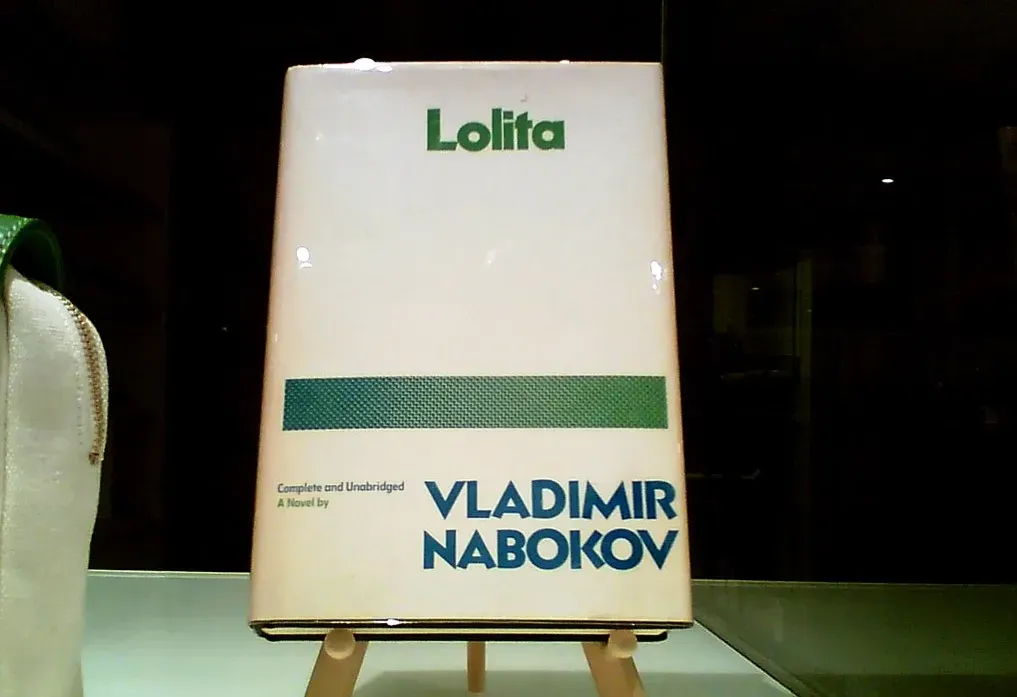
Fearful that the publication of Lolita would get him fired from his Cornell position, Nabokov first sent the manuscript out secretly to friends in American publishing, calling it his “time bomb.” One publisher after another rejected the manuscript. The Viking Press explained, “we would all go to jail if the thing were published.” For years, the book existed in a kind of literary underground, known only to a small circle of readers and editors who recognized its brilliance but feared its consequences.
Olympia Press printed 5,000 copies in 1955, all of which sold. Customs officials in the United Kingdom were soon instructed to seize copies of the book at the border, and a year later it was also banned in France. Olympia Press defiantly continued printing and selling the book illicitly following the bans, increasing its price by one third, from 900 to 1,200 francs per copy. Few manuscripts have had a more dramatic journey from secret draft to celebrated classic.
4. Suite Française – Irène Némirovsky
Irène Némirovsky wrote “Suite Française” while Nazi troops occupied France, her own future uncertain as a Jewish woman. She was arrested and killed at Auschwitz in 1942, and her manuscript was hidden away in a suitcase by her daughters. For decades, the daughters believed the manuscript was simply too painful to read, assuming it was a diary rather than a novel. It was a secret kept even from the family themselves.
When the manuscript was finally transcribed and published in 2004, more than sixty years after Némirovsky’s death, it became an international sensation. The book won France’s prestigious Prix Renaudot in 2004, becoming only the second time in history the award was given posthumously. It stands as one of the most haunting literary artifacts to emerge from the Second World War.
5. Doctor Zhivago – Boris Pasternak
The novel “Doctor Zhivago” by Boris Pasternak was deemed anti-Soviet for not toeing the party line on the 1917 Revolution and could not be printed in Russia. In 1956, the writer smuggled the manuscript out to Italy, where it was published and then won the Nobel Prize for literature the following year. Writing the novel inside the Soviet Union had itself been a private, guarded act, kept from the eyes of party censors.
The Main Administration for Literary and Publishing Affairs, commonly referred to as Glavlit, reviewed books, articles, newspapers, and other written material for content its leadership considered harmful to the public or, more specifically, the government’s ability to control the public. Pasternak navigated this suffocating system carefully for years before finally deciding to smuggle his work out entirely. Accepting the Nobel Prize later proved so dangerous that he was forced to decline it under intense Soviet pressure.
6. The Gulag Archipelago – Alexander Solzhenitsyn
Alexander Solzhenitsyn wrote “The Gulag Archipelago” in secret. Parts of the manuscript were in different cities, and the writer kept only the chapter he was working on. The first volume was published in Paris in 1973. It was among the most dangerous writing projects in modern history, carried out under the surveillance of the Soviet secret police.
Writing in the Soviet underground was not for the faint of heart; writers who self-published risked not just their livelihoods but their lives. They had to put away their manuscripts inside cushions and underneath mattresses in case the secret police came knocking; if they were caught and arrested, they were sent to prison or – worse – the labor camps of Siberia. Some books, like Alexander Solzhenitsyn’s “The Gulag Archipelago,” have been credited with helping to bring down the Soviet Union itself.
7. The Master and Margarita – Mikhail Bulgakov
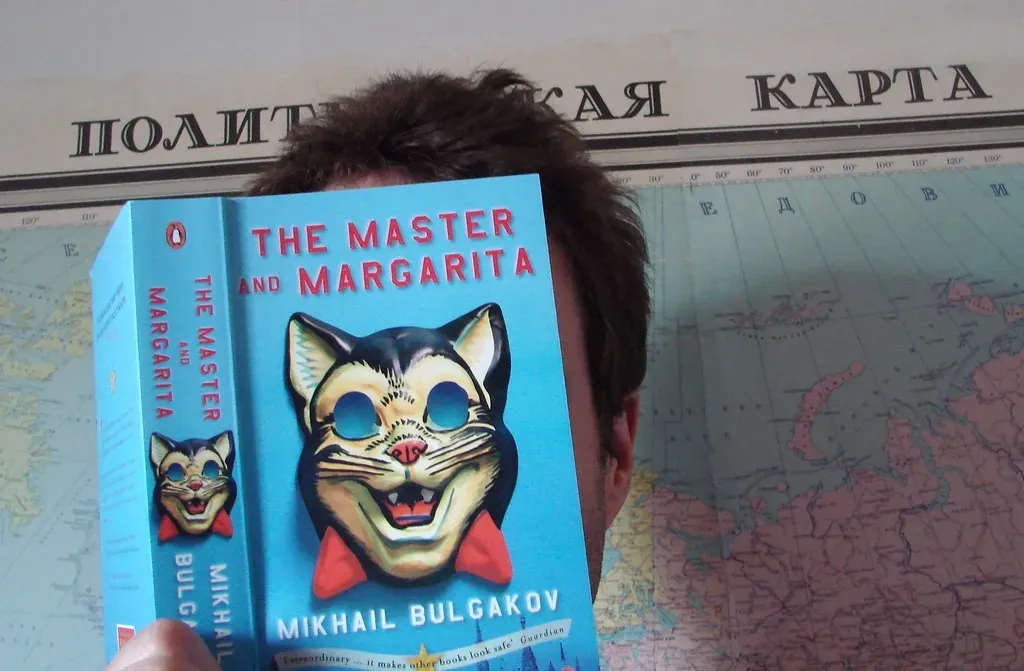
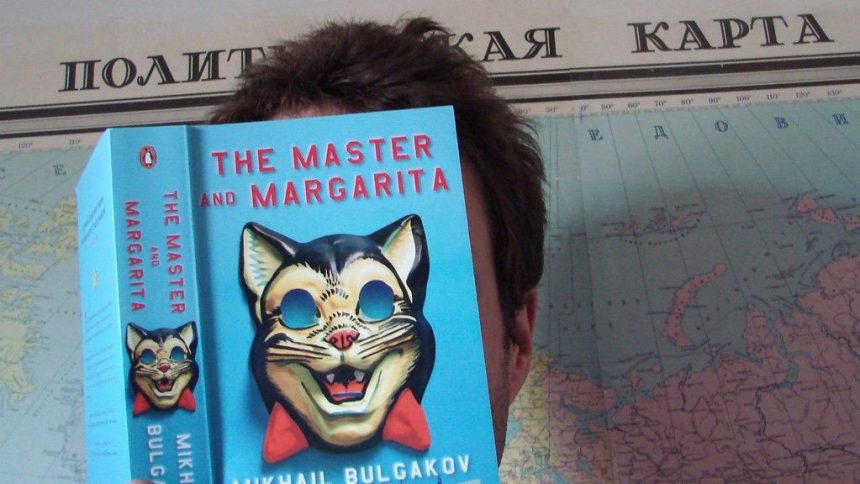
Like many talented and free-thinking Soviet authors, Mikhail Bulgakov frequently clashed with the censors overlooking his work. “The less people know about the novel the better,” a friend warned Bulgakov’s wife Elena, who considered publishing “Master and Margarita” after his death in 1940. “The masterfulness of a genius will always remain masterfulness, but at the moment the novel would be unacceptable. 50–100 years will have to pass.” That estimate was off, but only barely.
It was serialized in a Russian magazine between 1966 and 1967, though not in its entirety. Censors removed around 12% of the original text, including references to nudity, foul language, and the secret police. In practice, the censorship accomplished little, as unedited samizdat copies started circulating in Russia not long after the official version was released. Today it is considered one of the greatest novels of the twentieth century.
8. We – Yevgeny Zamyatin
Zamyatin’s novel “We” was banned in the U.S.S.R., but in 1921 the manuscript was miraculously sent to Berlin by registered mail. After the English-language publication in 1924, a wave of harassment from the authorities and the literary community hit Zamyatin: the book was considered to be a mockery of the communist society of the future. and smuggled out, the novel predated both Huxley’s “Brave New World” and Orwell’s “1984” as the foundational dystopian text.
Zamyatin’s novel imagined a totalitarian future state where citizens are known only by numbers and surveillance is absolute. Its secret composition and covert publication became a blueprint for how writers could resist oppressive systems. The book’s influence on later dystopian literature is widely acknowledged by scholars, cementing its place as a foundational work of the genre.
9. Go Set a Watchman – Harper Lee
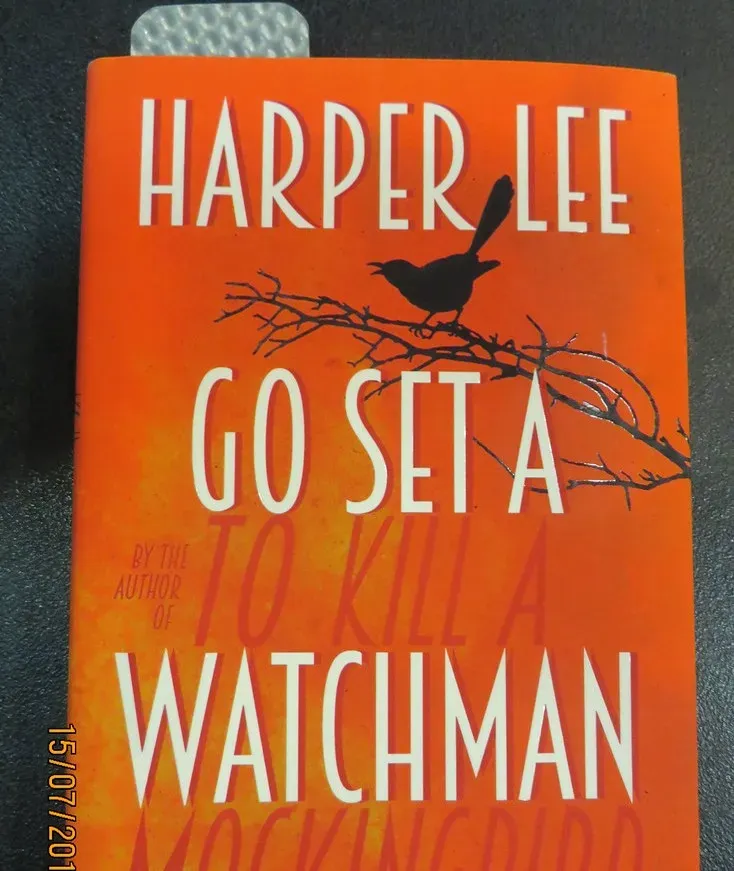
Before “To Kill a Mockingbird,” Harper Lee wrote “Go Set a Watchman,” a manuscript she tucked away for decades. In 2014, it was discovered in a safe deposit box, leading to its explosive publication in 2015. The novel had been quietly concealed for over fifty years, sitting in a vault while its author became one of the most celebrated writers in American literary history.
The publication triggered fierce debate in literary circles. Many scholars noted that “Go Set a Watchman” was actually an earlier draft of “To Kill a Mockingbird,” written before Lee’s editor suggested she restructure the story from Scout’s childhood perspective. The fact that it had been locked away so completely – not just unpublished but physically hidden – made its rediscovery one of the most remarkable literary events of recent decades.
10. Reading Lolita in Tehran – Azar Nafisi
The book is a memoir that takes place in Iran from 1979 to 1997, during the Islamic Revolution and the Iran-Iraq War. The story focuses on a professor who secretly gathers seven of her most committed female students to read forbidden Western literature in her home. Every gathering was itself a clandestine act, carried out behind closed doors and drawn curtains in a city where such reading could result in imprisonment.
Nafisi’s memoir, published in 2003, became a global phenomenon, reaching the top of bestseller lists and remaining there for years. The books her students read – works by Nabokov, Fitzgerald, James, and Austen – were themselves symbols of intellectual freedom smuggled into a repressed society. Writing the memoir required reconstructing years of secret meetings from private notes, transforming a hidden life into a public document of resistance.
11. Hidden Figures – The Untold Story

Margot Lee Shetterly’s research for “Hidden Figures,” published in 2016, unearthed decades of deliberately suppressed institutional records about the Black women mathematicians who worked at NASA. Their contributions had not been by choice, but erased – systematically excluded from official histories, their names and roles quietly removed from published accounts of the Space Race.
Shetterly spent years combing through archives, personal papers, and government documents that had never been publicly discussed. The stories these records contained had effectively been secret for half a century. The book’s publication and the subsequent Oscar-nominated film brought a hidden chapter of American scientific history into mainstream consciousness for the first time, generating enormous discussion about whose stories get recorded and whose get buried.
12. The Satanic Verses – Salman Rushdie
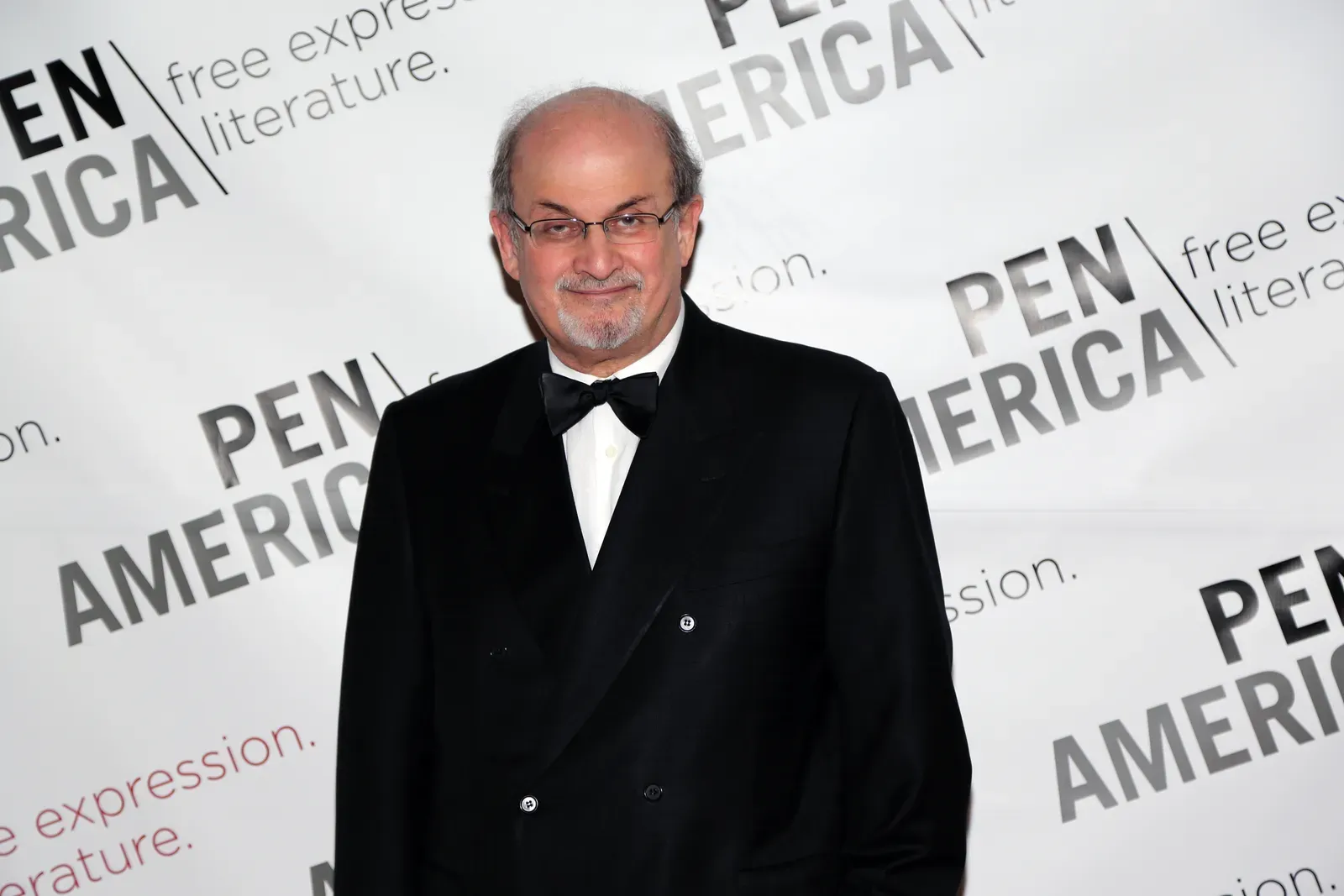
Salman Rushdie completed “The Satanic Verses” in 1988, but what followed its publication transformed the very act of writing into a matter of life and death. After Ayatollah Khomeini issued a fatwa against Rushdie in 1989, the author spent nearly a decade living in hiding under the protection of the British government. For years he could not write openly or appear publicly under his own name.
The books Rushdie produced during his years of concealment were written in a state of enforced secrecy that few authors in the modern era have experienced. His memoir “Joseph Anton” – named after the pseudonym he used while in hiding, drawn from the first names of Joseph Conrad and Anton Chekhov – documented this extraordinary period. The title itself was a secret identity, a name built from the names of other writers who had themselves wrestled with censorship and exile.
13. The Diary of a Young Girl’s Hidden Pages
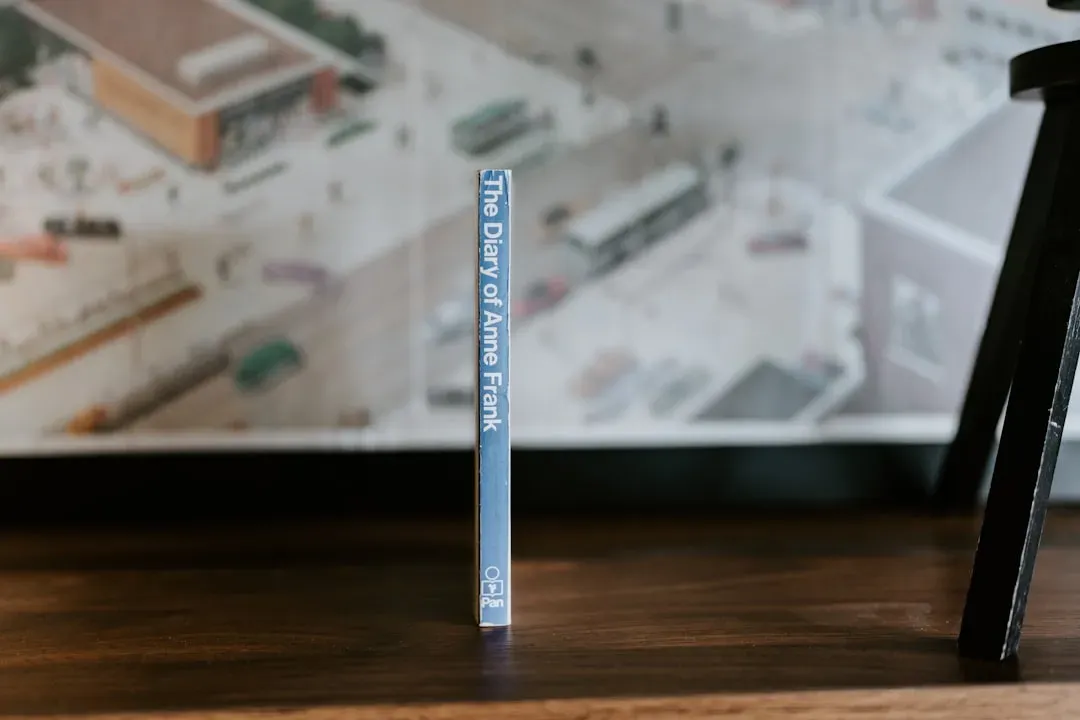
On May 15, 2018, the Anne Frank House, the Huygens Institute for the History of the Netherlands, and the NIOD Institute for War, Holocaust and Genocide Studies, published hidden text found beneath gummed paper in Anne Frank’s first diary. The newly revealed text was discovered in 2016 during a routine check on the condition of Anne’s diaries. Image processing technology allowed the text to be made legible without altering the pages of the diary. The text was written on September 28, 1942, and includes five crossed-out phrases, four “dirty” jokes, and 33 lines about sex education and prostitution.
Frank seemingly intended to preserve just about everything she wrote, even before she focused on a possible future publication upon hearing a 1944 radio announcement about the importance of documenting Nazi atrocities. Regardless of Frank’s reasons for covering the two pages, the revelation of its contents marked another step in the ongoing exploration and analysis of her prolific output while isolated from the outside world. According to researcher Peter de Bruijn of the Huygens Institute, the newly discovered passages are important because they reveal Frank’s development of her craft. “She starts with an imaginary person whom she is telling about sex, so she creates a kind of literary environment to write about a subject she’s maybe not comfortable with,” he explained.
14. One Day in the Life of Ivan Denisovich – Alexander Solzhenitsyn
The birth of Solzhenitsyn’s literary voice – an autobiography and literary investigation of life in Stalin’s labor camps – can be traced back to the Second World War, when Solzhenitsyn, fighting at the Eastern Front, was arrested for writing a letter to a friend questioning the military command. For this crime, Solzhenitsyn was sentenced to eight years in the Gulag – a cold, unsanitary, and overcrowded prison system hidden in the Russian tundra. It was inside this system that the material for his early writing was forged.
The existence of the Gulag was kept a secret from the outside world, and inmates who had served their time rarely spoke about it for fear of being rearrested. Solzhenitsyn memorized his early prose in the camps rather than committing it to paper, reciting his lines to himself on a loop so nothing could be confiscated. When “One Day in the Life of Ivan Denisovich” was published in 1962 in the Soviet literary journal Novy Mir, it was the first time the Gulag had been acknowledged openly in Soviet literature.
15. The Original Manuscript of Ulysses – James Joyce
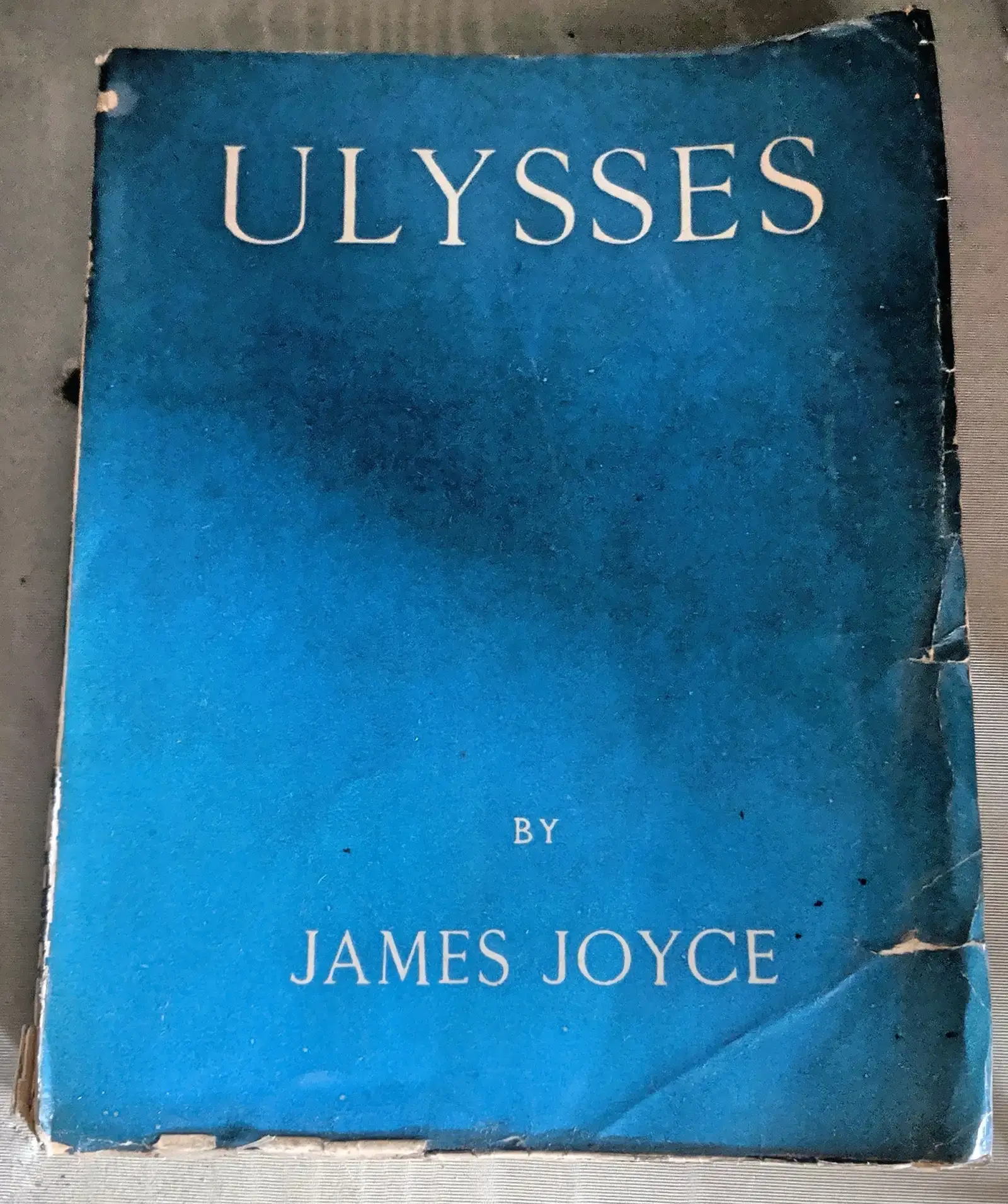
One of the most contentious and fascinating cases of literary censorship involves James Joyce’s “Ulysses” and Vladimir Nabokov’s “Lolita” – works now praised as literary masterpieces that were once considered legally unpublishable. Joyce wrote much of “Ulysses” in a kind of intellectual secrecy, serializing it quietly in the American literary magazine “The Little Review” starting in 1918 before the serial was suppressed in 1920 by the New York Society for the Suppression of Vice.
The novel was eventually published in full in Paris in 1922 by Sylvia Beach’s Shakespeare and Company bookshop – itself something of an underground literary operation. In the United States, the book remained banned until 1933, meaning copies were smuggled in from Europe by readers willing to break the law to access literature. Writers who did not agree with the government sometimes opted to self-publish their work in the underground market. Self-publication helped to sustain revolutionary activity during censorship just as it had under the czar. Joyce’s readers operated by the same principle – literature passed hand to hand, hidden from customs officers and moral authorities, until a court finally declared it a work of art and not obscenity.